


The Ultimate National Park Packing List
Dominic PalmowskiNational Park Packing List: The Essentials Worth Bringing Every Time
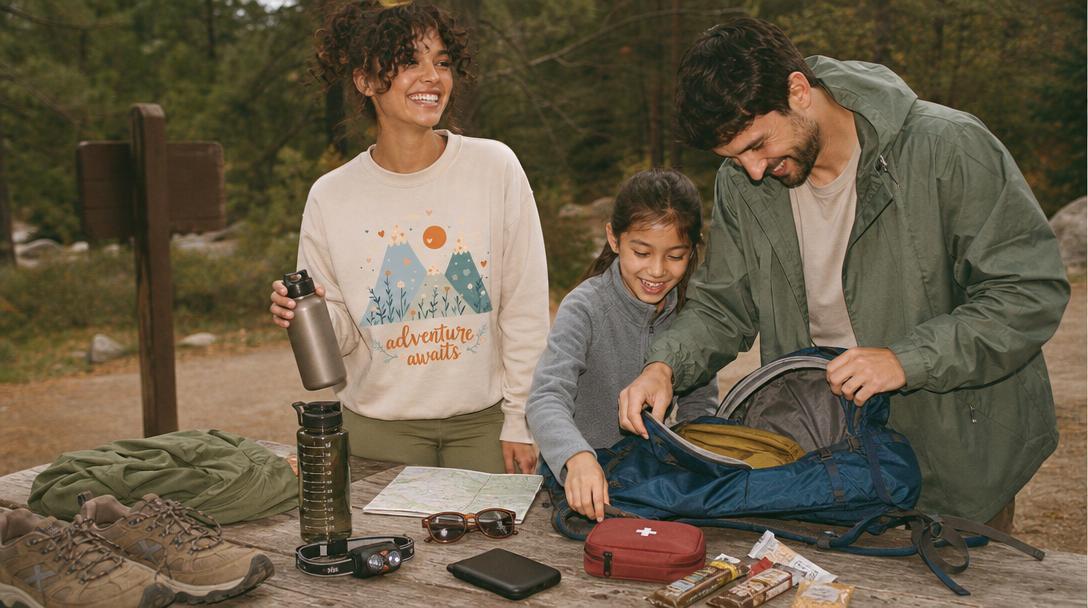
Here's a national park packing list that actually holds up on the trail: water, broken-in shoes, layers, offline maps, first aid, and a headlamp, whether you are planning a single day hike or a full road trip between parks. None of it is flashy. It will not make you look like a mountaineering catalog model. But it is the stuff that gets used, trip after trip.
1. Water — more than feels reasonable
Water is the main character of nearly every national park trip checklist. Bring more than you think you need, especially in desert parks, exposed trails, high elevation, or summer heat.
For day hikes, a good starting point is about 0.5 liter per hour for moderate conditions, but that can easily jump in hot parks like Zion, Arches, Joshua Tree, or the Grand Canyon. Trails like Angels Landing in Zion are a good example: the exposed switchbacks heat up fast, and extra water is what turns a miserable climb into a manageable one.
Pack:
- Reusable water bottles or hydration reservoir
- Extra water in the car
- Electrolyte packets or tablets for hot hikes
- A collapsible bottle for backup
2. Broken-in footwear — not new boots
The golden rule: do not debut new hiking boots on a national park hike.
A pair that is only “mostly” broken in tends to make itself known around mile four, and the miles back to the car turn into a slow, limping, character-building experience.
Your national park trip is not a fashion runway. Wear the shoes that already know your feet.
Choose:
- Broken-in trail runners or hiking shoes for most day hikes
- Hiking boots only if you already know they work for you
- Wool or synthetic socks, not cotton socks for long hikes
- Blister patches or moleskin in your first aid kit
If you’re still deciding what kind of footwear makes sense, this guide to water resistant hiking shoes is a good place to start.
3. Layers and rain protection
Even if the forecast looks innocent, bring a lightweight rain shell. In parks like Zion, a random cloud can show up like it was invited to lunch and soak the trail on the way down. The hiker with the rain shell is the happy one.
For most day hikes, you do not need six outfit changes. One warm layer and one rain layer are usually enough.
Pack:
- Lightweight rain jacket or shell
- Fleece, insulated layer, or sweatshirt depending on season
- Hat or beanie for cool mornings
- Gloves for mountain and alpine parks
For colder trips, you might also like these ideas for things to do outside when it’s cold, because the right layer makes “brisk and beautiful” feel very different from “why did we leave the house?”
4. Offline maps and backup navigation
Download your maps before you leave Wi-Fi or cell service. National parks are famous for gorgeous scenery and deeply unreliable signal.
Your phone may be your map, camera, emergency contact, and proof that yes, that was actually a marmot. But it only helps if it works.
Bring:
- Downloaded offline trail maps
- Paper park map from the visitor center
- Fully charged phone
- Power bank and charging cable
Cold weather and too many bison photos can drain a phone halfway through a Yellowstone day. A small power bank in the center console means you can still navigate, call ahead to the campsite, and document the rest of the trip. A dead phone in Yellowstone is not just annoying. It can be a real problem.
5. First aid kit with blister care
A basic first aid kit is one of those things you hope is boring. Boring is good. Boring means nobody is limping dramatically across a parking lot while the kids narrate your downfall.
Include:
- Bandages
- Blister pads or moleskin
- Antiseptic wipes
- Tweezers
- Pain reliever
- Allergy medicine if needed
- Any personal medications
- Small roll of athletic tape
6. Headlamp, even for day hikes
A headlamp belongs on every national park hiking packing list, even if you plan to be back by lunch. Trails run long. Kids slow down. Viewpoints lure you into staying “five more minutes.” Sunset does not care about your schedule.
A basic headlamp with fresh batteries beats using your phone flashlight and draining the device you also need for maps. For the rest of the safety basics, see the ten essentials for day hiking.
What to pack for a national park day hike
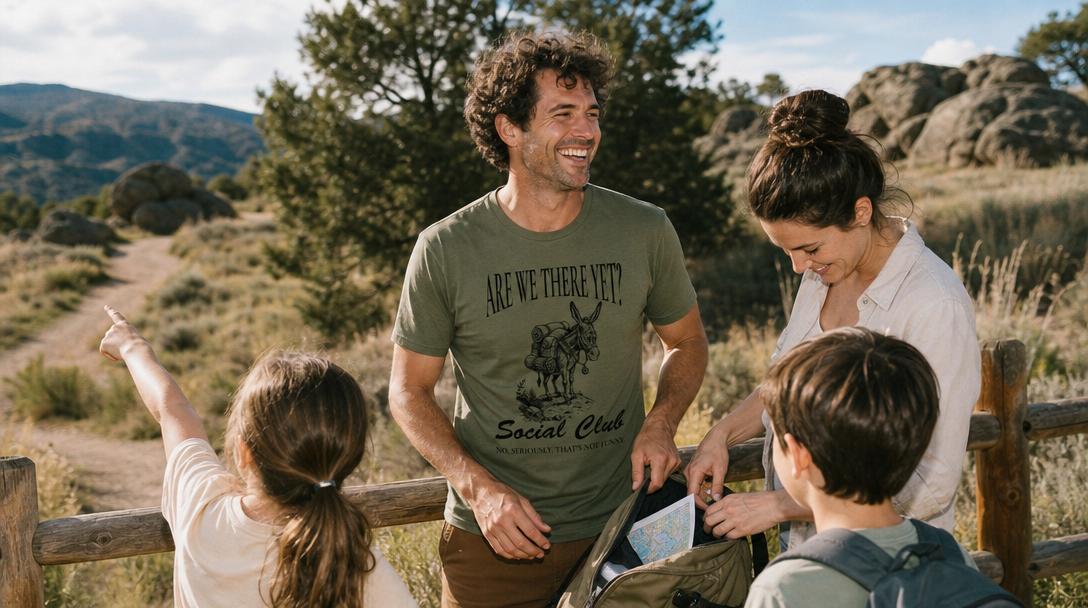
Day hike essentials
- Daypack
- Water and electrolytes
- Snacks or lunch
- Broken-in hiking shoes or trail shoes
- Wool or synthetic socks
- Rain shell
- Warm layer
- Sun hat or beanie, depending on climate
- Sunglasses
- Sunscreen
- First aid kit with blister care
- Headlamp
- Power bank
- Offline maps
- Paper map
- ID, payment card, and park pass
- Small trash bag for wrappers and tissues
For a more general day-hiking breakdown, this hiking gear checklist pairs well with this park-specific list.
Snacks that actually help
Do not build your whole snack strategy around sweet trail mix. Bring salty foods too, especially for longer hikes or hot weather. Your body needs both quick energy and salt.
Good options:
- Pretzels
- Jerky
- Crackers and cheese
- Nut butter packets
- Granola bars
- Dried fruit
- Sandwiches or wraps
- Electrolyte drink mix
Start hydrated before the hike. If you wait until you are thirsty, you are already playing catch-up.
National park packing list by environment
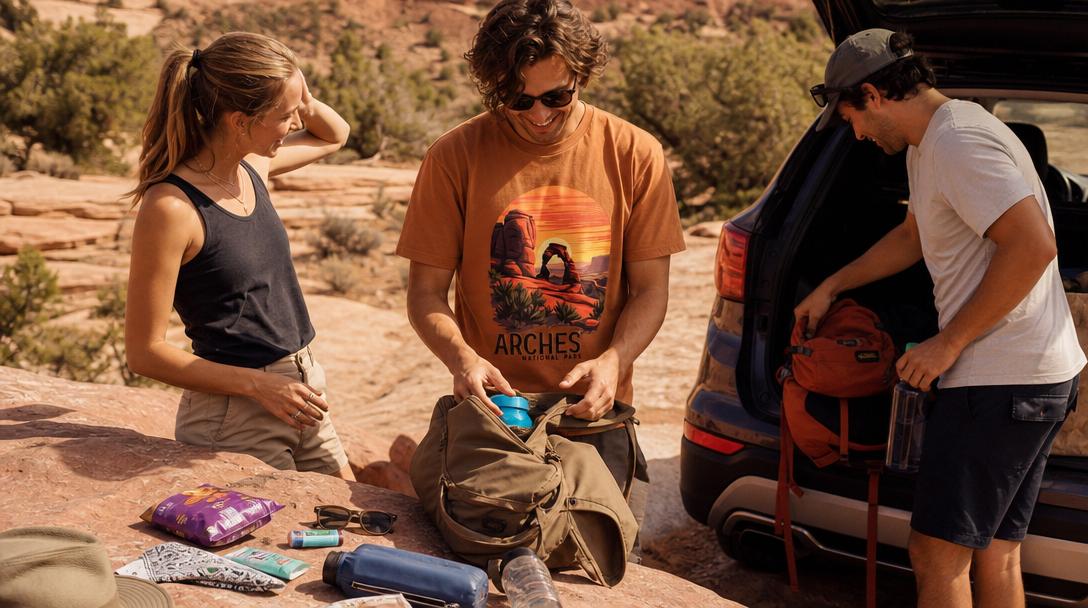
Desert parks: Zion, Arches, Joshua Tree, Grand Canyon
Desert parks rearrange your priorities fast. Water moves to the top of the list, then sun protection, then more water.
Add:
- Extra water in your pack and car
- Electrolytes
- Wide-brim hat
- Sunglasses
- UPF sun shirt or breathable long sleeves
- Sunscreen and lip balm with SPF
- Lightweight neck gaiter or bandana
- Salty snacks
Avoid hiking exposed trails during the hottest part of the day when possible. Early starts are your friend, even if your family acts personally offended by the alarm clock.
Mountain and alpine parks: Rocky Mountain, Glacier, Grand Teton
Mountain parks are dramatic in every sense. The views are huge, the weather changes fast, and elevation makes everything feel a little harder. Heading to Glacier specifically? See the season-by-season Glacier National Park packing list.
Add:
- Extra insulation layer
- Gloves and warm hat
- Rain shell
- Bear spray where recommended and allowed
- High-calorie snacks
- More water than you think, because dry mountain air sneaks up on you
If you’re visiting bear country, learn how to carry and use bear spray before you go. This best bear spray guide is helpful if you’re sorting through options.
Coastal parks: Acadia, Olympic, Redwood coastal areas
Coastal trails can go from sunny and sweet to sideways rain in a hurry. At Acadia, the wind can try to steal your hat with the confidence of a professional thief.
Add:
- Windproof rain shell
- Waterproof or water-resistant footwear
- Warm layer
- Dry socks
- Hat that stays on your head
- Small towel or extra cloth for damp gear
Forest and humid parks: Great Smoky Mountains, Congaree, Shenandoah
Humidity changes comfort fast. You may not need extreme technical gear, but breathable clothing, bug protection, and dry socks matter.
Add:
- Insect repellent
- Lightweight long sleeves or pants for bugs
- Extra socks
- Quick-dry towel
- Rain jacket
- Plastic bag for wet clothes
What to bring to Yellowstone and Grand Teton
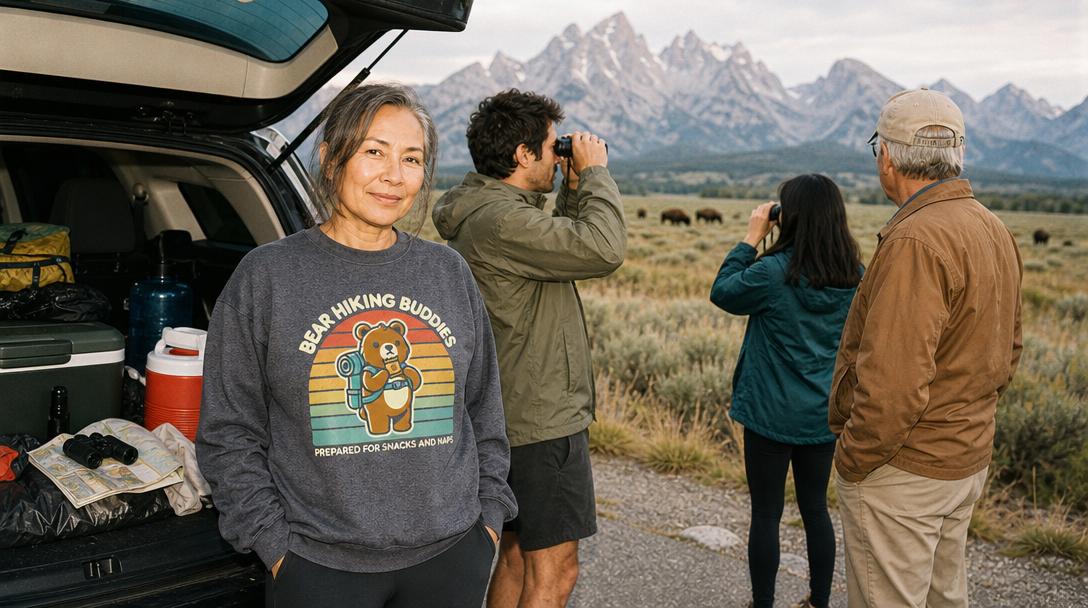
For a combined Yellowstone and Grand Teton road trip, pack like you’re moving between seasons, wildlife zones, and long driving days — because you are.
Bring:
- Layers for cold mornings and warm afternoons
- Rain shell
- Power bank and car charger
- Offline maps
- Binoculars for wildlife viewing
- Bear spray where appropriate
- Cooler with easy lunches
- Extra water in the car
- Camera or phone storage space for approximately 4,000 bison photos
- Trash bags and sealable food storage
Stay wildlife smart. Keep distance, use pullouts safely, and never approach animals for a photo. The bison is not interested in your vacation content strategy.
National park packing list for families
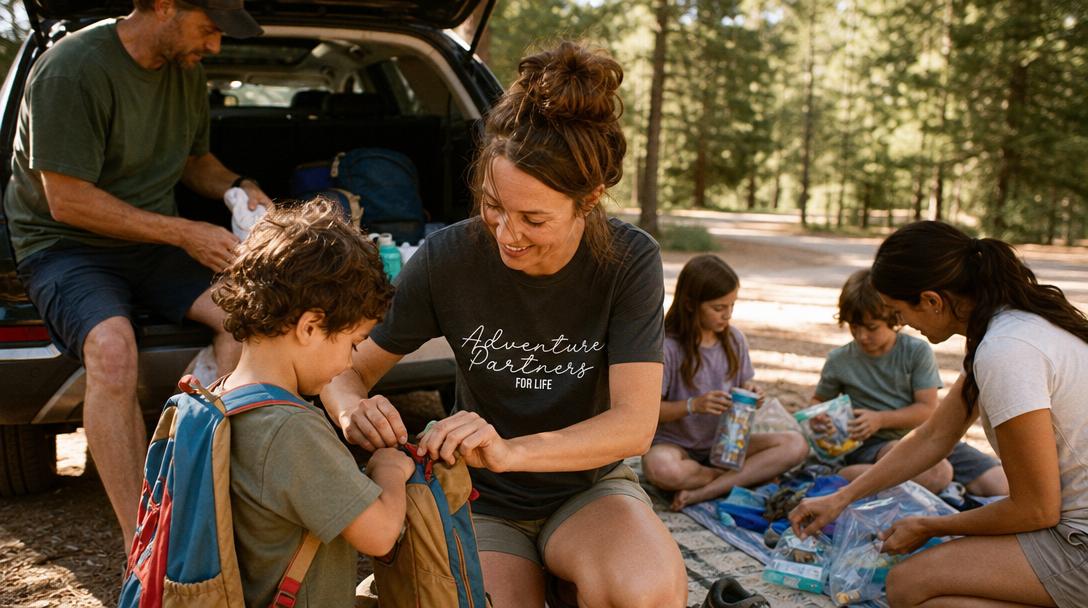
A national park packing list for families needs to account for real life: snack emergencies, bathroom timing, car chaos, and the one child who suddenly hates the socks they approved yesterday.
Family day hike add-ons
- Extra snacks separated into kid portions
- Small personal water bottle for each child
- Wet wipes
- Hand sanitizer
- Kid-safe sunscreen
- Extra socks
- Lightweight layers
- Simple first aid kit
- Small comfort item for younger kids
- Car snacks that are not part of the hike stash
- Plastic bags for trash, wet clothes, or muddy shoes
The family car kit
- Extra water jug
- Cooler
- Change of clothes
- Towels
- Backup shoes or sandals
- Picnic blanket
- Paper towels
- Trash bags
- Basic tools or tire inflator for road trips
- Printed reservation details
Family trips do not require fancy gear. They require enough food, comfortable shoes, realistic pacing, and a willingness to stop for the weird roadside viewpoint nobody planned on.
If you’re camping too, this ultimate camping trip checklist covers the overnight side in more detail.
Camping and road trip extras
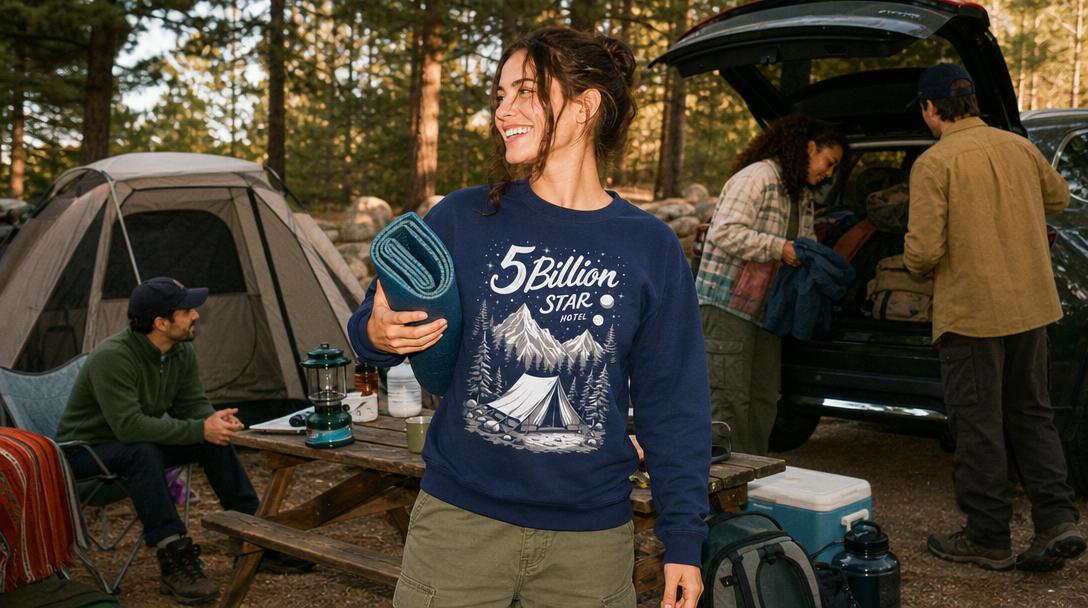
Camping extras
- Tent and footprint
- Sleeping bags
- Sleeping pads
- Camp pillows
- Camp chairs
- Lantern
- Stove and fuel
- Cooler
- Cookware
- Cutting board, if your family runs a small trailhead restaurant at every campsite
- Food storage containers
- Dish soap and sponge
- Trash bags
- Camp towels
- Toiletries
- Camp clothes and sleep clothes
Road trip extras
- Car charger
- Power bank
- Printed reservations
- Park pass
- Cooler snacks
- Refillable water jug
- Emergency blanket
- Jumper cables
- Tire pressure gauge
- Entertainment for kids
- Binoculars
- Extra sunglasses
Road trips through parks like Yellowstone and Grand Teton can involve long gaps between services. Treat your car like a rolling base camp.
What is the 5 4 3 2 1 rule for packing?
The 5 4 3 2 1 rule is a simple clothing formula for packing light. A common version is:
- 5 tops
- 4 bottoms
- 3 pairs of shoes or accessories
- 2 outer layers
- 1 dressier or special outfit
For a national park trip, adapt it this way: bring fewer “just in case” outfits and prioritize layers that work together. For day hikes, you usually do not need multiple backup clothing options in your pack. One warm layer, one rain layer, and a dry change of clothes in the car is often the sweet spot.
What is the 3-3-3 rule for packing for a trip?
The 3-3-3 rule is another minimalist packing strategy. It usually means packing three tops, three bottoms, and three pairs of shoes or key accessories that can mix and match.
For national parks, be careful with the “three pairs of shoes” idea. You probably need one excellent broken-in hiking pair, one camp sandal or casual shoe, and maybe one town shoe if your trip includes restaurants or travel days. Do not bring three brand-new options and hope your feet vote kindly.
What is the most forgotten item when traveling?
The most forgotten item is often a charger, but for national parks the most forgotten truly important item is usually a power bank — followed closely by blister care.
People remember the camera. They remember the big cooler. They remember the matching family shirts. Then they forget the tiny things that save the day: charging cable, power bank, moleskin, lip balm, and a headlamp.
Make a tiny “last check” pouch with those small essentials and keep it in your daypack.
What is not allowed at national parks?
Rules vary by park, so always check the specific National Park Service page before you go. In general, these are not allowed or are heavily restricted in many national parks:
- Feeding or approaching wildlife
- Taking rocks, plants, antlers, artifacts, or natural objects
- Drones without special authorization
- Going into closed areas or ignoring trail closures
- Pets on most trails, unless specifically allowed
- Unleashed pets where pets are permitted
- Fireworks
- Campfires outside approved areas or during fire bans
- Carving, painting, or marking rocks, trees, or structures
- Swimming or entering restricted thermal areas, especially in parks like Yellowstone
The short version: leave things where they are, give wildlife space, follow posted signs, and do not be the reason a ranger has to use their disappointed voice.
Quick national park trip checklist
Here’s the condensed national park trip checklist worth screenshotting before you leave:
- Water plus extra in the car
- Electrolytes
- Broken-in shoes
- Good socks
- Rain shell
- Warm layer
- Snacks and lunch
- Sun protection
- First aid kit with blister care
- Headlamp
- Power bank and cable
- Offline maps
- Paper map
- Park pass or reservation info
- Trash bag
- Environment-specific add-ons
- Family extras if traveling with kids
- Camping gear if staying overnight
FAQ
What should I pack for national parks if I’m only doing easy trails?
Pack water, snacks, comfortable broken-in shoes, sun protection, a rain shell, a warm layer, offline maps, a small first aid kit, and a power bank. Easy trails still deserve basic preparation, especially if weather changes or cell service disappears.
What are the most important national park essentials?
The most important national park essentials are water, broken-in footwear, layers, rain protection, offline maps, a first aid kit with blister supplies, a headlamp, and a power bank. These are the items that most often prevent small problems from becoming trip-ruining problems.
Do I need expensive hiking clothes for a national park trip?
No. For easy trails, scenic drives, visitor centers, and casual exploring, comfortable everyday clothes are usually fine. Spend money on footwear first. Add technical layers only when your mileage, weather, or environment actually requires them.
How much water should I bring on a national park hike?
For moderate conditions, plan around 0.5 liter per hour per adult, then increase for heat, elevation, exposed trails, or strenuous hikes. In desert parks, carry extra and keep more in the car. Kids may need frequent reminders to drink.
Can I bring bear spray to national parks?
Bear spray is recommended in some bear-country parks, but rules vary. Check the specific park’s regulations before you go, learn how to carry it safely, and make sure it is accessible instead of buried at the bottom of your backpack.
What should families not forget for a national park trip?
Families should not forget extra snacks, water for each person, wet wipes, extra socks, sunscreen, layers, a first aid kit, and backup car supplies. Also bring patience. It weighs nothing and you will use all of it.
What are the essential things to bring to a national park for beginners?
Beginners should focus on water, broken-in shoes, a rain shell, a warm layer, sun protection, offline maps, a basic first aid kit, and a power bank. These cover most day-hike and road-trip situations without requiring specialized gear.
What should I pack for a national park road trip?
A national park road trip packing list should include a cooler, extra water, a power bank and car charger, printed reservations, offline maps, binoculars, and basic car safety items like jumper cables and a tire gauge, in addition to standard day hike gear for stops along the way.
What should I pack for a Bryce Canyon trip?
Bryce Canyon sits at high elevation, so pack extra layers for cold mornings, sun protection for strong midday sun, sturdy broken-in footwear for uneven, sometimes icy trails, and plenty of water since the dry air dehydrates faster than it feels.
Final trailhead advice
The best packing list is not the biggest one. It is the one that fits your park, your people, your weather, and your actual plans.
Bring more water than feels necessary. Wear the broken-in shoes. Download the maps. Pack the rain shell even when the forecast looks friendly. Toss in blister care, a headlamp, and a power bank. Then let the rest be simple.
Because the goal is not to prove you own every piece of outdoor gear ever invented. The goal is to have the kind of national park day where everyone gets back to the car tired, safe, snack-sticky, and already talking about the next trail.


