


Hiking Gear Checklist: Day Hiking Essentials
Dominic PalmowskiDay hiking essentials boil down to ten core categories—navigation, sun protection, extra clothing, light, first aid, fire, repair tools, food, water, and shelter—packed in a sensible order so the stuff you need most is on top. This hiking gear checklist turns that idea into a repeatable system instead of a last-minute scramble, and it can be the difference between "wow, what a gorgeous overlook" and "why am I eating emergency granola in the dark with one wet sock?"
Day hikes seem simple: you're not sleeping outside, you're probably starting near a parking lot, and maybe there's a coffee shop waiting afterward. But short hikes can still turn sideways fast thanks to weather, wrong turns, low phone battery, blisters, heat, or a trail that is "mostly flat" in the same way a raccoon is "mostly polite."
The good news: you don’t need a garage full of premium gear to hike safely. You need a smart, repeatable system.
This master day hike packing list is built around the classic Ten Essentials recommended by organizations like the National Park Service and American Hiking Society, then adds the modern stuff many checklists skip: hiking apps, phone battery management, seasonal swaps, beginner-friendly budget options, and what to keep in your car if you’re doing van-life or trailhead-based adventures.
Print it, screenshot it, customize it, and let’s keep your future self from whispering, “I really should’ve packed that.”
Hiking Gear Checklist: The Quick Printable Version
The 10 Essentials for Every Day Hike
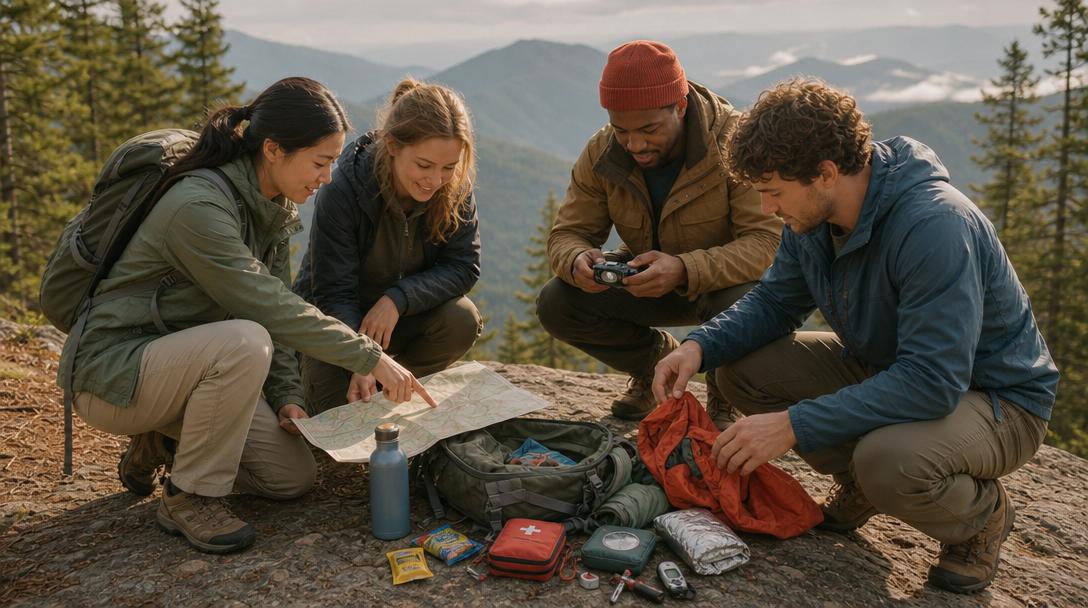
- Navigation: paper map, compass, offline map app, GPS/watch optional
- Sun protection: sunscreen, sunglasses, hat, UPF clothing
- Extra clothing: rain shell, warm layer, hat/gloves depending on weather
- Illumination: headlamp plus extra batteries or charge
- First aid: compact kit, blister care, personal meds
- Fire: lighter or waterproof matches, fire starter
- Repair/tools: knife or multi-tool, duct tape, gear tape
- Nutrition: snacks plus extra food
- Hydration: water plus filter/tablets if needed
- Emergency shelter: space blanket, emergency bivy, or ultralight tarp
Nice-to-Have Comfort Items
- Trekking poles
- Bug spray or head net
- Sit pad
- Electrolytes
- Small trash bag
- Toilet kit: trowel, toilet paper, hand sanitizer, waste bag
- Bandana or buff
- Camera
- Lightweight gloves
- Extra socks
Trailhead/Car Kit
- Extra water jug
- Dry clothes and socks
- Towel
- Sandals or comfy shoes
- Bigger first-aid kit
- Blanket
- Phone charging cable
- Snacks you don’t want crushed in your pack
- Printed backup directions
- Trash bag
What Are the 10 Essentials for Hiking?
The Ten Essentials are a safety system first developed by The Mountaineers and now widely recommended by outdoor organizations. The National Park Service lists them as navigation, sun protection, insulation, illumination, first aid, fire, repair tools, nutrition, hydration, and emergency shelter.
Think of them less like “ten objects” and more like ten little insurance policies against common trail problems.
1. Navigation
Bring more than one way to know where you are.
Pack:
- Paper map of the area
- Compass
- Phone with downloaded offline maps
- Optional GPS device or GPS watch
- Trail notes or route description
According to the National Park Service, hikers should know how to use a topographic map, compass, or GPS before heading out and should bring a physical map as a backup. Phones are great—but they can die, break, overheat, freeze, or simply decide the mountain is a no-service zone.
2. Sun Protection
Yes, even when it’s cloudy. Yes, even in winter. The sun is sneaky like that.
Pack:
- Broad-spectrum SPF 30+ sunscreen
- Sunglasses with UV protection
- Brimmed hat or cap
- UPF long-sleeve shirt or lightweight sun hoodie
The American Hiking Society recommends sunscreen, sunglasses, and sun-protective clothing in every season, regardless of cloud cover or temperature.
3. Extra Clothing
Weather changes quickly, especially in mountains, deserts, coastal areas, and shoulder seasons.
Pack:
- Rain jacket or wind shell
- Warm layer like fleece or puffy jacket
- Extra socks
- Hat and gloves in cool conditions
- Neck gaiter or buff
Avoid cotton for active hiking layers when possible because it holds moisture and dries slowly. Go for wool or synthetic fabrics when sweat, cold, or rain are in the forecast. For a deeper breakdown, see our guide to cotton vs synthetic hiking shirts.
4. Illumination
A headlamp is one of the most overlooked items on a day hike packing list, mostly because people think, “I’ll be back way before dark.”
Famous last words, trail edition.
Pack:
- Headlamp
- Extra batteries or fully charged rechargeable lamp
- Backup mini light if hiking remote trails
The National Park Service specifically recommends headlamps because they’re hands-free. That matters if you’re using trekking poles, reading a map, helping a friend, or rummaging for snacks with the urgency of a bear preparing for hibernation. If you want to understand light modes before buying, our green light headlamp guide for hikers explains what matters after sunset.
5. First Aid
You don’t need to carry an emergency room. You do need the basics.
Pack:
- Adhesive bandages
- Gauze pads
- Medical tape
- Antiseptic wipes
- Blister treatment
- Pain reliever
- Allergy medication if needed
- Any personal medications
- Tweezers
- Small emergency card with medical info
Blisters, cuts, headaches, and twisted ankles are more common than dramatic wilderness emergencies. A simple kit can save the day.
6. Fire
This is for emergencies, not for starting a casual campfire wherever you please. Always follow local fire restrictions.
Pack:
- Mini lighter
- Waterproof matches
- Fire starter tabs or cotton balls with petroleum jelly
- Waterproof storage bag
Fire can help with warmth, signaling, and morale during an emergency delay.
7. Repair Kit and Tools
Gear breaks. Shoelaces snap. Backpack straps rebel. Duct tape becomes trail magic.
Pack:
- Small knife or multi-tool
- Duct tape wrapped around a water bottle or trekking pole
- Gear tape
- Safety pins
- Zip ties
- Spare hair tie or cord
No need to pack a hardware store. Just carry enough to improvise.
8. Nutrition
Pack the food you plan to eat—and then add extra.
Good trail snacks:
- Trail mix
- Granola bars
- Nut butter packets
- Jerky
- Dried fruit
- Crackers
- Cheese
- Tortillas or sandwiches
- Candy or chocolate
- Electrolyte chews
The National Park Service recommends packing extra no-cook food with good nutritional value, such as trail mix, nuts, and granola bars.
9. Hydration
Water is heavy, but dehydration weighs heavier on your day.
Pack:
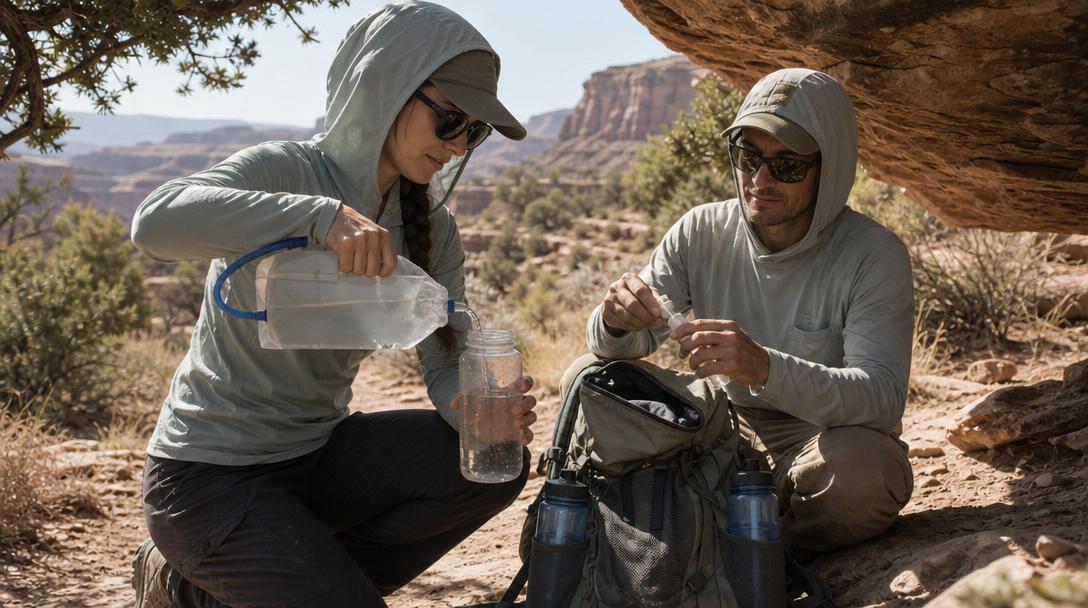
- Water bottles or hydration reservoir
- Backup water treatment if near natural water sources
- Electrolytes for hot or sweaty hikes
The American Hiking Society recommends planning for about half a liter of water per hour in moderate temperatures and terrain. More on exact amounts below.
10. Emergency Shelter
Even on a day hike, you need a way to stay warm and protected if you’re delayed.
Pack one:
- Emergency space blanket
- Emergency bivy
- Lightweight tarp
- Large contractor trash bag as budget backup
A simple space blanket is inexpensive, tiny, and could make a miserable delay much safer.
Complete Day Hike Packing List for Beginners
If you’re new to hiking, start with a simple, practical complete day hike packing list for beginners. Don’t worry about having the fanciest gear. Focus on safety, comfort, and not overpacking so much that your backpack feels like it’s training for a thru-hike without you.
Beginner Day Hike Packing List
For an easy to moderate hike under 5 miles, pack:
- Comfortable daypack
- 1–2 liters of water, more in heat
- Snacks plus one extra snack
- Offline map on your phone
- Paper map or printed trail screenshot
- Small first-aid kit
- Blister pads
- Rain jacket or wind layer
- Warm layer
- Sunscreen
- Sunglasses
- Hat
- Headlamp
- Lighter
- Emergency blanket
- Small knife or multi-tool
- ID, credit card, and a little cash
- Fully charged phone
- Power bank for longer hikes
Beginner Clothing Tips
Wear:
- Moisture-wicking shirt
- Comfortable hiking pants, shorts, or leggings
- Wool or synthetic socks
- Trail runners or hiking shoes with good traction
- Weather-appropriate layers
Avoid:
- New shoes on long hikes
- Cotton socks
- Heavy jeans
- Overly bulky jackets
- Carrying “just in case” items that duplicate the same purpose
If you want a full outfit breakdown, start with our beginner-friendly guide on what to wear hiking.
Casual Graphic Tees for Easy Trails and Trailhead Hangs
For hot, strenuous, wet, or cold hikes, technical layers are usually the better safety choice. But for mellow nature walks, campground loops, post-hike burgers, road-trip stops, and trailhead hangouts, a comfortable casual graphic tee absolutely has a place in your outdoor rotation.
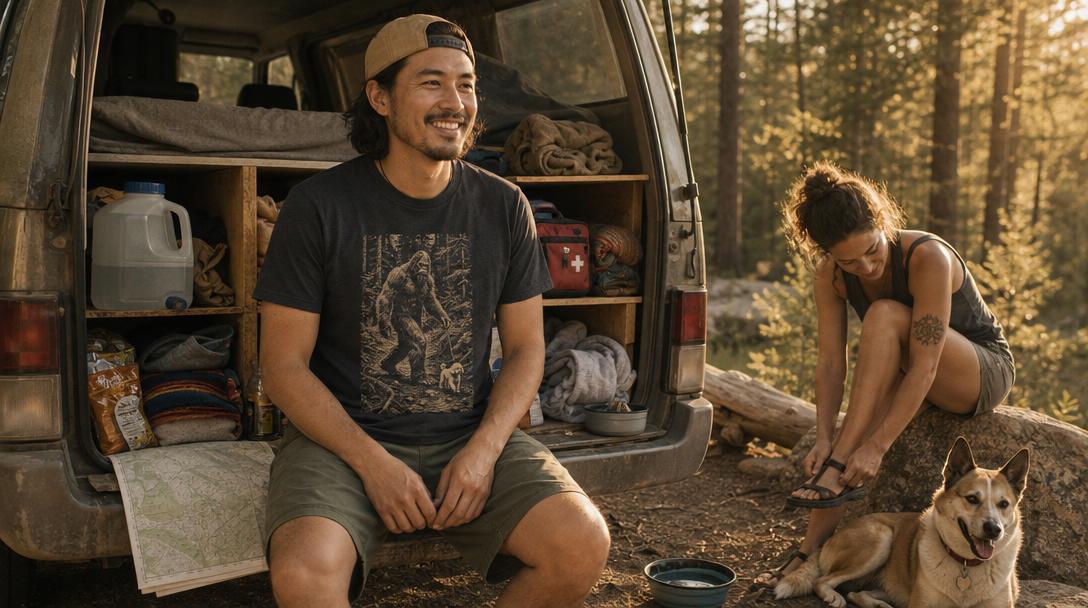
If your style leans toward “snacks, switchbacks, and questionable wildlife jokes,” Hike Tee’s One More Trail Shirt, Hike More, Worry Less Bigfoot Shirt, or Squirrel Hiking Shirt can keep the vibe outdoorsy without pretending to be technical performance gear.
If you’re hiking with family, assign small shared items to different adults or older kids. Someone carries snacks, someone carries first aid, someone carries the map. Teamwork makes the uphill slightly less dramatic.
Hiking Essentials List: What Order to Pack It In
Knowing what to pack is only half the job—packing it in a sensible order saves you from digging through your whole bag for a granola bar. Use this hiking essentials list as a packing sequence, not just a pile of items.
- Bottom of pack: extra layer, emergency shelter, repair kit, fire starter (things you hope you won't need mid-hike)
- Middle of pack: first-aid kit, extra food, water filter or backup bottle, toilet kit
- Top of pack: rain shell, extra socks, headlamp (grab-and-go items)
- Outer pockets or hip belt: snacks, phone, sunscreen, lip balm, sunglasses, small map
- Water bottles or reservoir: positioned for easy sipping without stopping
A quick mini-checklist before you zip up: Ten Essentials in? Water amount matches the forecast? Snacks within reach? Phone charged and maps downloaded? Someone knows your route? If you can answer yes to all five, your hiking gear checklist is basically done, no matter how many miles or how many kids are coming along.
This order works for solo hikers, families, and anyone hiking with a dog leash in one hand and a toddler snack negotiation in the other.
What to Pack in a Day Hiking Backpack Without Overloading It
The trick is separating true essentials from comfort extras. Your backpack should cover safety first, then comfort, then fun.
Pack These in Easy-Reach Pockets
- Phone
- Map
- Snacks
- Sunscreen
- Sunglasses
- Lip balm with SPF
- Rain shell
- Water
- Camera
- Hand sanitizer
Pack These Deeper in Your Backpack
- First-aid kit
- Emergency blanket
- Extra layer
- Fire starter
- Repair kit
- Extra food
- Water filter
- Toilet kit
Keep Weight Reasonable
A common beginner mistake is packing for every possible disaster and ending up too tired to enjoy the hike. For most day hikes, aim for a loaded pack that feels manageable after 30 minutes of walking.
If you’re hiking with kids, pets, or someone newer to trails, the adult pack may need extra water, snacks, layers, and patience. Especially patience.
How Much Water Should I Carry for a Day Hike?
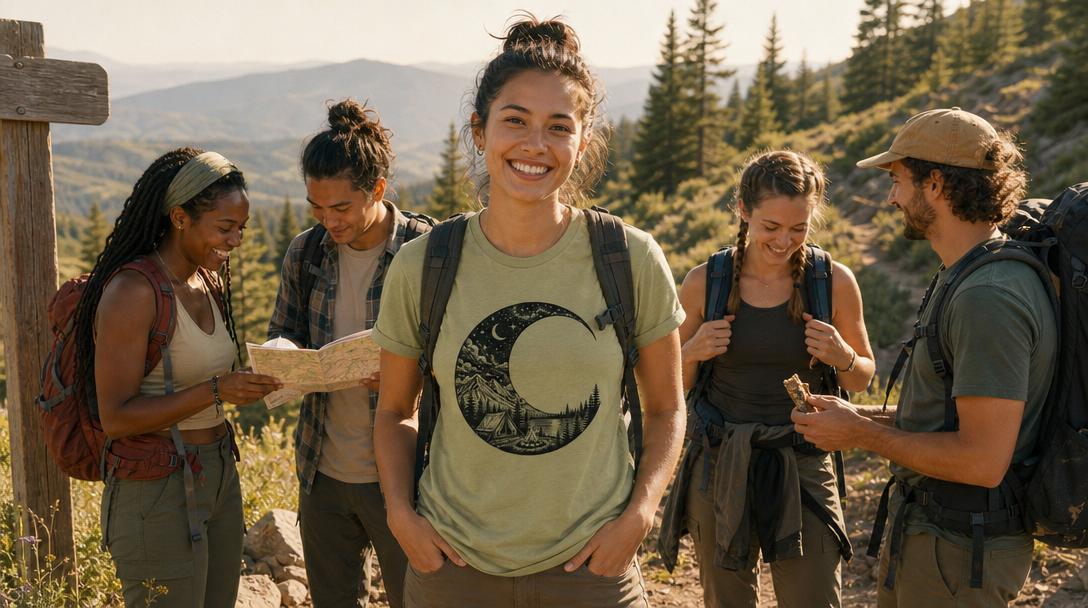
A solid rule of thumb is 0.5 liters of water per hour for moderate hiking in moderate weather, according to the American Hiking Society.
But that’s only a starting point.
Water Planning Formula
Use this simple estimate:
- Easy/moderate trail: 0.5 liters per hour
- Hot weather: 0.75–1 liter per hour
- Strenuous uphill hike: 0.75–1 liter per hour
- Desert hike: 1 liter per hour or more
- Kids or dogs: pack extra
Example Water Amounts
| Hike Length | Moderate Weather | Hot or Strenuous Conditions |
|---|---|---|
| 1–2 hours | 1 liter | 1.5–2 liters |
| 3–4 hours | 1.5–2 liters | 2.5–4 liters |
| 5–6 hours | 2.5–3 liters | 4+ liters |
| 6–8 hours | 3–4 liters | 5+ liters or refill plan |
Should You Bring a Water Filter?
Bring a filter or purification tablets if:
- Your hike is long
- You’re hiking in heat
- You’ll pass streams, lakes, or springs
- You’re unsure whether your planned water is enough
- You’re hiking somewhere remote
Do not assume natural water is safe to drink untreated. Tiny organisms do not care about your weekend plans.
Is a Headlamp Necessary for a Day Hike?
Yes. A headlamp is necessary for a day hike because delays happen.
You might start late, miss a turn, slow down for a friend, stop for too many photos, twist an ankle, underestimate mileage, or discover that “sunset views” also include “walking back in total darkness.”
A phone flashlight is not enough. It drains your navigation and emergency communication device, and it’s awkward to hold while hiking.
What to Look for in a Day Hiking Headlamp
Budget-friendly is fine. Look for:
- Comfortable strap
- At least 200–300 lumens
- Red light mode if possible
- Lock mode to prevent accidental battery drain
- Fresh batteries or full charge
- Water resistance
Keep it in the same backpack pocket every time so you’re not digging through trail mix crumbs at dusk.
Navigation Apps and Phone Battery Tips Most Hiking Checklists Skip
Modern hikers use phones. That’s fine! Just don’t make your phone the only thing standing between you and becoming “temporarily misplaced,” which is outdoor-speak for “uh-oh.”
Best Hiking Apps for Day Hikes
| App | Best For | Notes |
|---|---|---|
| AllTrails | Finding popular trails and recent reviews | Great for beginners; offline maps require paid plan |
| Gaia GPS | Detailed maps and backcountry navigation | Strong for advanced hikers and route planning |
| onX Backcountry | Public/private land awareness and route planning | Helpful in mixed land-use areas |
| FarOut | Long-distance trails and thru-hiking routes | Overkill for many day hikes, excellent for major trails |
| NPS App | National Park maps and official info | Useful for park visits; download content offline |
| Avenza Maps | Using official PDF maps offline | Great where local trail groups publish maps |
For most beginners, AllTrails plus a paper map is a friendly starting combo. For more remote terrain, Gaia GPS or a dedicated GPS device can offer more control.
Phone Battery Management for Hiking
Before you leave:
- Download offline maps
- Fully charge your phone
- Bring a power bank for longer hikes
- Save trailhead directions offline
- Screenshot route info and permits
- Tell someone your plan
On trail:
- Use airplane mode
- Turn on low power mode
- Dim your screen
- Close background apps
- Avoid recording every second if battery is limited
- Keep phone warm in cold weather
- Use a paper map for general checks and phone GPS only when needed
For most day hikers, a small 10,000 mAh power bank is plenty. Don’t forget the cable. A power bank without a cable is just a small emotional support brick.
Van Life and Car-Access Hiking: What Goes in the Vehicle vs Backpack?
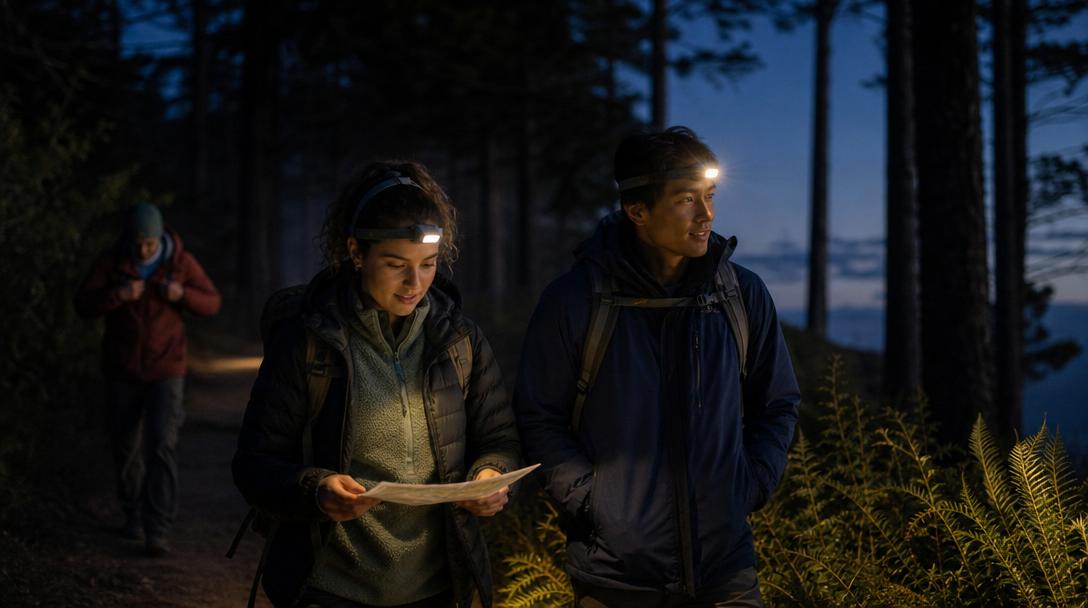
If you hike from your van, camper, or car, you have an advantage: your vehicle can act as a mini basecamp. But don’t use that as an excuse to leave safety essentials behind on the trail.
Keep These in Your Backpack
- Water
- Snacks
- Navigation
- First aid
- Headlamp
- Emergency shelter
- Warm/rain layer
- Sun protection
- Fire starter
- Repair kit
Keep These in Your Vehicle
- Extra water jug
- Full change of clothes
- Dry socks
- Towel
- Blanket or sleeping bag
- Larger first-aid kit
- Extra shoes or sandals
- Battery jump starter
- Tire inflator
- Paper road map
- Extra food
- Trash bags
- Wet wipes
- Backup charging cables
- Dog towel and water bowl if hiking with pups
Car-Access Decision Guide
- If the trail loops far from the parking lot:
- Pack like you won’t see your car for hours—because you won’t.
- If the trail is a short out-and-back near the road:
- You can go lighter, but still bring the Ten Essentials in compact form.
- If you’re hiking before a long drive:
- Leave recovery water, snacks, and dry layers in the car. Future You will be thrilled.
Final Trail Check: Pack Smart, Hike Happier
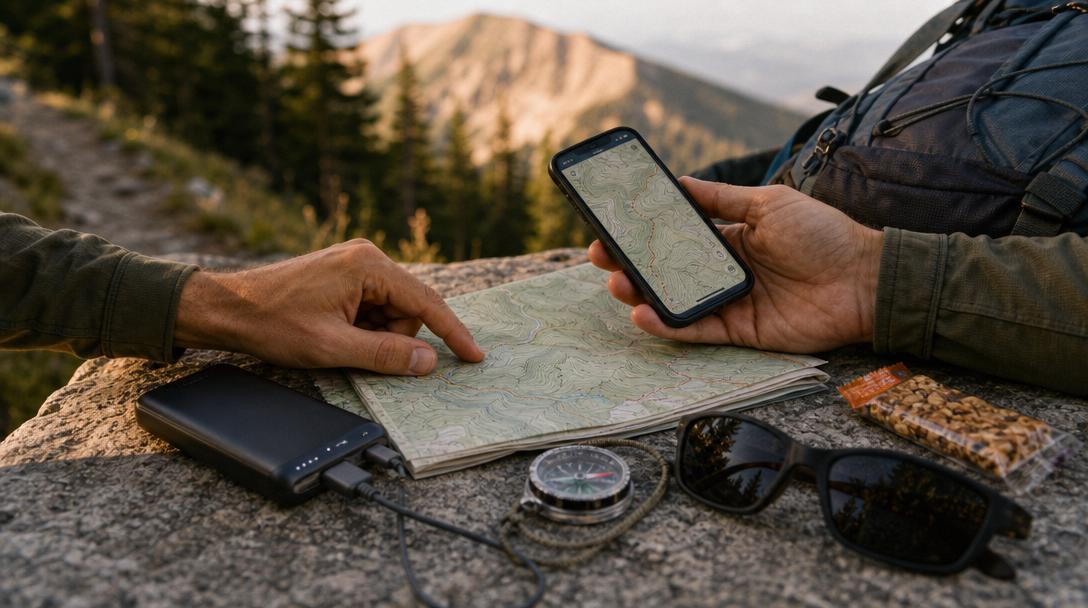
The best day hike packing list is one you’ll actually use every time—not a giant spreadsheet that makes you cancel the hike and reorganize your sock drawer instead.
Start with the Ten Essentials. Adjust for weather, season, trail difficulty, group needs, and how far you’ll be from help. Download your maps, manage your phone battery, bring enough water, and pack a headlamp even when you’re “definitely” finishing before sunset.
Before your next hike, do this:
- Check the weather and trail conditions.
- Choose your seasonal add-ons.
- Pack the Ten Essentials.
- Download offline maps.
- Tell someone your plan.
- Leave extra water and dry clothes in the car.
- Go enjoy the trail.
Prepared doesn’t mean paranoid. It means you get to relax, wander, laugh at squirrels, take the long overlook break, and make it back with the good kind of tired.
FAQ
What are the day hiking essentials?
Day hiking essentials are the Ten Essentials: navigation, sun protection, extra clothing, illumination, first aid, fire, repair tools, nutrition, hydration, and emergency shelter. Beginners can start with a simpler version of this list and add gear as trails get longer or more remote.
What do you need for hiking as a beginner?
For a short, easy hike you mainly need water, snacks, a phone with offline maps, sun protection, a rain layer, and a basic first-aid kit. As hikes get longer or more remote, add the full Ten Essentials, including a headlamp and emergency shelter.
Is a hiking gear list different for short trails versus long ones?
The core hiking gear list stays the same, but quantities change: more water, food, and layers for longer or hotter hikes, and lighter loads for short, easy trails near the car. The Ten Essentials framework still applies either way.


