


Can You Wear a Work Shirt Hiking?
Dominic PalmowskiKey Takeaways
- I check my work shirt fabric first and choose breathable, moisture-wicking fabrics such as cotton blends or performance fabrics so I stay comfortable on the trail. If it feels heavy, stiff, or sweaty at work, it will feel worse while hiking.
- I make sure my work shirt allows full mobility. I test arm raises, reaching forward, and bending so it will not restrict movement on uneven terrain. If it pulls at the shoulders or rides up, I size up or choose a different style.
- I look for functional touches such as chest pockets, roll-up sleeves, a useful collar, and a longer hem. If my shirt does not have those, I add a good base layer and a small hiking belt bag for storage.
- I judge durability by how my work shirt handles daily wear, washing, and light abrasion. Hiking adds extra strain, so for rugged trails, I save older work shirts that I do not mind snagging or staining.
- I test weather resistance by how my work shirt handles wind, drizzle, and sun so I can layer wisely. On warm days, I treat it as a light sun layer. On cooler or wet days, I pair it with a true outer shell.
- I treat the work shirt as one piece of the puzzle, not the whole kit. With a few smart tweaks and good layering, I can comfortably cross over from boardroom to backwoods.
Can you wear your work shirt hiking? Hell yes, you can wear your work shirt hiking, because more often than not, a work shirt rocks on the trail — provided that it breathes, dries fast, and fits with freedom to move.
I have hiked in retail polos, office button-downs, and tradesman shirts, and I learned pretty fast that fabric and fit matter far more than the label. A sharp-looking shirt can be miserable if it traps sweat, while a simple work tee can be surprisingly comfortable on a short trail.
Evaluating Your Work Shirt
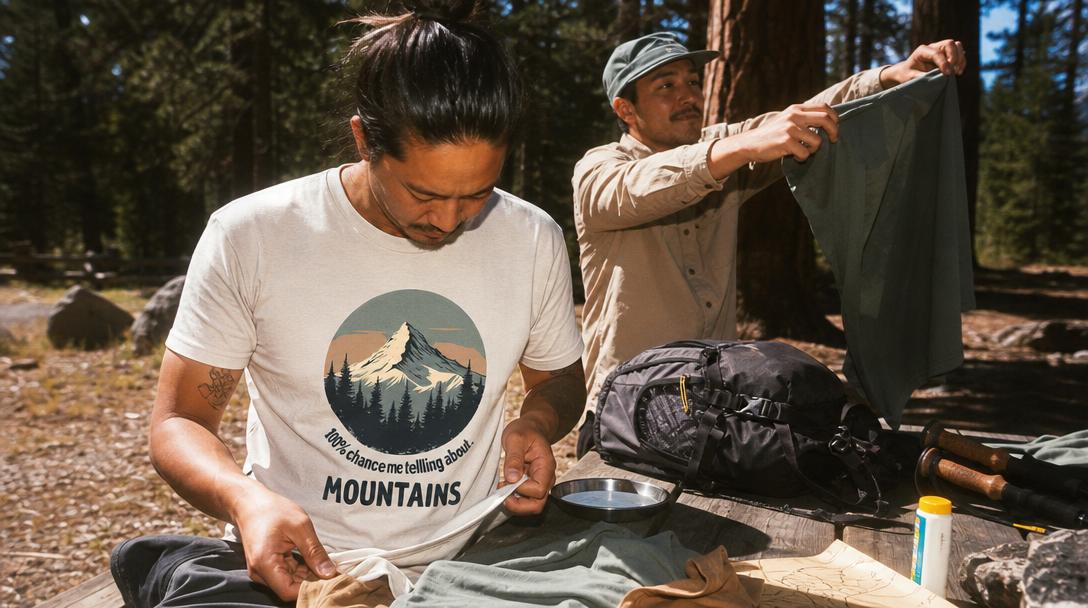
I start by evaluating my work shirt like any other piece of gear. I check what it is made of, how it moves on my body, how it deals with sweat and sun, and how it handles rough treatment on the trail.
1. Fabric Analysis
I read the label first. If my shirt is 95 to 100 percent cotton, even a soft combed and ring-spun cotton, I know it will feel great at first but absorb sweat and dry slowly. A 52 percent cotton and 48 percent polyester blend tells me it should dry faster and feel less clammy once I start climbing.
For brief, dry strolls, good old cotton can be fine if I bring a backup. For longer or steeper hikes, I prefer blends because they handle heat better and do not feel as soggy when I stop. If you want the deeper fabric comparison, this guide to cotton vs synthetic hiking shirts is worth reading before you pack.
I use a quick test at home: I wet a small area, notice how heavy it feels, and see how long it takes to dry in open air. That gives me a real-world idea of trail drying speed.
For easy walks, campground mornings, and casual trail-to-town days, I am happy in a soft cotton-blend graphic tee like the 100% Chance Shirt. I would not treat it like a technical alpine layer, but for relaxed mileage, it fits the crossover idea perfectly.
2. Fit and Mobility
I check whether the shirt fits true to size with enough room in the shoulders and underarms. I need to swing trekking poles, reach for a branch, scramble over a log, or bend without the fabric pulling across my back.
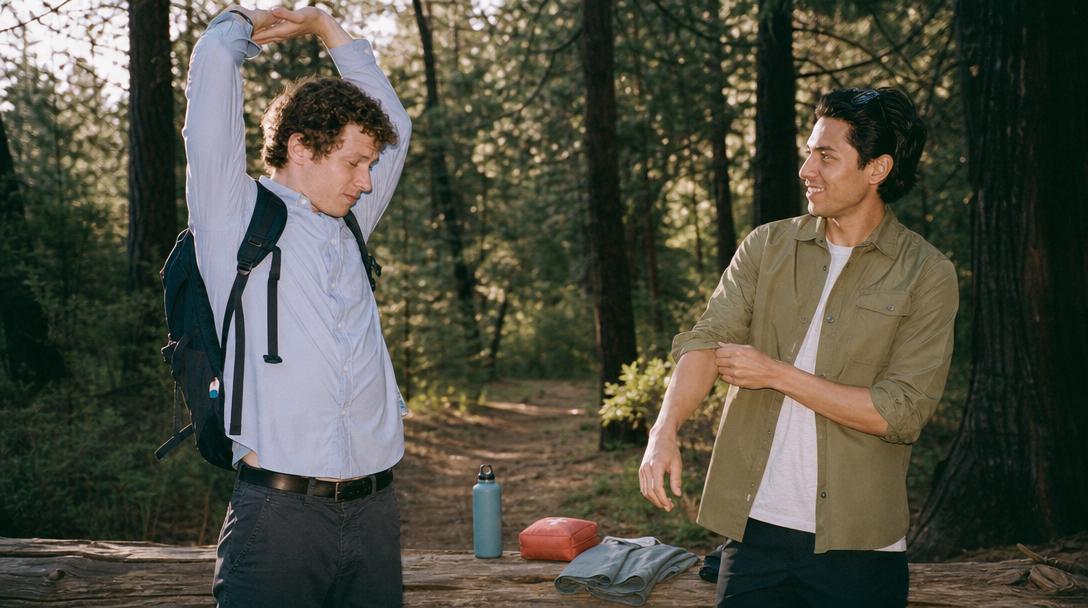
My quick test is simple: I raise my arms above my head, twist at the waist, bend forward, and put on my pack. If the hem rides up, the shoulders pull, or the seams dig under the straps, I do not take that shirt on a serious hike.
Cotton-blend knits usually strike a nice balance between couch-soft and trail-practical. They are not magic, but they often feel better than stiff office shirts when I am moving for a few hours.
3. Functional Features and Layering
For warm weather, I test how thin the knit feels when I hold it up to light. If I can feel air move through when I blow on it, that is a good sign for airflow.
I also look at the collar and sleeves. A close but not tight crew neck helps protect my upper chest, and slightly longer short sleeves cover more of my upper arms from the sun. A button-down collar can protect my neck, but only if the fabric breathes well.
I plan layers because the sun can still hit hard on mild days, and shade can cool me down fast. I usually pack an extra t-shirt in a small dry bag and bring a light hoodie or long sleeve for late-afternoon shade, cool breezes, or a summit break.
If the shirt is a soft blend, not slick or plastic-feeling, it often feels nicer in strong sun than some shiny synthetics. But if I am hiking in hot weather for hours, I still want a shirt that breathes and vents well.
4. Durability Test
I examine the print and seams. If it is a direct-to-garment design, the ink is set into the fibers, so it usually feels soft and lasts through plenty of washes without cracking. I gently pull at the shoulder seams and hem. A clean, even stitch tells me the shirt has a better chance against backpack rub and repeated washing.
I also check whether it is pre-shrunk and read the care tag. Wash inside out, use warm water when allowed, tumble dry low, and avoid bleach. If I can hang dry it without fuss, I know the shape and size are more likely to stay stable. For graphic shirts, I follow the care tips in how to wash graphic tees so my trail favorites do not fade early.
5. Weather Resistance
For warm, dry days, almost any comfortable shirt can work, but I score blends higher for faster drying when I sweat or hit a light mist. In real heat, that quick drying matters.
In cool or damp shoulder seasons, I get much pickier. High-cotton work shirts stay wet and pull heat from my skin, so I only use them with a dependable insulating layer and a real shell. I still pack a quick-drying backup.
Eco inks, print-on-demand production, or donations to conservation are nice bonuses, but they never replace the basics: fabric blend, fit, airflow, and how the shirt behaves when wet and windy.
Work Shirt vs. Hiking Shirt
I think of my work shirt as something made for desks, meetings, retail floors, job sites, and short walks around town. A hiking shirt is built for sweat, sun, pack straps, long movement, and changing weather. Both cover your upper body, but they solve different problems.
My standard office shirt, whether it is a cotton button-down or a polo, often feels soft and looks sharp. The downside is that it can trap sweat, dry slowly, and chafe when I am active. On a steep 10 kilometer hike in 25°C heat, that kind of shirt can turn heavy and damp fast. Any seam under a backpack strap can become annoying.
A traditional hiking shirt in lightweight nylon or polyester usually wicks sweat, dries quickly, and may include mesh panels so my back can air out under a pack. If you are deciding between a true trail top and something from your closet, compare the basics in hiking shirt vs regular t-shirt.
At work, I care about a crisp collar, neat cuffs, and maybe a slim fit under a jacket. On trail, I want shoulder room, sleeves I can roll, and a hem that does not ride up when I climb or bend.
Many hiking shirts add UPF sun rating, which gives my arms and neck more reliable protection when I am out for 5 to 6 hours. Most office shirts do not make that claim. Still, some work shirts can cross over.
A simple synthetic work shirt with a little stretch, no thick side seams, and chest pockets can handle a half-day hike. The same goes for an outdoor-brand button-down that looks smart enough for casual work.
My final check is always the same: Does it dry fast, does it breathe, and can I lift my arms overhead without the fabric pulling tight?
When Work Shirts Excel
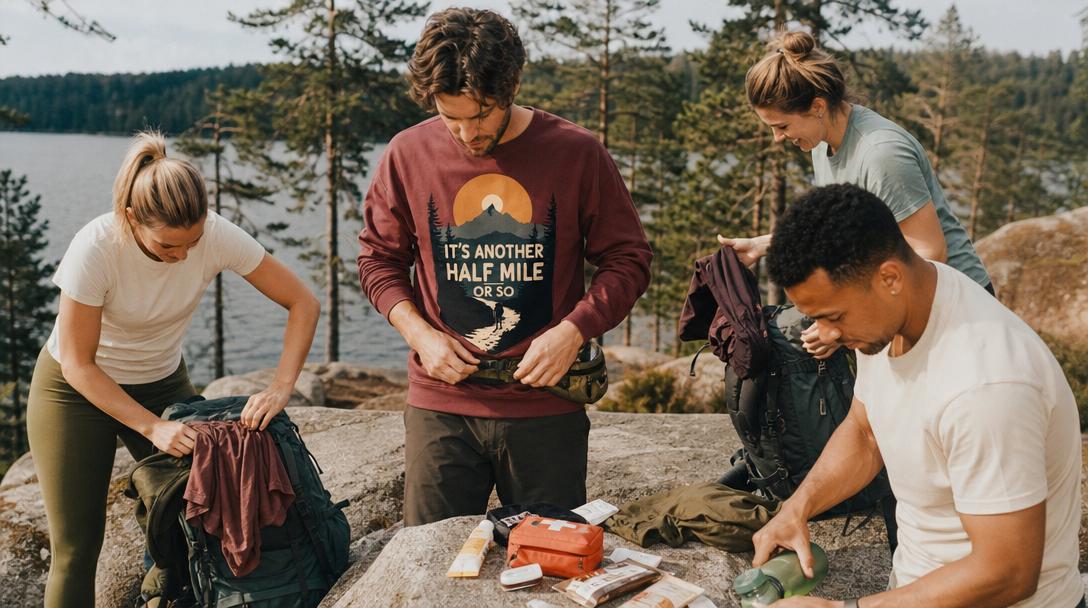
I love work shirts on trail when they behave like simple hiking apparel in disguise. The sweet spot is a work shirt that already handles sweat, sun, and daily wear, then feels natural on a moderate trail.
Fabric comes first. If my work shirt is a light polyester or nylon blend, or has a little elastane, it may breathe well and dry quickly after sweat or a light shower. That can work for warm, muggy hikes or day hikes with modest elevation gain.
A cotton dress shirt is nice in the office, but soggy and heavy on alpine climbs, so I save it for flat, short walks on mild days. If your closet leans more button-down than trail-ready, this article on dress shirt hiking goes deeper into the fashion-versus-function tradeoff.
Fit beats style. If I can raise my arms, twist my torso, and wear a base layer underneath without the shirt getting tight, then it is a good crossover piece. I prefer slightly looser cuts with a curved hem because I can leave the shirt untucked and still cover my lower back when I bend or scramble.
Some work shirts are closer to hiking tops than they look. Hidden mesh vents, chest pockets with flaps, roll-up sleeve tabs, and UPF labels are all green flags.
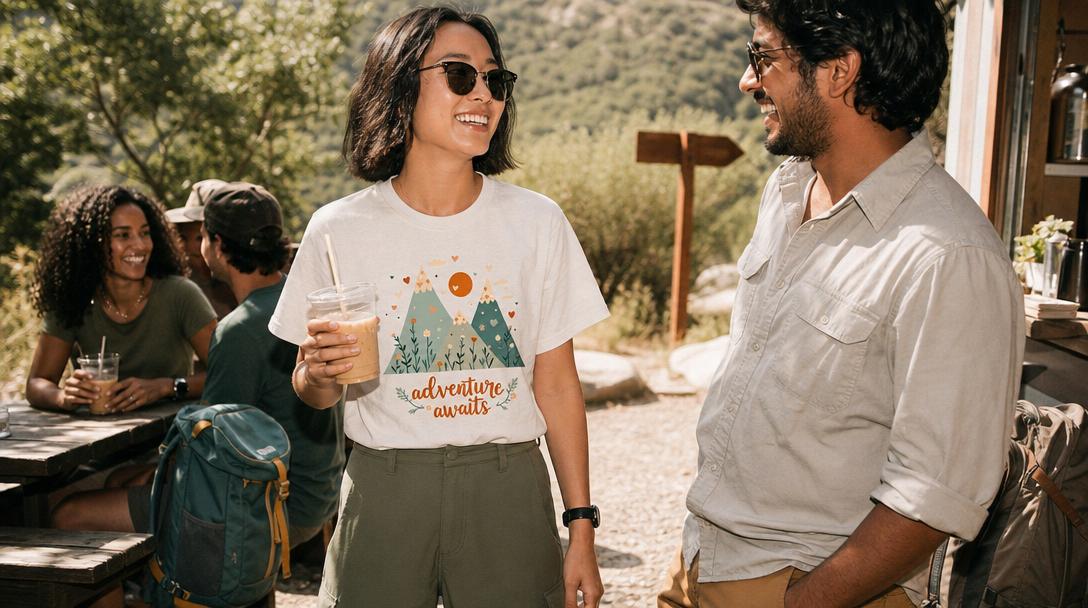
I use vented pockets for small trail essentials such as a map section, transit card, or granola bar. I also like dark, solid colors or low-key outdoor graphics because I can move from trail to local café without changing clothes. For that kind of easy casual look, an Adventure Awaits Shirt makes sense on gentle hikes, travel days, and post-trail coffee stops.
Potential Drawbacks and Solutions
Here is the honest part: a work shirt can be great on the right hike and awful on the wrong one. The problem is not that it came from your work closet. The problem is how it handles heat, sweat, friction, and weather.
Drawback: slow drying. Cotton and heavy cotton-rich shirts can hold sweat for a long time. That feels gross in summer and risky when the temperature drops. My solution is to use cotton only for short, dry, low-risk hikes and bring a dry backup shirt.
Drawback: chafing under pack straps. Thick seams, stiff collars, and embroidered logos can rub once a backpack adds pressure. Before a hike, I wear the shirt with my pack for ten minutes at home. If I feel rubbing then, I will feel it much more after five miles. I either switch shirts, add a smoother base layer, or use anti-chafe balm on hot spots.
Drawback: overheating. Some work shirts look light but trap heat. Tight fits, dense weaves, and non-breathable finishes can make an easy climb feel miserable. I solve this by choosing looser cuts, opening buttons when possible, rolling sleeves, and slowing my pace before I am drenched.
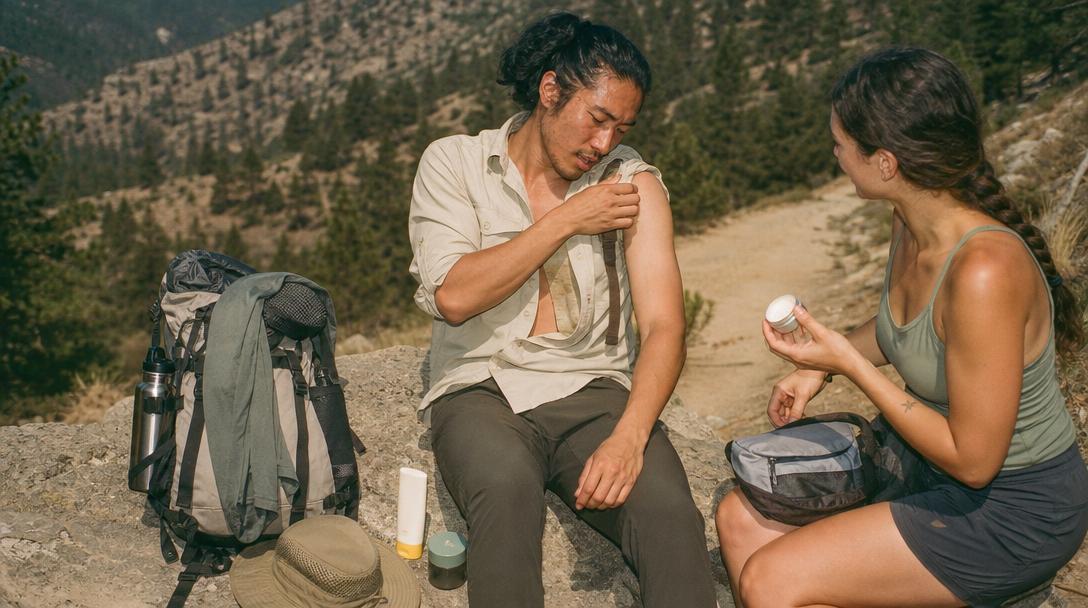
Drawback: poor sun protection. A thin white shirt may feel airy but still let plenty of sun through. If I am hiking in exposed terrain, I add sunscreen, a hat, and a layer with more coverage.
Drawback: limited stretch. Office shirts can pull across the shoulders when I scramble, reach, or use poles. If the shirt restricts movement during my arm-raise test, I do not force it. I either size up or pick a knit tee instead.
Drawback: looking too polished for messy trails. This one is practical. If I care about stains, snags, or sweat marks, I leave that shirt at home. Trails do not care how nice my shirt looked at breakfast.
The fix is simple: match the shirt to the hike. A work shirt can be excellent for urban trails, easy forest loops, travel days, and mellow family walks. For long climbs, heavy packs, wet weather, or remote routes, I reach for dedicated hiking gear.
Simple Trail Modifications
I keep my work shirt comfortable on the trail by changing how I hike, not just what I wear. Small trail habits make a huge difference.
I start with heat and sweat. On hot days, I carry more water and simple snacks, usually at least 2 to 3 litres for a half-day hike. If my work shirt is a cotton blend, I know it will hold some sweat, so I pack an extra tee in a light fabric.
When my shirt shifts from nice and cool to wet and cold, I change quickly and clip the damp one to my pack to dry. Do not sit around in a soaked cotton shirt when the wind picks up.
I keep my pack light. If I am not dealing with snow or ice, I leave winter add-ons, crampons, and heavy cold-weather extras at home. I still strap a light hoodie or sweatshirt to the outside of my pack because shade, wind, and late-afternoon temperature dips can surprise me, even on a 5 to 8 kilometer loop.
I treat sun protection like gear. Before I walk out the door, I apply sunscreen and choose shirts with decent coverage. A cotton-blend work shirt, such as a 52/48 mix, often breathes better and dries faster than 100 percent cotton.
I test crossover shirts on short local trails before wearing them on a long weekend hike. I also keep a small bin or packing cube for trail basics so my first-aid kit, hat, and spare shirt are easy to grab.
I leave my route and return time with someone I trust. When I hike with family or friends of mixed experience, I choose a steady, moderate pace and prioritize comfort over steep, punishing routes.
Beyond the Button-Down
I treat my work shirt as one part of a mini system, not the star of the whole show. On trail, what matters most is drying speed, comfort, and how well I handle changes in effort and weather.
A boring office cotton button-down can be rough on all-day, mixed-weather hikes. High-percentage cotton traps sweat, dries slowly, and steals warmth from my skin when I stop. That chill can sneak up quickly in shoulder season.
I do better with cotton blends, such as a 52 percent cotton and 48 percent polyester shirt. Those dry quicker, breathe easier, and still feel soft enough that I forget I am wearing them. For casual graphic tee days, a soft trail-friendly design like the Are We There Yet Hiking Club Shirt fits the easy-walk, coffee-afterward lane nicely.
I sometimes wear a button-down as a light shell in mild weather. I might wear it over a thin tee, then add a vest or light windbreaker when the wind rises. The collar protects my neck from sun and keeps camera straps from rubbing. I can also open the front for more air on hot climbs.
The downside is weight. Some shirts with extra pockets and thick fabric weigh around 12 ounces, or about 340 grams, which feels like a lot on long days. For harder hikes, I switch to a simpler wool or synthetic top.
Fast-drying synthetic shirts wick sweat well and shine on steep or long routes, but some can feel a little plastic-like in full sunshine. Comfortable cotton-blend tees are great for family strolls, campground walks, and gentle trails. They breathe, feel good in a café afterward, and pair well with a backup dry t-shirt and light hoodie in my pack.
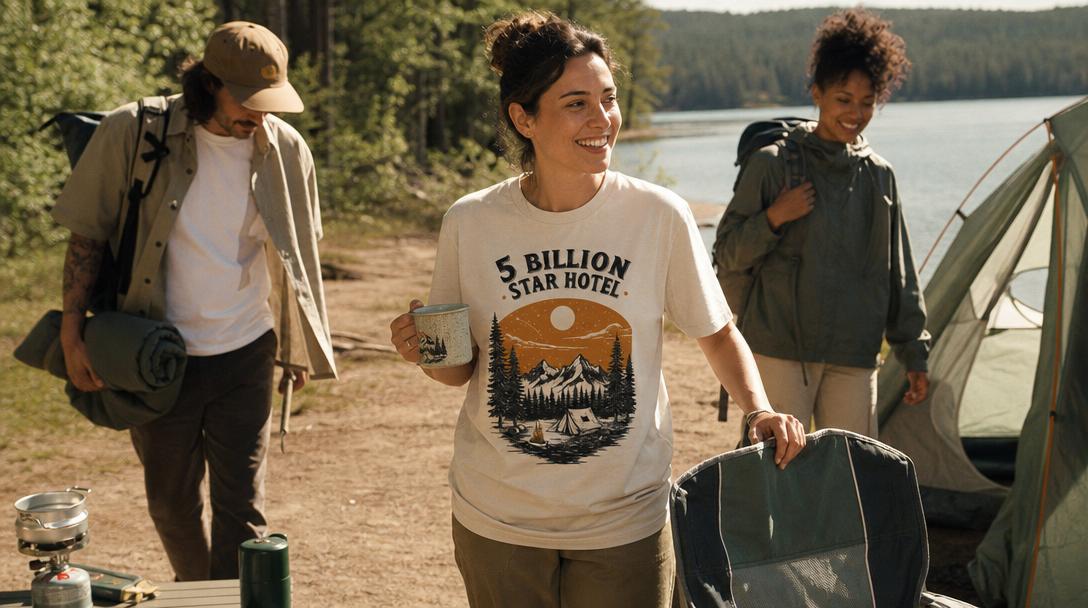
That is why I like lifestyle hiking tees. They let me show my trail self without going full technical gear. A relaxed cotton-blend camping tee like the 5 Billion Star Hotel Shirt is exactly the kind of piece I would wear for a mellow walk, camp setup, or casual travel day.
Conclusion
I see a work shirt as one more tool in my trail kit. Some days it works beautifully. Other days it stays on the hook at home. Fabric, fit, and weather matter more than the tag on the neck.
On a quick, mellow trail near town, my work shirt can work just fine. On a hot, steep ridge, I reach for a light trail shirt. No drama. Just the right shirt for the day.
I like that crossover. It saves money, reduces waste, and still looks good if I stop at a café after the hike. If you want more everyday trail outfit ideas, the guide to outdoor shirts for everyday wear is a helpful next read.
Have your own mash-up of work wear and hiking wear that works well? Share it with another hiker. We are all tweaking the kit as we go.
Frequently Asked Questions
Can I safely hike in my regular work shirt?
Absolutely, as long as I check the fabric and fit first. I look for breathable, quick-drying materials and enough shoulder mobility. For short, easy trails, many button-down work shirts are fine with a few simple adjustments.
What fabric should my work shirt be if I wear it hiking?
I like lightweight synthetics, merino blends, or cotton-polyester blends depending on the hike. Synthetics and merino handle sweat better. Cotton blends can work well for short, dry, casual hikes. If the shirt is 100 percent cotton, I save it for cool, dry days and easy routes.
How do I know if my work shirt is good enough for a hike?
I test three things: breathability, range of motion, and comfort with a backpack. If I can move freely, stay reasonably dry, and avoid chafing under the straps, my work shirt can probably handle the trail.
What are the biggest drawbacks of hiking in a work shirt?
The main problems are overheating, slow drying, and chafing at seams or under a pack. Stiff collars, heavy material, and tight cuts can make hiking uncomfortable, especially on hot or humid days.
How can I improve a work shirt for trail use?
I roll the sleeves, open or close buttons to control airflow, and wear a smoother base layer underneath if needed. I also tuck or half-tuck the shirt so it does not ride up and use anti-chafe balm or tape on problem spots.
When should I switch from a work shirt to a real hiking shirt?
I switch to a dedicated hiking shirt for long hikes, hot weather, heavy backpacks, wet conditions, or multi-day trips. Technical hiking shirts offer better moisture control, stretch, sun protection, and durability for tougher trails.


