


Best Hiking Shirts for Sensitive Skin
Dominic PalmowskiThe best hiking shirts for sensitive skin are hypoallergenic choices that use soft, breathable materials and low-irritant dyes. When my skin rebels from seams, tags, or abrasive fibers, I reach for merino wool blends, silky TENCEL™, bamboo viscose, smooth modified synthetics, or soft cotton blends with flatlock stitching.
Here’s exactly what I look for — and what I avoid — before a shirt ever touches a pack strap.
Key Takeaways
- Friction, seams, sweat, and fit are the big culprits behind hiking shirts irritating sensitive skin, especially under backpack straps. I avoid tight, rough, or heavy shirts and choose smoother fabrics that breathe.
- I look for gentle fabrics such as merino wool, TENCEL™ lyocell, bamboo viscose, silk blends, soft modified synthetics, and premium cotton or cotton-polyester blends for casual hikes.
- I don’t trust the fabric label alone. I check seams, tags, printed graphics, chemical finishes, and certifications such as OEKO-TEX when available.
- Merino wool is a “try and see” fabric. It works beautifully for many hikers, but it can irritate some people. I test it on short hikes before trusting it on a long trip.
- For longer trail days, I prioritize UPF protection, moisture-wicking, quick drying, odor resistance, and easy mobility so my skin stays dry, cool, and comfortable.
- I wash hiking shirts inside out with mild, fragrance-free detergent, skip bleach and fabric softener, and dry on low heat or air-dry to keep the fabric soft.
Why Hiking Shirts Irritate Sensitive Skin
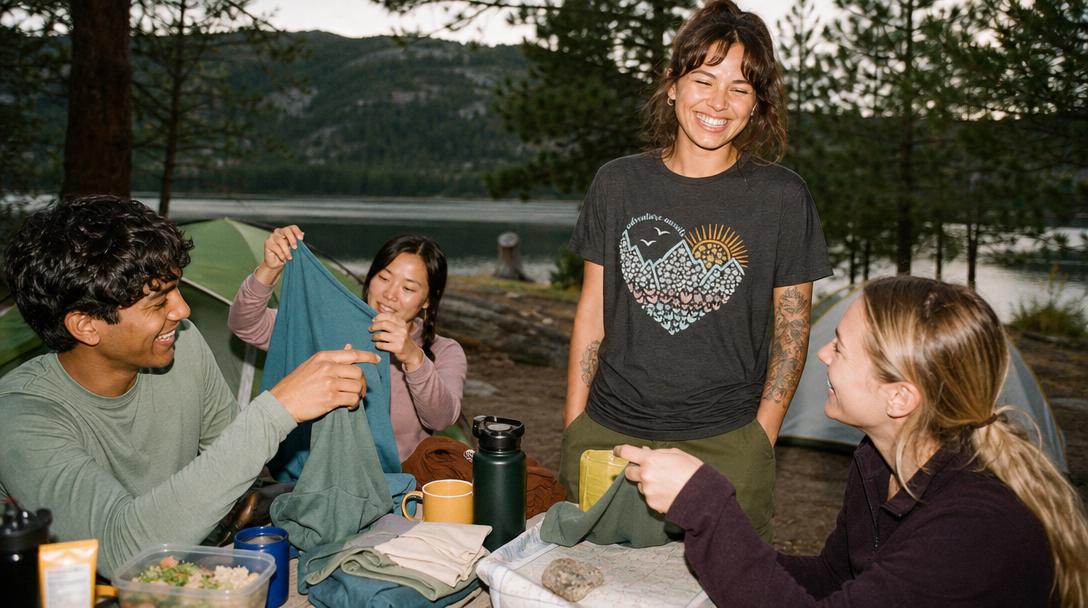
I notice skin irritation long before I feel truly tired. Most of the time, it comes down to fabric, fit, sweat, and heat. For sensitive skin, tiny design details become big problems after a few hours on trail.
- Rough fabric and seams rub my skin. If the fabric is stiff or scratchy, or if the seams are thick, raised, or badly placed, I start getting hot spots on my neck, underarms, and pack-strap lines. A hard printed logo can do the same thing if it sits under a strap.
- My shirt traps sweat and stays damp. Cotton hiking shirts can feel soft at first, but they absorb sweat and dry slowly. On mellow walks, that may be fine. On steep climbs, damp cotton can cling, chill, and chafe.
- Heat and moisture have nowhere to go. If the fabric does not breathe well, sweat sits against my skin. Salt dries, friction builds, and every shoulder movement feels more irritating.
- The fit is too tight or too loose. Tight shirts pull under backpack straps. Oversized shirts bunch under hip belts. Either way, repeated movement can turn a small rub into raw skin.
- Odor and residue build up. Some synthetics hold onto sweat odor even after washing. Detergent residue, salt, and old sweat can reactivate when I start sweating again.
If you are still deciding between trail-specific tops and everyday tees, my deeper comparison of cotton vs synthetic hiking shirts is a helpful next read.
The Best Hypoallergenic Fabrics
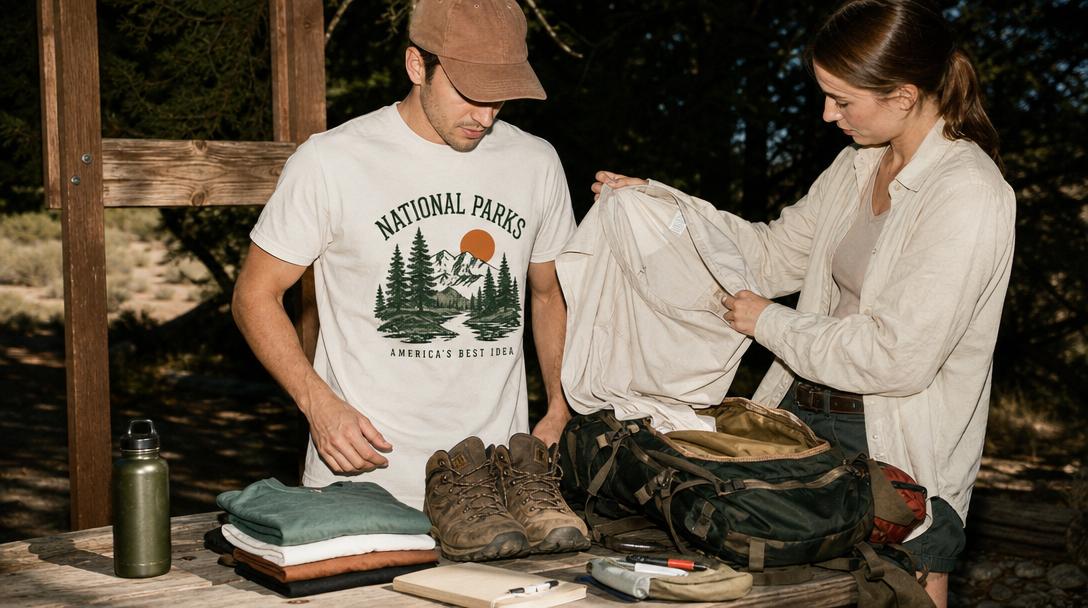
I build my hiking shirt choices around soft, natural-feel fabrics first, then layer in performance. Organic cotton, Airlume combed cotton, bamboo viscose, hemp, linen, TENCEL™ lyocell, silk blends, fine merino wool, and soft modified synthetics can all work depending on the hike.
For casual trail days, campground mornings, or low-sweat walks, I also like clever blends such as a 52% cotton and 48% polyester tee. It feels softer than many full synthetics but dries faster than 100% cotton. A casual graphic tee like the Adventure Awaits Shirt can be a comfortable pick for easy hikes, road trips, or post-trail hangs when you do not need full technical performance.
1. Merino Wool
For merino, I look for fabric labeled superfine or ultrafine — typically 17.5 microns or finer — because finer fibers flex more easily against skin and are much less likely to prickle. A thin merino base layer or sun hoodie can help regulate temperature, keep me warmer during breaks, and reduce overheating while I move.
The natural odor resistance is a major bonus on multi-day hikes. I still check for flat seams and tagless labels, because even soft merino can irritate if the construction is rough.
2. TENCEL™ Lyocell
TENCEL™ lyocell works well for me in heat because it feels cool, smooth, and silky. It wicks moisture away from skin while still feeling more natural than many synthetics.
I like 100% TENCEL™ tees or TENCEL™-poly blends for summer hiking because they sit flat under a pack and reduce chafing on sweaty climbs.
3. Bamboo Viscose
Bamboo viscose is one of my safer bets when my skin is already irritated. It feels soft and smooth, breathes well, and tends to glide under shoulder straps instead of grabbing.
It is not always the fastest-drying option, so I use it most for warm, moderate hikes rather than wet or high-output trips.
4. Silk Blends
Silk and silk blends can feel almost glassy against skin, which helps reduce friction around my inner arms and side torso. I like thin silk-blend long sleeves as a cool-weather base layer, especially when I want softness more than rugged durability.
Silk is naturally gentle, but it is delicate. I save it for layering and lighter use rather than brushy trails or backpacking routes where abrasion is constant.
5. Modified Synthetics
I choose synthetics carefully. A soft polyester or nylon blend can be great for steep, sweaty hikes, but I avoid harsh finishes, strong chemical odors, and stiff anti-odor treatments.
A light polyester blended with organic cotton or TENCEL™ can dry quickly without feeling like sandpaper. I also watch for hemp and linen blends. Hemp is highly moisture-absorbent and can absorb up to around 20% of its weight in moisture, while linen adds airflow without much bulk.
For relaxed day hikes, campfire evenings, and everyday outdoor wear, soft cotton-poly graphic tees can still have a place. Something like the Are We There Yet Hiking Club Shirt is better suited to casual trail time than technical, sweaty climbs.
Beyond the Fabric Label
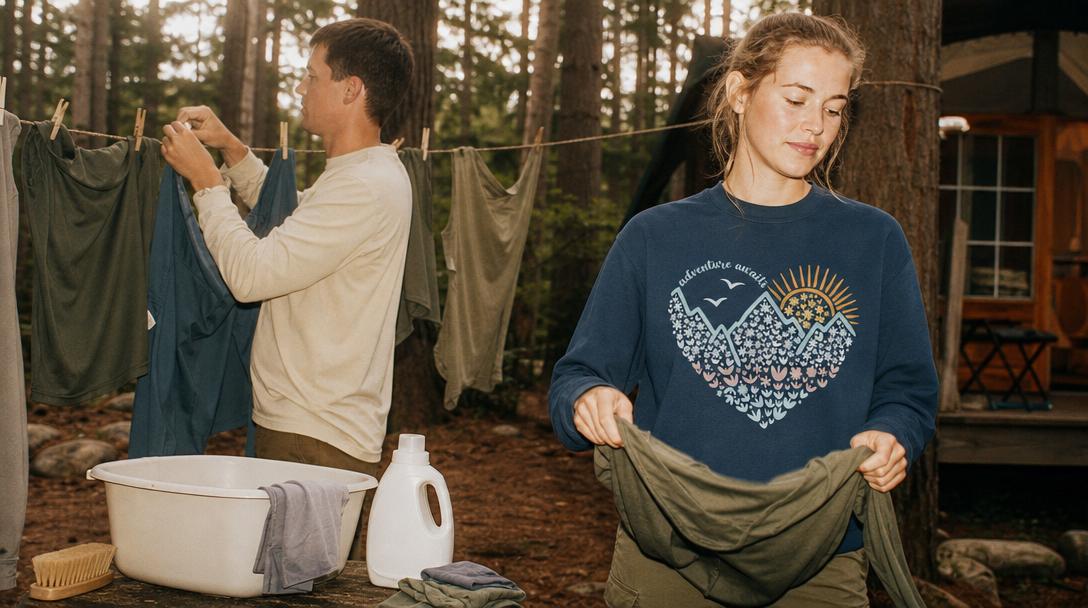
I don’t stop at “cotton” or “polyester” when my skin is at stake. I look at how the shirt is built, what dyes and inks touch it, and whether certifications such as OEKO-TEX, bluesign, or WRAP are mentioned. The goal is simple: cut every hidden trigger before it becomes a rash halfway through a hike.
Seam Construction
I start by turning the shirt inside out and running my fingers along the seams. Flatlock or covered seams sit almost flush against skin, so they are less likely to dig in beneath backpack straps or a hip belt.
I avoid thick seams across the shoulders, upper back, and underarms. Once I add a loaded pack, those raised ridges press into the same spot for miles. Sweat makes that friction worse.
I also like raglan sleeves or minimal-seam designs because they move the shoulder seam away from the top of the shoulder. That small cut detail can make a long ascent feel much less scratchy.
Checklist I use:
- Run fingers along seams and feel for bumps, glue spots, or rough thread.
- Put on the shirt with my usual backpack. Walk, twist, and raise my arms.
- Notice hot spots at the neck, underarms, shoulders, or pack-strap lines.
- Wash once and check whether seams feel stiff afterward.
If weight is part of your comfort equation, the guide to lightweight hiking shirts explains how light is too light for real trail use.
Tag Placement
| Tag style | Location | Impact on sensitive skin |
|---|---|---|
| Printed tag-free label | Inside neck/back | Best option; nothing to rub or catch. |
| Small side-seam tag | Lower side hem | Usually safe; away from straps and movement. |
| Soft sewn neck tag | Inside neck | Can work, but I still test it. |
| Large woven neck tag | Inside neck | Often itchy; I avoid it or remove it carefully. |
Chemical Treatments
I scan care labels and product pages for mild dyes, water-based inks, and low-irritant finishes. I skip strong scents, heavy anti-wrinkle treatments, and stain-guard claims because those often mean extra chemicals touching my skin.
For casual graphic tees, print feel matters. A soft print is less likely to turn into a stiff patch under a jacket or daypack. If I’m choosing an easy cotton-blend camp tee, I’d rather wear something soft and simple like the 5 Billion Star Hotel Shirt than a heavy, plasticky print that rubs.
The Merino Wool Dilemma
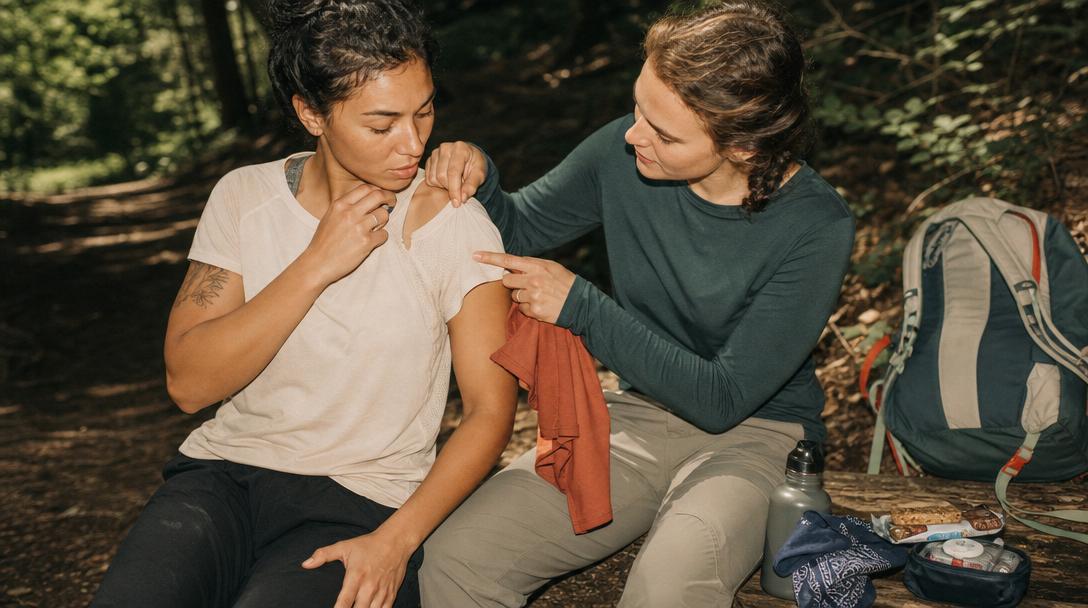
Merino wool sits in a gray area for sensitive skin. It has a lot going for it: fine fibers, strong breathability, good temperature regulation, and natural odor resistance.
For many hikers, merino means less sweat buildup and less stink, which can also mean less rubbing and irritation. But wool allergies and sensitivities are real. Some people react to wool proteins, while others react to fiber prickle or lanolin residue.
That reaction may not appear during a quick store try-on. It might show up after three sweaty hours under pack straps. That is why I focus on the fabric spec and look for superfine or ultrafine merino, typically 17.5 microns or finer, when possible.
If merino still irritates me, I move to blends first. Merino-nylon or merino-TENCEL™ blends can feel smoother and more durable while keeping some odor resistance. If that still does not work, I switch to bamboo viscose, TENCEL™ lyocell, or soft synthetic options with flat seams and minimal tags.
I never take a brand-new merino shirt on a multi-day trip without testing it on shorter local hikes first.
Essential Performance Features
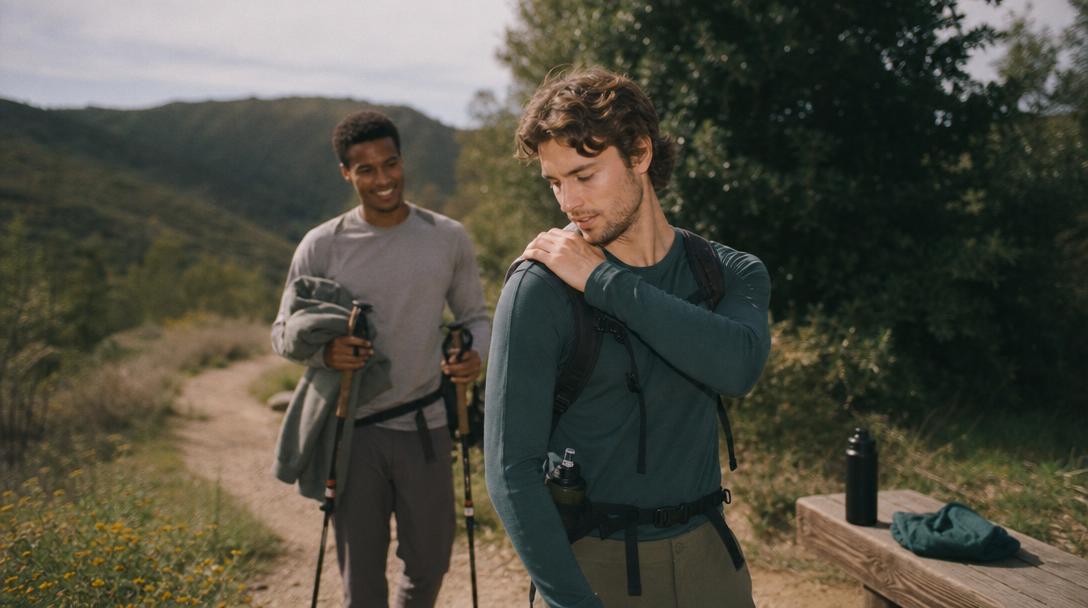
A sensitive-skin hiking shirt still needs to work outdoors. I look for features that protect my skin, manage sweat, and move with me without adding new irritants.
- UPF 30–50+ fabric for steady sun protection
- Breathable weave that still blocks UV
- Quick-drying, moisture-wicking fibers to reduce damp cling and chafe
- Odor control that does not upset sensitive skin
- Lightweight construction for easier packing and less heat buildup
- Patterning that allows full arm swing and reach
- Flat, bonded, or laser-cut edges where possible
Sun Protection
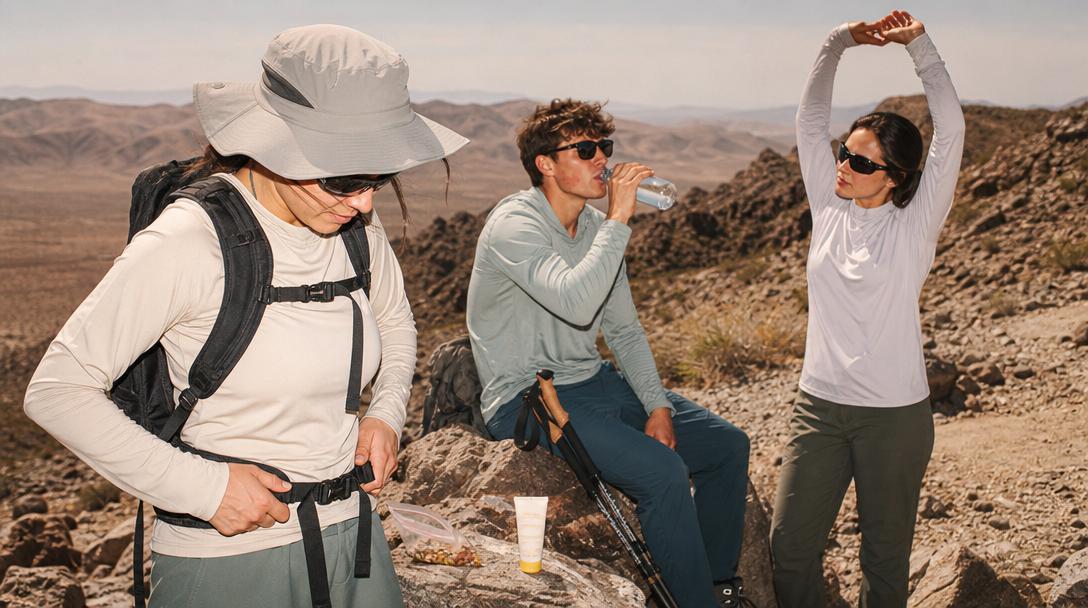
For my skin, real sun protection starts with fabric. I prefer UPF-rated long sleeves or sun hoodies that protect my arms, neck, and torso instead of relying only on sunscreen during dusty midday miles.
A loose, lightweight UPF 50+ shirt is ideal for open desert trails, exposed ridgelines, and glacier approaches. Roll-up sleeves help when the morning starts cool and the afternoon gets brutal.
I also check whether UPF comes from the knit, fabric weight, and color rather than a heavy chemical finish. If my skin is already reactive, fewer finishes usually means fewer risks.
Moisture Control
For sweat and rain, I want fabric that pulls moisture away from my skin and dries quickly. Moisture-wicking polyester blends and merino wool are strong choices because they reduce damp cling and help prevent chafing beneath pack straps.
Quick-dry fabric matters when a storm rolls in or I sweat through a climb. If the shirt dries quickly on my body or on a line, I stay warmer and more comfortable.
I avoid high-cotton shirts for demanding hikes because they soak up water, stay clammy, and can chafe where straps press. For easy walks, travel days, and campground comfort, though, cotton blends can still be great. If you want more trail outfit context, check out what to wear hiking.
Odor Resistance
On multi-day trips, odor control matters because washing too often in cold streams can be rough on both fabric and skin. I like shirts I can wear more than once without major funk.
- Merino wool offers strong natural odor resistance and can be soft on sensitive skin.
- Bamboo or bamboo blends feel smooth and breathable with lighter odor buildup.
- Sensitive-skin-friendly antimicrobial synthetics may dry fast, but I test one piece first.
If I’m not backpacking and just want a comfortable camp or travel tee, a soft cotton-blend graphic shirt like the Bear Hiking Buddies Shirt can be perfectly comfortable for relaxed outdoor days.
Fit and Mobility
Fit can make or break comfort when I’m carrying a pack all day. I like a true-to-size cut with enough ease for airflow, but not so much fabric that it bunches beneath a hip belt.
Stretch panels, raglan sleeves, and articulated cuts help when I’m scrambling, using trekking poles, or reaching overhead. I avoid super-tight shirts because they trap heat and turn tiny seams into pressure points.
When I test a new shirt, I wear it with my normal backpack. If the seams, collar, or sleeve tabs chafe once I start sweating, that shirt does not make the long-hike pile.
Proper Care and Maintenance
I treat hiking shirts like gear, not throwaway laundry. How I wash and store them shows up later on my skin.
I turn every shirt inside out before washing. That protects prints and helps the side touching my skin wash more gently. I use a short, gentle cycle at or below 40°C with a basic fragrance-free detergent.
No fabric softener, no bleach, and no heavy “intense clean” formulas. Those additives can leave residue that irritates sensitive skin, even if the shirt fabric itself is gentle.
For drying, I air-dry flat or tumble dry low. High heat can make cotton feel rough and can damage synthetic fibers. Merino usually needs cooler washing and little to no tumble drying. Bamboo and modal blends prefer gentle cycles and low heat. Synthetic sun shirts usually dry quickly on a line.
For graphic tees, washing technique also protects the print from getting stiff or cracked. I follow the same inside-out, low-heat habit I recommend in how to wash graphic tees.
Storage matters too. I put shirts away clean and 100% dry, folded in a cool, airy spot. No damp closets and no sealed bins with trapped moisture. That keeps mildew, musty smells, and hidden irritants off the fabric before it touches my skin again.
Conclusion
I know itchy skin can ruin a great hike. A shirt chafes, a seam scratches, a tag digs in, and suddenly the whole day feels harder than it should.
Now I pay attention before I hit the trail. I check the fabric. I inspect the seams. I keep my wash routine simple. I trust smart construction more than loud marketing.
On hot climbs, a smooth TENCEL™ tee, fine merino layer, soft synthetic sun shirt, or gentle cotton blend for casual miles can make all the difference. No red rash. No abrasive chafe. Just fresh air and two feet moving forward.
Got a trail shirt that treats your skin right — or one that failed badly? I’d love to hear about it.
Frequently Asked Questions
Why do hiking shirts make my sensitive skin itch or burn?
My skin usually reacts to coarse fibers, sweat buildup, rough seams, tight fits, chemical finishes, or detergent residue. I look for smooth, breathable fabrics and minimal seams to reduce those triggers.
Which fabrics are best for sensitive skin on the trail?
I like merino wool, TENCEL™ lyocell, bamboo viscose, silk blends, premium organic cotton, and soft modified synthetics. For hard hikes, I prioritize quick drying. For easy hikes, soft cotton blends can feel great.
Is merino wool safe for sensitive or allergy-prone skin?
Fine merino can be very soft, especially when labeled superfine or ultrafine. But wool allergies and sensitivities exist. If I have any doubt, I test it on a short hike first or choose TENCEL™, bamboo, or a soft synthetic instead.
What performance features matter most in a hypoallergenic hiking shirt?
Flat or bonded seams, tagless labels, soft necklines, breathable fabric, quick drying, moisture control, and a relaxed-but-not-baggy fit matter most. These features reduce sweat, friction, and pressure points.
How can I tell if a “hypoallergenic” hiking shirt is really safe for me?
I read the full fabric breakdown, check for heavy finishes or strong chemical smells, look for certifications when available, and test the shirt at home or on a short hike before trusting it on a big trip.
How should I wash hiking shirts to reduce irritation?
I wash with fragrance-free, dye-free detergent, skip fabric softener, rinse well, and air-dry when possible. I also wash new shirts before wearing them to remove leftover manufacturing residue.


