


How Often to Wash a Hiking Shirt
Dominic PalmowskiKey Takeaways
- I wash my hiking shirt after any sweaty, muddy, or multi-day hike. For shorter, low-sweat hikes, I use the sight-and-smell test so I’m not over-washing a clean shirt or wearing a gross one.
- Fabric matters because it changes washing frequency. My merino wool shirts can go longer between washes, synthetics sit in the middle, and cotton usually needs washing sooner because it holds sweat and odor.
- I protect my hiking shirts by saving full wash cycles for when they’re actually dirty or stinky. Between hikes, I often air them out or spot clean so the fibers last longer.
- I wash smart: sort by color and fabric, choose a gentle cycle, use cold water and mild detergent, and avoid the dryer whenever possible.
- I address smells and dirt quickly by spot treating sweat patches and mud with gentle soap or stain remover, then rinsing or wiping shirts down on trail when needed.
- I reduce my impact by washing less, using biodegradable or eco-friendly detergents, and air drying my shirts. These small habits help my gear last longer and help protect the places I hike.
I wash my hiking shirt after every sweaty or muddy hike and after two light, cool-weather hikes at most. For me, the right wash routine depends on fabric, trip length, temperature, trail conditions, and how much I sweat.
Synthetics, merino, cotton, and cotton-poly blends all handle odor and wear differently, so I don’t treat them the same. If you’re trying to build a simple system, I’d pair this guide with How Many Hiking Shirts for a Week?, especially before a longer trip.
Below, I’ll walk you through the practical rules I use so you can keep your shirt fresh without beating it up in the wash.
How Often to Wash?
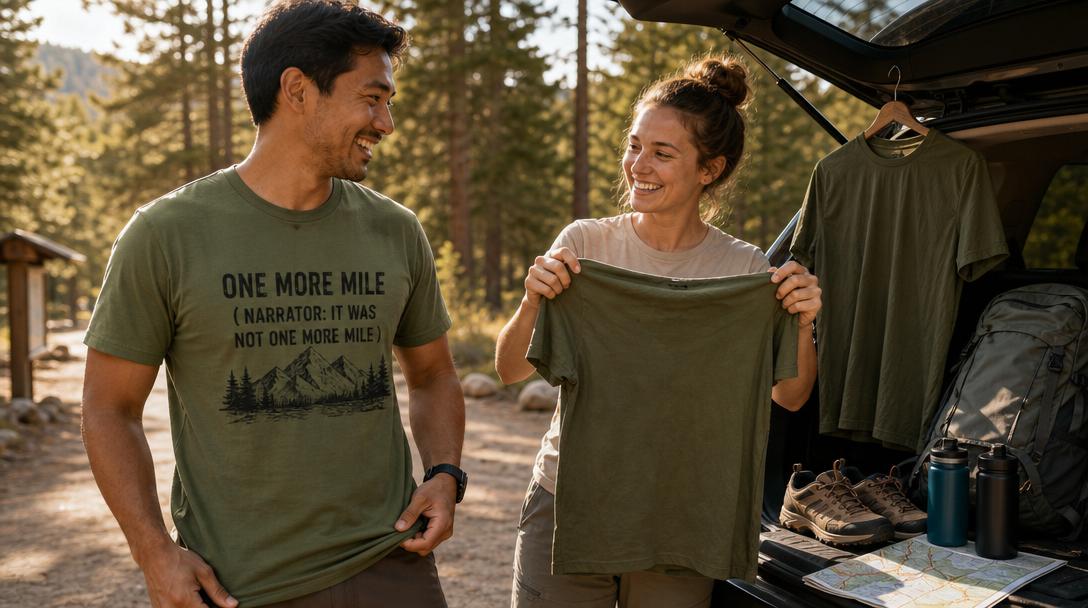
I don’t have one hard number for how often I wash a hiking shirt. I base it on sweat, smell, visible dirt, and fabric. If I’m coming off a steep, sweaty 15 km day with a soaked back and salty lines on the fabric, that shirt goes straight into the wash.
On a cool, dry, low-effort 5 km walk where I barely sweat, I may wear the same shirt two or three times. Multi-day trips are different. If I hike hard every day, I treat the shirt like any base layer worn against the skin and wash, or at least rinse, after each full day when I can.
Day to day, most people wash everyday clothes every one or two weeks, but hiking shirts sit closer to the “T-shirt” category than jackets or coats. Jackets can go weeks or even a season if they don’t touch much sweat or dirt. A hiking shirt is right on your skin, so I watch for grime, collar marks, underarm stains, and smell.
If I smell it when I pull it over my head, it’s time to wash it. Even if it only has one easy wear. If it still smells fresh, I’ll stretch it one more outing, especially in cool weather.
What I try not to do is wash it automatically after every single easy hike. Too many full cycles break down fibers, fade prints, and stress seams. That means the shirt ages faster and needs replacing sooner. When I do wash, I turn it inside out, use gentle detergent, keep the water cool or warm, and avoid high heat.
On long trips, I know some hikers push shirts for many days. I stay closer to comfort: once it feels grimy, smells sour, or makes me itchy, it gets cleaned.
The Fabric Factor
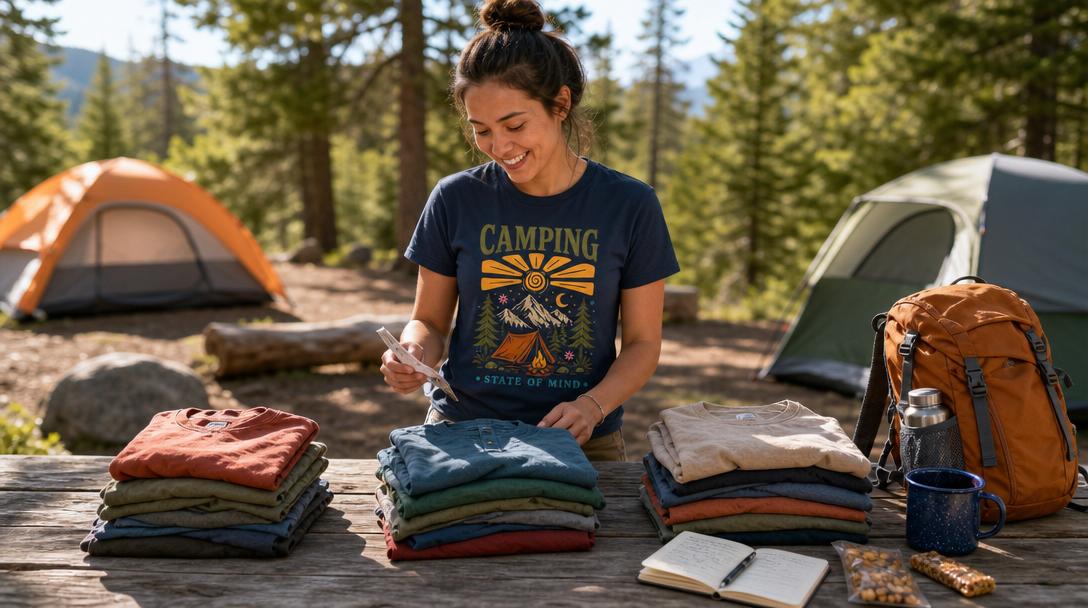
I always start with the care tag because fabric is the biggest clue for how often I should wash a hiking shirt.
-
Merino wool and wool blends
Wool fights odor better than almost anything else I wear on trail. I can usually get three to four wears out of a merino shirt before washing, as long as I air it out between days and it didn’t get drenched in sweat or mud.
Washing less also protects wool fibers and reduces water and energy use over time. I still wash it when it smells, but I don’t panic if it has a couple of clean, cool-weather wears on it. -
Synthetic shirts — polyester, nylon, elastane
Most traditional technical hiking shirts fall into this group. They dry quickly and wick sweat away from my skin, which is great when I stop on a windy ridge and start cooling down. The tradeoff is odor. Some synthetics hold onto stink more than merino, especially after hot or humid hikes.
I usually wash synthetic hiking shirts after one or two hard hikes, sooner if the day was swampy, dusty, or muddy. I turn them inside out, use cool water, mild soap, and no bleach or fabric softener. If you’re still choosing between thin, quick-drying layers, this guide on lightweight hiking shirts is useful. -
Cotton and cotton-poly blends
Pure cotton feels soft, but it traps sweat, dries slowly, and can chill me when I stop moving. For tough hikes, I wash cotton after nearly every wear. White cotton tops show stains quickly too, so I don’t let sweat marks sit for long.
That said, cotton still has a place in my outdoor life. I like it for camp, easy walks, road trips, and casual graphic tees. If you’re deciding when cotton makes sense, read Are Cotton Shirts Good for Hiking?
For relaxed hikes and camp days, I’ll wear casual tees like the One More Trail Shirt, Hike More, Worry Less Bigfoot Shirt, One More Mile Shirt, or Camping Summer Shirt. I treat those more like everyday cotton or cotton-blend shirts: wash after sweaty use, but air out and rewear if they’re still clean after light activity.
Blends, such as cotton-poly tees, usually dry faster than pure cotton and can work better for stop-and-go days. I often get two to three light wears before washing, but sweat, smell, and visible dirt still win over any schedule.
I treat jeans, casual pants, and light jackets more like outer layers: several wears between washes unless they are visibly dirty or smelly. Washing less lowers their footprint and helps them last longer.
Washing's True Impact
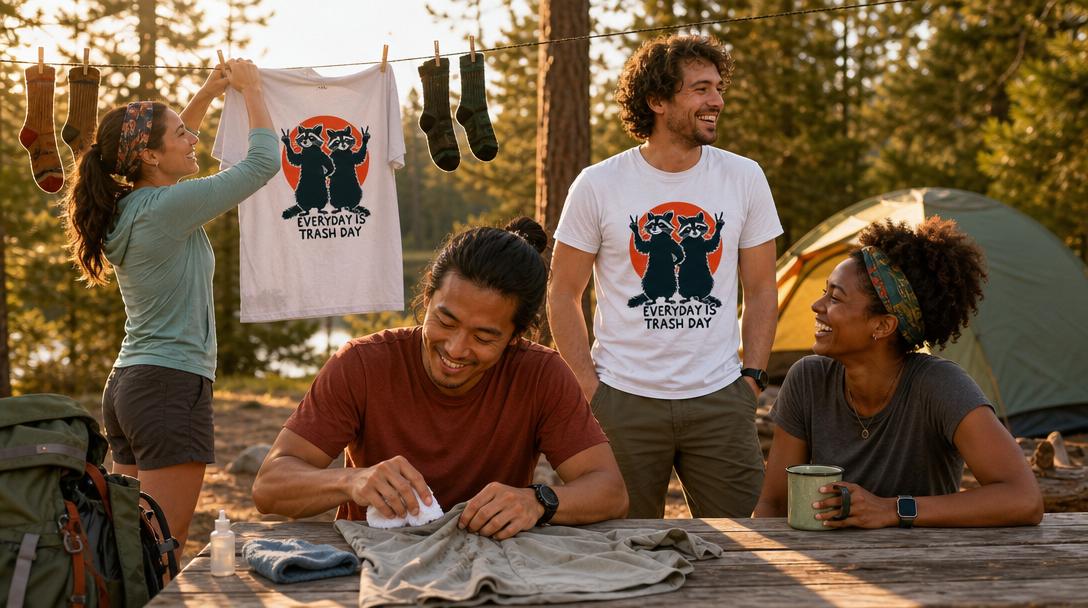
When I decide how often to wash my hiking shirt, I think about what every wash does to the fabric. A complete wash cycle beats fibers against the drum and other garments, which can thin fabric, fade colors, and stress seams.
In my experience, shirts that go in the machine after every single hike wear out noticeably faster than shirts I air out and wash only when needed. Prints crack sooner, collars get tired, and the fabric starts to feel weaker.
To slow that wear, I save full washes for when the shirt is truly dirty or stinky. On cooler, low-sweat days, I hang it inside out in a breezy spot. Spot washing under the arms or along the collar with mild soap and water often leaves it fresh enough for one more casual wear.
Wash when needed, not by habit.
When I wash, I flip the shirt inside out, use mild detergent, and keep the water cool to warm — never hot. I aim for about 30 to 40°C / 68 to 105°F at most, depending on the care tag. Low spin, no bleach, and no dry cleaning help prints and fibers last, especially with wool or delicate blends.
I tumble dry low only when I have to, but I prefer hang drying or laying flat in the shade. That care helps shirts keep their shape, resist shrinkage, and stay useful for multiple seasons.
I also think about where the wash water ends up. Some detergents may contain ingredients that don’t belong in lakes, rivers, or fragile alpine areas. Even biodegradable soap should not go straight into streams.
I never do laundry in surface water because that same creek may be someone else’s drinking water downstream. At camp, I use a small basin, wash well away from waterways, and scatter graywater over a wide area at least 60 to 70 meters from camps, trails, and rivers.
Washing in lower temperatures and air drying instead of using hot dryer cycles reduces energy use. Shirts that need fewer washes and last longer are better for my budget and better for the trails I love.
Proper Washing Method
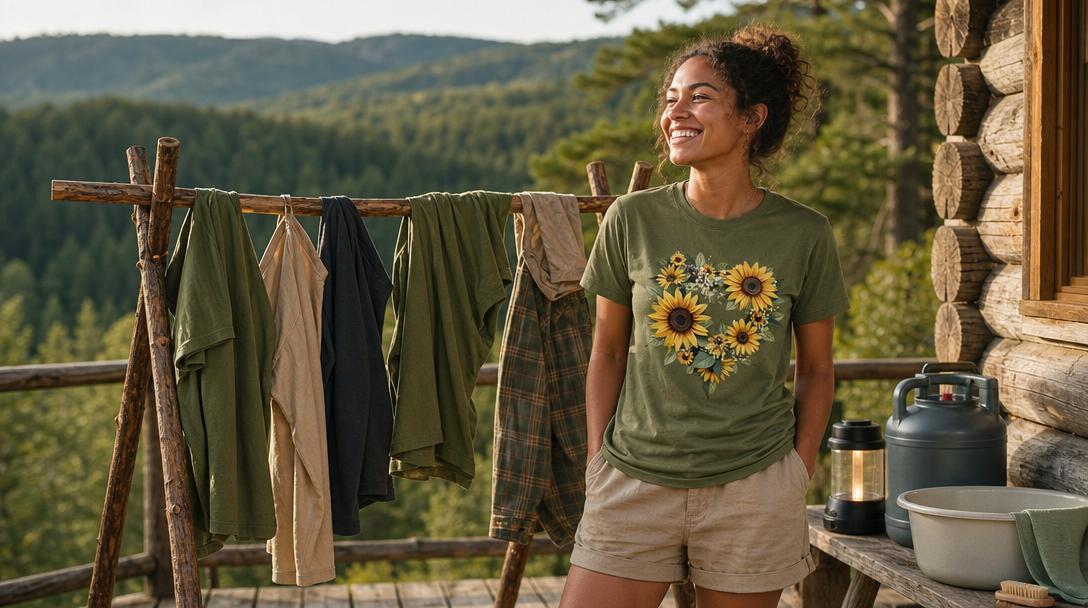
I treat washing my hiking shirts as part of caring for my skin and my gear. A good wash keeps fabric clean without wrecking the fibers, so I can wear the same shirt on many trips instead of replacing it early.
I start by sorting shirts by color and fabric. Dark synthetics go in one pile, light synthetics in another, and merino wool gets its own gentle treatment. This reduces color bleeding and keeps rougher items from rubbing against softer fabrics.
I flip every shirt inside out, close zippers, and empty pockets so nothing catches. For home machine washing, I choose a gentle cycle at a low water temperature, no higher than 40°C, with mild, non-bleach detergent. A front-loading washer is usually gentler on seams and prints than many top loaders.
For delicate shirts, a wash basin is even better. I keep spin speed low and skip fabric softener because it can clog fibers and slow drying.
My basic rules look like this:
- Wash inside out on a gentle cycle with low spin
- Keep water at or below 40°C
- Use a small dose of mild detergent and never bleach
- Skip fabric softener, especially on technical shirts
- Avoid dry cleaning
- Tumble dry low only if needed
- Hang in the shade or lay flat to dry
- Use medium heat if I must iron
On trail, I use a small basin or pot, add a tiny amount of soap, and agitate the shirt for one to two minutes. I wash and rinse at least 60 meters / 200 feet from streams, lakes, camps, and trails.
Because detergents can affect water quality, I use the least amount possible and rinse thoroughly. Then I press out extra water with a quick-dry microfiber towel before hanging the shirt in the shade.
Managing Odors and Stains
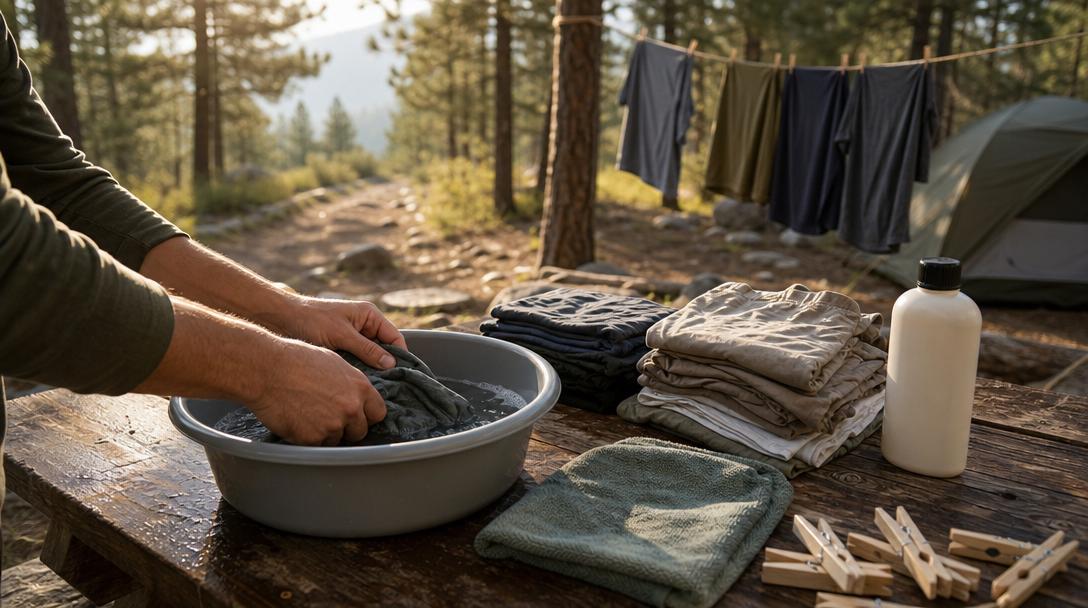
I treat odor and stains as messengers, not disasters. If I deal with sweat, deodorant, and trail grime early, I can wash my hiking shirt less often and still keep it pleasant to wear.
When I arrive at camp, I hang my shirt outside before I do much else. A little fresh air can remove a surprising amount of odor, even after a hard day. I rub out salty sweat marks and deodorant streaks with a damp cloth and a drop of mild soap. If I packed stain remover, I use it sparingly.
I avoid bleach because I don’t want to damage the fabric or prints. I also turn the shirt inside out before spot cleaning so I’m gentle on the outer face of the fabric.
On multi-day outings, I give myself a quick sponge bath with a washcloth. That helps the shirt too, because less body grime transfers back into the fabric. If the shirt is really funky, I rinse it in soapy water at least 60 meters / 200 feet from any stream or lake, then rinse it clear three to five times so no soap remains.
A baking soda and water soak can help with deep smells. Back home, I may add half a cup of white vinegar to a cool or warm machine wash to help with lingering odor. I still trust the sniff test, but I remind myself that my nose can get used to my own trail smell.
I dry shirts flat or on a line, out of strong sun when possible. At camp, I’ll hang one where it can catch airflow, just like I dry sweaty socks at night.
My go-to odor and stain routine is simple:
- Air out shirts as soon as I stop hiking
- Spot clean sweat, collar marks, and deodorant with a damp cloth
- Use baking soda soaks or white vinegar for stubborn smells
- Rinse thoroughly, three to five times if needed
- Turn inside out and use low heat only when necessary
The Environmental Footprint
When I decide how often to wash a hiking shirt, I also think about impact. According to the Carbon Trust, washing and drying accounts for around 80% of a garment’s use-phase carbon emissions — which, for frequently washed items, can dominate the total lifetime footprint.
Water use matters too. A single load of laundry uses roughly 50–150 litres of water, depending on machine type, while producing just one cotton T-shirt requires an estimated 2,700 litres. Those numbers are not meant to scare you out of washing dirty clothes. They just remind me not to wash clean ones out of habit.
Studies suggest that heating water accounts for the majority of a washing machine’s energy use, which is one reason cold washes make such a difference. So I usually wash shirts in cold or low-temperature water, around 20–30°C / 68–86°F, and avoid dryer cycles whenever possible.
Over-washing with heat speeds up shrinkage, fading, and fabric wear. Then shirts wear out faster, and I end up buying replacements sooner. A hiking shirt that lasts season after season is one of the easiest sustainability wins.
If you want to think more deeply about materials, care, and buying habits, my guide to eco friendly hiking shirts is a good next read.
Here’s the practical version:
| Method | How it cuts footprint |
|---|---|
| Wash only when needed | Fewer cycles, less water, less energy, and less detergent |
| Use cold or low-temp washing | Reduces energy used for heating water |
| Choose biodegradable, mild detergent | Fewer harsh chemicals in graywater or septic systems |
| Skip dry cleaning | Avoids high-impact garment care |
| Air dry on a line or rack | Cuts power use and reduces fabric damage |
| Choose durable shirts | Fewer replacements over time |
I don’t need perfection here. I just try to make the low-impact choice most of the time: wash less, wash cooler, and air dry when I can.
Conclusion
I don’t obsess over a fixed schedule anymore. I use my nose, my skin, and the trail conditions.
Hot climb with heavy sweating? I wash my hiking shirt after the hike. Cool stroll with mild perspiration? I air it out and wear it again. Multi-day trek with no sink? I spot clean, rinse the pits, and let wind and sun help.
I still care about gear life and the planet. I use mild soap, cool water, short wash cycles, and air drying whenever possible. My shirts last longer, smell better, and stay comfortable for more trips.
Think of your wash plan as part of trip prep. Try one small change on your next hike: air out before washing, switch to cold water, or line dry your favorite shirt. Small habits add up fast.
Frequently Asked Questions
How often should I wash my hiking shirt?
I usually wash my hiking shirt every one to three wears. If I’ve been sweaty, muddy, or hiking in hot weather, I wash it right away. For light use, I may wear it twice if it still smells fresh and looks clean.
Does the fabric type change how often I should wash my hiking shirt?
Yes. I wash cotton sooner because it holds sweat and odor. Merino often goes the longest between washes, and synthetics usually fall somewhere in the middle. Let the fabric, smell, and conditions guide you.
Will frequent washing damage my hiking shirts?
It can. Over-washing wears fibers, stresses seams, fades prints, and can reduce performance over time. That’s why I wash only when needed, with gentle cycles, cool water, and mild detergent.
What is the best way to wash a hiking shirt?
Wash it inside out in cold or cool water on a gentle cycle. Skip bleach and fabric softener, use mild detergent, and hang dry when you can. This keeps the shirt breathable, durable, and comfortable.
How do I manage odor without washing my hiking shirt every time?
Air it out immediately after hiking instead of stuffing it into your pack. For light odor, spot wash the underarms and collar. If it still smells after airing, wash it.
How do I remove tough stains from my hiking shirt safely?
Catch stains early. Dab gently with cold water first, then use a mild stain remover that is safe for the fabric. Wash on a gentle cycle and avoid bleach unless the care tag specifically allows it.
How does washing my hiking shirts affect the environment?
Each wash uses water and energy, and some fabrics can shed microfibers. I reduce my impact by washing less, waiting for full loads, using cold water, choosing mild detergent, and line drying.


