


Glacier National Park Packing List | Hike Tee
Dominic PalmowskiGlacier National Park Packing List Essentials for Every Season
No matter when you visit, your core Glacier kit should be built around three realities:
- Weather changes fast
- Trails can be rocky, wet, snowy, or all three
- You are in grizzly bear country
Start with these year-round essentials.
Glacier hiking clothes basics
Pack these for every trip:
- Moisture-wicking shirts, preferably synthetic or merino wool
- Quick-dry hiking pants or leggings
- Warm fleece or lightweight insulated jacket
- Waterproof rain jacket
- Wool or synthetic hiking socks
- Warm hat or beanie
- Lightweight gloves
- Sun hat or baseball cap
- Sunglasses
- Sleepwear or comfy camp clothes
- Extra dry socks and underwear
Avoid cotton for hiking if you can. Cotton holds moisture, dries slowly, and can leave you cold when temperatures drop. Glacier hiking clothes should dry quickly and layer easily.
Trail and safety essentials
For hikes, scenic overlooks, and long park days, bring:
- Daypack, ideally 15–30 liters
- Bear spray
- Water bottles or hydration reservoir
- Water filter for longer hikes or backpacking
- Snacks or lunch
- Headlamp
- First-aid kit
- Map or downloaded offline map
- Sunscreen
- Bug spray
- Trekking poles
- Rain cover or dry bag
- Portable charger
- Binoculars for wildlife viewing
Glacier National Park Lodges recommends packing for both bright sun and afternoon storms, which is exactly why your rain shell and sun hat can both be useful on the same day. For a broader trail-ready breakdown, see our day hiking essentials checklist.
Layers for Glacier National Park: The Simple 3-Part System
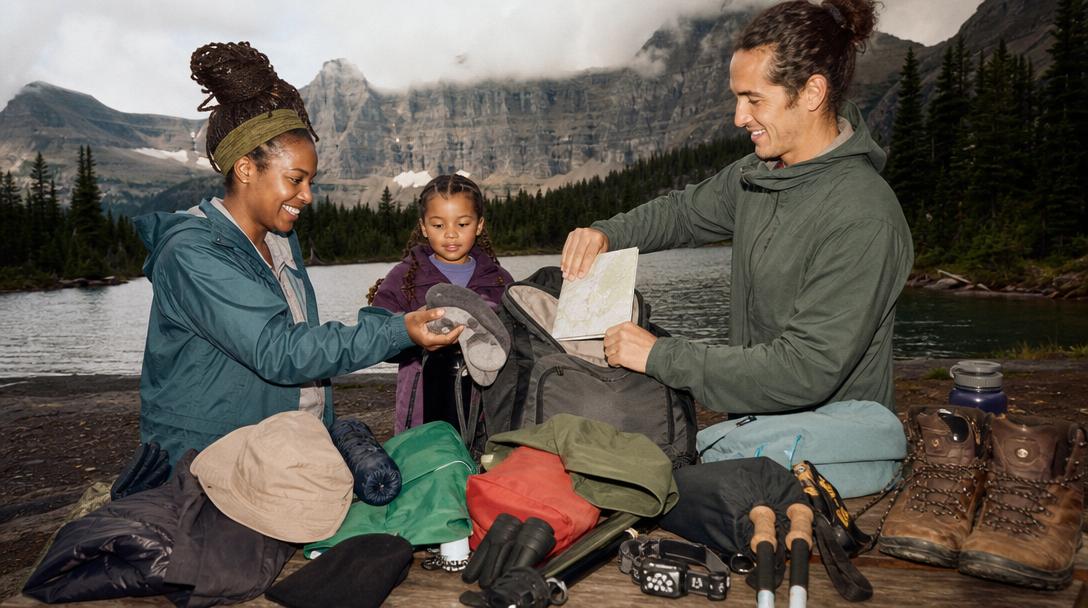
The easiest way to decide what to pack is to think in layers for Glacier National Park, not outfits. Outfits are for brunch. Layers are for alpine mood swings.
1. Base layer: keeps sweat off your skin
Your base layer should be moisture-wicking. Good options include:
- Merino wool shirts
- Synthetic hiking tees
- Lightweight long-sleeve sun hoodies
- Thermal tops and bottoms in colder months
For summer, a breathable T-shirt or sun hoodie works well. For spring, fall, and winter, pack thermal base layers.
2. Mid-layer: keeps you warm
This is your insulation layer. Choose based on season:
- Lightweight fleece for summer
- Midweight fleece for spring and fall
- Down or synthetic puffy jacket for cold mornings, evenings, and winter
- Insulated vest if you like core warmth without bulky sleeves
A fleece is one of the most useful items you can bring. Several Glacier packing guides, including REI and Glacier National Park Lodges, recommend a warm layer even in summer.
3. Outer layer: blocks wind, rain, and snow
Your shell is your weather shield. Look for:
- Waterproof or highly water-resistant fabric
- Wind protection
- Adjustable hood
- Pit zips or ventilation if possible
- Room to fit over a fleece or puffy
The best waterproof jacket for Glacier National Park is not necessarily the heaviest one. For most summer and shoulder-season trips, a lightweight waterproof-breathable rain shell is ideal. In winter, you will want an insulated waterproof jacket or a shell roomy enough to fit over warm layers.
What to Wear for Glacier National Park in Summer
Summer is Glacier’s most popular season for a reason: wildflowers, long daylight hours, boat tours, open trails, and the best chance of accessing high-elevation areas like Logan Pass. But summer in Glacier still comes with chilly mornings, alpine wind, and sudden storms.
According to REI, average summer highs are often around 70–80°F, while average lows can be around 45°F. At higher elevations, expect cooler temperatures.
What to wear in Glacier National Park in summer
- 2–4 moisture-wicking T-shirts or sun hoodies
- 1–2 long-sleeve hiking shirts
- Quick-dry hiking pants
- Hiking shorts, if you like them
- Lightweight fleece or thin puffy jacket
- Waterproof rain jacket
- Wool hiking socks
- Hiking boots or trail shoes
- Sun hat
- Sunglasses
- Lightweight gloves and beanie for sunrise hikes or high passes
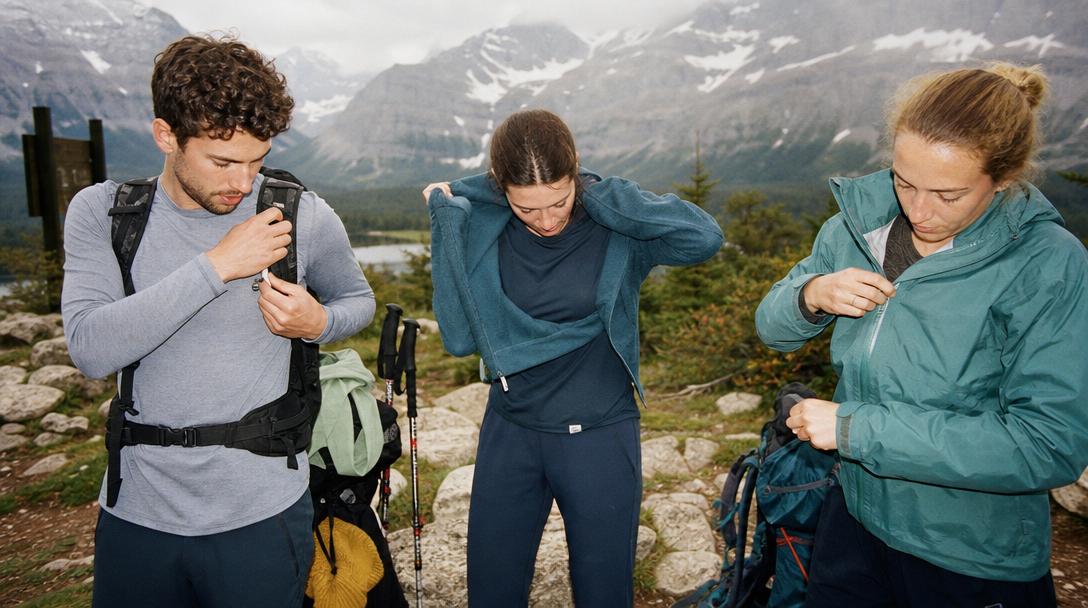
For popular hikes like Hidden Lake Overlook, Highline Trail, Avalanche Lake, or Grinnell Glacier, start cool and peel layers as you climb. A sun hoodie is especially useful because it protects against UV exposure without needing constant sunscreen reapplication on your arms. If you are comparing warm-weather tops, our guide to hiking shirts for hot weather can help you choose breathable options.
Summer decision rule
If you are hiking above 6,000 feet, starting before 8 a.m., or staying out past dinner, pack a warm layer even if the forecast says sunny. Glacier does not care about your weather app’s confidence.
What to Wear in Glacier National Park in Fall
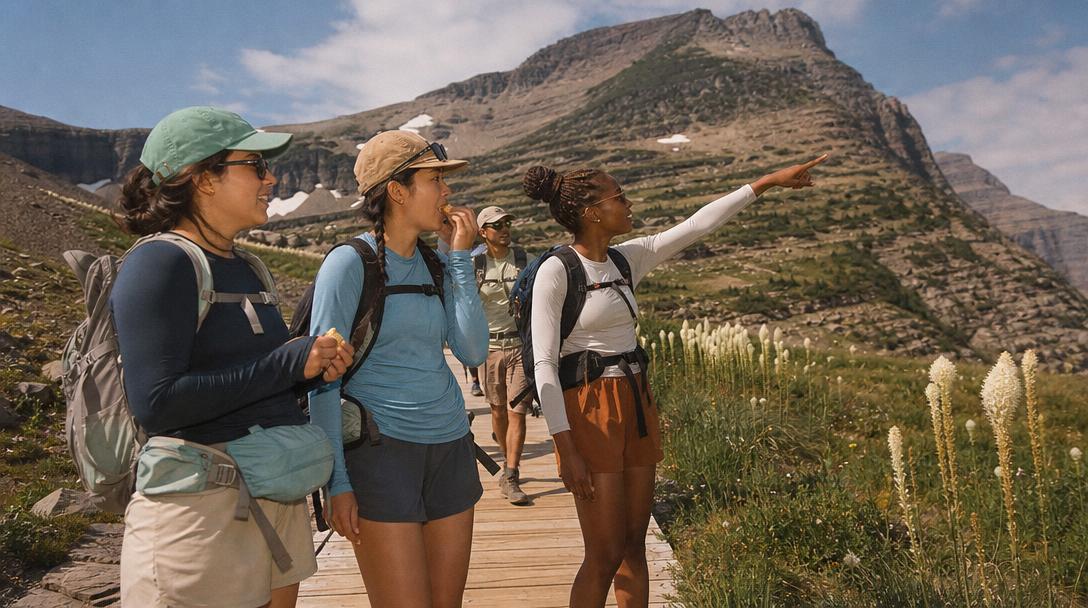
Fall in Glacier can be absolutely magical: golden larches, fewer crowds, crisp air, and wildlife activity. It can also be cold, windy, wet, and occasionally snowy, sometimes before you have finished your granola bar.
September often feels like classic hiking season, while October can shift quickly toward winter conditions. High-elevation roads and trails may close temporarily or seasonally due to snow and ice. The Going-to-the-Sun Road typically opens fully in late June or early July and begins seeing weather-related closures in fall, though exact dates vary each year. Always check the official NPS road status before your trip.
Fall clothing checklist
- Long-sleeve synthetic or merino base layers
- Midweight fleece
- Lightweight down or synthetic puffy jacket
- Waterproof rain jacket
- Rain pants if hiking long distances
- Hiking pants or fleece-lined leggings
- Warm beanie
- Lightweight gloves
- Wool socks
- Waterproof hiking boots
- Optional microspikes for icy trails
Fall decision rule
If nighttime lows are near freezing, pack a puffy jacket, gloves, hat, and traction. If you will hike shaded trails in the morning, assume some ice may linger.
Fall is also a smart time to bring brighter clothing. You do not need to dress like a traffic cone, but visibility helps in dim conditions, rain, and busy trail corridors.
What to Wear in Glacier National Park in Spring
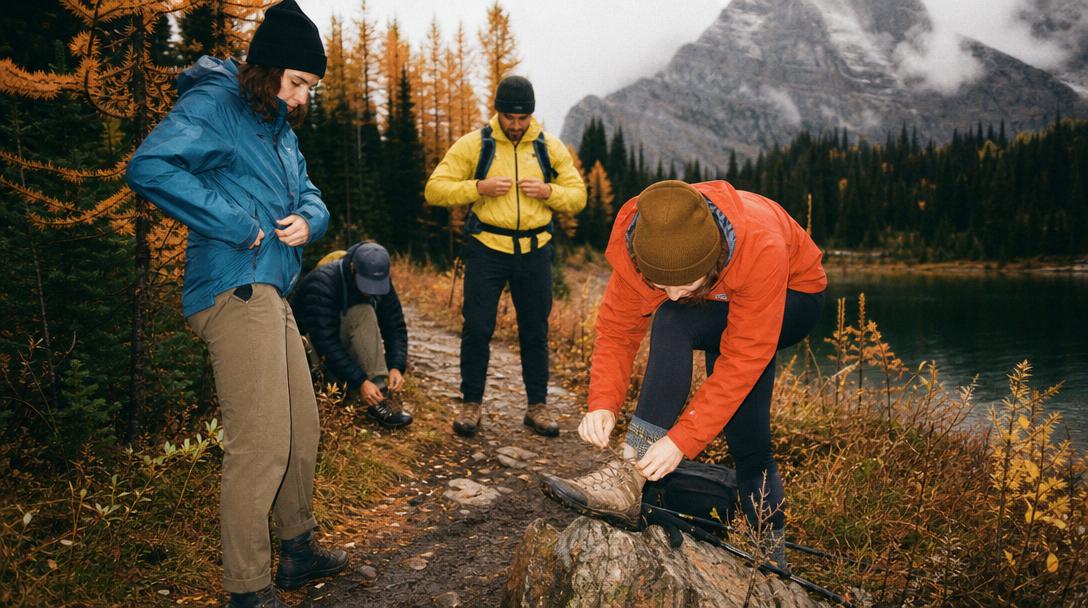
Spring in Glacier is not simply summer, but with flowers. It is more like winter and summer arguing in a parking lot.
Lower elevations may be green and pleasant while higher trails remain buried in snow. Many high-country routes are not fully accessible until later in the season. Spring is also one of the wetter times of year, according to multiple Glacier packing resources.
Spring clothing checklist
- Thermal base layers
- Long-sleeve hiking shirts
- Fleece jacket
- Lightweight insulated jacket
- Waterproof rain jacket
- Rain pants
- Quick-dry hiking pants
- Waterproof hiking boots
- Gaiters for mud, slush, or snow
- Beanie
- Gloves
- Extra socks
- Microspikes if hiking snowy or icy trails
Spring decision rule
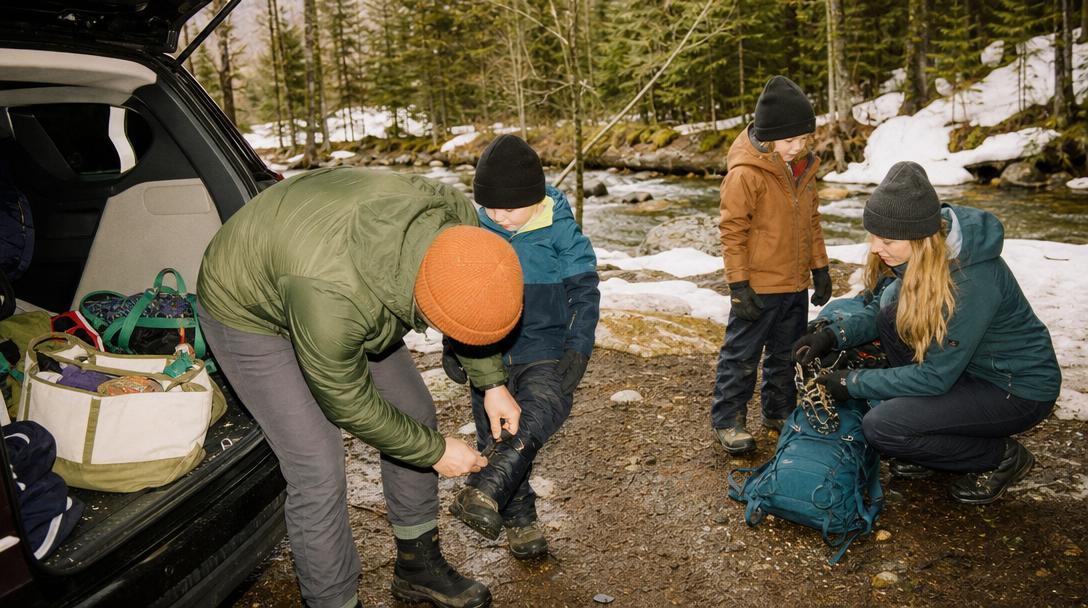
If the trail description mentions snow, creek crossings, shaded forest, or elevation gain, bring waterproof boots and traction. If you are traveling with kids, pack extra socks and pants in the car. Wet feet turn tiny hikers into tiny attorneys very quickly.
Packing by Trip Type: Day Hikes, Camping, Backpacking, and Van Life
Day hiking packing list
For most day hikes, pack:
- Daypack
- Bear spray
- 2–3 liters of water per person
- Snacks and lunch
- Rain jacket
- Warm layer
- First-aid kit
- Headlamp
- Map or offline GPS
- Sunscreen
- Bug spray
- Trekking poles
- Extra socks
Camping packing list
Add:
- Tent with rainfly
- Sleeping bag rated for expected lows
- Sleeping pad
- Camp stove
- Food storage system
- Warm camp clothes
- Camp shoes
- Headlamps
- Extra blankets for shoulder seasons
- Tarp or canopy for rain
Even in summer, campground nights can be chilly. Pack a warmer sleeping bag than you think you need.
For campfire evenings and the drive home, a cotton Glacier National Park shirt is the souvenir layer you will actually wear (save the synthetics for the trail).
Backpacking packing list
Backpacking in Glacier requires more planning and permits. Add:
- Backpacking pack
- Lightweight tent
- Sleeping bag and pad
- Stove and fuel
- Water filter
- Bear-resistant food storage or approved food-hanging method where required
- Navigation tools
- Extra insulation
- Rain gear
- Repair kit
- Emergency communication device
Check current NPS backcountry rules before your trip.
Van life and road trip packing list
For van travelers, add:
- Extra water storage
- Window covers or insulation
- Camp chairs
- Warm blanket
- Power bank or solar charger
- Laundry bag
- Drying line for wet clothes
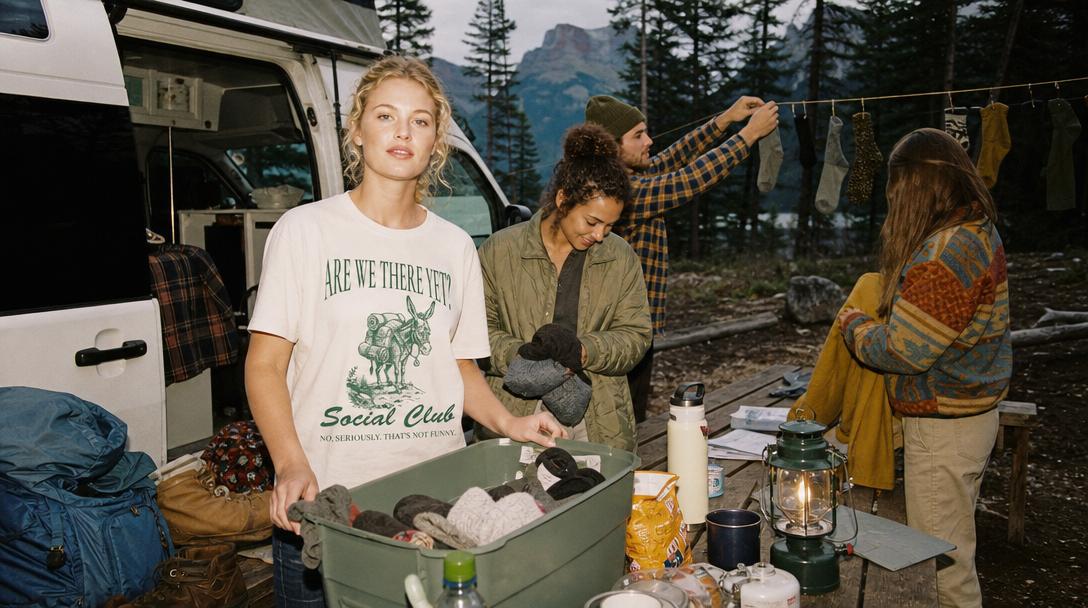
- Easy-access trail bin with socks, hats, gloves, sunscreen, and snacks
A dedicated trail bin keeps your van from becoming a raccoon-level gear nest.
Picking routes before you pack? Start with our Glacier National Park hiking trails guide.


