


Water Resistant Hiking Shoes: Honest Trail Advice
Dominic Palmowskiwater resistant hiking shoes are great when the trail is damp, unpredictable, and mildly rude — but they are not magic force fields for your feet.
I have worn somewhere between 12 and 15 pairs of hiking shoes over the years, bouncing between water-resistant trail shoes, breathable hiking shoes, and fully waterproof options across muddy Midwest forest paths, dewy morning meadows, rocky Rocky Mountain scrambles, humid Southeast woodlands, and spring snowmelt trails that felt like cold soup with rocks in it.
The biggest lesson? The label on the box matters less than the conditions under your feet.
A good pair of water-resistant shoes can be absolutely perfect in light rain, wet grass, and shoulder-season mud. The wrong pair in deep slush, flooded trail, or warm humid weather can turn your feet into either soggy sponges or sweaty little saunas. Neither is the dream.
What Water Resistant Hiking Shoes Actually Do
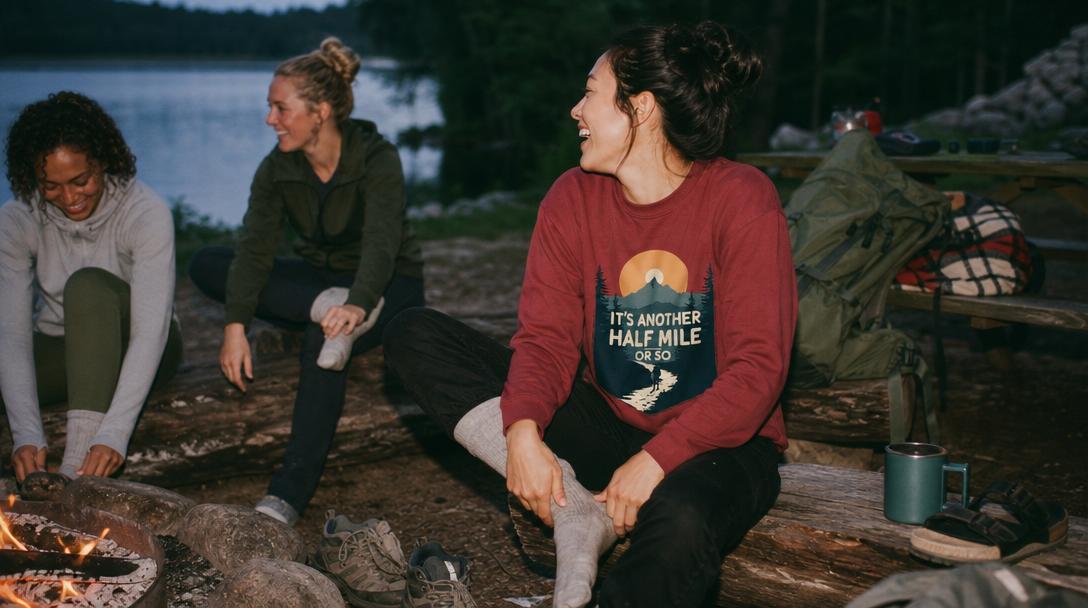
Water-resistant hiking shoes are designed to slow water down, not block it forever.
Most rely on a DWR finish, which stands for durable water repellent. That coating helps water bead up and roll off the upper instead of soaking in right away. It works beautifully for morning dew, damp brush, light rain, shallow puddles, and the kind of muddy trail splatter that makes your calves look like you lost a fight with a chocolate fountain.
But water-resistant is not the same as waterproof.
Water-resistant shoes usually do not have a full waterproof membrane, or if they do, they may have lighter coverage or lower-cut construction that still lets water enter from the top. Once the outer fabric wets out, the shoe starts absorbing moisture. Once water rises above the cuff, game over. Your foot is now the proud owner of a mobile puddle.
Water Resistant vs Waterproof vs Breathable Hiking Shoes
Here is the practical breakdown:
- Water-resistant hiking shoes: Best for light rain, wet grass, damp trails, mild mud, and moderate temperatures.
- Waterproof hiking shoes: Best for colder rain, shallow snow, slush, and sustained wet conditions where water stays below the collar.
- Breathable hiking shoes: Best for warm weather, sweaty feet, dry trails, long mileage, and trips where fast drying matters more than keeping water out.
This is where marketing gets hikers into trouble. Waterproof sounds like the obvious upgrade, but it is not always better. A waterproof membrane blocks outside water, but it also traps heat and sweat inside. In hot weather, your feet can get wet from the inside out. I have had hikes where my waterproof shoes technically kept the rain out, but my socks still felt like I had been storing them in soup.
If you run hot or hike in humid places, breathable hiking shoes can be the more comfortable call.
Waterproof vs Water Resistant Hiking Shoes: The Real Difference
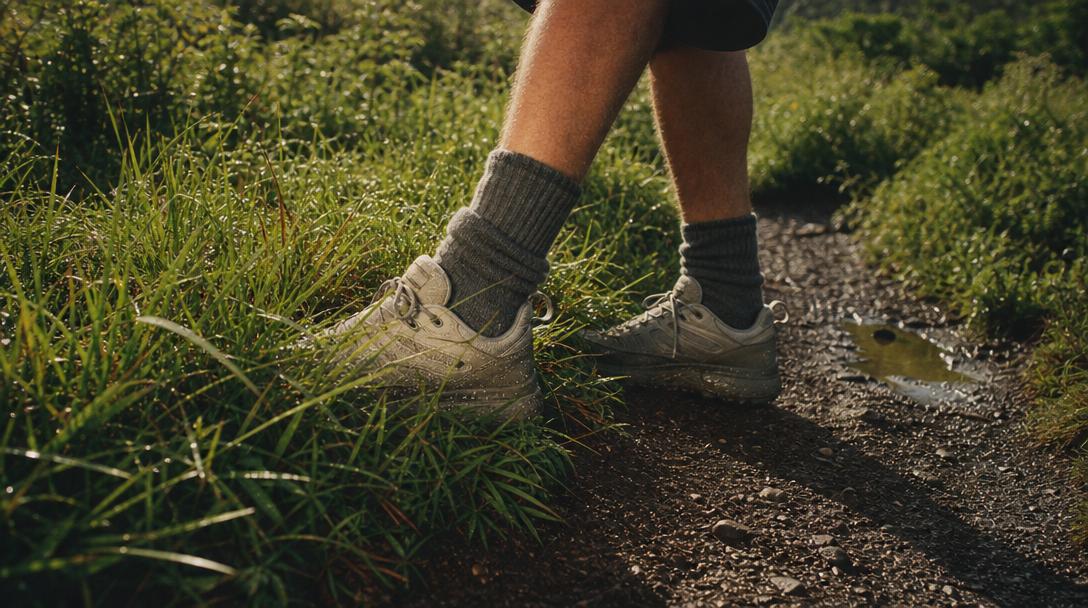
The biggest misconception I hear is that water-resistant and waterproof are basically the same thing with different price tags. Nope. That belief will leave you standing in a puddle wondering where your life choices went sideways.
Water-resistant shoes use surface protection. Waterproof shoes use a physical membrane, often something like Gore-Tex or a brand-specific waterproof liner.
A water-resistant shoe sheds water until the DWR coating wears down or the moisture pressure gets too high. A waterproof shoe blocks water more completely, but only until water comes over the top. Once water gets inside a waterproof shoe or boot, that same membrane traps it there. Congratulations, you now have a soggy aquarium strapped to your foot.
When Water-Resistant Shoes Fail
Water-resistant shoes tend to fail in these situations:
- Deep puddles that cover the upper
- Stream crossings above mid-foot
- Wet snow or slushy snowmelt
- Long hikes through soaked grass
- Heavy rain lasting several hours
- Deep mud that pulls at seams and collars
- Old shoes with worn-out DWR coating
I learned this the hard way on a family camping trip in the Ozarks. I was wearing water-resistant trail runners I had used all summer, and I had been lazy about refreshing the DWR. Overnight rain had flooded part of the trail, and I made the classic overconfident hiker decision: I can probably just power through that.
Within 45 seconds, my feet were soaked, cold, and deeply unimpressed. Worse, because the shoes had partial water resistance but not great drainage, they took forever to dry. I spent most of the next day hiking in damp shoes and earned a blister on my right heel that I will not describe in polite company.
Lesson learned: if full submersion is likely, either wear proper waterproof boots with a higher cuff or go the opposite direction with quick-drying mesh shoes that drain fast.
Are Water Resistant Hiking Shoes Good for Rain?
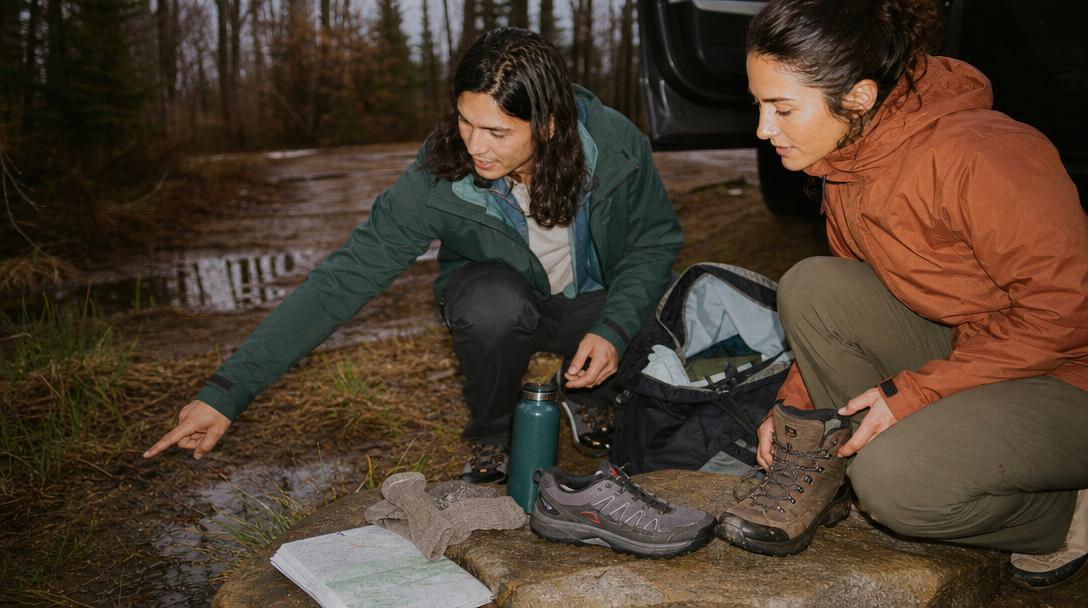
Yes — water resistant hiking shoes are good for rain when the rain is light to moderate and the trail is not flooded.
They are especially useful in shoulder seasons, like late spring and early fall, when the forecast is moody but not apocalyptic. If you are hiking through damp forest, wet leaves, muddy patches, or drizzle, they can keep your feet comfortable without the heat buildup of full waterproof footwear.
A few years back, I was hiking in the Smoky Mountains on a day that started overcast and innocent. Two hours in, the sky opened up and turned the trail into a muddy, root-covered slip-and-slide. I was wearing the Salomon X Ultra 4 GTX at the time, and those shoes genuinely impressed me. The outsole held firm on wet roots and slick rocks, and my feet stayed dry through soaked grass and standing water.
Until, of course, I stepped into a stream crossing that went well above the ankle cuff.
That was the exact moment the shoe reminded me: I am good, Dominic, but I am not a boat.
Best Water Resistant Hiking Shoes for Wet Trails
The best water resistant hiking shoes for wet trails are not just the ones with water protection. They also need grip, fit, toe protection, and decent drying time.
Look for:
- A secure fit with your actual hiking socks
- A grippy outsole with 3.5mm to 5mm lugs
- Sticky rubber for wet rock and roots
- Mesh or mixed-material uppers for airflow
- Reinforced toe protection
- Quality seams and overlays
- A DWR finish that can be refreshed
- A quick-drying lining
Fit comes first. Always. Try shoes on with the socks you actually hike in, not thin everyday socks. Go later in the day if you can, when your feet are slightly swollen. Walk around the store for at least ten minutes. Your feet will tell you things no online review can.
If you are building a full beginner setup, pair your footwear choice with smart layers from this what to wear hiking guide. Shoes matter, but sweaty cotton, bad socks, and the wrong pants can still ruin the day.
Water Resistant Hiking Shoes vs Waterproof Hiking Boots
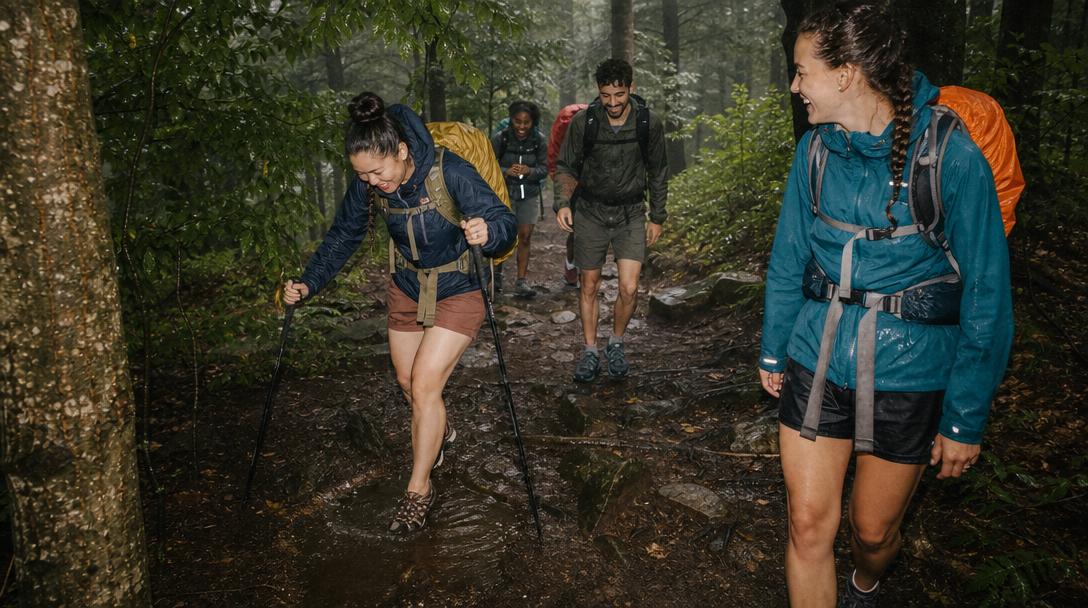
Water resistant hiking shoes vs waterproof hiking boots is not a winner-takes-all matchup. It is more like choosing the right tool.
Choose Water-Resistant Hiking Shoes For:
- Light rain
- Dewy grass
- Mild mud
- Day hikes
- Fast-moving hikes
- Moderate temperatures
- Shoulder-season trails
- Hikers who want less weight
They feel lighter, more flexible, and usually breathe better than boots. They are my probably going to be fine out there choice.
Choose Waterproof Hiking Boots For:
- Cold rain
- Snowmelt
- Deep mud
- Wet snow
- Backpacking with heavier loads
- Rough terrain where ankle coverage helps
- Trips where being wet could become dangerous
A waterproof boot with a higher cuff gives you more protection when the trail gets truly sloppy. But it will usually be warmer, heavier, and slower to dry if water gets inside.
For places like the Grand Canyon, where heat, terrain, and water availability all matter, footwear choice can change by season. If that trip is on your list, this guide to Grand Canyon hiking shoes is worth a look.
Hiking Shoes for Wet Grass and Muddy Trails
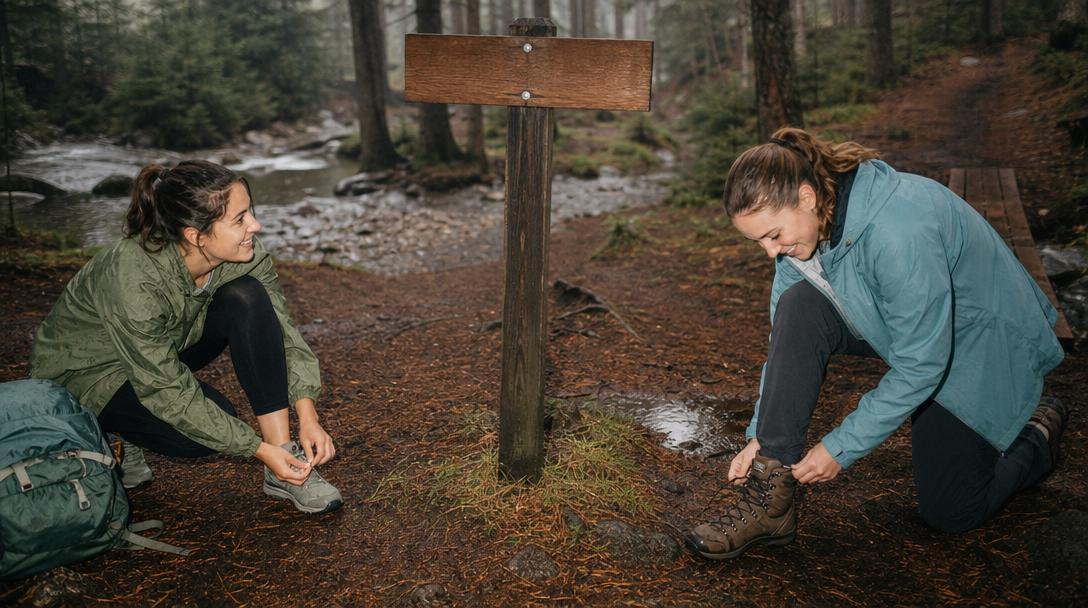
Hiking shoes for wet grass and muddy trails need two things: water resistance up top and traction underneath.
Wet grass is sneaky. It can soak shoes faster than light rain because your foot is constantly brushing through water. Water-resistant shoes do well here, especially if the DWR is fresh. Mud is more complicated. If it is shallow mud, a good lug pattern matters more than waterproofing. If it is deep mud, low-cut shoes can get overwhelmed quickly.
For muddy trails, I like a balanced lug pattern around 4mm deep. Very deep lugs bite well in soft mud but can feel clunky and wear faster on hardpack. Shallow lugs feel smooth on packed dirt but give up too soon on slick slopes.
Also, do not ignore socks. Cotton socks are trail betrayal. Wool or synthetic socks manage moisture better, reduce friction, and help prevent blisters. Wet feet are bad. Sweaty feet are also bad. Cotton makes both worse.
How to Waterproof Water Resistant Hiking Shoes
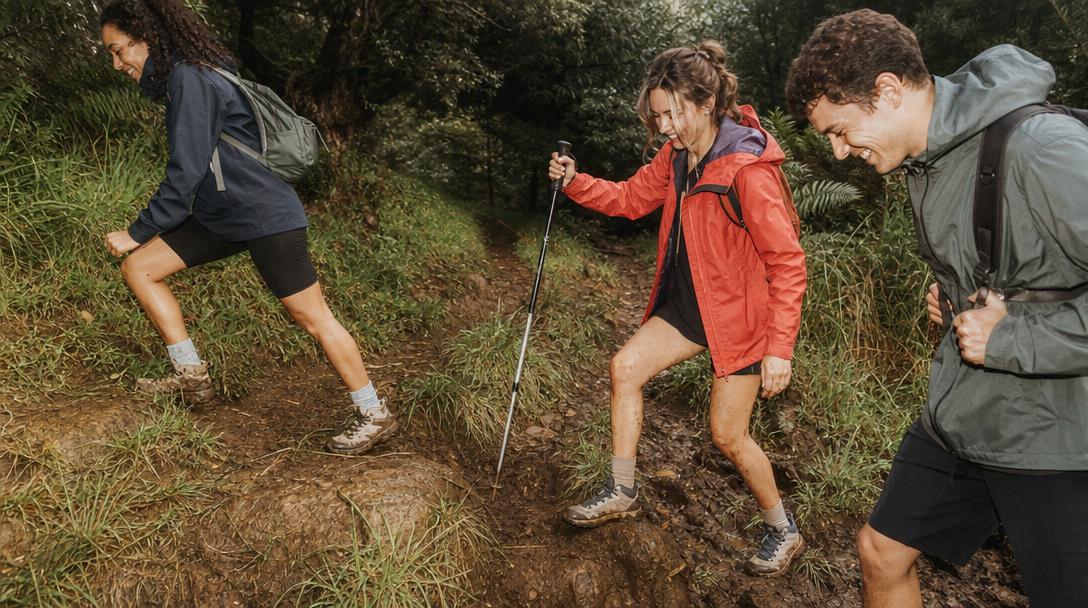
You cannot turn water-resistant shoes into true waterproof boots, but you can restore and improve their water resistance.
Here is what actually helps:
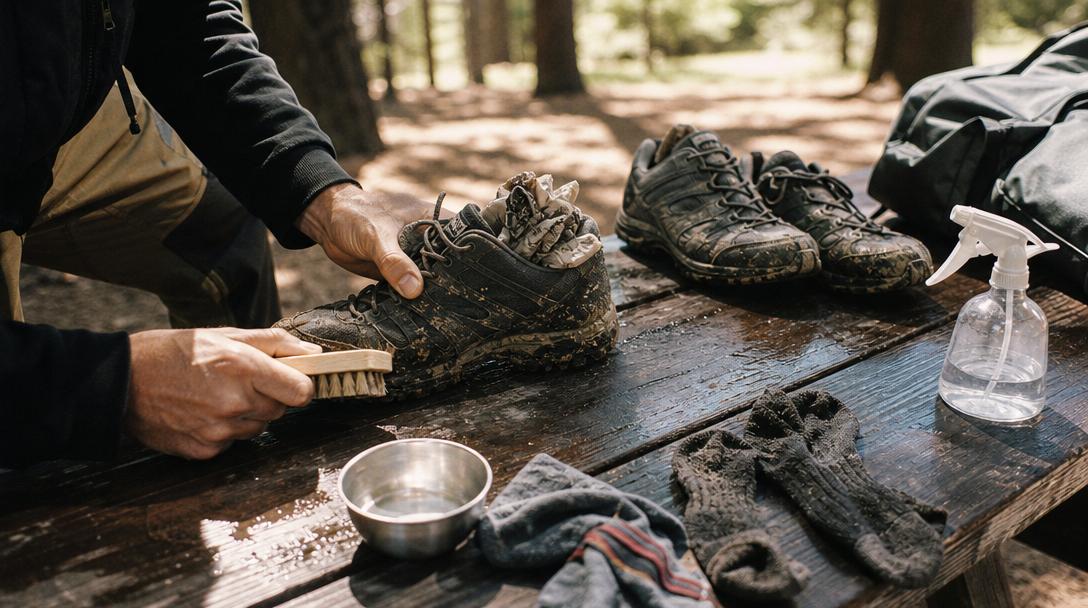
- Clean them after real hikes. Use a soft brush, lukewarm water, and mild soap. Avoid hot water because it can damage adhesives and membranes.
- Remove mud before it dries into trail cement. Dried mud pulls moisture from leather and fabric.
- Let shoes become slightly damp, not bone dry, before treatment. DWR products often bond better to clean, damp materials.
- Use the right treatment. Spray-on DWR works well for mixed fabric and mesh. Wax or cream may be better for leather, depending on the shoe.
- Stuff with newspaper. It absorbs interior moisture and helps shoes hold shape.
- Air dry at room temperature. Never cook them by a fire, heater, or in a hot trunk.
- Store them somewhere ventilated. A hot garage can age shoes faster than the trail.
The mistake I made for years was spraying treatment on dirty, fully dry shoes and expecting miracles. Clean first. Treat second. Dry slowly.
What I Wear After the Hike
Once the boots come off and camp mode begins, I am all about dry socks, easy layers, and a comfortable cotton tee. Technical fabrics are great on trail, but around camp or on the drive home, soft casual gear just feels right.
If your hiking personality leans slightly chaotic, the 100% Chance Shirt has the right energy. If you are more of a sunset-and-coffee person, the Adventure Awaits Shirt is an easy post-hike favorite. Not performance gear, just comfy trail-life vibes.
For rainy destinations, your shirt layers matter too. This guide to best hiking shirts for PNW rain is a helpful companion to your footwear decision.


