


Hiking in the Rain: Hike Tee Gear Guide
Dominic PalmowskiHiking in the rain can turn a trail day into misty magic—or a slippery mess with Mother Nature throwing elbows. The difference usually comes down to your gear, route, weather, and willingness to turn around before things get sketchy. A light drizzle on a forest trail? Lovely. A cold mountain storm with thunder, rising creeks, and slick rock? That’s your cue to save the summit selfie for another day.
Rainy hikes can be some of the best ones: quieter trails, richer forest smells, dramatic fog, and waterfalls doing their absolute most. But staying comfortable and safe takes more than grabbing the nearest hoodie and hoping for woodland magic.
The goal is simple: stay warm, keep your essentials dry, choose terrain wisely, and know when to turn back.
In This Article
- Is It Okay to Hike While Raining?
- What to Wear Hiking in the Rain
- Hiking in the Rain Gear: What Actually Matters
- How Much Rain Is Too Much to Hike?
- Is It a Good Idea to Hike After Rain?
- Rainy Hiking Scenarios: What Changes in Real Life
- Is It Bad to Hike in 100 Degree Weather?
- Best Rain Jacket for Hiking: How to Choose Without Overthinking It
- Hiking Rain Clothes Checklist for Day Hikers
- Frequently Asked Questions
- The Rainy Trail Takeaway
Is It Okay to Hike While Raining?
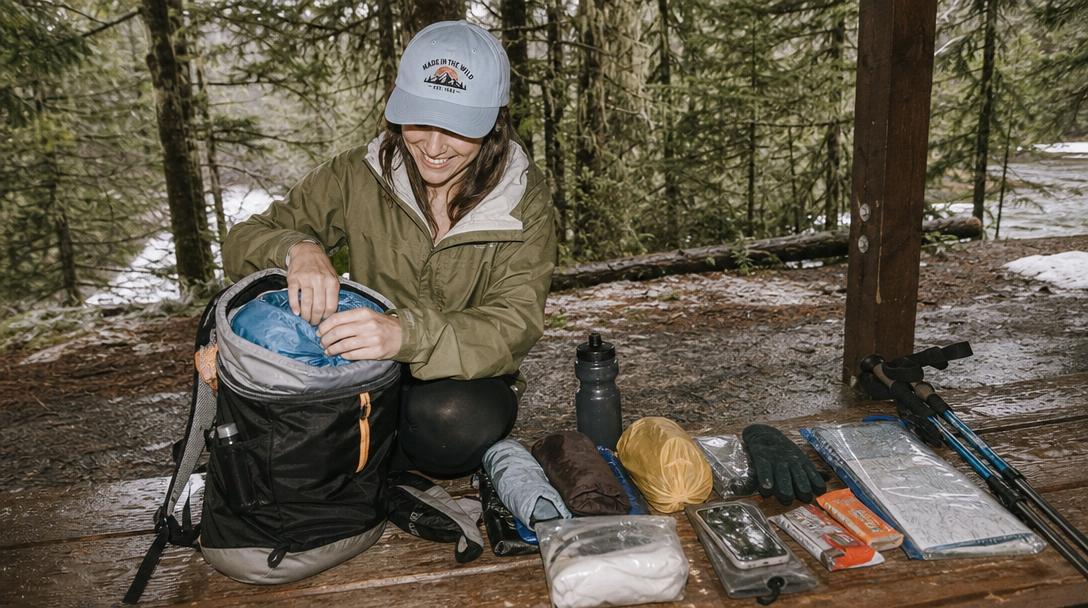
Yes, it is okay to hike while raining if the forecast is mild, your route avoids flood-prone or exposed terrain, and you have proper rain gear. Light to moderate rain can be manageable and even enjoyable, but thunderstorms, cold wind, rising water, poor visibility, or slippery high-consequence terrain should change your plans fast.
A rainy hike is not automatically dangerous. In fact, one of the smartest moves is simply to put on rain gear early because staying dry is much easier than drying out after you’re soaked.
Rain becomes a bigger problem when it stacks with other risks:
- Cold temperatures
- Wind
- Lightning
- Stream crossings
- Steep rock, roots, mud, or snow
- Poor visibility
- Exhausted or underprepared hikers
- Kids or beginners who are getting cold or scared
If you’re hiking with family, beginners, or anyone who already looks like a wet raccoon contemplating life choices, choose the conservative option. Rainy hiking is supposed to be memorable—not miserable.
What to Wear Hiking in the Rain
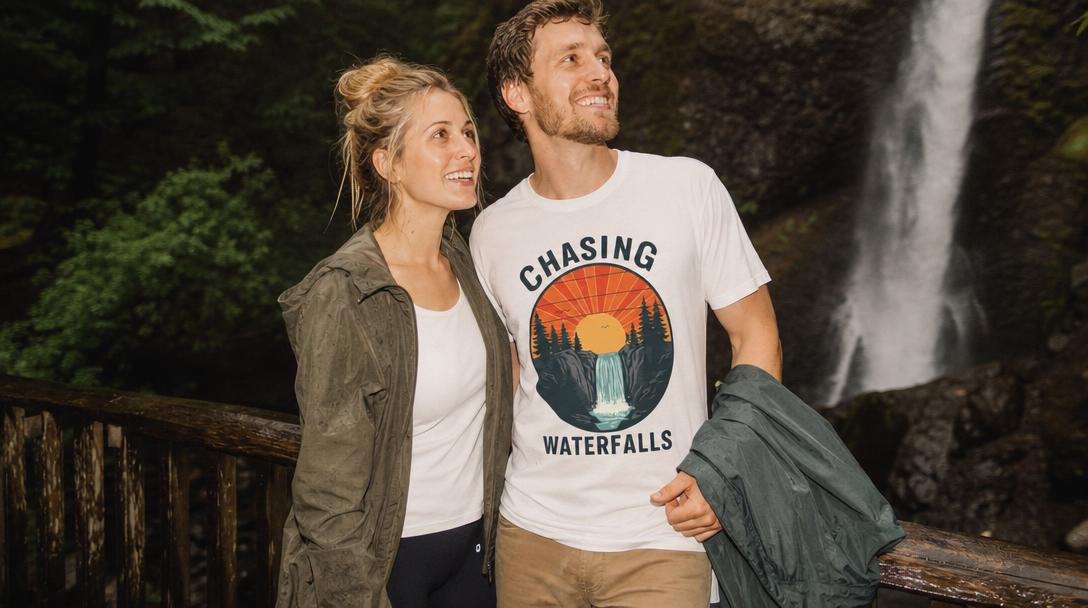
What to wear hiking in the rain comes down to three layers: a moisture-wicking base layer, an insulating mid-layer if it’s cool, and a waterproof outer layer. Avoid cotton for cold or sustained rain, wear grippy footwear, protect your hands and head, and use rain pants when conditions are steady, cold, windy, or brushy.
Your rainy-day clothing system should do two things at once:
- Keep outside water from soaking you.
- Let sweat escape so you don’t get drenched from the inside.
That second part matters. A trash bag is technically waterproof, but hike uphill in one and you’ll become soup.
Start With a Moisture-Wicking Base Layer
Your base layer sits against your skin, so this is not the place for cotton in cold, wet conditions. Cotton absorbs moisture and dries slowly, which can chill you fast when the temperature drops or wind picks up.
Better rainy-day base layer options include:
- Polyester
- Nylon
- Merino wool
- Performance blends
For warmer rainy hikes, a lightweight synthetic shirt may be enough under your shell. If you want to understand why fabric choice matters so much, Hike Tee’s guide to moisture-wicking fabric for outdoor comfort breaks down how these materials move sweat away from your skin.
Where Casual Graphic Tees Fit
Casual cotton or cotton-blend graphic tees are best saved for dry trailheads, mellow warm-weather walks, road trips, camp lounging, or the post-hike coffee stop—not cold rain under a shell. If your rainy-day plan includes an easy waterfall stroll after the storm clears, a soft trail-themed tee like the Chasing Waterfalls Retro Shirt fits the mood. For a dry backup shirt in the car, the Chasing Waterfalls Shirt is a fun option after the wet layers come off.
Add Insulation When It’s Cool
If temperatures are mild, you may not need a mid-layer. But in colder rain, bring one even if you start warm. Rain plus wind can chill you quickly during snack breaks, viewpoint stops, or slow family hiking.
Good mid-layer options include:
- Lightweight fleece
- Synthetic insulated jacket
- Wool sweater
- Grid fleece hoodie
Avoid down as your only insulation in wet conditions unless it’s well protected. Down loses much of its warmth when wet, while synthetic insulation handles dampness better.
Choose a Waterproof Hiking Jacket That Breathes
A good waterproof hiking jacket is the star of your rainy hiking outfit. Look for a jacket that blocks rain, fits over layers, has an adjustable hood, and vents heat when you’re climbing.
Features worth paying attention to:
- Waterproof/breathable fabric: Often listed as 2-layer, 2.5-layer, or 3-layer construction.
- Pit zips or core vents: Huge for reducing sweat.
- Adjustable hood: Ideally fits over a hat and moves with your head.
- Cinchable cuffs and hem: Keeps water from sneaking in.
- Pack-compatible pockets: Useful if you wear a hip belt.
- Durable Water Repellent coating: Helps water bead off the jacket surface.
A hiking rain jacket does not need to be the most expensive shell on the internet. For casual day hikes, a lightweight breathable rain jacket for hiking is usually enough. For alpine routes, long exposed hikes, or frequent wet-weather adventures, a tougher 3-layer hardshell is a better investment.
Rain Pants: When They’re Worth It
Rain pants are one of those items people skip until the day they really, really wish they hadn’t.
You probably want rain pants if:
- Rain is steady or heavy
- Temperatures are cool or cold
- You’ll brush against wet plants
- Wind is blowing rain sideways
- You’re hiking more than a couple miles
- You’ll be standing around with kids, dogs, or a group
- You’re on a multi-hour hike with no easy bailout
For warm summer drizzle, rain pants may feel too hot. In that case, quick-dry hiking pants or shorts can work better. But in cold rain, waterproof pants can be the difference between “fun adventure” and “why are my kneecaps shivering?”
The best waterproof hiking pants for most day hikers are lightweight, packable, and easy to pull on over shoes. Full side zips are excellent but usually cost more. Partial ankle zips are better than nothing.
Hiking in the Rain Gear: What Actually Matters
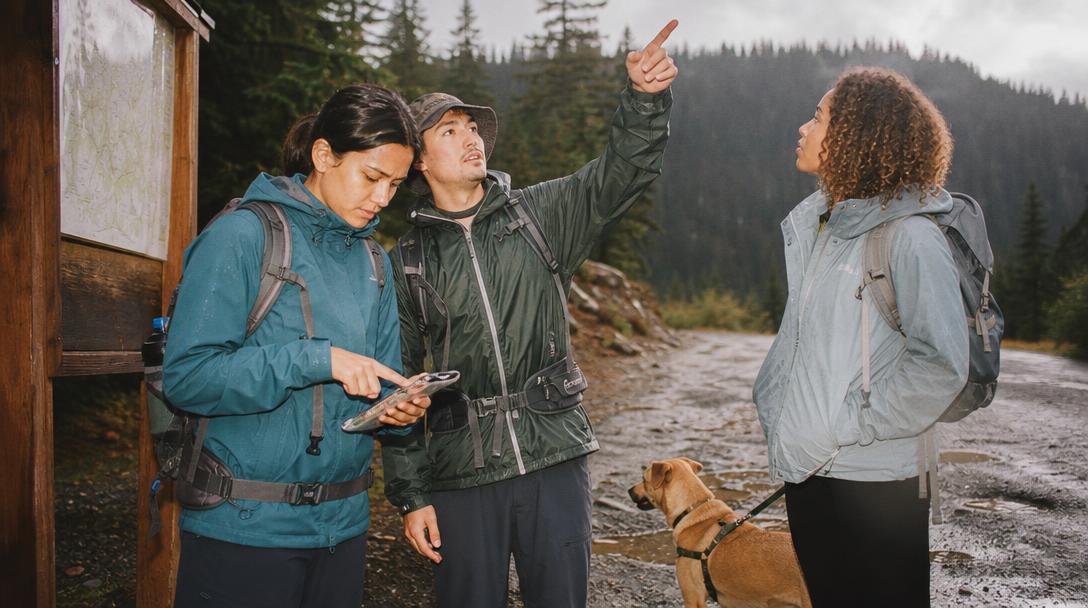
Hiking in the rain gear should prioritize warmth, traction, dry essentials, and visibility. The most important items are a waterproof rain jacket, rain pants when conditions call for them, moisture-wicking layers, reliable footwear, dry bags or pack liners, protected electronics, and small comfort items like gloves, a brimmed hat, and extra socks.
You don’t need to dress like you’re crossing Antarctica to hike a local trail in drizzle. But you do need a system. For a broader packing framework, use Hike Tee’s day hiking gear checklist before you add wet-weather extras.
Rain Jacket vs. Poncho
Ponchos are popular because they’re cheap, airy, and can cover both you and your pack. They can work well for easy trails, warm weather, and short hikes.
But they have limits.
A rain jacket is better for:
- Windy conditions
- Narrow or brushy trails
- Scrambling or steep terrain
- Cold rain
- Longer hikes
- Using trekking poles
- Better mobility
A poncho is better for:
- Warm rain
- Easy trails
- Short casual hikes
- Budget-friendly backup gear
- Covering a small pack
If you’re hiking with kids, a poncho can be great for low-risk nature walks. If you’re heading into exposed terrain or cold weather, choose a proper waterproof hiking jacket.
Hardshell vs. Softshell
A hardshell is your true rain armor. It is designed to block sustained rain and wind.
A softshell is more breathable and comfortable but usually only water-resistant, not waterproof. It can handle mist, drizzle, or light showers, but it will eventually wet out in real rain.
Use this simple rule:
- Softshell: Cool, breezy, light drizzle, high-output hiking
- Hardshell: Steady rain, cold rain, wind, exposed terrain, uncertain weather
If the forecast says showers possible, a softshell may be fine with a rain shell in your pack. If the forecast says rain all afternoon, bring the hardshell.
Pack Liner vs. Rain Cover
This is where many hikers learn the hard way that water-resistant backpack does not mean my spare socks are safe.
A pack rain cover protects the outside of your backpack, but rain can still sneak in through your back panel, shoulder straps, seams, or gaps near the cover.
A pack liner protects the contents inside your pack. That’s why many experienced hikers trust liners more for critical dry gear.
Good options include:
- Trash compactor bag
- Waterproof pack liner
- Dry bags
- Zip-top bags for small items
Best setup for heavy rain: use both a pack liner and a rain cover. The rain cover reduces how soaked your pack gets; the liner protects the stuff that really matters.
Footwear, Socks, and the Great Wet Feet Debate
Here’s the truth: in extended rain, your feet may get wet no matter what. Waterproof boots can help, but water can run down your legs or enter during stream crossings.
For rainy day hikes, choose:
- Hiking shoes or boots with good tread
- Wool or synthetic socks
- Optional thin liner socks to reduce blisters
- Gaiters for wet brush or mud
- A dry pair of socks in a sealed bag
Avoid cotton socks unless you enjoy blisters and regret. For more footwear detail, read Hike Tee’s honest guide to water resistant hiking shoes.
Waterproof boots are helpful in cold rain and shallow puddles. In warm rain, some hikers prefer breathable trail runners that dry faster. There’s no one perfect answer—just match footwear to temperature, terrain, and trip length.
Gloves, Glasses, and Small Rain Problems Nobody Warns You About
Rain has a way of finding your tiniest weaknesses. Like foggy glasses. Cold fingers. A phone that suddenly thinks every raindrop is a text message.
Bring or consider:
- Lightweight fleece or wool gloves
- Waterproof shell mitts for cold rain
- A brimmed cap under your hood to keep rain off your face
- Anti-fog wipes or a small microfiber cloth for glasses
- A phone pouch or zip-top bag
- Waterproof map case or offline map app
- Extra battery pack in a dry bag
If you wear glasses, a baseball cap under your hood is a tiny miracle. Is it stylish? Debatable. Does it help you see the trail instead of a blurry watercolor painting? Absolutely.
How Much Rain Is Too Much to Hike?
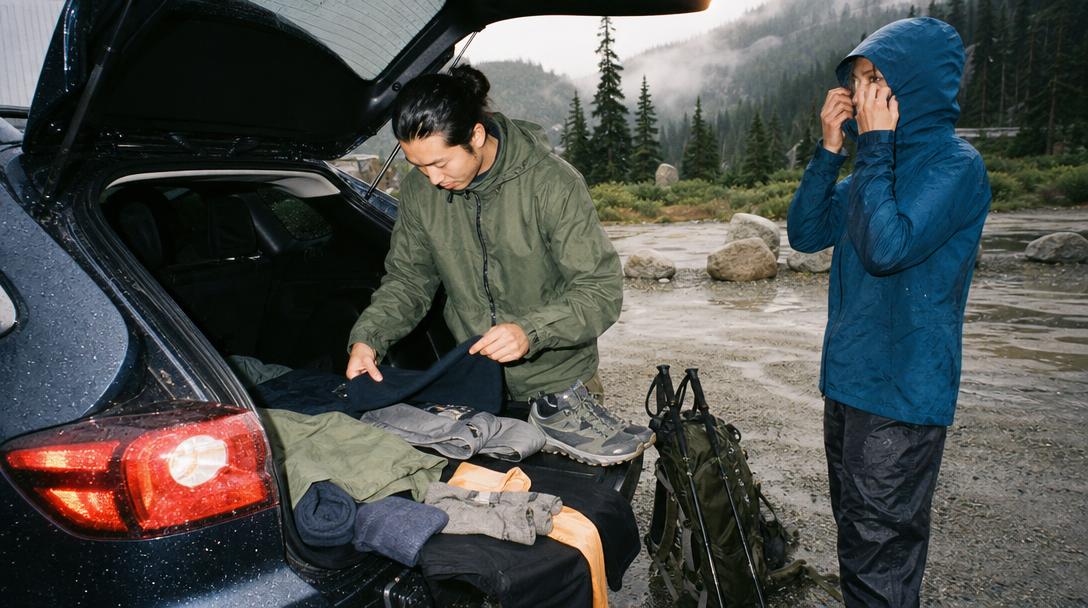
Too much rain to hike is any amount that creates unsafe footing, rising water, poor visibility, lightning risk, hypothermia risk, or route-finding problems. Heavy rain, thunderstorms, flood watches, fast-moving stream crossings, and cold wind are strong reasons to cancel, shorten, or turn back from a hike.
There is no universal one-inch-of-rain rule because terrain changes everything.
A half-inch of rain on a flat forest path may be fine. A half-inch of rain in a desert canyon, on steep clay, or near a swollen creek can be dangerous.
Pay attention to:
- Rain intensity
- Rain duration
- Temperature
- Wind speed
- Trail surface
- Elevation
- Drainage patterns
- Thunderstorm potential
- Your group’s experience
The Simple Turn-Back Checklist
Turn back if any of these are true:
- You hear thunder or see lightning.
- Rain is getting heavier and the forecast is worsening.
- A creek crossing looks deeper, faster, or muddier than expected.
- Water is flowing across the trail with force.
- The trail is washing out, sliding, or crumbling.
- Visibility is poor enough that navigation becomes uncertain.
- Someone is shivering, stumbling, confused, or unusually quiet.
- Your hands are too cold to use zippers, poles, or a phone.
- You’re on exposed ridges, slick rock, or steep terrain with fall risk.
- Your turnaround time has arrived, even if the destination is close.
A summit, waterfall, or viewpoint will still be there later. Your ankles, core temperature, and family harmony are more time-sensitive.
Use the Three Strikes Rule
For beginner and family hikes, try this simple decision framework:
- Strike 1: Weather is worse than expected.
- Strike 2: Trail conditions are worse than expected.
- Strike 3: Someone in the group is cold, tired, nervous, or not having fun.
At three strikes, turn around. No debate. No heroic raccoon energy.
Is It a Good Idea to Hike After Rain?
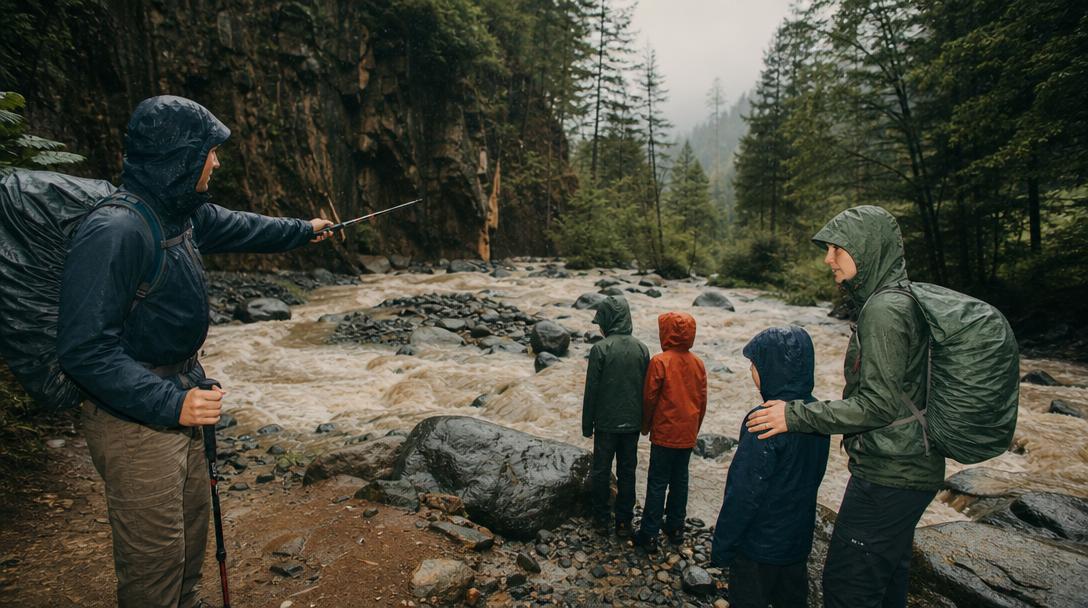
Hiking after rain can be a great idea if the storm has passed, temperatures are safe, and the trail is not flooded, unstable, or excessively muddy. Post-rain hikes often bring waterfalls, cooler air, and fewer crowds, but you need to watch for slick roots, swollen streams, erosion, and damaged trail sections.
After-rain hiking is often more enjoyable than hiking during rain. The forest smells amazing, waterfalls perk up, and the trail may feel freshly scrubbed.
But don’t assume rain stopped means risk stopped.
After rain, be careful around:
- Muddy slopes
- Wet roots
- Slick wooden bridges
- Rock slabs
- Stream crossings
- Clay-heavy trails
- Recently burned areas
- Narrow ledges
- Snowfields or lingering ice
Trail damage can appear after storms, too. Downed branches, washed-out tread, or unexpected water crossings are all good reasons to adjust your plan.
If a trail is known for becoming a mud pit, choose a more durable surface like gravel, rock, boardwalk, or established forest road. Hiking straight through deep mud widens trails and damages vegetation, which is a bummer for everyone—including the plants, who were not consulted.
Rainy Hiking Scenarios: What Changes in Real Life
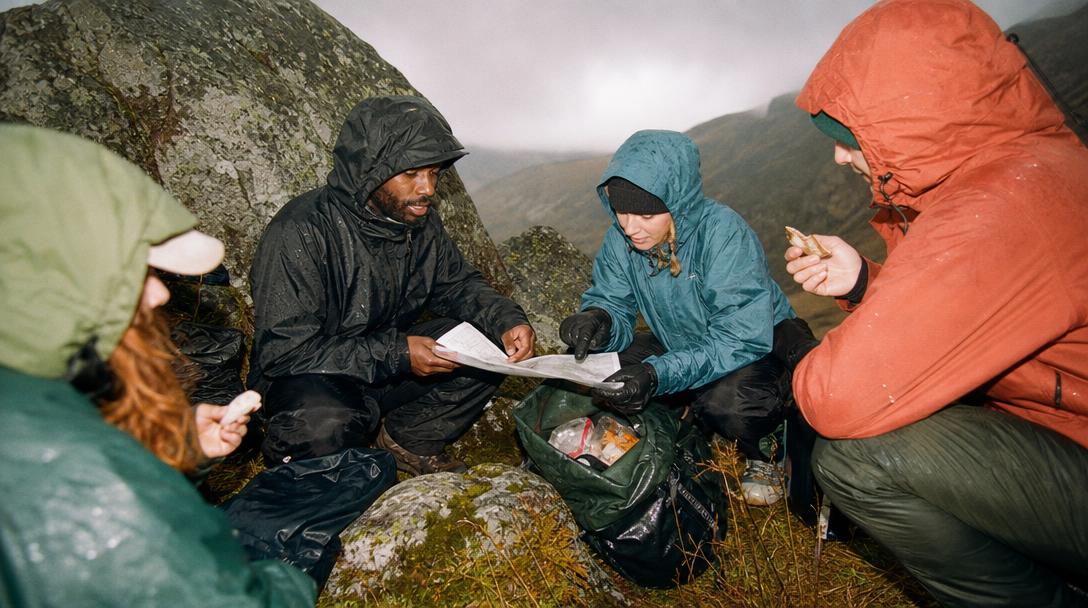
Warm Steady Rain on a Short Forest Trail
This can be delightful. Wear quick-dry clothing, a breathable rain jacket, and shoes with good traction. Rain pants are optional unless brush is soaking your legs.
Bring:
- Light rain shell
- Dry bag for phone
- Extra socks
- Small towel or bandana
- Snacks that won’t dissolve sadly
Main risk: getting sweaty under your shell. Use pit zips, slow your pace, and don’t overdress.
Cold Mountain Rain With Wind
This is serious. Cold rain can chill you quickly, especially above treeline or during rest stops. Hypothermia can happen even above freezing if you’re wet and exposed to wind.
Bring:
- Waterproof hiking jacket
- Rain pants
- Warm synthetic or fleece mid-layer
- Warm hat
- Gloves or mitts
- Emergency blanket
- Extra dry layer in a pack liner
Main risk: losing warmth faster than you can regain it. Turn back early if anyone starts shivering and can’t warm up.
Thunderstorms in Summer
Do not mess around with lightning. The National Weather Service’s core message is simple: when thunder roars, go indoors. If you can hear thunder, lightning is close enough to be dangerous.
Avoid:
- Ridges
- Summits
- Open fields
- Lone trees
- Metal railings
- Water
- Exposed overlooks
If storms are likely, start early, choose a low-elevation forested route, or reschedule. A funny trail story is great. Becoming part of a lightning safety brochure is not.
Multi-Day Wet Hiking
Even though this post is about hiking, not camping, some day hikes turn into wet weekends or backpacking trips. On multi-day trips, moisture management becomes much harder because gear may never fully dry.
Prioritize:
- Pack liner
- Dry sleep layers
- Multiple sock pairs
- Foot care
- Waterproof storage
- Warm backup clothing
- Conservative mileage
If your rainy hiking plans include overnight gear, Hike Tee has a separate camping in the rain guide that goes deeper on staying dry at camp.
Is It Bad to Hike in 100 Degree Weather?
Yes, hiking in 100 degree weather can be dangerous, especially in direct sun, high humidity, exposed terrain, or during strenuous climbs. Rain does not automatically make extreme heat safe because humidity can reduce sweat evaporation, making it harder for your body to cool itself during exertion.
This question shows up alongside rainy hiking because weather is weird. Sometimes rain cools things down. Sometimes it turns the trail into a giant outdoor sauna.
Watch for:
- Dizziness
- Headache
- Nausea
- Muscle cramps
- Weakness
- Confusion
- Stopping sweating in hot conditions
- Rapid pulse
If it’s near 100°F:
- Hike early or not at all
- Choose shade and low mileage
- Carry more water than usual
- Use electrolytes
- Wear sun protection
- Slow your pace
- Turn around at the first signs of heat illness
Rain plus heat can feel refreshing at first, but if the air is humid and your clothing traps heat, you can still overheat.
Best Rain Jacket for Hiking: How to Choose Without Overthinking It
The best rain jacket for hiking is the one that matches your weather, effort level, and budget. For most day hikers, look for a lightweight waterproof shell with an adjustable hood, breathable fabric, sealed seams, and ventilation. For mountain storms or frequent rain, upgrade to a more durable hardshell.
Here’s the quick breakdown.
Budget Rain Shell
Best for:
- Occasional day hikes
- Mild rain
- Short trails
- Emergency pack layer
Tradeoff: usually less breathable and less durable.
Lightweight Breathable Rain Jacket for Hiking
Best for:
- Regular day hiking
- Spring, summer, and fall showers
- Hikers who run warm
- Carrying just in case
Tradeoff: may be less durable against heavy packs, brush, or rough rock.
Durable Hardshell
Best for:
- Cold rain
- Mountain terrain
- Long wet hikes
- Windy exposed routes
- Frequent hikers
Tradeoff: costs more and may feel stiffer or heavier.
If you hike mostly local trails with family, don’t let gear perfection stop you. Start with a reliable waterproof shell and upgrade as your adventures get wetter, longer, or more dramatic.
Hiking Rain Clothes Checklist for Day Hikers
Use this as your grab-and-go rainy hike checklist:
- Waterproof hiking jacket
- Rain pants for cold, steady, or windy rain
- Moisture-wicking shirt
- Fleece or synthetic mid-layer
- Wool or synthetic socks
- Extra socks in a dry bag
- Grippy hiking shoes or boots
- Brimmed hat
- Gloves if cool or cold
- Pack liner or dry bags
- Rain cover for backpack
- Phone protection
- Offline map
- Headlamp
- Snacks
- Water
- Small first-aid kit
- Emergency blanket
- Trekking poles for slippery terrain
For families, add:
- Extra kid layers
- Hand warmers
- A morale snack
- Shorter route options
- A firm turnaround plan
- Permission to bail without guilt
Rainy hikes with kids can be magical if you keep them short, warm, and snack-powered. If everyone is soaked and cranky, congratulations: you are now leading a tiny mutiny.
Frequently Asked Questions
Is it okay to hike while raining?
Yes, it’s okay to hike while raining when conditions are mild, the trail is safe, and you have the right hiking rain clothes. Avoid hiking in thunderstorms, flood-prone areas, cold wind, or terrain where a slip could cause serious injury.
How much rain is too much to hike?
Too much rain is any amount that creates unsafe trail conditions, rising water, lightning risk, poor visibility, or hypothermia concerns. Heavy sustained rain, flash flood warnings, and swollen stream crossings are clear signs to cancel or turn back.
Is it a good idea to hike after rain?
Hiking after rain can be wonderful if the trail drains well and the weather has stabilized. Be cautious of slick roots, mud, damaged trail sections, and fast-moving creeks, especially after heavy or prolonged storms.
Is it bad to hike in 100 degree weather?
Yes, hiking in 100 degree weather can be risky because heat illness can develop quickly during exertion. Rain may cool the air briefly, but humidity can make it harder for sweat to evaporate, increasing overheating risk.
Do I need rain pants for hiking in the rain?
You need rain pants when rain is steady, temperatures are cool, wind is strong, or vegetation is wet enough to soak your legs. In warm light rain, quick-dry pants or shorts may be more comfortable than waterproof hiking pants.
What is better for hiking in the rain: a poncho or rain jacket?
A poncho is fine for short, easy, warm-weather hikes, but a rain jacket is better for wind, cold, brushy trails, and uneven terrain. For most hikers, a waterproof hiking jacket plus optional rain pants is the more secure and versatile setup.
The Rainy Trail Takeaway
Rain does not have to cancel your hike. Some of the best trail days come with misty trees, quiet paths, splashy boots, and that deeply satisfying feeling of earning your post-hike cocoa.
But hiking in the rain works best when you make smart choices early:
- Check the forecast before and during your hike.
- Wear moisture-wicking layers and a waterproof hiking jacket.
- Add rain pants when conditions are cold, windy, or sustained.
- Protect your phone, spare socks, and warm layers inside dry bags or a pack liner.
- Slow down on roots, rocks, mud, and bridges.
- Turn back for thunder, rising water, cold hikers, poor visibility, or unsafe footing.
The mountain doesn’t care if you finish the route. The forest won’t judge you for turning around. And honestly, the best hikers are not the ones who push through everything—they’re the ones who come home safe, dry-ish, and already planning the next adventure.


