


Camping in the Rain: 15 Tips to Stay Dry
Dominic PalmowskiIs It Worth Going Camping in the Rain?

Yes, camping in wet weather can absolutely be worth it. Campsites are quieter, forests smell incredible, waterfalls and creeks come alive, and there is something oddly cozy about being tucked under a tarp while the rain drums overhead.
But rain camping is less forgiving than fair-weather camping. Small mistakes get bigger fast. A loose rainfly becomes a damp sleeping bag. A low flat site becomes a puddle. Wet boots inside the tent become condensation, funk, and regret.
The goal is not to stay perfectly dry every second. The goal is to protect your sleep system, manage wet gear, stay warm, and keep morale high.
Can You Still Go Camping If It Rains?
Most of the time, yes. Rain alone is not usually a reason to cancel. You should rethink the trip if the forecast includes flash floods, severe thunderstorms, high winds, landslide risk, dangerous river crossings, or cold conditions where wet clothing could lead to hypothermia.
If it is steady rain with safe temperatures and no major hazards, you can still go. You just need a smarter plan for how to camp in the rain.
Before you leave, check:
- Hourly forecast and total expected rainfall
- Wind direction and speed
- Flood warnings
- Road access and trail conditions
- Whether your tent seams, rainfly, and stakes are ready
- Whether you have enough dry layers for the full trip
If you are newer to rainy camping, start with a campground close to your car before trying a remote backpacking route. There is no shame in learning with an escape hatch.
Camping in the Rain: 15 Rain Camping Tips That Actually Help
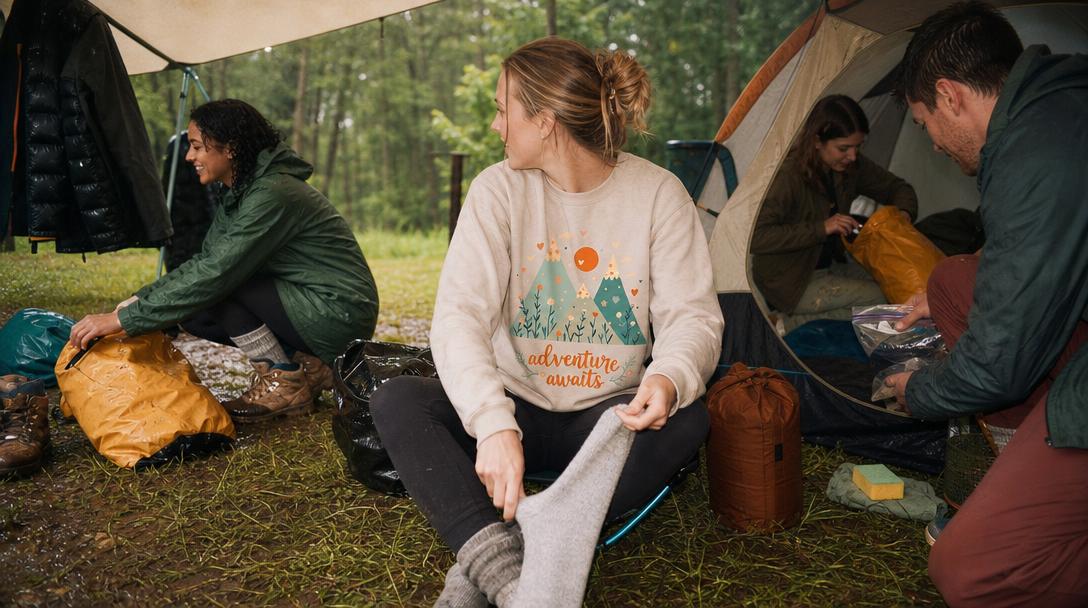
1. Pick the Site Before You Need It
Rain punishes indecision. I have spent 20 miserable minutes debating where to pitch in a downpour when a calm five-minute walk earlier would have solved everything.
If rain is expected, arrive with daylight left. Walk the area. Look at where water would naturally flow. Do not just ask, Is this spot flat? Ask, Where does the rain go when the ground is saturated?
2. Camp High, Not Just Flat
A flat low spot is not a campsite. It is a future pond.
The best campsite setup for rainy weather starts with slightly elevated, well-drained ground. Avoid bowls, depressions, dry streambeds, creek edges, and the bottom of gentle slopes. Gentle slopes drain somewhere, and that somewhere is often the prettiest flat patch nearby.
That Pacific Northwest creek trip taught me this forever: flat near water is flat until it is not.
3. Understand Campsite Drainage
Water follows gravity, soil, and previous paths. Sandy or gravelly ground drains faster than compacted dirt. Leaf litter can hide low spots. A smooth, bare patch may look inviting, but it can also mean water already runs through that area often enough to keep plants from growing.
Look for clues:
- Pine needles or leaves collected in lines can show water flow
- Muddy low spots mean poor drainage
- Exposed roots can channel water
- Mossy depressions may stay wet longer
- Grass or duff on a slight rise often drains better
Do not dig trenches around your tent. It damages campsites and is not Leave No Trace friendly. Choose better ground instead.
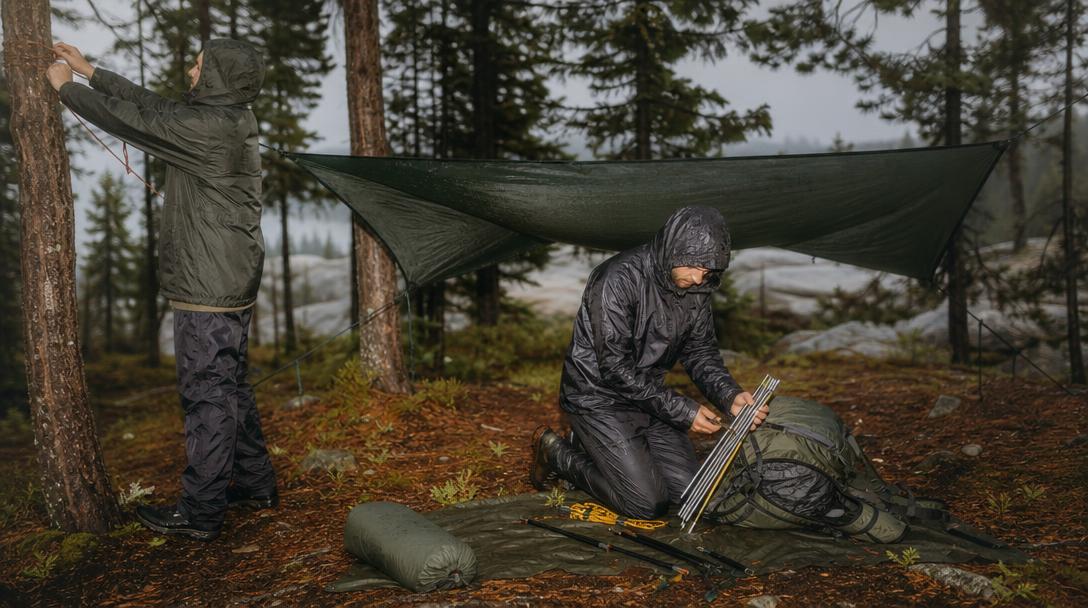
4. Put the Tarp Up Before the Tent. Always.
This is my number one tarp-first rule: shelter before setup.
Your tarp creates a dry staging zone where you can unpack the tent, organize poles, keep bags off wet ground, cook later, and take a breath. Without it, you are racing the rain while every item you own gets progressively wetter.
A simple tarp setup process:
- Pick two trees, poles, or trekking poles if trees are not available.
- Run a ridgeline first and tension it well.
- Hang the tarp with one side lower toward the wind.
- Angle the corners so water runs away from your tent site.
- Keep the tarp edge from dumping water directly at your tent door.
- Stage gear under the tarp before opening packs.
- Pitch the tent under or beside that protected zone.
This one habit changes the whole mood of wet setup.
5. Practice Pitching at Home
The first time you set up your tent in the rain should not be the first time ever. Full stop.
Practice at home until you know pole order, rainfly direction, vestibule layout, and stake points. If you want a low-cost hack, mark the rainfly front with a tiny piece of tape or cord so you are not spinning it around in the rain like a confused raccoon.
Pre-stage stakes, guy lines, and poles in separate bags. When your hands are cold and wet, organization feels like luxury.
6. Use a Full-Coverage Rainfly and Real Vestibule
A good rainfly should cover the tent properly, not just sit like a decorative hat. A full-coverage fly protects the tent body, creates airflow space, and shields doors from rain.
A vestibule matters because it acts like a mudroom. Boots, wet rain jackets, and dripping packs belong there, not in your sleeping area.
For prolonged rain, I like tents with taped seams and a hydrostatic head rating of at least 2000mm. Anything lower can start to feel like a gamble when rain keeps going for days.
7. Keep the Groundsheet Smaller Than the Tent Floor
This is one of those boring details that can save your trip. Your groundsheet or footprint should never extend beyond the tent floor edge.
If it sticks out, rain lands on it and gets funneled straight under your tent. I made that rookie mistake once, and it basically created a water slide under my sleeping pad.
Tuck the footprint fully underneath the tent floor on all sides.
8. Stake Every Guy Line
When you are tired, it is tempting to skip guy lines. Do not.
A tight fly sheds rain better, resists wind, and keeps wet outer fabric from touching the inner tent. A loose rainfly sags, pools water, and can mimic a leak when the fabric presses against the tent body.
Tension the fly harder than you think, then recheck it after the fabric gets wet. Nylon can stretch in rain, so a quick evening adjustment helps.
9. Learn the Difference Between Tent Leaks and Condensation
This is a huge gap in most rainy camping advice. Not every wet tent is leaking.
A leak usually shows up as water entering through a seam, zipper, floor, damaged fabric, or point where rain is driven in by wind. You may see a drip trail or a specific wet patch.
Condensation forms when warm, moist air from breathing, wet clothes, and damp gear hits the cooler tent wall or rainfly. It can collect and drip, making it feel like the tent failed.
I once sealed every vent during a storm because it felt logical. I woke up convinced the fly had failed. It had not. I had simply trapped every breath and damp sock inside a nylon box all night.
10. Ventilate Even When It Is Raining
If you are wondering how to prevent tent condensation in rain, the answer is airflow.
Keep vents cracked. Use the vestibule zipper strategically. Leave a small protected opening if the tent design allows it. Do not press sleeping bags or clothing against tent walls. Keep wet gear out of the sleeping area whenever possible.
Yes, it feels weird to ventilate during rain. Do it anyway. A sealed tent becomes a condensation machine.
11. Build Wet and Dry Zones Physically
Staying dry while camping is not about willpower. It is about systems.
Create zones:
- Dry zone: sleeping bag, sleep clothes, dry socks, electronics
- Damp zone: layers you might rewear, packs, camp shoes
- Wet zone: rain jacket, boots, dripping gear
Your vestibule is the wet zone. Your tarp area is the working zone. Your tent interior is sacred. Once wet boots and jackets enter the sleeping space, the whole tent starts to feel like a damp gym locker.
12. Protect One Sleep Kit No Matter What
Your sleep kit should live in a dedicated dry bag and should not come out until the tent interior is set up and confirmed dry.
My protected sleep kit includes:
- Sleeping bag or quilt
- Dry base layer
- Dry socks
- Warm hat
- Sleep-only midlayer if conditions are cold
If the day goes sideways, one dry sleep kit can rescue the night. This is probably the single most important answer to how to stay comfortable camping in the rain.
13. Pack Smart Camping Rain Gear
If you are wondering what to bring camping in the rain, start with the basics and do not overcomplicate it.
Good camping rain gear includes:
- Tarp with guylines
- Tent with full rainfly and vestibule
- Stakes that hold in wet soil
- Waterproof stuff sacks or dry bags
- Rain jacket and rain pants
- Synthetic or wool insulating layers
- Extra socks
- Camp towel or bandana
- Small sponge for tent puddles
- Waterproof bag for electronics
- Stove and reliable fuel
- Headlamp stored dry
The little sponge is my favorite cheap hack. It weighs almost nothing and mops up water from tent entry, wet floors, or vestibule splash way better than trying to sacrifice your one clean towel.
14. Cook Under Cover, But Do It Safely
The tarp becomes the kitchen, but safety still matters. Do not cook inside your tent. Carbon monoxide and flame risk are real.
Set your stove under a well-ventilated tarp area, protected from direct rain but not enclosed. Keep food, fuel, and prep items organized so you are not digging through bags with wet hands.
In persistent rain, do not rely on a campfire as your main cooking plan. Wet wood is slow, smoky, and emotionally defeating. A stove is the reliable comfort system. Fire is a bonus.
Fast, hot meals are the move:
- Oatmeal
- Soup packets
- Instant rice bowls
- One-pot pasta
- Hot chocolate or tea
- Dehydrated meals
A warm drink can shift the entire camp mood in five minutes.
15. Use Morning Sun Like It Owes You Money
If the sun appears, move fast. Open vents. Shake off the fly. Hang socks. Dry the sponge. Spread damp layers under the tarp edge or on a line where airflow can hit them.
Even 30 minutes of sun or wind can make the next night much better. Do not wait until later. In rainy regions, later often means more rain.
What to Do If You Are Camping in the Rain
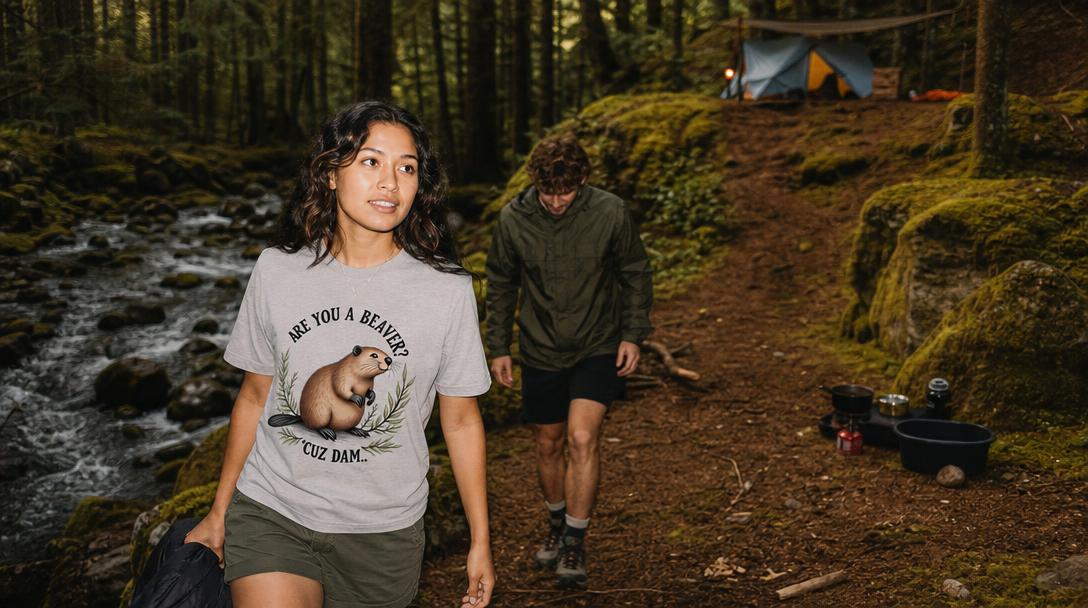
If rain starts after you are already set up, switch into management mode.
First, tighten the rainfly and guy lines. Check that the tarp is draining away from the tent. Move any gear that is touching tent walls. Make sure the groundsheet is tucked in. Strip wet outerwear in the vestibule before entering the tent.
Next, protect your sleep kit and electronics. Put your phone, battery bank, headlamp, and car keys in one dedicated waterproof bag. I check that bag every morning on wet trips because one open zipper can end the fun fast.
Then create comfort. Change into dry socks, eat something warm, and get your headlamp ready before dark. Rain camping gets chaotic when you are cold, hungry, and searching for gear in the dark.
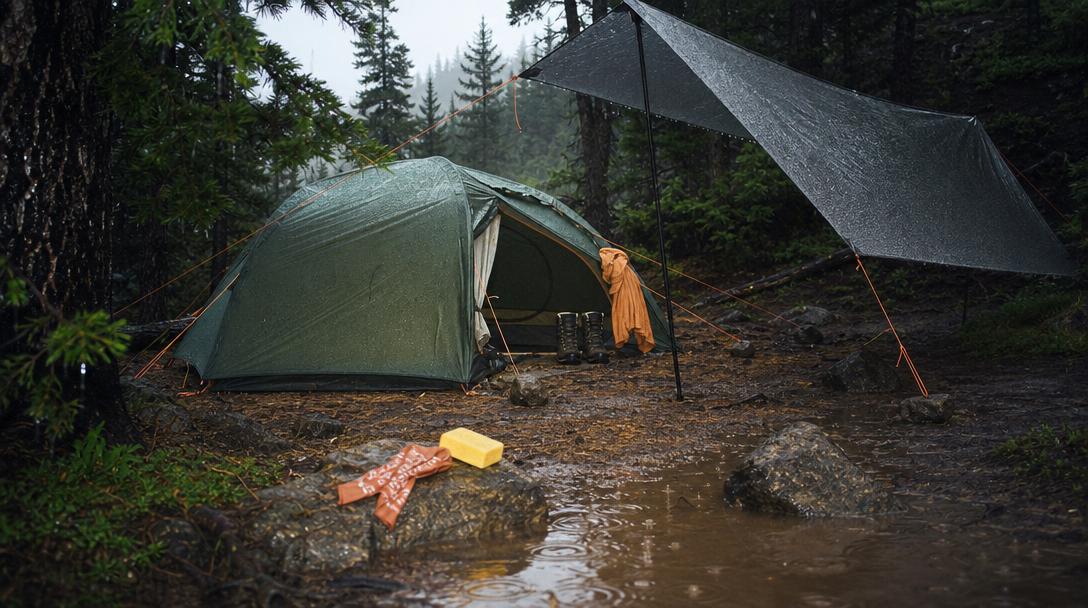
How to Keep a Tent Dry in Heavy Rain
- Choose elevated, draining ground
- Pitch under a tarp if possible
- Tension the fly fully
- Stake all guy lines
- Keep the footprint tucked under the tent
- Angle doors away from wind
- Use the vestibule for boots and jackets
- Ventilate to reduce condensation
- Avoid touching tent walls from inside
- Mop small puddles early with a sponge
Also, check seam tape before the trip. If your tent is older, refresh waterproofing and seam sealing at home, not at the trailhead while everyone politely pretends not to be annoyed.
Clothing: Warm Beats Perfectly Dry
At a certain point, warmth matters more than perfect dryness. If you are warm, damp is uncomfortable but manageable. Cold and damp together is where trips fall apart.
Choose wool or synthetic layers for hiking, chores, and sleeping. Cotton can feel miserable when it gets wet because it holds moisture and dries slowly. If you want a deeper fabric breakdown, Hike Tee has a helpful guide on what moisture-wicking fabric means and a practical post on moisture-wicking hiking shirts.
Casual Camp Tees Belong in the Dry Bag
I still love a fun camp tee for the dry, cozy parts of a trip: driving to the campground, hanging under the tarp after changing, or sipping coffee when the rain finally quits. Just keep casual cotton tees out of the wet-weather work zone.
If you like camp humor, the 5 Billion Star Hotel Shirt is a fun one for campground lounging, and the 100% Chance Shirt feels especially appropriate when the forecast is being dramatic. Pack them dry, wear them dry, and do not ask them to be rain gear.
For a broader packing baseline, pair this rainy-day list with The Ultimate Camping Trip Checklist. If you are dialing in your whole camp layout, these camp setup ideas are worth a look too.
What Is the 200 Rule for Camping?
The 200 rule usually refers to camping, washing, and going to the bathroom at least 200 feet from lakes, streams, rivers, and trails. That is about 70 adult steps.
It matters even more in rainy weather. Rain moves soap, food scraps, and waste downhill into water sources faster than you think. Camping too close to water also increases your flood risk, as my missing shoe would like to confirm.
A good rainy campsite is close enough to enjoy water, but far enough away to stay safe and protect the place.
FAQ: Camping in the Rain
Is it worth going camping in the rain?
Yes, if conditions are safe and you are prepared. Rainy trips can be quiet, beautiful, and memorable. The key is choosing well-drained ground, setting up a tarp first, protecting your sleep kit, and keeping wet gear out of the tent interior.
Can you still go camping if it rains?
You can usually camp in normal rain, but avoid trips during flash flood warnings, severe storms, dangerous wind, or cold conditions where getting wet could become unsafe. Check the forecast and choose an easier location if you are new to wet-weather camping.
What to do if you are camping in the rain?
Tighten your rainfly, check tarp drainage, separate wet and dry gear, ventilate the tent, cook under a safe covered area, and protect your sleeping bag and electronics in dry bags. Change into dry socks before bed even if nothing else feels perfect.
How do you keep a tent dry in heavy rain?
Pick elevated ground, avoid low flat areas, tuck the footprint under the tent, stake every guy line, tension the rainfly, face the door away from wind, and keep vents open enough to reduce condensation.
What should you bring camping in the rain?
Bring a tarp, full-rainfly tent, dry bags, rain jacket, rain pants, extra socks, warm layers, stove, waterproof electronics bag, camp towel, sponge, and easy hot meals. The tarp and dry sleep kit are the non-negotiables.
What is the 200 rule for camping?
Camp, wash, and use the bathroom at least 200 feet from water sources and trails. It protects waterways, reduces campsite impact, and helps keep you out of flood-prone zones during rain.
Final Thought: Rain Is Just Weather
Rain camping rewards campers who think ahead. Pick high ground. Put the tarp up first. Keep wet and dry zones separate. Ventilate even when it feels backward. Protect one sleep kit like your whole trip depends on it, because honestly, it might.
You do not need fancy gear to enjoy camping in the rain. You need discipline, a good tarp, warm food, dry socks, and the wisdom to avoid romantic little creekside spots when the forecast looks moody.
Rain is just weather. Set up well, and some of the wettest trips become the stories everyone remembers.


