


Fall Colors: Why Leaves Change | Hike Tee
Dominic PalmowskiWhy Do Leaves Change Color? The Science Behind Fall Colors
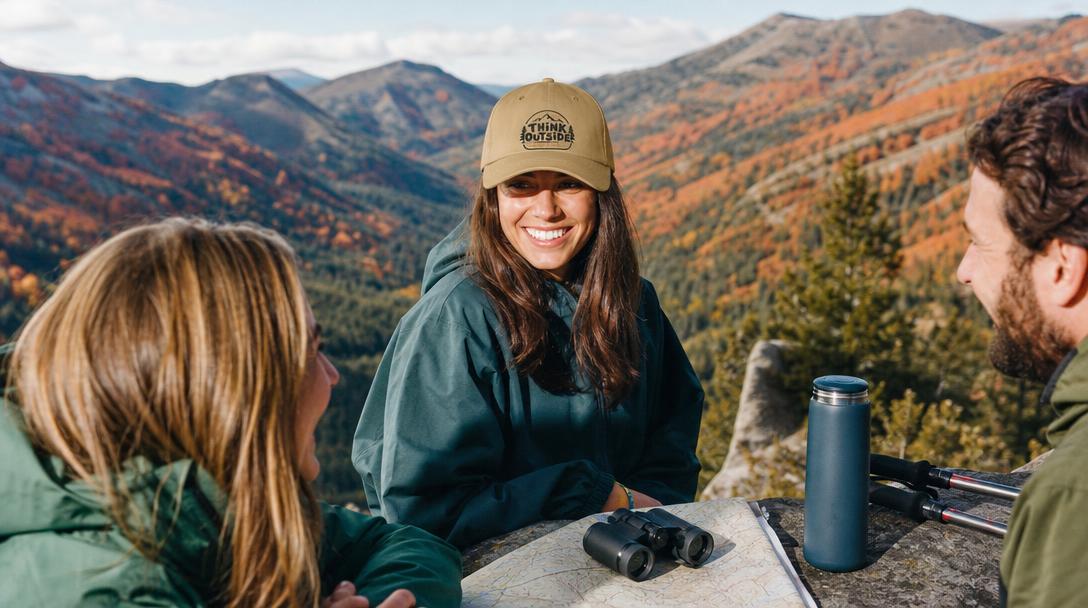
The short answer to why do leaves change color is this: as days get shorter and nights get longer, trees stop producing chlorophyll, the green pigment that helps leaves make food through photosynthesis.
According to the U.S. Forest Service, three main factors influence autumn leaf color: leaf pigments, length of night, and weather. That’s the whole leafy drama in one tidy little backpack.
Here’s what’s happening inside the leaf.
Chlorophyll: The Green Workhorse
All spring and summer, chlorophyll is the star of the show. It captures sunlight and helps trees convert carbon dioxide and water into sugars. That’s photosynthesis — aka tree snacks.
Chlorophyll is also what makes leaves look green.
As autumn approaches, daylight decreases. Trees begin preparing for winter by slowing food production and breaking down chlorophyll. When chlorophyll breaks down, the green color fades and other pigments become visible.
Basically, the green curtain drops, and the backup dancers finally get their moment.
Carotenoids: The Yellows and Oranges in Autumn Leaves
Carotenoids create the yellow, gold, and orange tones you see in many autumn leaves. These pigments are present in leaves during the growing season, but chlorophyll usually masks them.
When chlorophyll disappears, carotenoids shine through.
That’s why trees like aspens, birches, hickories, and some maples turn buttery yellow or glowing orange. Yellow leaves are, in a sense, often “always yellow” — we just don’t see those pigments clearly until the green fades.
Anthocyanins: The Reds and Purples
Red and purple leaves are a little different. Those colors usually come from anthocyanins, pigments that many trees produce in autumn.
Anthocyanins form when sugars get trapped in leaves during cool, bright fall conditions. Bright light and excess plant sugars help create these red pigments.
That’s why the best reds often happen after sunny days and crisp, cool nights — not freezing, just cozy-sweater cool.
Red maples, dogwoods, sumacs, sweetgums, and some oaks can show off these fiery tones. They’re the extroverts of the fall foliage world.
What Colors Are in the Fall?
Fall colors usually include green, yellow, gold, orange, red, burgundy, purple, tan, bronze, and brown. The exact mix depends on tree species, local climate, elevation, and where you are in the season.
A mixed hardwood forest might give you:
- Yellow from aspens, birches, beeches, and hickories
- Orange from sugar maples and some oaks
- Red from red maples, dogwoods, sumacs, and sweetgums
- Purple or burgundy from certain maples, ashes, and oaks
- Bronze and brown from oaks, beeches, and late-season leaves
- Evergreen contrast from pines, spruces, firs, and hemlocks
For hikers, contrast is everything. A trail with red maples mixed into dark evergreens or golden aspens against blue mountain sky will often feel more dramatic than a forest of one single color.
Nature loves a good color palette. She’s been on Pinterest longer than any of us.
What Are the 7 Colors of the Fall Color Palette?
If you’re thinking in classic autumn color palette terms, the “7 colors” of fall are often described as:
- Deep red
- Rust
- Burnt orange
- Golden yellow
- Olive green
- Chocolate brown
- Cream or warm beige
On the trail, those colors show up in layers: red maple leaves overhead, rusty oak leaves underfoot, golden grasses in meadows, olive moss on logs, dark brown bark, and pale seed heads catching the light.
For photography, outfits, camping setups, or even picking a cozy hiking sweatshirt for relaxed trail days, those colors work beautifully because they’re pulled straight from the season itself. A soft layer like the Another Half Mile Sweatshirt fits right into that easy autumn palette for campgrounds, overlooks, and post-hike cider stops.
Why Peak Fall Foliage Is So Hard to Predict

The biggest mistake in leaf peeping is assuming peak color happens on the same date every year.
It does not. Trees are not checking your PTO calendar.
Peak fall foliage depends on several moving parts. If you want an even deeper trail-planning method, Hike Tee’s Fall Foliage Hiking Formula breaks down how to match timing, terrain, and local conditions before you go.
Latitude: North Peaks First
Northern areas usually change color earlier because days shorten sooner and temperatures cool earlier.
That’s why northern New England, the Upper Midwest, and higher parts of the Rockies often start showing strong color in late September or early October, while the Mid-Atlantic, southern Appalachians, and lower elevations may peak later in October or even into November.
Elevation: Higher Trails Turn Earlier
Elevation acts like a fast-forward button for autumn.
Higher elevations are cooler, especially at night, so color tends to arrive earlier on ridges and mountain slopes than in valleys. In mountain regions, a trail at 4,000 feet may be near peak while the town below is still mostly green.
This is especially important in places like:
- Great Smoky Mountains National Park
- Shenandoah National Park
- Colorado’s San Juan Mountains
- New Hampshire’s White Mountains
- Vermont’s Green Mountains
- Utah’s Wasatch Range
If you miss peak color up high, don’t panic. Drop lower. Autumn often moves downhill like a slow golden waterfall.
Weather: The Mood Ring of Autumn
Weather determines whether leaves glow like stained glass or quietly give up and turn brown.
The best conditions for vivid color are:
- A wet enough spring and summer to keep trees healthy
- Sunny autumn days
- Cool nights above freezing
- Limited wind and heavy rain during peak color
Warm, sunny days and cool nights tend to produce the most brilliant reds because sugars become trapped in leaves, encouraging anthocyanin production.
On the flip side:
- Drought can make leaves turn early, dull, or brown
- Hard freezes can damage leaves and end the show quickly
- Windstorms and heavy rain can strip trees overnight
- Warm nights can delay or mute color
So instead of asking, “What weekend is peak?” ask, “What have the last two weeks of weather been doing?”
That’s a much better leaf-peeping compass.
First Day of Autumn Hike Ideas: How to Plan Around the Equinox
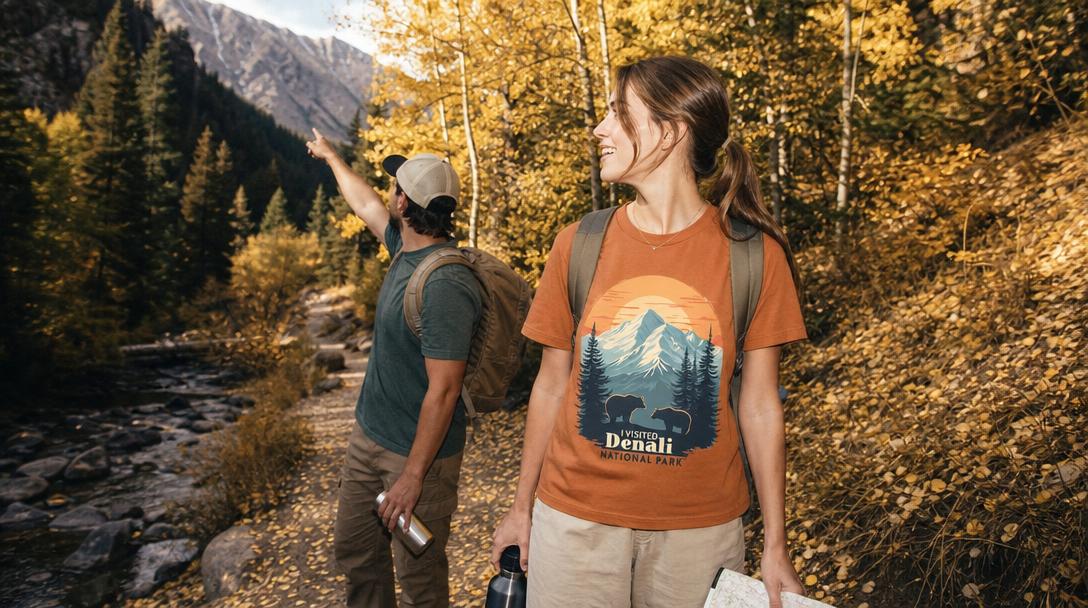
The first day of autumn is the perfect excuse for a hike, even if your local trees haven’t fully changed yet.
Astronomical fall begins at the autumnal equinox, when the sun crosses the celestial equator and day and night are roughly equal. In 2026, the Northern Hemisphere autumnal equinox occurs on September 23 at 00:05 UTC, which is September 22 at 8:05 p.m. Eastern Time in the U.S., according to Timeanddate and the U.S. Naval Observatory.
But here’s the practical hiker truth: the first day of autumn is often more of a starting whistle than a grand finale.
For many regions, especially lower elevations, peak color may still be weeks away. That doesn’t make an equinox hike any less fun. It just changes your strategy.
Best First Day of Autumn Hike Ideas
Try one of these:
- High-elevation scouting hike: Head uphill to catch the earliest color on ridgelines and cooler slopes.
- Lake or pond loop: Reflections double the color, even when foliage is just beginning.
- Meadow and forest edge trail: Golden grasses, seed heads, and early-turning shrubs create autumn vibes before canopy color peaks.
- Sunset overlook hike: Shorter days mean earlier golden hour. Less waiting, more glowing.
- Family-friendly nature walk: Look for acorns, mushrooms, migrating birds, and the first red leaves.
- Camp-and-hike weekend: Use the equinox as your “soft launch” into fall camping season.
Bonus: fewer crowds hit the trails before true peak, so the first day of autumn can feel calmer than the big leaf peeping weekends.
Best Hikes for Fall Foliage by Region
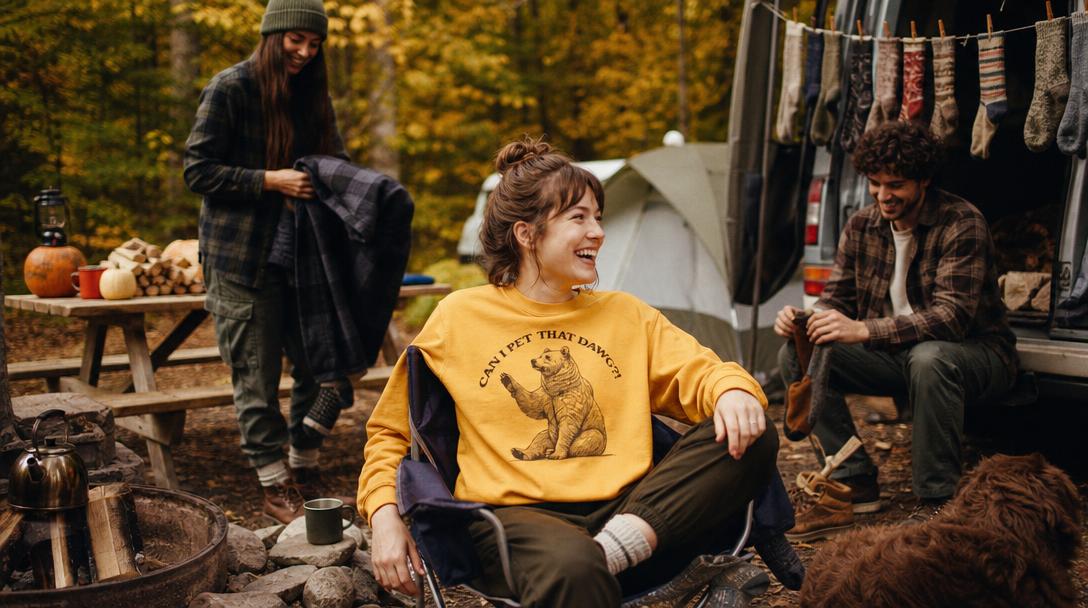
The best hikes for fall foliage are not always the most famous ones. They’re the ones with a good mix of deciduous trees, elevation changes, open viewpoints, and safe footing.
Here are region-by-region ideas to get you started.
New England: Classic Maple Magic
If someone says “fall foliage,” most people picture New England. Vermont, New Hampshire, and Maine are famous for sugar maples, red maples, birches, beeches, and mountain views.
Great hiking areas include:
- Green Mountain National Forest, Vermont
- Franconia Notch State Park, New Hampshire
- Acadia National Park, Maine
- White Mountain National Forest, New Hampshire
- Camden Hills State Park, Maine
Look for trails with overlooks rather than only dense forest. A canopy walk is lovely, but a ridge view lets you see the full patchwork quilt.
Appalachians and Mid-Atlantic: Long Color Windows
The Appalachian Mountains are fantastic because elevation changes stretch the season. High ridges may peak first, then color rolls downward into valleys.
Try:
- Shenandoah National Park, Virginia
- Great Smoky Mountains National Park, Tennessee/North Carolina
- New River Gorge National Park, West Virginia
- Catskills and Adirondacks, New York
- Allegheny National Forest, Pennsylvania
The Great Smoky Mountains are especially helpful for flexible planning because their wide elevation range means color can last for weeks.
Upper Midwest: Lakes, Maples, and Big Sky
The Upper Midwest brings crisp air, lake reflections, and forests that can go full gold-and-red in the right weather.
Great places include:
- Michigan’s Upper Peninsula
- Porcupine Mountains Wilderness State Park, Michigan
- North Shore of Lake Superior, Minnesota
- Door County, Wisconsin
- Chequamegon-Nicolet National Forest, Wisconsin
Water is your friend here. Trails along lakes, rivers, and waterfalls make fall colors feel twice as rich.
Rockies and West: Aspen Gold
Western fall is often less about red maples and more about golden aspens trembling against dark evergreens and snow-dusted peaks.
Try:
- Maroon Bells-Snowmass Wilderness, Colorado
- San Juan Mountains, Colorado
- Wasatch Range, Utah
- Grand Teton National Park, Wyoming
- Columbia River Gorge, Oregon/Washington
- Eastern Sierra, California
Aspens can peak quickly, especially after storms, so watch local reports closely. If a cold front is coming, go before the wind steals the leaves like a raccoon stealing snacks.
Best Places to See Fall Colors in the US
The best places to see fall colors in the US depend on what kind of autumn you want.
For classic red-and-orange hardwood forests:
- Vermont
- New Hampshire
- Maine
- New York
- Pennsylvania
- West Virginia
For long hiking seasons and mountain layers:
- Tennessee
- North Carolina
- Virginia
- Georgia
For golden aspens and dramatic alpine scenery:
- Colorado
- Utah
- Wyoming
- California
For lakeside color:
- Michigan
- Wisconsin
- Minnesota
If you’re planning a leaf peeping road trip, choose a region with elevation variety. That way, if one area is past peak, you can drive lower; if it’s too early, you can drive higher or farther north.
Which State Has the Prettiest Fall Colors?
There is no official winner, because “prettiest” depends on whether you love fiery maples, golden aspens, mountain views, lake reflections, or quiet trails with fewer crowds.
Vermont is one of the most commonly praised states for fall colors because of its dense maple forests, rolling mountains, charming small towns, and reliable autumn scenery.
But strong arguments can be made for:
- New Hampshire for rugged mountain views
- Maine for coast-meets-forest beauty
- Colorado for golden aspens and alpine drama
- Michigan for lake reflections and Upper Peninsula forests
- North Carolina/Tennessee for long-lasting Appalachian color
If you want the classic postcard version of autumn, Vermont is hard to beat. If you want golden mountain drama, Colorado might steal your heart.
How to Choose a Leaf Peeping Trail Without Relying on Calendar Dates
This is where hikers can outsmart the crowds.
Instead of picking a trail because “it peaked here last year on October 10,” use these clues:
1. Check Elevation First
Early season? Go higher.
Late season? Go lower.
If local reports say high elevations are past peak, search for valley trails, river walks, lower state parks, or south-facing foothills.
2. Look at Tree Species
Different trees turn at different times and colors.
- Maples: early to mid-season, often red/orange
- Aspens and birches: early, yellow/gold
- Oaks: later, bronze/red/brown
- Beeches: later, gold/copper
- Sweetgum and dogwood: often red or purple
A trail with mixed hardwoods gives you a longer color window.
3. Watch Recent Weather
Ask:
- Has there been drought?
- Did a hard freeze happen?
- Did high winds or heavy rain hit recently?
- Are nights cool but not freezing?
- Have days been sunny?
Weather is often the difference between “wow” and “well, at least we got steps in.”
4. Use Local Reports, Not Just National Maps
Fall foliage maps are helpful, but local sources are better:
- State park social media pages
- National forest updates
- Tourism foliage reports
- Local hiking groups
- Webcam views from ski resorts or mountain towns
A live webcam is basically leaf-peeping espionage. Ethical, scenic espionage.
What to Pack for a Fall Hike
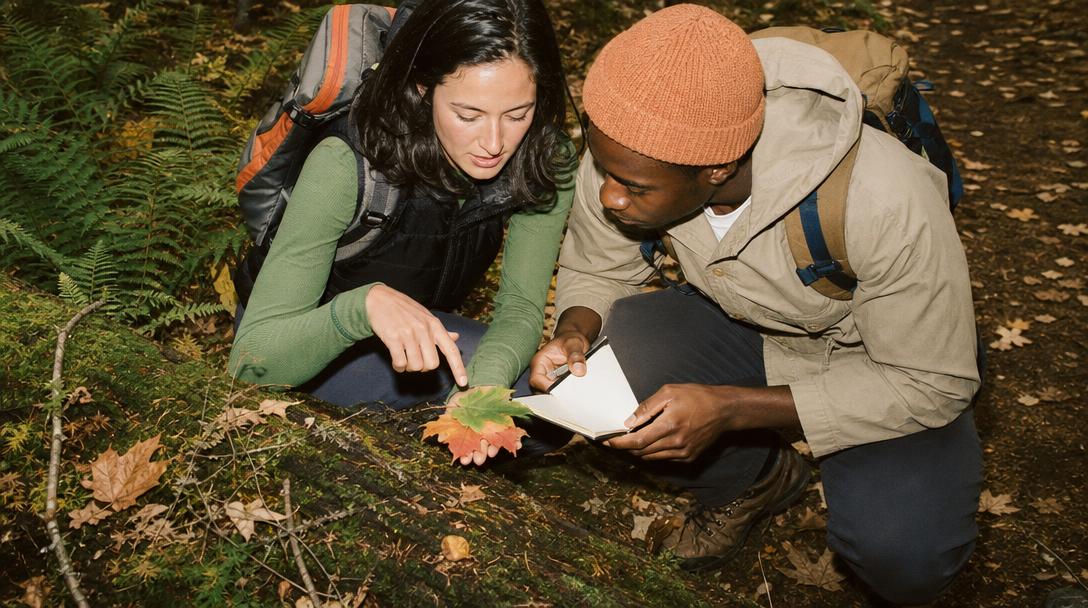
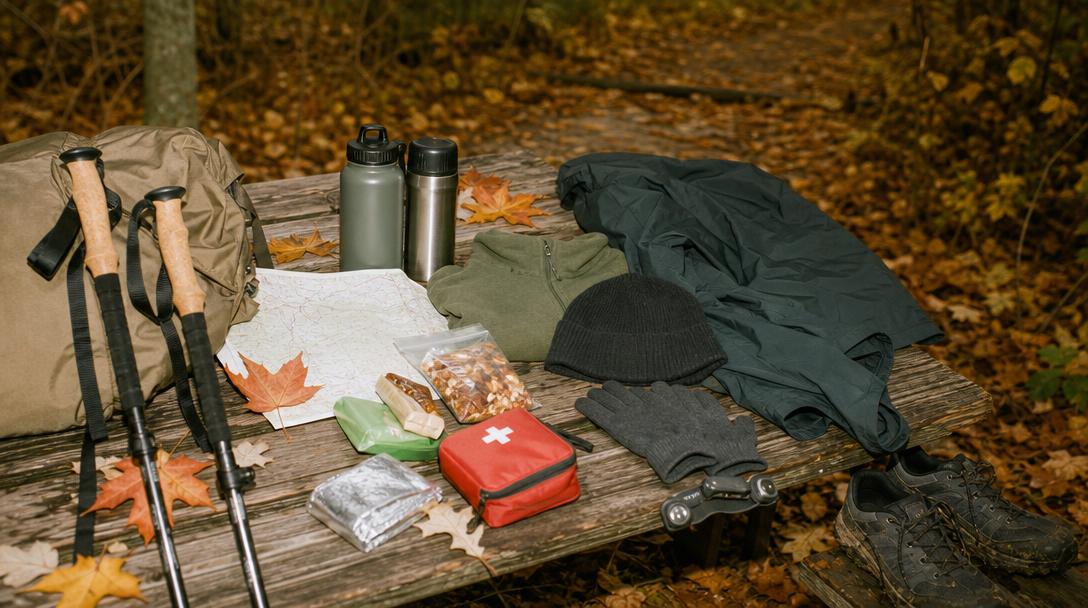
Knowing what to pack for a fall hike matters because autumn trails can be sneaky. You may start in sunshine, hit wind on a ridge, step onto wet leaves, and finish in near-darkness.
Bring:
- Moisture-wicking base layer — wool or synthetic, not cotton
- Warm mid layer — fleece or lightweight puffy
- Rain or wind shell — fall weather changes fast
- Hat and gloves — tiny items, huge comfort
- Headlamp — even for day hikes
- Offline map or GPS app — plus a backup if possible
- Extra snacks — cold weather burns energy
- More water than you think — cool air hides dehydration
- Trekking poles — helpful on slick leaves and descents
- First-aid kit and emergency blanket
- Dry bag or pack cover
- Thermos with tea, coffee, or cocoa if you enjoy happiness
Also wear shoes with good traction. Wet autumn leaves can hide mud, roots, rocks, and ankle-twisting surprises. Pretty? Yes. Slippery? Also yes.
If you’re building a fuller checklist for a park trip, compare your gear against The Ultimate National Park Packing List before you leave home.
If you’re hiking with kids, add an extra layer per child and a “morale snack.” Gummy bears have saved many family hikes. This is not medical advice, just trail wisdom.
Fall Camping, Van Life, and Cozy Trail Days
Autumn is prime time for camping and van life because bugs calm down, campfires feel magical, and sleeping under a chilly sky makes your morning coffee taste 42% better. Scientifically? Maybe not. Emotionally? Absolutely.
A few fall-specific tips:
- Book campsites early in famous foliage regions.
- Arrive before dark; campground navigation gets trickier after sunset.
- Store food properly because wildlife is busy preparing for winter.
- Bring a warmer sleeping bag than summer camping requires.
- Use insulated sleeping pads — ground cold matters.
- Pack camp shoes and dry socks.
- Keep a cozy layer handy for sitting around camp.
For van lifers, chase color by elevation. Spend early autumn higher in the mountains, then gradually move lower or farther south. It’s like migrating, but with better snacks and maybe a dashboard pumpkin.
If chilly nights are on the forecast, read these cold weather camping tips for warmer nights before you zip up the tent.
Leaf Peeping Photography Tips for Hikers
You don’t need fancy gear to photograph fall well. A phone and good light can do plenty.
Shoot During Golden Hour
Early morning and late afternoon light makes autumn leaves glow. Midday sun can be harsh, especially in open areas.
Use Overcast Days
Cloudy skies are underrated. Soft light reduces glare and makes reds, yellows, and oranges look richer.
Look for Reflections
Lakes, ponds, wet rocks, and slow rivers can double your color. Bonus points if there’s mist.
Add a Human Element
A hiker on a trail, a hand holding a maple leaf, or someone in a cozy beanie adds scale and story.
Shoot Up, Down, and Close
Don’t only photograph sweeping views. Try:
- Leaves against the sky
- Boots on a colorful trail
- A single backlit leaf
- Mushrooms on a log
- Frost on fallen leaves
- Trail signs surrounded by color
Bring a Small Cloth
Wipe your lens. Autumn hikes involve mist, drizzle, snack crumbs, and mysterious pocket lint. Your camera deserves better.
What Is the Fall Color for 2026?
If you mean nature’s fall color, there is no single official 2026 fall color. Forests will still do what forests do best: mix gold, orange, red, rust, olive, brown, and burgundy depending on weather and tree species.
If you mean fashion and design trends, Pantone’s Autumn/Winter 2026/2027 New York Fashion Week report includes colors such as Muted Clay, Neptune Green, Green Envy, Arabian Spice, Foxglove, Festival Fuchsia, Red Mahogany, Acacia, All Aboard, and Burnt Olive, along with seasonless shades like Egret, Candied Ginger, Toffee, Underworld, and Poseidon.
For hikers, the most wearable fall colors are the practical ones: rust, olive, brown, mustard, charcoal, and cream. They hide dirt, look great in photos, and pair nicely with muddy boots — the true test of outdoor fashion.
Frequently Asked Questions
Why do leaves change color in autumn?
Leaves change color because trees stop producing chlorophyll as days shorten and nights lengthen. Once the green chlorophyll breaks down, yellow and orange carotenoids become visible, while red and purple anthocyanins may form in cool, sunny conditions.
What are the 7 colors of the fall color palette?
The classic 7 colors of the fall color palette are deep red, rust, burnt orange, golden yellow, olive green, chocolate brown, and cream or warm beige. On the trail, these colors appear in autumn leaves, grasses, bark, moss, and late-season seed heads.
What colors are in the fall?
Fall colors include yellow, gold, orange, red, burgundy, purple, bronze, brown, olive green, and tan. The exact colors depend on tree species, elevation, latitude, and recent weather.
What is the fall color for 2026?
There is no single official nature-based fall color for 2026. In fashion, Pantone’s Autumn/Winter 2026/2027 palette includes earthy tones like Muted Clay, Red Mahogany, Burnt Olive, and Toffee, plus brighter accent shades.
Which state has the prettiest fall colors?
Vermont is often considered one of the prettiest states for fall colors thanks to its maple forests and mountain scenery. However, New Hampshire, Maine, Colorado, Michigan, North Carolina, and Tennessee are also top choices depending on whether you prefer hardwood forests, aspens, lakes, or mountain vistas.
What should I pack for a fall foliage hike?
Pack layers, a rain shell, hat, gloves, headlamp, offline map, snacks, water, first-aid kit, and shoes with good traction. For longer leaf peeping hikes, add trekking poles, an emergency blanket, and a warm drink in a thermos.
Make the First Day of Autumn Your Trailhead
The first day of autumn is not always peak color day, and honestly, that’s part of the fun. It’s the opening chapter: the first red maple leaf on the trail, the first cool breeze on a ridge, the first excuse to pull out your favorite sweatshirt and pretend you’re “checking conditions” when you really just wanted a woods walk.
Remember the big takeaways:
- Fall color starts when shorter days signal trees to slow chlorophyll production.
- Yellow and orange pigments were mostly there all along.
- Reds and purples often form in sunny, cool autumn weather.
- Elevation, latitude, and recent weather matter more than calendar dates.
- The best fall hikes offer mixed trees, viewpoints, water, or elevation options.
- Pack for shorter days, colder temps, slick leaves, and surprise weather.
For your next step, check local foliage reports, pick a trail with some elevation variety, pack your layers, and go see what the trees are up to. Whether you catch one golden branch or an entire mountainside on fire with color, you’re still getting the real gift of autumn: a reason to slow down, look up, and breathe for a while.


