


Hiking for Weight Loss: Hike Tee Guide
Dominic PalmowskiHiking for weight loss works best when it feels like a repeatable outdoor routine, not a punishment hike where you climb one mountain, eat a celebratory burger the size of a bear cub, and wonder why the scale did not move.
The honest version? Hiking can absolutely help you burn calories, improve fitness, build confidence, reduce stress, and support fat loss. But results usually show up gradually over weeks and months, especially if life is already full of work, family, errands, screens, and why is there another email energy.
That is not bad news. It is actually great news.
Because hiking is one of the rare forms of exercise that does not always feel like exercise. You get fresh air, changing scenery, maybe a squirrel judging your snack choices, and a workout that can scale from gentle nature stroll to my quads have entered a group chat.
Let us set realistic expectations, build a beginner-friendly plan, and talk about how to pair hiking with food habits so your effort on the trail actually supports your goals.
In This Article
- Hiking for Weight Loss: The Realistic 4–12 Week Outlook
- Does Hiking Burn Calories?
- How Much Weight Can You Lose Hiking?
- Will Hiking Help With Weight Loss?
- Beginner Hiking Plan for Weight Loss: A 4-Week Starter Routine
- How Often Should I Hike to Lose Weight?
- Is Hiking Better Than Walking for Weight Loss?
- How to Maximize Calorie Burn on a Hike Without Overdoing It
- Can You Lose Belly Fat by Hiking?
- What Is the 30-30-30 Rule for Weight Loss?
- Fueling for Hiking Weight Loss Without Post-Hike Overeating
- Body Composition: Why the Scale Does Not Tell the Whole Trail Story
- Casual Graphic Tees and Tiny Motivation
- Common Mistakes That Stall Hiking Weight Loss
- Frequently Asked Questions
- The Trail-Friendly Takeaway
Hiking for Weight Loss: The Realistic 4–12 Week Outlook

Hiking for weight loss can produce noticeable changes in energy, endurance, mood, and body composition within 4–12 weeks, but scale weight changes are usually modest unless hiking is paired with consistent nutrition habits. A realistic target for many people is gradual fat loss, not dramatic weekly drops.
According to the Centers for Disease Control and Prevention, people who lose weight gradually, about 1 to 2 pounds per week, are more likely to keep it off long term. That does not mean everyone should expect that pace from hiking alone. For many beginners, especially those starting with shorter hikes, a slower rate may be more realistic and more sustainable.
Here is what you might reasonably expect if you hike consistently and avoid eating back all the calories you burn.
Weeks 1–2: Better energy, sore calves, little scale change
In the first couple of weeks, your body is mostly adapting.
You may notice:
- Better mood after hikes
- Improved sleep
- Mild soreness in calves, glutes, hips, or feet
- Less breathlessness on familiar routes
- Scale weight bouncing up or down from water shifts
Do not panic if the scale goes up a pound or two after starting. New activity can cause temporary water retention as your muscles repair. That does not mean hiking weight loss is not working.
Weeks 3–4: Fitness improves and routine starts to matter
By weeks 3 and 4, short hikes often feel easier. You may be able to add distance, gentle hills, or an extra weekly outing.
Possible changes:
- Clothes may feel slightly better
- Resting heart rate may improve
- Hills feel less rude
- Appetite may increase after longer hikes
- Weight may begin trending down if you are in a calorie deficit
This is where consistency beats intensity. Three manageable hikes per week will usually do more for long-term hiking weight loss than one heroic suffer-fest followed by six days of couch recovery.
Weeks 5–8: Fat loss becomes more visible if food habits support it
If hiking has become part of your weekly rhythm, this is when body composition changes may become easier to notice.
You might see:
- More leg and glute strength
- Better balance on uneven ground
- A lower average weight trend
- More confidence choosing longer trails
- Increased hunger if you are under-fueling
This is also the danger zone for rewarding every hike with a cinnamon roll the size of Yosemite. You do deserve joy. You also deserve results. The trick is planning post-hike meals so you are not making food decisions while ravenous.
Weeks 9–12: Your body is better at hiking, so progress the plan
By 9–12 weeks, the same trail may take less effort than it did at first because you have become fitter. That is a win, not a problem.
To keep progressing, you can adjust one variable at a time:
- Hike slightly farther
- Add gentle elevation
- Increase pace on short sections
- Add one longer weekend hike
- Carry a light daypack with essentials
- Add strength training 1–2 days per week
The big picture: hiking helps most when it becomes a lifestyle loop. Move often, eat well enough, recover, repeat.
Does Hiking Burn Calories?
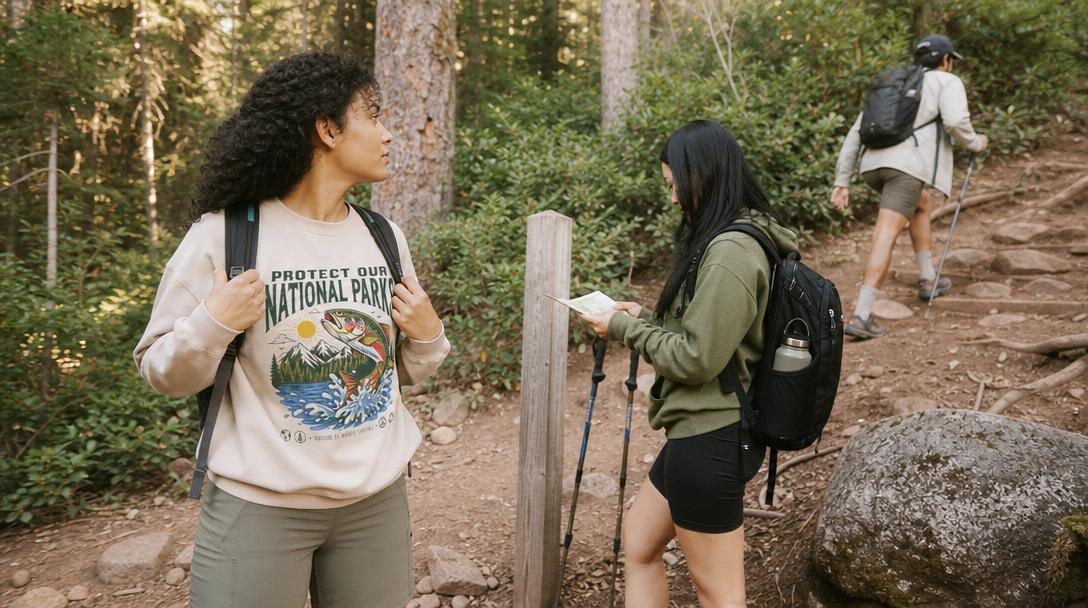
Yes, hiking burns calories, and the amount depends on your body size, pace, terrain, elevation gain, pack weight, temperature, and fitness level. Easy hikes may burn calories similarly to brisk walking, while steep or uneven trails can require much more effort because your legs and core work harder.
The phrase hiking calories burned gets searched a lot because everyone wants a neat number. Totally fair. But calorie estimates are always approximations.
The Compendium of Physical Activities, a widely used reference for estimating exercise energy cost, lists hiking and backpacking activities at different MET levels depending on effort and load. METs are a way researchers estimate how much energy an activity uses compared with resting.
A common exercise formula is:
Calories per minute = METs × 3.5 × body weight in kilograms ÷ 200
That formula is useful, but it still gives an estimate, not a personalized guarantee.
Hiking calories burned: general estimates
For many adults, a moderate hike may burn roughly a few hundred calories per hour. Some easier hikes may be lower; steep, fast, or loaded hikes may be higher.
Factors that increase calorie burn include:
- More body weight being moved
- Faster pace
- Steeper climbs
- Uneven or rocky terrain
- Longer duration
- Carrying a backpack
- Using poles actively
- Heat, altitude, or challenging conditions
Factors that may reduce calorie burn include:
- Frequent long stops
- Very slow pace
- Flat, smooth terrain
- Short duration
- Improved fitness on the same route
If your main question is does hiking burn calories enough to lose weight, the answer is yes, but only if your total weekly calorie balance supports fat loss.
How Much Weight Can You Lose Hiking?
How much weight you can lose hiking depends less on one hike and more on your weekly pattern: hike frequency, duration, food intake, recovery, and overall activity. Many people see modest fat loss over 4–12 weeks when hiking creates or supports a consistent calorie deficit.
Here is a realistic way to think about it:
- A small daily deficit may lead to slow, steady weight loss.
- A larger deficit may speed things up but can increase hunger and fatigue.
- Hiking alone may not cause weight loss if post-hike eating cancels out the energy burned.
- Strength training and protein can help preserve muscle while losing fat.
- Scale weight can fluctuate from water, sodium, hormones, soreness, and digestion.
Instead of asking how much weight you can lose hiking after one weekend, ask:
- Can I hike 2–4 times per week?
- Can I keep most hikes enjoyable?
- Can I eat a satisfying post-hike meal instead of grazing all day?
- Can I track progress beyond the scale?
Better progress markers include:
- Waist measurement
- Resting heart rate
- Hiking pace
- Distance completed
- Elevation gained
- Energy levels
- How clothes fit
- Mood and stress levels
- Recovery time after hikes
Your body is not a vending machine where you insert 3 hikes and receive 2 pounds of fat loss. It is more like a national park trail system: connected, complex, and occasionally full of confusing signs.
Will Hiking Help With Weight Loss?
Yes, hiking can help with weight loss when it contributes to a consistent calorie deficit and becomes a repeatable routine. It burns energy, improves cardiovascular fitness, and may be easier to stick with than gym workouts because the scenery, fresh air, and trail variety make it feel more rewarding.
Hiking is especially helpful for people who dislike traditional workouts. You do not need to love treadmills. You do not need to count burpees. You can simply build the habit of moving through nature several times per week.
That said, hiking works best when you combine it with:
- Mostly nutritious meals
- Enough protein
- Fiber-rich foods
- Hydration
- Sleep
- Recovery days
- Gradual progression
- Reasonable expectations
The American College of Sports Medicine has noted that physical activity supports weight management, but higher amounts of weekly activity are often needed for significant weight loss or maintenance. Translation: one short hike is good; a hiking lifestyle is better.
Beginner Hiking Plan for Weight Loss: A 4-Week Starter Routine
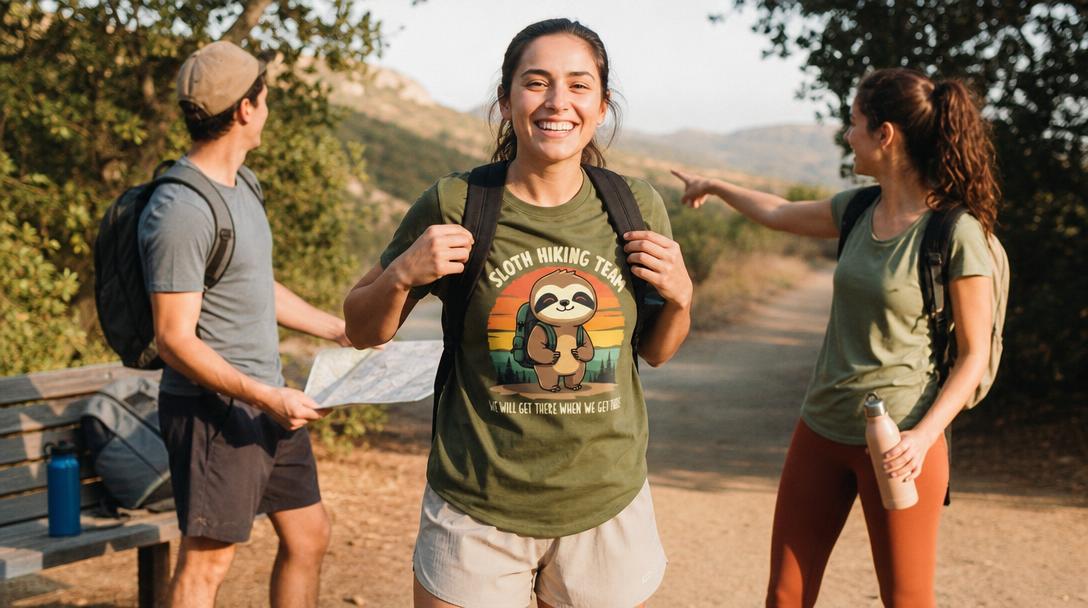
A good beginner hiking plan for weight loss should start easy, protect your joints, build confidence, and progress slowly. If you are sedentary, overweight, returning from injury, or just tired from life, you do not need to begin with a brutal climb.
Before starting, consider checking with a healthcare professional if you have chest pain, dizziness, uncontrolled blood pressure, diabetes complications, recent surgery, or joint pain that worsens with walking.
If you are not sure where to start, choose simple routes first. Our guide to best hiking trails for beginners can help you find beginner-friendly terrain that still feels rewarding.
Week 1: Build the habit
Goal: show up, finish feeling good, and avoid overdoing it.
- Hike 1: 20–30 minutes, flat or gently rolling trail
- Hike 2: 20–30 minutes, easy pace
- Optional walk: 15–20 minutes around your neighborhood
- Intensity: You should be able to talk in full sentences
- Focus: Comfortable shoes, hydration, and learning how your body feels
Choose trails that are well-marked, close to home, and not too technical. A local park loop counts. You do not need a dramatic overlook to start.
Week 2: Add a little time
Goal: make hiking feel normal.
- Hike 1: 30 minutes, easy terrain
- Hike 2: 30–40 minutes, easy terrain
- Hike 3: 20–30 minutes, optional recovery hike or walk
- Intensity: Easy to moderate
- Focus: Consistency over speed
If your knees, feet, or hips complain loudly, keep the week the same instead of progressing.
Week 3: Introduce gentle hills
Goal: increase challenge without turning the trail into a survival documentary.
- Hike 1: 35–45 minutes, easy trail
- Hike 2: 30 minutes with a few gentle hills
- Hike 3: 40–50 minutes, comfortable pace
- Optional strength: 15–20 minutes of bodyweight exercises
- Focus: Controlled breathing and steady pacing
Simple strength moves can help:
- Sit-to-stands
- Step-ups
- Glute bridges
- Wall push-ups
- Dead bugs
- Calf raises
Week 4: Create your sustainable rhythm
Goal: establish a weekly plan you can repeat.
- Hike 1: 40–45 minutes, easy/moderate
- Hike 2: 30–40 minutes with hills or brisk intervals
- Hike 3: 50–60 minutes, relaxed pace
- Optional walk: 20 minutes easy
- Focus: Choose next month’s routine
After week 4, you can keep hiking 3 times per week and gradually progress by adding no more than one challenge at a time: distance, elevation, pace, or pack weight.
How Often Should I Hike to Lose Weight?
Most beginners can start with 2–3 hikes per week, then build toward 3–5 weekly walking or hiking sessions if recovery feels good. Weight loss depends on total weekly movement and nutrition, so consistent moderate hikes usually work better than occasional intense hikes that leave you exhausted.
A practical weekly schedule might look like this:
- Monday: Rest or easy walk
- Tuesday: 30–45 minute hike
- Wednesday: Strength training or mobility
- Thursday: 30–45 minute hike
- Friday: Rest
- Saturday: Longer hike, 60–90 minutes
- Sunday: Easy walk, stretching, or family nature time
If you are busy, try trail snacks of movement:
- 15-minute walk before work
- 20-minute park loop after dinner
- Short family hike on Saturday
- One hill repeat session during lunch
Tiny routines count. The trail does not check your calendar and judge you.
Is Hiking Better Than Walking for Weight Loss?
Hiking can be better than walking for calorie burn and fitness when the trail includes hills, uneven surfaces, or longer duration. Walking is better for accessibility, recovery, and consistency. The best choice is the one you can do often without pain, dread, or needing three business days to recover.
Think of walking and hiking as trail cousins, not enemies.
Walking is great because it is:
- Easy to start
- Low cost
- Lower impact than running
- Simple to fit into daily life
- Good for recovery days
Hiking adds:
- More terrain variety
- More elevation
- Greater balance demands
- More mental stimulation
- Often higher effort at the same pace
For weight loss, hiking may burn more calories per minute than flat walking if it includes hills or uneven terrain. But a daily 30-minute walk may beat one monthly mountain hike because consistency drives results.
How to Maximize Calorie Burn on a Hike Without Overdoing It
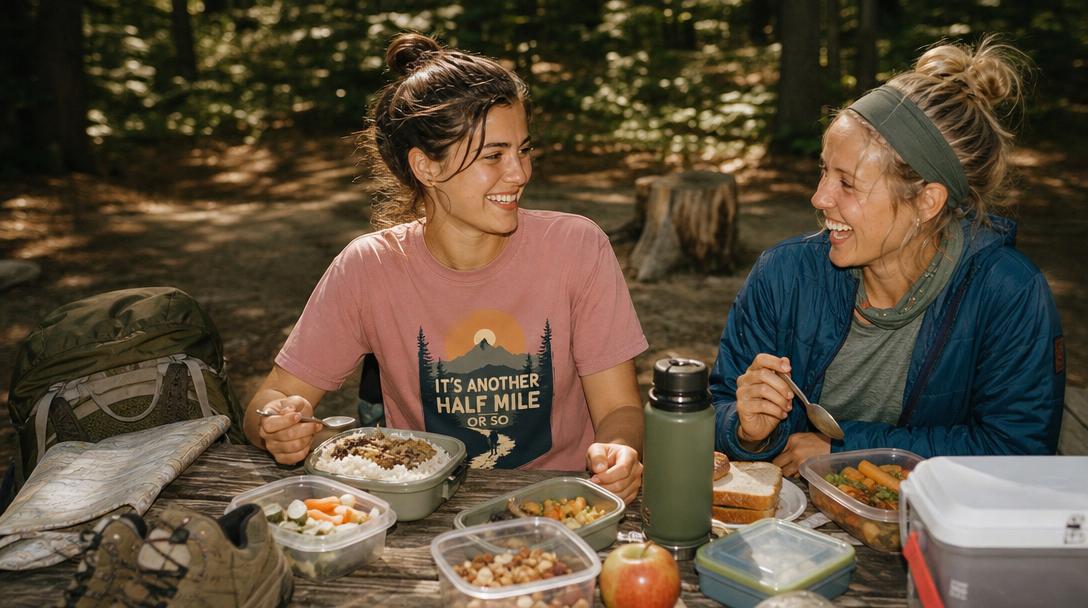
To maximize calorie burn on a hike, increase challenge gradually through distance, elevation, pace, terrain, or pack weight, but only one at a time. The goal is to raise effort while staying consistent, injury-free, and recovered enough to hike again within a few days.
Terrain: flat, rolling, steep, and technical
Terrain changes everything.
- Flat trails: Great for beginners, recovery, and building time on feet
- Rolling trails: Add manageable effort without constant climbing
- Steep climbs: Increase heart rate and leg demand quickly
- Rocky or rooty trails: Challenge balance and stabilizer muscles
- Sand or snow: Often much harder because each step requires more effort
If you are starting out, do not chase the steepest trail. Choose routes that let you finish feeling proud, not flattened.
Pace: steady beats chaotic
A brisk, sustainable pace is usually better than sprinting uphill and stopping every 90 seconds.
Try this:
- Warm up for 5–10 minutes
- Hike at a pace where you can speak in short sentences
- On hills, shorten your stride
- Use steady breathing
- Save hard pushes for short sections
You can add simple intervals once you have a base:
- 2 minutes brisk
- 3 minutes easy
- Repeat 4–6 times
Pack weight: useful, but be careful
Carrying a pack can increase effort, but adding weight too soon can irritate knees, hips, ankles, and lower back.
Start with essentials:
- Water
- Snack
- First aid basics
- Rain layer
- Sun protection
- Phone/map
- Headlamp if hiking near evening
For a safer setup, use a simple hiking gear checklist before adding extra load for fitness.
If you want to add load for conditioning, increase slowly. A good rule: build distance and hills first, then consider extra pack weight later.
Trekking poles: helpful for rhythm and joints
Trekking poles can help with balance, especially on descents. They also involve your upper body and may make climbs feel more rhythmic.
Poles are useful if:
- You hike on uneven terrain
- Your knees dislike descents
- You carry a pack
- You want better stability
- You are building confidence
They are not magic calorie wands, but they can help you hike longer and more comfortably, which matters a lot.
Can You Lose Belly Fat by Hiking?
Yes, hiking can help reduce belly fat over time, but it cannot specifically target belly fat. Fat loss happens across the body when you maintain a calorie deficit consistently. Hiking supports that process by burning energy, lowering stress, and improving fitness, especially when paired with strength training and balanced meals.
This is important: no workout can choose where fat comes off first. Genetics, hormones, age, sleep, stress, and overall body fat influence belly changes.
Still, hiking can be a strong tool because it may help with several belly-fat-related factors:
- Increased weekly calorie expenditure
- Better insulin sensitivity
- Lower stress for some people
- Improved sleep quality
- More time away from mindless snacking
- Better cardiovascular health
If belly fat is your goal, prioritize:
- 3+ weekly hikes or walks
- Protein at meals
- Fiber from plants
- Strength training twice weekly
- Alcohol moderation
- Sleep consistency
- Patience longer than 2 weeks
Annoying? A little. Effective? Much more than 7-minute belly blast nonsense.
What Is the 30-30-30 Rule for Weight Loss?
The 30-30-30 rule usually means eating 30 grams of protein within 30 minutes of waking, followed by 30 minutes of low-intensity exercise. Some people find it helpful for routine and appetite control, but it is not a magic fat-loss rule; total daily habits still matter most.
For hikers, the useful takeaway is not that breakfast must happen under a stopwatch. It is that a protein-forward meal plus easy movement can help start the day with structure.
A hiker-friendly version might look like:
- Breakfast with protein
- A 30-minute walk or easy trail loop
- Water before coffee number three
- A planned lunch instead of chaotic snacking
Protein ideas:
- Greek yogurt with berries
- Eggs and whole-grain toast
- Cottage cheese and fruit
- Protein smoothie
- Tofu scramble
- Turkey or veggie breakfast wrap
If you hike later in the day, the same principle applies: fuel enough to avoid bonking, but do not let one hike turn into an all-day snack festival.
Fueling for Hiking Weight Loss Without Post-Hike Overeating
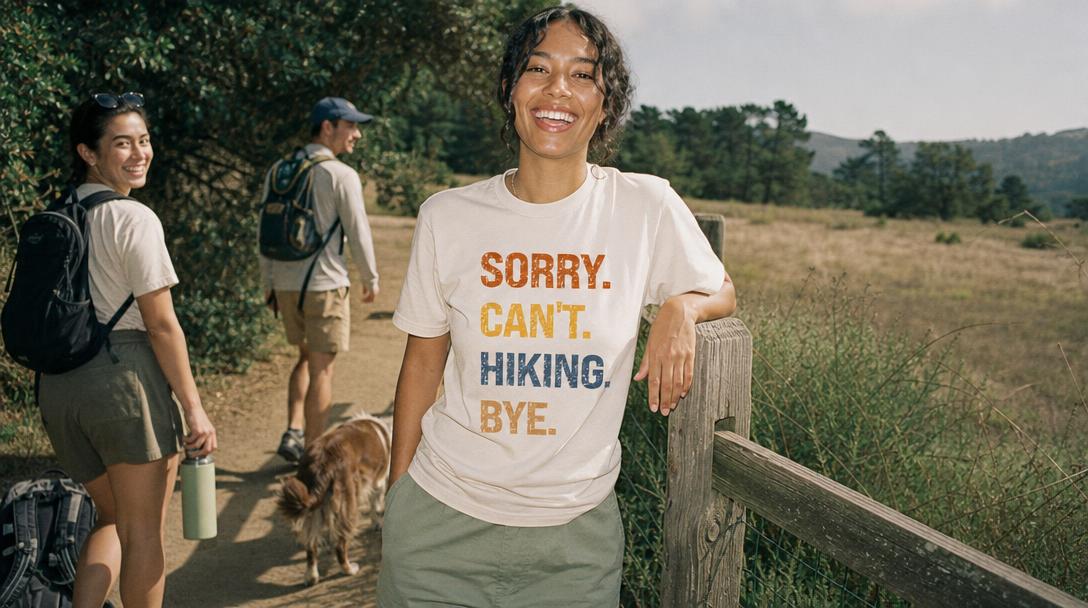
The sneakiest hiking weight loss problem is not the hike. It is the I burned calories, therefore I am now a bottomless raccoon effect afterward.
Exercise can increase hunger, and hiking often ends near tempting food: trailhead diners, gas station snacks, campfire treats, road trip chips, national park fudge counters. Beautiful? Yes. Easy to overdo? Also yes.
Before your hike
For hikes under an hour, you may not need much beyond normal meals and water.
For longer hikes, eat something balanced 1–3 hours before:
- Oatmeal with nuts and fruit
- Turkey sandwich
- Yogurt with granola
- Rice bowl with chicken or tofu
- Banana with peanut butter
- Eggs with toast
Aim for carbs for energy, protein for satiety, and a little fat if your stomach tolerates it.
During your hike
For shorter easy hikes, water may be enough.
For longer or harder hikes, bring a snack so you do not finish ravenous:
- Apple and string cheese
- Trail mix portioned in a small bag
- Protein bar
- Peanut butter sandwich
- Jerky and fruit
- Crackers and tuna packet
- Electrolytes for hot days
Portioning matters. Eating from a giant bag of trail mix is how almonds become a plot twist.
After your hike
Within a couple of hours, eat a real meal that includes:
- Protein: chicken, fish, eggs, tofu, beans, Greek yogurt
- Carbs: rice, potatoes, oats, fruit, whole grains
- Color: vegetables or fruit
- Fluids: water or electrolytes if hot/sweaty
Good post-hike meals:
- Burrito bowl with beans, rice, salsa, veggies, and chicken or tofu
- Turkey sandwich with fruit and carrots
- Salmon, potatoes, and salad
- Lentil soup with whole-grain bread
- Eggs, avocado toast, and berries
- Greek yogurt bowl with granola and fruit
The goal is not to eat as little as possible. The goal is to eat enough to recover while keeping your overall intake aligned with your goals.
Casual Graphic Tees and Tiny Motivation
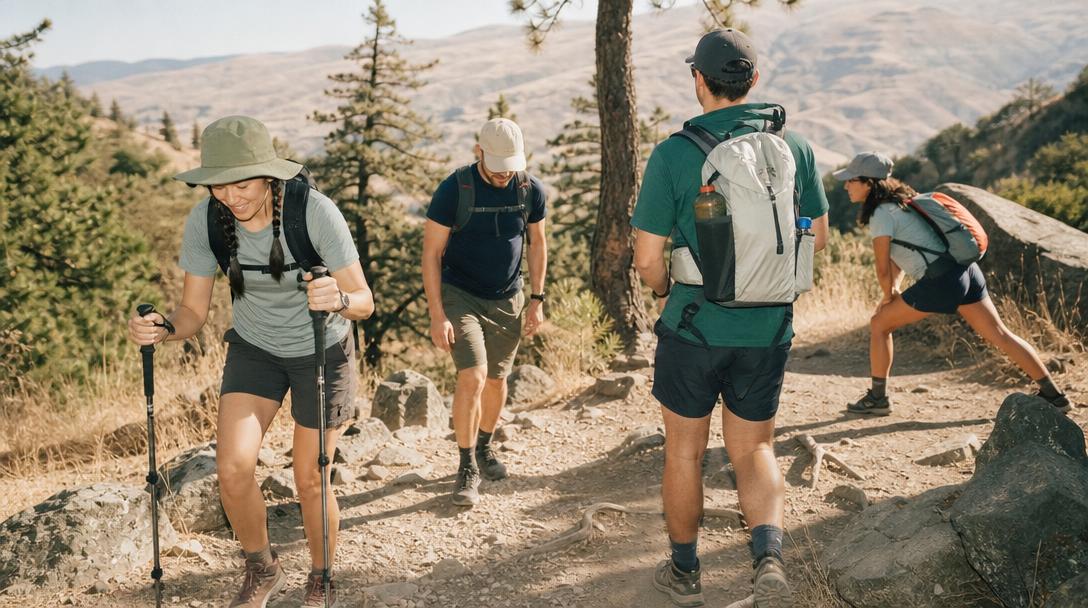
Not every short fitness hike needs a technical performance top. For easy park loops, recovery walks, campground strolls, and casual trail days, a soft graphic tee can make the habit feel more fun and less like a chore.
A comfy casual shirt you actually like wearing can make getting out the door a little easier. If it has a bear, raccoon, possum, or emotionally relatable sloth on it? Even better. Tiny motivation still counts.
For lighthearted, casual hiking days, Hike Tee options like the Sloth Hiking Team Shirt, Half Mile Shirt, or Sorry, Hiking, Bye Shirt fit the mood without turning your walk into a gear catalog.


