


Christmas Camping: Hike Tee Holiday Guide
Dominic PalmowskiChristmas camping sounds like something dreamed up by a raccoon in a tiny Santa hat with no mortgage. But it is a real holiday camping tradition for plenty of families, RVers, hikers, snow-lovers, desert wanderers, and people who would like to escape the blinking lights for 48 hours.
And honestly? It makes sense.
Instead of another overstuffed living room, you get a campfire. Instead of holiday traffic to the mall, you get a quiet trail. Instead of cooking three side dishes while someone asks where the tape is, you make cocoa outside and call it festive. That is not skipping Christmas. That is giving it hiking boots.
Done well, Christmas camping can be peaceful, memorable, and surprisingly cozy. Done casually, without checking temperatures, road closures, campground rules, or whether the bathroom is actually open on December 25, it can turn into a very cold learning experience.
Here is how to plan a safe, warm, realistic Christmas camping trip whether you are tent camping, car camping, RVing, van camping, or bringing the whole family circus.
How to Plan a Safe Christmas Camping Trip
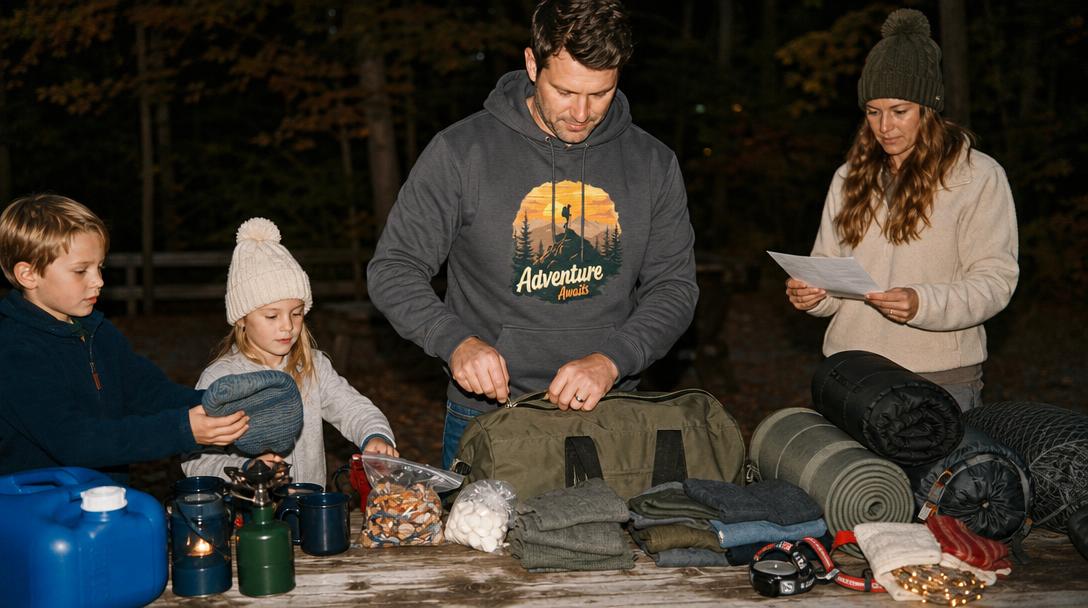
Christmas camping is safest when you plan around the worst likely overnight conditions, not the prettiest daytime forecast. Check campground status, road access, wind chill, water availability, and emergency options before you go. Choose gear rated colder than expected and keep a warm backup plan within driving distance.
The biggest mistake beginners make is treating December camping like regular camping with a festive blanket tossed on top. Winter changes the rules.
According to the National Park Service, winter visitors should check park alerts, road conditions, closures, and weather before heading out because conditions can change quickly. That is especially true around Christmas, when offices, visitor centers, stores, and ranger services may have reduced hours.
Use this simple decision framework before committing.
The Christmas Camping Go/No-Go Framework
Ask these questions in order:
- What is the actual overnight low? Daytime highs are emotionally comforting and practically misleading. You sleep at night, not at 2 p.m.
- What will wind chill feel like? Wind does not lower the thermometer temperature, but it steals heat from your body and can make mild cold feel miserable.
- Is there rain, sleet, or wet snow? Cold and dry is manageable. Cold and wet is where hypothermia risk rises fast.
- Can your vehicle safely reach and leave the campground? A campground being open does not mean every road is plowed, dry, or beginner-friendly.
- Is there potable water? Many campgrounds shut off water in winter to prevent frozen pipes.
- Where is your bailout option? Know the nearest motel, heated visitor center, town, or lower-elevation campground.
- Can everyone in your group stay warm without a campfire? Fire bans, wind, wet wood, and campground rules can all ruin the we will just sit by the fire plan.
Temperature Thresholds for Cold-Weather Camping
Use these conservative guidelines for cold-weather camping:
- Above 40°F overnight: Manageable for most prepared beginners, though rain and wind still matter.
- 25–40°F: Bring a sleeping bag rated at least 10°F colder than the forecast low, plus an insulated sleeping pad.
- 10–25°F: Treat this as true winter camping. Use a winter-capable shelter, serious insulation, backup layers, and a tested cooking plan.
- Below 10°F: Best for experienced winter campers with proven systems and a nearby emergency exit.
- Below 0°F or severe wind chill: Skip it unless your group has specialized experience and gear.
If you are new to winter camping, your first Christmas camping trip should not be a remote snowy expedition. Choose a developed campground, short drive, lower elevation, and a forecast that will not make your eyebrows question your leadership. For more warm-sleep basics, see Hike Tee’s cold weather camping tips for warmer nights.
Christmas Camping Gear Checklist for Winter Camping
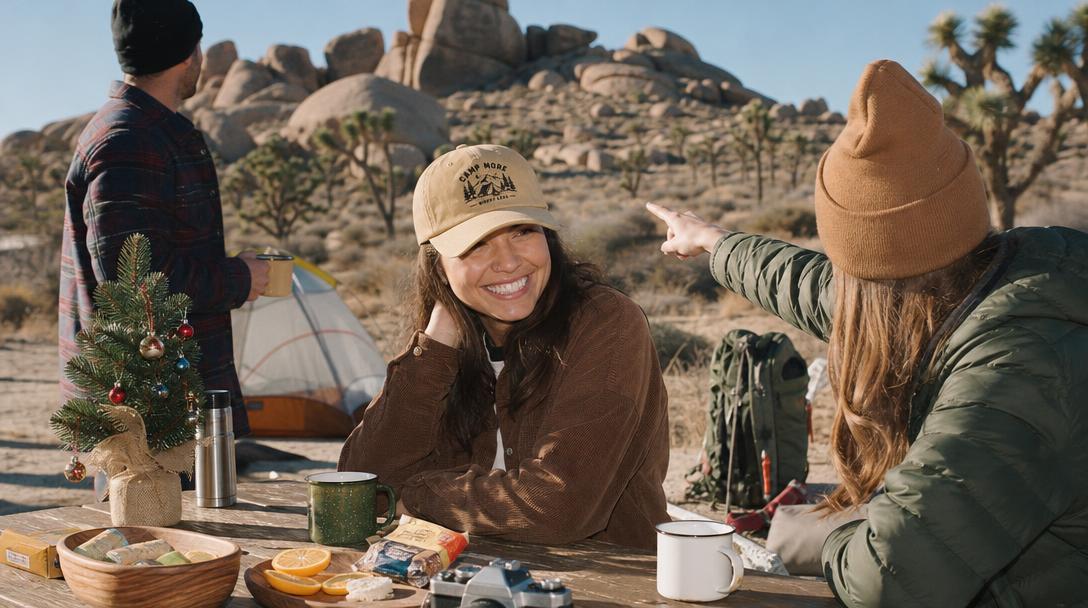
A Christmas camping gear checklist should cover warmth, shelter, food, power, light, water, safety, and holiday comfort. Prioritize a properly rated sleeping bag, insulated sleeping pad, layered clothing, reliable stove, headlamps, emergency supplies, and confirmed campground services before adding festive extras like lights, stockings, or campfire cocoa.
Think of your packing system in layers: survival first, comfort second, cuteness third. Tiny battery-powered string lights? Adorable. Dry socks? Sacred.
Core Gear for Everyone
Bring these no matter how you camp:
- Sleeping bag rated 10°F lower than the expected overnight low
- Insulated sleeping pad with an appropriate R-value
- Wool or synthetic base layers
- Warm hat, gloves, and extra socks
- Puffy jacket or insulated outer layer
- Rain shell or wind shell
- Headlamp per person, plus extra batteries
- Stove and fuel appropriate for cold weather
- Lighter and waterproof matches
- Water storage that will not freeze easily
- High-calorie snacks
- First-aid kit
- Offline maps
- Power bank
- Emergency blankets
- Trash bags for wet gear
- Firewood only where allowed and locally sourced
- Printed or downloaded campground reservation
REI’s winter camping guidance recommends choosing a campsite sheltered from wind, avoiding avalanche hazards, and using appropriate winter gear such as insulated pads and warm sleep systems. Even if you are not camping in snow, that advice still applies to cold, windy December nights.
Tent Camping Packing System
For tent campers, insulation from the ground matters as much as insulation from the air.
Bring:
- 3-season tent for mild weather; 4-season tent for snow or high wind
- Full rainfly
- Extra stakes and guylines
- Ground tarp or footprint
- Sleeping bag rated for conditions
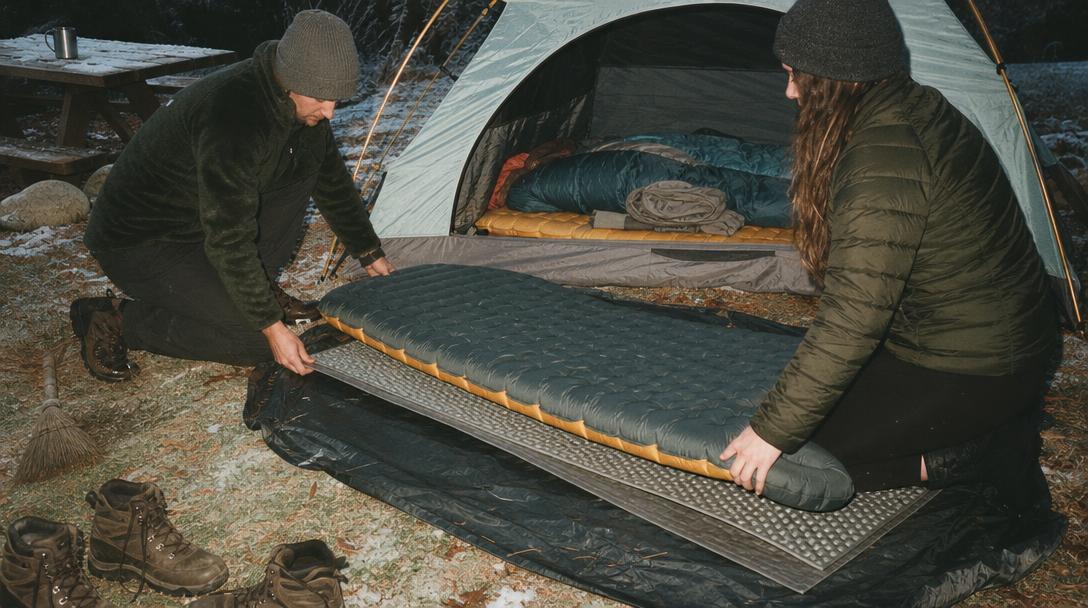
- Insulated inflatable pad
- Closed-cell foam pad underneath for extra warmth
- Dry sleep clothes in a waterproof bag
- Small broom or towel for condensation management
- Ventilation plan to reduce moisture inside the tent
What Is the Best Winter Tent for Christmas Camping?
The best winter tent for Christmas camping depends on your actual conditions. For mild desert or coastal camping, a sturdy 3-season tent may be enough. For snow loads, exposed wind, or high elevations, a 4-season tent with strong poles, full coverage, and good ventilation is the safer choice.
Do not shop by holiday vibes. Shop by forecast, wind exposure, precipitation, and how far you are from a warm backup plan.
Car Camping Packing System
Car camping gives you more room for just-in-case comfort.
Add:
- Extra blankets per person
- Two gallons of water per person per day, more for cooking
- Camp chairs with insulated seats or blankets
- Cooler plus dry food bin
- Jumper cables or jump starter
- Tire chains where required
- Windshield scraper
- Extra fuel if driving remote areas
- Large duffel for wet gear
- Battery-powered lanterns
- A sleep-in-the-car-if-needed plan
Important note: sleeping in a car can still get dangerously cold. Crack a window slightly for ventilation, never run the engine continuously while sleeping, and keep exhaust areas clear of snow.
Christmas RV Campground Reservations and RV Packing
Christmas RV campground reservations need extra confirmation because open year-round does not always mean full-service. Before you go, confirm:
- Furnace works
- Propane tanks are full
- Battery system is charged
- Water lines are winterized or heated
- Campground has electric hookups if needed
- Dump station is open
- Potable water is available
- Generator hours are allowed
- Roads can handle your rig
Call or check the campground directly before arrival. Do not assume open year-round means full hookups, showers, water, or staff will be available over the holiday.
Van Camping Packing System
Van campers should focus on condensation, airflow, and backup warmth.
Pack:
- Vent fan or cracked-window ventilation setup
- Window insulation
- Carbon monoxide detector
- Low-temperature sleeping bag or quilt
- Insulated sleeping pad or mattress
- Backup battery or power station
- Warm slippers or camp shoes
- Dry bag for wet clothing
- Simple no-cook meal option
Never use unvented fuel-burning heaters inside a van unless the setup is specifically designed and installed for safe indoor use. Carbon monoxide is not a festive surprise.
Family Holiday Camping Packing System
For families, the secret is redundancy. Kids get cold, wet, hungry, bored, and magically covered in marshmallow glue faster than adults.
Bring:
- Two warm hats per child
- Two pairs of gloves per child
- Three pairs of socks per child
- Dedicated dry sleep layers
- One extra blanket per person
- Easy snacks kids can eat with gloves on
- Thermos for cocoa or soup
- Glow sticks or clip-on lights
- Simple camp games
- Favorite stuffed animal or comfort item
- Backup indoor activity if weather turns ugly
For dry, low-output moments around camp, a casual cotton or cotton-blend layer can make family photos and cocoa breaks more fun. A cozy Camp Life Sweatshirt, easygoing Adventure Awaits Hoodie, or trail-ready Camp More Cap is not survival gear, but matching family campfire chaos is absolutely a holiday-card opportunity.
Best Sleeping Bag for Below-Freezing Camping
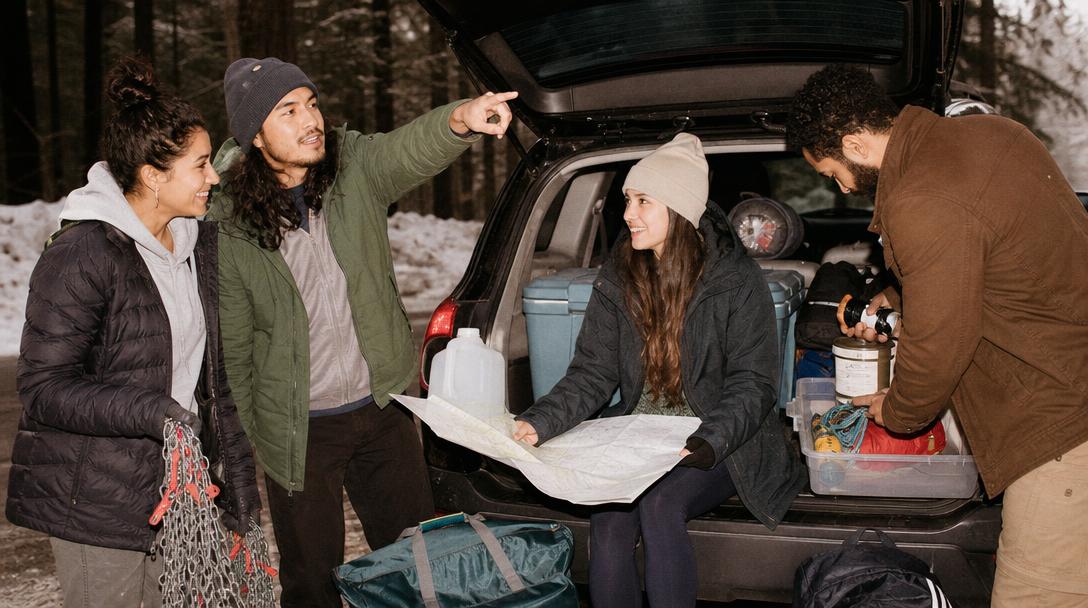
The best sleeping bag for below-freezing camping is rated at least 10°F colder than the forecast low, has a hood, draft collar, and full-length draft tube, and is paired with an insulated sleeping pad. A 20°F bag may work near freezing, while colder forecasts often require 0°F or lower.
Sleeping bag ratings can be confusing because survival and comfortable sleep are not the same thing. If you sleep cold, choose a warmer bag than the label suggests. Hike Tee’s guide to the best sleeping bags for camping and backpacking is a helpful next read before you buy.
For Christmas camping below freezing, look for:
- Temperature rating: 0°F to 20°F depending on forecast
- Shape: Mummy bags are warmer than rectangular bags
- Hood: Keeps heat from escaping around your head
- Draft collar: Prevents warm air from pumping out
- Insulation: Down is light and compressible; synthetic handles damp conditions better
- Room for layers: Snug is warm, but too tight compresses insulation
The best sleeping bag for below-freezing camping is not always the most expensive one. It is the one that matches your climate, moisture risk, and sleep style.
Best Insulated Sleeping Pad for Winter Camping
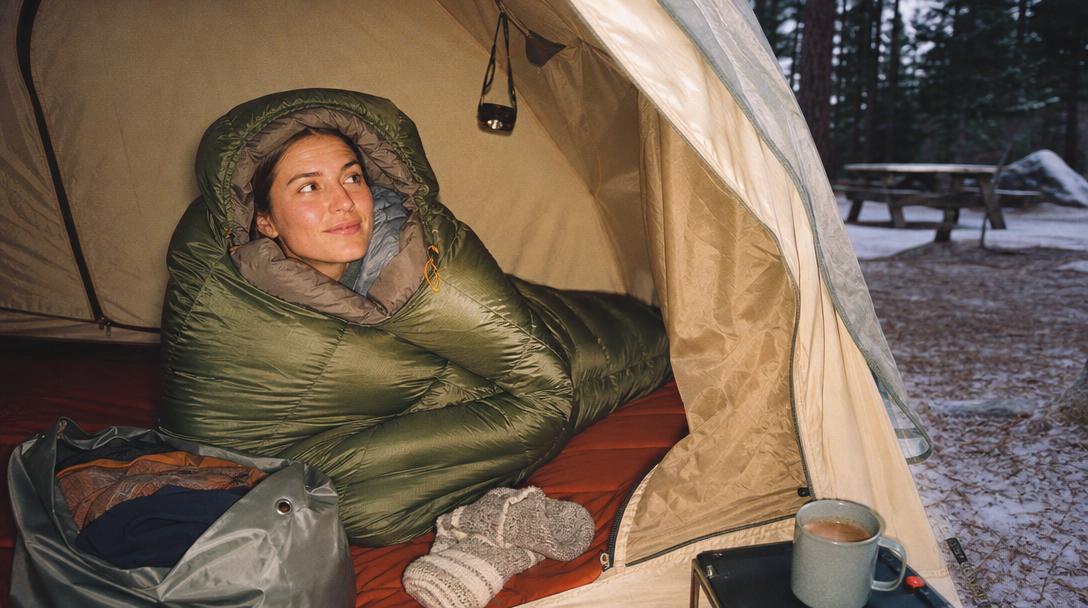
The best insulated sleeping pad for winter camping has an R-value of about 4 or higher for freezing conditions, with 5+ preferred for snow or colder ground. Many campers combine a closed-cell foam pad with an insulated inflatable pad to increase warmth and add backup protection if one pad fails.
The ground is a giant heat thief. You can have a fantastic sleeping bag and still freeze if your pad is underpowered.
A good winter pad setup might be:
- Mild cold: One insulated inflatable pad, R-value 3–4
- Freezing nights: Insulated inflatable pad, R-value 4+
- Snow or deep cold: Closed-cell foam pad plus insulated inflatable, combined R-value 5+
This is one of the least glamorous upgrades and one of the most important. Your back will not care that the campsite has a beautiful view if the ground is turning you into a human popsicle.
What Is the 3-3-3 Rule for Camping?
The 3-3-3 rule for camping is an RV travel guideline: drive no more than 300 miles in a day, arrive by 3 p.m., and stay at least three nights. It reduces fatigue, makes setup easier before dark, and helps holiday campers slow down instead of rushing through winter conditions.
This rule is especially useful for Christmas RV camping and family road trips. December travel already comes with short daylight hours, holiday traffic, and unpredictable weather. Arriving early gives you time to:
- Check in before offices close
- Find your site in daylight
- Set up safely
- Confirm hookups work
- Cook dinner before everyone gets hangry
- Notice problems while there is still time to fix them
Even if you are tent camping, the spirit of the rule applies: drive less, arrive earlier, and do not cram too much into the trip. For a deeper breakdown, read Hike Tee’s 3-3-3 rule for camping beginner guide.
Where Is the Best Place to Camp in December?
The best place to camp in December is usually a low-elevation desert, coastal, or southern campground with mild daytime temperatures, reliable road access, and confirmed winter facilities. Popular options include South Florida, Big Bend, Southern Arizona, Southern California deserts, coastal Texas, and lower-elevation state parks across the South.
The best December campsite depends on whether you want snow-globe magic or warm-enough-to-drink-coffee-outside comfort.
Warm and Snow-Free Christmas Camping Destinations
Consider these regions if you want fewer frozen water bottles:
- Florida Keys and South Florida: Warmest mainland-style option, but reservations can be extremely competitive.
- Everglades National Park, Florida: Mild winter weather, wildlife viewing, and big skies. Check mosquito conditions and campground availability.
- Big Bend National Park, Texas: Beautiful winter hiking days are common, though nights can get cold.
- Southern Arizona: Saguaro country, Organ Pipe Cactus, and low-desert areas offer sunny days with chilly nights.
- Southern California deserts: Joshua Tree and Anza-Borrego can be excellent in December, but wind and cold nights are common.
- Death Valley National Park, California/Nevada: Often comfortable in winter compared with its extreme summer heat.
- Texas Gulf Coast: Mild temperatures, birding, and beach camping possibilities, with wind as the main wildcard.
- Southern Georgia, Alabama, Mississippi, and Louisiana state parks: Lower elevation, forested campgrounds, and more moderate winter conditions.
Snowy Christmas Camping Destinations
If you want real winter camping, look for developed campgrounds near:
- The Rockies
- Sierra Nevada foothills or lower-elevation areas
- Upper Midwest state parks
- New England winter camping areas
- Pacific Northwest campgrounds with winter access
Just remember: snowy holiday camping requires more skill, more insulation, more backup planning, and more humility. Nature loves humility.
Are Campsites Open Over Christmas and New Year?
Yes, many campsites are open over Christmas and New Year, but availability varies by park, campground loop, weather, staffing, and facilities. Always verify the exact dates, reservation rules, water service, restroom access, road conditions, and holiday check-in procedures before you drive, especially at national parks and state parks.
This is where many cheerful plans go sideways. A park may be open, but the campground may not be. A campground may be open, but only one loop. A loop may be open, but water may be shut off. The bathroom may be open, but the camp store may be closed.
Before making Christmas camping plans, confirm:
- Is the campground open December 24–26?
- Is it open through New Year’s?
- Are reservations required?
- Is first-come, first-served camping available?
- Are check-in offices staffed on Christmas Day?
- Are gates locked at night?
- Is potable water available?
- Are flush toilets or vault toilets open?
- Are showers available?
- Is firewood sold nearby?
- Are generators allowed?
- Are pets allowed?
- Are roads plowed or maintained?
- Are chains required?
- Is cell service available?
For national parks, check the specific park website first. Many federal campgrounds use Recreation.gov, but operating dates and facility details still vary by site.
Where Is a Great Place to Go for Christmas Vacation?
A great place to go for Christmas vacation is somewhere that matches your comfort level: warm coastal campgrounds for easy relaxation, desert parks for hiking, snowy cabins or RV parks for winter atmosphere, or nearby state parks for a low-stress family tradition. The best choice balances scenery, safety, and logistics.
If you are trying Christmas camping for the first time, do not make it epic. Make it repeatable.
Good first-time holiday camping ideas include:
- A state park within two hours of home
- A campground with electric hookups
- A cabin or yurt at a park
- A mild-weather coastal campground
- A desert campground near a town
- An RV park with laundry, showers, and a camp store
- A national park gateway town with backup lodging
The most magical Christmas camping trips are often simple: one good hike, one warm meal, one campfire, one slow morning, and zero pressure to create a magazine-worthy holiday scene.
How to Make Christmas Camping Festive Without Overpacking
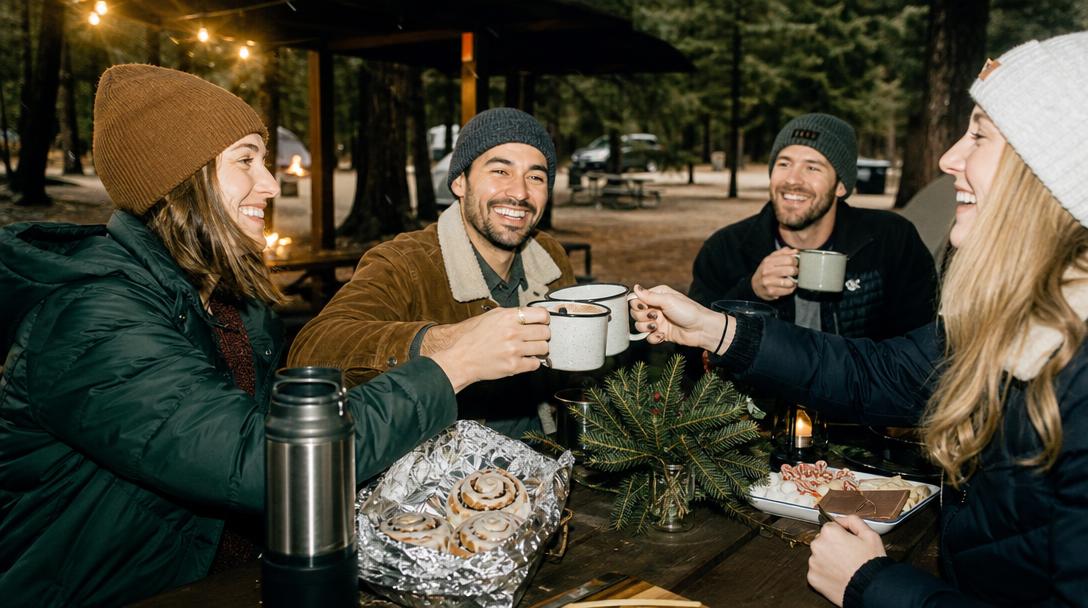
Christmas camping feels festive when you bring a few lightweight traditions: battery-powered lights, cocoa, simple campfire meals, stockings, a tiny ornament, holiday music at low volume, and one meaningful family ritual. Keep decorations weather-safe, campground-friendly, and easy to pack so the trip stays relaxing.
Skip the inflatable reindeer unless you are deeply committed to the bit.
Try these low-effort ideas:
- Hang battery-powered string lights on your awning or picnic shelter
- Bring one small tabletop tree or pine branch centerpiece
- Make campfire cinnamon rolls in foil
- Do a Christmas morning hike
- Let each person choose one trail snack as a stocking stuffer
- Read a holiday story by headlamp
- Make s’mores with peppermint bark
- Bring a thermos of cocoa on a sunset walk
- Take a family photo in hiking layers instead of matching pajamas
- Trade gifts for one shared adventure
A campfire instead of a Christmas tree can become the tradition your family actually remembers.
What to Know About National Parks During Christmas
National parks may be open on Christmas, but campground loops, visitor centers, roads, shuttle services, restaurants, stores, and water systems may have reduced operations or seasonal closures. Always check the individual park’s official website, alerts page, campground details, and reservation platform before planning holiday camping.
Do not assume summer information applies in December.
National park Christmas logistics to verify:
- Campground operating dates
- Reservation window
- Entrance station hours
- Road closures
- Tire chain rules
- Shuttle schedules
- Visitor center hours
- Food and fuel availability
- Fire restrictions
- Backcountry permit rules
- Dump station access
- Potable water access
Some parks are fantastic in winter precisely because crowds are smaller. Others are popular holiday escapes and fill early. Warm parks like Death Valley, Big Bend, Joshua Tree, and Everglades can be busy during the holidays because everyone else also had the let’s not freeze idea.
Book early, check often, and keep a Plan B.
Frequently Asked Questions
What is the 3-3-3 rule for camping?
The 3-3-3 rule is an RV travel guideline: drive no more than 300 miles, arrive by 3 p.m., and stay at least three nights. It is helpful for Christmas camping because winter daylight is short and holiday travel can be tiring.
Where is the best place to camp in December?
The best place to camp in December is usually a low-elevation, mild-weather destination with open facilities. South Florida, Southern Arizona, Southern California deserts, Big Bend, coastal Texas, and southern state parks are strong options for winter camping without deep snow.
Are there any campsites open over Christmas and New Year?
Yes, many private campgrounds, RV parks, state parks, and some national park campgrounds stay open over Christmas and New Year. Always verify exact dates, water availability, restroom access, and reservation rules before traveling.
Where is a great place to go for Christmas vacation?
A great Christmas vacation spot is one that fits your group’s comfort level. For easy holiday camping, choose a warm coastal campground, desert park, RV resort, or nearby state park with confirmed winter facilities.
What should be on a Christmas camping gear checklist?
A Christmas camping gear checklist should include a cold-rated sleeping bag, insulated sleeping pad, warm layers, headlamps, stove, fuel, water, first-aid kit, emergency blankets, power banks, and confirmed reservation details. Add festive extras only after the safety basics are covered.
What is the best winter tent for Christmas camping?
The best winter tent for Christmas camping depends on conditions. A sturdy 3-season tent can work for mild, dry destinations, while snow, heavy wind, or exposed campsites call for a true 4-season tent with strong poles, full coverage, and good ventilation.
Make This the Year Christmas Gets Outside
Christmas camping is not about proving you are tougher than the weather. It is about trading a little holiday noise for fresh air, stars, slower mornings, and maybe a campfire that becomes more memorable than any perfectly decorated tree.
Keep the big rules simple:
- Choose conditions that match your experience.
- Confirm the campground is truly open.
- Pack for colder than the forecast.
- Prioritize sleep insulation.
- Have a backup plan.
- Keep the festive stuff fun and lightweight.
- Do not let tradition become another responsibility.
Start small if you are new: one night, close to home, developed campground, easy meals, warm sleep system. If everyone wakes up smiling, or at least not muttering into frozen socks, you can make it a tradition.
And if a raccoon does show up wearing a tiny Santa hat, congratulations. You have officially won Christmas.


