


Cold Weather Camping Tips for Warmer Nights
Dominic PalmowskiCold Weather Camping Tips That Actually Keep You Warm
The best cold weather camping tips are simple, but they work because they solve the real causes of nighttime chill:
- Heat loss into the ground
- Damp clothing from sweat or condensation
- Wind exposure
- Not eating enough before bed
- Poor ventilation inside the tent
- Trusting a sleeping bag rating too literally
A sleeping bag is only one piece of the puzzle. Think of your setup as a winter camping sleep system: bag or quilt, sleeping pad, dry sleep clothes, shelter, campsite, and habits. If one piece fails, the whole night gets colder.
On one rough mountain trip, I assumed my 24°F bag would be good enough. The forecast in town looked manageable. But up at camp, with wind funneling through the site and a pad that was too cold underneath me, the night felt much harsher. Lesson learned: pack for the actual overnight low where you will sleep, not the optimistic forecast from the nearest town.
For beginners, I usually say this: do not upgrade your sleeping bag first. Check your pad first.
Build a Warmer Winter Camping Sleep System
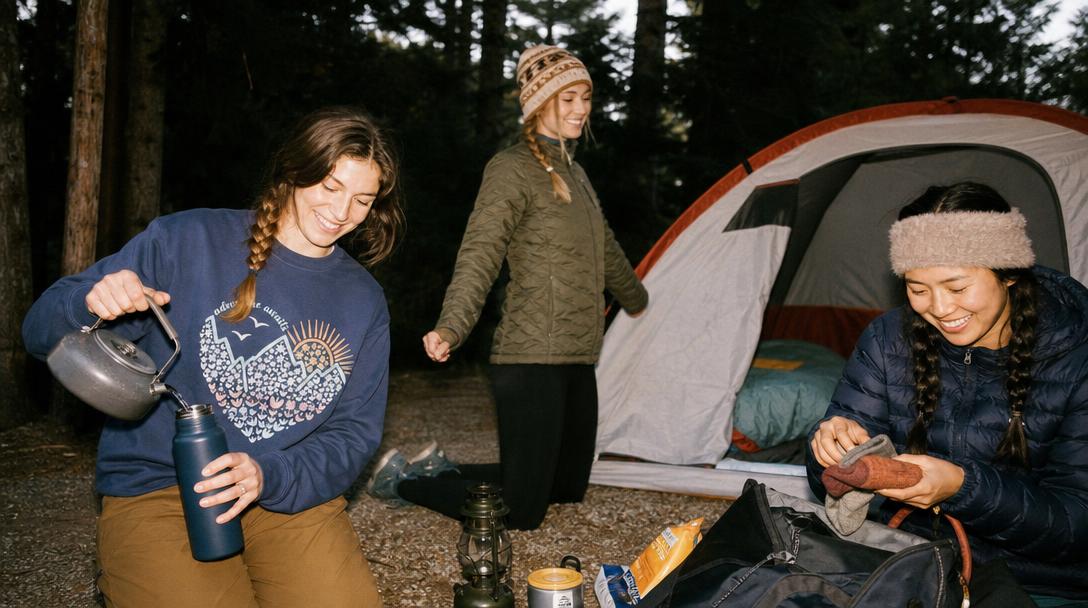
Your sleep system is your nighttime survival bubble. It does not need to be fancy, but it does need to be balanced.
My current cold-weather setup is simple because simple and dry beats fancy and damp every time:
- A warm winter-rated quilt or sleeping bag
- An insulated sleeping pad with an R-value of at least 5 for true winter conditions
- A four-season tent or sturdy shelter that blocks wind without trapping too much moisture
- Dry base layers reserved only for sleeping
- Wool socks, a fleece or merino beanie, and gloves nearby
- A puffy jacket over my core if it gets genuinely cold
- A hot water bottle when the forecast looks spicy
The key is that no one item does all the work. Your bag traps warmth. Your pad blocks cold from below. Your dry layers prevent evaporative chill. Your tent cuts wind. Your food gives your body fuel.
Best Sleeping Pad R Value for Winter Camping
The best sleeping pad R value for winter camping is generally around R-5 or higher. For shoulder-season camping, an R-value around 3 to 4 can work depending on the temperature, your sleeping bag, and how warm you sleep. But once you are camping near or below freezing, R-5 is a much safer target.
Here is the part many beginner guides under-explain: sleeping bag insulation compresses underneath your body. That means the bottom of your bag does not insulate nearly as well as the top. Your sleeping pad is what protects you from the frozen ground, snow, or cold tent floor.
If your pad is too thin or too low in R-value, you can have a great sleeping bag and still feel like someone installed a freezer under your spine.
A budget-friendly move is stacking pads. Put a closed-cell foam pad under your inflatable insulated pad. This adds warmth, protects your inflatable from sharp ground or ice, and gives you a backup if something goes wrong. It is not glamorous gear. It just works.
Do Not Trust Sleeping Bag Ratings Blindly
Sleeping bag ratings can be confusing because the number on the label is often closer to a survival or lower-limit rating than a comfort rating. A 20°F bag does not always mean you will feel cozy at 20°F. It may mean you will get through the night without becoming dangerously cold.
For a first cold-weather trip, bring a bag rated about 10 to 20°F colder than the expected overnight low. If the forecast says 30°F, a 15°F or 20°F comfort-oriented setup is a better call than hoping a 30°F bag feels magical.
Also remember that mountain campsites, valleys, and open exposed areas can be colder than nearby town forecasts. Wind can make everything worse. Damp clothing can make everything much worse.
How to Stay Warm in a Tent in Cold Weather
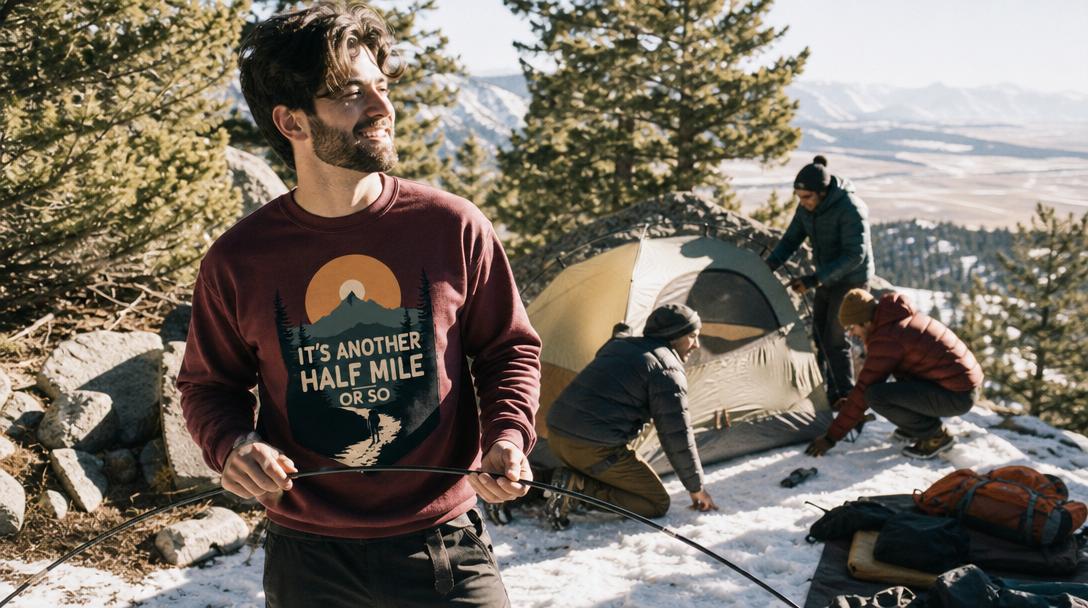
If you are wondering how to stay warm in a tent in cold weather, start before you ever crawl into your bag. A warm night is mostly decided by what you do in the hour before bed.
Here is my go-to routine:
- Eat a small snack if I am hungry.
- Change into completely dry base layers.
- Put on dry socks and a warm beanie.
- Do a few minutes of light movement to get blood flowing.
- Stop before I sweat.
- Fill a leakproof bottle with hot water and tuck it near my feet or core.
- Vent the tent slightly to reduce condensation.
- Keep my face outside the sleeping bag so I do not breathe moisture into it.
That routine sounds almost too basic, but it connects the big warmth factors: calories, dry layers, circulation, added heat, and moisture control.
Start Warm, Not Sweaty
You do not want to climb into your sleeping bag cold and wait for it to perform a miracle. A sleeping bag does not create heat; it traps the heat your body produces.
Do a few squats, walk around camp, or organize your gear for a couple minutes. Then get into bed before you overdo it. If you sweat, you just created a cold problem for future-you.
This is one of the most overlooked winter camping tips: manage sweat all day. Start hiking a little cold. Vent early. Remove a layer before you are roasting. Once your base layer gets damp, it can chill you fast when you stop moving.
Keep a Sacred Dry Sleep Layer
Your sleep clothes should be separate from your hiking clothes. No exceptions if the forecast is cold.
I once watched a camper climb into his bag wearing the same base layer he had hiked in all day. It was only a little sweaty, which sounds harmless until the temperature drops and that moisture starts pulling warmth away. He spent half the night shivering.
Pack dry base layers, dry socks, and a hat in a waterproof bag or stuff sack. They are not backup clothes. They are your warmth insurance.
Choose a Campsite That Works With You
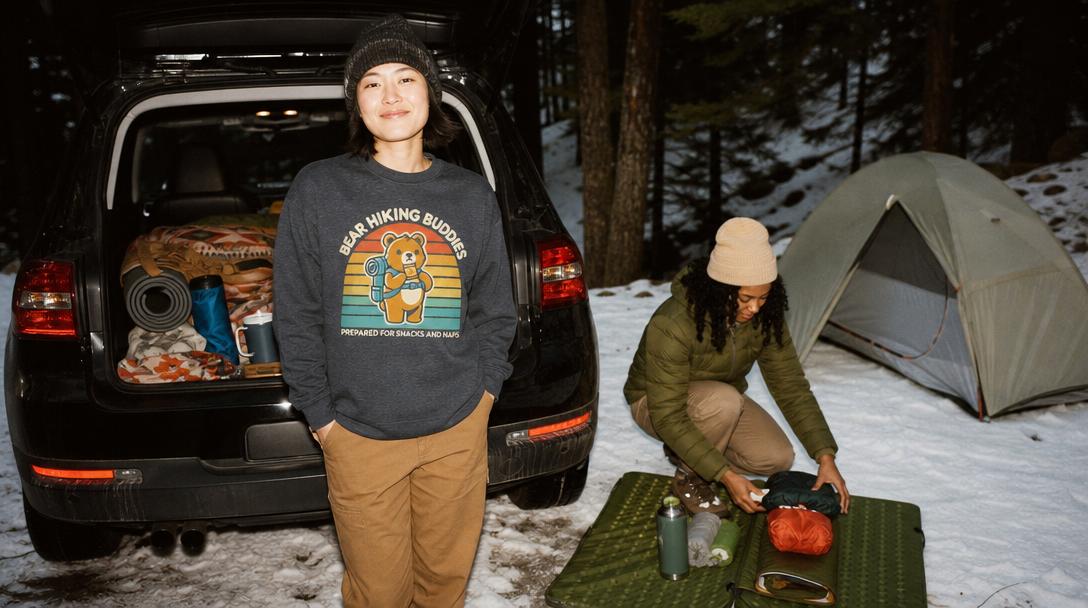
A warmer night starts with site selection. You can have excellent gear and still be miserable if you pitch your tent in a wind tunnel or cold-air sink.
When temperatures drop, I look for:
- Wind protection from trees, boulders, or terrain
- Slightly elevated ground, not the lowest spot in a valley
- Safe overhead conditions with no dead branches or unstable trees
- A flat tent platform
- Good drainage if snow or rain is possible
- A tent door that does not face the prevailing wind
Cold air settles in low spots overnight. That beautiful open meadow may become a refrigerator by 3 a.m. A slightly sheltered site can feel dramatically warmer.
If there is snow, pack it down into a flat platform and let it set before pitching your tent. In exposed conditions, a small snow wall can reduce wind. Just keep ventilation in mind and do not seal yourself into an icy little moisture cave.
For more comfort-focused setup ideas, check out these camp setup ideas.
How to Prevent Condensation in a Tent During Winter Camping
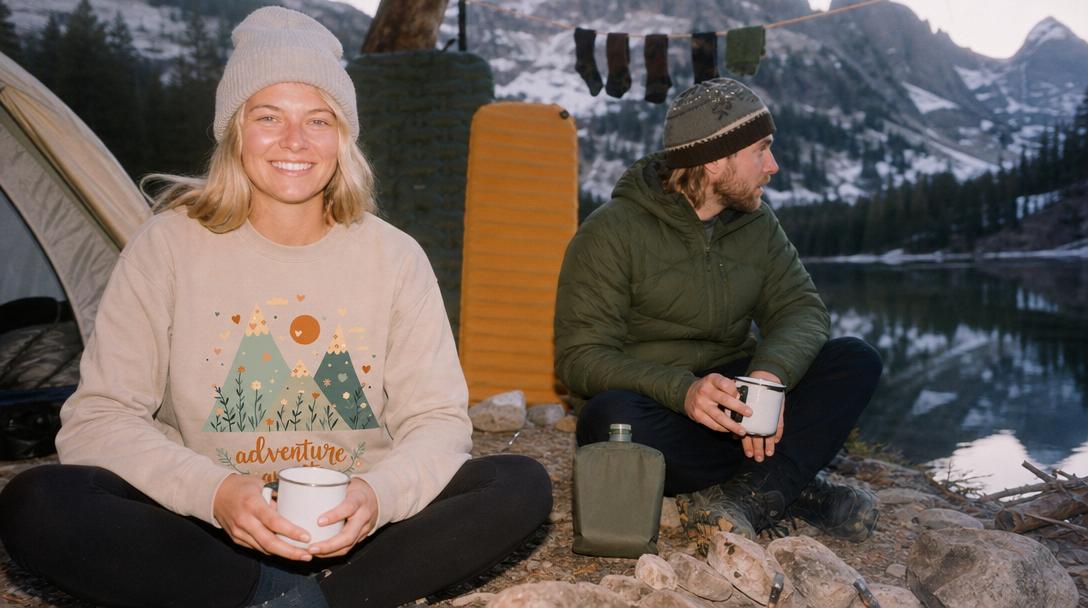
Learning how to prevent condensation in a tent during winter camping is huge, because moisture is the sneaky villain of cold nights.
You breathe warm, moist air. Your body releases moisture. Snowy boots, damp gloves, and wet jackets add even more. When that warm moisture hits cold tent fabric, it condenses. Later, it can drip, frost up, or dampen your sleeping bag.
To reduce condensation:
- Crack a vent or door, even when it is cold.
- Avoid breathing inside your sleeping bag.
- Keep wet gear away from your sleep system.
- Do not pitch right beside open water if you can avoid it.
- Use your tent’s vents correctly, especially high vents.
- Leave space between your face and the tent wall.
- Brush frost off before it melts onto your gear.
This feels counterintuitive, but ventilation helps you stay warmer. A sealed tent can become damp, and damp insulation loses warmth. I would rather have a little controlled airflow than wake up with a clammy bag.
Cold Weather Camping Tips for Beginners
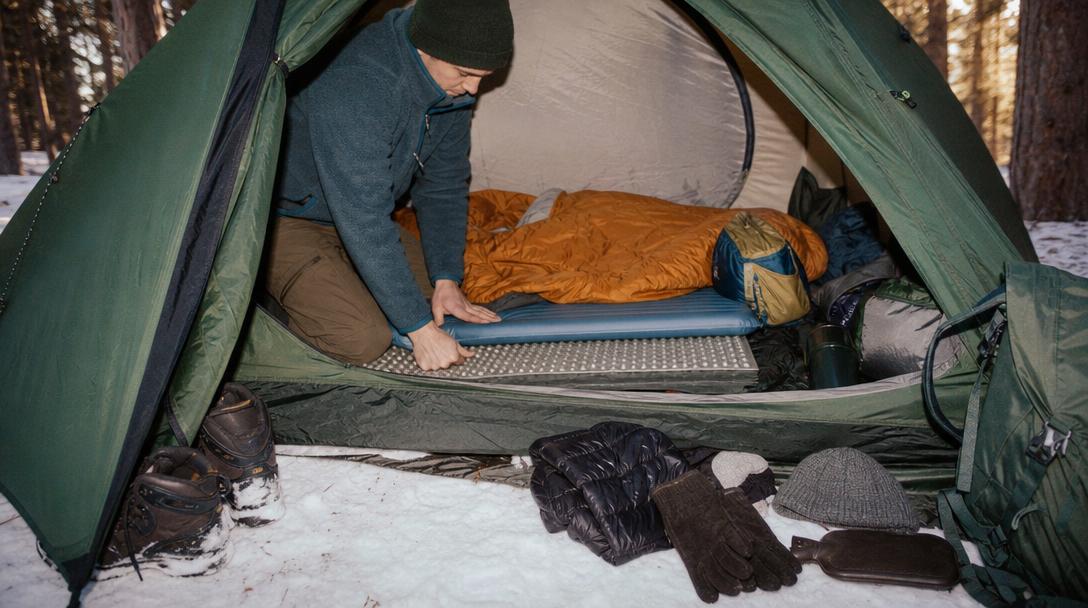
Cold weather camping tips for beginners should focus on preventing simple mistakes, not proving toughness. Comfort outside is usually less about being hardcore and more about doing the small things correctly.
Beginner mistakes that make nights colder
- Wearing cotton as a hiking or sleeping layer
- Going to bed in damp clothes
- Using a low R-value sleeping pad
- Camping in a windy, exposed site
- Eating too little before bed
- Sealing the tent completely and creating condensation
- Breathing into the sleeping bag
- Trusting the exact sleeping bag rating
- Forgetting extra batteries for a headlamp
Cotton deserves a quick clarification. Cotton can be great for casual camp life, road trips, and relaxing after the technical layers come off. It is not what you want against your skin for cold hiking or sleeping because it holds moisture. If you are planning the cozy, non-technical side of a camping weekend, Hike Tee’s 5 Billion Star Hotel Shirt or Adventure Awaits Shirt fits that campfire-and-coffee mood nicely. Just save cotton tees for dry, casual moments, not your winter sleep system.
If you are looking for low-key cold-day inspiration beyond camping, you might also like these things to do outside when it’s cold.
Final Trail Notes for Warmer Nights
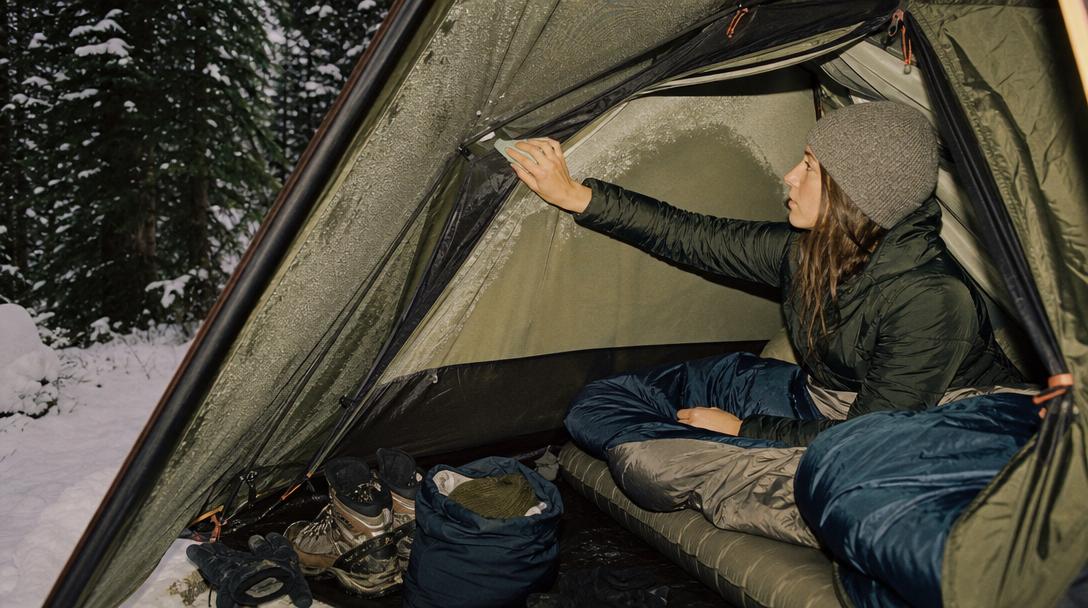
Cold-weather camping gets a lot more fun once you stop treating warmth like a toughness test. The goal is not to suffer beautifully under the stars. The goal is to sleep well enough that you wake up excited for coffee, sunrise, and whatever trail comes next.
If I could give one piece of advice from my coldest nights, it would be this: protect yourself from the ground and protect your layers from moisture. A warm bag helps, but a warm pad, dry clothes, a sheltered site, and a simple bedtime routine are what turn a freezing night from miserable to memorable.
Pack a little warmer than you think you need. Keep one dry layer sacred. Vent the tent even when your brain says not to. And if the forecast looks questionable, choose the campsite with the easy bail-out option. Future-you, sipping hot coffee instead of shivering into a headlamp, will be very grateful.


