


What Is a Sherpa Blanket? Outdoor Cozy Guide
Dominic PalmowskiWhat is a sherpa blanket? It is the fluffy, curl-pile blanket that turns a chilly couch, cabin, van, or patio into instant cozy mode. A sherpa blanket is a soft, plush blanket made with a curly, high-pile fabric—usually synthetic polyester fleece—designed to look and feel like sheep’s wool without actually being wool. It is cozy, fluffy, and excellent for couches, cabins, car camping, van life, chilly patios, and post-hike recovery.
Sherpa gets confusing because people use the word in a few different ways: as a fabric, as a lining, as a blanket style, and sometimes as a stand-in for anything fuzzy. But if you are shopping for a sherpa blanket, especially one for outdoor use, the details matter: material, backing, water resistance, packed size, washability, and whether it belongs near a campfire. Spoiler: keep it away from sparks, friend.
| Material | Price | Best For | Warmth + Outdoor Notes |
|---|---|---|---|
| Sherpa fleece | $$ | Couch comfort, car camping, van life, chilly cabins | Very plush and warm in dry conditions; bulky and not usually waterproof |
| Smooth fleece blanket | $–$$ | Picnics, layering, budget camping | Lighter, dries faster, packs smaller; usually less plush than sherpa |
| Wool blanket | $$$ | Damp cold, campfire-adjacent use, rugged trips | Insulates when damp and resists sparks better than synthetics; heavier and pricier |
| Down or puffy camping blanket | $$$–$$$$ | Backpacking, lightweight camping | Best warmth-to-weight and compressibility; needs protection from moisture |
| Waterproof-backed outdoor blanket | $$–$$$$ | Wet grass, sidelines, tailgates, dog-friendly adventures | Backing helps block moisture from below; sherpa side may still absorb water |
In This Article
- What Is a Sherpa Blanket?
- Is Sherpa the Same as Wool?
- Are Sherpa Blankets Warm?
- Sherpa vs Fleece Blanket: Which One Should You Choose?
- Is a Sherpa Blanket Good for Camping, Van Life, and Outdoor Use?
- Is a Sherpa Blanket Safe Around a Campfire?
- Buying Checklist: How to Choose the Best Sherpa Blanket for Camping
- Frequently Asked Questions
- The Cozy Bottom Line
What Is a Sherpa Blanket?
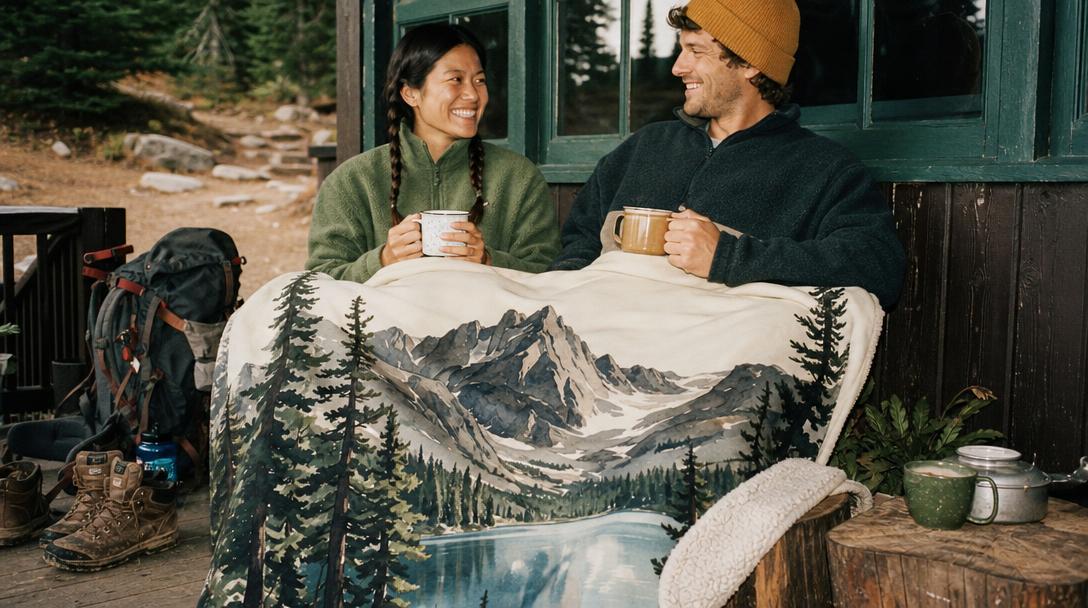
A sherpa blanket is a blanket made with sherpa fleece: a thick, fuzzy pile fabric that mimics the look of wool shearling. Most sherpa blankets are polyester, not real wool, and they stay warm by trapping air in the raised fibers. Many have sherpa on one side and smooth fleece, microfiber, or woven fabric on the other.
Think of sherpa as the fluffy side of the blanket world. It is the side you instinctively rub between your fingers in a store aisle while pretending you are just browsing. Hike Tee’s park-inspired options, like the Glacier Lake McDonald Sherpa Blanket, lean into that casual cabin-and-couch comfort rather than technical backpacking performance.
Most modern sherpa fabric is:
- Synthetic, usually polyester
- High-pile, meaning the fibers stand up from the base fabric
- Curly or nubby, giving it that lambswool-like texture
- Soft and insulating, because the loft traps warm air
- Machine washable, depending on the care label
According to fabric references such as Seamwork, sherpa is typically a fluffy knit fabric with a sheep-like pile on one side and a smoother knit backing on the other. Team Sunday’s fabric glossary similarly describes sherpa fleece as a deep-pile knit fabric, usually polyester, designed to imitate shearling.
That distinction is important: sherpa is usually a look and construction, not a guarantee of natural fiber content.
Is Sherpa the Same as Wool?
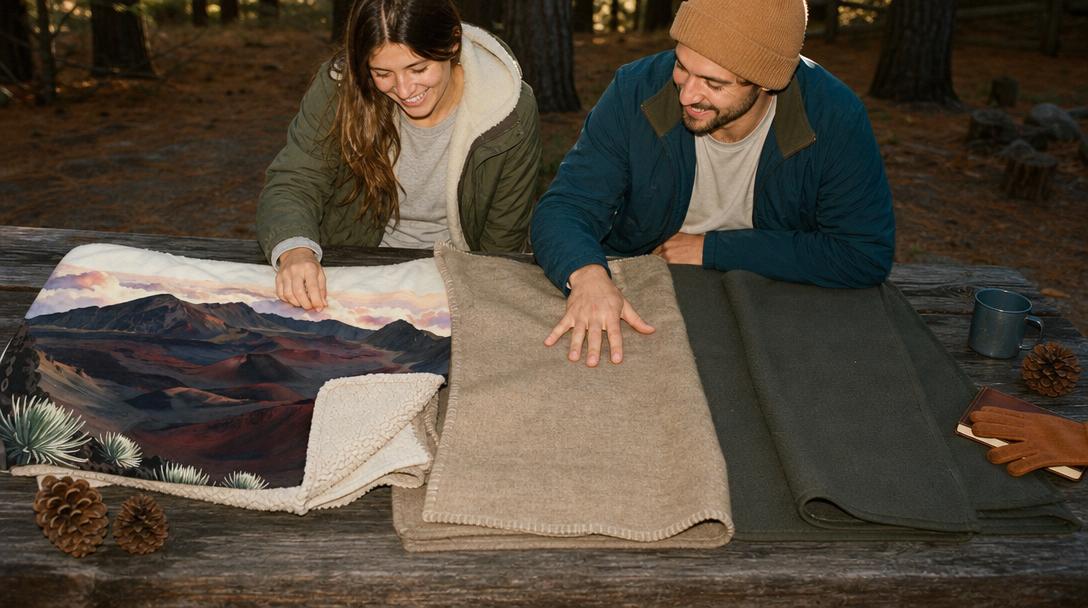
Sherpa is not the same as wool. Wool comes from animals, usually sheep, while sherpa fleece is most often made from synthetic polyester fibers shaped into a fluffy pile. Sherpa imitates wool’s cozy texture, but it does not naturally share wool’s moisture management, odor resistance, breathability, or spark resistance.
This is where shoppers can get led off-trail.
A wool blanket is made from natural animal fiber. Wool has a scaly fiber structure that helps it trap warmth, manage moisture, and resist odors. It can continue insulating when damp better than many synthetic fabrics, which is one reason wool has been used outdoors for ages.
A sherpa fleece blanket, on the other hand, is usually polyester. It can feel incredibly warm and soft, but it behaves like a synthetic fabric:
- It can melt near high heat.
- It may build static.
- It can shed or pill over time.
- It usually dries faster than wool once washed, but the thick pile can hold moisture.
- It does not automatically resist sparks the way wool often does.
That does not make sherpa bad. It just means you should buy it for the right job. Sherpa is wonderful for softness, comfort, and casual warmth. Wool is better when you need rugged damp-weather performance or safer campfire-adjacent use.
Are Sherpa Blankets Warm?
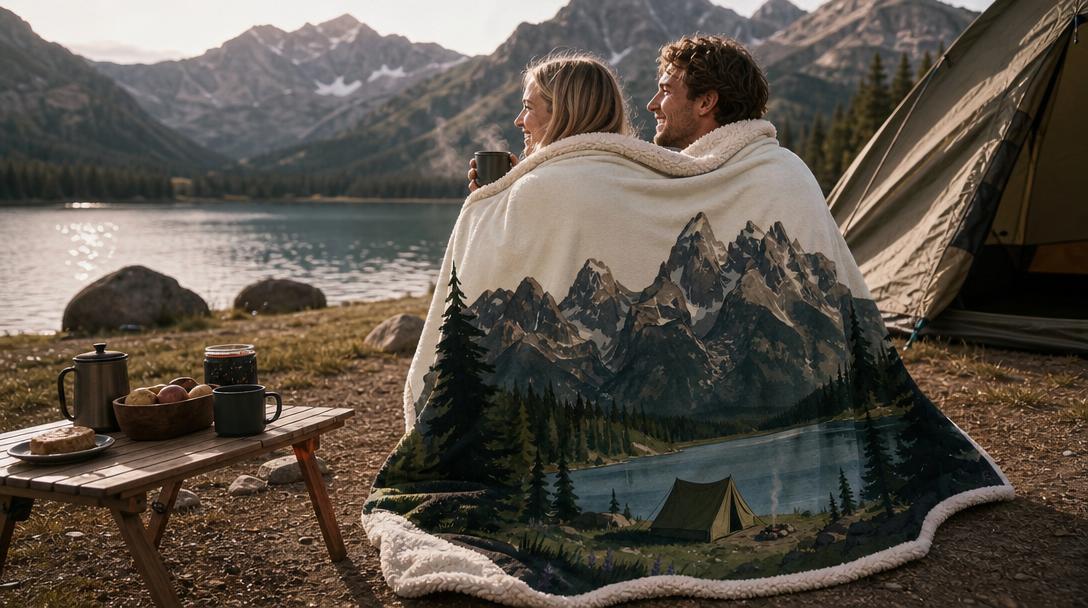
Yes, sherpa blankets are warm because their fluffy pile traps pockets of air close to your body. A thicker sherpa blanket can feel much warmer than a thin fleece throw, especially indoors or in still air. Outdoors, warmth depends on wind, moisture, backing fabric, blanket weight, and whether it has insulation or weather-resistant layers.
Sherpa excels at perceived warmth—that instant cozy feeling when the fuzzy side touches your skin. It is not just your imagination. Loft traps air, and trapped air slows heat loss.
But warmth is not one single thing. For outdoor use, you are balancing:
- Loft: How much fluffy air-trapping structure it has
- Weight: Heavier often feels warmer but becomes harder to pack
- Wind resistance: Sherpa pile alone does not block wind well
- Moisture resistance: Wet fibers lose comfort and insulation
- Coverage: A larger blanket traps more heat around your body
- Backing: Nylon, canvas, or tightly woven shells perform better outside than all-soft indoor throws
Outdoor Life notes that camping blankets vary widely by material, including fleece, wool, down, and synthetic insulation. In broad terms, fleece offers moderate warmth-to-weight and can repel a little water before saturation, while down tends to win on warmth-to-weight but struggles when wet unless protected. If you are building a full cold-season sleep setup, pair blanket research with Hike Tee’s cold weather camping tips.
So, is a sherpa blanket warm? Absolutely. Is it the warmest possible camping blanket by weight? Usually not.
Sherpa vs Fleece Blanket: Which One Should You Choose?
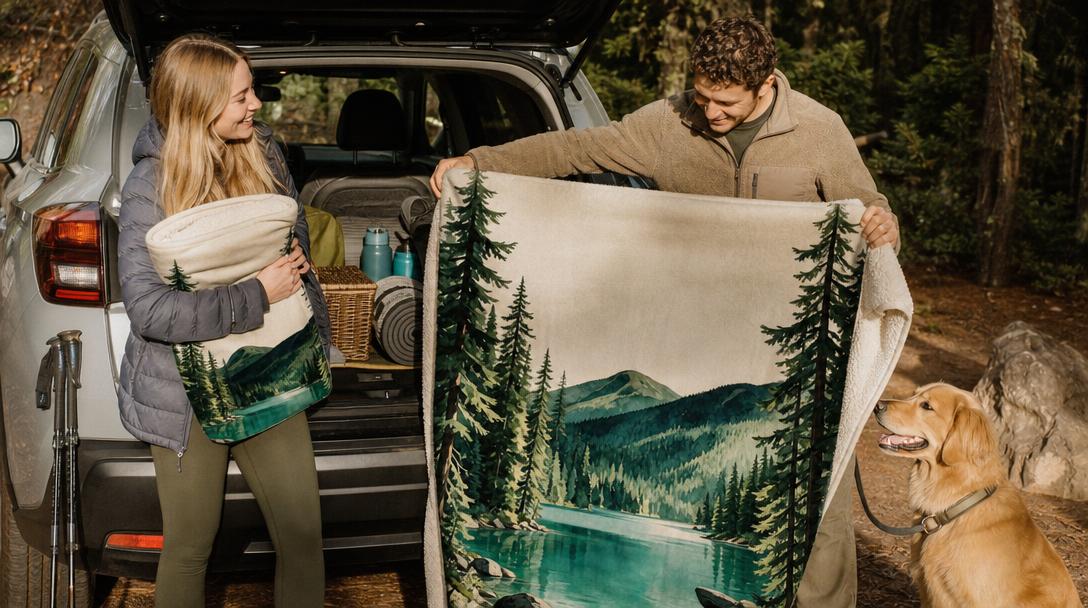
Choose sherpa when softness and cozy warmth matter most; choose regular fleece when you want something lighter, faster-drying, and easier to pack. A sherpa fleece blanket feels warmer and plusher in dry, casual settings, while a standard fleece blanket is often more practical for travel, layering, and quick outdoor use.
This is the classic cozy-versus-packable decision.
A regular fleece blanket is usually better for:
- Day hikes where you want a sit pad or emergency layer
- Kids’ sports sidelines
- Picnics
- Budget camping
- Keeping in the car
- Faster washing and drying
A sherpa blanket is usually better for:
- Movie nights after a hike
- Cabin weekends
- Car camping
- Van life
- Tent lounging
- Cold mornings with coffee
- Anyone who says they are not cold while clearly becoming a human icicle
For a cozy camp or cabin layer with national park style, the Grand Teton Lake Campsite Sherpa Blanket is the kind of sherpa blanket that makes sense for dry, relaxed outdoor lounging.
Is a Sherpa Blanket Good for Camping, Van Life, and Outdoor Use?
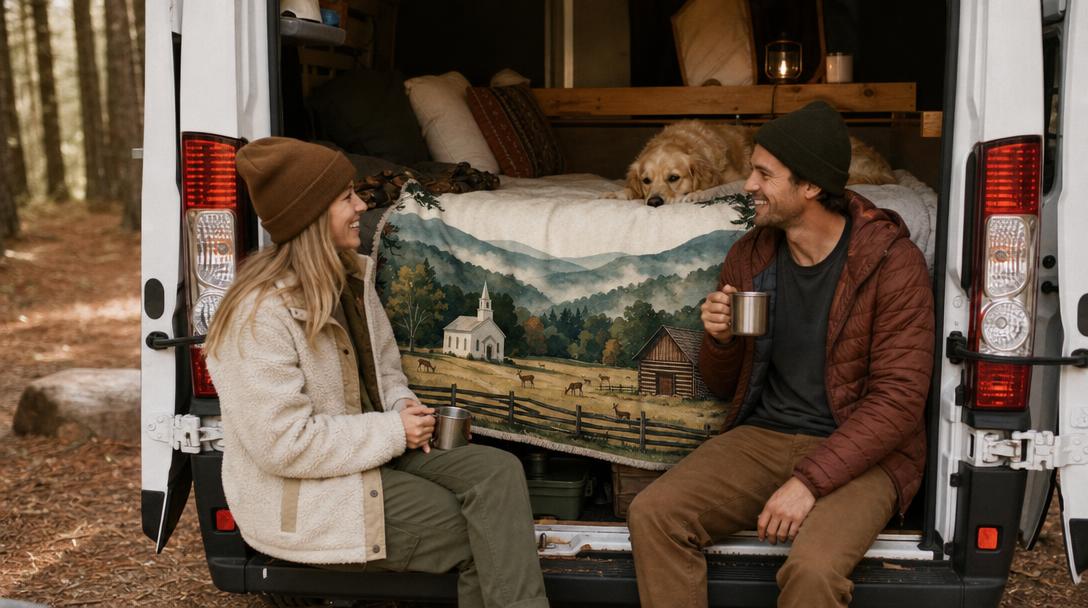
A sherpa blanket is good for camping, van life, picnics, tailgates, and outdoor lounging when conditions are mostly dry and you are not carrying it far. It is less ideal for backpacking, heavy rain, wet ground, or sitting close to a campfire because sherpa is bulky, moisture-sensitive, and usually synthetic.
The best use cases are comfort-forward outdoor adventures.
A camping blanket with sherpa works especially well for:
- Car camping: Bulk matters less when your car does the carrying.
- Van life: Great as a bed layer, seat cover, or cold-morning wrap.
- Cabins and RVs: Adds warmth without needing technical gear.
- Picnics: Cozy on top, especially if paired with a durable backing.
- Stargazing: Perfect for bundling up while pretending you know constellations.
- Outdoor concerts or tailgates: Warm, casual, and easy to share.
A sherpa blanket is not the best choice for:
- Long backpacking trips
- Rainy trips without shelter
- Direct ground use on wet grass unless it has a waterproof backing
- Close campfire seating
- Emergency warmth where pack size matters
For a sherpa blanket for van life, look for something washable, durable, and not too precious. Van blankets deal with condensation, dog hair, crumbs, pine needles, and that mysterious dust that appears five minutes after you clean.
For the best sherpa blanket for camping, focus less on fluff alone and more on the whole build: outer fabric, backing, size, stitching, washability, and packed volume. If your trip forecast looks soggy, use this blanket guide alongside Hike Tee’s practical tips for camping in the rain.
Is a Sherpa Blanket Safe Around a Campfire?
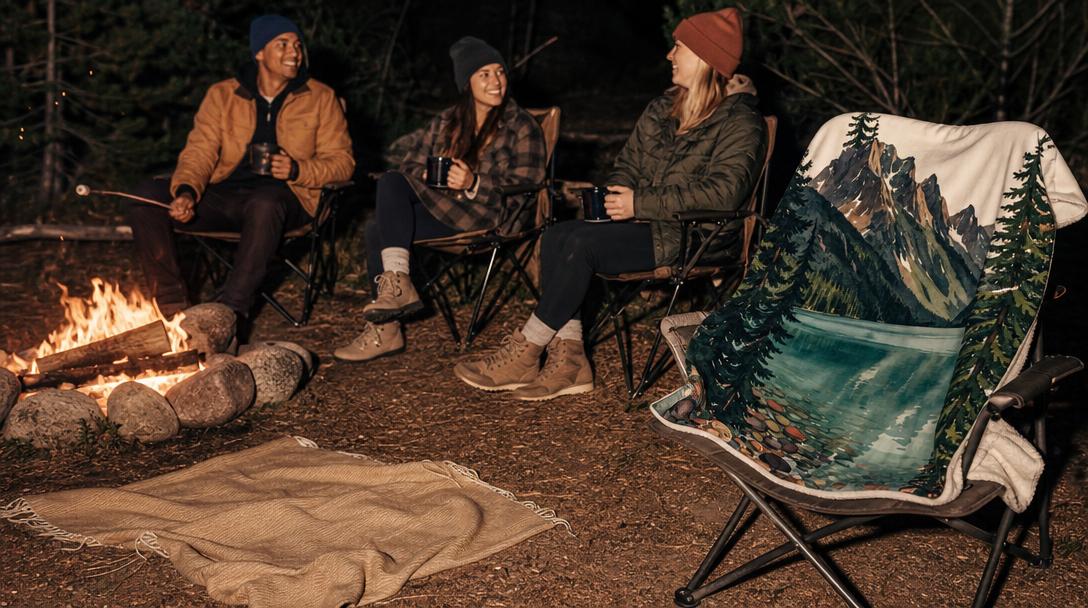
A sherpa blanket should be kept well away from campfires, stoves, grills, lanterns, and sparks. Most sherpa is polyester, which can melt, shrink, or ignite when exposed to high heat. Wool is generally safer near sparks, but no blanket should be treated as fireproof.
This is the part where we lovingly ruin the campfire aesthetic.
A fluffy sherpa blanket near a crackling fire sounds dreamy. But synthetic fleece and sparks are not trail buddies. Polyester can melt into hard, hot spots when exposed to embers. Even if it does not burst into flame, the fabric can be damaged quickly.
Fire safety tips:
- Keep sherpa several feet away from open flames.
- Do not wear it like a cape while cooking over a stove.
- Do not drape it over heaters in vans, cabins, or RVs.
- Watch for floating embers on windy nights.
- Use wool if you need a blanket closer to a fire—but still keep distance.
- Inspect for melted spots after outdoor use.
If your campfire throws sparks like an overexcited raccoon with a sparkler, move the sherpa blanket back.
Buying Checklist: How to Choose the Best Sherpa Blanket for Camping
The best sherpa blanket for camping is warm, washable, appropriately sized, and built with a backing that matches your plans. For camping, van life, and picnics, prioritize water-resistant or waterproof backing, durable stitching, manageable packed size, and clear care instructions over fluffiness alone.
Before buying, check these features.
1. Material
Look for actual fiber content. Sherpa alone does not tell you enough.
Good signs:
- Clear fiber label
- Polyester or recycled polyester for easy care
- Wool blend only if specifically stated
- No vague premium plush claims without details
2. Backing
The backing determines outdoor usefulness.
Common options:
- Sherpa + fleece: softest, best indoors or dry camping
- Sherpa + microfiber: cozy, often decorative
- Sherpa + woven polyester or nylon: better for outdoor use
- Sherpa + waterproof backing: best for damp grass and picnics
3. Size
Bigger is warmer and better for sharing, but harder to pack.
Useful sizes:
- Throw size: couch, car, single-person use
- Twin or full size: camping cot or van bed
- Oversized: couples, families, tailgates, dogs who believe all blankets are theirs
For a scenic throw-style option, the Olympic Lake Crescent Sherpa Blanket works best as a cozy dry-weather layer for patios, vans, cabins, and relaxed camp setups.
4. Weight and Packed Size
If you are walking more than a short distance, packability matters. A packable sherpa blanket for camping should include a stuff sack or straps and compress reasonably well. If it does not list packed dimensions, assume it is better for car camping than hiking.
5. Moisture Protection
If you want the warmest sherpa blanket for outdoor use, do not just choose the thickest one. Choose one that stays dry. Wet fluff is not warm fluff.
Look for:
- Water-resistant shell
- Waterproof backing
- Coated underside
- Durable edge stitching
- Fast-drying materials
6. Washability
Outdoor blankets get dirty. That is their destiny.
Choose machine-washable options when possible, especially for:
- Kids
- Dogs
- Sand
- Camp cooking
- Mud season
- Pine needles that somehow enter another dimension inside the fabric
7. Safety
If you camp near fire often, consider wool or a technical camp blanket instead. Sherpa is best as a warmth layer away from flames.
Frequently Asked Questions
Are sherpa blankets warm?
Yes, sherpa blankets are warm because the fluffy pile traps air close to your body. They are especially cozy indoors, in cars, in vans, and during dry-weather camping. For wet or windy conditions, a sherpa blanket works best with a weather-resistant backing or another protective layer.
Which is better, a comforter or a blanket?
A comforter is usually better for a bed because it has lofted fill and broad coverage, while a blanket is more versatile for couches, camping, layering, and travel. A sherpa blanket is easier to move around than most comforters, making it useful for car camping, van life, and outdoor lounging.
Is sherpa the same as wool?
No, sherpa is not the same as wool. Most sherpa fleece is synthetic polyester designed to imitate the look of wool shearling. Wool is a natural animal fiber with different moisture, odor, heat, and flame-resistance properties.
What is sherpa fleece?
Sherpa fleece is a plush, high-pile fleece fabric that looks like curly sheep’s wool. It is usually made from polyester and used in blankets, jackets, hoodies, linings, and cold-weather accessories. A sherpa fleece blanket feels fluffy and warm but is typically bulkier than a smooth fleece blanket.
Can sherpa be 100% cotton?
Yes, sherpa can be made from cotton, but most sherpa blankets are polyester or polyester blends. If you specifically want 100% cotton sherpa, check the product’s fiber label carefully. For outdoor use, cotton can hold moisture longer than synthetic fleece or wool.
What is the best sherpa blanket for camping?
The best sherpa blanket for camping has a warm sherpa side, durable stitching, machine-washable fabric, and a water-resistant or waterproof backing if you will use it on grass or outside the tent. For backpacking, choose a lighter down or synthetic camping blanket instead, because sherpa is usually bulky.
The Cozy Bottom Line
A sherpa blanket is a plush, usually polyester fleece blanket made to mimic the soft, curly texture of wool. It is warm, cuddly, and excellent for dry-weather comfort—especially car camping, van life, cabin weekends, patios, picnics, and post-hike couch recovery.
The key takeaways:
- Sherpa is usually synthetic fleece, not real wool.
- It feels warm because the fluffy pile traps air.
- It is cozier but bulkier than a regular fleece blanket.
- It is not automatically waterproof or water-resistant.
- It is not ideal for backpacking because of packed size.
- It should be kept away from campfires and high heat.
- Outdoor versions are best when they include durable or waterproof backing.
If your goal is maximum trail efficiency, sherpa probably is not your ultralight hero. If your goal is to sit under the stars wrapped in something soft enough to make a tired hiker emotionally attached to fabric, a sherpa blanket makes a very strong case for itself. Just keep it dry, wash it gently, and give it a safe distance from the fire—your cozy little campsite cocoon deserves better than spark holes.


