


Best National Parks to Visit in Winter
Dominic PalmowskiThe best national parks to visit in winter give you the rarest park perk of all: room to breathe. Think cooler hikes, open-ish roads, and January–February crowds that drop from “where did all these Subarus come from?” to “wait… is this viewpoint just for us?”
Winter can be a sneaky-great national park season. According to National Park Service visitation data compiled by several park crowd calendars, January and February are consistently among the quietest months across U.S. national parks, with far fewer visits than summer peaks. That means easier parking, calmer trails, cheaper nearby lodging, better campground odds, and fewer strangers photobombing your “majestic wilderness goblin” moment.
Here’s the crowd-focused shortlist—built around winter access, hiking options, family-friendliness, van-life logistics, and whether the park is actually enjoyable when your water bottle gets crunchy.
| Park | Landscape | Entrance Fee | Best For |
|---|---|---|---|
| Death Valley National Park | Desert basins, dunes, salt flats, badlands | $30/vehicle | Warm winter hiking, van lifers, sunrise chasers |
| Joshua Tree National Park | Boulders, desert trails, Joshua trees | $30/vehicle | Families, campers, beginner-friendly exploring |
| Zion National Park | Red rock canyon, river walks, sandstone cliffs | $35/vehicle | Iconic scenery with fewer crowds |
| Grand Canyon National Park — South Rim | Canyon overlooks, forested rim, snowy views | $35/vehicle | First-timers, families, photographers |
| Bryce Canyon National Park | Snowy hoodoos, high-elevation amphitheaters | $35/vehicle | Snow hikers, photographers, quiet winter magic |
| Great Smoky Mountains National Park | Forest, waterfalls, misty mountains | Free | East Coast road trips, families, low-cost trips |
| Big Bend National Park | Desert, river canyons, mountain trails | $30/vehicle | Remote hiking, stargazing, solitude |
How We Picked the Best National Parks to Visit in Winter Without the Crowds
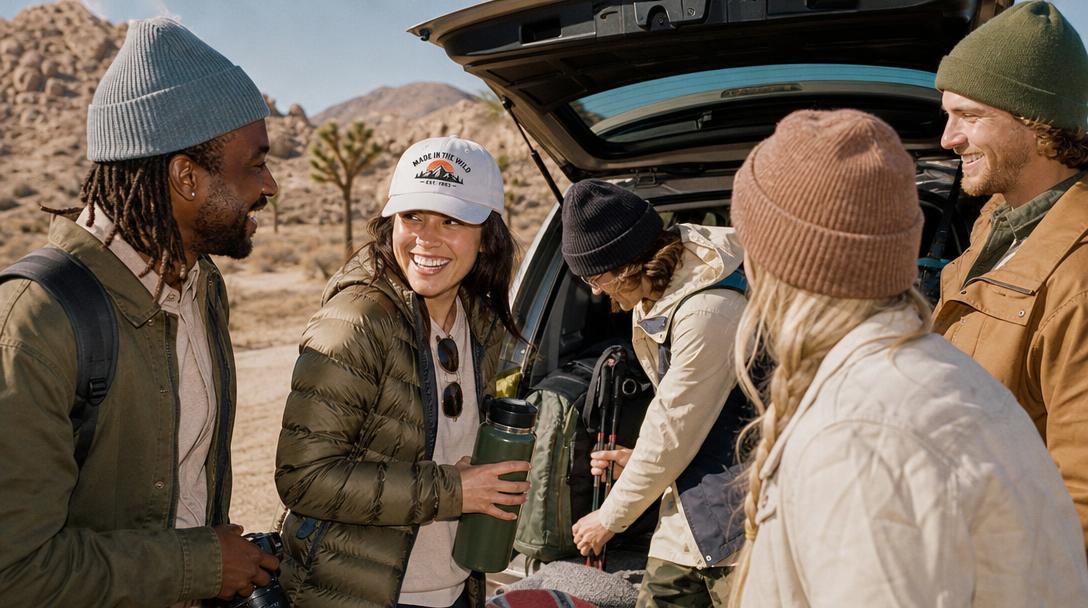
The best national parks to visit in winter without the crowds combine low winter visitation, reliable access, worthwhile trails, manageable weather, and enough nearby services that your “peaceful getaway” doesn’t become a survival documentary starring you and a gas station burrito.
Most winter park lists simply say “go here, it’s pretty.” True! But “pretty” is not enough when roads close, campgrounds reduce services, and daylight disappears faster than trail mix with M&Ms. If you’re building a bigger park itinerary, Hike Tee’s U.S. National Parks road trip planning guide is a helpful next stop for routing and timing.
This ranking uses four practical filters:
- Crowd drop: Parks where December–February visitation is meaningfully lower than peak season.
- Winter access: Roads, entrances, and key areas are typically open or at least predictable.
- Trail value: You can do memorable hikes without specialized mountaineering skills.
- Trip logistics: Nearby lodging, camping, groceries, fuel, and alternate plans are realistic.
A quick winter crowd rule:
January is usually the quietest month, February is close behind, and December is quieter than summer but can spike around Christmas and New Year’s. If you’re planning “Christmas national parks” travel, aim for the first two weeks of December or the second week of January for the best mix of festive scenery and elbow room.
What Are the 7 Best National Parks to Visit in Winter?
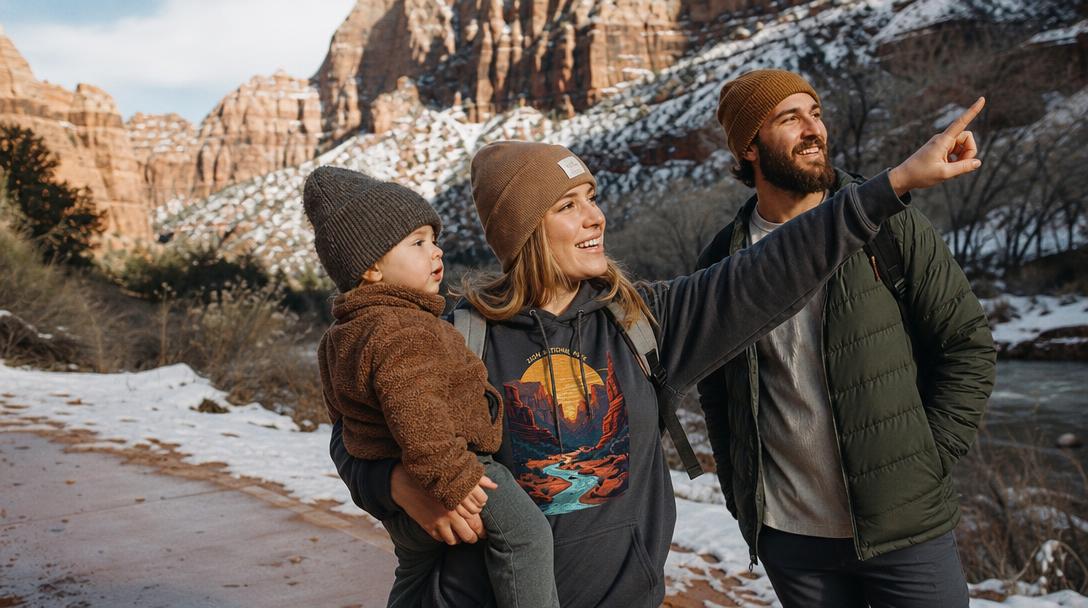
The 7 best national parks to visit in winter are Death Valley, Joshua Tree, Zion, Grand Canyon South Rim, Bryce Canyon, Great Smoky Mountains, and Big Bend. They offer the strongest mix of lower crowds, winter-friendly access, scenic hikes, camping options, and weather that ranges from mild desert days to snowy-but-stunning canyon views.
1. Death Valley National Park, California/Nevada
Death Valley is one of the best warm national parks to visit in winter because winter flips the whole park from “absolutely not, I enjoy being alive” to “wow, this is perfect hiking weather.”
Summer temperatures can be dangerous here, but winter daytime highs often feel comfortable in the lower elevations. According to the National Park Service, Death Valley is the hottest and driest national park, which is exactly why cooler months are prime time.
Best winter experiences:
- Badwater Basin: Walk on salt flats below sea level.
- Zabriskie Point: Sunrise here is almost unfairly beautiful.
- Mesquite Flat Sand Dunes: Great for families and photographers.
- Golden Canyon to Red Cathedral: A moderate hike with big payoff.
- Dante’s View: Sweeping overlook, but colder and windier due to elevation.
Crowd tip: February can get busier around holiday weekends and wildflower buzz if rains have been good. For the quietest version, try early December or mid-January.
Van-life and camping notes:
- Furnace Creek is the most developed area for services.
- Campgrounds are more appealing in winter than summer, so reservations still matter.
- Don’t assume you can sleep anywhere in your vehicle. Overnight parking is generally limited to campgrounds or legal dispersed camping outside park boundaries.
2. Joshua Tree National Park, California
Joshua Tree is one of the best national parks in winter for people who want desert scenery, short hikes, funky nearby towns, and a trip that doesn’t require snow chains or heroic suffering.
Winter days are often cool and pleasant, while nights can get genuinely cold. This is desert logic: sun hoodie at noon, puffy jacket after dinner, questioning your life choices at 3 a.m.
Best winter hikes and stops:
- Hidden Valley Trail: Easy 1-mile loop, great for families.
- Barker Dam: Short trail with rock formations and occasional water.
- Ryan Mountain: Moderate climb with big views.
- Skull Rock: Fun quick stop, especially with kids.
- Cholla Cactus Garden: Best at sunrise or golden hour.
Crowd tip: Joshua Tree is popular on winter weekends because it’s close to Los Angeles, San Diego, and Palm Springs. Go midweek if you want the “least crowded national parks in winter” feeling.
Camping notes:
- Winter camping is in demand, especially around holidays.
- Book early where reservations are available.
- Nearby towns like Joshua Tree, Yucca Valley, and Twentynine Palms offer lodging if campgrounds fill.
3. Zion National Park, Utah
Zion in winter is a gift to anyone who has ever stared at summer shuttle lines and whispered, “I just wanted to look at rocks in peace.”
According to the National Park Service, Zion’s lower elevations often lose snow quickly after storms, while higher elevations can stay icy. Roads are generally maintained, but winter weather can still cause temporary closures. The NPS also warns that icy trails and falling ice can affect routes, so traction devices are smart. For more detail on layers and desert-canyon conditions, see Hike Tee’s guide to what to wear in Zion National Park.
Best winter hikes:
- Riverside Walk: Easy, scenic, and family-friendly.
- Pa’rus Trail: Paved path with canyon views.
- Watchman Trail: Moderate and excellent in cooler weather.
- Canyon Overlook Trail: Short but exposed in places; skip if icy.
- Emerald Pools: Beautiful, but watch for ice in shaded sections.
Avoid underestimating Zion just because it’s in the desert. Angels Landing, the Narrows, and icy cliffside trails require serious conditions checks. The Narrows in winter means cold water, dry gear, and careful planning—not “oops, my sneakers are wet” energy.
If you’re the kind of person who loves a casual National Parks layer as a trip souvenir, the Zion National Park Hoodie fits the red-rock mood without pretending to be technical trail gear.
Is It Worth Going to Zion in Winter?
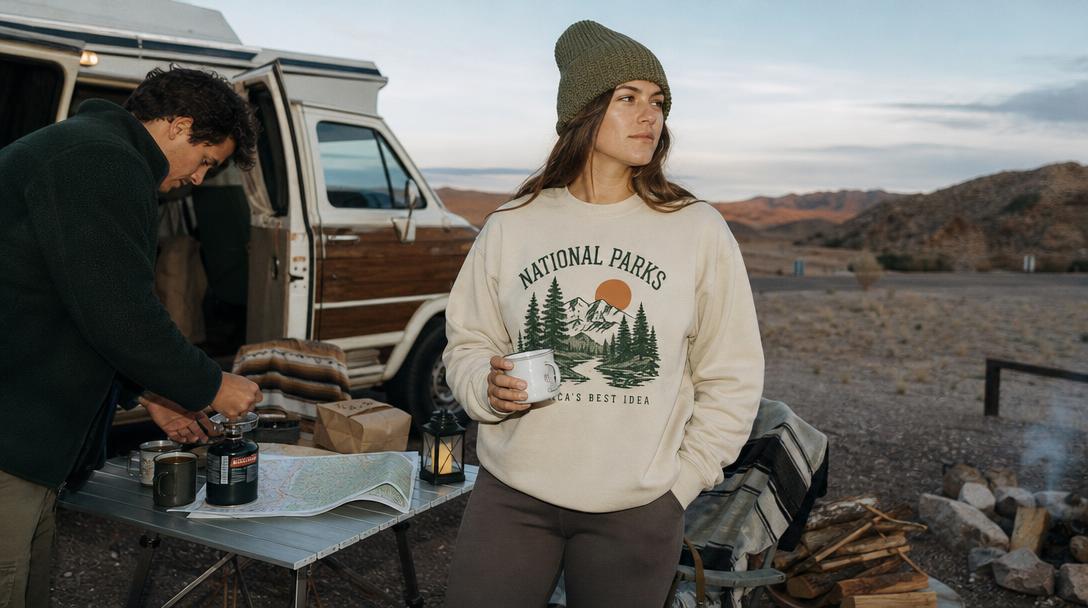
Yes, Zion is worth visiting in winter because the canyon is far quieter, the red rock scenery is still spectacular, and many lower-elevation trails remain accessible between storms. Winter also makes parking and viewpoints less chaotic, though hikers should check NPS conditions for ice, falling ice hazards, shuttle schedules, and road closures.
The biggest winter advantage is breathing room. Zion gets extremely busy in peak months, but winter lets you experience the canyon at a slower pace. You may even be able to drive Zion Canyon Scenic Drive when seasonal shuttle operations pause, though schedules vary and parking can still fill.
Winter is best for:
- Couples or families who want iconic views without peak-season crowds
- Hikers who prefer cool temperatures
- Photographers chasing snow-dusted red cliffs
- Road trippers combining Zion, Bryce, and Grand Canyon
Winter is not best for:
- People who want guaranteed access to every trail
- First-timers determined to hike the Narrows without renting proper cold-water gear
- Anyone unwilling to monitor changing conditions
Which Is Nicer, Zion or Bryce?
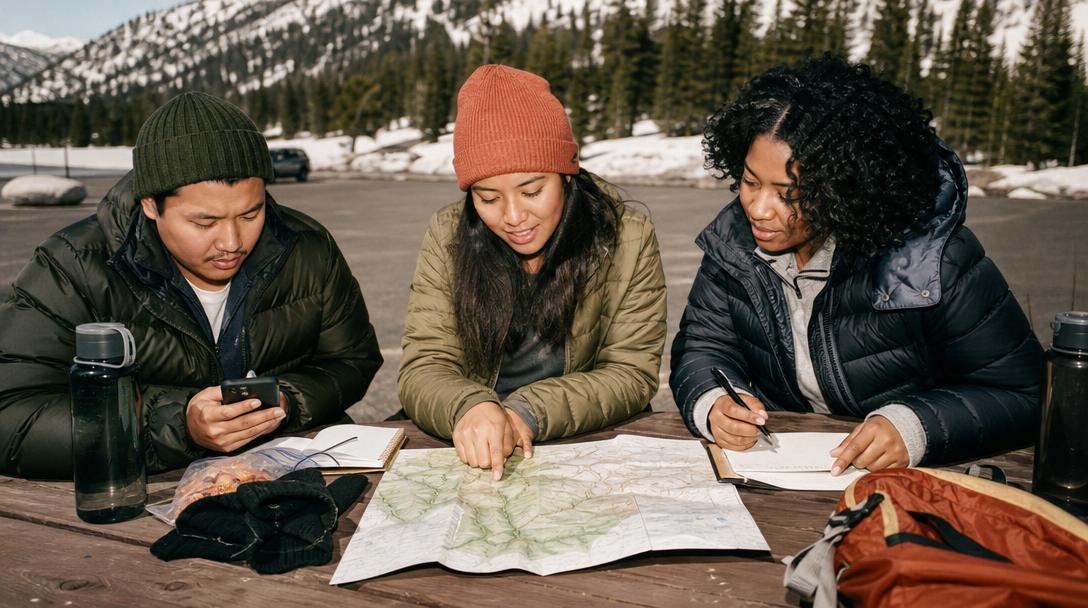
Zion is nicer in winter for warmer temperatures, canyon hiking, and easier lower-elevation access, while Bryce Canyon is nicer for snowy scenery, hoodoo views, and a quieter alpine feel. Choose Zion for comfortable hiking and dramatic cliffs; choose Bryce for magical winter photography and crisp snow-covered landscapes.
The better question is: what kind of winter trip do you want?
Choose Zion if you want:
- Milder weather
- More low-elevation hiking
- Iconic canyon walls
- Easier family trail options
- Better odds of dry trails between storms
Choose Bryce Canyon if you want:
- Snowy hoodoos
- Big sunrise views
- A true winter atmosphere
- Short scenic hikes
- Quieter overlooks
Bryce sits much higher than Zion, so it’s colder and snowier. That’s part of the charm—but it also means traction, warm layers, and road-condition checks matter more.
4. Bryce Canyon National Park, Utah
Bryce Canyon is one of the best national parks for winter hiking if you’re prepared for snow and ice. The orange hoodoos dusted in white look like nature got into powdered sugar and refused to apologize.
Best winter stops and hikes:
- Sunrise Point to Sunset Point: Short, scenic rim walk.
- Queen’s Garden/Navajo Loop: Often partially accessible, but conditions vary.
- Mossy Cave Trail: Short and usually less crowded.
- Bryce Amphitheater viewpoints: Easy scenic wins.
Winter safety note: Microspikes or traction devices are strongly recommended. Trails can be icy even when the parking lot looks manageable.
Crowd tip: February is a sweet spot—still snowy, often quiet, and with slightly more daylight than January.
5. Grand Canyon National Park — South Rim, Arizona
The South Rim is open year-round, while the North Rim closes to regular vehicle traffic in winter. That makes the South Rim one of the most reliable winter national parks for a classic bucket-list trip.
Winter brings cold temperatures, possible snow, and some of the clearest canyon views of the year. The crowds are dramatically lower than summer, especially away from holiday weeks.
Best winter experiences:
- Mather Point: Easy first view.
- Rim Trail: Customize distance; great for families.
- South Kaibab Trail to Ooh Aah Point: Short but steep; check ice.
- Desert View Drive: Weather permitting, excellent overlooks.
Do not casually hike to the river and back in winter unless you know exactly what you’re doing. Short rim and upper-canyon hikes are the better choice for most visitors. First-timers can also use Hike Tee’s Grand Canyon hiking guide to choose realistic routes before committing to a snowy descent.
6. Great Smoky Mountains National Park, Tennessee/North Carolina
Great Smoky Mountains is often America’s most visited national park, according to NPS visitation reports—but winter softens the crowds dramatically. It’s also one of the best low-cost winter trips because there’s no entrance fee.
Winter here is moody in the best way: bare forests, misty ridges, frozen waterfalls, and a cozy cabin culture just outside the park.
Best winter hikes and stops:
- Laurel Falls Trail: Popular but calmer in winter.
- Little River Trail: Gentle and peaceful.
- Porters Creek Trail: Good lower-elevation option.
- Newfound Gap: Beautiful, but can close due to snow and ice.
- Cades Cove: Wildlife viewing, though road schedules vary.
Logistics tip: Higher-elevation roads can temporarily close in winter. Stay flexible and build your day around lower-elevation trails if weather gets spicy.
7. Big Bend National Park, Texas
Big Bend is remote, rugged, and wonderfully uncrowded compared with many famous parks. Winter is one of the best times to visit because desert temperatures are much friendlier than summer.
Best winter hikes:
- Santa Elena Canyon Trail: Short and spectacular.
- Lost Mine Trail: Moderate mountain views.
- Window Trail: Classic desert hike.
- Boquillas Canyon Trail: Easy-to-moderate river canyon walk.
Big Bend is excellent for solitude, but don’t confuse “quiet” with “easy.” Services are far apart, cell coverage is limited, and you need to carry extra water even in winter.
Winter Camping and Van-Life Logistics: What to Know Before You Roll In
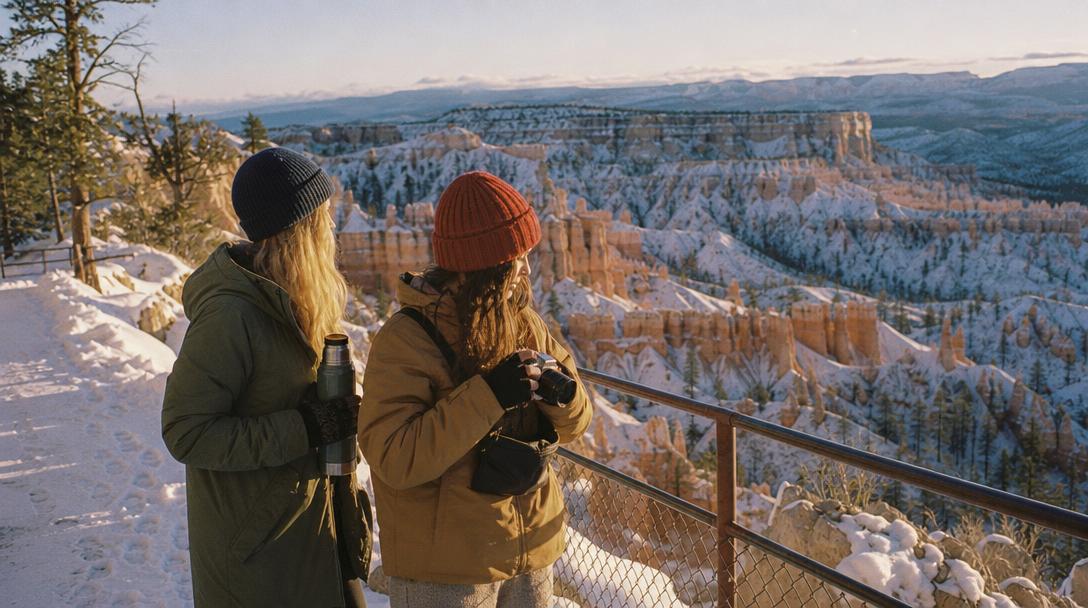
Winter camping near national parks can be amazing—quiet mornings, starry skies, and no summer tent sauna. But logistics matter more in winter.
Key rules and realities:
- You usually cannot sleep overnight in random parking lots inside national parks. Use designated campgrounds or legally permitted backcountry/dispersed areas.
- Services may be reduced. Visitor centers, dump stations, camp stores, water spigots, and shuttles may operate seasonally.
- Cell service is unreliable. Download maps before entering the park.
- Campgrounds can still fill. Warm winter parks like Death Valley and Joshua Tree are popular with campers.
- BLM and national forest land may offer legal dispersed camping nearby, but rules vary by location.
Good winter van-life picks:
- Death Valley: Big landscapes, warmer days, established campgrounds.
- Joshua Tree: Great camping culture, but book early.
- Big Bend: Remote and beautiful, but services are far apart.
- Grand Canyon South Rim: Cold but manageable with proper gear and nearby Tusayan services.
Less ideal for casual winter van camping:
- Bryce Canyon: Very cold, snow and ice common.
- Great Smoky Mountains: Damp cold, road closures possible, campground availability varies.
If your plan includes sleeping near the park, Hike Tee’s cold weather camping tips can help you stay warmer when the forecast looks rude.
Winter Hiking Safety Checklist
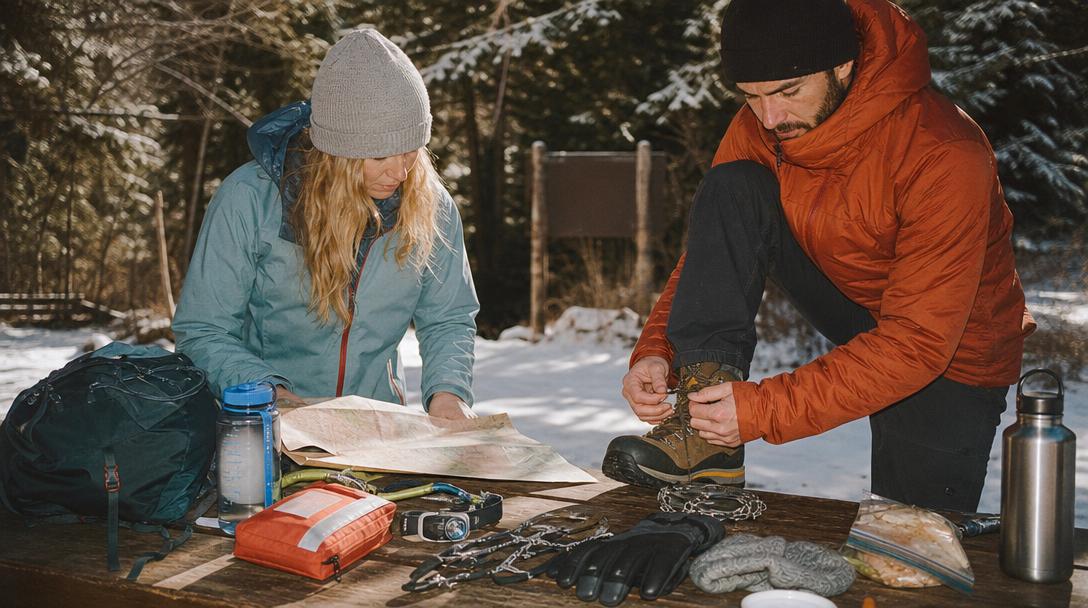
Winter doesn’t care that your itinerary is color-coded. Pack like conditions can change—because they can.
Bring:
- Insulating layers, including a warm hat and gloves
- Waterproof or water-resistant outer shell
- Microspikes or traction devices for icy trails
- Headlamp, even for short hikes
- Offline maps
- Extra food and water
- Emergency blanket
- First-aid kit
- Sunglasses and sunscreen
- Battery pack
- Tire chains if required or recommended for the region
Before every hike:
- Check the official NPS current conditions page.
- Ask a ranger about ice, closures, and turnaround points.
- Start earlier than you would in summer.
- Avoid exposed trails during active storms or high winds.
- Turn around before conditions get sketchy. The summit will not send you a thank-you note.


