


3-3-3 Rule for Camping: Beginner Guide
Dominic PalmowskiThe 3-3-3 rule for camping is a simple pacing guideline: travel no more than about 300 miles in a day, arrive at camp by 3 p.m., and stay for at least 3 nights when possible. It started mostly in the RV world, but it is wildly useful for tent campers, van lifers, families, and anyone who has ever tried to set up camp in the dark while hangry children circle like raccoons.
Camping is supposed to help us unplug, breathe deeper, and remember that trees are better than email. But without a few simple camping rules of thumb, a relaxing weekend outside can turn into a frantic blur of late arrivals, forgotten headlamps, mystery campground rules, and the dreaded midnight tent-stake trip hazard.
These camping rules are not all laws. Some are official regulations, depending on where you camp. Others are best-practice guidelines from outdoor ethics, RV communities, survival training, and seasoned campers who learned things the hard way so you do not have to.
Let’s break down the big ones: the 3-3-3 rule, the 200-foot rule, the 7 C’s of camping, the 2-2-2 and 4-4-4 RVing rules, and the classic rule of 3 for survival.
What Is the 3-3-3 Rule for Camping?
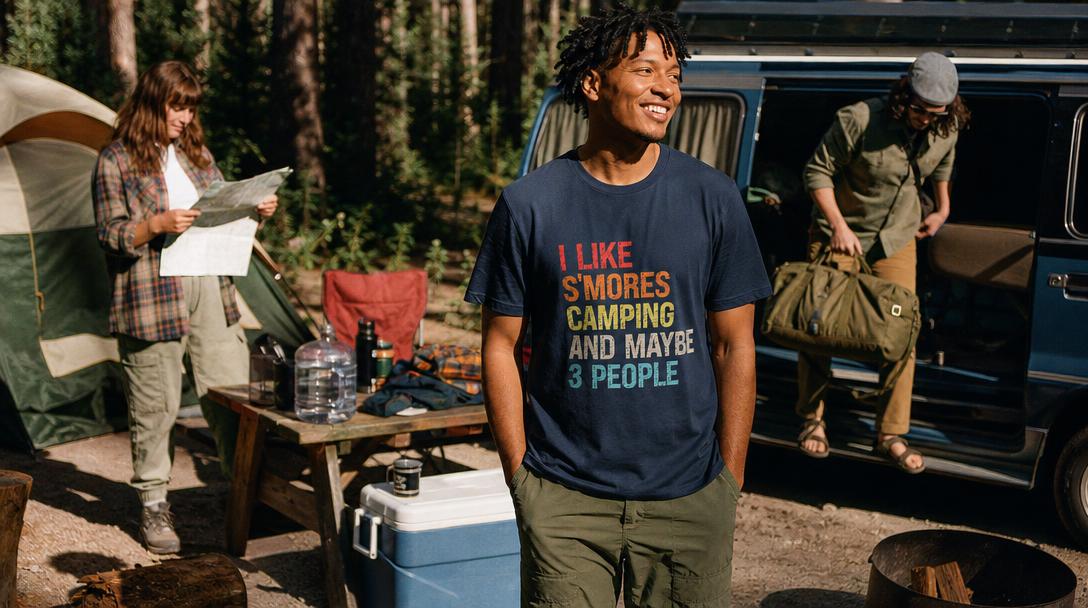
The 3-3-3 rule for camping means: drive no more than 300 miles in a day, arrive by 3 p.m., and stay at least 3 nights when possible. Some versions also say to stop every 3 hours for a rest break.
This rule is most commonly discussed for RV travel. RVshare, KOA, Cruise America, and other RV travel resources describe the 3-3-3 rule as a way to reduce fatigue, avoid rushed setup, and make road trips feel more like vacations instead of delivery routes with marshmallows.
There are a few versions online, so here is the honest breakdown:
| Version | What It Means | Best For |
|---|---|---|
| Classic 3-3-3 rule | Drive 300 miles max, arrive by 3 p.m., stay 3 nights | RV trips, van life, family camping |
| Safety-focused version | Drive 300 miles, stop every 3 hours, arrive by 3 p.m. | Long travel days, solo drivers |
| Flexible camping version | Keep travel short, arrive early, do not overpack the schedule | Tent campers, weekend trips, beginners |
The spirit is the same: less rushing, safer travel, better camping.
Why arriving by 3 p.m. matters
Arriving by midafternoon gives you daylight for all the little tasks that take longer than expected:
- Finding your site
- Leveling an RV or van
- Pitching a tent
- Hanging or storing food safely
- Locating bathrooms, water spigots, and trash areas
- Checking fire rules
- Cooking before everyone becomes feral
It also leaves time to fix problems. Forgot tent stakes? Site is muddy? Your easy pop-up canopy has 47 mysterious poles? Better to discover that at 3 p.m. than under a headlamp at 9:45.
The safety piece matters, too. The CDC notes that drowsy driving slows reaction time, reduces attention, and impairs decision-making. That is exactly the wrong combo when you are towing a trailer, driving mountain roads, or navigating an unfamiliar campground after dark.
How to Use the 3-3-3 Rule for Tent Camping, Van Life, and RV Trips
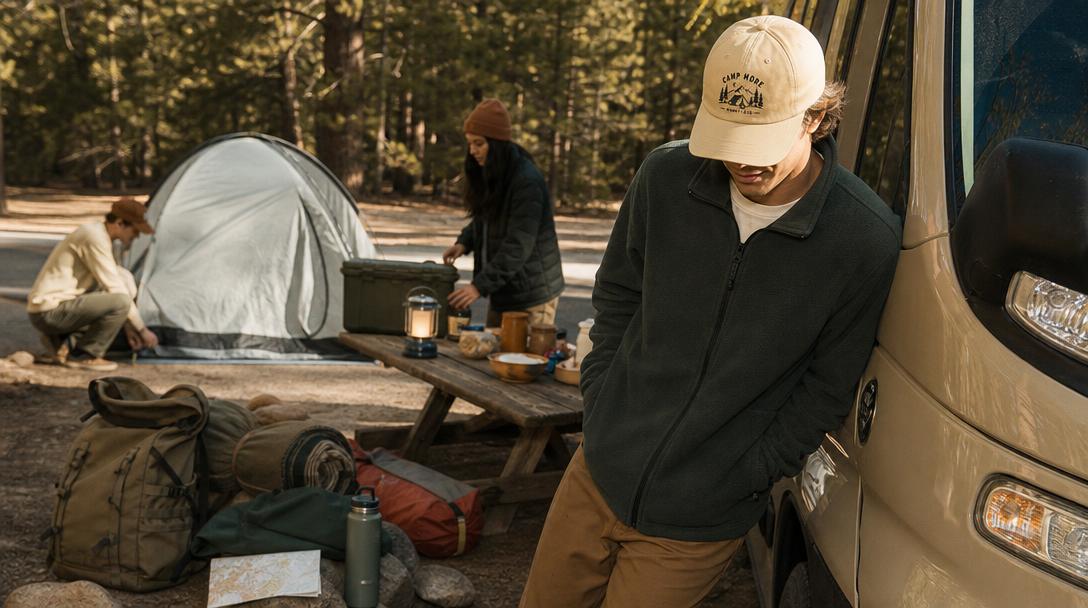
Most articles frame the 3-3-3 rule as RV-only, but it works beautifully for other camping styles if you translate it.
For tent camping
For tent campers, the 300 miles part may be too generous. If you are leaving after work on Friday, 300 miles can turn into a sleepy, snack-fueled migration into chaos.
A better tent-camping version:
- Drive 3 hours or less after work
- Arrive with 3 hours of daylight if possible
- Plan 3 key setup tasks first: shelter, food storage, lighting
Example: You leave home at noon Saturday for a state park 140 miles away. You arrive at 2:45 p.m., set up the tent, check where the bathrooms are, prep dinner, and still have time for a sunset walk. That is a win. Nobody had to assemble a tent while whisper-yelling.
For RV camping
For RVers, the classic rule works almost exactly as written:
- Drive no more than 300 miles
- Arrive by 3 p.m.
- Stay 3 nights minimum
This gives you time to hook up utilities, level your rig, troubleshoot campsite surprises, and actually enjoy the place you drove to.
For van life and car camping
Van lifers can use the rule as a decision filter:
- Is today’s drive under 300 miles?
- Will I reach my legal overnight spot by 3 p.m.?
- Do I have a backup campsite if the first one is full?
- Can I stay more than one night instead of constantly moving?
The stay 3 nights part may not always fit van life, especially if you are traveling through areas with overnight parking limits. But the principle still helps: slow down when you can.
For dispersed camping
Dispersed camping adds a layer: you may need extra time to find a legal, durable, previously used campsite. Do not roll into a national forest at dusk assuming a perfect spot will magically appear between two Instagram trees.
Use this version:
- Arrive in the area by 3 p.m.
- Give yourself at least 60–90 minutes to find a legal campsite
- Camp on durable surfaces or existing impacted sites
- Confirm fire restrictions before lighting anything
What Is the 200-Foot Rule for Camping?
The 200-foot rule means camping, washing, and disposing of human waste at least 200 feet from lakes, streams, rivers, trails, and campsites when required or recommended. It protects water quality, wildlife habitat, privacy, and fragile shoreline vegetation.
According to the National Park Service’s Leave No Trace guidance, campers should protect riparian areas by camping at least 200 feet from lakes and streams. The NPS also recommends depositing solid human waste in catholes 6 to 8 inches deep and at least 200 feet from water, camp, and trails.
Leave No Trace offers similar guidance for waste disposal and washing dishes: carry water 200 feet away from streams or lakes and use small amounts of biodegradable soap. For a deeper refresher before you go, read our Leave No Trace guide for America’s wilderness.
Is the 200-foot rule a law?
Sometimes yes, sometimes no.
This is where many camping articles get a little too confident. The 200-foot rule is a widely used Leave No Trace guideline, but land managers can set different rules.
Examples:
- The National Park Service promotes 200 feet as a Leave No Trace best practice.
- Some national forests require campsites to be at least 200 feet from water, roads, trails, or developed sites.
- Some areas use different setbacks, such as 100 feet or 150 feet.
- Developed campgrounds may place designated sites closer to water because they are intentionally planned and managed.
So the real rule is:
Follow posted regulations first. Use 200 feet as your default best practice when regulations are absent or less clear.
How far should you camp from water?
As a general rule, camp at least 200 feet from water unless local regulations say otherwise. That includes lakes, rivers, streams, ponds, springs, wetlands, and shorelines.
A simple field hack: 200 feet is roughly 70 adult steps. If your stride is shorter, use 80 steps. If you are hiking with kids, let them count 100 dramatic adventure steps and call it science-ish.
Quick campsite diagram: the 200-foot setup
[Lake / Stream]
      |
      | 200 feet / about 70 adult steps
      |
[Cooking + washing area]
      |
      | 200 feet if possible
      |
[Tent / sleeping area]
      |
      | 200 feet from water, trail, and cathole
      |
[Cathole bathroom spot]
In tight terrain, you may not get a perfect triangle. Do your best, prioritize water protection, and follow local rules.
What Are the 7 C’s of Camping?
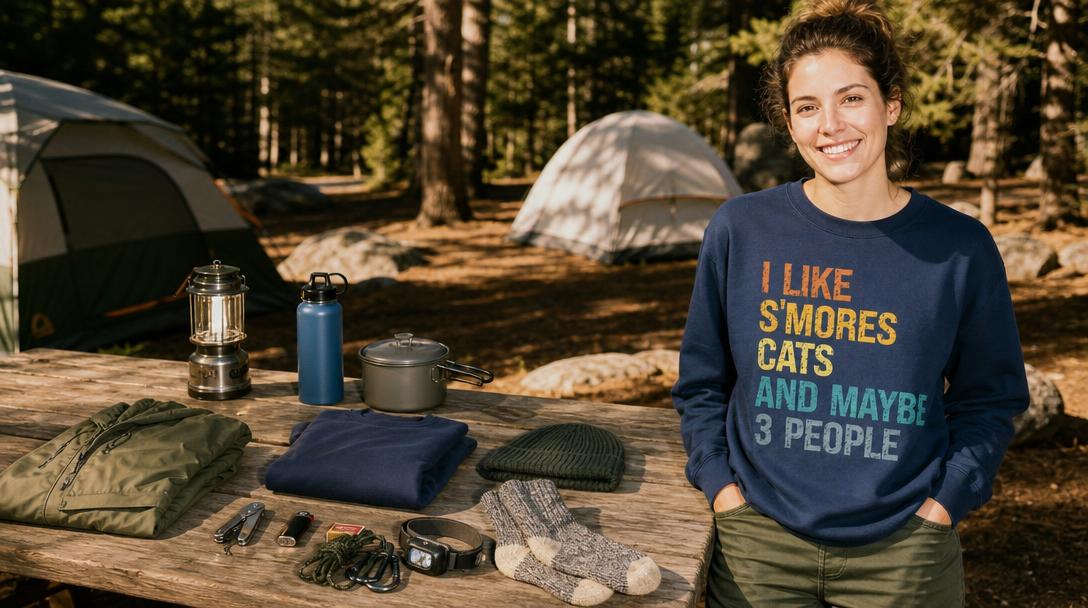
The 7 C’s of camping are a beginner-friendly preparedness checklist built around seven essential categories. The exact list varies online, but a common version includes: cutting tool, combustion, cover, container, cordage, candle/light, and clothing.
Some survival-focused lists use slightly different C’s, such as cargo tape instead of candle/light. Others include compass. Since there is no single universal authority for the 7 C’s of camping, treat it as a memory tool, not a sacred scroll found under a mossy rock.
Here is a practical 7 C’s camping checklist for beginners that works well for weekend camping.
1. Cutting tool
Bring a safe, useful cutting tool.
Good options:
- Pocketknife
- Multitool
- Small camp knife
- Camp scissors for food packaging
Use it for opening food, cutting cord, trimming kindling where allowed, and emergency repairs.
2. Combustion
Combustion means fire-starting tools, but always check fire restrictions first.
Pack:
- Lighter
- Waterproof matches
- Fire starter cubes or cotton balls in petroleum jelly
- Camp stove ignition backup
Important: A fire-starting kit does not mean you should always build a campfire. In dry areas, wildfire danger is very real. Follow local burn bans and campground rules.
3. Cover
Cover means shelter from weather.
Pack:
- Tent, van setup, hammock tarp, or RV shelter plan
- Rainfly
- Groundsheet or footprint
- Emergency blanket
- Shade tarp if camping in hot weather
Even on a sunny forecast, cover matters. Mountain weather has a flair for drama. If the forecast looks soggy, pair this list with our guide to camping in the rain without soaking your whole weekend.
4. Container
You need ways to carry, store, and treat water.
Pack:
- Water bottles or hydration reservoir
- Collapsible water jug
- Water filter or purification tablets for backcountry trips
- Cook pot or kettle
For developed campgrounds, check whether potable water is available. For dispersed camping, assume you need to bring more than you think.
5. Cordage
Cordage helps with repairs, tarps, clotheslines, and food storage.
Pack:
- Paracord
- Guyline
- Extra tent cord
- A few carabiners
Do not tie ropes to trees in ways that damage bark. Use wide straps where appropriate, especially with hammocks.
6. Candle or light
Modern campers can interpret this as illumination.
Pack:
- Headlamp
- Extra batteries
- Lantern
- Small backup flashlight
A headlamp is one of the most underrated camping items. It keeps both hands free for cooking, tent setup, or locating the snack bag you absolutely packed somewhere obvious.
7. Clothing
Clothing is your portable shelter.
Pack:
- Moisture-wicking base layer
- Warm midlayer
- Rain jacket
- Extra socks
- Beanie or sun hat
- Sleep clothes
- Camp shoes
Cotton can be comfy at camp, but for active hiking in cool or wet weather, synthetic or wool layers are safer because they dry faster.
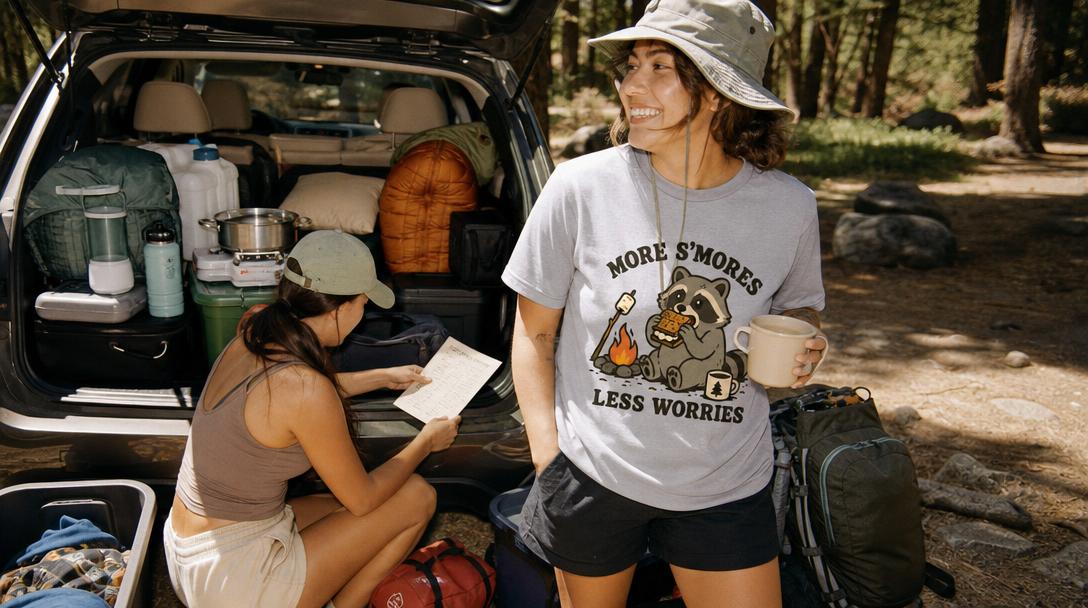
And yes, this is where a cozy hiking sweatshirt or funny camp shirt earns its keep around the fire, especially when it says what everyone is thinking after a long trail day. For relaxed campground downtime, a casual I like S’mores sweatshirt or More S’mores Less Worries shirt fits the mood without pretending to be technical trail gear.
Printable Camping Checklist for First-Time Campers
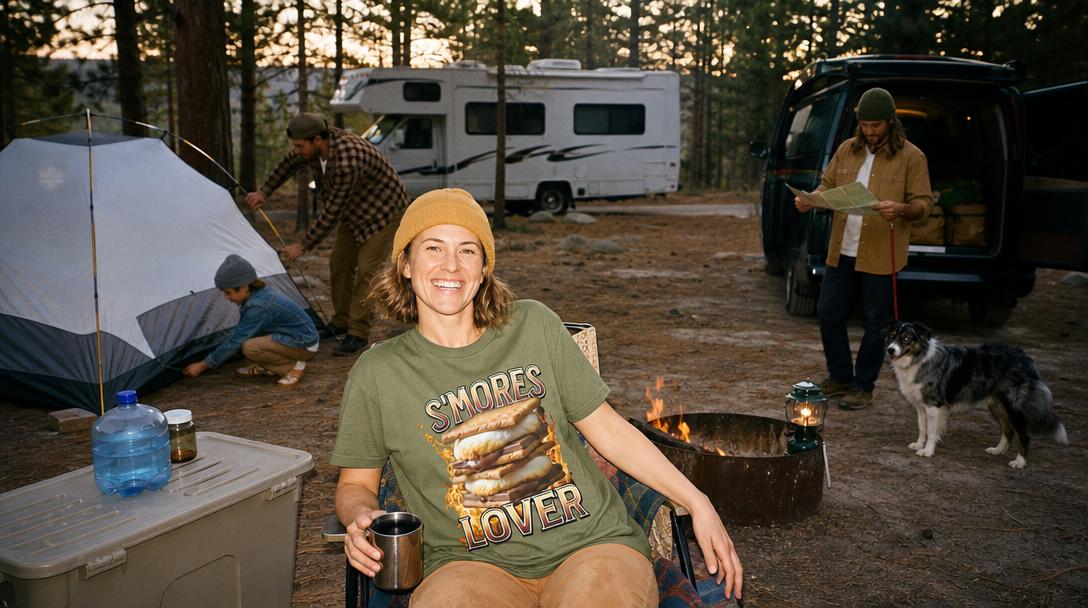
Use this as a simple camping checklist for first-time campers or a base for the best camping checklist for a weekend trip. For a more detailed packing breakdown, compare it with our ultimate camping trip checklist.
Shelter and sleep
- Tent or vehicle sleep setup
- Tent stakes and guylines
- Sleeping bag
- Sleeping pad or mattress
- Pillow
- Tarp or footprint
- Repair tape
Kitchen and food
- Stove and fuel
- Lighter and backup matches
- Cook pot and pan
- Mug, bowl, utensils
- Cooler
- Food storage bin
- Trash bags
- Biodegradable soap
- Sponge or scrubber
- Water jug
Safety and navigation
- First-aid kit
- Map or downloaded offline map
- Headlamp
- Extra batteries
- Whistle
- Sunscreen
- Bug spray
- Medications
- Weather-appropriate clothing
Camp comfort
- Camp chairs
- Lantern
- Tablecloth
- Firewood if allowed and locally sourced
- Book, cards, or trail games
- Warm layer for evenings
Leave No Trace basics
- Trash bags
- Trowel for catholes where appropriate
- Toilet paper and sealable bag for packing it out
- Bear canister or food storage method if required
- Knowledge of local fire rules
Real-Trip Examples: Applying Camping Rules Without Overthinking It
Scenario 1: Family tent camping weekend
You book a state park site two hours from home.
- Leave by 11 a.m.
- Arrive by 1 p.m.
- Set up tent first
- Confirm bathroom and water locations
- Keep cooking area away from sleeping area
- Use the 7 C’s checklist to avoid forgotten basics
Result: relaxed dinner, happy kids, no headlamp tent wrestling.
Scenario 2: RV road trip to a national park
You plan a route with a 420-mile day. The 3-3-3 rule raises a red flag.
Better plan:
- Split into two drive days
- Stop after 250–300 miles
- Arrive before 3 p.m.
- Stay at least 3 nights near the park
Result: less fatigue, fewer mistakes, more time for actual hiking.
Scenario 3: Van life on public land
You want a free dispersed campsite near a trailhead.
Use the rules:
- Arrive in the area by 3 p.m.
- Check land manager rules
- Camp on an existing durable site
- Stay 200 feet from water unless rules say otherwise
- Store food securely
Result: legal, lower-impact camping without the where are we sleeping sunset panic.
Scenario 4: Beginner dispersed camping
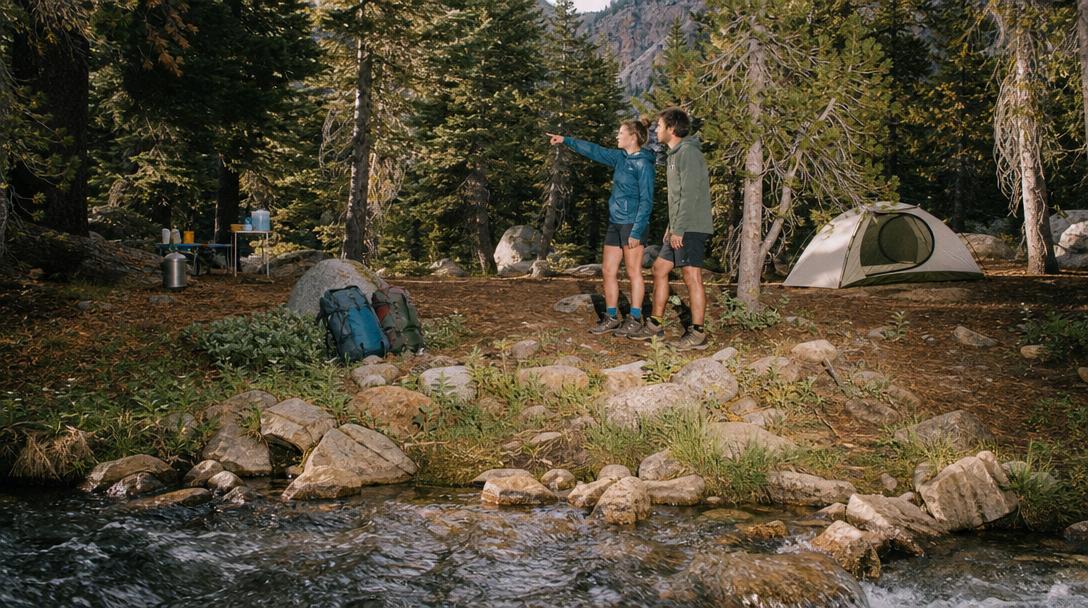
You find a beautiful creekside spot. It looks perfect. It is also 12 feet from the water.
Better move:
- Walk 70–80 adult steps away from the creek
- Choose a durable surface
- Keep washing and bathroom activities 200 feet from water
- Avoid trampling fragile vegetation
Result: cleaner water, healthier habitat, and fewer mosquito roommates.


