


Cold Weather Sleeping Bags: Ratings Explained
Dominic PalmowskiCold weather sleeping bags can look simple on the shelf—“0°F,” “20°F,” “-20°F,” done—but those numbers are sneakier than a raccoon in a campground cooler. A sleeping bag’s temperature rating is not a promise that you’ll feel cozy at that temperature. It’s a lab-based estimate, and real-world warmth depends on your sleeping pad, shelter, clothing, metabolism, moisture, wind, and whether you sleep warm or become a popsicle at 45°F.
That matters because choosing the wrong cold weather sleeping bag can turn a dreamy national park night into eight hours of shivering negotiations with your life choices.
The good news: once you understand comfort, limit, and extreme ratings, buying a winter sleeping bag becomes much easier. You don’t need to memorize gear charts or become a fabric scientist. You just need to know which number to trust, how much buffer to add, and how the rest of your sleep system affects warmth.
In This Article
- How Do Sleeping Bag Temperature Ratings Work?
- What Sleeping Bag Temperature Rating Do I Need?
- Is a 0 Degree Sleeping Bag Warm Enough?
- What Is the Best Sleeping Bag for Cold Conditions?
- Which Sleeping Bags Are Best for Cold Weather?
- What Is the Best Cold-Resistant Sleeping Bag?
- Cold Weather Sleeping Bags Need a Full Sleep System
How Do Sleeping Bag Temperature Ratings Work?
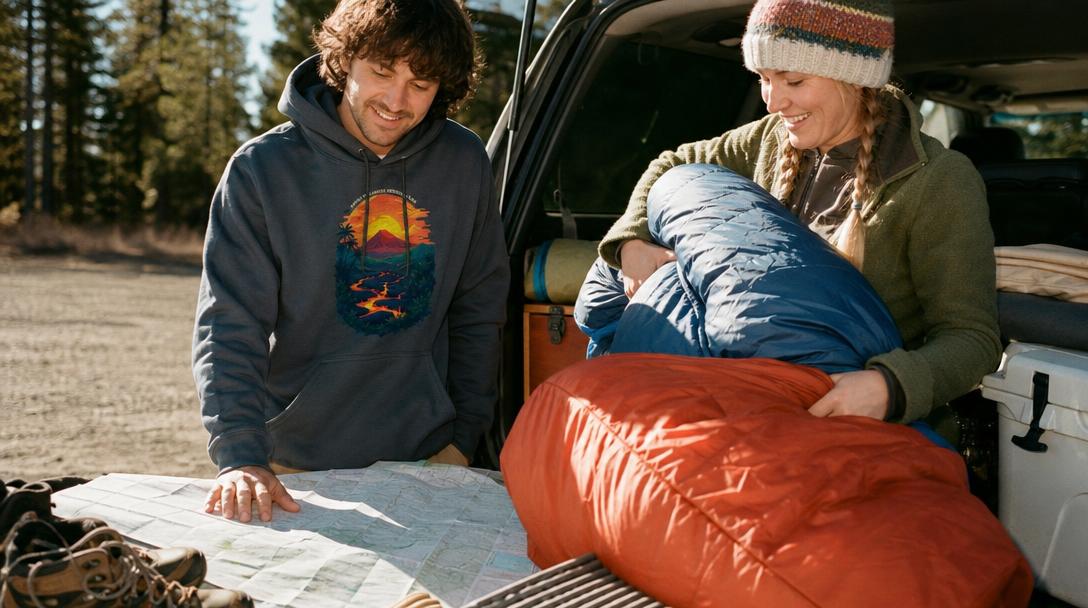
Sleeping bag temperature ratings work by estimating the lowest temperature where a standardized sleeper can remain warm under controlled lab conditions. Modern EN/ISO ratings usually include comfort, limit, and extreme numbers. For real trips, the comfort rating is the most useful; the extreme rating is for survival risk, not restful sleep.
Most reputable technical bags are tested under ISO 23537, the international sleeping bag standard that replaced the older EN 13537 system. The test uses a heated manikin in a climate-controlled room to measure heat loss.
That sounds fancy—and it is—but it’s still a lab test. The mountains do not care about lab manners.
Comfort rating: the number most people should shop by
The comfort rating is the lowest temperature where a standard sleeper can lie in a relaxed position and not feel cold. This is usually the safest rating to use if you want actual sleep instead of “technically surviving until sunrise.”
Choose by comfort rating if:
- You sleep cold
- You’re new to camping or backpacking
- You toss and turn at night
- You’re camping in damp or windy conditions
- You want a good night’s sleep, not a character-building event
Limit rating: the “you might be okay” number
The limit rating is the lower temperature where a warmer sleeper may remain in thermal balance, often in a curled-up position. This number is commonly used in product names, which is where the confusion begins.
A bag sold as a “20°F sleeping bag” may have:
- Comfort rating: around 30°F
- Limit rating: around 20°F
- Extreme rating: much lower
That doesn’t mean the brand is lying. It means you need to know which rating the label is highlighting.
Extreme rating: not a shopping target
The extreme rating is a survival threshold. ISO language describes it as a very low temperature where hypothermia risk is possible. Translation: this is not the temperature where you’ll be sipping cocoa and dreaming of pine trees.
Do not buy a bag based on the extreme rating unless your trip goal is “avoid becoming a cautionary tale.”
What Sleeping Bag Temperature Rating Do I Need?
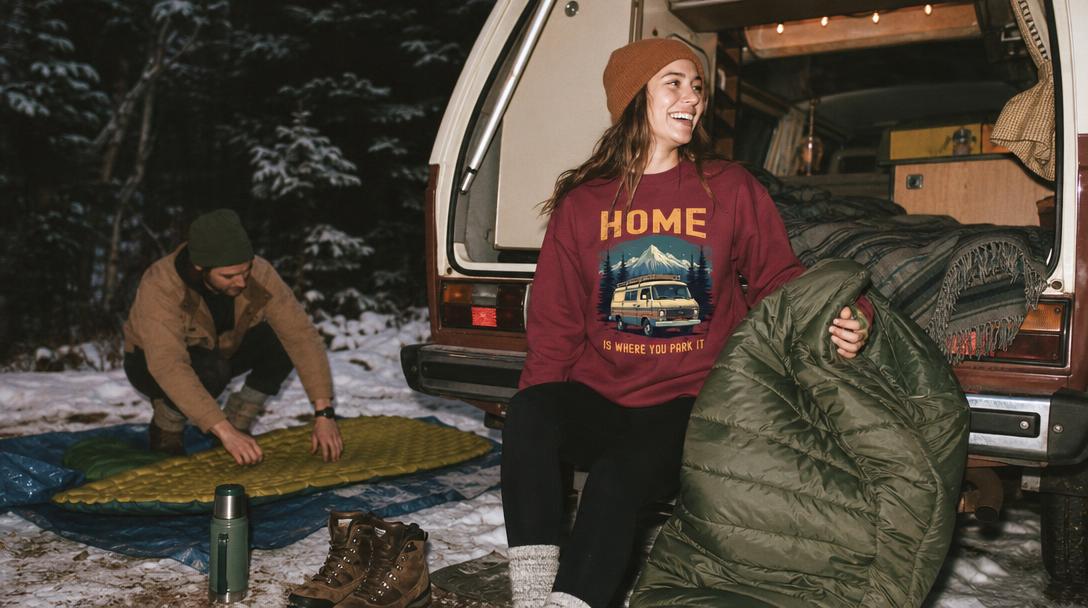
You need a sleeping bag with a comfort rating at or below the coldest nighttime temperature you realistically expect, plus extra buffer if you sleep cold, camp in damp weather, or use a lower-insulation sleeping pad. For winter camping, many people should choose 10–20°F warmer protection than the forecast suggests.
Here’s the plain-language decision chart most gear labels should include but usually don’t:
| Trip Type / Conditions | Expected Low | Suggested Bag Comfort Rating | Pad R-Value Target | Best For |
|---|---|---|---|---|
| Summer mountain nights | 40–50°F | 35–45°F | 2+ | Casual camping, warm sleepers |
| Shoulder-season hiking | 25–40°F | 20–30°F | 3–4+ | Fall backpacking, desert nights |
| Cold national park camping | 15–30°F | 10–20°F | 4–5+ | Yosemite, Great Smoky Mountains, Utah parks in cold months |
| Mild winter camping | 0–20°F | 0–10°F | 5+ | Snowy car camping, winter cabins, van life |
| True winter backpacking | -10–10°F | -10–0°F | 5.5–6+ | Winter backpacking sleeping bag setups |
| Deep winter / expedition-style cold | Below -10°F | -20°F or lower | 6+ or layered pads | Alpine, arctic, high-elevation winter trips |
A simple rule: buy for the coldest temperature you might actually experience, not the average temperature you hope for.
Weather apps love optimism. Campsites in valleys, near water, or at higher elevation can feel colder than the forecast. For more ways to keep the whole campsite warmer, pair this guide with our cold weather camping tips for warmer nights.
Is a 0 Degree Sleeping Bag Warm Enough?
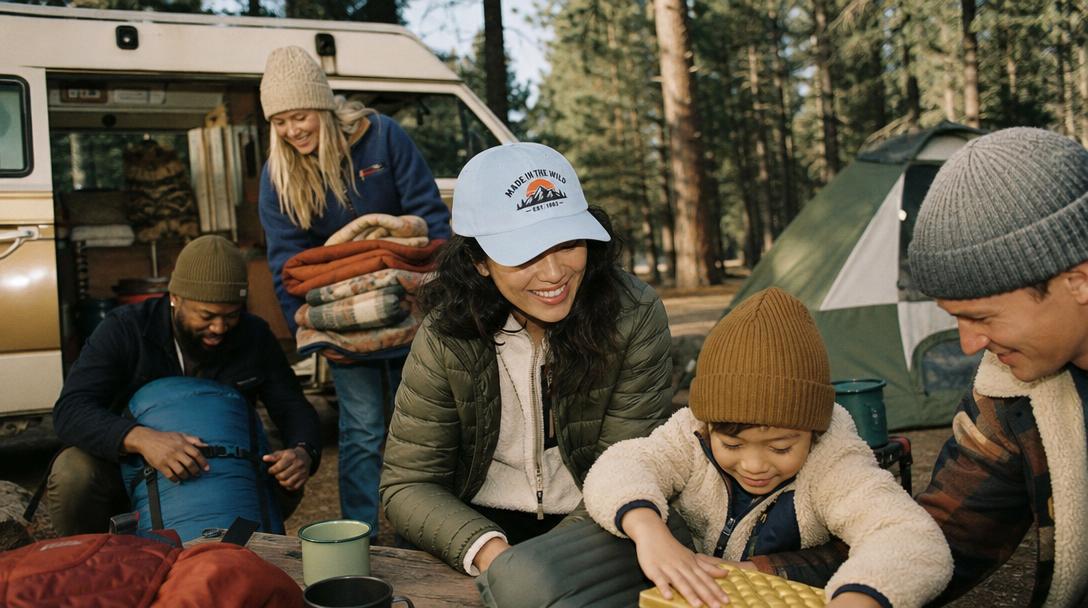
A 0 degree sleeping bag is warm enough for many mild winter trips if its comfort rating matches your expected low and you pair it with an insulated sleeping pad. But if “0°F” refers to the limit rating, cold sleepers may only feel comfortable closer to 10–15°F unless they add warmth elsewhere.
This is one of the biggest traps in winter gear shopping.
When someone asks, “Is a 0 degree sleeping bag warm enough?” the real answer is: warm enough for what, and for whom?
A 0°F bag may be totally fine for:
- Car camping in the 10–25°F range
- Shoulder-season national park trips with surprise cold snaps
- Van life nights where the vehicle blocks wind
- Winter camping with a high R-value pad and dry base layers
A 0°F bag may not be enough for:
- Camping directly on snow with a weak pad
- Wet, windy conditions
- High-elevation winter backpacking
- Sleepers who run cold
- Trips where the forecast low is actually near 0°F or below
If the coldest expected low is 0°F and you really want to sleep well, consider a bag with a comfort rating below 0°F, not just a label that says “0.”
What Is the Best Sleeping Bag for Cold Conditions?
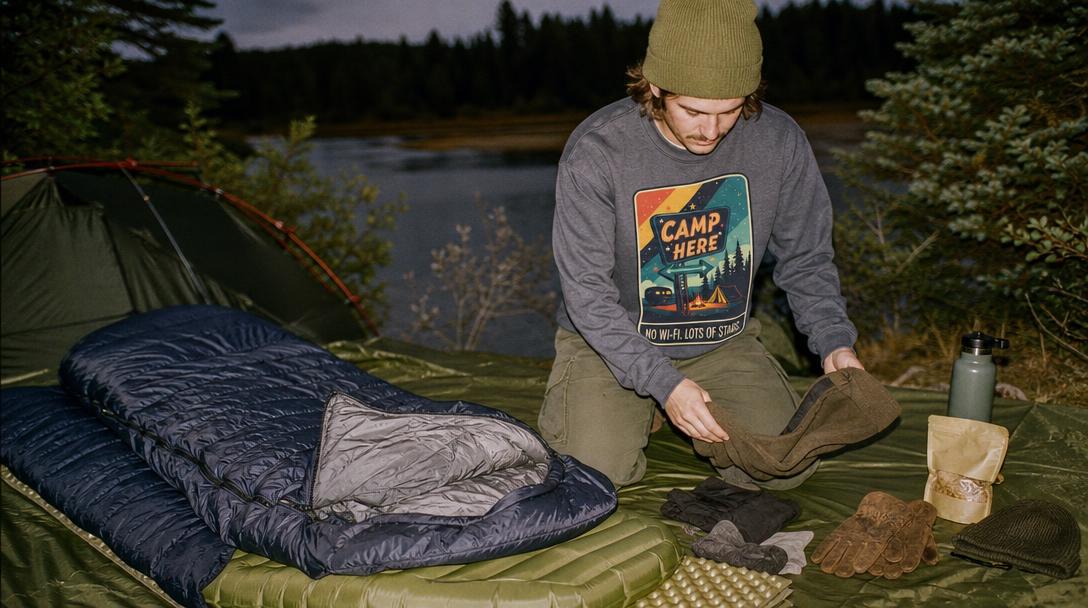
The best sleeping bag for cold conditions is one with a comfort rating below your expected nighttime low, a draft collar, insulated hood, full-length zipper draft tube, proper fit, and insulation suited to your climate. Down is lighter and packable; synthetic insulation handles damp conditions better and usually costs less.
Instead of chasing a single “best” model, focus on the features that actually keep you warm.
Look for:
- Accurate comfort rating: Prefer ISO/EN-tested bags when possible.
- Draft collar: This seals heat around your neck so warm air doesn’t escape.
- Insulated hood: Your head loses heat fast when exposed.
- Zipper draft tube: Prevents cold air from leaking through the zipper.
- Appropriate shape: Mummy bags are warmer and lighter; rectangular bags are roomier but less efficient.
- Proper length and width: Too tight compresses insulation; too roomy creates dead air space your body must heat.
For a backpacking sleeping bag, weight and packed size matter more. For car camping or van life, you can choose something roomier and heavier because you’re not carrying it up a switchback while questioning every snack decision. If you’re comparing options across seasons, our guide to the best sleeping bags for camping and backpacking is a helpful next read.
Which Sleeping Bags Are Best for Cold Weather?
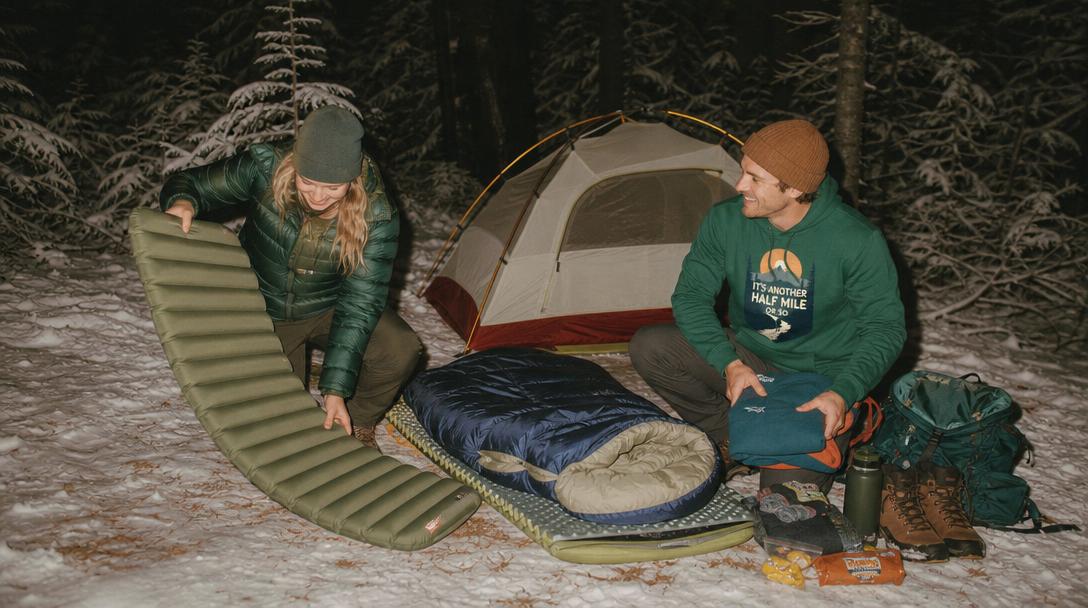
Sleeping bags best for cold weather are mummy or semi-rectangular bags with verified comfort ratings, strong draft control, warm hoods, and enough insulation for conditions below the forecast low. The right choice depends on whether you prioritize backpacking weight, car-camping comfort, damp-weather reliability, or deep-winter warmth.
Match the bag to your lifestyle:
For backpacking
Choose a lighter mummy bag with a trustworthy comfort rating. Down insulation is popular for a backpacking sleeping bag because it packs small and offers excellent warmth for weight. If you hike in wet climates, protect it carefully or consider synthetic insulation.
Best priorities:
- Low weight
- Small packed size
- Efficient mummy shape
- Warm hood and draft collar
- Comfort rating with safety buffer
For national park camping
National parks can surprise you. Desert parks like Bryce Canyon and Grand Canyon can get chilly at night. Mountain parks like Rocky Mountain, Yosemite, and Glacier can swing from warm afternoons to freezing evenings.
Best priorities:
- Comfort rating 10°F lower than the forecast low
- Versatile 15–30°F bag for shoulder seasons
- Warmer 0–10°F setup for late fall or winter
- Good sleeping pad, especially on cold ground
For van life
Van campers often underestimate cold because they’re “inside.” But vehicles can become chilly metal refrigerators overnight.
Best priorities:
- Roomier bag or quilt-style system
- 0–20°F comfort range for cold months
- Moisture management and ventilation
- Extra blanket or liner
- Warm sleep layers
For family camping
Kids and cold sleepers usually need more buffer. A child who wiggles out of a hood or off a sleeping pad can get cold quickly.
Best priorities:
- Warmer rating than expected
- Easy-to-use zipper
- Cozy sleep layers
- Extra blanket backup
- Closed-cell foam pad under inflatable pad
What Is the Best Cold-Resistant Sleeping Bag?
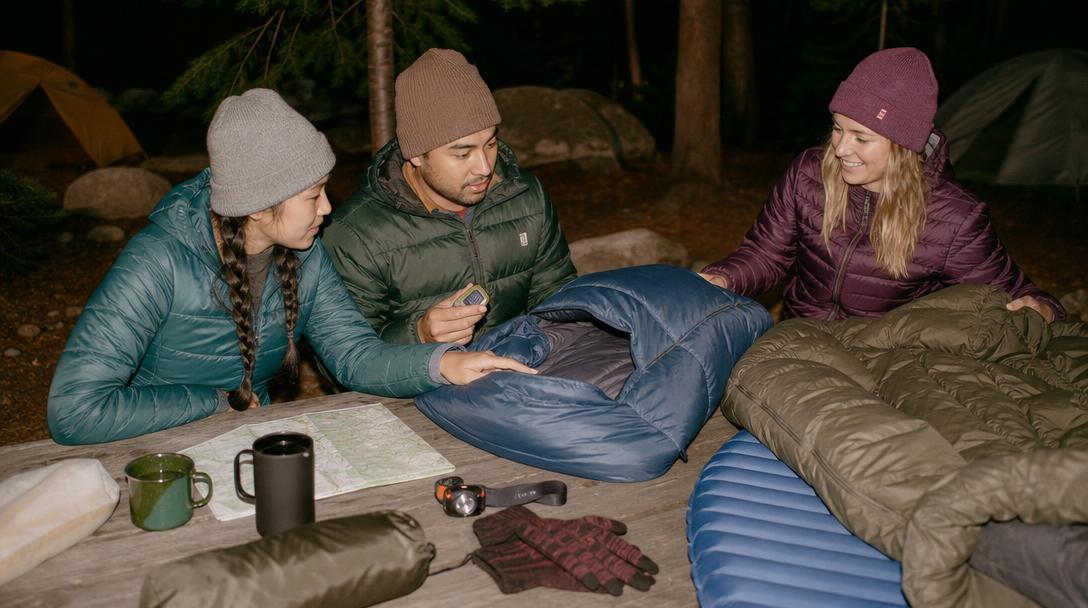
The best cold-resistant sleeping bag has a conservative comfort rating, moisture-resistant materials, high-loft insulation, draft-blocking construction, and a snug hood. A bag alone is not enough, though: real cold resistance comes from the full sleep system, including the sleeping pad, shelter, dry clothing, and site selection.
Think of your sleeping bag as one piece of a tiny overnight survival burrito.
A truly warm sleep setup includes:
- Sleeping bag: Rated appropriately for expected lows.
- Sleeping pad: Insulates you from the ground.
- Shelter: Blocks wind, precipitation, and heat loss.
- Clothing: Adds warmth without trapping sweat.
- Dryness: Damp insulation loses performance.
- Food and hydration: Your body needs fuel to produce heat.
Sleeping pad R-value measures resistance to heat loss through the pad. Higher numbers mean better insulation. For winter camping, many sources commonly recommend an R-value around 5 or higher, with 5.5+ often suggested for extreme cold conditions.
That’s why someone can freeze in a great winter sleeping bag on a cheap summer pad. The cold ground is basically stealing your warmth with both hands.
Cold Weather Sleeping Bags Need a Full Sleep System
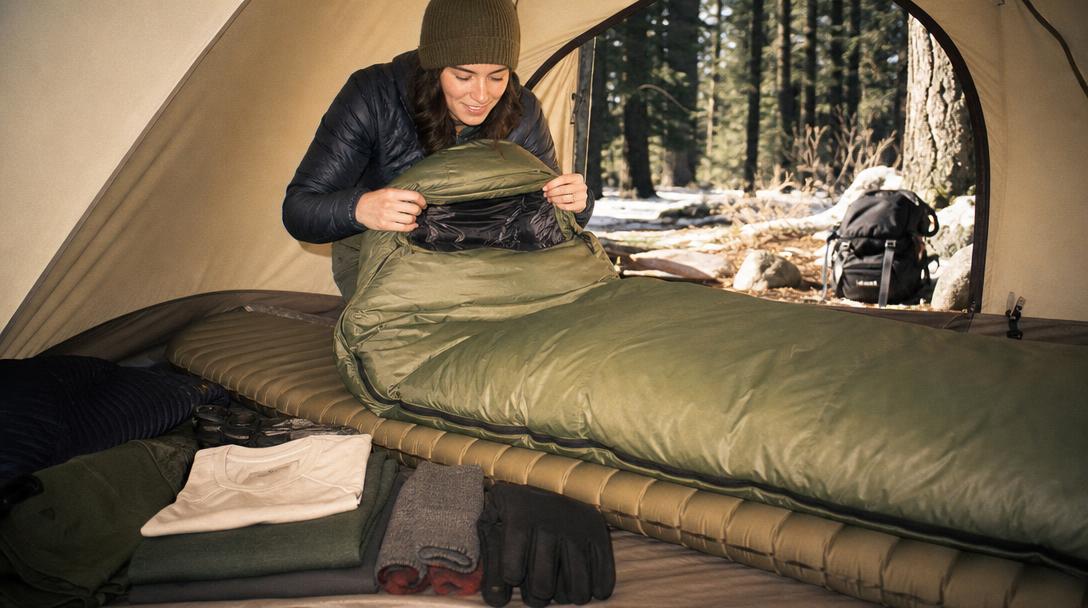
Cold weather sleeping bags perform best when paired with the right pad, shelter, clothing, and campsite setup. Even a premium winter bag can feel cold if your pad has low R-value, your clothes are damp, your tent is drafty, or your campsite sits in a cold air pocket.
Here’s the practical checklist to run before any cold trip:
Sleeping bag checklist
- Comfort rating matches expected lows
- Draft collar seals around neck
- Hood cinches comfortably
- Zipper draft tube is present
- Bag is not too tight or too roomy
- Insulation is fully lofted before bed
Sleeping pad checklist
- R-value is appropriate for season
- Winter pad is R-value 5+ minimum
- Snow camping uses 5.5+ or layered pads
- Foam backup pad considered for emergencies
- Pad fits your body and sleeping position
Clothing checklist
- Dry base layers only
- Avoid cotton for sleep in cold weather
- Warm socks reserved for sleeping
- Beanie or hood available
- Puffy jacket or sweatshirt nearby
- Don’t overdress so much that you sweat
For casual camp layers, it also helps to know when a hoodie, sweatshirt, or fleece makes sense. Our hoodie vs sweatshirt camping warmth guide breaks down the difference for relaxed camp comfort—not technical alpine performance.
Shelter checklist
- Tent or vehicle blocks wind
- Groundsheet or footprint helps manage moisture
- Ventilation reduces condensation
- Campsite avoids low cold-air drainages when possible
- Bag stays away from wet tent walls
Before-bed warmth checklist
- Eat a snack before sleeping
- Hydrate, but don’t overdo it
- Change out of damp clothes
- Do light movement before getting in
- Fill a leakproof bottle with warm water if conditions allow
- Fluff the bag so insulation lofts fully
Your sleeping bag traps heat. It does not create heat. You are the tiny furnace. Feed the furnace.


