


First Day Hikes: Hike Tee New Year Guide
Dominic PalmowskiFirst Day Hikes are the easiest kind of New Year’s reset: fresh air, friendly state park hikes, and zero gym mirrors. On January 1, state parks across the U.S. host guided walks, ranger-led hikes, and self-guided trail events for families, beginners, resolution-makers, and anyone who wants fresh air after the holiday cookie era.
Think of it as the outdoorsy version of hitting “reset” — but with better views, fewer mirrors, and a high chance of seeing someone’s dog wearing a puffer jacket.
The tradition is real, nationwide, and surprisingly well-established. According to the National Park Service, First Day Hikes began as a state park tradition to encourage healthy outdoor activity on New Year’s Day. California State Parks notes that the idea started in Massachusetts at Blue Hills Reservation in 1992 and expanded nationally in 2012 through America’s State Parks. Today, all 50 state park systems participate in some form, though not every individual park hosts an event every year.
That’s the key: First Day Hikes are nationwide, but the details are local. Your nearby park might offer a 0.5-mile accessible nature walk, a 5-mile forest loop, a sunrise shoreline stroll, a history walk, a birding hike, or a “please bring microspikes because winter is feeling spicy” adventure.
In This Article
- What Is a First Day Hike?
- Why First Day Hikes Became a New Year’s Day Hike Tradition
- Where Can I Find First Day Hikes Near Me?
- Are First Day Hikes Free?
- Do I Need to Register for a First Day Hike?
- What Should I Wear for Winter Hiking on January 1?
- Winter Hiking Safety for First Day Hikes
- How to Choose the Right State Park Hike for Your Group
- First Day Hike Packing Checklist
- Three Easy First Day Hike Itineraries
- Frequently Asked Questions
- Start the Year With One Small Trail
What Is a First Day Hike?
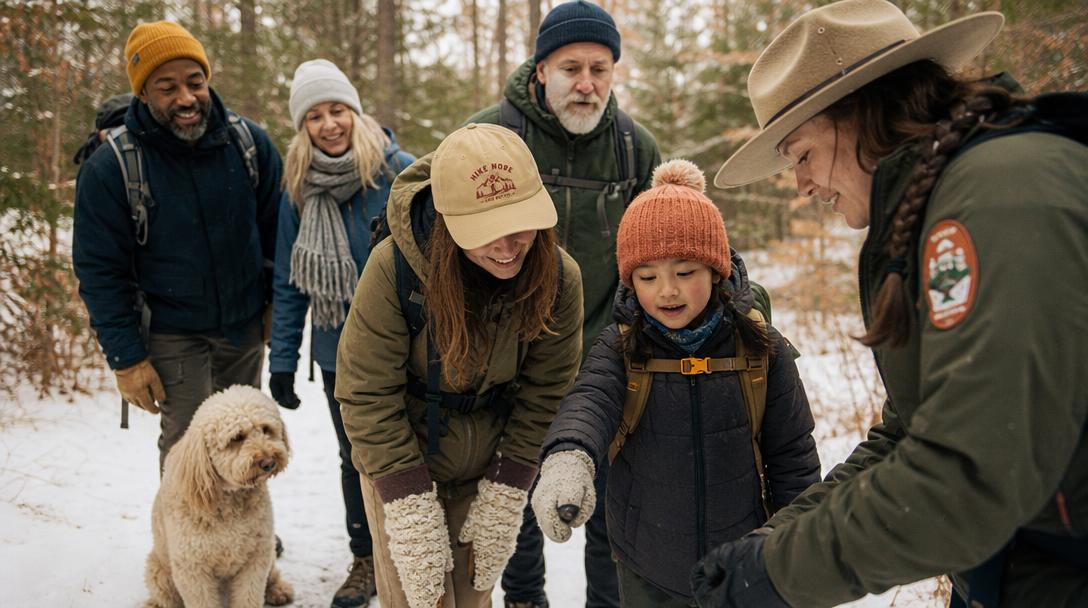
A First Day Hike is a New Year’s Day outdoor event hosted by state parks, usually on January 1, designed to help people start the year with fresh air, movement, and time in nature. Many are ranger-led, family-friendly, free or low-cost, and offered at state parks across all 50 states.
Most First Day Hikes are intentionally welcoming. You don’t need to be a thru-hiker, own trekking poles, or know how to pronounce “merino.” Many events are short, social, and beginner-friendly.
Typical First Day Hike formats include:
- Guided ranger hikes with nature, wildlife, geology, or history interpretation
- Self-guided hikes where you can go at your own pace
- Family-friendly walks on short loops or paved paths
- Accessible trail events on boardwalks, rail trails, or ADA-friendly routes
- Sunrise or sunset hikes for extra New Year sparkle
- Fitness-focused hikes for people starting health goals
- Themed hikes like birding, waterfalls, history, or “first tracks” winter walks
Some states go big. Oregon Parks and Recreation has listed First Day Hikes at dozens of parks, with past routes ranging from quarter-mile strolls to 5-mile treks, and noted that parking fees were waived at participating parks. Virginia State Parks has also promoted free parking for its First Day Hike events. Policies vary, but the spirit is usually the same: get outside, start fresh, bring snacks.
Why First Day Hikes Became a New Year’s Day Hike Tradition
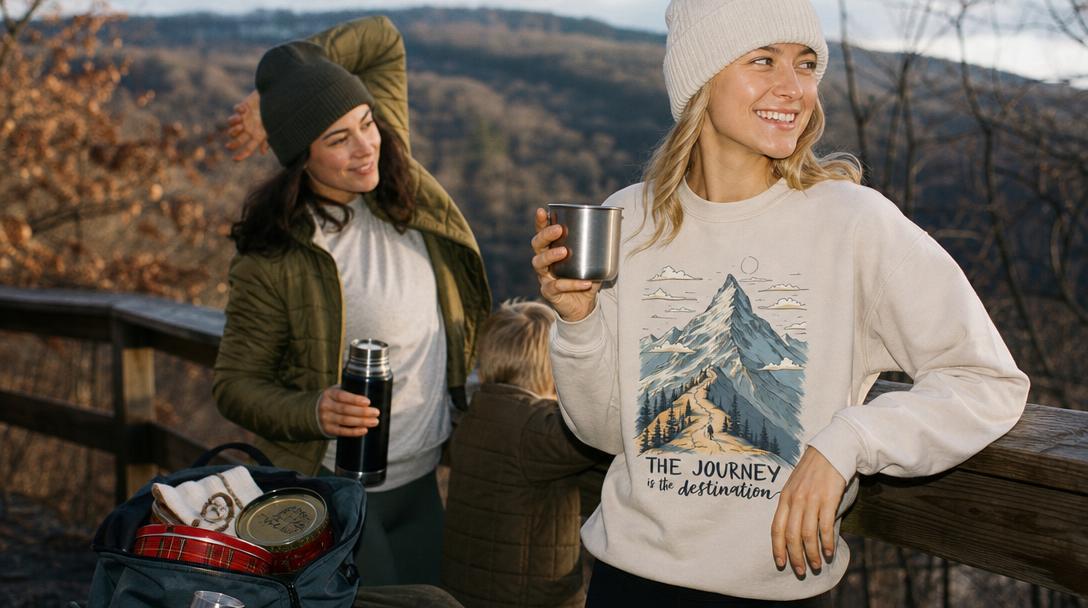
The magic of a New Year’s Day hike is that it’s simple. No extreme makeover. No complicated habit tracker. Just shoes, a trail, and one small promise to yourself: “I’m going outside today.”
That matters more than it sounds.
The Centers for Disease Control and Prevention recommends adults get at least 150 minutes of moderate-intensity physical activity each week, plus muscle-strengthening activity two days a week. A New Year’s Day hike won’t complete your whole fitness plan, but it can make the first step feel doable — and fun.
Nature helps, too. Research published in Scientific Reports found that people who spent at least 120 minutes per week in nature were more likely to report good health and higher well-being. You don’t have to disappear into the wilderness for a week. A local state park hike can count.
First Day Hikes work because they remove common barriers:
- You don’t have to plan the whole route yourself
- You’re not hiking alone if you join a guided event
- Many routes are beginner-friendly
- Rangers often share safety notes and trail context
- Families can turn it into a low-cost tradition
- It gives New Year’s resolutions an immediate “win”
Also, let’s be honest: after late December’s indoor marathon of snacks, screens, errands, relatives, and mysterious leftovers, a quiet trail feels like a deep breath for your whole nervous system.
Where Can I Find First Day Hikes Near Me?
To find First Day Hikes near me, search your state park agency’s website for “First Day Hikes,” check its events calendar, or search “First Day Hikes near me” plus your state. Confirm the date, start time, registration rules, parking fees, trail length, difficulty, restroom access, and weather updates before leaving.
The best place to start is almost always your official state parks website — not a random outdated event listing from three winters ago. Many state agencies publish annual First Day Hike pages in November or December, when search interest spikes and event details are finalized.
Try these searches:
- “First Day Hikes [your state]”
- “New Year’s Day hike [your state parks]”
- “First Day Hike near me”
- “state park hikes January 1 [your city or state]”
- “hikes near me open New Year’s Day”
Then check the official event page for:
- Trail name and distance
- Estimated hike time
- Difficulty rating
- Elevation gain
- Guided vs. self-guided format
- Registration requirements
- Parking fees or fee waivers
- Pet rules
- Restroom availability
- Accessibility notes
- Cell service warnings
- Weather cancellation policy
A 50-State Workflow for Finding Official State Park Hikes
Because event pages change every year, the most reliable “directory” is a repeatable search workflow using official state park agencies. Use this list as your evergreen starting point.
Search: “First Day Hikes + [state] state parks”
- Alabama State Parks
- Alaska State Parks
- Arizona State Parks & Trails
- Arkansas State Parks
- California State Parks
- Colorado Parks & Wildlife
- Connecticut State Parks
- Delaware State Parks
- Florida State Parks
- Georgia State Parks
- Hawaii State Parks
- Idaho State Parks and Recreation
- Illinois Department of Natural Resources
- Indiana State Parks
- Iowa Department of Natural Resources
- Kansas Wildlife & Parks
- Kentucky State Parks
- Louisiana State Parks
- Maine Bureau of Parks and Lands
- Maryland Park Service
- Massachusetts Department of Conservation and Recreation
- Michigan Department of Natural Resources
- Minnesota State Parks and Trails
- Mississippi State Parks
- Missouri State Parks
- Montana State Parks
- Nebraska Game and Parks
- Nevada State Parks
- New Hampshire State Parks
- New Jersey State Parks
- New Mexico State Parks
- New York State Parks / DEC
- North Carolina State Parks
- North Dakota Parks and Recreation
- Ohio Department of Natural Resources
- Oklahoma State Parks
- Oregon State Parks
- Pennsylvania State Parks
- Rhode Island DEM Parks
- South Carolina State Parks
- South Dakota Game, Fish and Parks
- Tennessee State Parks
- Texas Parks and Wildlife
- Utah State Parks
- Vermont State Parks
- Virginia State Parks
- Washington State Parks
- West Virginia State Parks
- Wisconsin State Parks
- Wyoming State Parks
Pro tip: if your state’s main First Day Hikes page isn’t live yet, search the site’s events calendar for January 1. Some parks list hikes individually rather than under one statewide page.
Are First Day Hikes Free?
Many First Day Hikes are free, and some states waive parking or day-use fees at participating parks on January 1. However, fees vary by state, park, and event type, so always check the official listing for parking costs, entrance fees, reservation charges, or special program fees before you go.
This is where the details matter. “Free hike” does not always mean “free everything.” You may still need:
- A state park vehicle pass
- A day-use parking pass
- A timed-entry reservation
- A campsite reservation if staying overnight
- A separate fee for special activities
Some states make it extra easy. Oregon, for example, has announced fee-free parking at participating state parks for First Day Hikes in past years. Virginia has promoted free parking at all Virginia State Parks for its New Year’s Day hikes. But don’t assume that applies everywhere.
Before heading out, look for phrases like:
- “Free event”
- “Parking fee waived”
- “Registration required”
- “Limited capacity”
- “Meet at visitor center”
- “Park entrance fee applies”
- “Weather permitting”
A two-minute check can save you from starting the year with a parking kiosk battle. Nobody needs that energy on January 1.
Do I Need to Register for a First Day Hike?
You may need to register for a First Day Hike if the event is guided, has limited parking, uses a small trail, includes special programming, or expects high attendance. Self-guided hikes often do not require registration, but official state park event pages will say whether sign-up is required or recommended.
Registration rules vary a lot. Some state park hikes are casual “show up at 10 a.m.” events. Others require online registration because the trail, parking lot, or ranger capacity is limited.
Register early if:
- The hike is near a major city
- The park is popular year-round
- It’s a sunrise hike
- It’s family-friendly and short
- It’s at a park with limited parking
- The event mentions “space is limited”
- You’re bringing a group
If you miss registration, don’t panic. You can still start your own New Year’s Day hike at a local trail, neighborhood greenway, county park, or public land area — just check hours and conditions first.
What Should I Wear for Winter Hiking on January 1?
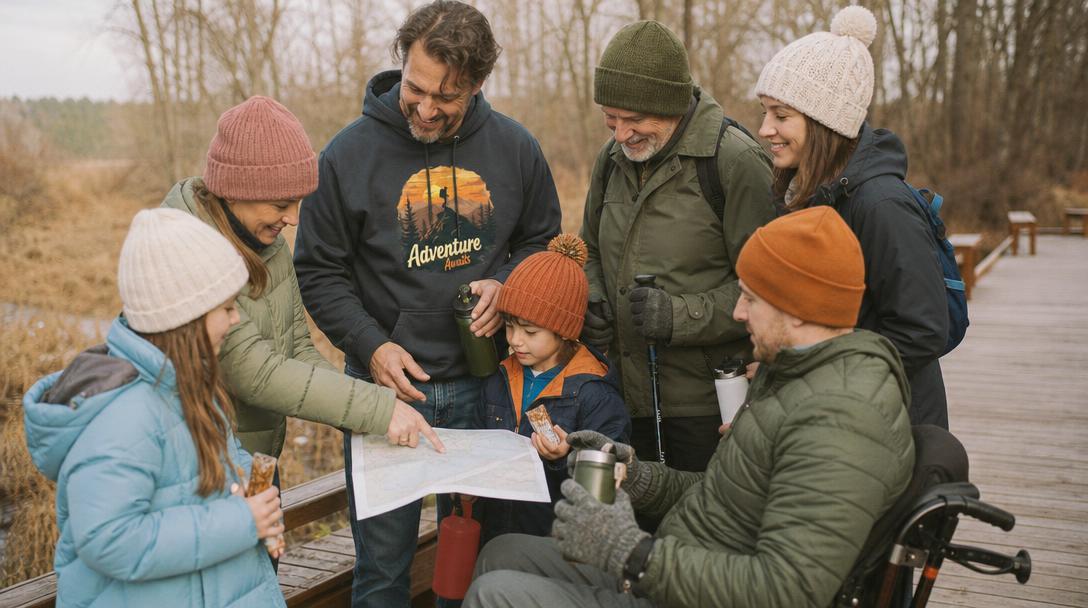
For winter hiking, wear moisture-wicking base layers, an insulating mid-layer, a weather-resistant outer shell, warm socks, gloves, a hat, and sturdy footwear with good traction. Avoid cotton next to skin in cold, sweaty conditions because it holds moisture, which can make you colder once you stop moving or the wind picks up.
Winter hiking doesn’t have to be intense, but dressing well makes the difference between “what a refreshing start!” and “why can’t I feel my toes?” For a deeper cold-weather clothing breakdown, Hike Tee’s 3-layer rule guide for hiking in cold weather is a helpful companion.
Use the classic three-layer system:
1. Base Layer: Stay Dry With Thermal Base Layer Shirts for Winter Hiking
Your base layer sits next to your skin and should pull sweat away from your body.
Good options:
- Merino wool
- Synthetic performance fabric
- Lightweight thermal base layer shirts for winter hiking
Avoid:
- Cotton tees as your only base layer
- Heavy sweatshirts directly against skin if you’ll sweat
- Anything that stays damp for a long time
2. Mid-Layer: Stay Warm
This is your insulation layer. It traps heat.
Good options:
- Fleece pullover
- Wool sweater
- Lightweight puffy jacket
- Warm hoodie or sweatshirt for mellow hikes
For casual First Day Hikes, a cozy sweatshirt can work well over a proper base layer, especially if the route is short and the forecast is mild. A relaxed layer like the Adventure Awaits Hoodie or The Journey Sweatshirt fits the coffee-after-the-trail mood without pretending to be technical gear.
Bonus points if your crew shows up in matching family hiking shirts for state park outings — extremely wholesome, slightly ridiculous, very on-brand for January 1.
3. Outer Layer: Block Wind and Weather
Your shell protects you from wind, rain, snow, and sleet.
Good options:
- Rain jacket
- Wind shell
- Softshell jacket
- Waterproof winter jacket
Bring a shell even if the weather looks “fine.” Winter has a way of saying, “Surprise! Sideways sleet.”
Casual Graphic Tees and Outdoor Lifestyle Shirts for First Day Hikes
And yes, you can absolutely wear funny hiking t-shirts for New Year’s hike photos — just layer them over something warm or save them for the post-hike cocoa moment. Outdoor lifestyle shirts for First Day Hikes are great for the vibe; thermal layers are great for survival. Both can coexist peacefully.
If your hike is mellow and your group loves a photo tradition, casual graphic tees, hoodies, and a trail-ready hat like the Hike More Cap can make the day feel festive without overcomplicating your outfit.
Don’t Forget the Small Stuff
Pack or wear:
- Warm hat or beanie
- Gloves or mittens
- Wool or synthetic socks
- Neck gaiter or buff
- Sunglasses
- Sunscreen, especially with snow glare
- Traction devices if trails are icy
- Hand warmers if you run cold
Winter Hiking Safety for First Day Hikes
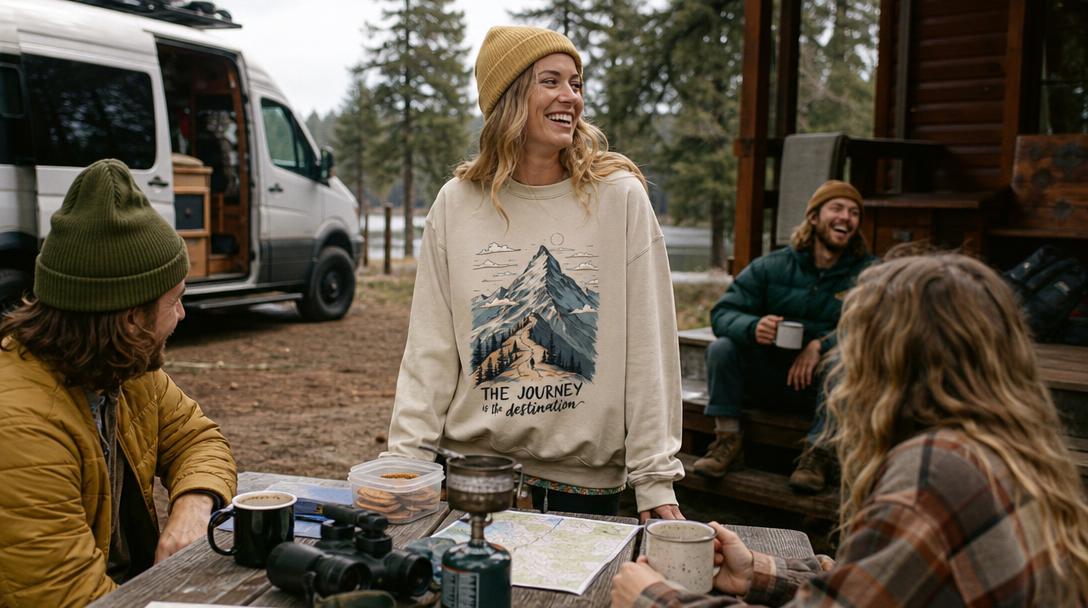
Winter hiking is beautiful, but it asks for a little more respect than a sunny spring stroll. Trails may be icy, muddy, snow-covered, or darker than expected in the afternoon.
Before you go, check:
- Weather forecast
- Wind chill
- Sunrise and sunset times
- Trail closures
- Road conditions
- Park alerts
- Parking access
- Restroom availability
Bring these basics:
- Water
- Snacks
- Map or downloaded offline map
- Fully charged phone
- Small first-aid kit
- Headlamp or flashlight
- Extra warm layer
- Traction devices if icy
- Trekking poles if terrain is slick
- Emergency blanket for longer hikes
For a more complete day-hike setup, use this hiking gear checklist for day hiking essentials before you leave.
When Should You Use Microspikes, Crampons, or Snowshoes?
For most state park hikes, you probably won’t need technical winter gear. But conditions decide.
Use this simple guide:
- Microspikes: Best for packed snow or icy trails
- Yak-style traction cleats: Good for flat, icy paths and parking lots
- Snowshoes: Best when snow is deep enough that you’re sinking with every step
- Crampons: Usually overkill for casual state park hikes unless terrain is steep and icy
- Trekking poles: Helpful for balance on slick or uneven winter trails
If you’re unsure, call the park office. Rangers usually know exactly whether the trail is “pleasant winter crunch” or “cartoon banana peel.”
How to Choose the Right State Park Hike for Your Group
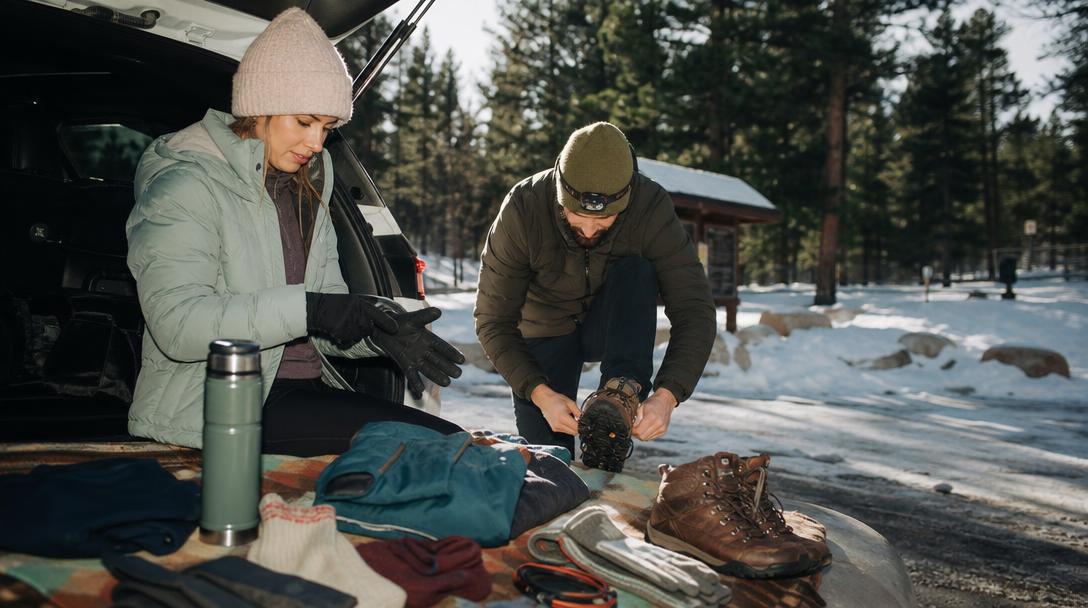
The best First Day Hike is the one your actual group will enjoy — not the one your imaginary ultra-fit New Year self thinks sounds impressive.
Match the hike to your people.
For Families With Kids
Look for:
- 0.5 to 2 miles
- Loop trails
- Restrooms near the start
- Visitor center access
- Wildlife or nature themes
- Minimal elevation gain
- Flexible start times
Bring extra snacks. Then bring more snacks. Children are basically raccoons with mittens when hiking in winter.
For Beginners
Choose:
- Easy or moderate difficulty
- Clear trail markings
- Guided hikes
- Daylight start times
- Parks close to home
- Trails with bailout options
Avoid choosing the longest hike just because it sounds like a “real resolution.” Showing up is already the win.
For Experienced Hikers
Look for:
- Longer ranger-led treks
- Sunrise hikes
- Snowy routes
- Backcountry-style state park trails
- Events with naturalist interpretation
- Nearby bonus trails after the official hike
Just remember that First Day Hikes are often social events. If you join a guided group, follow the group pace and ranger instructions. A quick refresher on hiking etiquette and trail rules can help keep the day friendly for hikers, rangers, kids, dogs, and everyone trying to start the year peacefully.
For Accessibility Needs
Search event listings for:
- ADA-accessible trail
- Paved path
- Boardwalk
- Wheelchair-friendly
- Restrooms available
- Short distance
- Benches or rest stops
- Accessible parking
If the listing is unclear, call the park. Ask specifically about trail surface, grade, distance, snow/ice removal, restroom access, and whether the route is truly accessible in winter conditions.
First Day Hike Packing Checklist
Keep it simple, especially for short state park hikes. You don’t need to bring your entire garage. You do need to be warm, hydrated, and ready for weather.
Wear
- Moisture-wicking base layer
- Fleece, hoodie, or insulated mid-layer
- Weather-resistant jacket
- Warm hat
- Gloves
- Wool or synthetic socks
- Hiking boots or trail shoes
- Traction if icy
Bring
- Water bottle
- Snacks
- Phone
- Offline map or printed map
- Small first-aid kit
- Headlamp
- Tissues or toilet paper
- Hand warmers
- Extra socks
- Trash bag for wrappers
For Kids
- Extra gloves
- Extra socks
- Easy snacks
- Warm drink in a thermos
- Small binoculars
- Nature scavenger hunt
- Dry clothes in the car
For Dogs
- Leash
- Waste bags
- Water
- Towel for muddy paws
- Dog jacket if needed
- Paw balm for ice or salt
Always check pet rules first. Some trails allow dogs; some do not. Some welcome dogs but require a leash no longer than six feet.
Three Easy First Day Hike Itineraries
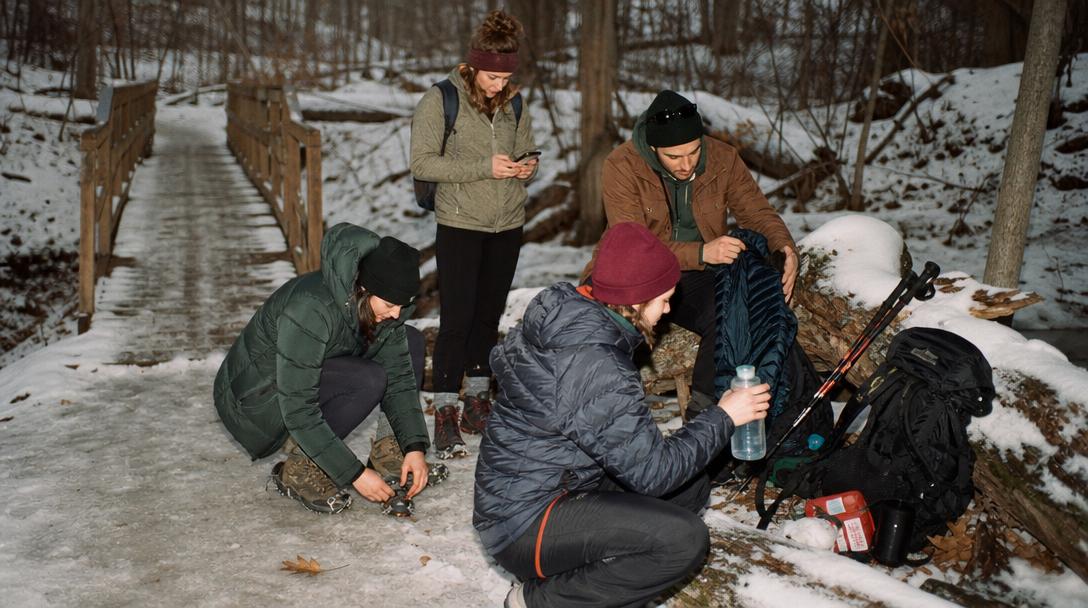
A New Year’s Day hike can be a quick reset or a whole little adventure. Choose your level of ambition based on weather, energy, and how late you stayed up pretending you were “just going to watch the ball drop.”
The Simple Morning Reset
Best for beginners, families, and anyone who wants low effort with high reward.
- Pick a state park within 30–45 minutes
- Choose a 1–2 mile guided hike
- Pack water, snacks, gloves, and warm layers
- Arrive 20–30 minutes early
- Take a trailhead photo
- Get hot chocolate or coffee afterward
The Full State Park Day
Best for people who want a mini-adventure without overnight planning.
- Join the official First Day Hike
- Visit the park’s visitor center
- Eat a packed lunch or picnic in the car if it’s cold
- Add a short scenic overlook trail
- Check out a nearby historic site, lake, or waterfall
- Head home before dark
The Camping or Van-Life Kickoff
Best for experienced winter campers or cozy-cabin fans.
- Reserve a campsite, cabin, yurt, or lodge early
- Arrive December 31 before dark
- Prep warm layers and breakfast the night before
- Join the New Year’s Day hike
- Spend the afternoon relaxing, birding, or exploring
- Keep an eye on road and overnight temperature conditions
If you’re camping in winter, don’t wing it. Use gear rated for the forecast, bring extra insulation, and know how to keep water from freezing.
Frequently Asked Questions
What is a First Day Hike?
A First Day Hike is a New Year’s Day hike hosted by state parks to encourage people to start the year outdoors. Many are guided by rangers or volunteers, and routes often include beginner-friendly walks, family hikes, and winter nature programs.
Where can I find a First Day Hike near me?
Search your official state parks website for “First Day Hikes,” check the events calendar for January 1, or search “First Day Hikes near me” with your state or city. Always use the official park listing to confirm time, registration, fees, difficulty, and weather updates.
Are First Day Hikes free?
Many First Day Hikes are free, and some states waive parking or day-use fees at participating parks. Fees vary by location, so check the specific event page for entrance fees, parking passes, or registration costs.
Do I need to register for a First Day Hike?
Some First Day Hikes require registration, especially guided hikes with limited group sizes or parking. Others are open to walk-ins or self-guided participation, so read the event listing carefully before you go.
What should I wear for a winter hike?
Wear moisture-wicking base layers, an insulating mid-layer, a weather-resistant jacket, warm socks, gloves, a hat, and sturdy shoes or boots. For cold or icy conditions, thermal base layer shirts for winter hiking and traction devices can make the hike much more comfortable.
Is a New Year’s Day hike good for beginners?
Yes, a New Year’s Day hike is often great for beginners because many state park hikes are short, guided, and designed for a wide range of ages and abilities. Choose an easy route, dress in layers, bring water, and arrive early so you’re not rushed.
Start the Year With One Small Trail
First Day Hikes are popular because they’re simple: pick a park, put on warm layers, step onto a trail, and begin the year somewhere quieter than your inbox.
A few takeaways before you lace up:
- First Day Hikes happen through state park systems across all 50 states
- Event details change every year, so use official state park pages
- Many hikes are free, but parking and registration rules vary
- Winter hiking is easier when you dress in layers and check conditions
- Short, beginner-friendly hikes absolutely count
- The best tradition is the one you’ll actually repeat
Your next step: search “First Day Hikes [your state]” or check your state parks event calendar for January 1. Pick a route that fits your group, register if needed, and lay out your layers the night before.
Start small. Walk happy. Bring snacks. The year can be complicated later — for one morning, let it be trees, trail, and fresh air.


