


Bryce vs Zion: Which Utah Park Is Best?
Dominic PalmowskiBryce vs Zion is the classic Utah national park decision: do you want to walk beneath towering sandstone cliffs in a lush canyon, or wander through a surreal amphitheater of orange hoodoos that looks like nature got really into drip castles? Both parks are spectacular—but they are not interchangeable, and picking the wrong one for your travel style can turn your dream desert trip into a shuttle-line-and-parking-lot adventure.
If you only have time for one, here’s the quick trailhead truth: Zion is bigger, busier, warmer, and more physically intense; Bryce Canyon is smaller, higher, cooler, easier to navigate, and often better for a short or low-stress visit.
| Park | Landscape | Entrance Fee | Best For |
|---|---|---|---|
| Zion National Park | Sandstone cliffs, river canyon, slot canyons, desert oasis | $35 private vehicle entrance fee, valid 7 days, according to the National Park Service | Iconic hikes, dramatic canyon scenery, adventure travelers, first-time Utah road trips |
| Bryce Canyon National Park | Limestone hoodoos, high-elevation forest, amphitheaters, rim viewpoints | $35 private vehicle entrance fee, valid 7 days, according to the National Park Service | Families, photographers, easier sightseeing, RV travelers, cooler summer hiking |
Bryce vs Zion: The Fast Decision
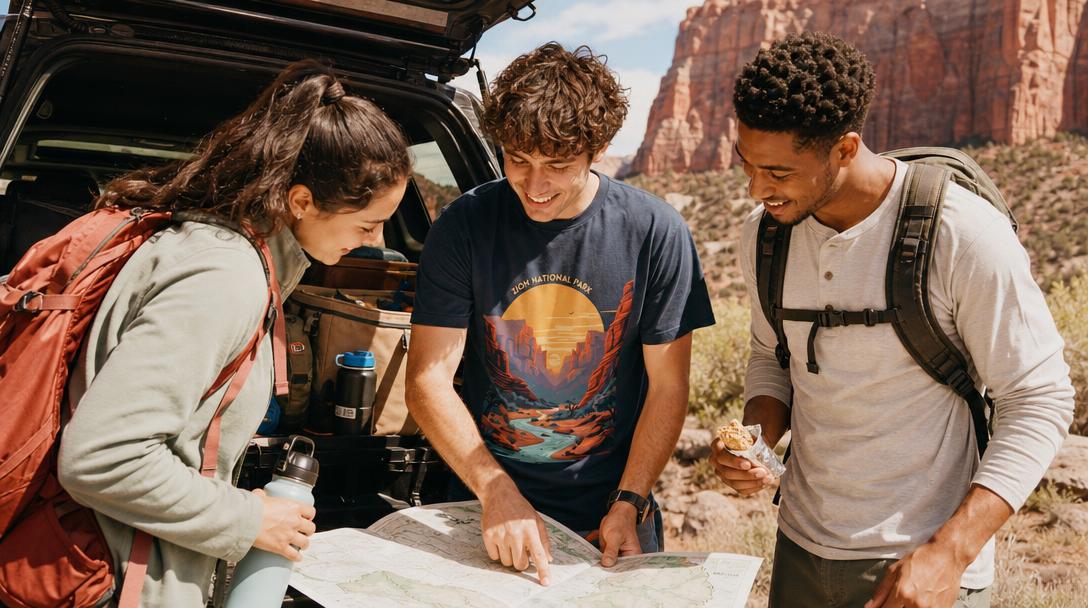
Bryce vs Zion comes down to logistics, hiking style, and crowd tolerance. Choose Zion if you want bucket-list hikes like Angels Landing or The Narrows and don’t mind shuttles, permits, and crowds. Choose Bryce if you want easier parking, shorter hikes, cooler temperatures, big views, and a simpler one- or two-day visit.
Here’s the friend-on-the-trail version:
Choose Zion if you want:
- Huge canyon walls that make you feel tiny in the best way
- Famous hikes like Angels Landing, The Narrows, Observation Point, and Emerald Pools
- Warmer weather in spring, fall, and winter
- More restaurants, lodging, outfitters, and services in nearby Springdale
- A more adventurous trip with more planning involved
Choose Bryce Canyon if you want:
- Otherworldly hoodoos and sunrise views that deserve their own fan club
- Easier scenic driving and more flexible parking
- Short-to-moderate hikes with huge payoff
- Cooler summer temperatures
- A better fit for families, casual hikers, photographers, RVers, and anyone who has already used 87% of their decision-making energy this week
If you’re trying to crown the best Utah national park, the honest answer is this: Zion is the most famous and dramatic, but Bryce may be the more enjoyable park for travelers who want beauty without the logistical obstacle course.
Zion vs Bryce: Scenery, Crowds, and Overall Vibe
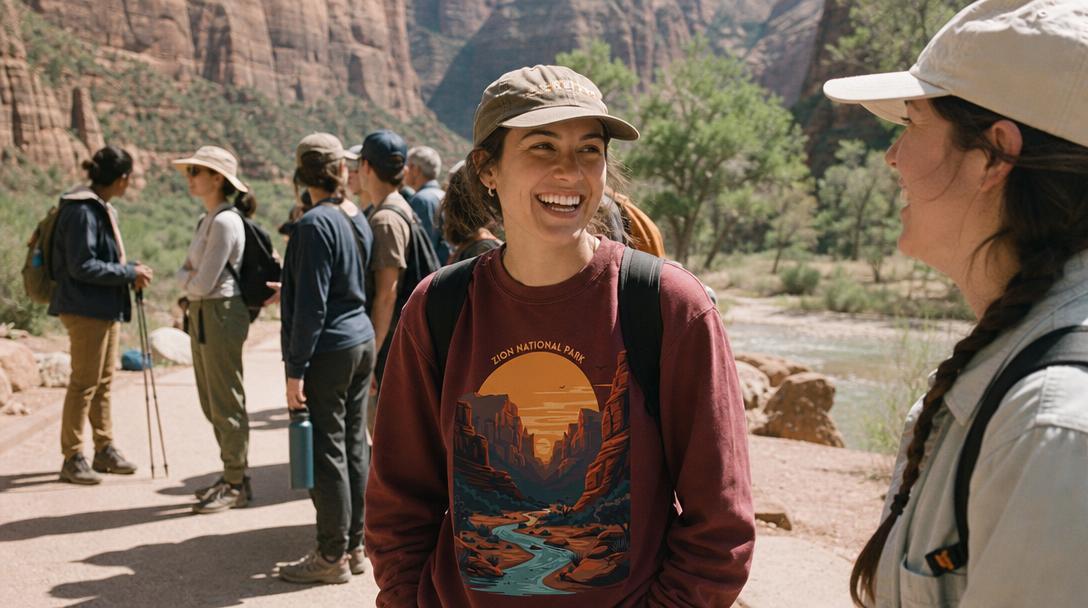
Zion and Bryce feel completely different, even though they’re close enough to combine in one trip. Zion is all vertical drama—massive sandstone walls, the Virgin River, hanging gardens, and canyon hikes. Bryce is all texture and color—thousands of hoodoos glowing pink, orange, and red across a high-elevation amphitheater.
According to National Park Service visitor-use data, Zion has consistently received roughly twice as many annual recreation visits as Bryce Canyon in recent years. You feel that difference on the ground.
Zion’s vibe
Zion feels grand, green, and intense. The main canyon is stunning, but during peak season it also requires more patience. Private vehicles are generally not allowed on Zion Canyon Scenic Drive when the shuttle is running, so you’ll park at the visitor center or in Springdale, ride the shuttle, and plan your day around stops.
That shuttle system works well, but it changes the rhythm of your visit. You can’t simply pull over wherever you want in the main canyon during shuttle season. If you’re visiting with small kids, older relatives, or someone who needs frequent snack negotiations, that matters.
Bryce’s vibe
Bryce feels calmer and more flexible. The park road connects a series of viewpoints, and the shuttle is optional during its operating season, according to the National Park Service. You can see a lot without committing to a long hike.
Bryce is also compact. Sunrise Point, Sunset Point, Inspiration Point, and Bryce Point are all relatively easy to connect. You can step out of the car, gasp dramatically, take 42 photos, and still have energy left for dinner.
Bryce Canyon vs Zion: Which Is Better for Hiking?
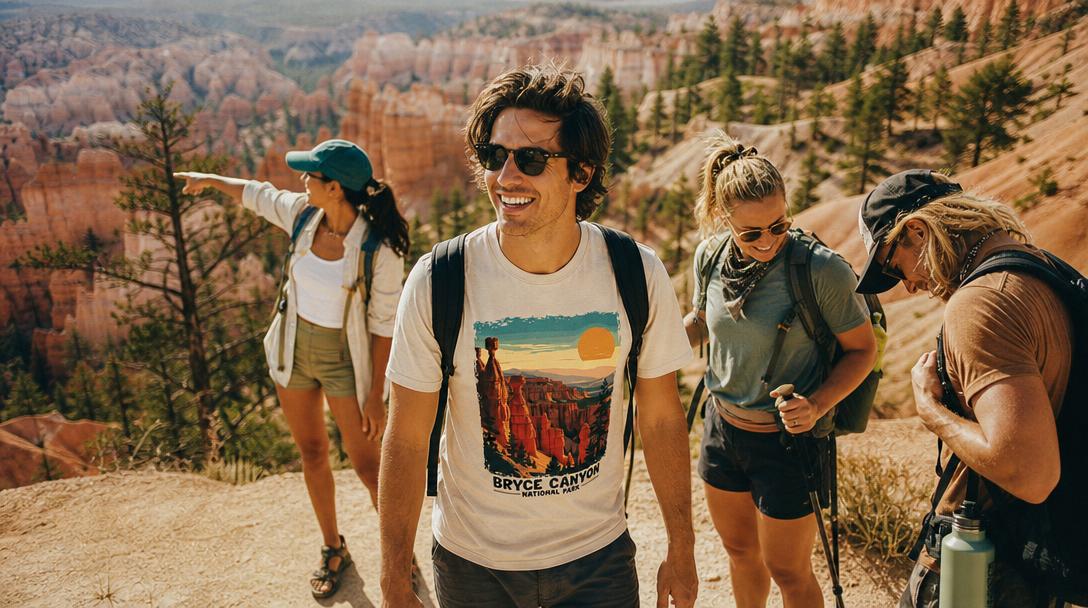
Bryce Canyon vs Zion is a hiking personality test: Zion is better for big, adventurous, physically demanding hikes, while Bryce is better for shorter hikes with constant views and fewer logistics. Zion wins for iconic challenge hikes; Bryce wins for easy-to-moderate trails that feel rewarding almost immediately.
Best hikes in Zion
Zion is famous for hikes that feel legendary for a reason. Some require permits, weather awareness, or a willingness to get your shoes wet.
Top Zion hikes include:
- Angels Landing — One of the most famous hikes in the U.S.; a permit is required for the chained section, according to the National Park Service.
- The Narrows — A river hike through a slot canyon; conditions depend on flow rate, flash flood risk, and water temperature.
- Emerald Pools — A more approachable hike with pools, cliffs, and seasonal waterfalls.
- Riverside Walk — Paved, scenic, and family-friendly; it leads to the start of The Narrows.
- Canyon Overlook Trail — Short, scenic, and excellent if you want a big view without an all-day mission.
Zion hikes can be hot, crowded, and exposed. They can also be unforgettable. If you want “I can’t believe I’m actually here” scenery, Zion is hard to beat. For more trail-specific packing help, see our Zion hiking gear guide.
Best hikes in Bryce Canyon
Bryce’s trails drop from the rim into the hoodoo amphitheater, which means many hikes begin with easy downhill walking and end with a climb back up. Sneaky little calf workout. Very rude. Very beautiful.
Top Bryce hikes include:
- Navajo Loop Trail — Famous for Wall Street and switchbacks through hoodoos; seasonal closures can happen.
- Queen’s Garden Trail — One of the gentlest ways to enter the amphitheater.
- Navajo Loop + Queen’s Garden Combination — Often considered the best moderate hike in Bryce.
- Rim Trail — Great for flexible hiking between major viewpoints.
- Peekaboo Loop — Longer, steeper, and quieter, with amazing hoodoo scenery.
- Mossy Cave Trail — Short and family-friendly, located outside the main amphitheater area.
For the question “Bryce vs Zion which is better for hiking?” the answer is: Zion is better for serious adventure hiking; Bryce is better for scenic, manageable day hiking.
How Far Apart Are Zion and Bryce?
Zion and Bryce are about 85 miles apart by road, and the drive typically takes around 1 hour 45 minutes to 2 hours, depending on your exact route, traffic, weather, and stops. The most common route uses US-89 and UT-12/UT-63 near Bryce, with access through Zion’s east side.
That distance makes it very realistic to visit both on one Utah road trip. It’s not ideal to fully experience both in a single day, but it’s absolutely reasonable over two or three days. If you’re building a bigger park loop, this U.S. national parks road trip planning guide can help you connect the dots.
Common drive notes:
- Springdale to Bryce Canyon City: about 2 hours
- Zion east entrance to Bryce Canyon: usually closer to 1.5 hours
- Las Vegas to Zion: about 2.5–3 hours
- Las Vegas to Bryce: about 4–4.5 hours
- Bryce to Capitol Reef: about 2–2.5 hours, depending on route and stops
If you’re connecting Zion and Bryce, don’t rush Highway 12 if your route includes it. It’s one of Utah’s most scenic drives and deserves at least one unplanned “whoa, pull over” moment.
Which Is Better Zion or Bryce for Camping?
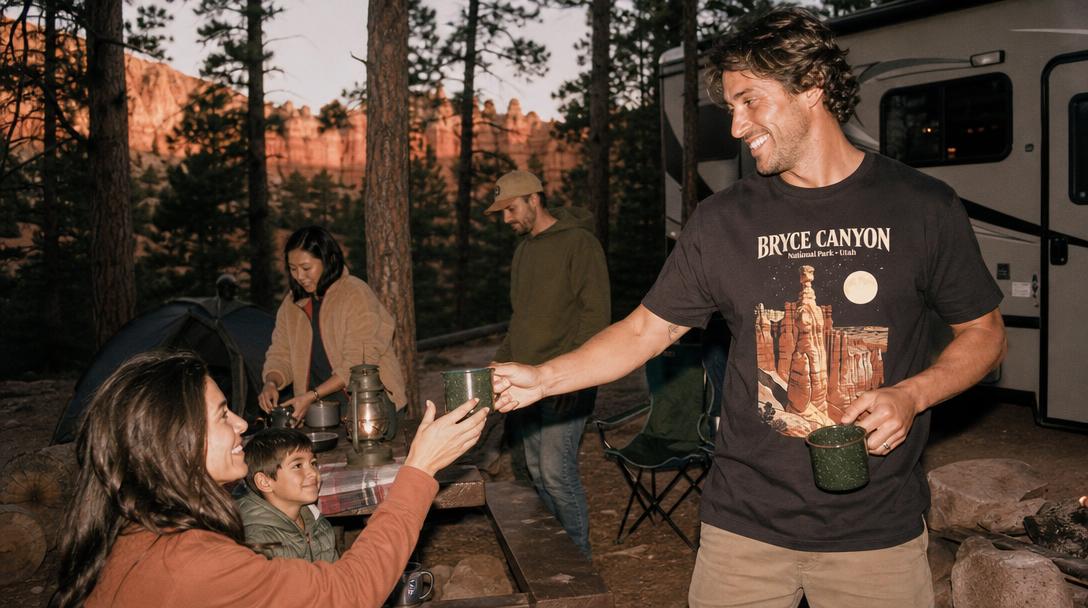
For which is better Zion or Bryce for camping, Zion has more nearby services and a classic canyon camping feel, but Bryce is often easier for RVs, last-minute logistics, and cooler summer nights. Zion campgrounds are extremely popular, while Bryce’s higher elevation can make sleeping more comfortable in hot months.
If you’re comparing campground styles beyond Utah, our national park camping guide is a helpful companion.
Zion camping notes
Zion has campgrounds inside or near the park, with South Campground and Watchman Campground being the best-known developed options near the main canyon. Reservations are strongly recommended when available because sites fill quickly.
Zion camping is great if you want:
- Easy access to the shuttle
- Springdale restaurants and outfitters nearby
- Early starts for big hikes
- Warmer shoulder-season camping
But be ready for:
- Competition for campsites
- Limited parking flexibility
- Heat in summer
- Shuttle-based access to main canyon trailheads
Bryce camping notes
Bryce Canyon has in-park campgrounds and nearby private RV parks around Bryce Canyon City. The higher elevation means colder nights, even in warmer months.
Bryce is great if you want:
- Easier RV movement
- Cooler nights in summer
- Simpler access to viewpoints
- A quieter camping experience compared with Zion
But be ready for:
- Cold spring and fall nights
- Snow and ice in winter
- Fewer town amenities than Springdale
- Wind at exposed campsites
Why Is Bryce Canyon So Special?
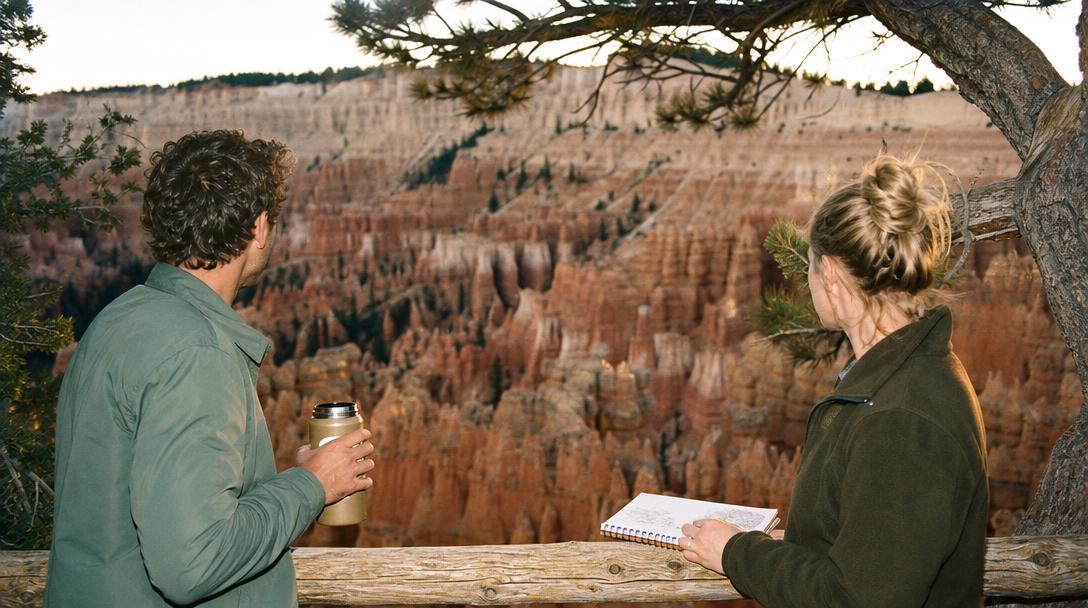
Bryce Canyon is special because it contains the largest concentration of hoodoos on Earth, according to the National Park Service. These colorful limestone spires fill natural amphitheaters and change dramatically with sunrise, sunset, snow, and storm light, creating one of the most unique landscapes in the national park system.
Bryce isn’t technically a single canyon carved by a river like Zion. Instead, frost-wedging and erosion sculpt the soft limestone into fins, windows, and hoodoos. Translation: water freezes, expands, cracks the rock, and nature slowly makes stone sculptures that look like they belong in a fantasy novel.
Bryce is especially magical for photographers because the light changes everything. Sunrise can make the hoodoos glow orange. Snow turns the amphitheater into a red-and-white wonderland. Storm clouds add drama. Even midday, when many parks get visually flat, Bryce still has depth and texture.


