


Hiking Etiquette: Trail Rules for Hike Tee
Dominic PalmowskiHiking Etiquette Basics: Formal Rules vs. Friendly Trail Manners
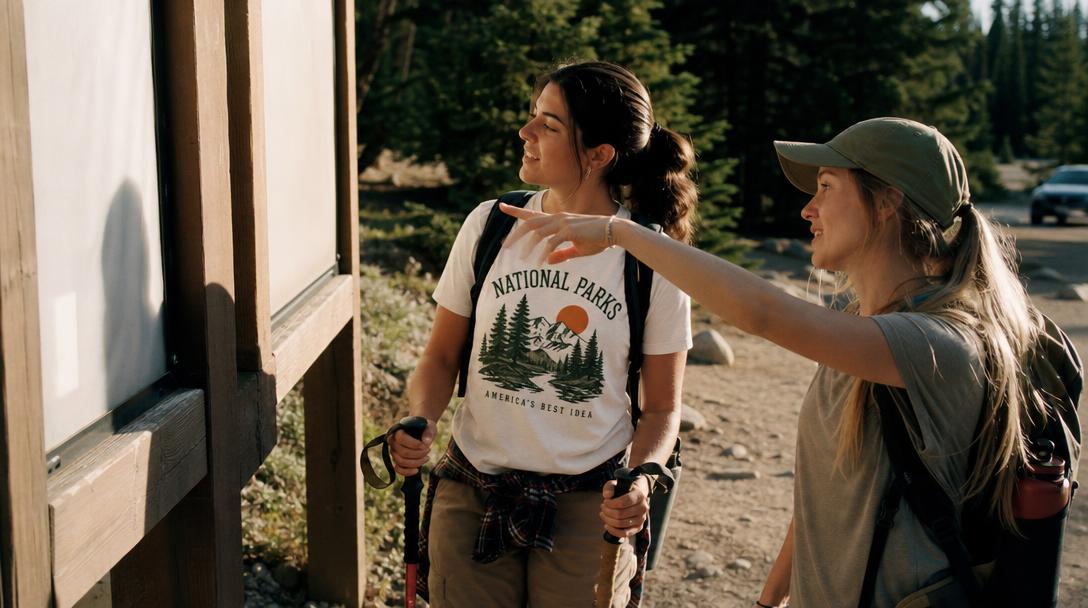
Hiking etiquette is what keeps a gorgeous trail from turning into a sweaty traffic jam with trekking poles. Whether you call it trail etiquette, hiking rules, or simply being a decent human outside, knowing how to share the path helps everyone have a safer, calmer, more nature-filled day.
And honestly? Most hiking etiquette is just common sense with better shoes.
Still, when you are new to hiking — or when a narrow switchback suddenly has hikers, dogs, kids, mountain bikers, and one very judgmental squirrel — it helps to know exactly what to do. This hiking etiquette guide for beginners breaks down formal rules, informal trail manners, right of way, Leave No Trace basics, dog etiquette, and real-life trail scenarios.
According to the National Park Service, U.S. national parks received over 331 million recreation visits in 2024. More people discovering the outdoors is great news, but it also means shared trails need shared manners.
Let’s make the trail better for everyone, one polite “on your left” at a time.
Hiking Etiquette Basics: Formal Rules vs. Friendly Trail Manners
Formal hiking rules
These are official regulations set by parks, forests, land managers, or local agencies. They may include:
- Where dogs are allowed
- Whether dogs must be leashed
- Group size limits
- Camping and permit rules
- Fire restrictions
- Trail closures
- Bike or horse access
- Waste disposal requirements
Always follow posted signs first. If a sign says no dogs, your golden retriever’s emotional support bandana does not count as a legal argument.
Informal trail etiquette
These are widely accepted outdoor manners that help people avoid conflict and protect the land. Examples include:
- Letting uphill hikers pass
- Not blasting music
- Packing out trash
- Greeting people kindly
- Stepping aside safely
- Keeping groups from blocking the trail
The National Park Service’s hiking etiquette guidance emphasizes many of these basics, including knowing right of way, staying on trail, and being considerate of other visitors.
Think of formal rules as the law, and trail etiquette as the social glue that keeps the hiking world from getting weird.
Trail Etiquette Rules Every Hiker Should Know
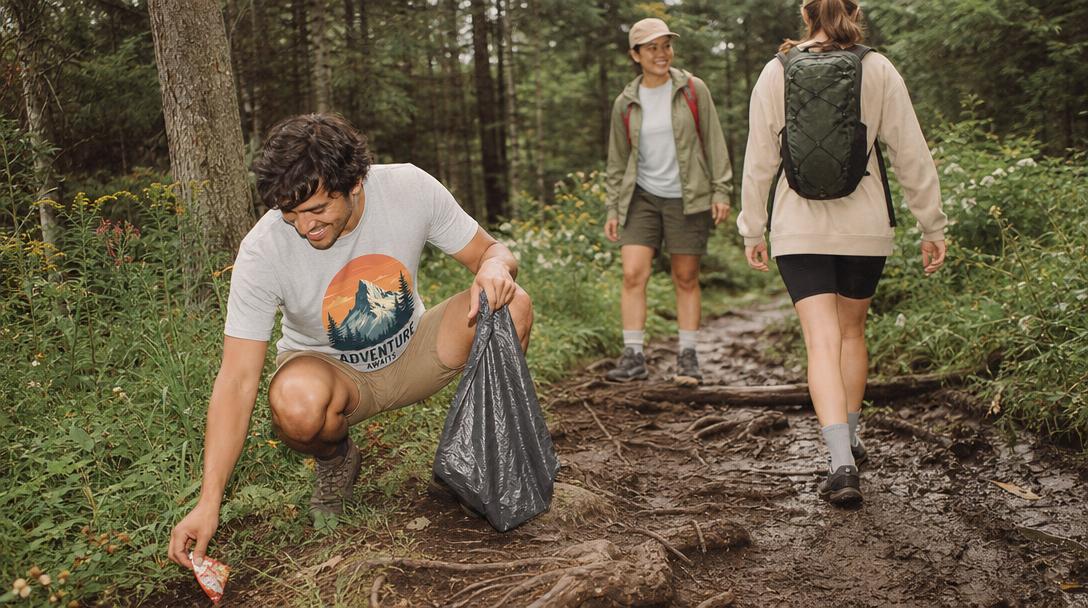
Trail etiquette rules every hiker should know can be boiled down to this: be aware, be kind, and leave the trail better than you found it.
1. Stay on the trail
Shortcutting switchbacks damages fragile soil and plants, causes erosion, and creates confusing social trails. Even if the shortcut looks harmless, hundreds of boots can turn it into a permanent scar.
What to do: stay on the marked path, walk through mud instead of widening the trail, and avoid creating your own adventure route unless off-trail travel is specifically allowed.
2. Pack out everything you bring in
That includes snack wrappers, orange peels, apple cores, dog poop bags, tissues, and the tiny corner of a granola bar wrapper that escapes like it has wilderness survival training.
Leave No Trace teaches seven core principles, including disposing of waste properly and leaving what you find. Food scraps may seem natural, but they can attract wildlife, alter animal behavior, and take much longer to break down than people think. For a deeper primer, read Hike Tee’s Leave No Trace guide for America’s wilderness.
3. Let nature sound like nature
Most hikers go outside to hear birds, wind, water, and the occasional dramatic chipmunk rustle — not someone else’s playlist echoing through the canyon.
What to do: use earbuds if you want music or a podcast. Keep the volume low enough that you can still hear other hikers, bikes, wildlife, or approaching weather.
4. Be friendly, but read the room
A quick hello, good morning, or how’s it going is normal trail culture. You do not need to start a full campfire memoir exchange unless both people seem into it.
5. Step aside when stopping
If you need water, photos, snacks, a map check, or a group debate about whether that bird was definitely an eagle, move off the trail where it is safe and durable.
Avoid standing in the middle of the path, especially on narrow trails, bridges, overlooks, or steep sections.
Who Has Right of Way on Hiking Trails?
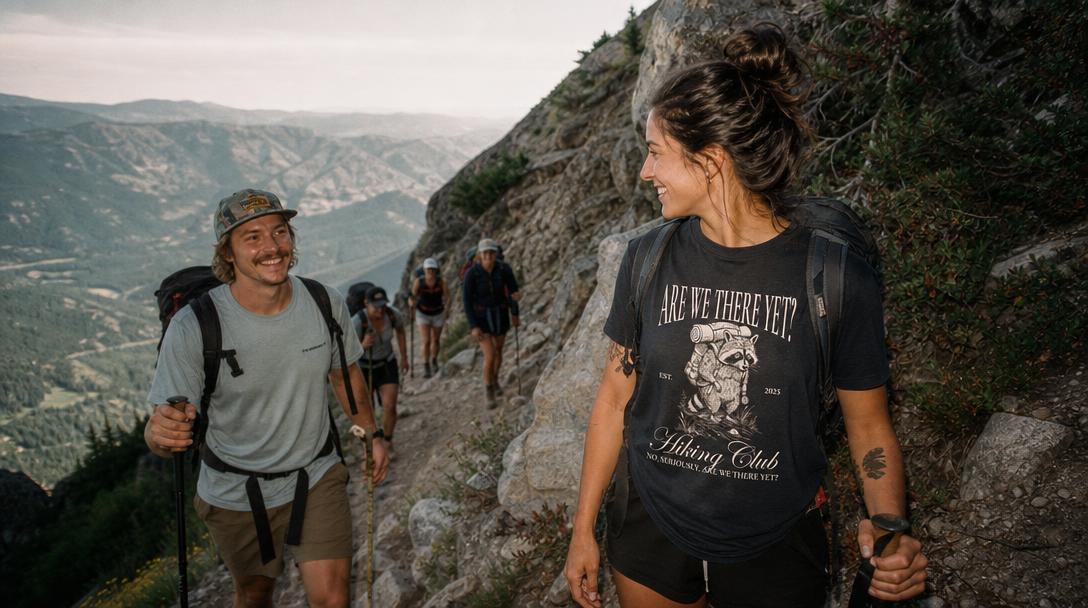
Who has right of way on hiking trails? In general: uphill hikers have the right of way, hikers yield to horses, and mountain bikers yield to hikers and horses.
| Trail User | Who Yields? |
|---|---|
| Uphill hiker vs. downhill hiker | Downhill hiker yields to uphill hiker |
| Hiker vs. horse | Hiker yields to horse |
| Mountain biker vs. hiker | Biker yields to hiker |
| Mountain biker vs. horse | Biker yields to horse |
| Group vs. solo hiker | Usually the group makes room, but use common sense |
What if the uphill hiker wants a break?
This happens all the time. If you are hiking uphill and want to stop, it is perfectly fine to wave the downhill hiker through.
Try:
- Go ahead, I’m taking a breather.
- You’re good — I need a snack excuse anyway.
- Come on down.
Right of way is about courtesy and safety, not winning an invisible trail trophy.
What should downhill hikers do?
If you are descending and see someone climbing:
- Slow down early.
- Find a safe place to step aside.
- Step onto a durable surface if possible — rock, gravel, or packed dirt.
- Let the uphill hiker pass.
- Say hello like a decent forest goblin.
What about horses?
Horses can spook easily, especially if people appear suddenly, wave trekking poles, or hide behind trees like cryptids.
When encountering horses:
- Step to the downhill side of the trail when safe.
- Speak calmly so the horse and rider know you are human.
- Do not make sudden movements.
- Ask the rider what they prefer if space is tight.
- Keep dogs close and controlled.
The basic rule: horse gets the trail. You get to admire the horse from a respectful distance.
Passing, Overtaking, and Narrow Trail Scenarios
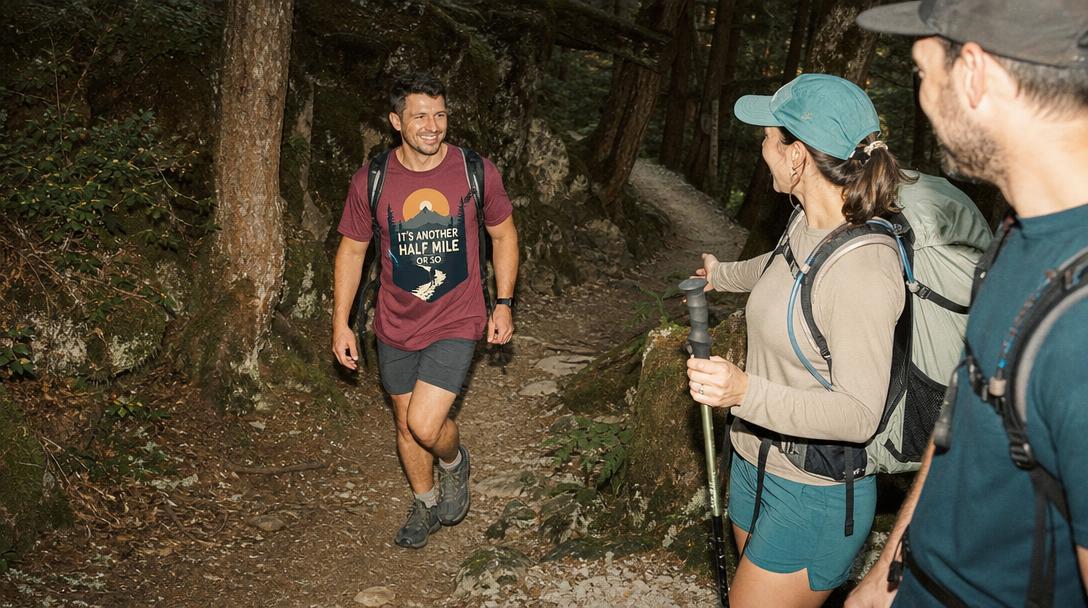
This is where beginner hikers often feel awkward. Good news: everyone feels awkward sometimes. Trail passing is basically a tiny sidewalk negotiation with more mud.
Scenario: You are faster and want to pass
Do not silently creep behind someone like a haunted backpack.
Instead:
- Slow down as you approach.
- Say, Hi, mind if I pass when there’s room?
- Wait for a safe spot.
- Pass on the left if possible.
- Say thanks and keep moving.
Avoid squeezing past on cliffs, narrow bridges, icy sections, or blind corners.
Scenario: Someone faster is behind you
If you hear someone approaching:
- Find a safe place to step aside.
- Say, Go ahead.
- Keep kids, dogs, and trekking poles close.
- Resume hiking after they pass.
No shame. Hiking is not a race, unless you are racing a thunderstorm back to the car, in which case please make better weather choices next time.
Scenario: You meet hikers on a narrow switchback
Switchbacks are fragile and often steep. Do not cut across them.
If you are descending, yield to uphill hikers. If you are in a group, communicate quickly and move to the side in single file where safe.
Scenario: A trail is crowded
Crowded trail etiquette is mostly about awareness:
- Do not stop suddenly in the middle of the path.
- Take photos from the side.
- Keep voices reasonable.
- Let people pass at wider spots.
- Avoid blocking viewpoints for long stretches.
- Be patient with beginners, kids, and slower hikers.
Popular trails are shared spaces, not personal photoshoot studios — although yes, the lighting is fantastic.
Hiking Etiquette With Dogs
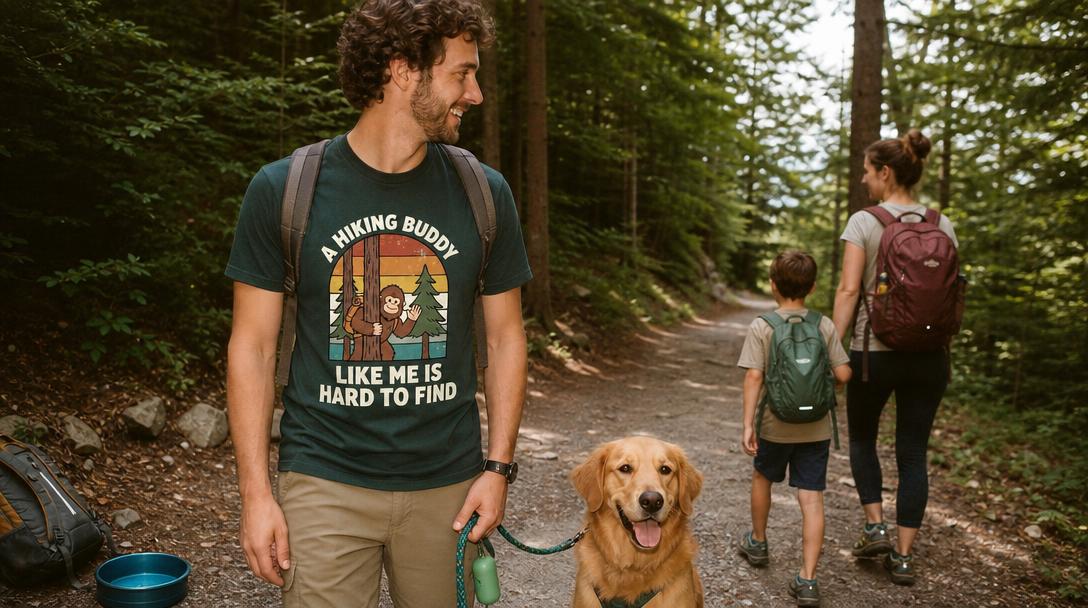
Dogs can make hikes better. They can also turn a peaceful trail into chaos if they are off leash, chasing wildlife, or leaving behind tiny stink bombs in plastic bags.
Good hiking etiquette with dogs starts before you even leave home. If your adventure includes camping, Hike Tee’s dog friendly camping guide is a helpful next read.
Check dog rules before you go
Dog rules vary widely. Many national parks restrict dogs to paved areas, campgrounds, roads, or specific trails. Some wilderness areas allow dogs off leash under voice control, while others require leashes at all times.
Before hiking, check:
- Are dogs allowed on this trail?
- Is a leash required?
- Are there seasonal wildlife restrictions?
- Are there heat, snow, or terrain risks?
- Is the trail too crowded for your dog’s comfort?
Keep your dog under control
Even if your dog is friendly, other hikers may have allergies, trauma, fear of dogs, reactive dogs, small children, or snacks they are emotionally attached to.
Best practices:
- Use a leash where required.
- Keep your dog close when passing.
- Do not let dogs rush people or other dogs.
- Step aside to let others pass.
- Keep dogs away from horses and wildlife.
- Pack out poop bags — all the way out.
Leaving a poop bag beside the trail to grab later is risky because many people forget. Also, nothing ruins a wildflower meadow vibe like a neon bag of betrayal.
What if another dog approaches?
Stay calm and communicate:
- Is your dog friendly?
- Mine needs space, please.
- Can you leash your dog while we pass?
You are not being rude. You are preventing a trail soap opera.
Group Hiking Rules for Families, Friends, and Big Trail Crews
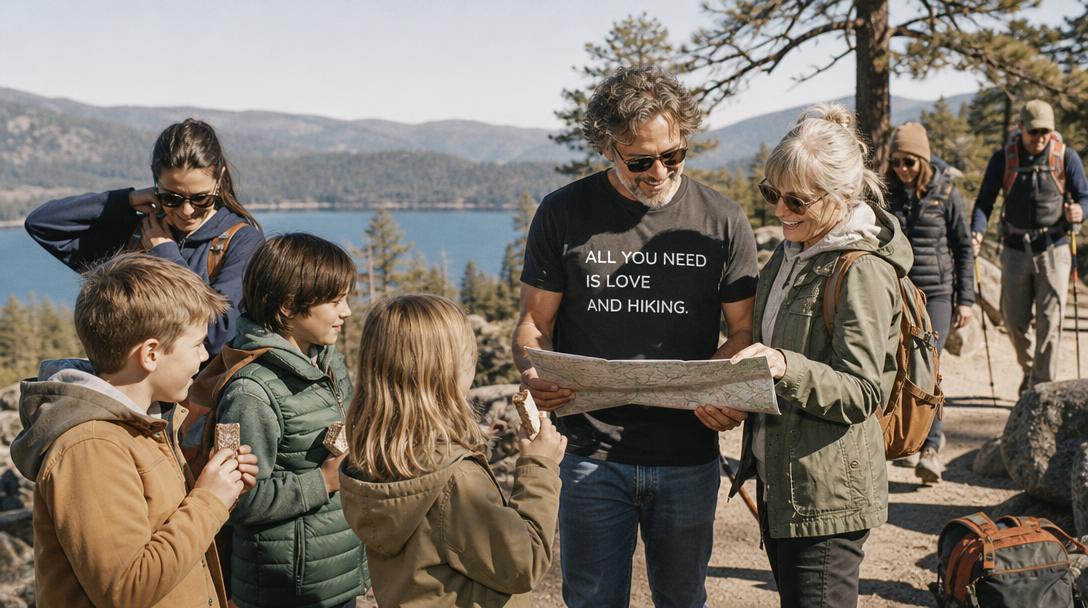
Hiking with family or friends is one of the best ways to spend a day outside. Groups just need extra awareness.
Keep the trail open
Large groups should avoid spreading across the whole path. Hike single file when others approach or when the trail is narrow.
Do not stop as a clump
If one person stops, somehow everyone stops. Suddenly your group has become a human beaver dam.
Move fully off trail for:
- Snack breaks
- Layer changes
- Photo stops
- Kid negotiations
- Map checks
- Wait, where’s Brian moments
Let others pass
If your group is moving slowly, periodically pause at a wide spot to let faster hikers through.
Keep kids safe and included
Teach kids simple trail etiquette early:
- Stay on the path.
- Step aside for others.
- Do not throw rocks.
- Do not feed animals.
- Use quiet voices near wildlife.
- Say hello if they want to, but they do not have to.
Kids do not need a lecture. They need simple rules, snacks, and maybe a rock they are allowed to admire but not bring home.
Casual graphic tees for group hikes
Matching shirts are optional, but a casual graphic tee can make group photos more memorable and help your crew spot each other near a busy trailhead. Keep it lighthearted with something like the Be Nice To Hikers Sunset Shirt, the snack-break-ready All You Need Hiking Shirt, or the very relatable Are We There Yet Hiking Club Shirt.


