


Sustainable Hiking Shirts: Brands & Fabrics
Dominic PalmowskiSustainable Hiking Shirts: Companies Worth Comparing
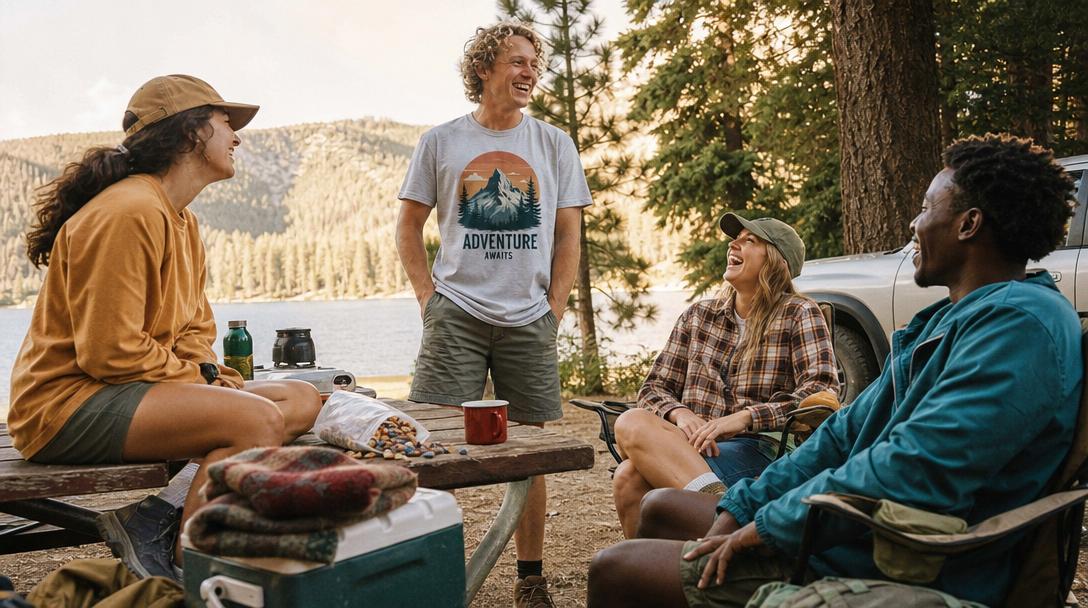
Here are the brands I have personally worn, tested, sold, researched, or compared while building Hike Tee and digging into what “sustainable” actually means in outdoor clothing.
Patagonia
Patagonia is the easiest starting point because they publish more detail than most brands. Their Capilene Cool Daily is one of the best sustainable hiking shirts for hot weather because it is lightweight, dries quickly, and uses recycled polyester in many styles. It is also Fair Trade Certified sewn, and Patagonia is one of the better brands at showing certifications at the product level.
The Capilene Cool Daily has been my go-to recommendation for first-timers because it is technical without being fussy. It wicks sweat fast, dries faster than natural fibers, and sits at a reasonable price compared with premium merino. The trade-off is that it is still synthetic, which means microplastic shedding and less end-of-life friendliness.
Patagonia’s Responsibili-Tee is also worth mentioning, though it is more casual than technical. It uses post-industrial cotton scraps and recycled materials, which is exactly the kind of waste-to-wear idea I love seeing done well.
Icebreaker
Icebreaker is one of the strongest choices if odor control matters. The Merino 150 Tech Lite, especially the Cool-Lite versions that blend merino with lyocell, is excellent for multi-day hiking, camping, and travel. I have worn merino for multiple days, aired it out overnight, and been genuinely shocked that it did not smell. That is not brochure talk. That is trail magic.
The downside? Thin merino can wear faster under backpack straps. It can get fuzzy. It absorbs more moisture than polyester and dries slower. But for backpacking where you would rather pack one shirt than three, Icebreaker is hard to beat.
Smartwool
Smartwool sits in a similar lane to Icebreaker, but many of its hiking tops use blends that improve durability and comfort. Their Active Ultralite styles, including wool and Tencel blends, are especially interesting if you want natural odor resistance with a softer, lighter feel.
Smartwool is a good option for hikers who want merino performance but are nervous about scratchiness or overheating.
Tentree
Tentree is best for casual day hikes, travel days, and low-output walks rather than hot, sweaty climbs. Their organic hiking t shirts and organic cotton basics can be comfortable, breathable, and much better than conventional cotton from a farming perspective.
But here is my honest warning: organic cotton is not automatically a great hiking fabric. I once wore a beautiful organic cotton tee on a summer family hike and spent most of the climb feeling like I had wrapped myself in a damp bath mat. My wife, wearing a basic synthetic athletic top, was dry and comfortable. I was having what I now call a “learning experience.”
Tentree’s sustainability story is real. Just choose the shirt for the right hike.
REI Co-op
REI Co-op is a strong budget-friendly option. The Sahara Shade T-Shirt is often around the $30–35 range and gives newer hikers a practical entry point into responsible materials and sun-friendly trail clothing without jumping straight to premium pricing.
It may not have Patagonia’s brand mythology or Icebreaker’s merino cool factor, but for the money, REI Co-op is one of the easier brands to recommend.
prAna
prAna is more lifestyle-meets-outdoor than hardcore backpacking, but they deserve a spot because they have long worked with organic cotton, hemp, Fair Trade programs, and responsible packaging. Their tees are better for travel, climbing gym days, campground hangs, and mild trails than for drenched summer ascents.
Cotopaxi
Cotopaxi caught my attention early because they are a certified B Corp and use repurposed or leftover fabric cuts in parts of their product line. Their t-shirts are usually more casual outdoor lifestyle than high-performance hiking gear, but their brand-level sustainability work is more transparent than many competitors.
Ridge Merino and Burgeon Outdoor
Ridge Merino is worth watching if you want high-value merino without the giant-brand markup. Burgeon Outdoor’s Flume Crewneck, made with Tencel, is one of the more interesting hidden gems. Long-term reviewers have reported impressive durability and odor resistance, which is rare for a shirt that is not simply another polyester tee with a green label slapped on it.
What “sustainable materials” actually means
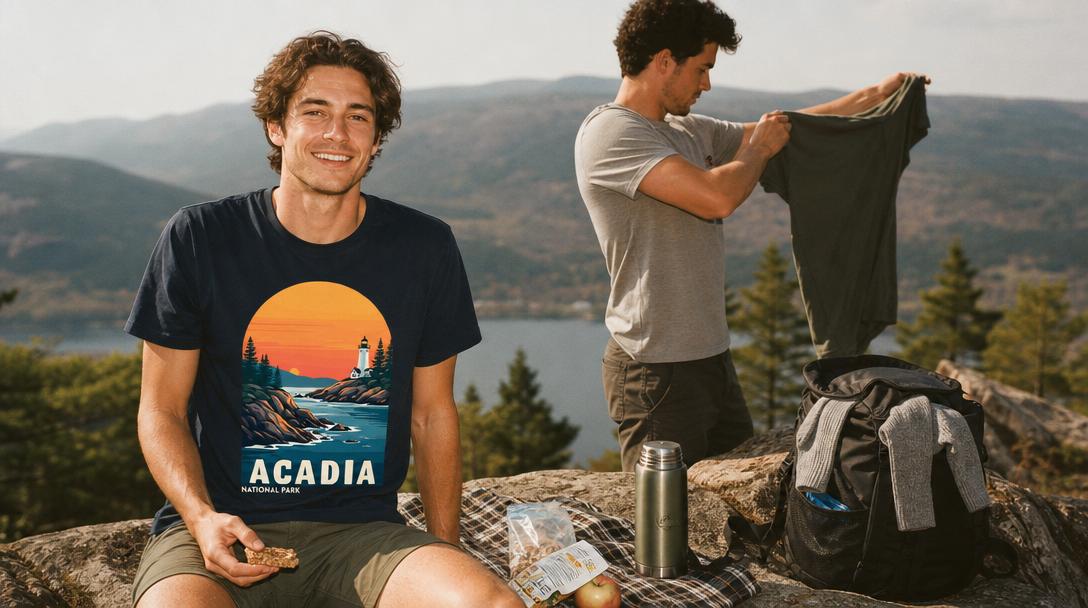
When I started researching sustainable hiking t shirts, I thought the answer would be obvious: natural equals good, plastic equals bad. Nope. Trail clothing is more complicated than that.
I now evaluate sustainability in four layers:
- Raw fiber: What is the shirt made from?
- Manufacturing process: How much water, energy, dye, and chemical use was involved?
- Labor conditions: Were people paid and treated fairly?
- End of life: Can the shirt be repaired, recycled, composted, or worn for years?
A shirt can be organic cotton and still be dyed using harmful chemicals. A recycled polyester shirt can reduce landfill waste but still shed microplastics. A merino shirt can be renewable and biodegradable, but sheep farming has methane impacts and animal welfare concerns.
There is no perfect hiking shirt. There are only better choices for specific situations.
Clear fabric comparison by hiking use case
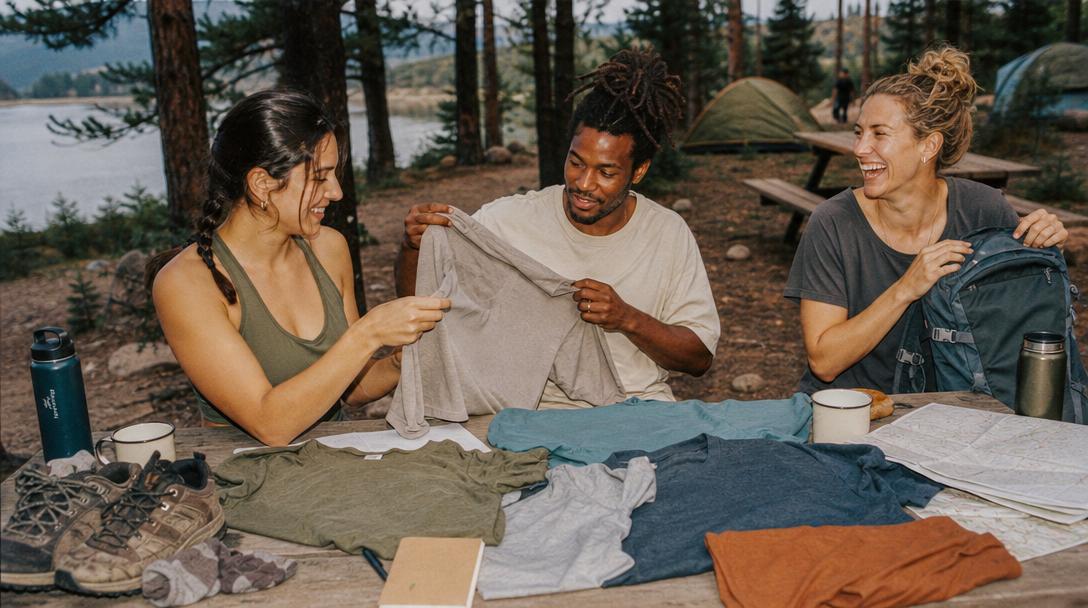
Recycled polyester
Best for: hot weather, humid hikes, thru-hiking, high-sweat days
Recycled polyester, or rPET, is common in eco friendly hiking shirts because it can be made from plastic bottles or textile waste. It is durable, light, quick-drying, and great at moving sweat away from your skin.
Performance notes: dries fastest, resists abrasion well, but can hold odor if it lacks an antimicrobial treatment. Cheap polyester can develop permanent stink. Ask me how I know. Actually, do not. It was unpleasant.
Sustainability trade-off: diverts plastic waste, but it is not biodegradable and sheds microplastics in the wash.
Merino wool
Best for: backpacking, cool-to-variable weather, travel, odor control
Merino is the fabric that changed my mind about expensive hiking shirts. I wore one merino tee for three consecutive days on a trip, aired it out each night, and it simply did not smell. For multi-day use, that matters more than people realize.
Performance notes: excellent odor resistance, good temperature regulation, comfortable across changing conditions. Slower drying than polyester and less durable in very thin weights.
Sustainability trade-off: renewable and biodegradable, but animal welfare and land impacts vary. Look for transparency around wool sourcing and non-mulesed wool.
Organic cotton
Best for: dry casual hikes, campground wear, low-output walks, everyday outdoor style
Organic cotton uses fewer synthetic pesticides than conventional cotton and feels great against the skin. It is biodegradable and easy to wear casually.
Performance notes: comfortable when dry, but absorbs sweat, dries slowly, gets heavy, and can feel cold when wet.
Sustainability trade-off: better farming profile than conventional cotton, but still water-intensive and not ideal for high-output hiking.
Hemp
Best for: casual trail wear, hot dry climates, durable everyday tees
Hemp grows with relatively low water and pesticide needs. It is strong, naturally UV-resistant, and biodegradable.
Performance notes: durable and breathable, but not as quick-drying or moisture-managing as technical synthetics.
Sustainability trade-off: promising fiber, but still less common in true hiking t-shirts.
Tencel / Lyocell
Best for: warm weather comfort, odor-prone hikers, soft natural-feeling blends
Tencel, also called lyocell, is one of the cleaner semi-synthetic options when made through closed-loop processing that recycles water and solvents. It is soft, breathable, and often blends beautifully with merino.
Performance notes: soft, comfortable, good odor performance, but can be less rugged than polyester depending on knit and construction.
Sustainability trade-off: strong when sourced and processed responsibly. Look for actual lyocell/Tencel claims, not vague “plant-based” wording.
Bamboo rayon
Best for: proceed with caution
Bamboo as a plant grows quickly, but bamboo rayon often requires heavy chemical processing. I am skeptical of bamboo shirts marketed as automatically eco-friendly unless the brand explains the exact processing method and certifications.
Casual and cotton tee notes from Hike Tee
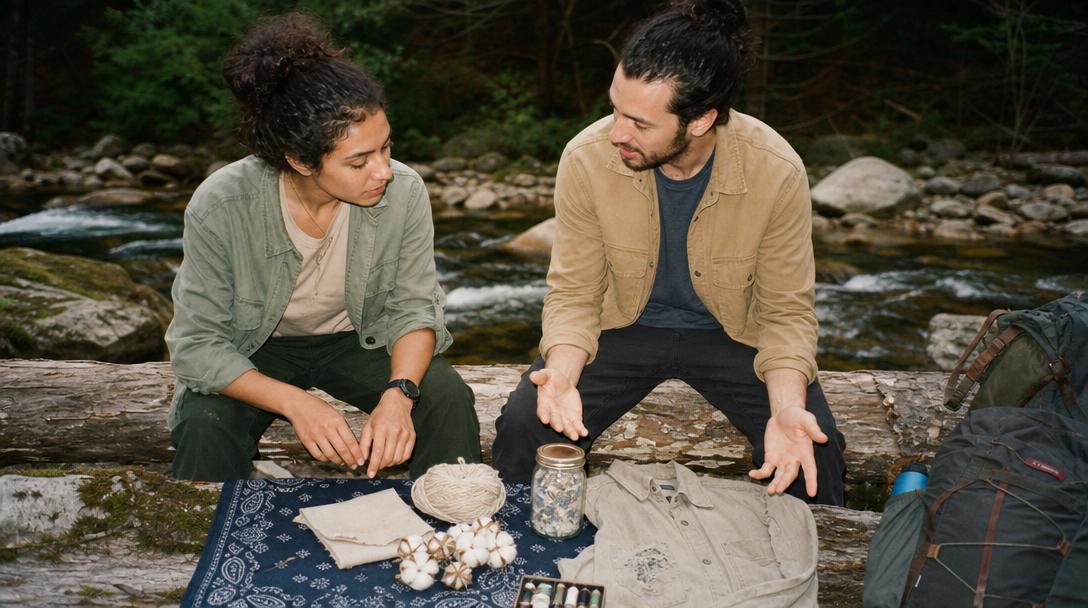
Not every outdoor shirt needs to be a technical fabric spreadsheet with sleeves. Sometimes you want a tee for the drive to the trailhead, the campsite, the brewery after, or a low-key nature walk where your biggest hazard is spilling trail mix in the car.
For those moments, cotton and cotton-blend graphic tees still have a place. If you are deciding when cotton works and when it does not, our guide to Cotton vs Synthetic Hiking Shirts goes deeper into the performance trade-offs. You might also like Hiking Shirt vs Regular T-Shirt if you are wondering whether you really need a technical top for every trail.
Care matters here too. A well-loved cotton tee can last years if you wash it properly, so I recommend reading How to Wash Graphic Tees before you accidentally shrink your favorite shirt into toddler gear.
For casual outdoor days, something like the Adventure Awaits Shirt or an easy national-park-inspired tee like the Acadia National Park Shirt makes more sense around camp than on a humid uphill push. Different shirts, different jobs.
Organic cotton vs merino wool hiking shirt
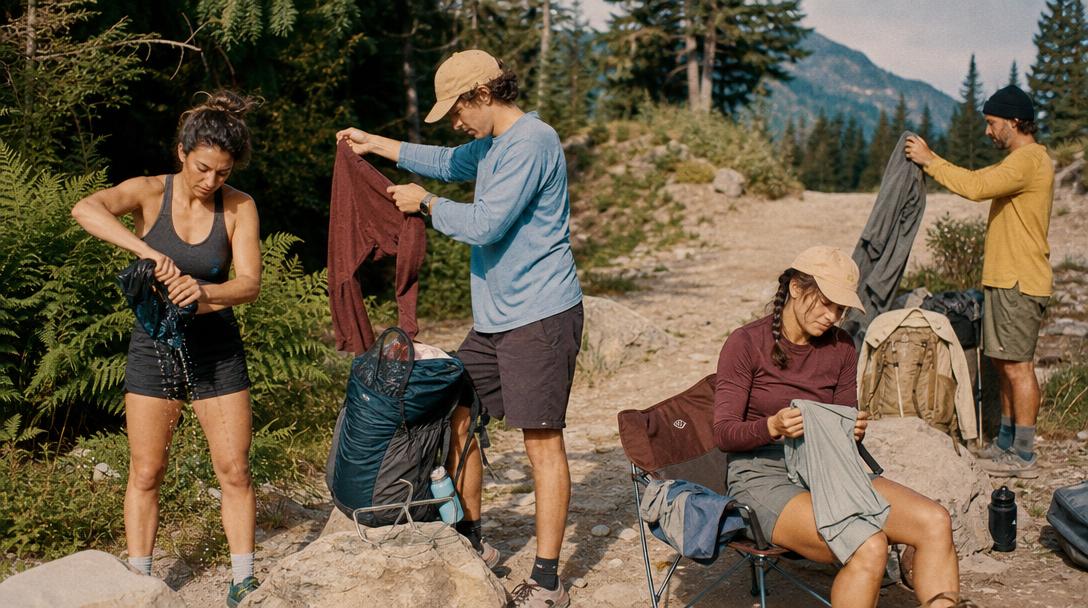
If you are comparing an organic cotton vs merino wool hiking shirt, the key question is intensity.
Choose organic cotton if the hike is dry, mild, short, and casual. It feels great, looks normal around town, and has a cleaner farming story than conventional cotton.
Choose merino wool if you will sweat, repeat-wear the shirt, camp overnight, or deal with changing temperatures. Merino wins on odor, temperature regulation, and multi-day practicality.
The only time organic cotton wins for true hiking performance is when the hike is easy enough that performance barely matters. And hey, some of the best hikes are exactly that: slow, scenic, snack-heavy, and not trying to prove anything.
How to verify sustainability claims before buying
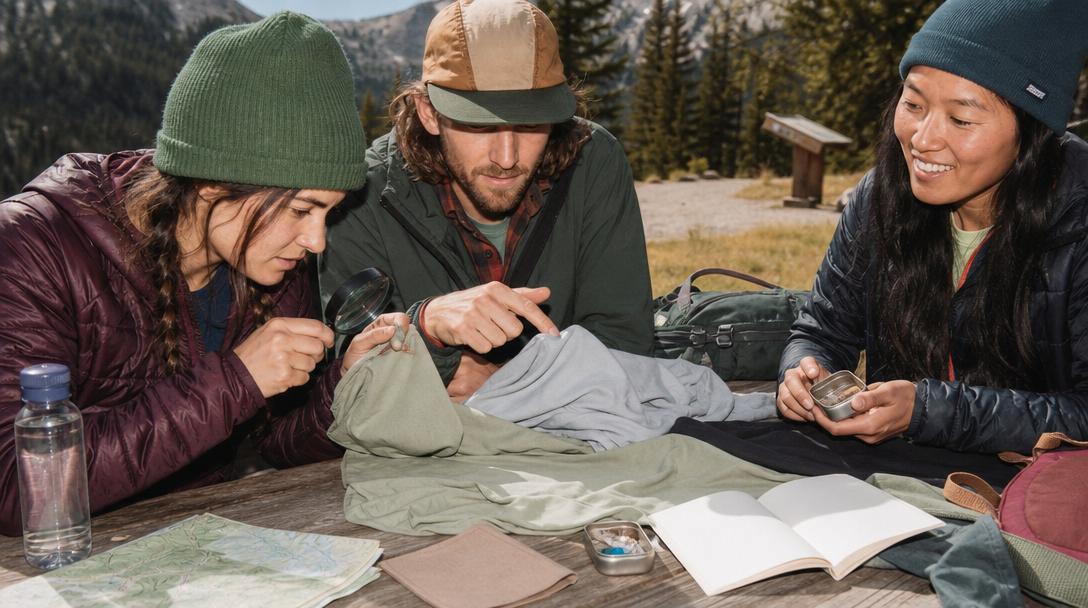
This is where I get a little detective-y, minus the trench coat.
Look for real certifications
Strong signals include GOTS for organic textiles, Global Recycled Standard for recycled content, OEKO-TEX Standard 100 for chemical safety, bluesign for safer textile processing, Fair Trade Certified for labor standards, and Responsible Wool Standard for wool sourcing.
Bonus points if the brand provides license numbers or product-level certification details.
Demand percentages
“Made with recycled materials” is weak. “85% post-consumer recycled polyester” is useful. If a company will not say how much of the shirt is recycled, organic, or certified, be cautious.
Check factory and supply chain transparency
The best brands disclose where products are made, what materials are used, and which standards apply. Patagonia is strong here. Others vary.
Watch for greenwashing phrases
Be skeptical of words like eco-conscious, planet-friendly, natural, green, and sustainable when they appear without data. A forest photo is not a certification.
Look for repair, resale, or longevity programs
A company that helps you repair or keep gear longer is usually more serious than one that just wants you to buy the next “eco” drop.
Blends: the sustainability sweet spot most guides skip
Somewhere between "pure fabric purist" and "I just want a shirt that works" you will find blends, and I think they deserve more credit than they get. A mix of organic cotton and recycled polyester borrows the soft, familiar feel of cotton while picking up the drying speed and shape retention of a synthetic. It is not the most extreme option in either direction, which is exactly the point if you want one shirt that can handle a trail walk and a post-hike burger.
Hemp blends are worth a look too. On its own, hemp can feel stiff for the first few wears, like it is auditioning for a much rougher life than yours. Blended with something softer, it keeps the durability and breathability while losing the "I am wearing a doormat" texture. These blends will not out-perform a dedicated technical shirt on a brutal summer climb, but for day hikes, travel, and campground mornings, they often land closer to the sweet spot than either pure fabric alone.
Fit, sun protection, and the men's vs women's cut question
Fabric gets most of the attention in sustainability conversations, but fit decides whether you actually keep wearing the shirt. A few details worth checking before you buy:
- Flatlock seams reduce chafing under backpack straps — regular raised seams can rub raw by mile four.
- A UPF rating matters more than the fabric label once you are on exposed terrain, and light colors reflect heat better than dark ones.
- Ventilation — mesh panels, button fronts, or a slightly looser cut — helps in humidity more than any certification does.
- A layer-friendly fit avoids bunching under a fleece or rain shell once the weather turns.
And here is one that gets skipped constantly: the difference between a men's and a women's cut is not just sizing. Shoulder angle, torso length, and sleeve shape all change, which is why the "same" shirt in a different cut can fit completely differently under a pack. Try the cut built for your body before you try a smaller or larger size of the wrong one.
On cost, think in cost-per-wear rather than sticker price. A shirt you reach for fifty times is a better sustainability decision than a cheaper one that sits in a drawer after three trips — which is basically the whole logic behind our own HIGH 5 with Nature approach. For circular thinking specifically, Houdini's take-back program is worth watching alongside Patagonia's Worn Wear, and B Corp certification is a useful shortcut when you want a brand held accountable beyond just one product line.


