


Dress Shirt Hiking: Fashion vs Function
Dominic PalmowskiYes, you can wear a dress shirt hiking—but only if it can handle sweat, sun, and a backpack without turning into a sad trail napkin. The short version: a dress-style button-down shirt can work beautifully as a hiking shirt, performance shirt, or travel shirt for easy hikes, hot-weather sun protection, camping, and city-to-trail adventures if it’s breathable, moisture-wicking, quick-drying, and comfortable under a backpack.
The problem isn’t the collar. It’s the fabric.
A collared button-down shirt can actually be a smart hiking choice. It gives you adjustable ventilation, neck coverage, sun protection, and a polished look for grabbing tacos after the trail without appearing like you just wrestled a raccoon for your granola bar.
But a traditional cotton dress shirt? That’s where fashion and function start arguing in the parking lot.
Can You Wear a Dress Shirt Hiking?

You can wear a dress shirt hiking if the hike is low-risk and the shirt is made from the right material.
A dress shirt works best for:
- Short day hikes
- Easy nature walks
- Travel days with light trail time
- Dry, warm weather
- City-to-trail plans
- Casual camping trips
- Scenic overlooks and National Park strolls
A dress shirt is less ideal for:
- Long backpacking trips
- Cold or wet weather
- High-sweat climbs
- Remote trails
- Technical terrain
- Trips where you can’t change clothes easily
The key is choosing a shirt that looks polished but performs like outdoor gear. That means skipping stiff office cotton and looking for a performance shirt, travel shirt, or technical button-down made with synthetic fabric, merino wool, or a smart blend.
A good trail-friendly dress shirt should be:
- Lightweight
- Breathable
- Moisture-wicking
- Quick-drying
- Comfortable through the shoulders
- Wrinkle-resistant
- Packable
- Protective against sun exposure
Basically, you want “business casual” on the outside and “I can climb a hill without becoming a damp paper towel” on the inside.
Dress Shirt vs. Hiking Shirt: What’s the Real Difference?
Here’s where most advice online gets a little muddy. People often compare “dress shirts” and “hiking shirts” as if they’re totally separate species. But there’s overlap.
A traditional dress shirt is designed for appearance. A purpose-built hiking shirt is designed for movement, sweat, sun, and weather. A modern performance button-down can land right in the sweet spot between both.
Side-by-Side Comparison
| Feature | Traditional Dress Shirt | Hiking Shirt | Performance/Travel Button-Down |
|---|---|---|---|
| Main purpose | Style, office wear | Outdoor comfort and protection | Trail + travel versatility |
| Common fabric | Cotton | Polyester, nylon, merino | Nylon/poly blends, merino blends |
| Moisture control | Poor to moderate | Excellent | Good to excellent |
| Drying speed | Slow | Fast | Fast |
| Breathability | Varies | High | High |
| Stretch | Usually limited | Often built in | Often built in |
| Wrinkle resistance | Varies | Usually good | Usually excellent |
| Sun protection | Depends on weave | Often UPF-rated | Often UPF-rated |
| Packability | Moderate | Excellent | Excellent |
| Trail comfort | Depends heavily on fabric | Designed for it | Great if chosen well |
| Looks good in town | Yes | Sometimes sporty | Usually yes |
The takeaway: the best dress shirt for hiking is not really a classic dress shirt. It’s a dress-style performance shirt that borrows the collar, buttons, and clean look from officewear while using outdoor-friendly fabric.
Is a Cotton Dress Shirt Good for Hiking?
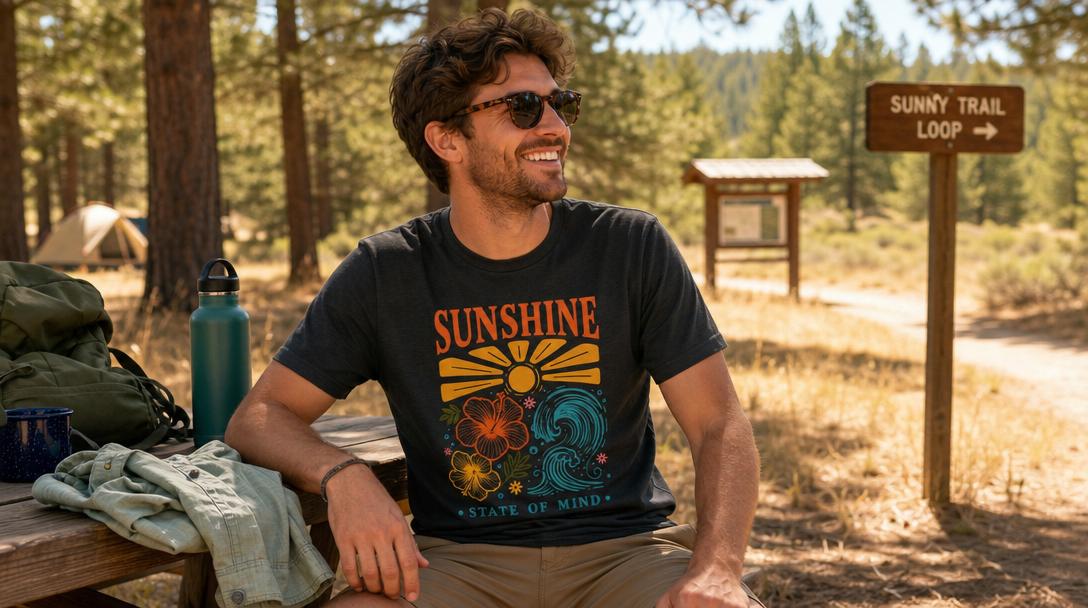
A cotton dress shirt is usually not a good choice for hiking, especially if the hike is long, sweaty, cold, wet, or remote.
Cotton absorbs moisture and dries slowly. That means once it gets wet from sweat, rain, or an accidental “I definitely meant to step in that creek” moment, it stays wet for a long time.
Outdoor folks often repeat the phrase “cotton kills.” Dramatic? Yes. Completely made up? No. For a deeper breakdown, Hike Tee’s guide to whether cotton shirts are good for hiking explains when cotton is harmless and when it becomes a trail problem.
The concern is that wet cotton can pull heat away from your body, especially when temperatures drop or wind picks up. Cotton’s slow drying time makes it a poor choice for changing mountain conditions, cold weather, or high-output activities.
When Cotton Might Be Okay
- A flat one-mile nature trail
- Warm, dry weather
- Low-sweat activities
- Campground lounging
- Short hikes close to your car
- Casual travel days where you have backup clothes
A lightweight cotton button-down may even feel comfortable in dry heat because it can hold moisture and cool you as it evaporates. But that advantage disappears fast in humid weather, cold wind, or unexpected rain.
For low-key campground lounging or a short sunny stroll, a soft casual tee like the Sunshine Summer Shirt can fit the relaxed outdoor vibe—just save it for easy, dry conditions rather than serious mileage.
When to Avoid Cotton
- Cold conditions
- Wet weather
- Humid climates
- Mountain terrain
- Long distances
- High elevation
- Shoulder seasons
- Anywhere you’ll sweat heavily
If your hike includes real exertion, changing weather, or a loaded backpack, cotton is more fashion than function—and not in a fun runway-in-the-forest way.
Can You Wear a Button-Down Shirt on a Hike?

Absolutely. A button-down shirt can be excellent for hiking if it’s made from trail-friendly fabric.
In fact, many outdoor brands make hiking-specific button-downs because the design is genuinely useful. Buttons let you adjust airflow. A collar protects your neck from the sun. Long sleeves can shield your arms from UV rays, bugs, brush, and surprise plant drama.
A breathable button-down for hiking and travel is one of the most versatile pieces you can pack.
Why Button-Downs Work Well Outdoors
- Adjustable ventilation: Unbutton the top when climbing, close it when the sun gets intense.
- Sun protection: Collars and long sleeves reduce direct exposure.
- Bug protection: Long sleeves help keep mosquitoes and scratchy plants off your arms.
- Travel-friendly style: You can wear it on the plane, trail, and patio afterward.
- Layering flexibility: Wear it open over a T-shirt or base layer.
This is especially handy for National Park trips where your day might include a sunrise hike, scenic drive, picnic, gift shop wander, and dinner in town. One shirt that handles all of that? Trail magic.
Fabric Choices: Cotton vs. Merino vs. Synthetic
Fabric is the make-or-break factor. A shirt’s cut matters, but material determines whether you stay comfortable or spend the hike feeling like a steamed dumpling in sleeves.
Moisture-Wicking Dress Shirt for Hiking: Synthetic Fabrics
Synthetic fabrics like polyester and nylon are the most common materials in hiking and travel shirts.
Synthetic materials generally dry faster than merino wool and absorb less moisture overall, making them especially useful for hot weather, humid conditions, and high-sweat activity.
Pros of Synthetic Shirts
- Excellent moisture-wicking
- Fast drying
- Lightweight
- Durable
- Often less expensive than merino
- Easy to wash while traveling
- Frequently wrinkle-resistant
- Often available with UPF ratings
Cons of Synthetic Shirts
- Can retain odor more than merino
- Some fabrics feel slick or plasticky
- Low-quality versions may trap heat
- Not always as polished-looking as cotton
A moisture-wicking dress shirt for hiking is usually made from polyester, nylon, or a blend with a little spandex for stretch. Nylon tends to be durable and often has good sun protection. Polyester is typically light, quick-drying, and soft.
For hot-weather hikes, synthetic is often the most practical choice.
Merino Wool: The Odor-Fighting Trail Hero
Merino wool sounds like something you’d wear while sipping tea in a cabin, but it’s a legitimate outdoor performance fabric.
Merino wool is naturally odor-resistant, which makes it great for travel and multi-day adventures, especially when you need to wear a shirt more than once.
Pros of Merino Shirts
- Naturally odor-resistant
- Comfortable against skin
- Helps regulate temperature
- Performs well in cool weather
- Good for multi-day travel
- Less stinky after repeated wear
Cons of Merino Shirts
- More expensive
- Slower drying than synthetics
- Can be less durable under backpack straps
- May feel warm in very hot, humid weather
A merino button-down can be a great travel shirt if you care about odor control and re-wearing between washes. It’s especially useful for camping trips, road trips, and cooler hikes where comfort matters more than ultrafast drying.
Cotton: Comfortable Until It Isn’t
Cotton feels great when dry. The trouble starts when it gets damp.
Pros of Cotton
- Soft
- Affordable
- Easy to find
- Looks polished
- Comfortable in mild conditions
Cons of Cotton
- Absorbs sweat
- Dries slowly
- Can cause chafing
- Loses warmth when wet
- Gets heavy and clingy
- Wrinkles easily
A cotton dress shirt is fine for looking outdoorsy at brunch. For actual hiking? Proceed with caution.
What Shirt Is Best for Hiking in Hot Weather?

The best shirt for hiking in hot weather is a lightweight, breathable, moisture-wicking long-sleeve shirt with sun protection.
That might sound counterintuitive. Long sleeves in heat? But direct sun exposure can exhaust you faster, increase sunburn risk, and leave you reapplying sunscreen like you’re frosting a cake.
A light-colored, loose-fitting long-sleeve button-down can keep you cooler by blocking sun while allowing airflow. For more warm-weather shirt advice, see Hike Tee’s guide to the best hiking shirts for hot weather.
Look for These Hot-Weather Features
- Lightweight synthetic fabric
- UPF 30 to UPF 50+ rating
- Light colors like white, tan, pale blue, or sage
- Roll-up sleeve tabs
- Vents or mesh panels
- A collar for neck protection
- A relaxed but not baggy fit
- Quick-dry construction
UPF 50 fabric blocks about 98% of UV radiation. That makes a UPF-rated hiking button-down especially useful in exposed places like deserts, alpine trails, beaches, and open ridgelines.
Best Hot-Weather Shirt Setup
- Lightweight synthetic button-down
- Breathable hiking pants or shorts
- Wide-brim hat
- Sunglasses
- Thin wool or synthetic socks
- Sunscreen on exposed areas
You’ll look like you know what you’re doing, even if you still packed three snacks and ate them all before mile two. Relatable.
Are Moisture-Wicking Shirts Worth It for Hiking?
Yes, moisture-wicking shirts are worth it for hiking—especially if you sweat, hike in warm weather, carry a pack, or spend more than an hour on trail.
Moisture-wicking fabric moves sweat away from your skin so it can evaporate faster. That helps reduce clamminess, overheating, and chafing. It also matters when you stop moving. A soaked cotton shirt can make you cold quickly during breaks, while a quick-drying performance shirt helps keep your body temperature more stable.
Moisture-Wicking Shirts Are Most Worth It For:
- Hot-weather hikes
- Humid climates
- Long climbs
- Backpacking
- Travel
- Camping
- Layering in cool weather
- People who sweat heavily
If your hike is a short stroll through a local park, you don’t need to overthink it. But if you’re buying one shirt to handle trail days, road trips, camping, and travel, moisture-wicking fabric is one of the most important features.
Scenario-Based Recommendations: What to Wear When
For Short, Easy Hikes
- Lightweight cotton blend, merino, or synthetic button-down
- Casual graphic tee for mild, dry strolls
- Short sleeves or long sleeves depending on sun exposure
- Comfortable fit
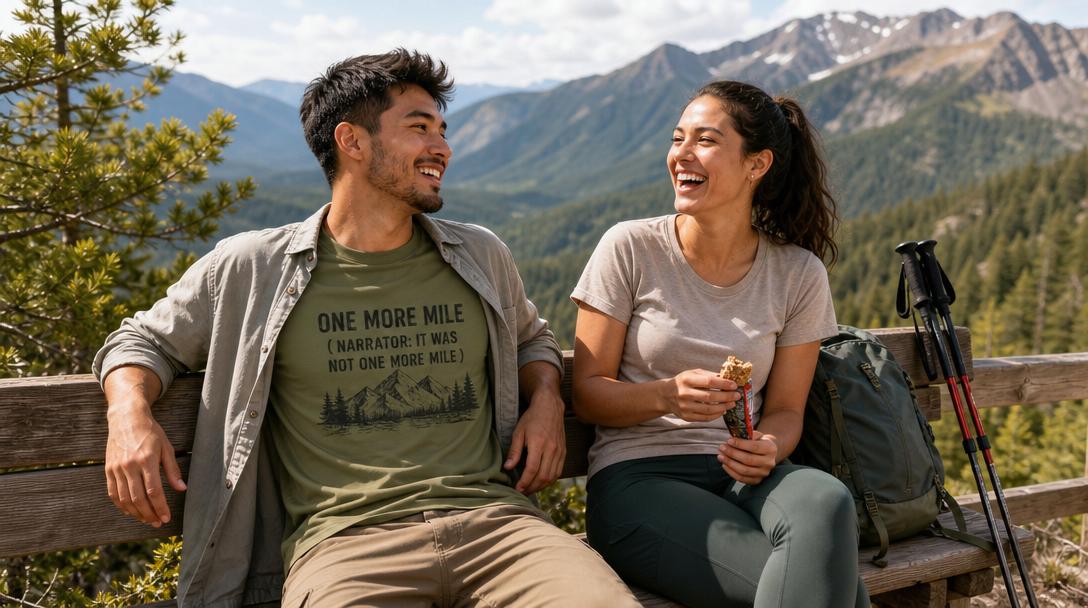
A regular dress shirt can work here if the weather is mild and you won’t sweat much. Just avoid stiff fabrics that restrict arm movement. If your hike is more “easy overlook and snacks” than “summit sufferfest,” a casual graphic tee like the One More Mile Shirt fits the mood without pretending to be technical gear.
For City-to-Trail Travel
- Wrinkle-resistant dress shirt for camping and travel
- Synthetic or merino blend
- Neutral color
- Clean collar
- Low-profile pockets
This is where performance button-downs shine. You can wear one through the airport, on a lunch stop, into a visitor center, and onto a moderate trail without needing a full outfit change.
Pair it with:
- Stretch travel pants
- Trail sneakers or low hiking shoes
- Simple belt
- Lightweight fleece or shell
You’ll look put together without sacrificing comfort.
For Hot and Sunny Hikes
- Lightweight synthetic long-sleeve button-down
- UPF 50 if possible
- Light color
- Vented back panel
- Roll-up sleeves
A lightweight packable dress shirt for hiking is ideal here. It protects you from the sun but won’t feel heavy in your pack.
For Cold Weather Hiking
- Merino or synthetic base layer
- Performance button-down as a mid-layer or sun layer
- Fleece or insulated layer
- Wind/rain shell
In cold conditions, don’t rely on a dress shirt as your main warmth layer. It can be part of a layering system, but you need insulation and weather protection too. If temperatures are dropping, review the 3-layer rule for cold-weather hiking before deciding what to wear.
For Camping Trips
- Merino button-down or synthetic travel shirt
- Wrinkle-resistant fabric
- Odor control
- Durable construction
A polished travel button-down is perfect for camping because it looks decent around town and performs well around camp. Bonus points if it hides campfire wrinkles, snack crumbs, and the emotional toll of setting up a tent in the dark.
Styling Examples: Polished Without Suffering
You don’t have to choose between looking nice and being comfortable outside. The trick is using technical pieces with cleaner silhouettes.
The National Park Casual Look
- Olive or tan performance button-down
- Black hiking shorts
- Trail runners
- Baseball cap or wide-brim hat
Good for: visitor centers, scenic trails, road trips, casual hikes.
The City-to-Trail Look
- Navy wrinkle-resistant travel shirt
- Slim stretch hiking pants
- Low-profile hiking shoes
- Lightweight daypack
Good for: travel days, lunch after hiking, easy-to-moderate trails.
The Hot Weather Sun-Smart Look
- White or pale blue UPF button-down
- Lightweight hiking pants
- Sun hat
- Sunglasses
Good for: desert hikes, exposed trails, summer National Park trips.
The Campfire-Ready Casual Graphic Tee Look
- Merino button-down or open flannel-style layer
- Casual outdoor graphic tee
- Stretch pants
- Fleece vest
- Beanie
Good for: camping, cool evenings, road trips, and pretending you’re the responsible adult in the group.
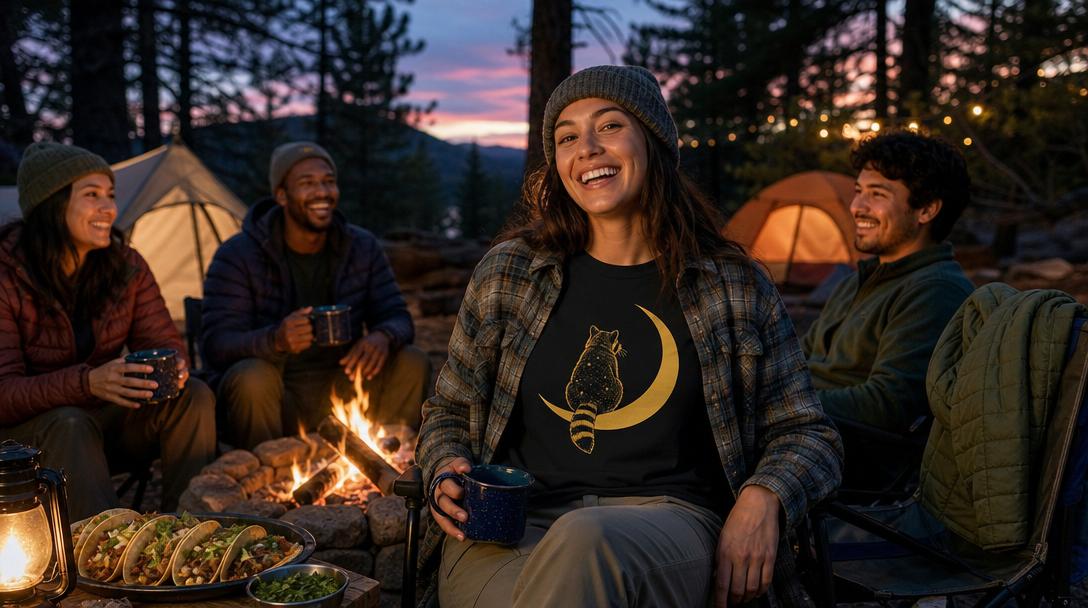
And if your style leans more “funny raccoon shirt under an open button-down,” honestly, that’s a valid outdoor personality. Hike Tee would approve—especially with something like the Raccoon Moon Shirt for campsite hangs and post-hike tacos.
Buyer’s Checklist: Best Dress Shirt for Hiking
If you want the best dress shirt for hiking, shop less like you’re buying office clothes and more like you’re choosing low-key outdoor gear.
1. Fabric
Look for:
- Nylon
- Polyester
- Merino wool
- Merino-synthetic blends
- Small amount of spandex or elastane
Avoid:
- 100% cotton for serious hikes
- Heavy oxford cloth
- Stiff non-stretch fabrics
- Shirts that feel hot indoors
2. Moisture Management
Choose a shirt labeled:
- Moisture-wicking
- Quick-dry
- Breathable
- Performance fabric
This matters most if you hike in heat, humidity, or changing weather.
3. Fit and Mobility
A hiking-friendly dress shirt should let you:
- Reach overhead
- Swing trekking poles
- Scramble lightly
- Wear a backpack
- Bend and move without pulling at the shoulders
Look for articulated sleeves, stretch fabric, or a relaxed outdoor cut.
4. Packability
A good travel or hiking dress shirt should fold small and resist wrinkles. If it comes out of your bag looking like it was chewed by a possum, it may still be wearable—but maybe not the polished vibe you wanted.
5. Wrinkle Resistance
A wrinkle-resistant dress shirt for camping and travel is especially useful if you’re living out of a backpack, suitcase, duffel, or the mysterious pile in the backseat.
Synthetic blends usually win here.
6. UV Protection
For sunny hikes, look for:
- UPF 30 minimum
- UPF 50+ preferred
- Long sleeves
- Collar
- Tightly woven fabric
Sun protection is one of the biggest advantages of a button-down hiking shirt.
7. Ventilation
Helpful features include:
- Back vents
- Mesh panels
- Underarm gussets
- Roll-up sleeve tabs
- Snap or button front
Buttons are basically manual climate control. Use them wisely.
8. Pockets
Chest pockets can be handy for:
- Sunglasses
- Map
- Lip balm
- Small snack
- Park pass
Just don’t overload them unless you enjoy the “lumpy squirrel” aesthetic.
Frequently Asked Questions
Can you wear a dress shirt hiking?
Yes, you can wear a dress shirt hiking if it’s lightweight, breathable, and appropriate for the weather. A performance-style dress shirt or travel button-down is much better than a traditional cotton office shirt.
Is a cotton dress shirt good for hiking?
A cotton dress shirt is not ideal for most hikes because it absorbs sweat and dries slowly. It may be fine for short, easy walks in warm, dry weather, but avoid cotton for cold, wet, long, or strenuous hikes.
Can you wear a button-down shirt on a hike?
Yes, a button-down shirt can be great for hiking. A breathable button-down for hiking and travel offers ventilation, sun protection, and a polished look that works on and off the trail.
What shirt is best for hiking in hot weather?
The best shirt for hiking in hot weather is a lightweight, moisture-wicking, long-sleeve synthetic shirt with UPF protection. A light-colored performance button-down with vents and roll-up sleeves is especially useful in strong sun.
Are moisture-wicking shirts worth it for hiking?
Yes, moisture-wicking shirts are worth it because they help move sweat away from your skin and dry faster than cotton. A moisture-wicking dress shirt for hiking is a smart choice if you want comfort, style, and better temperature control.
What is the best dress shirt for hiking and travel?
The best dress shirt for hiking and travel is a wrinkle-resistant, quick-drying performance shirt made from nylon, polyester, merino, or a blend. Look for stretch, UPF protection, packability, and a fit that allows easy movement.
Final Trail Takeaway: Fashion Can Work If Function Leads
A dress shirt can absolutely work for hiking—but the right fabric matters more than the collar.
For casual walks and easy trails, almost any comfortable shirt can do the job. For longer hikes, hot weather, travel, camping, or changing conditions, choose a technical button-down that looks polished but performs like outdoor gear.
Quick recap:
- Traditional cotton dress shirts are okay for short, mild hikes but poor for serious trail use.
- Synthetic performance shirts are best for hot, sweaty, and humid hikes.
- Merino shirts are excellent for odor control, travel, and cooler conditions.
- Button-downs can be fantastic hiking shirts thanks to ventilation and sun coverage.
- Look for moisture-wicking fabric, wrinkle resistance, UPF protection, stretch, and packability.
The sweet spot is a dress-style performance or travel shirt: clean enough for town, functional enough for the trail, and comfortable enough that you won’t spend the whole hike questioning your life choices.
Next time you’re packing for a hike, ask one simple question: “Will this shirt still be my friend when I’m sweaty, sunny, and two miles from the car?”
If yes, button it up and hit the trail.


