


Can a UPF hiking shirt Replace Sunscreen?
Dominic PalmowskiCan a UPF hiking shirt Replace Sunscreen on the Trail?
Yes — but only on covered skin.
A good sun protection hiking shirt can do a better, more consistent job than sunscreen on your arms, shoulders, chest, and back because it does not sweat off, rub off on pack straps, or require reapplication every two hours. If the fabric is actually UPF-rated and fits properly, it is always working.
But the keyword there is covered. A shirt protects what it covers, nothing more, nothing less.
A long sleeve hiking shirt usually protects:
- Arms
- Shoulders
- Upper back
- Chest
- Upper torso
- Sometimes the neck and back of the head, if it has a hood
A long sleeve hiking shirt does not fully protect:
- Face
- Nose
- Cheeks
- Lips
- Ears
- Hands
- Fingers
- Lower legs if you are wearing shorts
- Under the chin from reflected UV
- Neck gaps if collars or hoods shift
I once relied on a sun hoodie on a bright, slightly overcast day and skipped sunscreen where I should not have. I came home with burned hands and a red stripe across my jaw that looked like I had been lightly slapped by the sun itself. Overcast does not mean UV-free, and a sun hoodie is not doing anything for the parts of you waving around outside the fabric.
So, if you are asking can a long sleeve hiking shirt replace sunscreen, the honest answer is: for covered skin, often yes. For your whole body, absolutely not.
What is an UPF Rated Shirt?
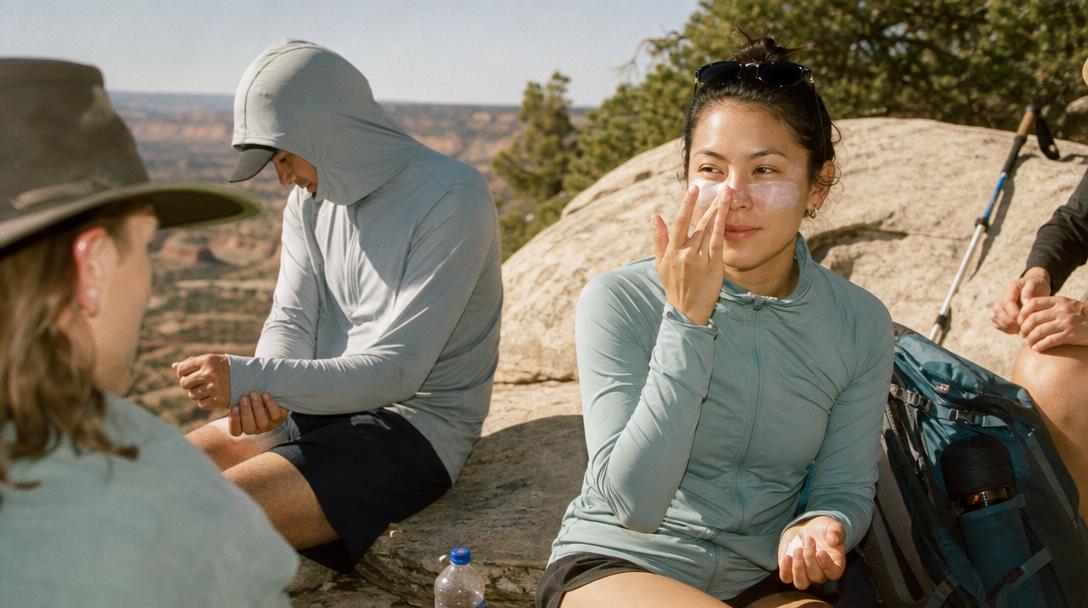
An UPF rated shirt is clothing that has been tested for how much ultraviolet radiation passes through the fabric. UPF stands for Ultraviolet Protection Factor.
Think of it like SPF for clothing, except the correct term for fabric is UPF, not SPF. Sunscreen uses SPF. Shirts use UPF.
Here is the basic idea:
- UPF 15 blocks about 93% of UV rays
- UPF 30 blocks about 97% of UV rays
- UPF 50 blocks about 98% of UV rays
- UPF 50+ blocks more than 98% of UV rays
A UPF 50 hiking shirt vs regular long sleeve shirt is not just a marketing difference. A typical cotton long sleeve might have a UPF around 5 to 7, and that protection can drop even further when the shirt gets wet with sweat. A lightweight synthetic UPF 50+ shirt is designed to keep blocking UV even when damp.
That matters on real hikes because nobody stays perfectly dry on a climb. Sweat happens. Pack straps happen. Creek splashes happen. The shirt needs to keep doing its job after mile one.
Are UPF Shirts Worth It?
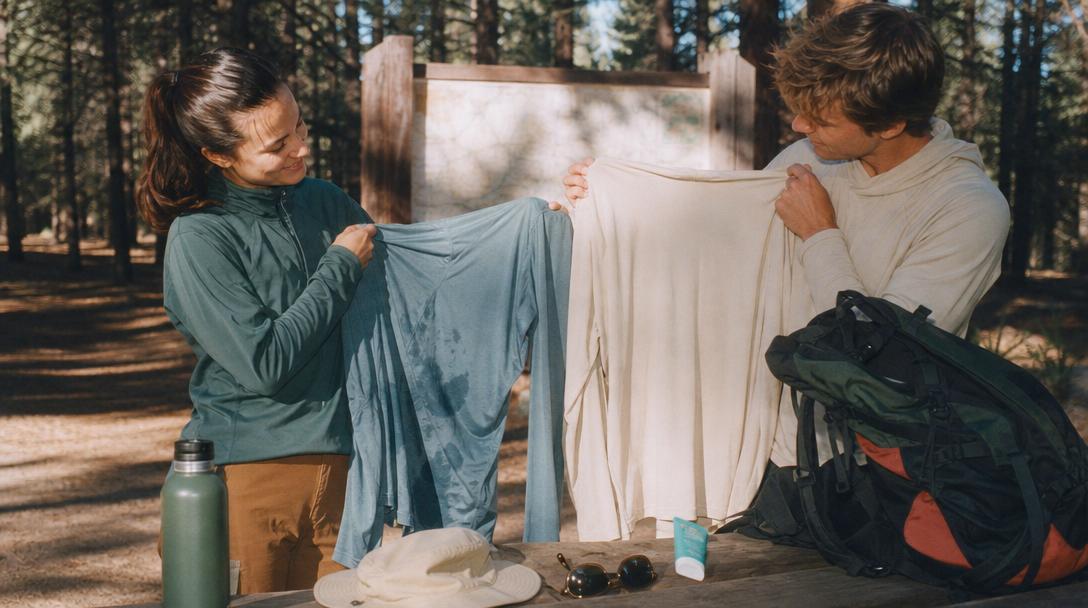
Yes, UPF shirts are worth it if you hike in exposed terrain, high elevation, desert environments, snow, open ridgelines, or really anywhere the sun gets a clean shot at your skin.
For me, they became non-negotiable after years of testing different options: synthetic sun hoodies, nylon button-downs, merino wool long sleeves, fishing-style shirts, and regular cotton long sleeves before I knew better.
The worst performers were cotton shirts, especially once wet. They held sweat, clung to my skin, felt heavy, and offered far less UV protection than I assumed. Merino wool was comfortable and excellent for odor control, but a little warm for peak summer desert hiking. The clear winners were lightweight UPF 50+ synthetic shirts because they wicked quickly, stayed protective when damp, and kept me more comfortable in direct sun.
If you are still comparing everyday tees with hiking-specific layers, these guides are helpful next reads: Hiking Shirt vs Regular T-Shirt, Cotton vs Synthetic Hiking Shirts, and Lightweight Hiking Shirts: How Light Is Too Light?.
Do UPF Shirts Work Better Than Sunscreen for Hiking?
For covered skin, I would say yes. That answers the common question: do UPF shirts work better than sunscreen for hiking?
A UPF shirt is consistent. Sunscreen is only as good as your application. Most people do not apply enough, miss spots, sweat it off, forget to reapply, or rub it away with pack straps and sleeves. A shirt just sits there doing its job all day.
But sunscreen wins anywhere fabric is not covering you. Your face, hands, ears, and legs still need protection.
This is why the long sleeve hiking shirt sunscreen relationship is not either-or. It is a division of labor. Let the shirt handle your torso and arms. Let sunscreen handle the exposed skin.
Sun Hoodie vs Sunscreen: Which Should You Trust?
The sun hoodie vs sunscreen debate is really about reliability versus coverage.
A sun hoodie is reliable on covered skin. It does not need reapplying, and if it has a hood, it can protect the back of your neck and head better than a standard crewneck. Sunscreen is more versatile because it can go on your face, ears, hands, and legs — but it needs to be applied properly and reapplied often.
The best answer is to use both.
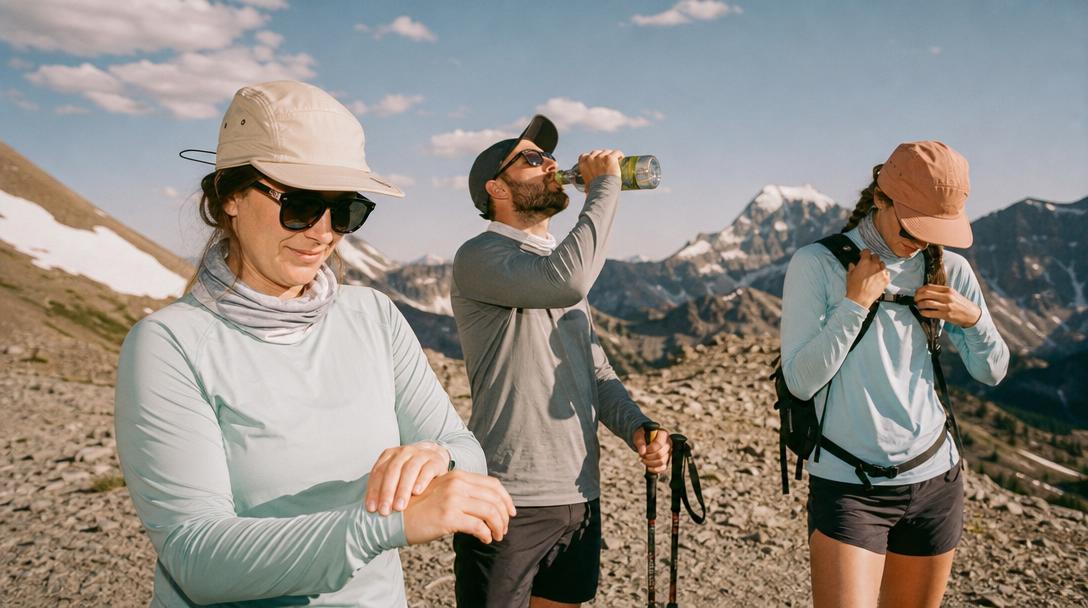
My current trail system looks like this:
- UPF 50+ lightweight long sleeve shirt
- Wide brim hat that covers ears and neck
- Polarized sunglasses
- SPF 50 sunscreen on face and hands before leaving the car
- Buff or neck gaiter in my pocket for exposed ridges
- Sunscreen reapplication around the two-hour mark or at my first real rest stop
It sounds like a lot written out, but in practice it takes about three minutes. And it has completely ended the post-hike skin regret that used to follow me home after summer hikes.
If you prefer caps, pair them with extra ear and neck protection. This women's baseball hat guide and women's 5 panel hat trail guide can help you think through shade coverage.
Are Long Sleeve Hiking Shirts Hot in Summer?
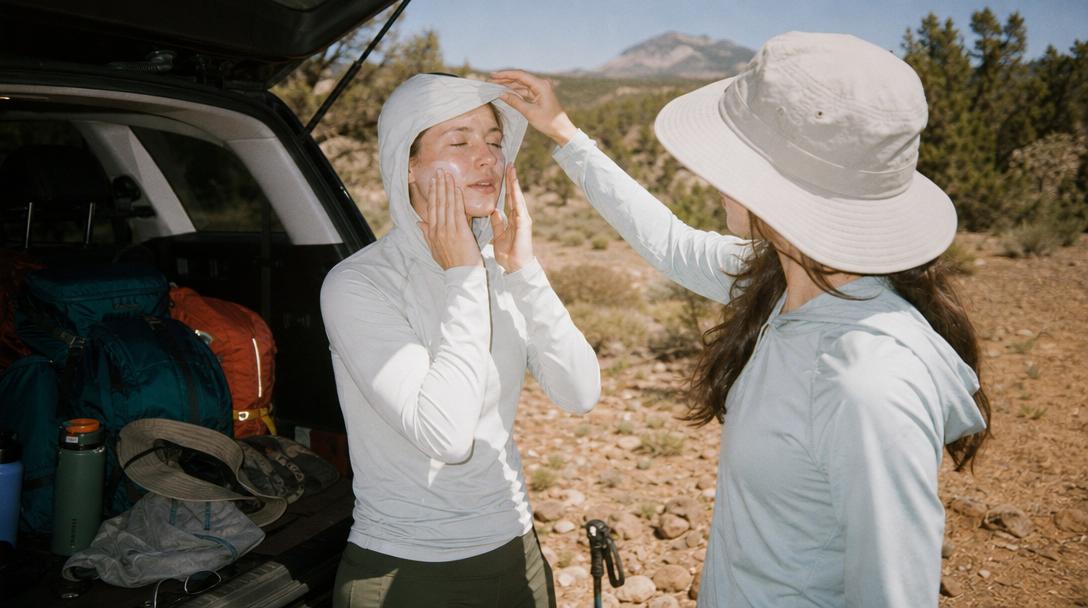
This is the question I hear constantly: are long sleeve hiking shirts hot in summer?
The wrong shirt? Yes. A heavy, tight, dark cotton shirt in July can feel like wearing a damp oven mitt.
The right shirt? Surprisingly, no. A loose, lightweight UPF hiking shirt can actually keep you cooler in direct sun because it blocks solar radiation before it hits your skin. Instead of your skin absorbing all that heat, the fabric takes the hit and creates a little shaded microclimate.
In my own hikes, I take fewer unplanned shade breaks when I wear a good lightweight UPF shirt. I feel less cooked by midday heat, and I am not constantly reapplying sunscreen to my arms while sweat tries to evict it.
Look for:
- Loose fit
- Lightweight fabric
- Good breathability
- Fast wicking
- Light colors for hot, exposed trails
- Thumb loops or secure cuffs if hand coverage matters
- Hood or collar for neck coverage
If you want a deeper dive into fit and breathability, check out Breathable Long Sleeve Shirts for Hiking and What Size Hiking Shirt Should I Buy?
Regular Cotton Long Sleeves, Casual Tees, and Where They Fit
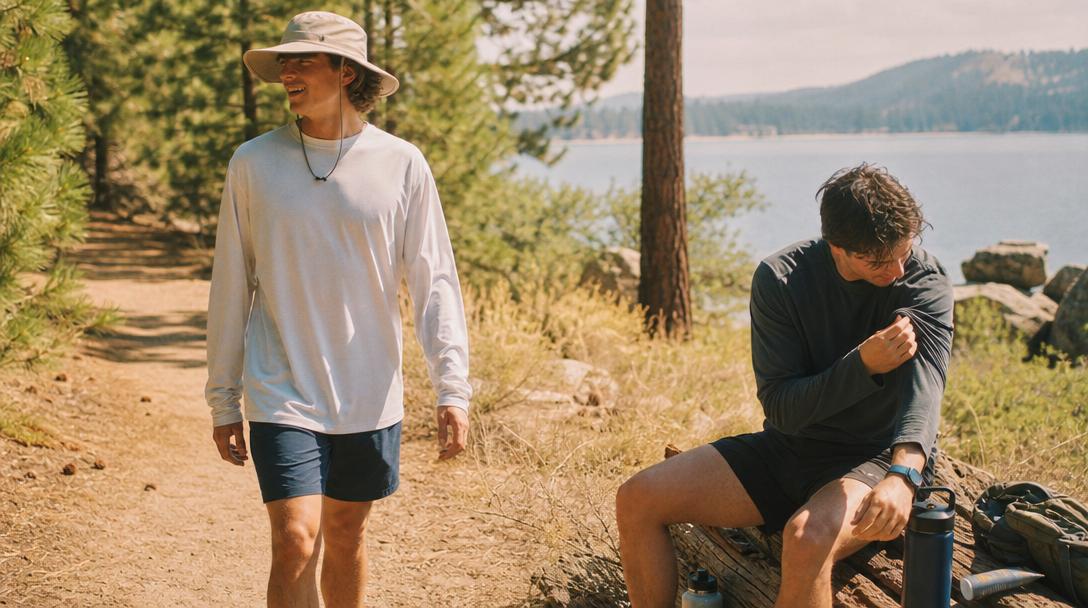
Regular cotton long sleeves and casual graphic tees are great for camp, town, road trips, and low-exposure wandering. They are not what I would rely on as my primary sun armor for a long exposed hike.
Cotton can feel nice when dry, but once it gets soaked with sweat, it holds moisture, clings to skin, and often loses meaningful UV protection. That does not mean cotton has no place in an outdoor wardrobe. It just means I treat it as casual comfort, not technical sun protection.
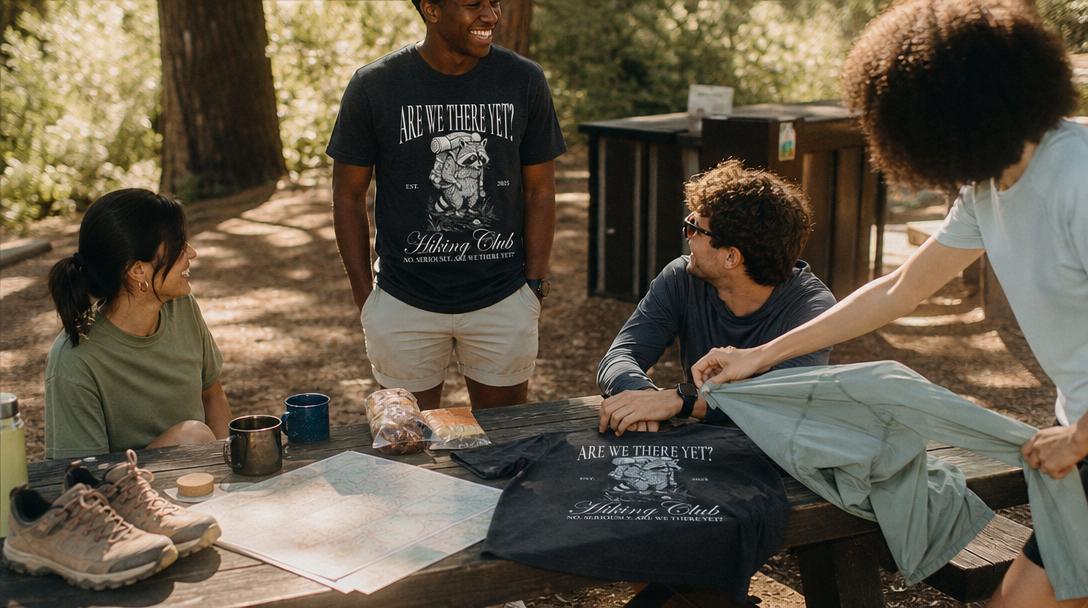
For example, I love a fun trail tee for post-hike burritos, campground lounging, or an easy shaded nature walk. Something like the Are We There Yet Hiking Club Shirt or the Adventure Awaits Hiking Shirt fits that relaxed Hike Tee vibe perfectly. But for long, exposed sun? I am reaching for actual UPF-rated gear first.
Same goes for casual outdoor styling guides like Top Nature Graphic Tees for 2026 Adventures. Great for everyday adventure energy. Not a replacement for tested UPF protection on a high-UV trail.


