


Women's Hiking Outfit: Practical Trail Guide
Dominic PalmowskiA women's hiking outfit should keep you dry, comfortable, and ready for the part of the hike where the weather changes, your thighs start negotiating, and the cute trailhead photo outfit suddenly has to do actual work.
I’m a day hiker at heart: wooded trails, mixed terrain, national park paths, family hikes, and the occasional mountain climb where the summit weather acts like it has its own personality. That’s shaped my biggest clothing rule: dress for the worst version of the day, not just the first hour.
Most women do not need expedition-level backpacking gear for a normal day hike. You need hiking clothes for women that move well, dry fast, prevent chafing, and layer simply. That’s it. Let’s build the outfit from skin to shell.
Build Your women's hiking outfit Around Comfort First
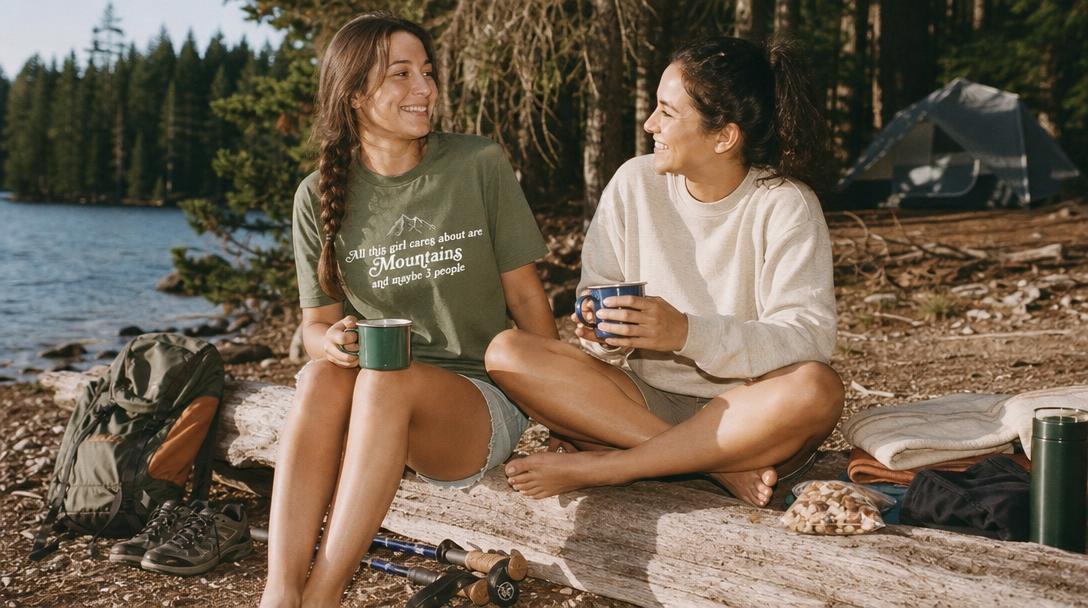
When people ask what to wear on a hike, they often start with style. I get it. Trail photos exist. But comfort is what decides whether mile six feels fun or like a hostage situation.
A practical hiking outfit for women has five jobs:
- Move sweat away from your skin
- Prevent rubbing at the thighs, bra band, waistband, and feet
- Protect you from sun, wind, bugs, brush, and rain
- Let you add or remove warmth quickly
- Feel good enough that you’re not adjusting it every ten steps
My own cotton disaster taught me this the hard way. A few years back, I wore a thick cotton hoodie on a cool morning because it felt cozy at the car. By mile three, I was soaked from the inside out. When the wind picked up near the ridge, that damp hoodie went from cozy to cold in minutes. Add cotton socks and heel hot spots, and it was a full-body lesson in what not to wear hiking for beginners.
Since then, my rule has been simple: no cotton against skin on trail days.
What Should Women Wear Hiking for a Day Hike?
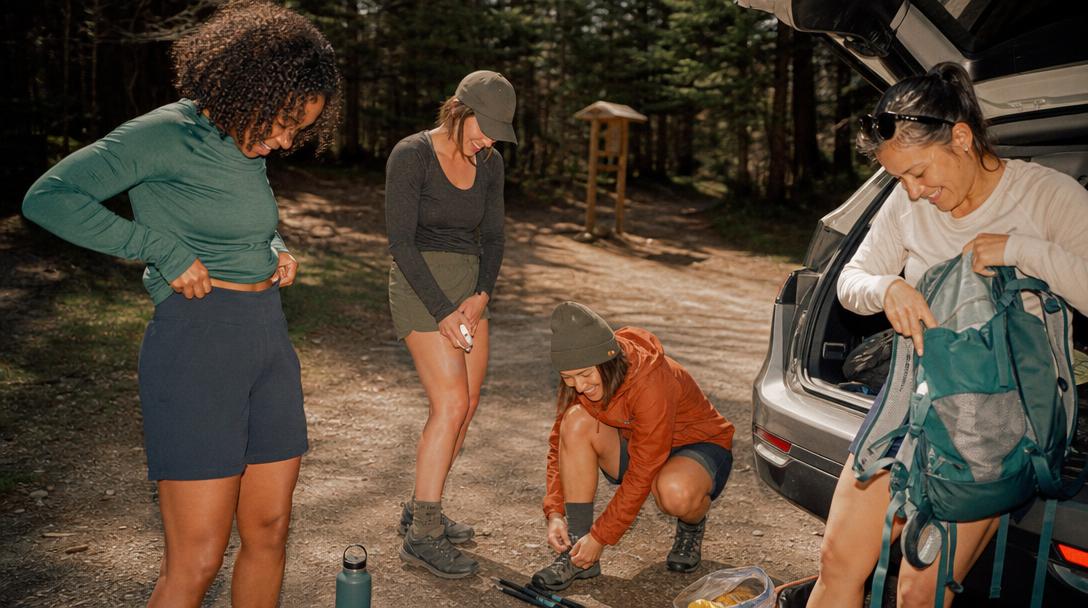
For most maintained day hikes, this is the outfit formula I trust:
- Moisture-wicking sports bra
- Synthetic or merino wool underwear
- Lightweight moisture-wicking top or sun hoodie
- Hiking pants, technical leggings, or trail shorts depending on conditions
- Merino wool or synthetic hiking socks
- Trail runners or hiking boots
- Packable fleece or light insulated layer
- Waterproof rain shell
- Hat and sunglasses
That’s the core system. Not fancy. Not fussy. Just reliable.
Base Layer: Start With Sweat Management
Your base layer is anything touching your skin: bra, underwear, shirt, socks. This is where fabric matters most.
Choose:
- Polyester
- Nylon
- Merino wool
- Blends labeled moisture-wicking or quick-dry
Avoid:
- Cotton
- Denim
- Rayon
- Viscose
- Bamboo-rayon blends that absorb moisture
Cotton feels great at home and terrible once wet. It absorbs sweat, dries slowly, and turns into a friction machine. On a humid nine-mile loop, I once wore cotton athletic socks and had hot spots on both heels by halfway. Same trail later in merino socks? Zero drama. Feet remembered. Lesson learned.
If you want a deeper fabric breakdown, Hike Tee’s guide on what moisture wicking fabric is is a helpful companion to this section.
Sports Bra: The Underrated Hiking Essential
Women-specific hiking advice often skips the sports bra conversation, which is wild because bra chafing can ruin a hike fast.
Look for a sports bra that is:
- Moisture-wicking, not cotton
- Supportive enough for downhill impact
- Smooth under pack straps
- Snug but not rib-crushing
- Tested before a long hike
Common problem zones are the band, shoulder straps, and underarms. If you wear a daypack, try it on with your sports bra before the hike. Pack straps can rub directly over bra straps, especially for women with larger chests. Strap pads, a different pack adjustment, or even a lightweight sun hoodie layer can help reduce friction.
Underwear: Boring Until It Isn’t
Choose seamless or low-seam underwear in synthetic or merino fabric. Cotton underwear holds moisture and can cause chafing, especially on warm climbs or longer loops.
For periods on trail, make a small kit:
- Your preferred product
- Wipes
- Hand sanitizer
- Small sealable disposal bag
- Extra underwear if needed
It’s not glamorous, but it makes the day calmer. Peace of mind is gear too.
Is It Better to Hike in Leggings or Hiking Pants?
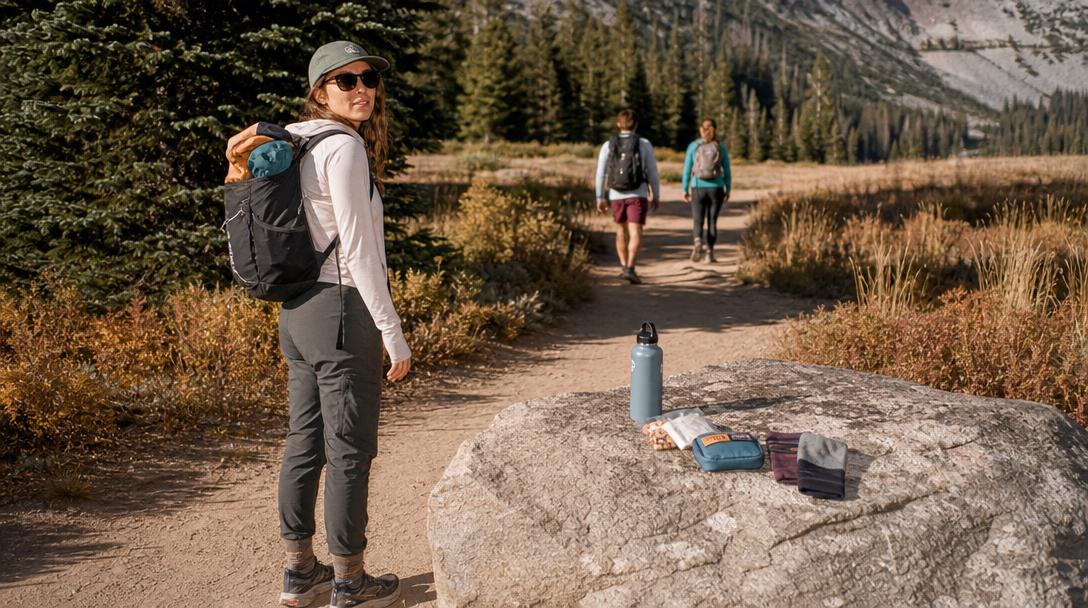
The leggings vs hiking pants for women debate depends on terrain, temperature, bugs, and how much abrasion you expect.
Choose Leggings When...
Leggings are great for easy-to-moderate maintained trails, especially when you want stretch and comfort. They shine on dry trails, casual national park walks, and hikes where mobility matters more than protection.
But choose technical hiking leggings over thin yoga leggings when possible. Hiking leggings usually have stronger fabric, better seams, pockets, and more abrasion resistance.
Leggings are also a good option if thigh rub is a concern. Full coverage means less skin-on-skin friction, and that can make a huge difference by mile five.
Choose Hiking Pants When...
Hiking pants are my default when the trail has uncertainty:
- Brushy sections
- Rocky terrain
- Ticks or bugs
- Changing mountain weather
- Wind exposure
- Longer mileage
- Light rain in the forecast
Quick-dry hiking pants protect your legs without staying soaked. Many women prefer jogger-style hiking pants because the ankle fit keeps fabric out of the way and helps with ticks.
Choose Shorts When...
Shorts win on hot, dry, open trails with little brush. They offer maximum airflow and feel great when conditions are simple.
But inseam matters. Tiny shorts that are cute for the coffee stop may not be cute once your thighs have been arguing for two hours. If you experience thigh chafing, try longer inseam shorts, bike-short liners, anti-chafe balm, or lightweight leggings instead.
My short rule: hot, dry, simple trail? Shorts. Longer, rougher, bug-prone, or exposed trail? Pants or leggings.
What Is the 3 Layer Rule for Hiking?
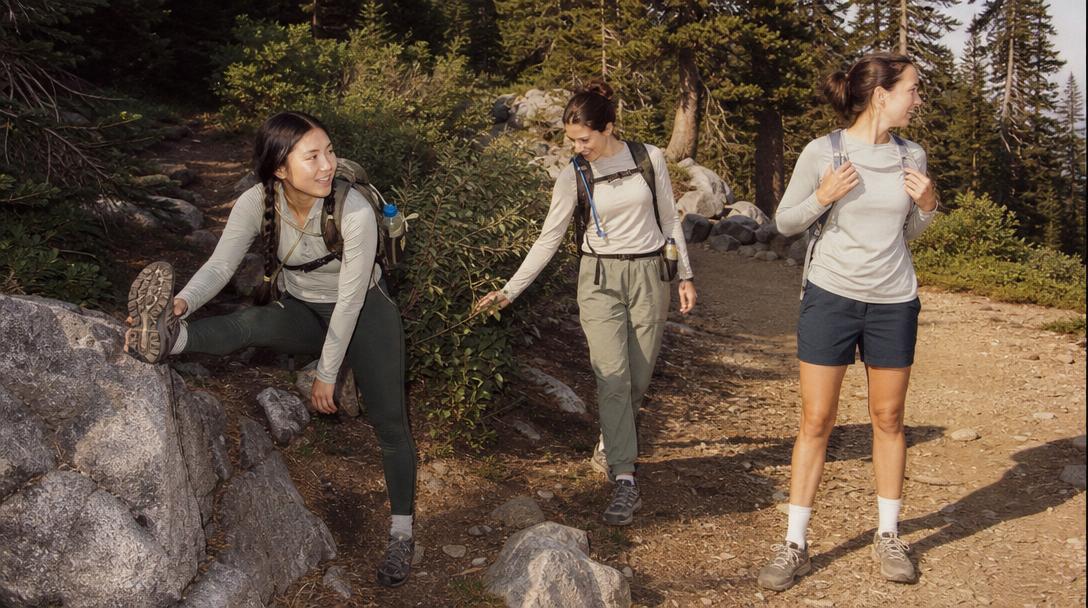
The 3 layer rule for hiking is a simple clothing system: base layer, midlayer, and outer shell. The part most people miss is when to add and remove each layer.
Layer 1: Base Layer
This is your moisture-wicking shirt, sports bra, underwear, and socks. It stays on all day and keeps sweat moving away from your skin.
A lightweight hiking tee, synthetic running shirt, or sun hoodie works well. A sun hoodie is my favorite for exposed trails because it gives UPF coverage without constantly thinking about sunscreen on shoulders and neck.
Layer 2: Midlayer
Your midlayer adds warmth. Usually, this is a lightweight fleece or thin synthetic jacket.
Do not start the hike wearing every warm layer unless it is truly cold. Start slightly cool. It may feel uncomfortable for five minutes, but once you climb, your body warms up fast.
Put the midlayer on:
- At lunch stops
- On summits
- When wind picks up
- Before you get cold, not after
That last point matters. If you wait until you’re chilled, it takes longer to recover.
Layer 3: Shell
Your shell protects against rain and wind. Keep it accessible, not buried at the bottom of your pack under snacks, extra socks, and that one granola bar you’ve been avoiding since 2022.
A compact waterproof rain jacket comes with me every time I leave the car. Forecasts are suggestions. Afternoon weather loves being dramatic.
When rain starts, put your shell on immediately over what you’re wearing. Don’t wait until your base layer is soaked.
What to Wear Hiking in Changing Weather
Changing weather is where a smart women’s hiking outfit really earns its keep.
Here’s my timing system:
- Start slightly cool at the trailhead
- Remove warmth before you’re sweaty
- Add fleece when you stop moving
- Put the rain shell on at the first real rain, not ten minutes later
- Use hats and gloves in shoulder season because small items make a big warmth difference
For fall hikes, when mornings are chilly and afternoons warm up, this fall foliage hiking formula is a great practical read. For colder hikes, pair this guide with Nature in the Winter so you’re not trying to solve winter layering from scratch in a parking lot.
Footwear: Trail Runners vs Hiking Boots for Women
My strongest opinion: most women doing day hikes on established trails do not need heavy boots.
Trail runners are often the better choice for maintained three-season trails because they are lighter, flexible, and less tiring over mileage. At mile eight, lighter shoes can feel like a gift from the trail gods.
Choose trail runners when:
- The trail is maintained
- You’re carrying a light daypack
- Conditions are mostly dry
- You want comfort and less fatigue
Choose hiking boots when:
- Trails are muddy, snowy, or rough
- You’re carrying more weight
- You need ankle protection
- You’re hiking off-trail or scrambling
- Conditions are cold and wet
For women, fit matters more than category. A trail runner that locks your heel and gives your toes room beats an expensive boot that rubs, slips, or bruises your toenails on descents.
And socks? Spend the money there. Merino wool or synthetic hiking socks are one of the best upgrades you can make.
Best Hiking Clothes for Women to Avoid Chafing
Chafing is not a toughness test. It’s usually a clothing mismatch.
Common chafe zones for women hikers:
- Inner thighs
- Sports bra band
- Bra straps under pack straps
- Underarms
- Waistband
- Heel and toes
To prevent chafing:
- Wear moisture-wicking fabrics
- Avoid cotton base layers
- Choose longer inseams if shorts rub
- Try technical leggings or hiking pants for thigh comfort
- Use anti-chafe balm before the hike
- Test sports bras with your backpack
- Wear quality hiking socks
- Trim toenails before long descents
Sizing inconsistency is another real issue. Outdoor brands can be all over the place. If possible, try hiking pants, leggings, and bras in person or order multiple sizes from retailers with easy returns. Your usual size in one brand may feel like a betrayal in another.
Beginner Hiking Outfit Women Can Build on a Budget
A beginner hiking outfit women can trust does not need to be expensive. Spend where it matters and save where the performance is basically the same.
Spend Here
- Hiking socks
- Comfortable trail shoes
- Sports bra that does not chafe
- Rain shell if you hike often
Good socks can prevent blisters. That alone is worth it.
Save Here
- Polyester running shirts
- Thrifted fleece
- Used hiking pants
- Budget rain jackets
- Secondhand outdoor layers
A $15–$25 polyester running top often performs almost the same as a pricey hiking-branded shirt. A thrifted fleece is still fleece. It does not forget how to be warm just because someone donated it.
Look at used outdoor gear from resale shops, local gear swaps, REI resale, Poshmark, Mercari, and Facebook Marketplace. Many items were bought for one trip and then retired to a closet.
Casual Tees, Cotton, and When They Do Belong
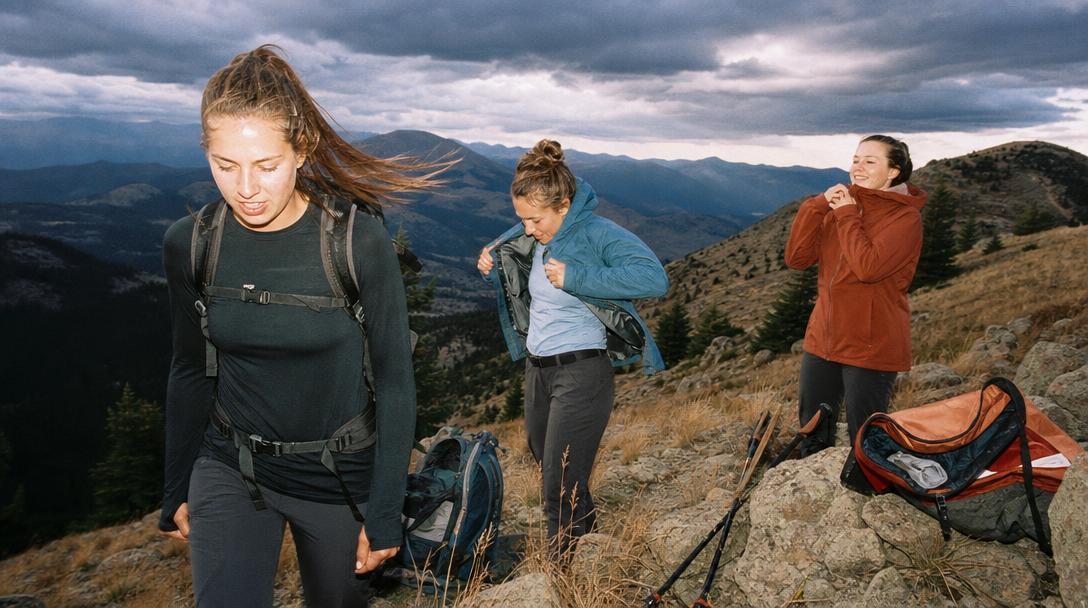
Let’s be honest: casual tees are fun. I love a good trail personality shirt. But cotton and casual graphic tees are best for low-sweat situations: travel days, campground mornings, visitor centers, post-hike burgers, easy nature walks, and photos before or after the serious miles.
For actual sweaty hiking, choose a moisture-wicking trail top. For relaxed outdoor style, casual tees absolutely have a place.
If you’re picking trail-friendly casual tops, this guide to park tee shirts explains what to look for. You can also check out Best National Park T Shirts That Actually Last on Trails for durability tips.
For a fun post-hike or easy campground layer, something like the Adventure Awaits Shirt or the All This Girl Cares Shirt fits the vibe without pretending to be a technical base layer.
What Not to Wear Hiking for Beginners
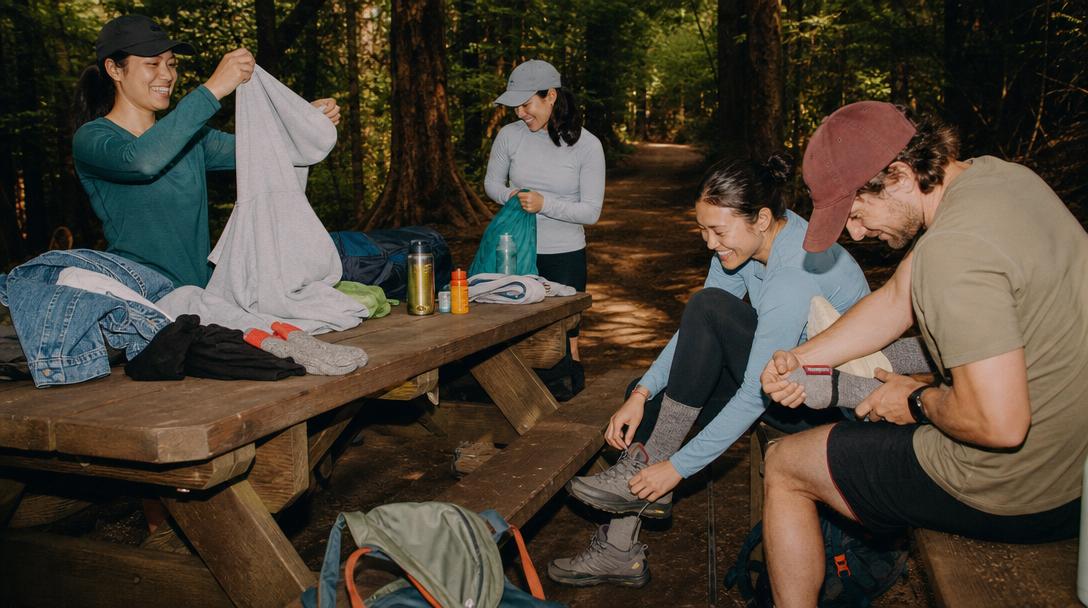
If you’re wondering what to wear hiking women should avoid, start with this list:
- Jeans
- Cotton socks
- Cotton sports bras
- Cotton underwear
- Heavy cotton hoodies
- New shoes you have not tested
- Fashion sneakers with slick soles
- Thin yoga leggings on rough trails
- Tiny shorts if you know thigh rub is an issue
- Overly warm outfits at the trailhead
The overdressing mistake is common. Beginners dress for the cold morning air instead of the heat their body will generate on the climb. Then they sweat through everything in the first mile and get cold later.
Start slightly cool. Pack warmth. Adjust early.
What Are Some Good Outfit Ideas for Hiking?
Here are practical outfit ideas for hiking based on real day hike conditions.
Easy Summer Nature Trail
- Moisture-wicking tee or tank
- Long-inseam trail shorts or technical leggings
- Synthetic underwear
- Merino or synthetic socks
- Trail runners
- Cap, sunglasses, sunscreen
- Light rain shell in pack
National Park Day Hike
- Sun hoodie or quick-dry tee
- Hiking pants or technical leggings with pockets
- Hiking socks
- Trail runners
- Fleece in pack
- Rain shell in pack
- Hat and sunglasses
Brushy or Buggy Trail
- Lightweight long-sleeve top
- Hiking pants or joggers
- Crew-height socks
- Trail runners or boots
- Insect protection as needed
- Rain shell
Cool Morning, Warm Afternoon Hike
- Moisture-wicking base top
- Hiking pants or leggings
- Lightweight fleece packed, not worn too long
- Rain shell packed
- Merino socks
- Trail runners
Mountain Day Hike With Weather Swings
- Sun hoodie or synthetic long-sleeve
- Quick-dry hiking pants
- Fleece midlayer
- Waterproof shell
- Wool socks
- Trail runners or boots depending on terrain
- Warm hat or buff
FAQ: Women’s Hiking Clothes and Outfit Questions
What is the 3 layer rule for hiking?
The 3 layer rule is base layer, midlayer, and shell. Your base layer manages sweat, your midlayer adds warmth, and your shell blocks wind and rain. The key is timing: start slightly cool, add warmth before you get chilled at stops, and put the shell on before rain soaks your inner layers.
Is it better to hike in leggings or hiking pants?
Leggings are better for easy-to-moderate maintained trails when you want stretch and comfort. Hiking pants are better for brush, bugs, rocky terrain, changing weather, and longer hikes. If thigh chafing is an issue, leggings or lightweight pants often beat shorts.
What should a beginner wear for hiking?
A beginner should wear a moisture-wicking top, supportive non-cotton sports bra, synthetic or merino underwear, hiking pants, leggings, or longer shorts, wool or synthetic socks, and comfortable trail shoes. Pack a fleece and rain shell even if the forecast looks friendly.
What are some good outfit ideas for hiking?
For a simple day hike, try a quick-dry tee, technical leggings, wool socks, trail runners, a cap, sunglasses, and a rain shell in your pack. For mountain trails, swap in hiking pants, a sun hoodie, fleece, and a waterproof shell.
What should women wear hiking for a day hike?
Women should wear quick-dry, non-cotton layers that match the terrain and weather: moisture-wicking base layers, supportive bra, comfortable bottoms, good socks, grippy footwear, and packable layers for wind, rain, or stops.
What should women avoid wearing on a hike?
Avoid jeans, cotton socks, cotton hoodies, cotton bras, slick fashion sneakers, and any new item you have not tested. Cotton traps sweat, dries slowly, and increases chafing and blister risk.
Final Trail Rule: Comfortable Beats Complicated
The best hiking clothes for women are not always the most expensive or technical. They are the pieces that keep you dry, let you move, prevent rubbing, and help you adapt when the weather changes.
If you remember nothing else, remember this: no cotton against your skin, protect your feet, pack a rain shell, and start just a little cooler than feels perfect at the car.
Your future mile-six self will thank you.


