


What to Bring Hiking: 15 First-Hike Tips
Dominic PalmowskiWhat to Bring Hiking for the First Time
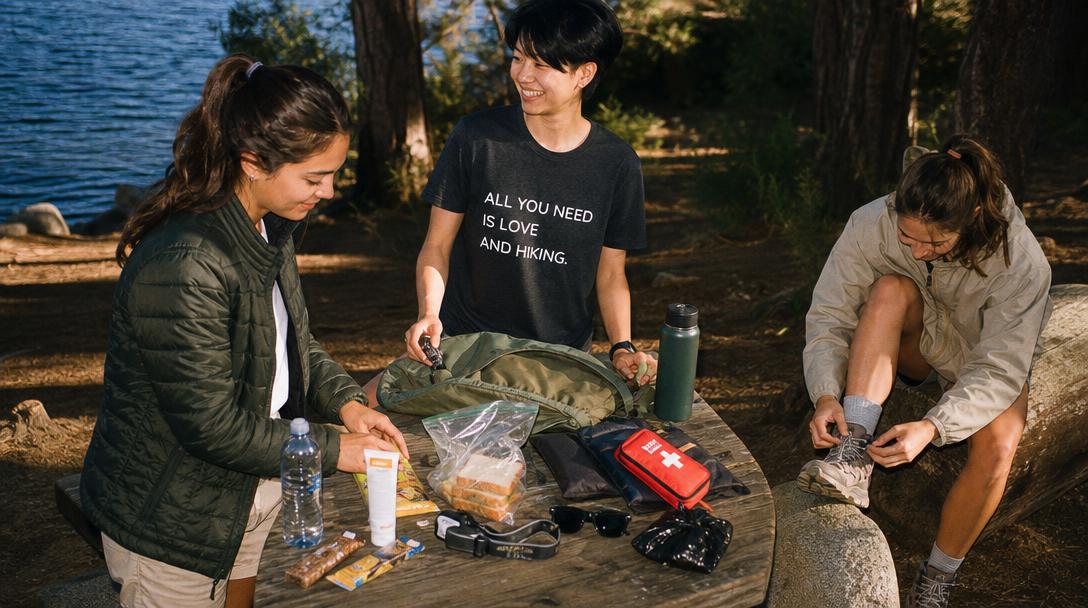
For a reasonable beginner day hike, your packing list can be simple. Not minimalist-in-a-dangerous-way simple. Just practical.
Here is what I would pack for a first hike:
- Water
- Snacks or lunch
- Offline map or navigation tool
- Headlamp
- Light extra layer
- Rain or wind shell if weather might shift
- First aid basics
- Sun protection
- Shoes with real traction
- Moisture-wicking clothing
- Fully charged phone
- ID, keys, and a little cash/card
- Small trash bag
- Emergency whistle or backup safety item
- A realistic turnaround mindset
That list may sound like a lot, but most of it fits in a small daypack. And no, you do not need a giant expedition backpack for a two-hour local trail unless you are also smuggling sandwiches for an entire scout troop.
What are the 10 essential items for hiking?
The classic “10 essentials” are a safety framework, not a shopping challenge. For beginner day hikes, think of them this way:
- Navigation: map, downloaded offline map, GPS, or compass
- Light: headlamp or flashlight
- Sun protection: sunglasses, sunscreen, hat
- First aid: blister care, bandages, personal meds
- Knife or repair item: small multitool or tape
- Fire: lighter or emergency firestarter
- Shelter: emergency blanket or bivy for longer/remote hikes
- Extra food: more than you expect to eat
- Extra water: more than you expect to drink
- Extra clothes: warm layer or rain shell
For a short, well-marked beginner trail, you can keep this compact. The point is not to look like you are crossing the Andes. The point is to be ready if the hike takes longer than planned.
15 Things to Know Before Your First Hike
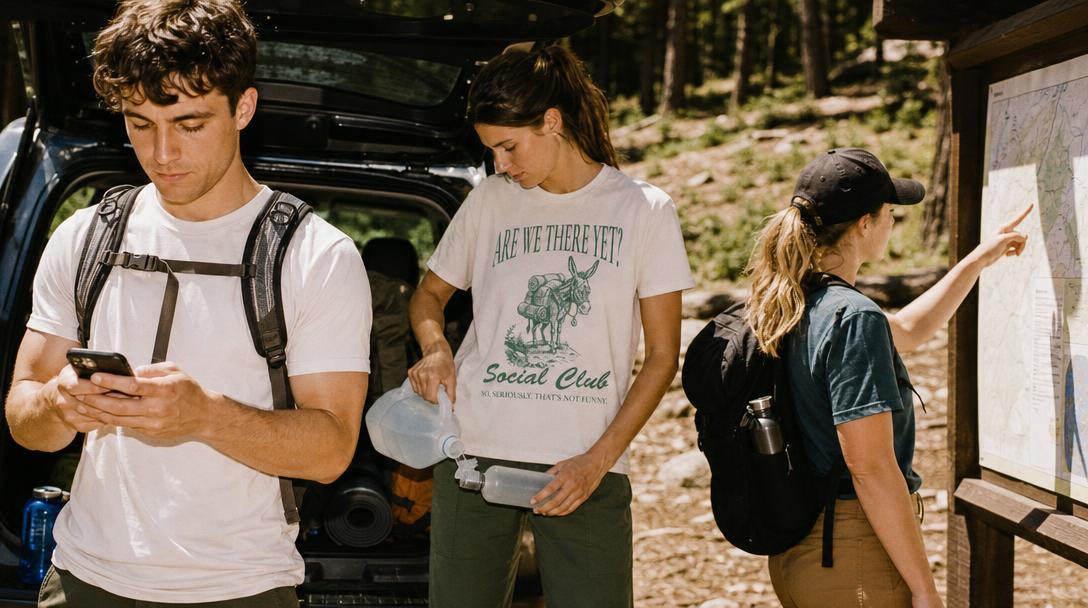
1. Pick a trail for your actual fitness, not your fantasy fitness
This is one of the biggest beginner hiking mistakes to avoid. A trail that looks short on the map can still feel brutal if it climbs hard.
For true beginners, I recommend:
- Under 5 miles round trip
- Under 500 feet of elevation gain
- A well-marked and maintained trail
- No scrambling, exposed ledges, or tricky river crossings
- Recent positive reviews from people who hiked it this week or this month
A three-mile trail with 1,200 feet of gain is not the same as a three-mile flat loop through the woods. Trail distance is not neighborhood distance. Elevation gain changes everything.
2. Learn how to choose a beginner friendly hiking trail
When you are figuring out how to choose a beginner friendly hiking trail, do not rely only on labels like “easy” or “moderate.” Those ratings can be wildly subjective. I have seen “moderate” used by people whose legs were apparently forged in granite.
Look at:
- Mileage
- Elevation gain
- Trail surface
- Shade exposure
- Water crossings
- Recent reviews
- Parking and trailhead clarity
- Cell service notes
If reviews mention mud, snow, downed trees, confusing junctions, or “great workout,” maybe save that one for later.
3. Check the weather at the trail elevation
Conditions at the parking lot are not always conditions on the trail. I once left for an afternoon hike in a light shirt because it was warm at the trailhead. Higher up, the wind picked up, the temperature dropped, and I had the distinct realization that confidence is not an insulating layer.
Check weather for the area and elevation you will actually hike. Mountains and ridgelines can change fast.
4. Tell someone your plan
This is the beginner safety step people skip because it feels dramatic. It is not dramatic. It takes two minutes.
Text someone:
- Trail name
- Trailhead location
- Planned route
- Start time
- Expected return time
- Who you are hiking with
When everything goes smoothly, it is forgettable. When something goes wrong, it may be the most important thing you did.
5. Download offline maps before you leave
Do not rely on cell signal. Phones lose service. Batteries die. Trail signs disappear at exactly the junction where you start questioning your life choices.
Download your route in advance. If you want a deeper look at navigation tools, our guide to choosing a GPS tracker for hiking is helpful once you start exploring longer or more remote trails.
6. Bring more water than you think you need
A good starting point is about half a liter of water per hour in mild conditions. Bring more for heat, elevation, direct sun, kids, dogs, or if you simply know you drink a lot.
Drink before you feel thirsty. Thirst tends to show up late, and by then the hike is already getting harder than it needs to be.
7. Pack food even if it is “just a short hike”
Hiking burns more energy than most beginners expect. Bring something simple:
- Trail mix
- Granola or protein bar
- Sandwich
- Fruit
- Jerky
- Crackers
- Electrolytes for hot days
My first hike turned into four hours, and by hour three I was powered mostly by stubbornness and the vague memory of a granola bar. Do not be me.
8. Start slower than feels necessary
This might be my favorite first hike tip. Beginners often start fast because the first mile feels easy. Then mile three arrives like a bill in the mail.
Use the talk test: if you cannot hold a normal conversation, slow down. Start easy, take breaks before you are exhausted, and let your body warm into the hike.
9. Wear shoes with traction, not brand-new shoes
Your shoes do not need to be expensive, but they do need to fit well and grip dirt, rock, roots, and mud. Trail runners or lightweight hiking shoes are great for many beginner hikes.
Avoid brand-new shoes on anything longer than an hour. Break them in first. Also consider sizing up a half size because feet swell during hikes, especially on descents.
Good socks matter too. Blisters are common, but they are not mandatory. If you are dialing in your foot setup, this hiking socks guide is a solid next read.
10. Know what to wear hiking for the first time
If you remember one clothing rule, make it this: cotton is not your friend on the trail.
Cotton absorbs sweat, stays wet, and can make you cold once wind or shade enters the chat. Jeans are even worse because wet denim has the personality of a cold, heavy towel.
For your first hike, wear:
- Moisture-wicking shirt
- Comfortable shorts, hiking pants, or leggings
- Wool or synthetic socks
- Light fleece or mid-layer if cool
- Rain or wind shell if needed
- Hat and sunglasses for sun
If you want to understand why fabric choice matters, we wrote a full guide on what moisture wicking fabric is.
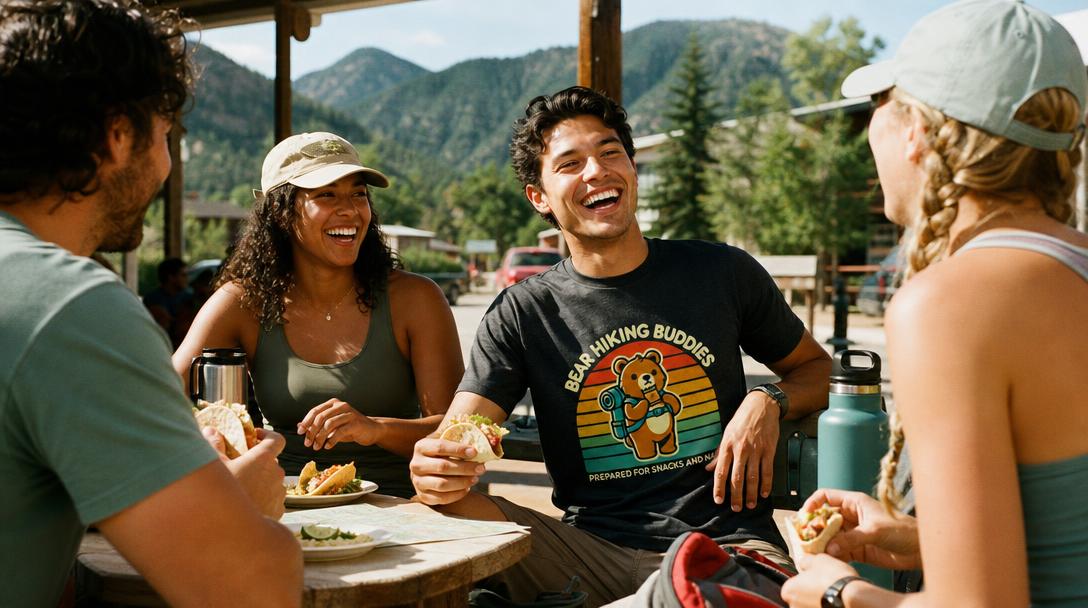
11. Save casual cotton tees for camp, town, and post-hike tacos
I love a funny hiking shirt as much as anyone — I literally founded Hike Tee — but casual cotton tees are best for before the trail, after the trail, travel days, campfire hangs, and victory burritos. For active hiking, choose moisture-wicking layers.
That said, there is absolutely a place for personality in your outdoor life. If you enjoy trail humor, our post on funny hiking shirts is fun browsing for non-technical wear. A couple of Hike Tee favorites for casual days are the Are We There Yet Hiking Club Shirt and the All You Need Hiking Shirt. Just maybe do not make cotton your base layer on a hot climb unless you enjoy becoming a damp dishcloth.
12. Bring a headlamp even on a day hike
Day hikes run late more often than people admit. You stop for photos. The trail takes longer. Someone gets a blister. You misjudge sunset.
A small headlamp weighs almost nothing and is much better than using your phone flashlight while trying not to trip over rocks.
13. Learn basic trail etiquette
Trail etiquette is not about being fancy. It is about keeping trails pleasant and safe for everyone.
The big ones:
- Uphill hikers have the right of way
- Step aside for horses, always
- Step to the downhill side when yielding to horses if possible
- Keep music personal; earbuds over speakers
- Say hello or give a friendly nod
- Do not cut switchbacks
- Walk through mud, not around it
- Pack out every wrapper, peel, bag, and tissue
The mud thing surprises people. Going around puddles widens and damages trails. Your shoes were going to get dirty anyway. That is sort of the point.
14. Know what not to bring on a hike
Beginners often overbuy before they know what they actually like. You can skip more than you think.
For a first short day hike, you probably do not need:
- A huge technical backpack
- Heavy boots if the trail is smooth and easy
- Multiple outfit changes
- Full-size toiletries
- Speakers
- Glass bottles
- Expensive trekking poles unless you know you want them
- “Just in case” gear that makes your pack miserable
Borrow before you buy. Start simple. Upgrade based on what actually bothers you on the trail, not what a product description says should bother you.
15. Give yourself permission to turn around
Finishing is not the goal. Enjoying it is.
If weather changes, someone feels off, daylight is fading, or the trail is harder than expected, turn around. That is not failure. That is good judgment wearing hiking shoes.
The best first hike is the one that makes you say, “Okay, when are we doing this again?”
What to Bring on a Day Hike for Beginners
Beginner day hiking essentials checklist
- Small daypack
- 1-2 liters of water, depending on time and conditions
- Snacks or lunch
- Offline map
- Fully charged phone
- Headlamp
- Light extra layer
- Rain or wind shell if needed
- First aid kit with blister care
- Sunscreen
- Sunglasses
- Hat
- Proper shoes
- Wool or synthetic socks
- Small trash bag
- Personal medication
- ID and keys
If your hike is very short, local, well-marked, and crowded, you may not use everything. That is fine. The goal is to avoid being one wrong turn, one weather shift, or one late finish away from a bad day.
What to Carry When Going for Hiking
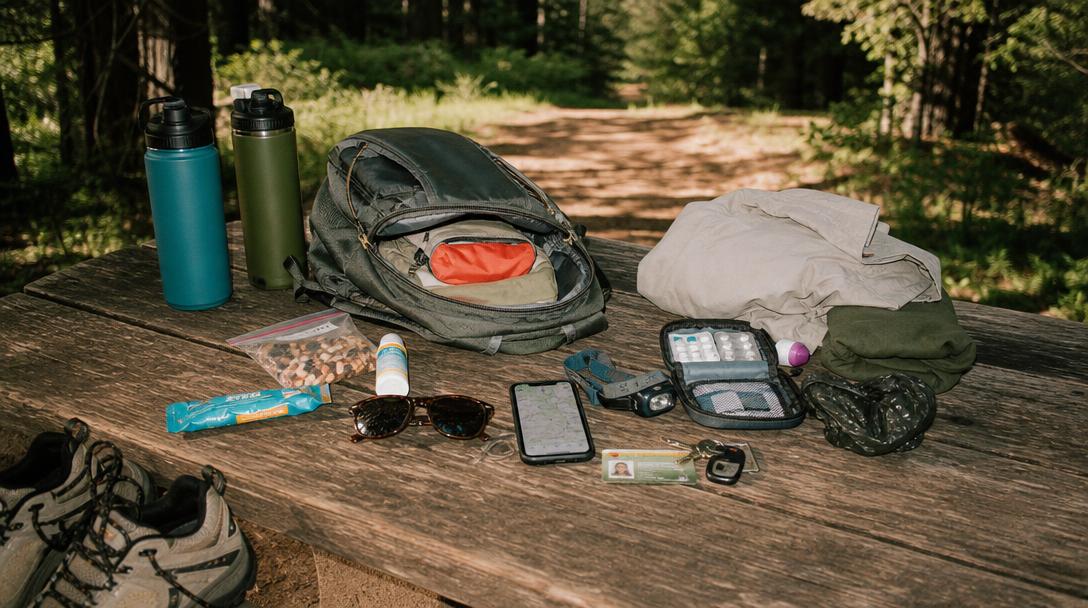
Carry what protects you from the most common beginner problems: dehydration, hunger, getting lost, weather shifts, blisters, sun exposure, and darkness.
That means water, food, navigation, layers, first aid, sun protection, and a light source. Everything else depends on the trail.
A good rule: if you would be genuinely uncomfortable without it for two extra hours, consider bringing it.
Beginner Hiking Tips That Matter Most
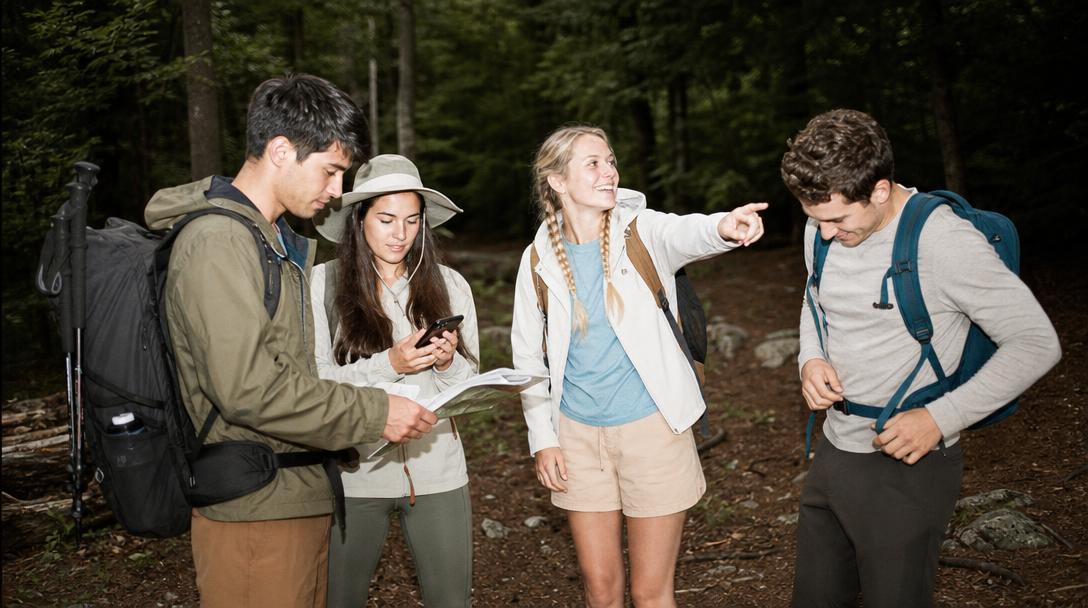
If I were taking a total beginner hiking tomorrow, I would emphasize three things above all:
Tell someone your plan
Again, it feels unnecessary until it is absolutely necessary. Send the text.
Bring enough water
Dehydration does not announce itself politely. It just quietly makes everything harder.
Pick the right trail
An overly ambitious first hike does not make you a better hiker. It makes you tired, sore, and possibly discouraged. Start easy. Build from there.
FAQ: First Hike Tips and Hiking Essentials
What are the 10 essential items for hiking?
The 10 essentials are navigation, headlamp, sun protection, first aid, knife or repair tool, fire starter, emergency shelter, extra food, extra water, and extra clothing. For beginner day hikes, these can be lightweight and simple.
What to carry when going for hiking?
Carry water, snacks, an offline map, phone, headlamp, first aid basics, sun protection, proper layers, and a small trash bag. Adjust based on trail length, weather, elevation, and remoteness.
What to bring hiking for the first time?
For your first hike, bring comfortable traction shoes, water, food, a downloaded map, a light layer, sun protection, a headlamp, and blister care. Keep it simple but do not skip safety basics.
What not to bring on a hike?
Do not bring speakers, glass bottles, too much heavy gear, brand-new shoes, jeans, or cotton layers for active hiking. Skip expensive specialty gear until you know what you actually need.
How much water should a beginner bring on a day hike?
A good starting point is half a liter per hour in mild conditions. Bring more for heat, elevation, exposed sun, kids, dogs, or longer trails.
How do I know if a trail is beginner friendly?
Look for under 5 miles round trip, under 500 feet of elevation gain, clear signage, recent good reviews, maintained trail surface, and no technical sections like scrambling or difficult crossings.
Come Home Wanting to Hike Again
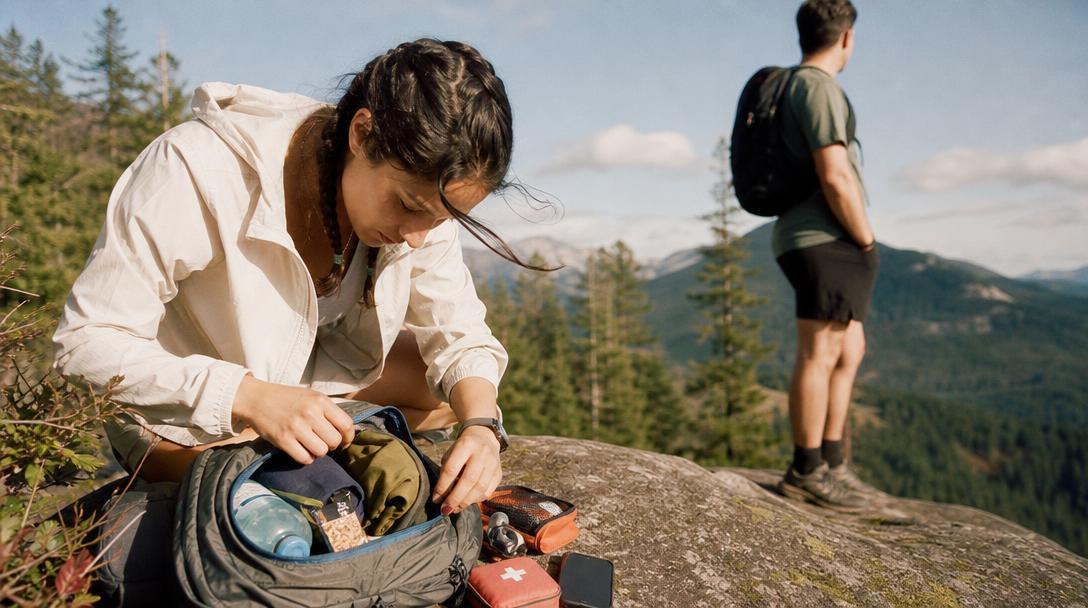
Your first hike does not need to be epic. It does not need to be fast. It definitely does not need to become a survival story you retell with suspicious amounts of detail.
Choose an easy trail. Pack the basics. Wear the right shoes. Tell someone your plan. Start slower than your ego wants. Be kind on the trail. Pack out your trash.
Hiking is one of the most accessible ways to feel more connected to the outdoors, and you do not need to be an expert to start. You just need enough preparation to make the day feel fun instead of frantic.
Hike Tee was built for the person who reads this and thinks, “Okay, I can actually do this.” Because you can. And the trail is better with you on it.


