


Solo Road Trip National Parks Guide | Hike Tee
Dominic PalmowskiA solo road trip national parks adventure is pure freedom: your snacks, your playlist, your pace, and zero committee meetings about whether to stop at one more overlook. It is also the kind of trip where a little planning saves the day, because you are the driver, navigator, campsite cook, budget manager, and official raccoon negotiator.
A solo national park trip can be deeply restorative. You get wide-open space, quieter mornings, and the rare luxury of choosing what you want to do without coordinating everyone else's energy levels. But national parks solo travel also comes with real logistics: timed-entry reservations, campground bookings, wildlife safety, long drives, limited cell service, and the occasional wait... where am I sleeping tonight moment.
Here is how to plan a solo road trip to national parks that feels adventurous without feeling chaotic.
Solo Road Trip National Parks Planner: Build Around Energy, Not Just Miles
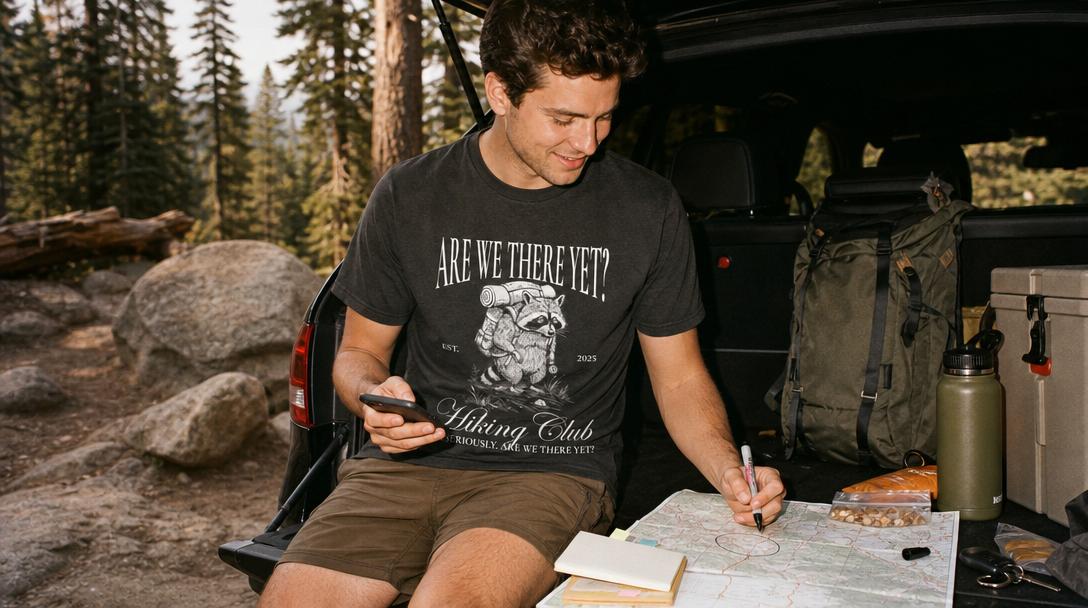
The biggest beginner mistake is planning by map distance instead of human energy.
Google Maps may say two parks are only six hours apart, but that does not include grocery stops, construction delays, scenic pullouts, mountain roads, fatigue, or trying to find your campsite in the dark while your cooler makes suspicious sloshing noises.
Use this simple solo road trip planner framework.
Step 1: Pick Your Trip Style
Choose one of these before choosing parks:
The Scenic Sampler
- 5-10 days
- 2-4 parks
- Mostly short walks, viewpoints, visitor centers
- Best for first-time solo travelers
The Hiking-Heavy Adventure
- 7-14 days
- 2-3 parks
- Early mornings, longer trail days
- Best if you already hike regularly
The Slow & Restorative Reset
- 5-12 days
- 1-2 parks
- Journaling, reading, scenic drives, easy trails
- Best if you are burned out and overstimulated
The Van-Life Loop
- 10+ days
- Multiple parks plus public lands nearby
- Requires more overnight planning
- Best if you are comfortable with flexible camping logistics
Step 2: Choose a Region, Not Random Parks
Cluster parks geographically to reduce drive stress and fuel costs.
Good first solo routes:
Utah Mighty 5 Lite
- Zion
- Bryce Canyon
- Capitol Reef
- Optional add-ons: Arches and Canyonlands
Wyoming Wildlife Loop
- Grand Teton
- Yellowstone
- Optional add-on: Glacier if you have extra time and patience for logistics
California Desert + Mountains
- Joshua Tree
- Death Valley
- Sequoia/Kings Canyon or Yosemite, depending on season
East Coast Easy Mode
- Shenandoah
- Great Smoky Mountains
- Congaree or New River Gorge
Pacific Northwest Mood Board
- Olympic
- Mount Rainier
- North Cascades
- Best in summer when roads and trails are more accessible. If Olympic is on your list, start with this guide to visiting Olympic National Park.
Step 3: Keep Drive Days Reasonable
For solo travelers, a good rule is:
- 3-4 hours driving: easy day
- 5-6 hours driving: manageable but tiring
- 7+ hours driving: avoid unless necessary
Try not to schedule a major hike the morning after a long drive. Your knees, brain, and snack stash deserve better.
How to Plan a Solo Road Trip to National Parks Safely
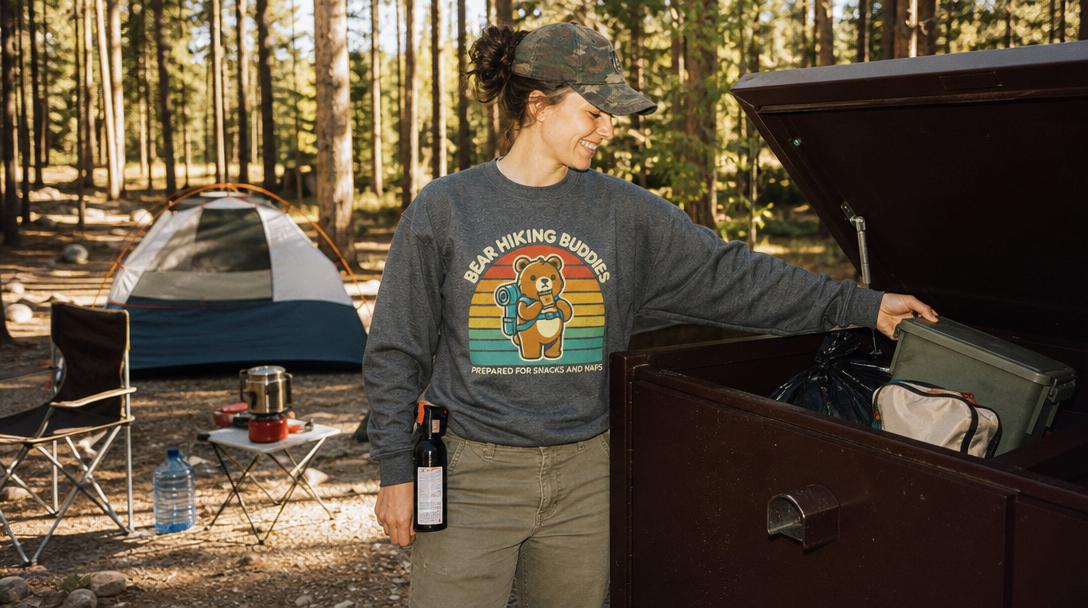
Safety planning is not about being scared. It is about reducing decision fatigue so you can actually enjoy the trip.
Share Your Itinerary
Send your route to someone you trust before leaving. Include:
- Park names and dates
- Campground or lodging reservations
- Planned hikes
- Expected check-in times
- Vehicle description and license plate
For hiking days, text before you start and after you return. If you will not have service, tell your contact ahead of time.
Download Offline Maps
Cell service can vanish quickly in national parks. Download:
- Google Maps offline areas
- Park maps from the official NPS app
- Trail maps from your preferred hiking app
- Reservation confirmations as screenshots
Also carry a paper map. Very old-school. Very useful. Very main character survives the mountain thunderstorm.
Check Official Park Alerts
Before entering each park, check the official National Park Service website for:
- Road closures
- Fire restrictions
- Trail closures
- Weather warnings
- Timed-entry requirements
- Wildlife advisories
This matters because park conditions can change fast, especially in mountain, desert, and wildfire-prone areas.
Trust Your Gut
Solo travel sharpens your instincts. If a trail, campsite, parking area, or person feels off, leave. You do not need a dramatic reason. Nope is a complete sentence.
Build in Recovery Time
One of the most underrated national parks solo travel safety tips: do not exhaust yourself.
Fatigue leads to poor decisions, such as speeding, skipping meals, hiking too late, ignoring weather, or pushing past your limits. Schedule a low-effort day every 3-4 days.
National Parks Solo Travel Safety Tips for Bear Country
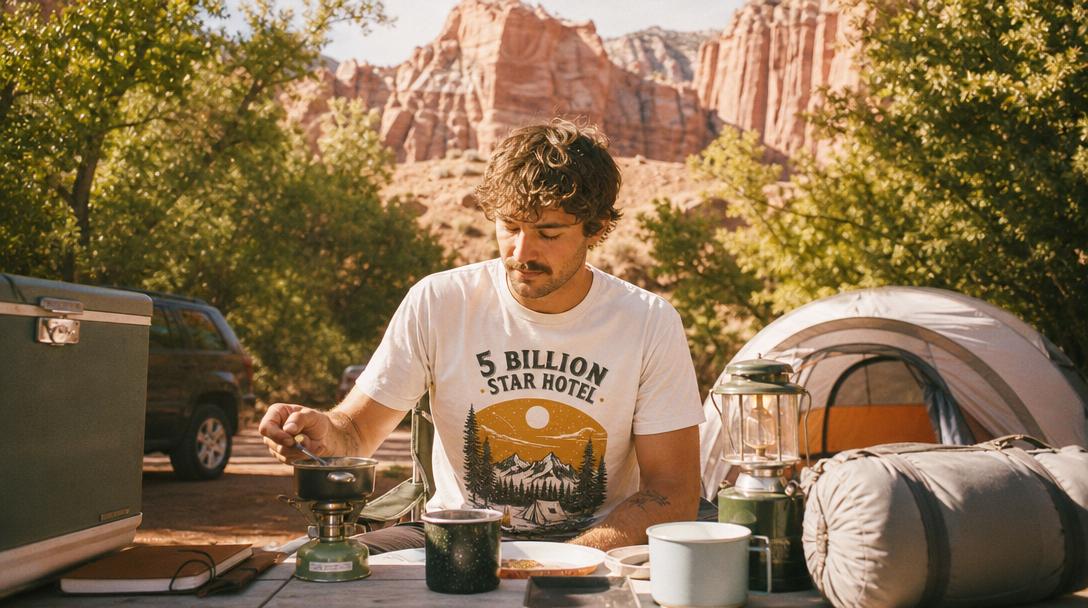
Bear country adds an extra layer of planning, but it should not keep you from visiting places like Yellowstone, Grand Teton, Glacier, Great Smoky Mountains, or Yosemite.
According to the National Park Service, proper food storage is one of the most important ways to protect both visitors and bears. Bears that learn to associate humans with food can become dangerous and may have to be relocated or killed.
Bear Country Basics
Do this every time:
- Store food, trash, toiletries, and scented items in bear boxes or approved containers
- Never keep food in your tent
- Keep a clean campsite
- Carry bear spray where recommended
- Know how to use bear spray before you hike
- Make noise on trails, especially near blind corners or dense brush
- Never run from a bear
For a broader wildlife awareness mindset before a Wyoming route, read Hike Tee's guide to mountain lions in Yellowstone.
Bear Spray: Not Optional in Grizzly Areas
In parks with grizzly bears, bear spray is widely recommended by land management agencies. Keep it accessible, not buried in your backpack next to the emergency chocolate.
You can often buy or rent bear spray in gateway towns near parks like Yellowstone, Grand Teton, and Glacier. You cannot fly with bear spray, so do not pack it in your luggage.
Solo Hiking in Bear Country
If hiking alone in bear habitat:
- Choose popular trails
- Start after dawn, not in the dark
- Avoid hiking at dusk
- Make regular human noise
- Watch for fresh scat, tracks, or carcasses
- Turn around if conditions feel sketchy
You do not need to be loud the entire time, but surprising a bear is the big thing to avoid. Sing if you must. The forest has heard worse.
Best National Parks for a Solo Road Trip With Camping
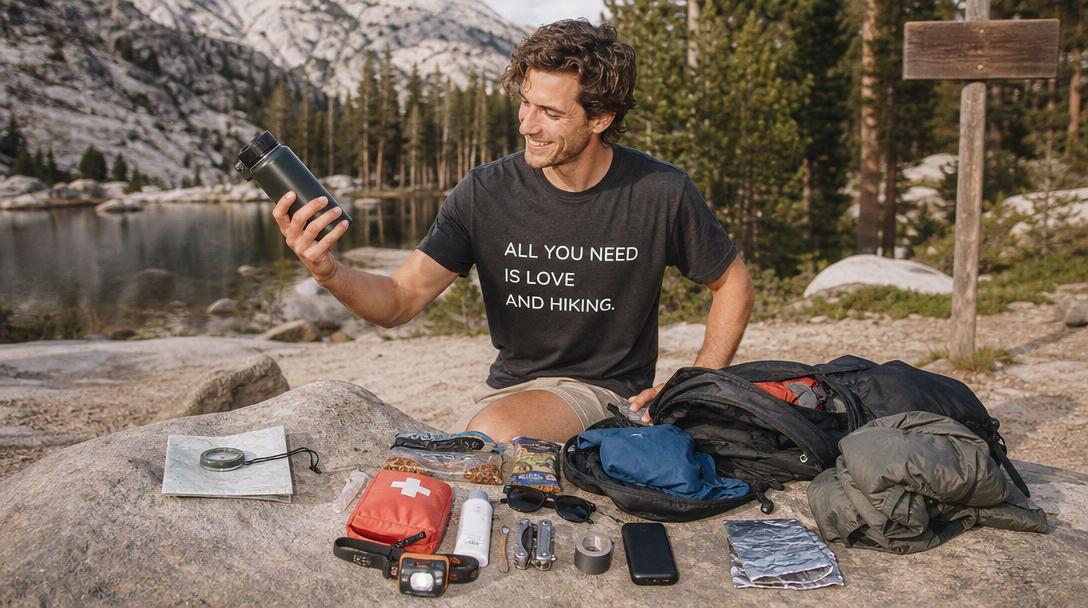
Solo camping national parks can be peaceful, affordable, and surprisingly confidence-building. The key is choosing parks with established campgrounds, clear rules, and nearby services.
Great Smoky Mountains National Park
Why it works:
- No entrance fee
- Many frontcountry campgrounds
- Nearby towns for supplies
- Lots of scenic drives and short hikes
Good for:
- Budget travelers
- First-time solo campers
- Fall foliage trips
Capitol Reef National Park
Why it works:
- Less crowded than Zion or Arches
- Beautiful campground setting
- Great scenic drives
- Nearby town of Torrey
Good for:
- Quiet desert camping
- Photography
- Low-stress exploring
Joshua Tree National Park
Why it works:
- Excellent desert camping
- Short trails and rock formations
- Easy weekend road trip from Southern California
Good for:
- Stargazing
- Creative solitude
- Winter and shoulder-season travel
Desert note: bring more water than you think you need. Then bring more than that.
Shenandoah National Park
Why it works:
- Campgrounds along Skyline Drive
- Easy access from the East Coast
- Plenty of shorter hikes and overlooks
Good for:
- Beginners
- Solo campers who want infrastructure
- Weekend or long-weekend trips
Grand Teton National Park
Why it works:
- Strong campground options
- Incredible views
- Easy access to Jackson and nearby services
Good for:
- Wildlife watching
- Lake walks
- Pairing with Yellowstone
Many national park campgrounds are booked through Recreation.gov, while some are first-come, first-served or managed by concessionaires. Always check the specific park's official Eating & Sleeping page.
Solo National Park Trip Gear Checklist for Hiking
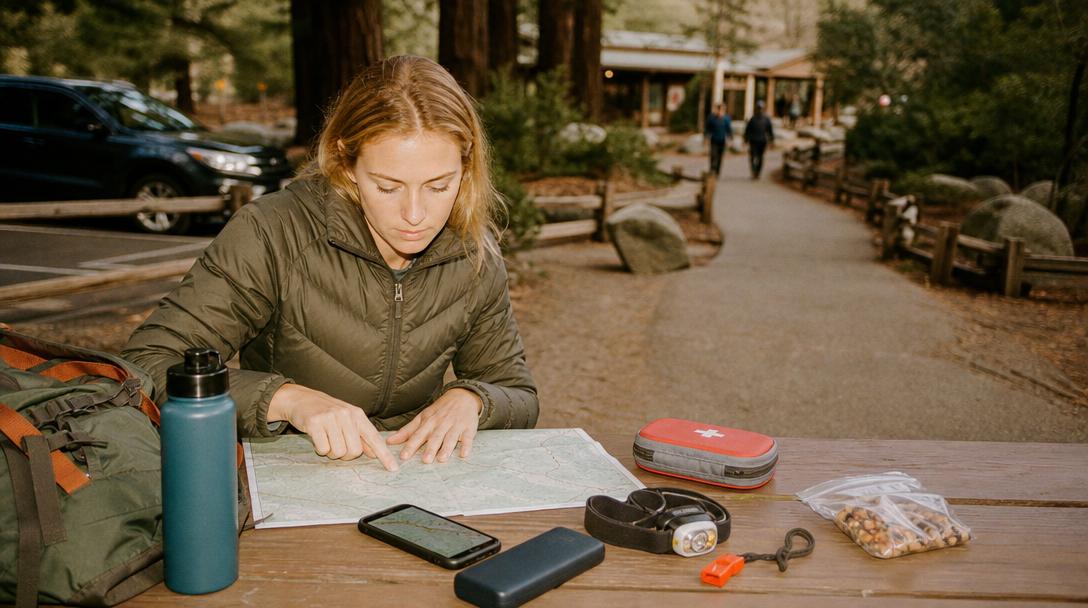
A solid solo national park trip gear checklist for hiking should cover safety, comfort, and basic self-reliance without turning your daypack into a haunted garage.
The National Park Service recommends carrying the 10 Essentials, including navigation, sun protection, insulation, illumination, first aid, fire, repair tools, nutrition, hydration, and emergency shelter.
Day Hiking Essentials
Pack these for most hikes:
- Daypack
- Water bottles or hydration reservoir
- Extra water in the car
- Snacks and salty food
- Paper map or downloaded offline map
- First-aid kit
- Headlamp
- Whistle
- Sun hat and sunglasses
- Sunscreen
- Rain jacket or wind layer
- Warm layer
- Knife or multitool
- Emergency blanket
- Portable phone battery
- Trekking poles, if helpful
- Bear spray where recommended
If your daypack always becomes a mystery cave, this guide on how to pack a hiking backpack can help keep the essentials reachable.
Car Camping Essentials
For solo camping national parks trips:
- Tent or vehicle sleep setup
- Sleeping bag rated for expected temps
- Sleeping pad
- Camp pillow
- Headlamp plus extra batteries
- Camp stove and fuel
- Lighter/matches
- Cooler
- Simple cookware
- Mug/bowl/spork
- Food storage bin
- Trash bags
- Biodegradable soap
- Towel
- Camp chair
- Lantern
- Toiletries
- Shower wipes
- Earplugs
- Warm sleep layers
Casual Graphic Tees and Comfort Items Worth Packing
Comfort is not weakness. Comfort is how you stay out longer without becoming a cranky trail goblin.
For campground mornings, town errands, laundry days, and low-effort scenic drives, pack one or two casual cotton or cotton-blend graphic tees along with your technical layers. A soft national park tee such as the America's Best Idea National Park Shirt fits the mood without trying too hard. For nights under the stars, the 5 Billion Star Hotel Shirt is basically a campground personality trait. And if Acadia is your coastal reset, the Acadia National Park Shirt makes an easy casual layer for Bar Harbor coffee runs.
Other comfort items to pack:
- Slip-on camp shoes
- A real pillow if car camping
- Journal
- Book or downloaded audiobook
- Cozy sweatshirt for chilly mornings
- Funny hiking tee for morale, trail photos, and confusing squirrels
Van Life Guidance: Overnight Rules, Parking, and Route Planning
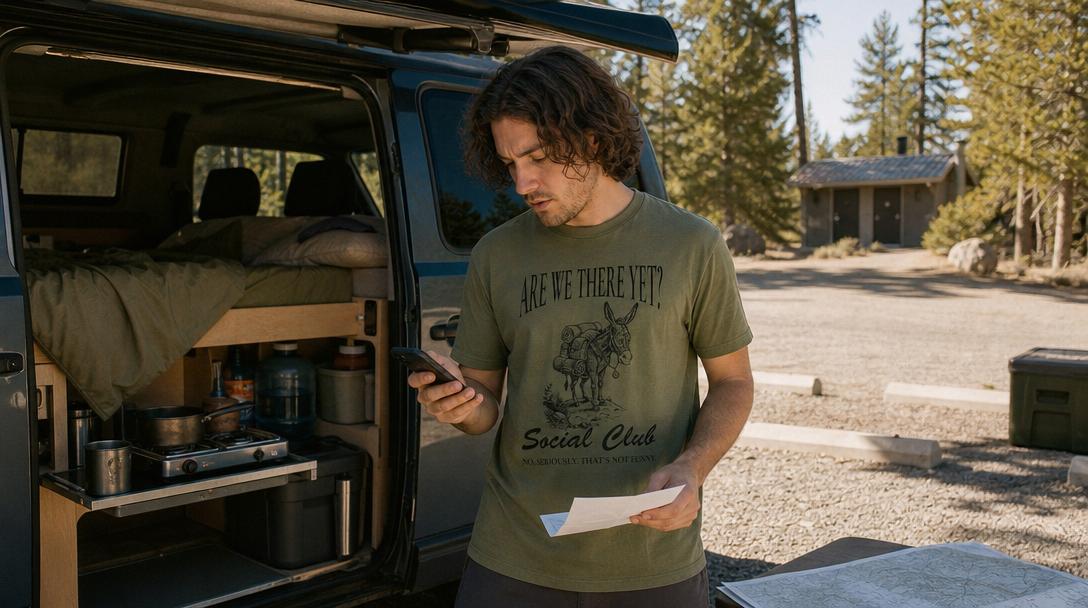
Van life and national parks look dreamy online, but the rules are stricter than many people realize.
Can You Sleep in Your Vehicle Inside a National Park?
Usually, only in a designated campsite or approved overnight area.
In most national parks, you cannot sleep overnight in trailhead lots, visitor center parking lots, scenic pullouts, or random roadside spots. Always check the specific park's camping regulations.
Legal Overnight Options
Inside or near parks, use:
- Reserved national park campgrounds
- First-come, first-served campgrounds where available
- Private RV parks
- National Forest campgrounds
- Bureau of Land Management dispersed camping where allowed
- State parks
- County campgrounds
Route Optimization for Van Travelers
Build your route around legal sleep spots, not just park entrances.
Ask:
- Where am I sleeping every night?
- Is late arrival allowed?
- Are there toilets?
- Is the road suitable for my vehicle?
- Are there fire restrictions?
- Is there cell service?
- How far is it from tomorrow's trailhead?
If you are relying on dispersed camping outside park boundaries, have a backup. Public land roads can be rough, full, closed, muddy, snowy, or simply not where your app swears they are.


