


Merino wool Hiking T-shirt: Where to Buy
Dominic PalmowskiA merino wool hiking t shirt is usually the first place I send hikers who ask me where to find hiking t-shirts with anti-odor technology, especially if they are backpacking, traveling, or wearing the same shirt more than once between washes.
I am Dominic, founder of Hike Tee, and I have tested enough trail shirts to know this: the word anti-odor on a tag does not automatically mean your shirt will survive a sweaty climb, a humid campsite, or the dreaded ride home with the windows cracked. Some shirts genuinely resist stink. Others just have confident marketing copy and the emotional support of a hang tag.
Over the years, I have worn and compared shirts like the Smartwool Classic All-Season merino blend, Patagonia Capilene Cool Daily with HeiQ Mint, Outdoor Research Astroman, REI Co-op Sahara, and a handful of Decathlon budget options. I picked up many of them at REI because I trust the return policy, ordered a few direct from brands when I wanted a specific fabric technology, and tested budget shirts because not everyone wants to spend premium money just to smell less like a gym bag.
Here is the honest buying guide I wish I had when I started testing anti odor hiking shirts in real trail conditions.
Why a merino wool hiking t shirt is still the odor-control benchmark
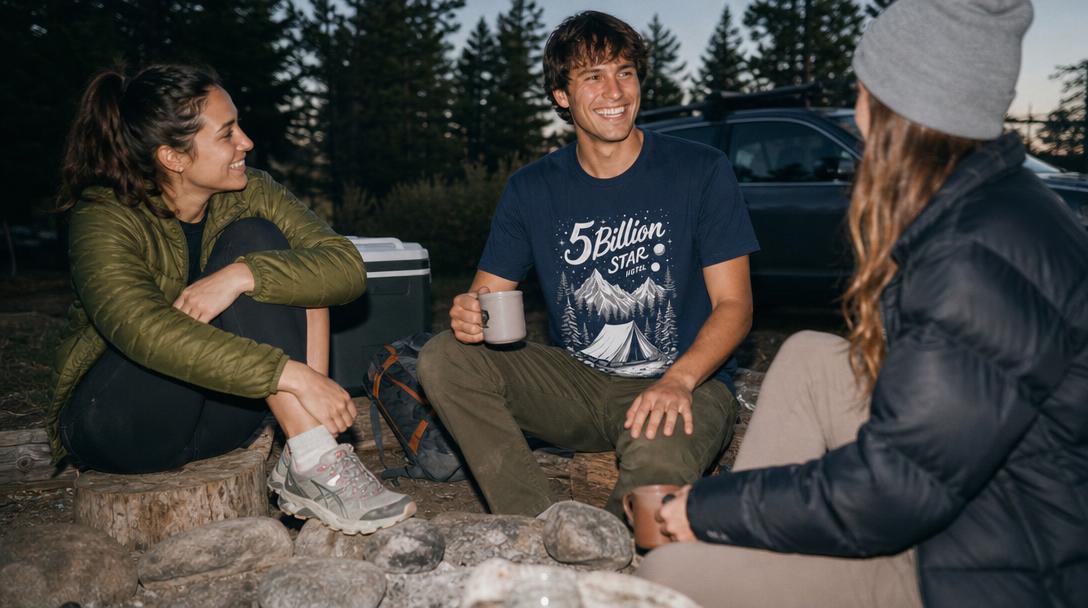
Merino wool is naturally odor-resistant because of the structure of the fiber. It can absorb moisture vapor, manage body oils better than standard polyester, and create a less friendly environment for odor-causing bacteria. That does not mean merino is magic. You can absolutely make a merino shirt smell if you hike hard enough, long enough, in warm enough conditions. Congratulations, you are human.
But compared with most synthetics, merino buys you meaningful extra time.
On one four-day backpacking stretch, I intentionally packed light and wore a Smartwool merino blend tee for three of the four days. There were sweaty climbs, a humid night near a lake, and enough pack-strap friction to remind me I had shoulders. By day three, the shirt had a faint smell if you were close enough to be invading my personal space, but it was not offensive. Another hiker in our group wore a standard polyester athletic shirt, and by day two we were politely suggesting he air it out on a branch overnight.
That trip locked in my rule: merino does not make you odor-free, but it gives you a bigger buffer. For backpacking, travel, hut trips, and any time laundry is not guaranteed, it is hard to beat.
Merino vs synthetic hiking shirt odor control: the honest comparison
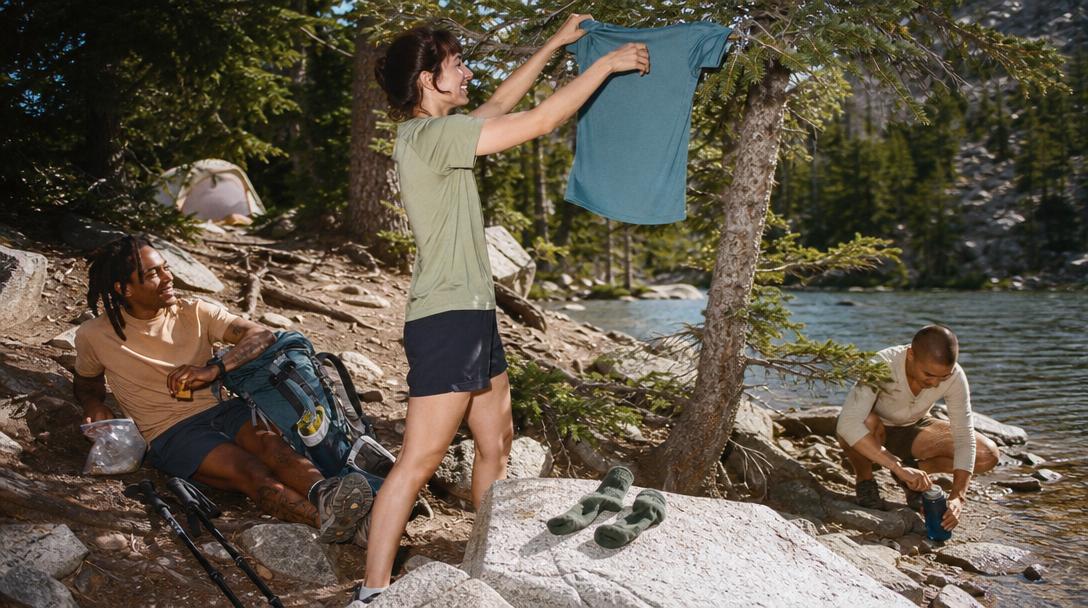
The big choice is not just which brand to buy. It is whether you should buy merino, treated synthetic, or a budget synthetic and accept more frequent washing.
Merino wool hiking shirts
Merino is my choice for multi-day use. It feels softer and more natural over long days, works well for people who dislike the plasticky feel of some synthetic shirts, and is one of the best odor resistant shirts for backpacking.
The tradeoffs are real. Merino costs more, dries slower than polyester, and can pill or thin at friction points where pack straps rub. If you are carrying a heavy backpack every weekend, do not expect a delicate ultralight merino tee to look brand new forever.
Best for:
- Multi-day backpacking
- Travel with limited laundry
- Cooler mornings and variable weather
- Sensitive skin
- Wearing the same shirt more than once
Treated synthetic hiking shirts
Treated synthetics are often the best hiking shirts for sweat when your main issue is drying speed. Polyester and nylon blends move moisture quickly and usually feel cooler on hot, exposed trails. Patagonia Capilene Cool Daily with HeiQ Mint is one of the better examples I have tested. On warm single-day climbs, it dried fast and kept odor manageable until I got back to the car.
But synthetics have a weakness: they can hold body oils. Over time, some develop that sharp, locked-in synthetic sweat smell that never fully disappears, even after washing. I have had treated synthetic shirts disappoint me badly after one warm day hike, especially when the anti-odor claim was vague and not tied to a named technology.
Best for:
- Hot-weather day hikes
- High-sweat climbs
- Fast drying after rain or stream crossings
- Lower budgets
- Hikers who wash shirts after every outing
Budget synthetic hiking shirts
Budget synthetics can be excellent for casual day hiking. REI Co-op Sahara is genuinely underrated, and Decathlon shirts surprised me for the price. They are not my first pick for multi-day odor control, but if you hike Saturday and wash your shirt Saturday night, you may not need premium merino.
Best for:
- Occasional hikers
- Budget-conscious buyers
- Day hikes
- Backup shirts
- People who do laundry regularly
Anti odor hiking t shirts: what technologies actually mean
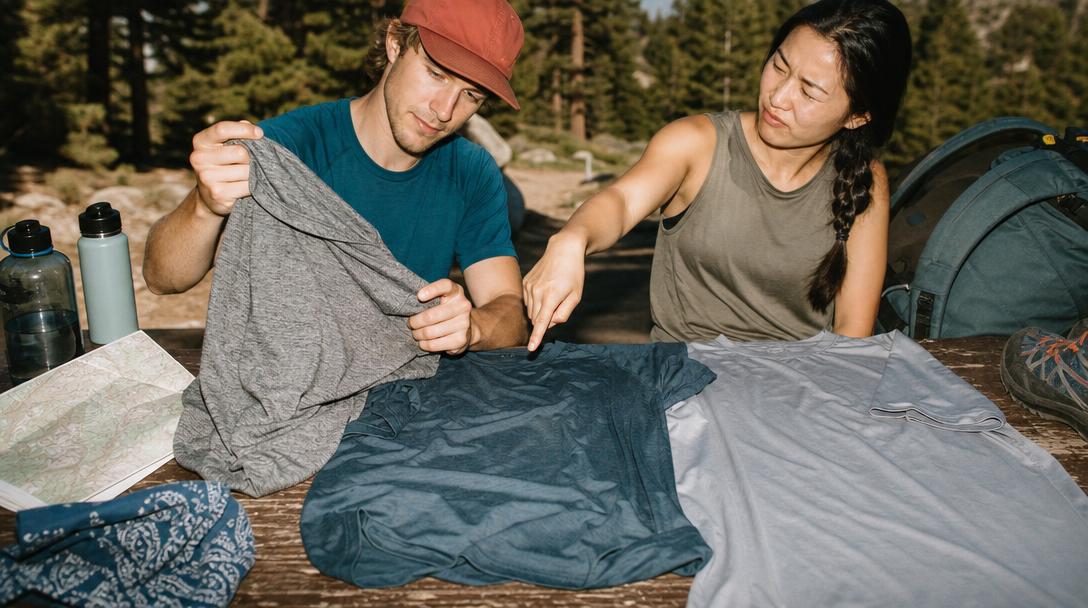
If you are shopping for anti odor hiking t shirts, look for the reason behind the claim. A good product page should tell you the fiber content, the odor-control technology, and how to care for it.
Here are the named technologies worth knowing.
HeiQ Mint
HeiQ Mint is a plant-based odor-control treatment used on some synthetic performance fabrics. It is designed to help control odor by targeting smells that develop during wear. I have had good results with Patagonia Capilene Cool Daily using HeiQ Mint for sweaty day hikes. It is not the same as merino for multi-day use, but for hot weather and quick drying, it works well.
Polygiene
Polygiene is a well-known odor-control treatment often used in activewear. It helps inhibit odor-causing microbes on the fabric, which can let you wear more and wash less. You will see it on some outdoor and travel apparel. It is most useful when paired with a shirt that already wicks and dries well.
Silverscent
Silverscent is Lululemon’s anti-odor technology, commonly associated with silver-based odor control. Silver-based treatments are designed to limit bacterial growth that causes odor. These can work well, but as with all synthetics, long-term odor performance still depends on washing, airing, and how much body oil gets trapped in the fabric.
ActiveFresh
ActiveFresh is another odor-control finish used in some performance textiles. Like other treatments, it is meant to reduce odor buildup in synthetic fabrics. If you see ActiveFresh listed by name, that is more credible than a shirt that simply says fresh all day with no explanation.
Red flags on product pages
Be cautious if a shirt only says:
- Anti-odor with no technology name
- Odor resistant with no fabric breakdown
- Fresh all day with no explanation
- Performance fabric without details
My simple rule: merino is naturally odor-resistant by fiber structure. Synthetics need a named treatment to back up the claim. Otherwise, you may just be buying regular polyester with trail-ready poetry attached.
Where to buy anti odor hiking shirts
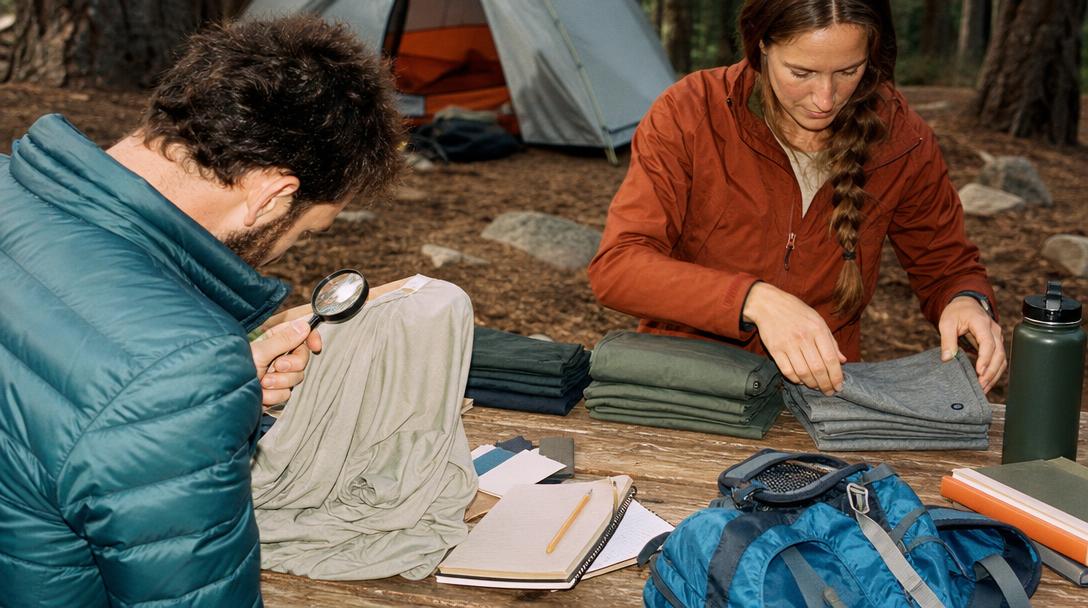
REI
REI is my first stop for most hikers. It is not always the cheapest, but the return policy is real, the staff usually understand outdoor gear, and you can actually feel the shirt before committing. That matters. Some merino feels soft; some feels a little scratchy. Some synthetics feel airy; others feel like wearing a grocery bag with sleeves.
REI is also a good place to compare Smartwool, Patagonia, Outdoor Research, REI Co-op, and other brands side by side.
Brand websites
Brand websites are best when you already know what you want. Patagonia, Smartwool, Outdoor Research, Icebreaker, and similar brands often have the widest size and color selection on their own sites. This is also where you can usually find the most complete fabric breakdown and care instructions.
If you are chasing a specific treatment like HeiQ Mint or a specific merino percentage, brand websites make that easier.
Decathlon
Decathlon deserves more credit than it gets. Their house-brand hiking shirts are often affordable, practical, and surprisingly good for day hikes. I would not pick most budget synthetics as the best odor resistant shirts for backpacking, but for a hiker doing local trails and regular laundry, Decathlon can be a smart buy.
Amazon, with caution
Amazon is useful for price checking and reviews, but I am cautious there. A lot of listings use anti-odor language without showing the fabric composition or naming a real technology. If you cannot verify the material or the treatment, assume the claim is marketing until proven otherwise.
Also watch for lookalike listings, confusing brand names, and reviews that do not mention actual hiking use. A shirt that works for errands may not survive a humid climb with a loaded pack.
Best anti odor hiking shirt for hot weather
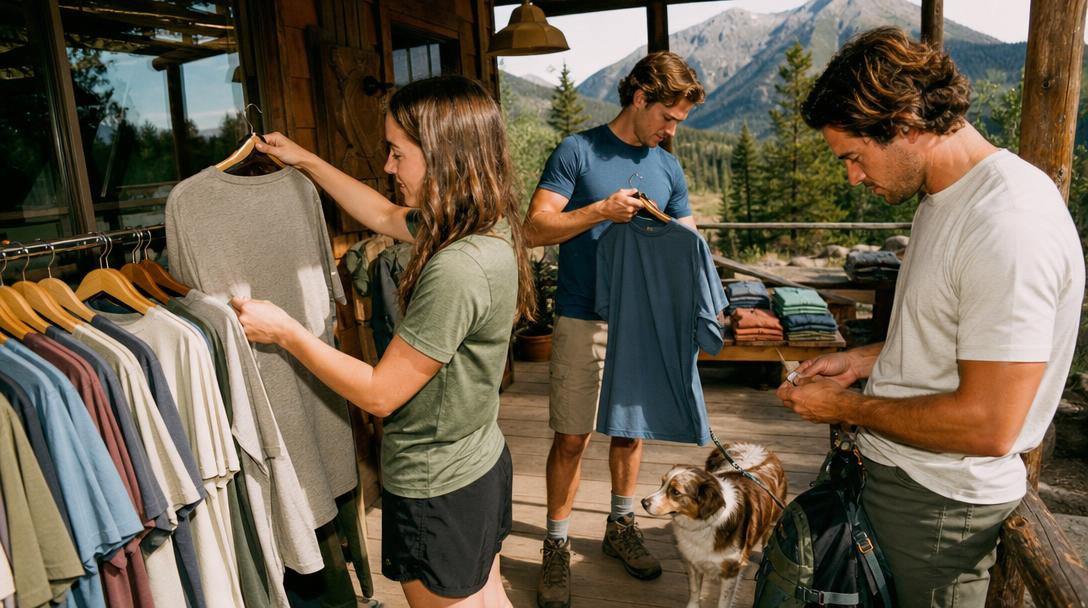
For hot weather, I usually reach for treated synthetic rather than merino. The best anti odor hiking shirt for hot weather is the one that dries quickly, vents well, and does not cling when soaked with sweat.
Patagonia Capilene Cool Daily with HeiQ Mint has performed well for me on warm, sweaty day hikes. REI Co-op Sahara is a good value option, especially if sun coverage matters. Outdoor Research Astroman-style nylon blends can also be excellent when you want durability, airflow, and sun protection.
Merino can work in warm weather too, especially in lightweight blends, but it holds moisture longer. If you sweat heavily and are doing a single-day hike, fast drying may matter more than maximum odor resistance.
If heat is your biggest issue, you may also like this guide to hiking shirts for hot weather under $50 for budget-friendly warm-weather ideas.
Hiking shirts that do not smell after sweating: realistic expectations
Let us be honest: there are no hiking shirts that do not smell after sweating forever. Every shirt has a limit. The goal is not immortality. The goal is more wearable time before the shirt becomes socially complicated.
Here is how I think about odor resistance by trip type:
Short day hike
A treated synthetic is usually enough. You get fast drying, good comfort, and manageable odor until you get home. Wash it that evening and you are golden.
Long, sweaty day hike
A treated synthetic still makes sense if it is hot. If temperatures are mild and you hate synthetic odor, a lightweight merino blend is a good option.
Weekend backpacking trip
Merino starts to pull ahead. One merino tee can often handle two days better than most synthetic shirts. Bring a spare if you expect rain or very high humidity.
Three-plus day backpacking trip
Merino is my pick. This is where it earns the higher price. It will still need airing, but it is much more forgiving than standard polyester.
Travel
Merino again. If I am packing one or two shirts for repeated wear, merino gives me the most confidence.
What to check before you buy
Before you spend money, check these details:
- Fabric content: Look for merino percentage or named synthetic blend.
- Odor technology: HeiQ Mint, Polygiene, Silverscent, ActiveFresh, or another specific treatment.
- Seams: Flatlock or low-profile shoulder seams matter under a backpack.
- Fit: Too tight can trap heat and odor; too loose can chafe under straps.
- Weight: Ultralight dries faster but may be less durable.
- Care label: If the brand cannot explain care, be skeptical.
For a deeper fabric breakdown, this guide to what moisture wicking fabric is is a helpful companion read.
Where casual cotton and graphic tees fit
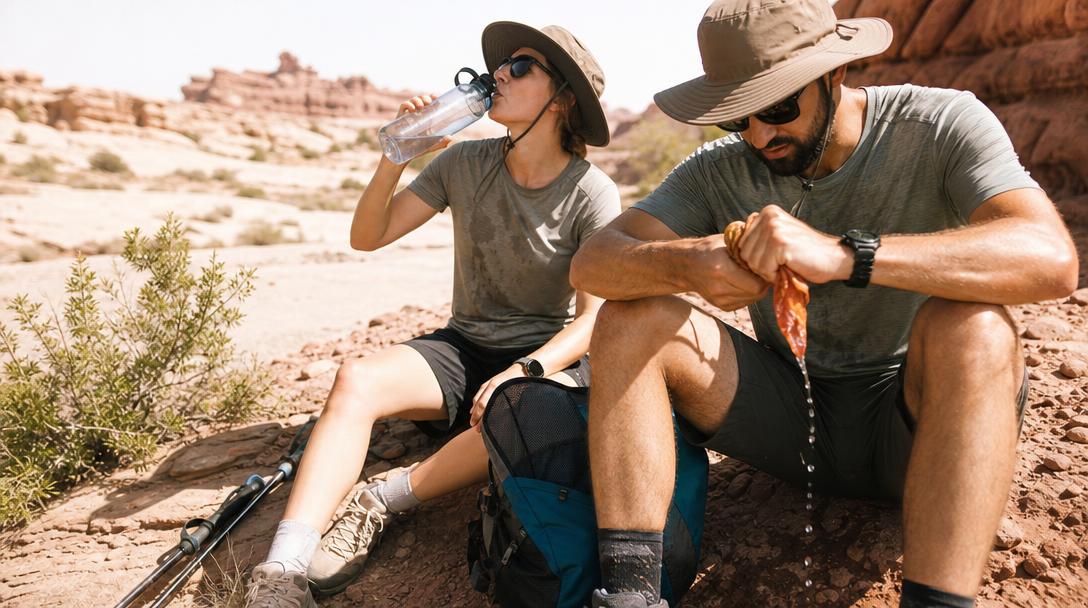
Cotton is not my pick for sweaty hikes, backpacking, or odor-control performance. It holds moisture, dries slowly, and can get clammy fast. But I still love a good cotton or cotton-blend graphic tee for camp, road trips, brewery stops after the trail, and those low-effort nature walks where the biggest elevation gain is stepping over a root.
If you are shopping for casual hiking-inspired shirts rather than technical anti-odor gear, start with this hiking t-shirts online guide or this fun roundup of funny hiking shirts that actually work on the trail. For easygoing post-hike style, Hike Tee designs like the Are We There Yet Hiking Shirt or Adventure Awaits Shirt are more about personality than technical odor control.
Just keep the roles clear: technical merino or treated synthetic for sweat; casual cotton graphics for campfire stories, coffee runs, and pretending your legs are not sore.
How to care for odor resistant hiking shirts
Good care makes anti-odor hiking shirts last longer. Bad care can ruin performance faster than you think.
Air them out immediately
Do not ball up a sweaty shirt in a dry bag, trunk, or hamper for three days. That is how funk moves in, signs a lease, and starts decorating. Hang the shirt as soon as you can.
Turn shirts inside out
The inside of the shirt holds the most body oils and bacteria. Turn it inside out when airing and washing.
Use less detergent
Too much detergent leaves residue, and residue traps odor. A sports-specific detergent can help, especially with synthetics.
Skip fabric softener
Fabric softener coats technical fibers, hurts wicking, and can reduce odor-control performance. Never use it on merino or synthetic hiking shirts.
Wash merino gently
Cold water, gentle cycle, and air drying help merino last longer. Follow the label. Merino is tough on trail odor, but it appreciates manners in the laundry room.
If you are caring for casual graphic tees too, this guide on how to wash graphic tees will help keep prints looking fresh.
FAQ
Are merino wool hiking shirts really anti-odor?
Yes, merino wool is naturally odor-resistant. It does not stay perfectly fresh forever, but it usually smells better for longer than standard polyester, especially over multiple days.
What are the best odor resistant hiking shirts for backpacking?
For backpacking, I recommend merino or merino-blend shirts first. Smartwool, Icebreaker, and similar merino-focused brands are good places to start. Treated synthetics can work, but merino is usually better when you need repeat wears between washes.
Are treated synthetics better than merino for sweat?
For drying speed, yes. Treated synthetic shirts are often the best hiking shirts for sweat on hot day hikes because they dry quickly. For multi-day odor control, merino usually wins.
What should I look for in anti odor hiking shirts?
Look for either a clear merino wool percentage or a named odor-control treatment such as HeiQ Mint, Polygiene, Silverscent, or ActiveFresh. Avoid vague claims with no fabric details.
Can I buy anti-odor hiking shirts on Amazon?
Yes, but be careful. Check the fabric content, brand credibility, and whether the odor-control technology is actually named. If the listing only says anti-odor without details, I would be skeptical.
How do I stop hiking shirts from smelling permanently?
Air them out quickly, wash them promptly, turn them inside out, avoid fabric softener, and use less detergent. Once odor gets deeply set into some synthetic fibers, it can be very hard to fully remove.
Final trail-tested advice
If you are a multi-day backpacker, buy the merino. If you are a hot-weather day hiker who sweats heavily, buy a treated synthetic with a named technology. If you hike occasionally and wash after every outing, a budget option from REI or Decathlon can be plenty.
The big thing is this: do not buy a shirt because the tag says anti-odor. Buy it because the fabric and technology explain why it should resist odor. Your hiking partners, your tent, and your car ride home will all appreciate the research.


