


Kids Hiking Shirts: Hike Tee Trail Guide
Dominic PalmowskiKids Hiking Shirts: The Features That Matter Most
The best hiking shirts for kids are more than “cute outdoor tees.” They should be built for movement, weather changes, snack crumbs, creek splashes, and the mysterious ability children have to get dirty within 4.7 seconds of leaving the car.
Look for these core features:
- Moisture-wicking fabric
- Quick-dry performance
- UPF sun protection
- Breathability
- Comfortable stretch
- Durable construction
- A fit that allows movement and layering
- Sleeve length that matches the conditions
According to REI’s expert advice on dressing kids for the outdoors, synthetic fabrics like polyester and nylon are good at wicking moisture and drying quickly, while cotton tends to dry slowly and performs poorly when wet. If you want a deeper fabric primer before shopping, Hike Tee’s guide to what moisture-wicking fabric means explains why some shirts handle sweat better than others.
That matters because kids don’t hike like adults. Adults may stroll thoughtfully through a pine forest, admiring filtered sunlight. Kids run, climb, sit in dirt, roll on logs, sprint uphill, announce they’re tired, then sprint again. Their shirts need to keep up.
What Should Kids Wear for Hiking?
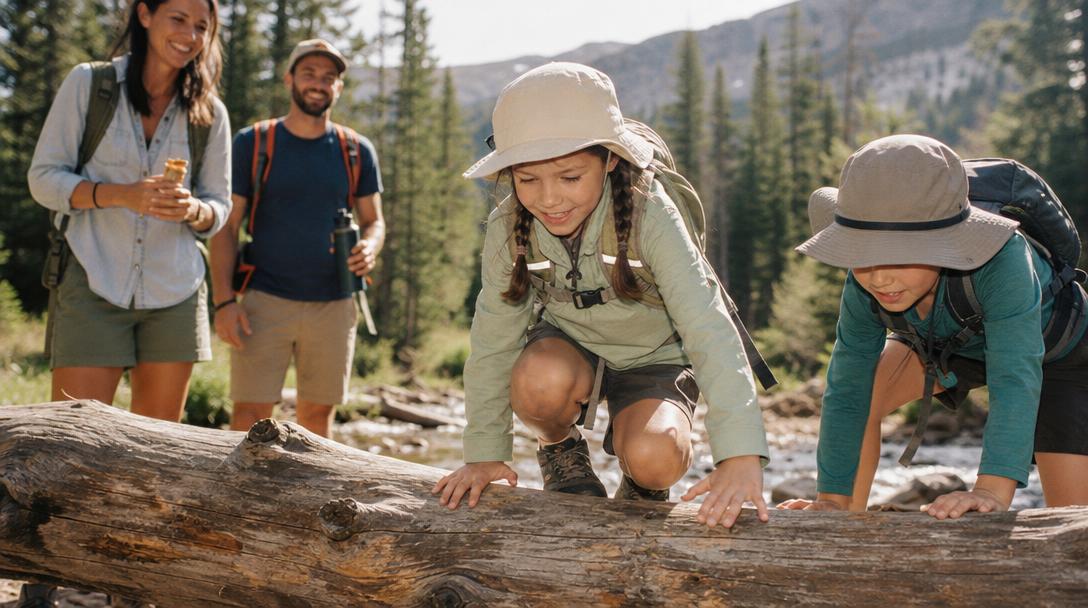
Kids should wear lightweight, comfortable, weather-appropriate layers that help manage sweat, sun, bugs, and temperature swings.
For most family hikes, a good basic hiking outfit looks like this:
- Base layer: A moisture-wicking hiking shirt made from polyester, nylon, or merino wool
- Bottoms: Quick-dry shorts, leggings, or hiking pants
- Socks: Wool or synthetic socks, not cotton
- Shoes: Trail runners, hiking shoes, or sturdy sneakers depending on terrain
- Sun protection: Hat, sunglasses, sunscreen, and ideally a UPF shirt
- Extra layer: Fleece, rain jacket, or wind shell depending on weather
For shirts specifically, kids moisture-wicking shirts are usually the best starting point. They pull sweat away from the skin so your child doesn’t stay damp, sticky, or chilled when the wind picks up. For a broader family packing approach, see this beginner-friendly guide on what to wear hiking.
For sunny hikes, kids UPF shirts are even better because they combine comfort with built-in sun protection. A long-sleeve UPF sun shirt can reduce how much sunscreen you need to apply to arms and shoulders — a major win if your kid treats sunscreen like it’s lava.
Is Cotton Bad for Hiking?
Cotton isn’t evil. It’s just… not very trail-smart in many situations.
Cotton feels soft and comfortable when dry, which is why regular kids’ T-shirts are fine for casual backyard play, school, or short walks around camp. But for active hiking, cotton has one big problem: it holds moisture.
When a cotton shirt gets wet from sweat, rain, a spilled water bottle, or an “accidental” creek splash, it dries slowly. In hot weather, that can mean chafing and clingy discomfort. In cool or windy weather, it can make kids cold fast.
REI notes that cotton takes a long time to dry and is a poor insulator when wet. That’s why many outdoor folks repeat the classic saying: “Cotton kills.” Dramatic? Yes. But the idea is real in cold, wet conditions.
When cotton is okay for casual camp shirts
Cotton can be fine for:
- Short, easy hikes in warm, dry weather
- Campground lounging
- Visitor center days
- Casual nature walks
- Post-hike clothes
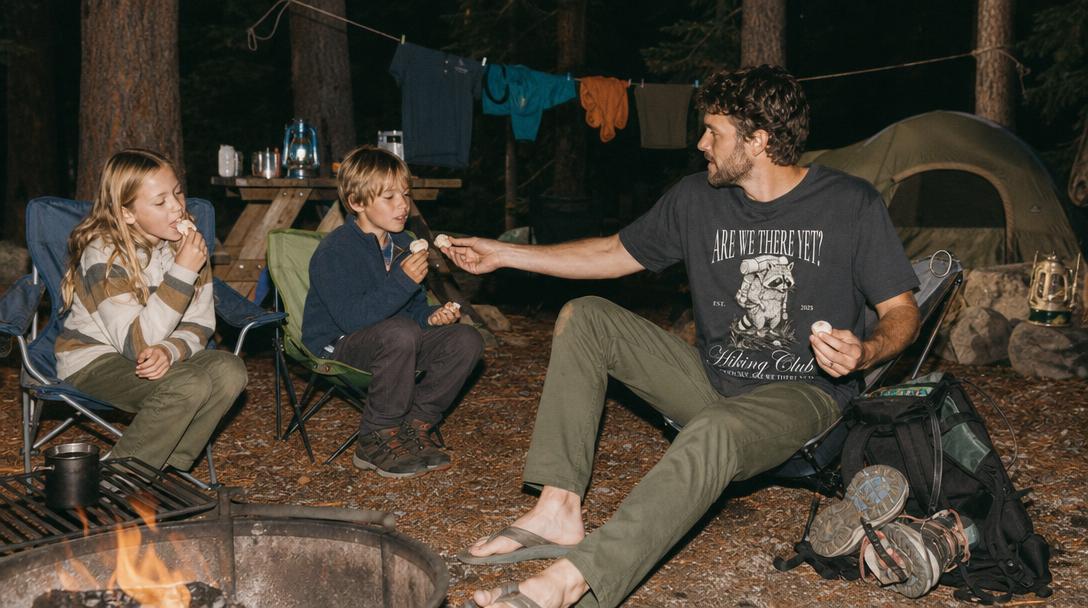
A funny outdoor cotton tee is great around the campfire or for the drive home. Casual graphic tees like the Are We There Yet hiking shirt or the Adventure Awaits camping shirt fit that low-key camp-and-road-trip role well. But for the actual sweaty hiking part, technical fabrics usually win.
When to avoid cotton hiking shirts for kids
Skip cotton hiking shirts for kids when:
- The hike is long or strenuous
- The weather may change
- Rain is possible
- Temperatures are cool
- Your child sweats a lot
- You’re hiking at elevation
- You’ll be far from the car or shelter
For real trail use, choose quick-dry hiking shirts for kids made from synthetic fabric or merino wool.
Do Kids Need UPF Shirts?
Kids don’t absolutely need UPF shirts for every outdoor moment, but UPF sun shirts for kids for hiking are one of the easiest ways to protect their skin on sunny trails.
UPF stands for Ultraviolet Protection Factor. It measures how much UV radiation can pass through fabric. According to The Skin Cancer Foundation, a UPF 50 fabric blocks about 98% of the sun’s rays, allowing only 2% to pass through.
The American Academy of Dermatology recommends sun-protective clothing and says to look for clothing with a UPF label for more effective protection. For more detail on how ratings work, read Hike Tee’s explainer on UPF hiking shirt ratings.
That’s especially helpful for kids because:
- They may resist sunscreen application
- Sunscreen wears off and needs reapplying
- Shoulders and arms get lots of trail exposure
- Higher elevation increases UV exposure
- Water, sand, and rock can reflect sunlight
- Long hikes mean longer sun exposure
What UPF rating should you look for?
A good target:
- UPF 30: Very good protection
- UPF 50 or 50+: Excellent protection
For long sunny hikes, desert parks, alpine trails, beach camping, or exposed ridgelines, kids UPF shirts with UPF 50+ are the gold standard.
UPF shirts are not a sunscreen replacement
A UPF shirt protects covered skin. You’ll still need sunscreen on exposed areas like:
- Face
- Neck
- Ears
- Hands
- Legs if wearing shorts
- Ankles and feet in sandals
Think of UPF clothing as reducing the sunscreen battlefield. Fewer limbs to chase. Fewer complaints. More hiking. Everyone wins.
Are Long Sleeve Shirts Better for Hiking?
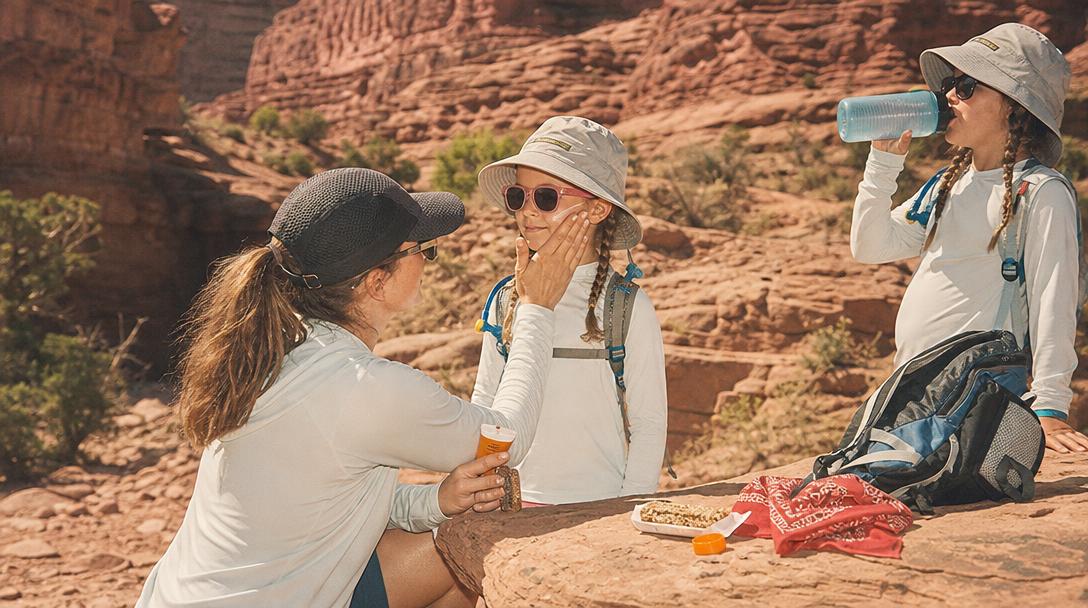
Long sleeve shirts are often better for hiking, especially for kids, because they offer more sun, scratch, and bug protection.
That said, the best choice depends on the weather, trail, and your child’s comfort.
Choose long sleeves for sun protection
Lightweight long-sleeve kids sun shirts are ideal for:
- Desert hikes
- Open meadows
- Alpine trails
- Beach hikes
- National parks with limited shade
- Long summer days
- Kids with sensitive skin
The key word is lightweight. A thick cotton long sleeve is not the same thing as a breathable UPF hiking shirt. A good technical long sleeve can actually feel cooler than bare skin baking in direct sun.
Choose long sleeves for bugs and brush
Long sleeves also help protect against:
- Mosquitoes
- Ticks
- Scratches from brush
- Pine needles
- Tall grasses
- Mystery trail pokes that children will report with great drama
The CDC recommends clothing that covers arms and legs to help prevent mosquito bites. In buggy areas, long sleeves plus insect repellent on exposed skin can make a huge difference.
For tick-heavy regions, the CDC also discusses using 0.5% permethrin-treated clothing and gear for extra protection. Permethrin is for clothing and gear, not skin, and should always be used according to label directions.
Choose short sleeves for shaded, hot, low-bug hikes
Short sleeves can be perfectly fine for:
- Shaded forest trails
- Short hikes
- Mild weather
- Low bug pressure
- Kids who overheat easily
- Casual campground walks
If your child wears short sleeves, be more diligent with sunscreen and bug protection.
Age-Based Tips: Toddlers, Grade-School Kids, and Tweens
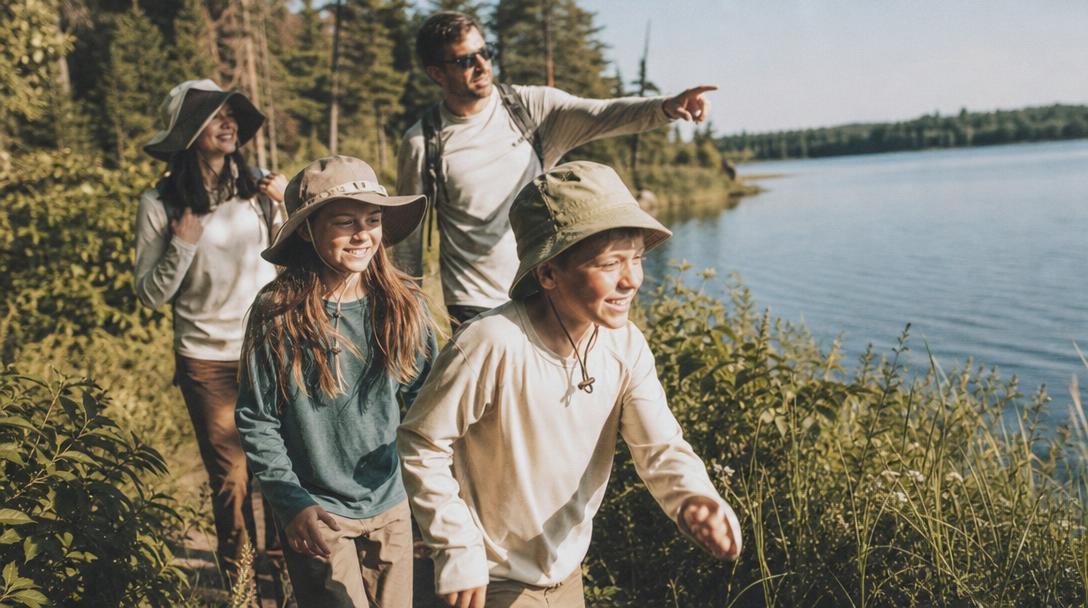
Toddlers: soft, stretchy, and easy to manage
For toddlers, comfort beats everything. If the shirt feels weird, they will let the entire trail know.
Look for:
- Super-soft synthetic fabric
- Stretch for climbing and crawling
- UPF 50+ for sunny hikes
- Long sleeves for sun and bugs
- Roomy fit over toddler bellies
- Easy on/off neck openings
- Tagless labels or soft seams
Toddlers are closer to the ground, which means more dirt, puddles, bugs, and shrub contact. Long-sleeve kids UPF shirts are especially useful for this age.
Sizing tip: Don’t buy too snug. Toddlers need room to move, and a slightly relaxed fit can last longer through growth spurts.
Grade-school kids: durable and adventure-ready
Grade-schoolers are often the sweet spot for hiking. They can walk farther, carry a tiny pack, and develop strong opinions about which snack is “trail worthy.”
Look for:
- Moisture-wicking synthetic fabric
- Reinforced or durable stitching
- UPF protection for sunny trails
- Quick-dry performance
- Fun colors or graphics they’ll actually wear
- Fit that layers under a fleece or rain jacket
This is also a good age to let kids help choose their hiking shirt. If they love the design, they’re more likely to wear it without turning the trailhead into a negotiation summit.
Tweens: performance plus personal style
Tweens may care more about how the shirt looks, which is fair. Adults do too — we just pretend it’s all about “technical features.”
Look for:
- Youth sizing with enough torso length
- Breathable technical fabric
- Odor resistance for longer trips
- UPF 30–50+
- Styles that don’t feel too “little kid”
- Sleeve length based on activity and climate
Tweens may also be ready to understand why certain fabrics matter. Explain it simply: “This shirt dries faster and helps you stay comfortable.” No need for a TED Talk unless they ask.
A Simple Shirt System for Family Hikes
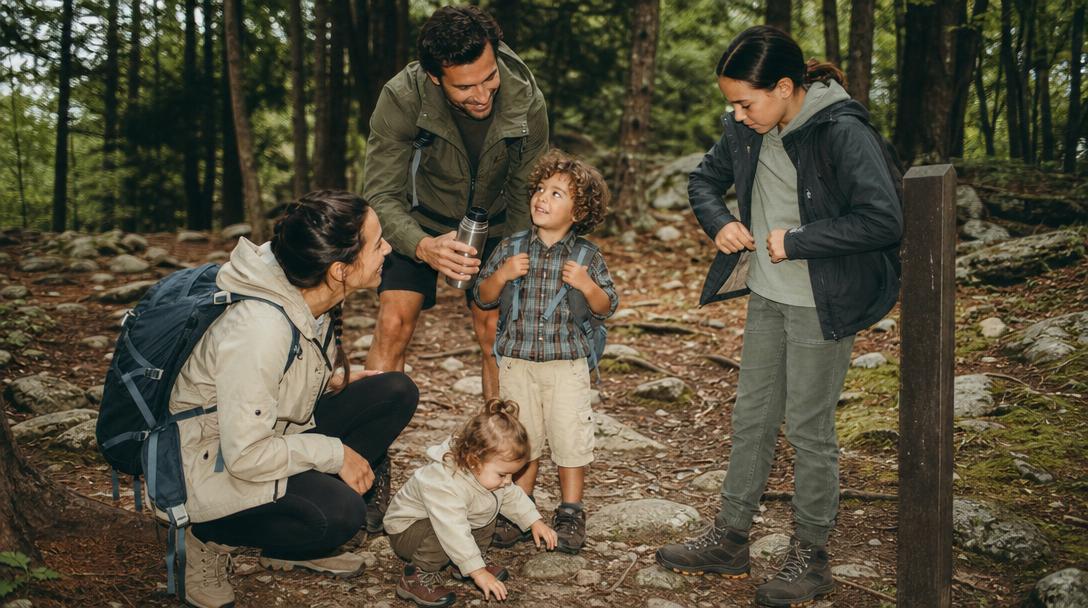
If you want to keep things easy, build a small rotation:
-
One long-sleeve UPF sun shirt
Best for sunny hikes, national parks, and buggy trails. -
One short-sleeve moisture-wicking shirt
Best for hot shaded trails and everyday summer hikes. -
One long-sleeve merino or synthetic base layer
Best for cool mornings, fall hikes, and layering. -
One casual camp shirt
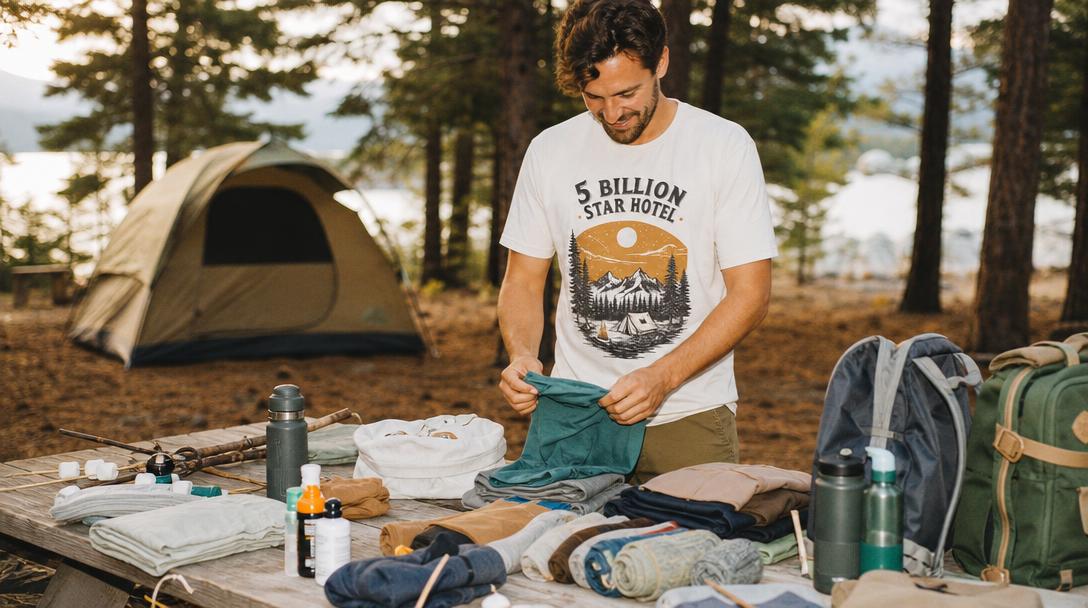
Best for after the hike, road trips, and marshmallow duty. A soft graphic option like the 5 Billion Star Hotel camping shirt works well for campground evenings, not as a substitute for a technical shirt on sweaty trail days.
That’s enough for most families. No need to turn your laundry room into a miniature outdoor retailer.
And if your kid likes funny trail shirts, animal graphics, or outdoorsy designs with a little personality, those are great for camp, travel days, and easier hikes. A shirt they’re excited to wear is always better than one that sits in the drawer looking “technically impressive.”


