


Acadia National Park Hiking Guide | Hike Tee
Dominic PalmowskiAcadia National Park hiking is the rare kind of adventure where you can scramble up pink granite, wander beside crashing Atlantic waves, circle a mirror-like pond, and still make it back to Bar Harbor in time for blueberry pie. But don’t let the postcard views fool you—Maine coastal weather loves plot twists. A sunny trailhead can turn into a windy summit, dry granite can become slick-as-a-seal, and an “easy family walk” can still mean roots, rocks, and ticks doing their tiny villain thing.
According to the National Park Service, Acadia hikers should wear sturdy hiking shoes, carry at least 1 liter of water, follow blue blazes, know trail difficulty, and check current alerts before heading out. That’s solid advice—but let’s make it more practical by pairing the best Acadia hiking trails with what to wear, what to pack, and how to dress for each season.
Acadia National Park Hiking: What Makes These Trails Different?

Acadia National Park hiking stands out because many trails climb directly from ocean-level forest to open granite summits in surprisingly short distances. That means hikers face quick elevation changes, exposed rock, coastal wind, slippery surfaces, and fast-changing weather—even on short routes that look easy on a map.
Acadia isn’t a “just wear flip-flops and vibe” park. The distances can be short, but the terrain often has bite. Granite slabs, iron rungs, stone steps, roots, and narrow cliffside sections are part of the fun—but only if your footwear and layers are doing their jobs.
A few Acadia-specific realities to plan for:
- Granite gets slippery when wet. This matters most on Beehive, Precipice, Cadillac, Gorham, and open summit trails.
- Coastal wind can make mild temperatures feel cold. A light layer can save the day.
- Parking fills early in peak season. Popular trailheads like Sand Beach, Jordan Pond, and Cadillac can get crowded.
- Ticks are common from late spring through early fall. Long pants and tick checks are not overkill.
- Some trails close seasonally. The Precipice Trail and other cliff trails may close to protect nesting peregrine falcons, according to the NPS.
Best Acadia Hiking Trails for First-Time Visitors
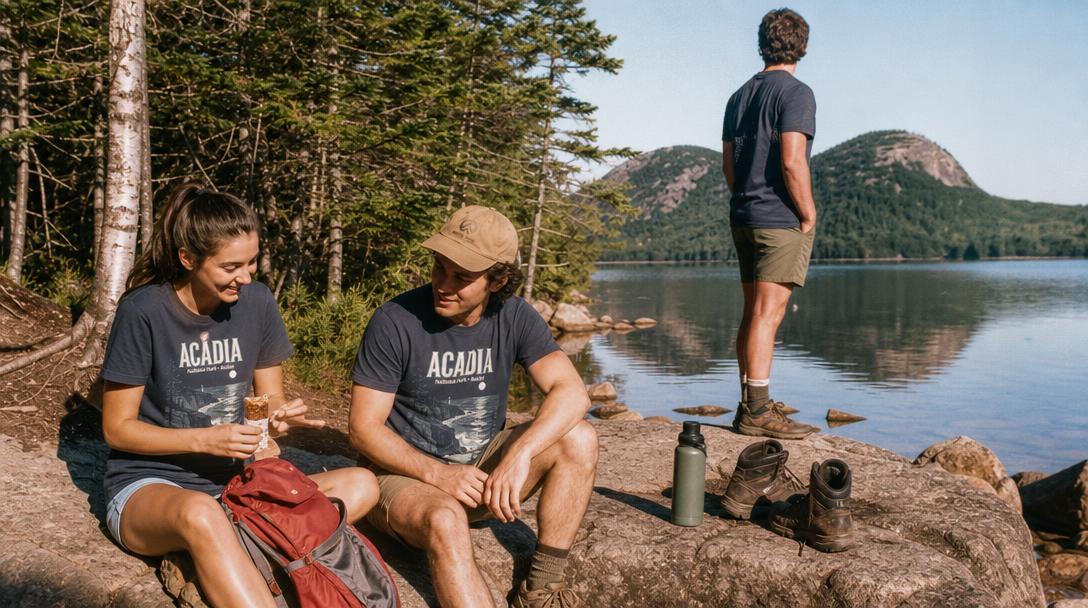
If it’s your first trip, you don’t need to conquer the scariest ladder trail before breakfast. Acadia rewards all kinds of hikers: families, casual walkers, summit seekers, van-life road trippers, and folks who packed three snacks for a one-mile walk. Respect.
For extra trip planning beyond the trailhead, this guide to things to do in Acadia National Park can help you build out the rest of your itinerary.
Ocean Path: Best Easy Coastal Walk
Distance: About 4.4 miles round trip if you go from Sand Beach to Otter Point and back
Difficulty: Easy
Best for: Families, photographers, first-time visitors, sunrise walkers
Ocean Path is one of the best intro hikes in Acadia because it delivers huge coastal views without a major climb. You’ll pass classic stops like Thunder Hole and Otter Cliff, with the Atlantic doing its dramatic crashing thing nearby.
What to wear:
Go for comfortable hiking clothes: a moisture-wicking shirt, shorts or lightweight pants, and a windbreaker. The path itself isn’t technical, but the coastline is exposed. Even in summer, ocean breezes can get chilly.
Footwear:
Trail runners, light hiking shoes, or sturdy sneakers are fine if conditions are dry. If you plan to explore rocky side areas, choose shoes with better grip.
Jordan Pond Path: Best Classic Acadia Scenery
Distance: About 3.3 miles loop
Difficulty: Easy to moderate
Best for: Iconic views, families, relaxed hikers, post-hike popovers
Jordan Pond Path circles one of the park’s most beloved landscapes, with views of the Bubbles rising above the water. Parts of the route are smooth, while other sections include roots, rocks, and narrow boardwalks.
What to wear:
Choose quick-dry pants or leggings, a breathable top, and a light fleece or rain shell in your pack. The shaded sections can feel cool, especially in spring and fall.
Footwear:
Hiking shoes are better than casual sneakers here, especially after rain. Waterproof hiking shoes for Acadia can be helpful if the boardwalks and muddy patches are damp, but breathable shoes feel nicer on warm summer days.
Gorham Mountain Loop: Best Moderate Hike With Big Views
Distance: Roughly 1.8 to 3.5 miles depending on route
Difficulty: Moderate
Best for: Summit views without iron rungs
Gorham Mountain is a sweet spot: enough climbing to feel like a real hike, but not as nerve-jangling as Beehive or Precipice. You’ll get open granite, ocean views, and a nice sense of accomplishment without needing to pretend you’re in an action movie.
What to wear:
A layered outfit for Maine coastal hiking works perfectly here:
- Moisture-wicking tee or merino base layer
- Lightweight fleece or hoodie
- Wind/rain shell
- Flexible hiking pants or shorts
- Wool or synthetic socks
Footwear:
This is where the best hiking shoes for Acadia National Park really matter: look for sticky rubber, solid tread, and lateral support for uneven granite.
The Beehive Loop: Best Short Adventure Hike
Distance: About 1.4–1.6 miles loop
Difficulty: Strenuous
Best for: Experienced hikers who are comfortable with heights
The Beehive is short, famous, and spicy. It includes iron rungs, exposed ledges, and steep sections. It’s not recommended for young kids, dogs, or anyone who freezes around heights. Also: skip it when wet. Slippery granite and iron rungs are not a cute combo.
What to wear:
Wear close-fitting hiking clothes that won’t snag. Avoid bulky backpacks, dangling water bottles, or loose layers tied around your waist.
Best outfit:
- Stretchy hiking pants or shorts
- Moisture-wicking shirt
- Thin fleece or wind shell packed tight
- Grippy hiking shoes
- Small daypack with secure straps
Footwear:
Prioritize traction over waterproofing. Sticky soles beat big clunky boots here unless your boots are well broken-in and flexible.
Cadillac Mountain South Ridge Trail: Best Longer Summit Hike
Distance: About 7 miles round trip
Difficulty: Moderate to strenuous
Best for: Longer day hike, sunrise or summit views
Cadillac Mountain is the highest point on the eastern seaboard, and while many visitors drive up, hiking it feels much more rewarding. The South Ridge Trail offers open granite, forest sections, and big views—but it’s a longer commitment.
What to wear:
Layering is key. You may start warm in the trees and end up cold and wind-battered near the summit.
Pack:
- Base layer
- Fleece or insulated midlayer
- Rain/wind shell
- Hat or buff
- Extra socks
- Headlamp if hiking near sunrise or sunset
Footwear:
Supportive hiking shoes or lightweight boots are ideal. If you’re carrying extra camera gear or hiking in shoulder season, boots may feel more stable.
Bubble Rock and South Bubble: Best Short Hike With a Fun Payoff
Distance: Around 1–1.5 miles depending on route
Difficulty: Moderate
Best for: Families with older kids, quick views, iconic boulder photos
Bubble Rock looks like nature left a giant pebble on the edge of a cliff and said, “That’ll confuse people.” The hike is short but includes climbing, rocks, and roots.
What to wear:
Comfortable hiking clothes, bug protection, and shoes with traction. This is a good trail for long socks or pants during tick season because you may brush against vegetation in places.
Footwear:
Light hiking shoes or trail runners are usually enough.
Great Head Trail: Best Coastal Cliff Hike
Distance: About 1.4–1.9 miles depending on route
Difficulty: Moderate
Best for: Ocean views, Sand Beach area exploring
Great Head gives you rugged coastline, pink granite, forest, and elevated views over Sand Beach. It’s not as intense as Beehive, but you still need to pay attention near cliff edges.
What to wear:
A breathable tee, flexible pants or shorts, sun hat, and wind shell. Coastal exposure can sneak up on you.
Footwear:
Trail shoes with decent grip are best. Save smooth-bottom casual shoes for lobster rolls, not granite.
What Is the Most Beautiful Hike in Acadia National Park?
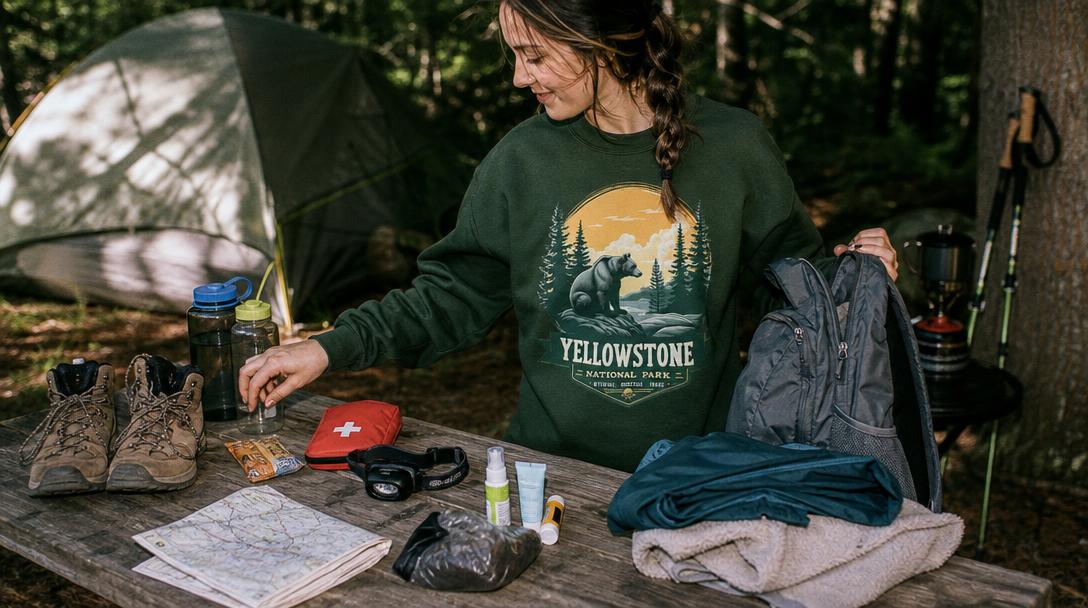
The most beautiful hike in Acadia National Park is often considered Jordan Pond Path for its clear water, mountain views, forested shoreline, and iconic view of the Bubbles. For hikers who want more elevation and ocean scenery, Gorham Mountain or Cadillac South Ridge may feel even more spectacular.
Beauty in Acadia depends on your preferred flavor of jaw-dropping:
- Best peaceful beauty: Jordan Pond Path
- Best ocean drama: Ocean Path or Great Head
- Best summit payoff: Gorham Mountain
- Best sunrise experience: Cadillac Mountain
- Best “I can’t believe this is real” adventure: Beehive, if heights don’t bother you
If you only have one day and want a balanced itinerary, pair Ocean Path in the morning, Jordan Pond Path midday, and Gorham Mountain in the afternoon. That gives you coast, pond, forest, and summit without requiring ladder-climbing bravery.
What to Wear Hiking in Acadia National Park by Season
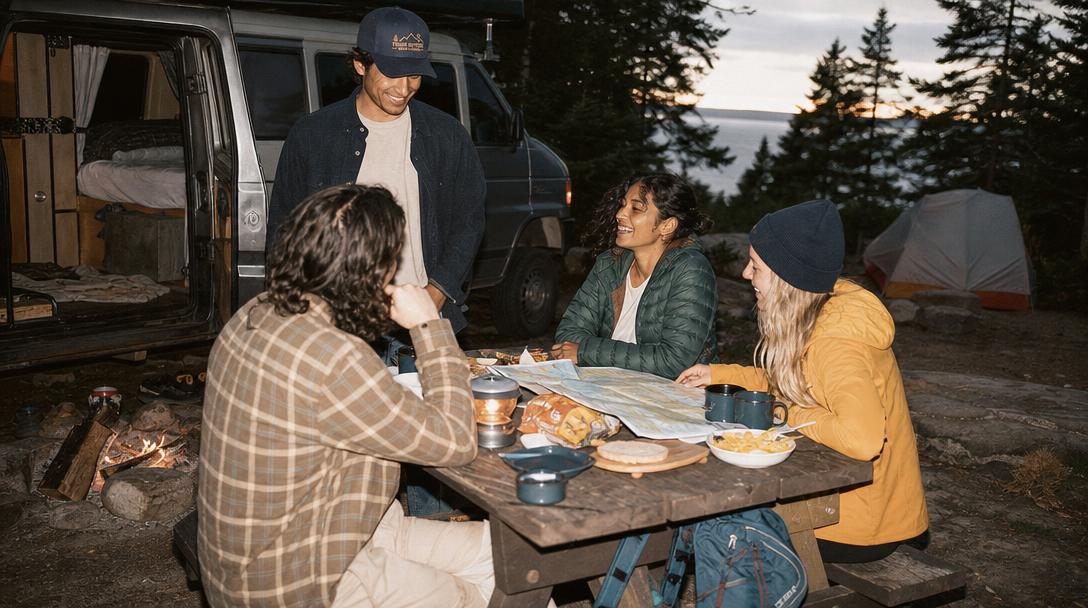
What to wear hiking in Acadia National Park depends on the season, but the best strategy is always moisture-wicking clothing, sturdy footwear, and packable layers. Coastal Maine weather changes quickly, so avoid cotton-heavy outfits for strenuous trails and bring a wind or rain shell even on mild days.
If you want a broader beginner breakdown before dialing in your Acadia layers, Hike Tee’s guide to what to wear hiking covers the basics clearly.
Spring: Mud, Wind, and “Wait, Is That Ice?”
Spring in Acadia can be beautiful, but trails may be wet, muddy, chilly, or icy in shaded areas.
Wear:
- Long hiking pants
- Wool or synthetic socks
- Waterproof or water-resistant hiking shoes
- Moisture-wicking base layer
- Fleece midlayer
- Rain shell
- Beanie or light gloves for colder days
Spring is also when ticks become active, so treat clothing with permethrin if appropriate and do a full tick check after hiking.
Summer: Warm, Crowded, and Buggy in Places
Summer is peak season, which means warmer temps, busy trailheads, and more people trying to take the exact same scenic photo.
Wear:
- Lightweight hiking shirt or sun hoodie
- Shorts, skort, or breathable hiking pants
- Trail runners or ventilated hiking shoes
- Sun hat and sunglasses
- Lightweight rain shell
- Bug repellent
This is when breathable footwear often beats waterproof footwear. Waterproof shoes can feel swampy in hot weather unless rain is likely.
Fall: Peak Cozy Hiking Season
Fall in Acadia is magic: crisp air, colorful leaves, and fewer mosquitoes auditioning for villain roles.
Wear:
- Merino or synthetic base layer
- Fleece or light puffy jacket
- Wind/rain shell
- Hiking pants or leggings
- Warm hat or buff
- Grippy hiking shoes
Fall days get shorter quickly. Pack a headlamp even if you swear you’ll be back before dark. Famous last words, trail edition. For more seasonal planning, this fall foliage hiking guide is a useful companion.
Shoulder Season: Prepare for Everything
Late fall, early spring, and chilly coastal days require more caution. Granite can be slick, wind can be strong, and temperatures can swing.
Wear:
- Warm base layer
- Insulating midlayer
- Waterproof shell
- Gloves and hat
- Hiking pants over thermal leggings if cold
- Waterproof hiking shoes or boots
- Microspikes only if icy conditions warrant them
Always check current NPS trail conditions and closures before heading out.
Acadia Hiking Gear Checklist for Day Hikes and Overnight Trips
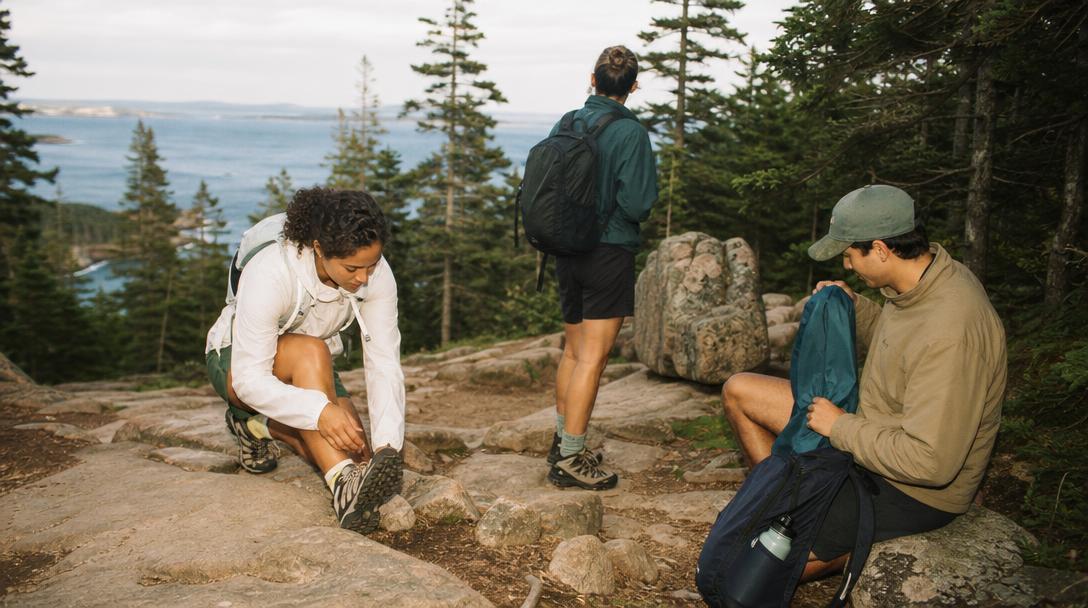
A beginner-friendly Acadia hiking gear checklist should include sturdy shoes, water, snacks, layers, rain protection, navigation, sun protection, tick prevention, and a headlamp. For overnight trips or campground-based adventures, add sleep gear, cooking supplies, warmer layers, and food storage basics.
For a deeper packing breakdown, compare this list with Hike Tee’s full hiking gear checklist.
Day hike checklist
Pack these for most Acadia hiking trails:
- 1–2 liters of water per person
- Snacks or lunch
- Trail map or offline map
- Fully charged phone
- Small first-aid kit
- Headlamp
- Rain shell or windbreaker
- Extra warm layer
- Sunscreen
- Sunglasses
- Hat or buff
- Tick repellent
- Hand sanitizer
- Small trash bag
- Trekking poles for longer or slick trails
Overnight or campground checklist
Acadia doesn’t allow backcountry camping, but many visitors camp nearby or stay at park campgrounds. For a camping or van-life trip, add:
- Tent or sleep setup
- Sleeping bag rated for Maine nights
- Sleeping pad
- Camp stove and fuel
- Cooler or food storage bin
- Camp mug and utensils
- Extra socks
- Warm camp layer
- Rain pants for wet forecasts
- Camp sandals
- Power bank
- Lantern
- Toiletry kit
- Clothesline for wet gear
For road-trip comfort, toss in a cozy sweatshirt, a clean casual graphic tee for post-hike wandering, and maybe one of Hike Tee’s Acadia designs if you like your national park memories with a side of personality. The Acadia National Park Shirt and Acadia Maine Vintage Shirt are easy camp-and-town layers after the technical hiking clothes come off.
A Weekend Acadia Hiking Itinerary for Campers, Families, and Van-Lifers
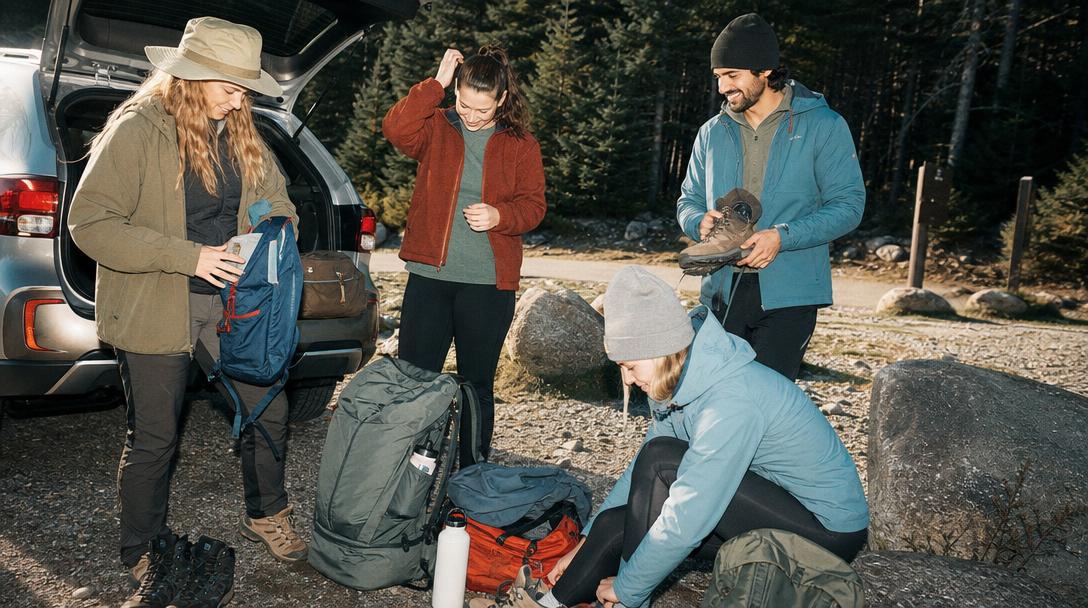
A great weekend Acadia hiking itinerary combines one coastal walk, one pond or forest trail, one summit hike, and plenty of downtime. Base yourself near Bar Harbor, Blackwoods Campground, Seawall Campground, or a nearby private campground, then plan early starts to avoid parking headaches.
If you’re still deciding where to sleep, eat, and resupply, this guide to towns near Acadia can help you choose a practical base.
Friday evening: Arrive and settle in
Keep it simple:
- Check into camp or lodging
- Walk part of Ocean Path near sunset
- Prep layers and snacks for the morning
- Check NPS alerts and weather
- Set an early alarm, then pretend you won’t snooze it
Saturday: Classic Acadia sampler
Morning:
- Hike Ocean Path from Sand Beach toward Otter Cliff
- Wear breathable layers and a wind shell
Midday:
- Visit Jordan Pond Path
- Pack lunch or plan a stop at Jordan Pond House if available
Afternoon:
- Hike Gorham Mountain if energy allows
- Bring a fleece or shell for summit wind
Evening:
- Return to camp
- Do tick checks
- Dry shoes and socks
- Change into a soft casual tee like the Acadia National Park Puffin Shirt
- Eat something warm and feel wildly accomplished
Sunday: Choose your adventure
Pick based on your group:
- Families: Bubble Rock or Cadillac Summit Loop
- Moderate hikers: Great Head Trail
- Experienced hikers: Beehive, only in dry weather
- Long-hike lovers: Cadillac South Ridge
Leave time for traffic, parking, snacks, and that one person who needs “just five more minutes” at every overlook. We all know one.
Frequently Asked Questions
What is the most beautiful hike in Acadia National Park?
Jordan Pond Path is often the most beautiful easy hike because it combines clear water, forest, mountain views, and the iconic Bubbles. If you want ocean cliffs and summit views, Gorham Mountain and Great Head are also top Acadia hiking trails for scenery.
Do I need bear spray in Acadia?
Bear spray is generally not necessary for hiking in Acadia National Park. Black bears are rarely seen, and the bigger everyday safety priorities are proper food storage, awareness, ticks, weather, and staying on marked trails.
How difficult is hiking in Acadia National Park?
Acadia hiking ranges from easy walks to strenuous exposed climbs. Ocean Path and Jordan Pond are beginner-friendly, while Beehive and Precipice are difficult because of iron rungs, steep rock, and exposure.
Are ticks a problem in Acadia?
Yes, ticks are common in Acadia, especially late spring through early fall. Wear protective hiking clothes, use repellent, stay centered on trails, and check yourself after every hike.
What should I wear hiking in Acadia National Park?
Wear moisture-wicking layers, sturdy hiking shoes, wool or synthetic socks, and a packable wind or rain shell. What to wear hiking in Acadia National Park changes by season, but layers and traction are always smart.
What are the best hiking shoes for Acadia National Park?
The best hiking shoes for Acadia National Park have grippy soles, good stability, and enough protection for granite, roots, and rocky trails. Lightweight hiking shoes or trail runners work for most summer hikes, while waterproof shoes or boots are better for wet shoulder-season conditions.
Final Trail Thoughts Before You Go
Acadia rewards hikers who come prepared but don’t overcomplicate it. Pick trails that match your comfort level, wear layers that can handle coastal mood swings, and choose footwear with real traction. Start with Ocean Path or Jordan Pond if you’re new, step up to Gorham or Great Head for moderate adventure, and save Beehive or Precipice for dry days when everyone in your group is truly comfortable with heights.
Before your hike:
- Check current NPS trail alerts and closures
- Look at the weather forecast
- Pack water, snacks, layers, and a headlamp
- Wear sturdy shoes
- Plan for ticks
- Give yourself extra time for parking and crowds
Do that, and your Acadia trip has a very good chance of becoming the kind of memory that smells like spruce trees, sea air, sunscreen, and victory snacks.


