


Hiking Shirts for Hot Weather Under $50
Dominic PalmowskiBest Hiking Shirts for Hot Weather Under $50: Quick Picks
Here is the short version if you are shopping with one browser tab open and a trail plan forming in your head.
| Best for | Shirt | Approx. Price | Why it works |
|---|---|---|---|
| Hot desert or open sun | Columbia PFG Tamiami II | $45 | UPF 40, mesh back panel, breathable button-up design |
| Humid forests and bugs | REI Co-op Sahara Long-Sleeve | $40 | Anti-odor treatment, stretchy polyester blend, rolled shoulder seams |
| Sweaty hikers who run hot | Patagonia Capilene Cool Daily Tee | $49 | Lightweight, fast-drying, very breathable for the price |
| Budget-first hikers | Baleaf athletic tee | $20-$25 | Cheap, durable, dries decently, surprisingly pack-friendly seams |
| Easy beginner day hikes | Hanes Cool Dri Long-Sleeve | $25 | Basic but functional, UPF options, better than expected |
| Travel plus trail | Uniqlo UV Protection Tee | Under $40 | Packs small, looks normal off-trail, decent sun coverage |
If I had exactly $50 and needed one shirt today, I would buy the Columbia PFG Tamiami II or the REI Co-op Sahara Long-Sleeve and stop overthinking it.
What Is the Best Shirt Material for Hiking in Hot Weather?
The best shirt material for hiking in hot weather is usually a polyester blend, especially polyester with a little spandex. Under $50, that combination gives you the best mix of quick drying, moisture wicking, stretch, and comfort.
My sweet spot is a shirt that does three things without complaining:
- Dries fast after sweat, mist, or a creek splash
- Does not become a smell emergency by mile four
- Does not chafe where my backpack straps sit
Polyester/spandex blends work well because polyester moves moisture off your skin and dries quickly, while spandex gives the shirt enough stretch to move with you on climbs, scrambles, and awkward log crossings. The REI Sahara, for example, uses a 92% polyester / 8% spandex blend, and that little bit of stretch makes a real difference when you are sweating through switchbacks.
Polyester vs. nylon vs. merino vs. cotton
Polyester blends: Best all-around choice for affordable hiking shirts. Fast-drying, lightweight, common under $50.
Nylon: Durable and great for abrasion resistance, but it can feel less soft against sweaty skin on long days.
Merino blends: Excellent for odor control, especially on multi-day trips, but harder to find under $50 unless you catch a sale.
Cotton: Fine for camp, town, or short casual walks. Not ideal for serious hikes because it holds moisture, dries slowly, and can feel cold when damp.
If you want a deeper breakdown of why cotton struggles on trail, this guide to Cotton vs Synthetic Hiking Shirts is worth a read before you pack your favorite everyday tee.
Field-Tested Budget Hiking Shirts I Actually Keep Wearing
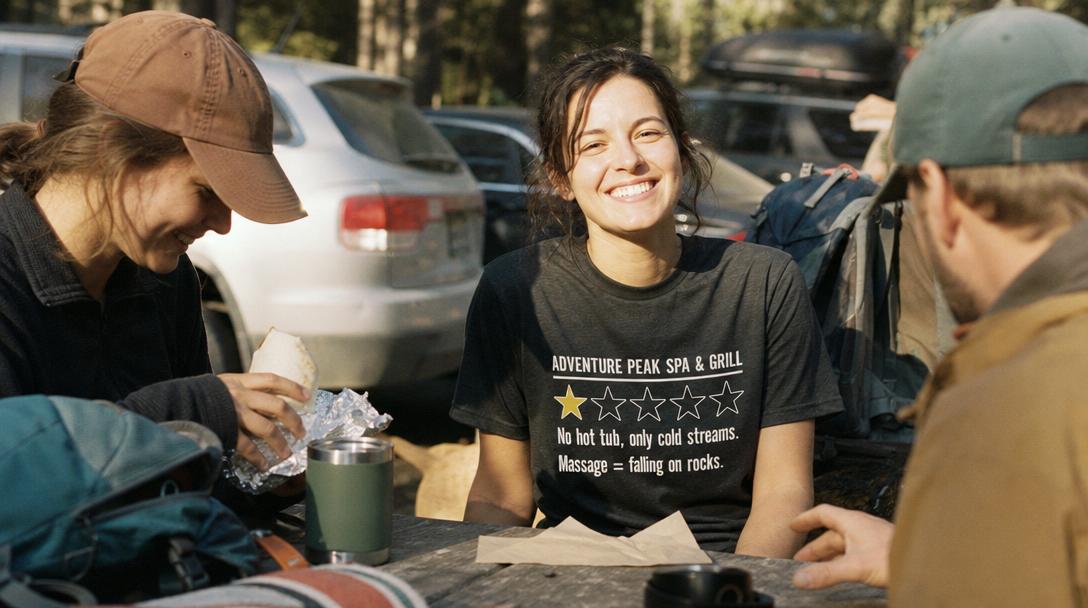
A lot of gear roundups read like someone sorted by star rating and called it research. That is not how shirts behave in real life. A hiking shirt can feel great in your bedroom and then turn into a damp, scratchy regret blanket two hours into a humid climb.
These are the budget hiking shirts I have personally worn enough to have opinions about.
Columbia PFG Tamiami II: best for desert sun and open trails
The Columbia PFG Tamiami II is one of the best cheap hiking shirts if you want sun protection without feeling trapped in a plastic bag. I picked mine up for around $45 at Dick's, and it became one of those shirts that kept finding its way back into my pack.
Why it works:
- UPF 40 sun protection
- Mesh back panel for airflow
- Button-up design vents better than most tees
- Sleeves roll easily
- Looks decent enough for the post-hike sandwich stop
This is my pick for hot desert hikes, exposed ridgelines, open meadows, and bug-heavy areas where short sleeves feel like a poor negotiation with nature.
REI Co-op Sahara Long-Sleeve: best for humid forests and bugs
The REI Co-op Sahara Long-Sleeve is one of the best long sleeve hiking shirts for sun protection under $50, especially when you also want bug coverage and comfort under a pack.
I like it for humid Michigan trail days because it does not cling as badly as many cheaper synthetic shirts. The fabric has enough stretch to move well, and the anti-odor treatment delays the funk better than most budget polyester.
The real win, though, is the shoulder seam placement. More on that in a minute, because seams are where cheap shirts often betray you.
Baleaf athletic tee: best budget surprise
I wore a $25 Baleaf tee on a 10-mile loop around Sleeping Bear Dunes in mid-July. It was hot, humid, sandy, and just rude enough to be memorable. I carried about a 20-pound daypack over roughly 1,000 feet of elevation change across rolling dune terrain.
I expected the shirt to fail by noon. It did not.
It wicked decently, dried during rest breaks, and never bunched up under my straps. The seams were minimal and set back from the shoulder line, which helped prevent the shoulder-blade chafe I have had with other cheap shirts. I got home thinking, 'Well, that was not supposed to work that well.' For anything under $25, that is high praise.
Hanes Cool Dri Long-Sleeve: best ultra-budget backup
The Hanes Cool Dri long-sleeves are not glamorous. Nobody is writing poetry about them at the trailhead. But for around $25, they are better than expected for sweaty summer day hikes.
They are basic, lightweight, and functional. I would not choose one for a high-mileage backpacking trip, but for beginner hikes, local loops, and people building a budget kit from scratch, they are a legitimate option.
Patagonia Capilene Cool Daily Tee: best near-$50 performance tee
At around $49, the Patagonia Capilene Cool Daily Tee barely sneaks into this list, but it deserves a spot. If you are looking for the best moisture wicking hiking shirts under $50, this is one of the strongest choices when you can find your size.
It is light, breathable, quick-drying, and comfortable in a way that cheaper shirts try to imitate but do not always nail. If you run hot and sweat early, this is the shirt I would watch for during sales.
Best Budget Hiking Shirts by Trail Condition
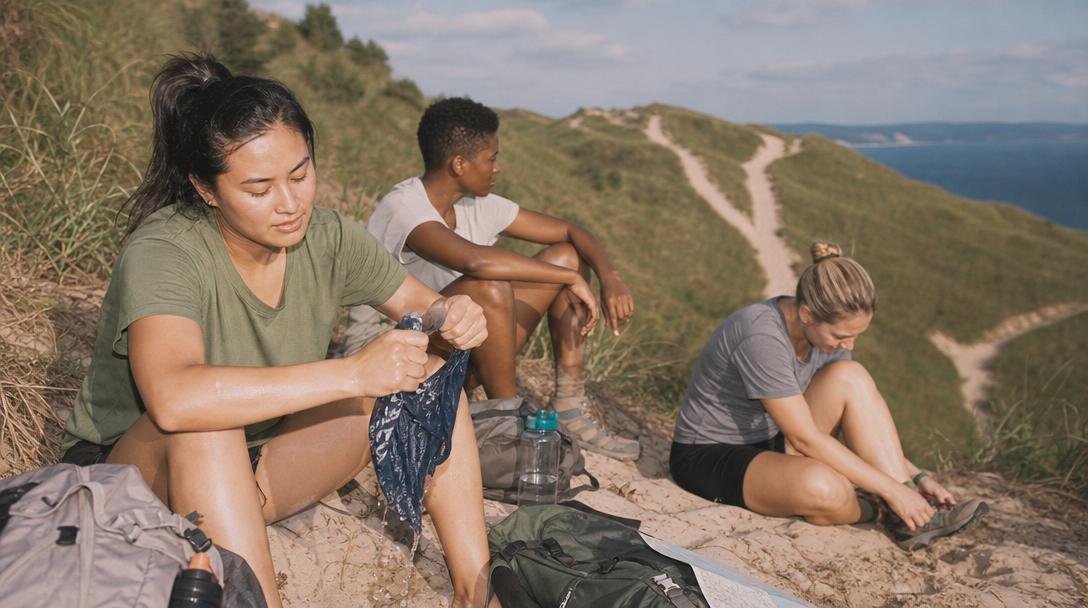
The right shirt depends less on what looks cool online and more on where you are actually hiking.
Hot desert or open sun exposure
Choose: Columbia PFG Tamiami II or another UPF 30+ long-sleeve button-up.
In open sun, long sleeves are not the enemy. Sun exposure is. A light-colored, loose-fitting long-sleeve shirt can keep you cooler than a dark short-sleeve tee because it blocks direct radiation from cooking your skin.
Look for:
- UPF 30 or higher
- Light colors like white, tan, light blue, or sage
- Vented back panels
- Collar coverage for your neck
- Sleeves that roll securely
Humid forests and mosquito-heavy trails
Choose: REI Sahara Long-Sleeve or a breathable polyester/spandex sun shirt.
Humidity makes every shirt feel worse, so your priorities are airflow, fast drying, and bug coverage. This is where a long-sleeve synthetic shirt with some stretch earns its keep.
Avoid thick shirts that feel plasticky in your hand. If it feels stiff in the store, it will feel worse against sweaty skin at mile six.
Sweaty hikers who run hot
Choose: Patagonia Capilene Cool Daily Tee, Baleaf athletic tee, or a very lightweight synthetic tee.
The best budget hiking shirts for sweaty hikers are not always the ones with the most features. Sometimes you just need a light synthetic tee that dries fast and does not hold onto sweat like a sponge with sleeves.
Look for:
- Thin but not see-through fabric
- Minimal seams
- No heavy screen-printed graphics across the chest or back
- Anti-odor treatment if possible
Beginner day hikes
Choose: Columbia PFG, Hanes Cool Dri, Baleaf, or Uniqlo UV Protection.
Beginners do not need a drawer full of technical shirts. One affordable hiking shirt that dries fast and fits properly is enough for most local day hikes.
Go one size up if you are between sizes. Hiking shirts need room to breathe and layer. A trail shirt should not hug your torso like it is trying to learn your secrets.
The Backpack Chafing Detail Most People Miss
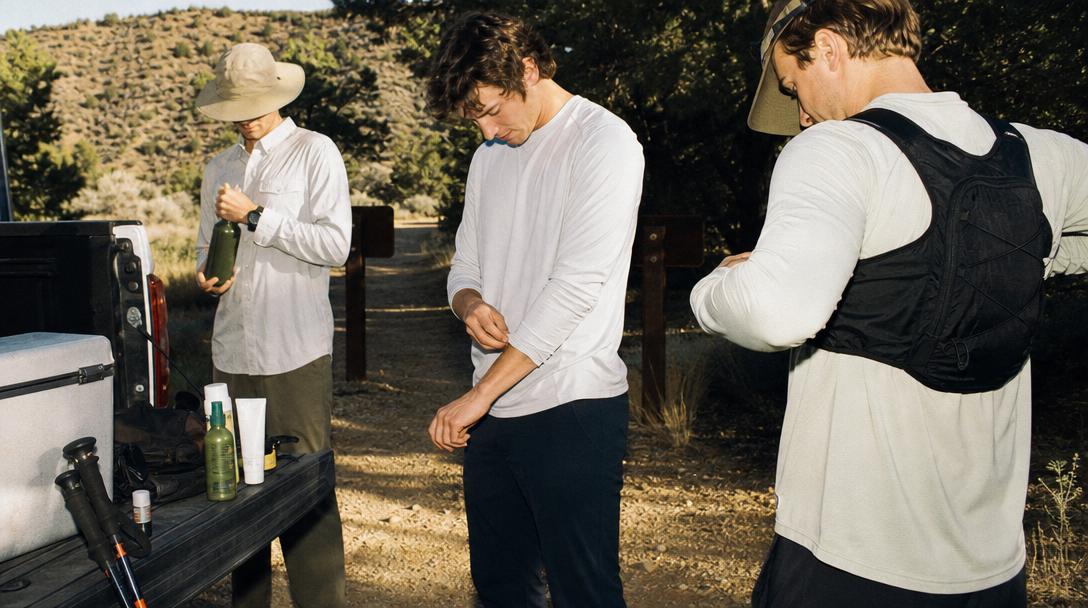
If you carry a pack, shoulder seam placement matters more than most hikers realize.
The best hiking shirts to prevent backpack chafing usually have flatlock seams, rolled-forward seams, or seams that sit slightly forward or back from the top of your shoulder. What you want to avoid is a raised seam sitting directly under your pack strap.
I learned this the annoying way on a ridge hike with a cheap shirt that had raised shoulder seams. By the end, one strap had rubbed such a raw spot that I hiked the last two miles with my left arm held slightly away from my body like I was pretending to be a teapot.
When trying on a hiking shirt, do this quick test:
- Put the shirt on.
- Place your hands on your shoulders where pack straps would sit.
- Feel for raised seams directly under that pressure point.
- If the seam sits right on top of your shoulder bone, skip it.
- If there is a center-back seam where your pack panel rests, be suspicious.
This is especially important with cheap hiking shirts because brands often save money on construction details. A $22 tee can still be great, but only if the seams stay out of your pack's grinding zone.
Odor Control: The Truth About Cheap Hiking Shirts That Do Not Smell
Let us be honest: no synthetic hiking shirt is magically stink-proof forever. Some are just better at delaying the inevitable.
The biggest failure I have had with under-$50 shirts was odor retention. I owned a generic Amazon polyester tee that was fine for the first three hikes. Then it developed a permanent factory-funk smell that no amount of washing fixed. That is the classic cheap polyester problem: once bacteria colonize the fibers, the shirt can become a tiny haunted house for odor.
If you want cheap hiking shirts that do not smell after every hike, look for:
- Antimicrobial or anti-odor treatment
- Polyester blends instead of bargain-bin pure polyester
- Merino blends on sale
- Lighter fabrics that dry quickly
- Shirts that can handle repeated washing without fuzzing up
Also, wash them correctly. Do not let sweaty synthetics sit in a damp pile for three days unless you are conducting a science experiment. Wash cold or warm, skip fabric softener, and air dry when you can. Fabric softener can coat performance fibers and reduce moisture-wicking.
For everyday trail care, this How to Wash Graphic Tees guide has helpful habits that also apply to casual hiking tees and post-trail shirts.
What to Wear for a Hike on a Hot Day?
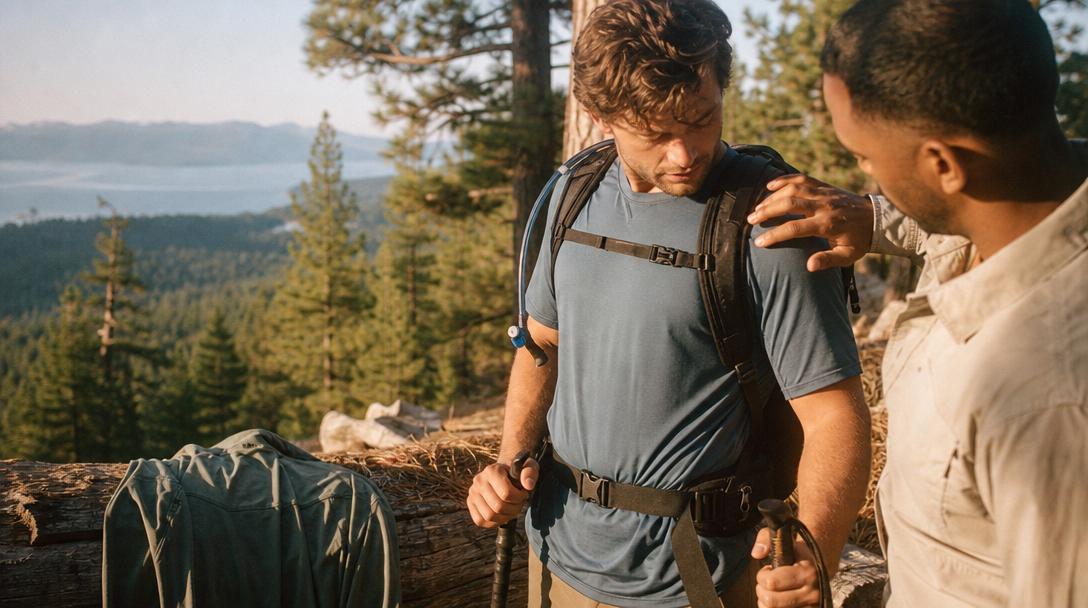
For a hot day hike, wear a light-colored moisture-wicking shirt, breathable shorts or quick-dry pants, comfortable socks, sun protection, and enough water to avoid becoming a crispy trail raisin.
A good hot-weather hiking outfit looks like this:
- Light-colored synthetic or merino-blend shirt
- Long sleeves for open sun or bugs; short sleeves for shaded mild trails
- Quick-dry shorts or lightweight pants
- Wool or synthetic socks, not cotton
- Breathable trail shoes or hiking shoes
- Wide-brim hat or cap
- Sunglasses
- Sunscreen on exposed skin
- Optional sun gloves or neck gaiter for desert hikes
If you are building a full beginner outfit, this What to Wear Hiking: Beginner Outfit Guide pairs nicely with the shirt advice here.
What Is the Best Shirt to Wear in Hot Weather?
The best shirt to wear in hot weather is a loose, light-colored, quick-drying shirt with UPF protection and seams that do not rub under your pack.
Short sleeves feel cooler at first, but long sleeves can be better in intense sun because they protect your skin and reduce sunscreen reliance. My simple rule: if there is real sun or real bugs, I go long. You can always roll sleeves up, but you cannot add sun protection you did not bring.
Button-ups are great for open heat because you can vent them. Tees are great for shaded trails where you are moving fast. Hoodies are excellent for shoulder-season hikes when mornings start cool and afternoons warm up.
The one style I avoid with a backpack: sleeveless shirts. Bare shoulders under pack straps are just a slow-motion chafing experiment.
How to Stay Cool While Hiking in Hot Weather
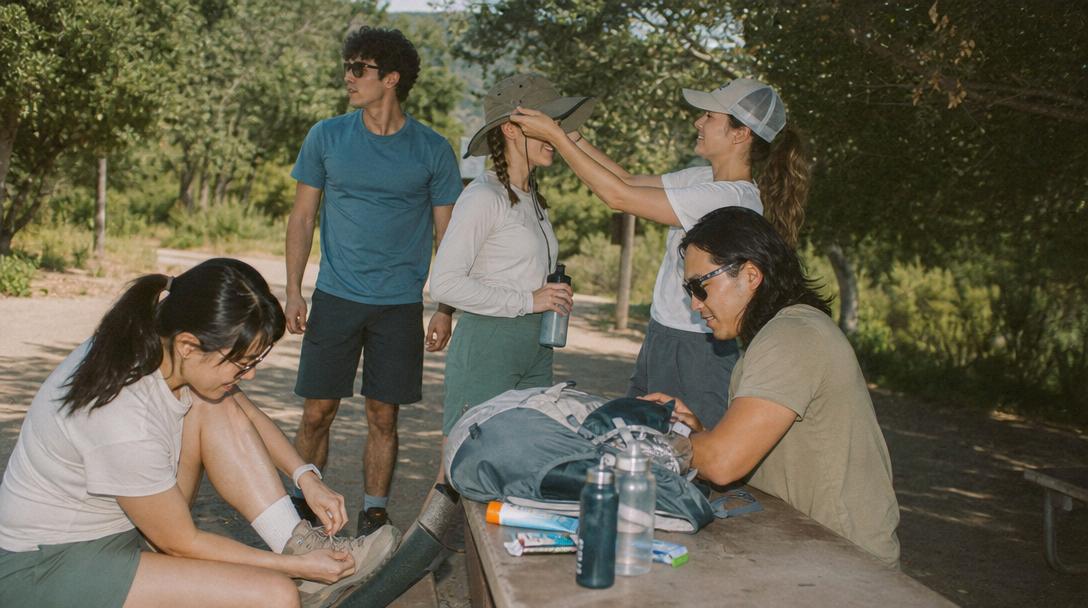
The shirt helps, but it is only one piece of the staying-cool puzzle.
To stay cooler on hot hikes:
- Start early and avoid the afternoon heat spike
- Wear light colors
- Choose loose fits over tight fits
- Use UPF long sleeves in direct sun
- Wet your shirt, hat, or bandana at safe water sources
- Take shade breaks before you feel cooked
- Sip water steadily instead of chugging late
- Replace electrolytes on long sweaty hikes
- Keep your pace conversational on climbs
A soaked cotton shirt might feel cool for five minutes, but it stays wet too long and can become uncomfortable fast. A quick-dry synthetic shirt gives you the cooling benefit without carrying a damp towel on your torso all day.
Where Casual Cotton Tees Still Belong
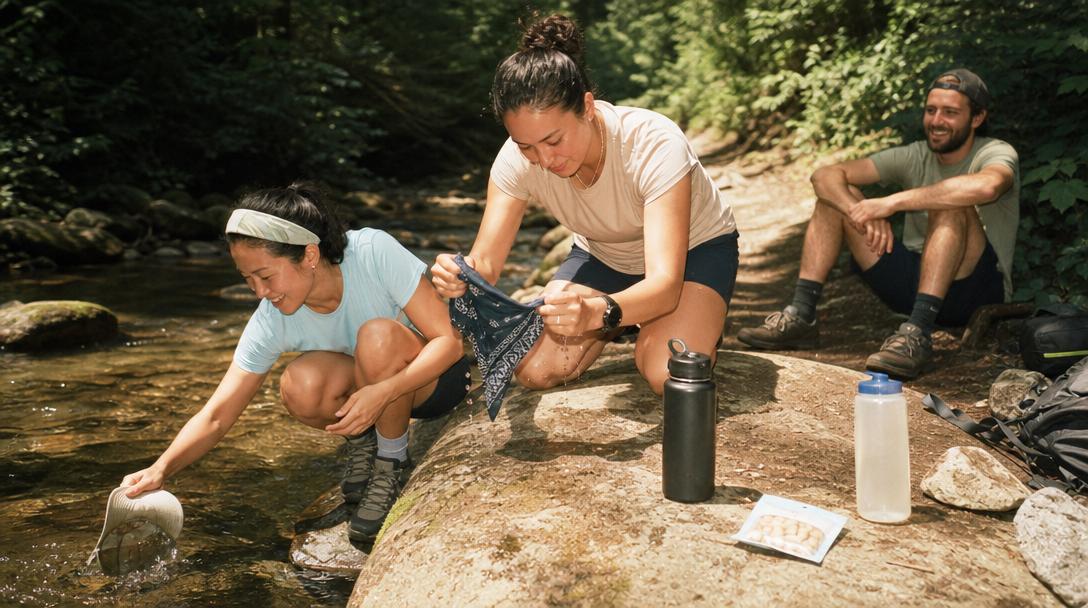
Technical fabrics win for sweaty hikes, but casual cotton tees absolutely have their place: campsite mornings, scenic drives, brewery stops after the trail, easy walks, and lazy rest days when performance fabric feels like overkill.
If you are comparing a hiking shirt vs. your regular favorite tee, this Hiking Shirt vs Regular T-Shirt guide breaks down when each one makes sense.
For low-key outdoor days, I still like having a comfortable graphic tee in the bag. Something like the Adventure Awaits Shirt or the Are We There Yet Hiking Club Shirt is perfect for the drive, campfire, or post-hike food stop. Just do not make cotton your main shirt for a hot, sweaty, high-mileage hike unless you enjoy regret as a base layer.


