


Moisture-Wicking Hiking Shirts | Hike Tee
Dominic PalmowskiWhy moisture-wicking hiking shirts matter more than regular tees
Moisture-wicking hiking shirts can be the difference between “pleasantly trail-glowy” and “why does my torso feel like a swamp with sleeves?” The best hiking t-shirts manage sweat, dry after surprise rain, fight odor, and survive backpack straps, campfire smoke, questionable laundromats, and the occasional raccoon-adjacent snack incident.
The short answer: Patagonia, Smartwool, Icebreaker, Outdoor Research, REI Co-op, Columbia, and Decathlon all make strong moisture-wicking hiking shirts — but they shine in different ways.
- Best all-around synthetic: Patagonia Capilene Cool Daily
- Best odor control: Smartwool and Icebreaker merino wool hiking shirts
- Best hot-weather breathability: Outdoor Research Echo
- Best budget performance: REI Co-op Sahara Shade and Decathlon options
- Best van life / multi-day wear: Merino blends from Smartwool, Icebreaker, and Decathlon
- Best casual hiking + camping value: REI Co-op, Columbia, and Patagonia
Let’s break down what actually matters before you buy a hiking t-shirt that looks great online but turns into a damp tortilla three miles in.
Do moisture-wicking shirts actually work?
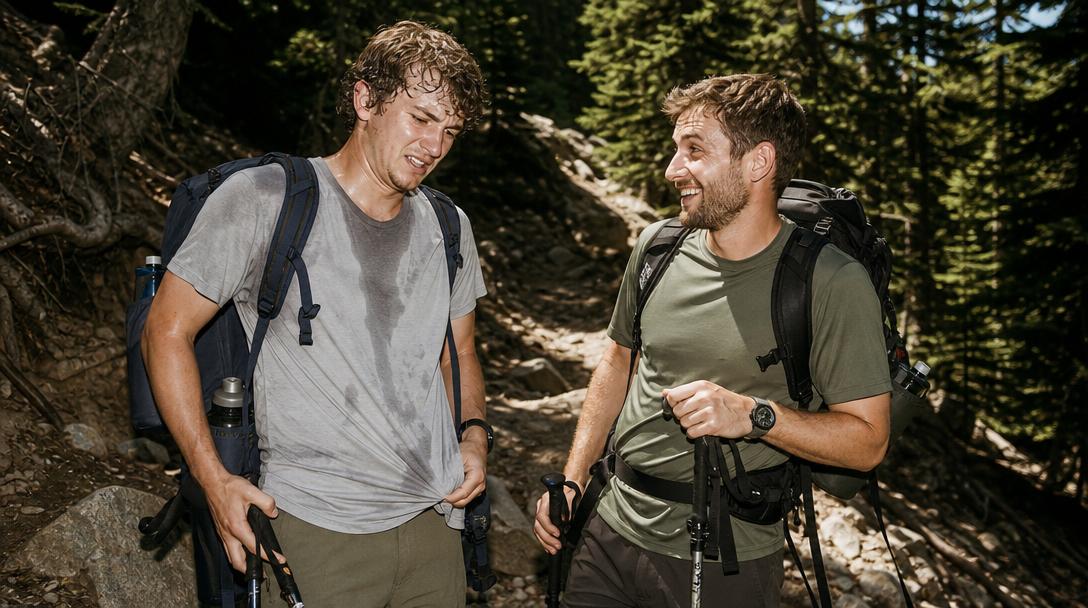
Yes, moisture-wicking shirts actually work — but not all of them work equally well.
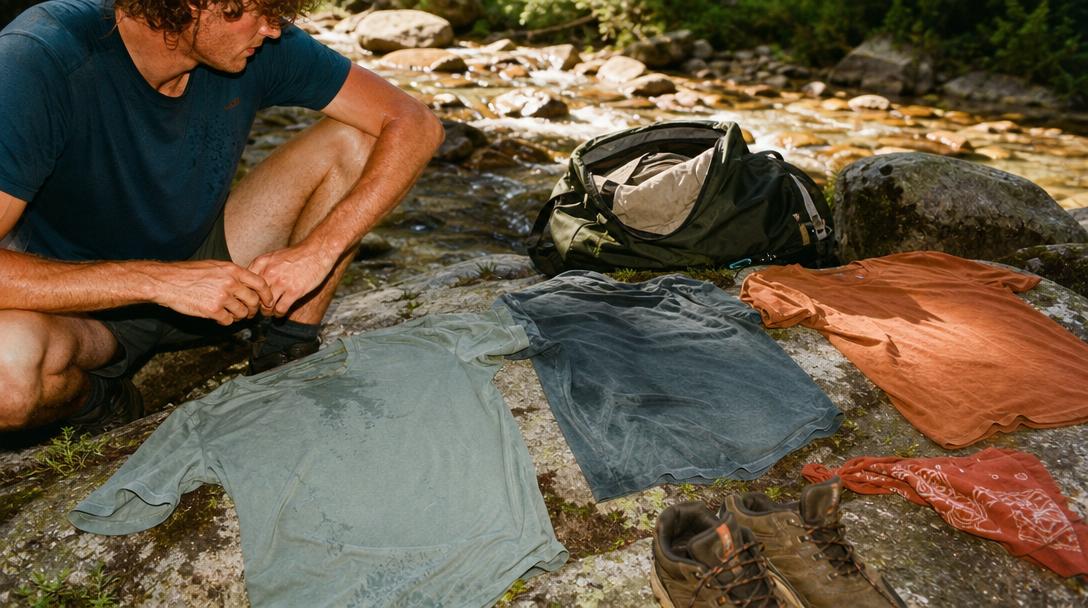
A quality synthetic shirt made from polyester or nylon typically moves sweat quickly and dries fast. Merino wool also wicks moisture, but it handles sweat differently: it can absorb some moisture into the fiber while still feeling less clammy than cotton, and it naturally resists odor better than most synthetics.
BlackStrap’s moisture-wicking fabric guide explains that effective wicking shirts use capillary action to pull sweat away from skin and spread it across the fabric surface so it evaporates faster. That’s why technical hiking shirts often feel more comfortable than basic cotton tees during high-output activity.
Where people get disappointed is when they expect “moisture-wicking” to mean “never sweaty.” Sadly, no shirt can turn you into a dry woodland fairy during a humid July climb. Wicking helps manage sweat; it doesn’t cancel sweat.
Best moisture-wicking hiking shirts by brand
Here’s the practical brand-by-brand breakdown, based on current expert recommendations from sources including REI, Backpacker, Switchback Travel, Treeline Review, Greenbelly, and recent outdoor gear testing.
| Brand | Best fabric type | Wicking speed | Odor resistance | Durability | Best for |
|---|---|---|---|---|---|
| Patagonia | Recycled polyester | Excellent | Good with treatment | Excellent | All-around hiking, camping, travel |
| Smartwool | Merino wool blends | Good | Excellent | Good | Multi-day trips, odor control |
| Icebreaker | Merino wool | Good | Excellent | Good | Backpacking, travel, cooler climates |
| Outdoor Research | Lightweight polyester | Excellent | Moderate | Good | Hot weather, high-output hikes |
| REI Co-op | Polyester blends | Very good | Good with treatment | Very good | Budget-friendly hiking |
| Columbia | Polyester Omni-Wick | Very good | Moderate | Very good | Casual hikers, sun and heat |
| Decathlon | Synthetic and merino blends | Good to very good | Good to excellent | Good | Budget merino and value picks |
What is the most breathable hiking shirt?
The most breathable hiking shirt is usually a lightweight synthetic shirt with an airy knit, and the Outdoor Research Echo is one of the best examples.
For hot and humid hikes, look for:
- Lightweight polyester
- Mesh or open-knit construction
- UPF protection if hiking in exposed sun
- A relaxed but not baggy fit
- Light colors
- Minimal seams under backpack straps
Patagonia Capilene Cool Daily, Outdoor Research Echo, REI Sahara Shade, and Columbia Omni-Wick shirts all perform well in warm weather.
Merino can also breathe well, but in very hot, humid conditions, lightweight polyester usually dries faster and feels cooler. If shirt weight is your main concern, Hike Tee’s lightweight hiking shirts guide explains when ultralight fabric helps — and when it gets too fragile.
Cotton, blends, and casual graphic tees for camp comfort
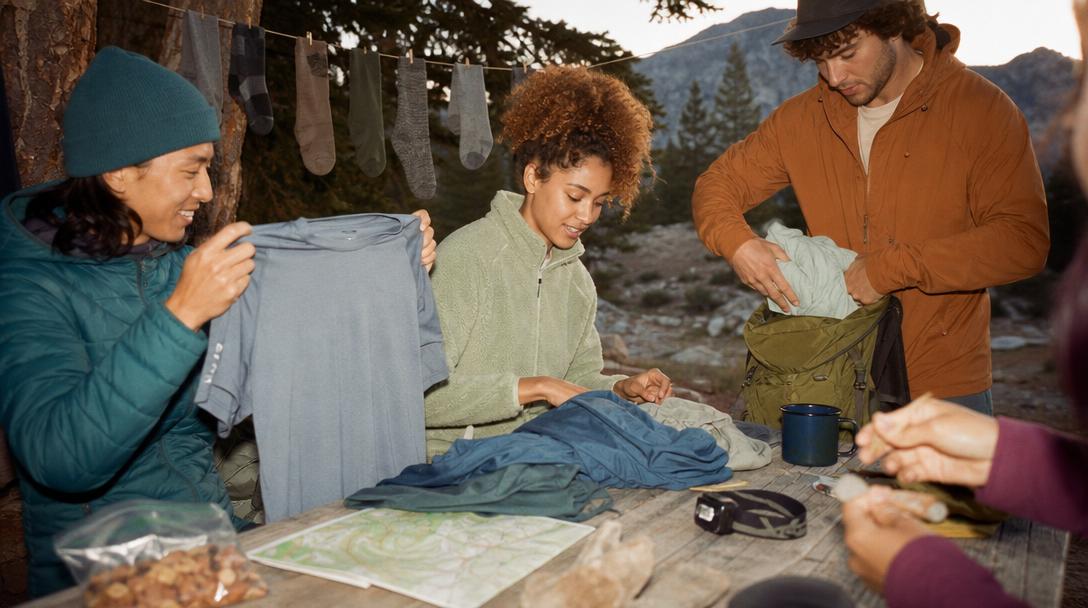
Cotton is not the best choice for sweaty hiking, cold rain, or high-output backpacking. But once the miles are done, cotton and cotton-blend graphic tees can be perfect for camp, town stops, road trips, and low-effort outdoor days.
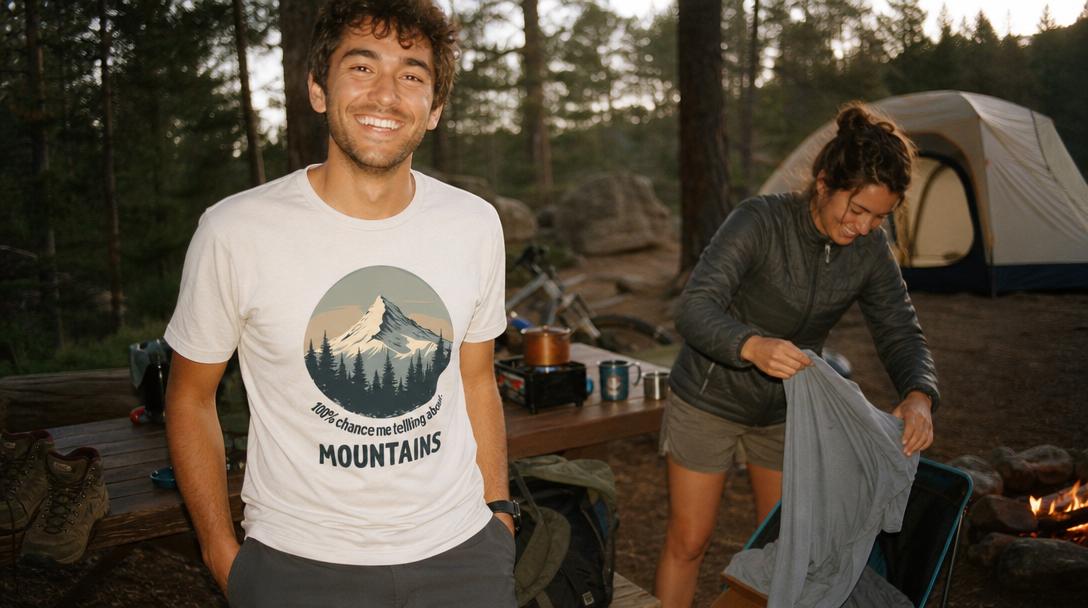
That’s where Hike Tee fits best: casual outdoor shirts for the relaxed side of adventure. Pack a technical wicking shirt for the climb, then change into a soft graphic tee like the 100% Chance Shirt or the Adventure Awaits Shirt when you’re back at camp, grabbing food, or sitting by the fire pretending you meant to forget the camp chairs.
For camping weekends, this two-shirt strategy works well:
- Technical synthetic or merino shirt: hiking, sweating, backpacking, rain risk
- Casual cotton or cotton-blend tee: camp, town, travel days, lounging
Just don’t rely on cotton as your only hiking shirt if conditions are wet, cold, or sweaty.
Best moisture-wicking hiking shirts for van life
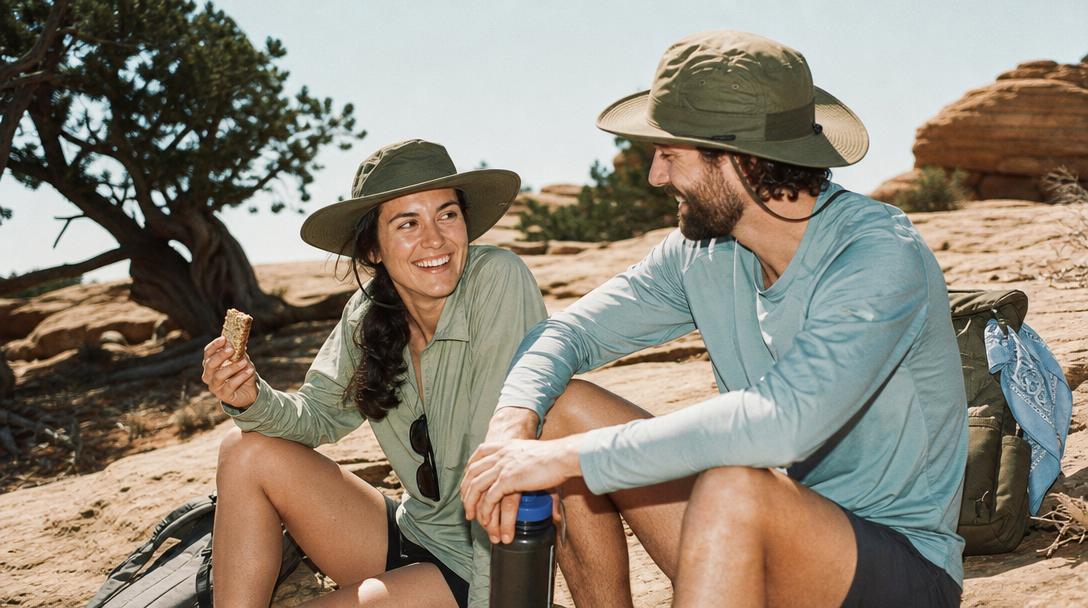
The best moisture-wicking hiking shirts for van life are the ones that dry quickly, resist odor, and can be worn multiple times between laundromats.
Van life adds a special challenge: your closet, laundry room, drying rack, and snack pantry may all be within arm’s reach. Damp clothes become everyone’s problem quickly.
A van-life laundry guide from Speed Queen’s travel laundry blog recommends quick-drying fabrics like merino and technical synthetics, noting that these can dry in roughly 2–4 hours in good conditions compared with 12–24 hours for cotton.
For van life, build a small shirt rotation:
- 2 synthetic tees for hot hikes and workouts
- 1–2 merino tees for multi-day wear
- 1 sun hoodie or long-sleeve wicking shirt
- 1 cozy camp shirt for evenings
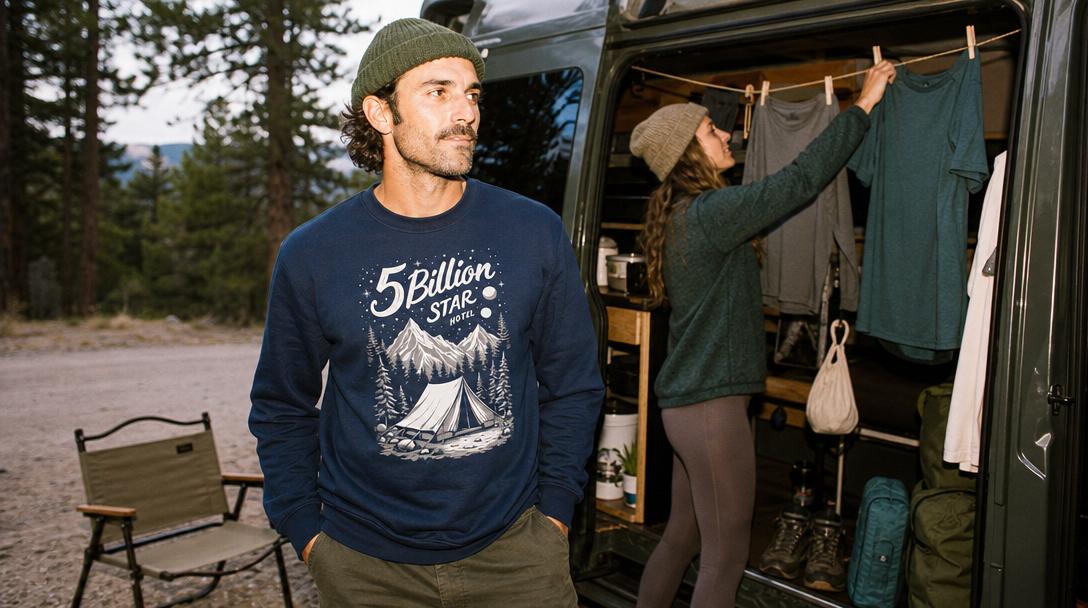
A funny outdoor tee or sweatshirt — like the 5 Billion Star Hotel Shirt — is perfect for camp, town stops, or sitting around wondering why the cooler smells weird. Just keep your technical moisture-wicking shirts for the sweaty miles.
Van life fabric priorities
Rank your shirt needs like this:
- Odor resistance
- Fast drying
- Durability
- Packability
- Easy washing
Best van life picks:
- Smartwool merino blend tees
- Icebreaker merino tees
- Patagonia Capilene Cool Daily
- Outdoor Research Echo for hot climates
- REI Sahara for budget rotation shirts
Avoid relying on cotton for daily hiking and laundry-light travel. Cotton is fine for camp comfort, but it’s not ideal when you need something to dry on a clothesline before sunset.


