


Hiking Shirts: Full vs Half Sleeve | Hike Tee
Dominic PalmowskiHiking shirts can turn a gorgeous ridgeline into either a great day outside or a sweaty reminder that fabric choices matter. If you are comparing synthetic shirts for trekking, the big question is simple: should you choose a long sleeve hiking shirt or a short sleeve hiking shirt?
Here is the short answer:
For most trekking, especially multi-day hikes, exposed trails, national parks, high elevation, bug-heavy areas, and hot sunny conditions, a lightweight synthetic full sleeve shirt is usually the better choice.
A short sleeve hiking shirt still has its place for casual day hikes, shaded trails, humid low-risk walks, or hikers who run hot and do not need much sun or bug protection.
Let us break it down trail-buddy style: practical, honest, and without pretending one shirt can magically solve every blister, bear encounter, or snack shortage.
Full Sleeve vs Half Sleeve Hiking Shirt for Trekking
The biggest difference in the full sleeve vs half sleeve hiking shirt debate is not just warmth. It is protection.
A full sleeve shirt gives you:
- More sun protection
- Better defense from mosquitoes, ticks, brush, and backpack strap rub
- More versatility across changing weather
- Less sunscreen dependency
- Better layering options for long treks
A half sleeve shirt gives you:
- More direct airflow on your arms
- Less fabric weight and bulk
- A cooler feel in shaded or mild conditions
- Easier casual use before and after the trail
For a 2-hour forest walk, half sleeve can be great. For a 5-day trek under alpine sun with mosquitoes auditioning for a horror movie, full sleeve wins.
If you are building a complete hiking outfit from the ground up, Hike Tee's what to wear hiking guide is a helpful companion to this shirt-specific breakdown.
Why a Long Sleeve Hiking Shirt Often Wins for Multi-Day Trekking
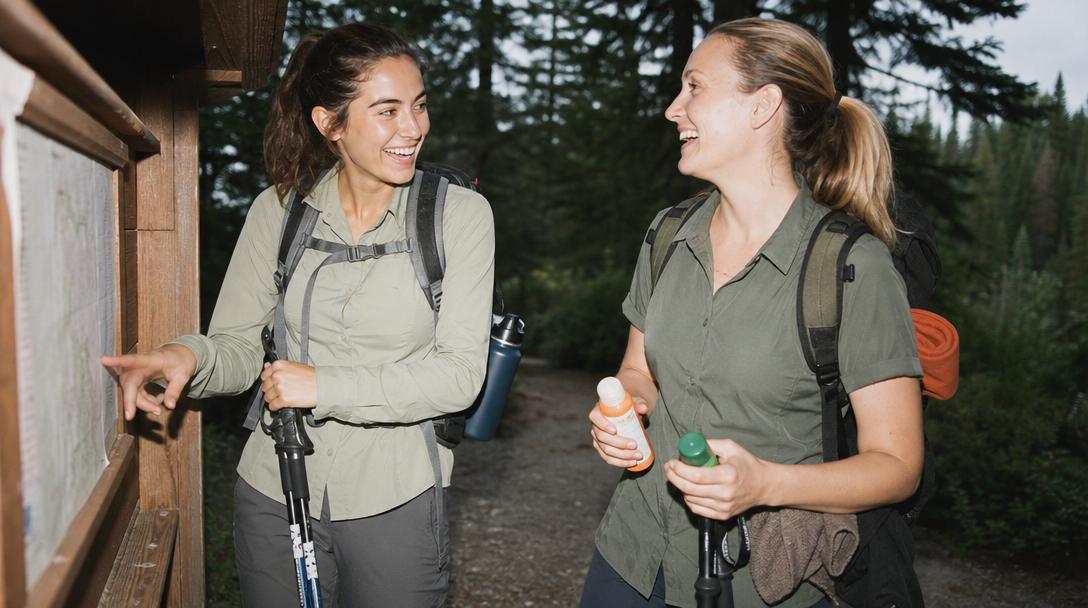
A long sleeve hiking shirt sounds hotter at first. More fabric means more heat, right?
Not always.
In exposed sun, direct UV radiation heats your skin. A thin, breathable synthetic long sleeve can actually feel more comfortable because it keeps the sun off your arms while still moving sweat away from your body.
According to the Skin Cancer Foundation, UPF 30 fabric blocks about 97% of UV rays, while UPF 50 blocks about 98%. That sounds like a small difference, but on long days above treeline, in deserts, or on open ridgelines, consistent coverage matters.
A long sleeve synthetic shirt for sun protection is especially useful when:
- You are hiking in national parks with exposed trails like Zion, Grand Canyon, Arches, Yosemite, or Rocky Mountain
- You are trekking above tree line
- You burn easily
- You do not want to reapply sunscreen every 90 minutes
- You are carrying a heavy pack and do not want sticky sunscreen under straps
- You are hiking with kids and already managing 87 other things
Full sleeves also help reduce scratches from brush and can protect against insects. The CDC recommends using EPA-registered repellents and permethrin-treated clothing for tick and mosquito protection in bug-prone areas. A long sleeve gives that protection more surface area to work with.
Best use cases for a synthetic full sleeve hiking shirt for hot weather
Choose a synthetic full sleeve hiking shirt for hot weather or trekking when you expect:
- Strong sun
- High elevation
- Desert or canyon hiking
- Long mileage days
- Bug-heavy forests
- Tick areas
- Multi-day trekking
- Limited laundry access
- Changing weather
- Brushy trails
A full sleeve button-up or sun hoodie with UPF 30-50 is one of the most versatile trekking layers you can own. For more detail on airflow, sun coverage, and fabric weight, see this guide to breathable long sleeve shirts for hiking.
When a Short Sleeve Hiking Shirt Makes More Sense
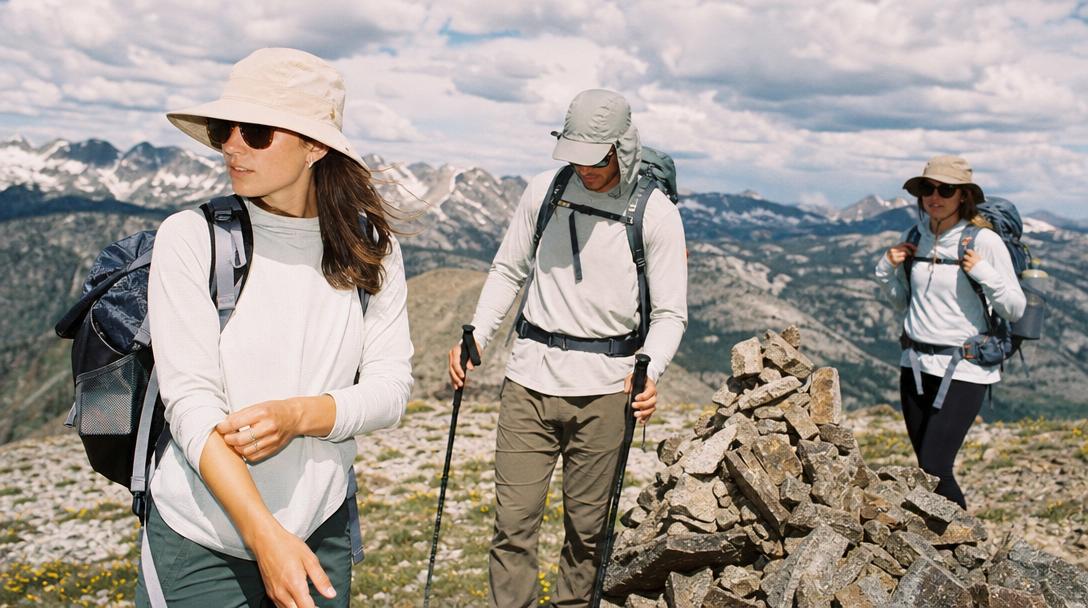
A short sleeve hiking shirt is not wrong. It is just more situational.
Half sleeves work well for:
- Short day hikes
- Shaded forest trails
- Cool mornings with low sun exposure
- Humid environments where airflow matters more than sun coverage
- Trail running or fast-paced hikes
- Hikers who strongly prefer less fabric
- Casual campground-to-coffee-shop wear
If you are hiking a mellow loop close to home, a short sleeve synthetic shirt may feel breezier and simpler. It also packs smaller and usually weighs slightly less.
But for trekking, especially multi-day trekking, the trade-off is that your arms become responsible for their own protection. That means sunscreen, bug spray, or arm sleeves.
And if you forget? Congratulations, you are now medium-rare.
Synthetic Shirts vs Cotton, Merino, and Natural Fibers
Material matters as much as sleeve length. Maybe more.
For trekking, synthetic shirts are usually made from polyester, nylon, or blends with elastane or spandex. They are popular because they are:
- Lightweight
- Quick-drying
- Moisture-wicking
- Durable
- Usually affordable
- Easy to wash in a sink, creek-safe wash setup, or van-life laundry situation
Polyester
Polyester is the most common fabric in technical hiking tops. It absorbs very little water compared to cotton, dries quickly, and is widely used in moisture-wicking shirts like Dri-FIT-style tops.
Best for:
- Fast drying
- Hot weather
- Budget-friendly trekking
- Daily hiking use
- Lightweight packing
A best polyester hiking shirt for multi-day trekking should ideally include odor control treatment, a UPF rating, and a relaxed fit, not a clingy gym cut that turns into plastic wrap when you sweat.
Nylon
Nylon is often used in woven trekking button-ups. It is generally more abrasion-resistant than polyester, which helps when wearing a backpack for long distances.
Best for:
- Durability
- Brushy trails
- Bug-prone routes
- Button-up trekking shirts
- Long-term wear
Nylon may dry slightly slower than polyester but often handles rough use better.
Merino wool
Merino is beloved for odor resistance. On multi-day hikes, it can smell less offensive than polyester after repeated wear. That is a real gift to your hiking partner, your tent, and society.
But merino is usually:
- More expensive
- Less durable under abrasion
- Slower drying than thin synthetics
- More delicate in washing
For long treks, a merino-synthetic blend can be a great compromise.
Cotton
Cotton feels great at the trailhead. Then it gets sweaty, wet, heavy, and clingy.
Outdoor educators often repeat the phrase cotton kills because cotton holds moisture and dries slowly, increasing the risk of chilling in cold, wet, or windy conditions. That may sound dramatic for a sunny day hike, but in mountains where weather changes quickly, it matters.
Cotton can still be comfortable for dry campground time, road trips, and low-effort walks close to home. If you like soft casual tees for off-trail days, Hike Tee's Adventure Awaits Shirt fits that easy trail-to-town lane.
For a deeper fabric comparison, read Cotton vs Synthetic Hiking Shirts.
What Shirt Is Best for Hiking?
The best hiking shirt is lightweight, breathable, quick-drying, and suited to your environment.
For most hikers, the best all-around choice is:
A lightweight synthetic long sleeve hiking shirt with UPF 30-50, a relaxed fit, and good moisture-wicking performance.
Look for:
- Polyester or nylon fabric
- UPF rating if hiking in sun
- Venting or breathable knit
- Flat seams to reduce chafing
- Slightly loose fit for airflow
- Odor-control treatment if using for several days
- Roll-up sleeves or thumb loops
- Collar or hood for neck protection
For casual day hikes, a synthetic short sleeve is fine. For trekking, full sleeve usually gives more benefits per ounce.
Is Cotton or Dri-FIT Better for Hiking?
Dri-FIT-style synthetic fabric is better for hiking than cotton in most conditions.
Dri-FIT is Nike's term for moisture-wicking polyester, but hikers often use it casually to mean any technical synthetic shirt. These fabrics move sweat away from your skin and dry much faster than cotton.
Cotton absorbs sweat and stays wet longer. That can cause:
- Chafing
- Clamminess
- Heavier clothing
- Heat loss in wind or cold
- Slow drying overnight
- Unpleasant multi-day odor
Cotton is okay for a short, easy, dry walk close to home. For trekking, synthetic is the safer and more comfortable choice.
Why Do Hikers Avoid Cotton?
Hikers avoid cotton because it holds moisture.
When cotton gets wet from sweat or rain, it dries slowly and can pull heat from your body. In warm weather, that means chafing and discomfort. In cold or windy weather, it can become a safety issue.
Synthetic fabrics like polyester and nylon are hydrophobic, meaning they resist absorbing water. That helps them dry faster and stay lighter.
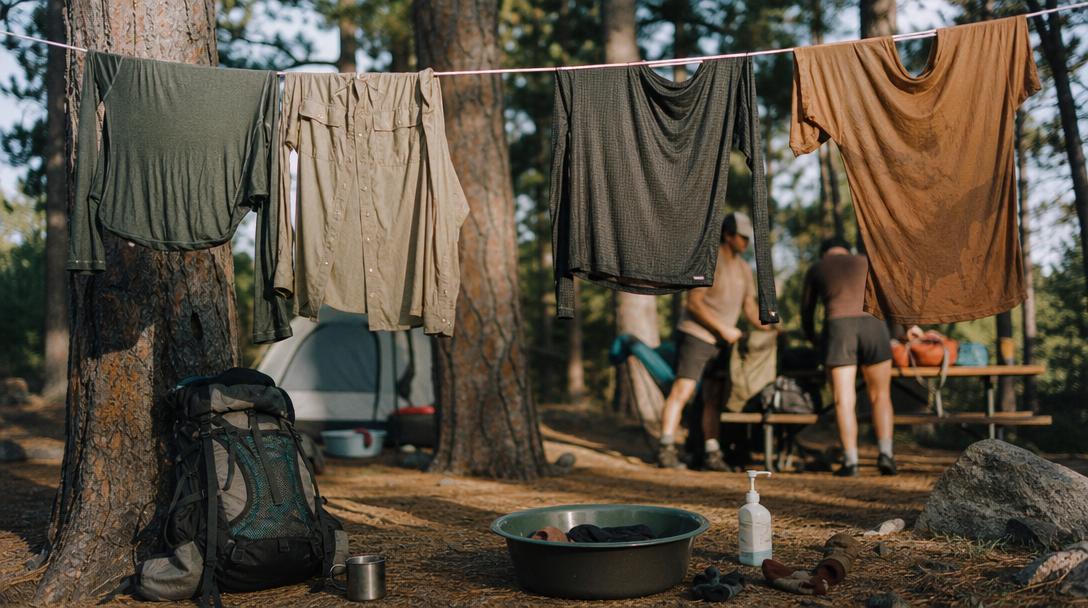
For multi-day trekking, this matters even more because your shirt may need to dry overnight in a tent, on a backpack, in a van, or while hanging from a questionable tree branch while you eat instant noodles.
Cotton simply does not keep up on demanding trails.
Does Hiking Lower Cortisol?
Yes, hiking may help lower cortisol, especially when it combines moderate movement with time in nature.
Cortisol is commonly known as a stress hormone. A 2019 study published in Frontiers in Psychology found that spending 20 to 30 minutes in nature was associated with the greatest drop in cortisol levels per hour. Other research also links time outdoors with reduced stress, improved mood, and better mental restoration.
That said, intensity matters. A relaxed forest hike may reduce stress. A brutally steep climb in 95°F heat while your water filter refuses to cooperate may temporarily raise it.
Still, for many people juggling work, family, screens, errands, and nonstop notifications, hiking offers a rare chance to let the brain unclench. The right shirt will not solve your schedule, but being dry, protected, and comfortable definitely helps the nature therapy do its thing.
Full Sleeve vs Half Sleeve Hiking Shirt: Data-Backed Trade-Offs
Here is a practical comparison for trekking.
| Feature | Synthetic Full Sleeve | Synthetic Half Sleeve |
|---|---|---|
| Sun protection | Excellent, especially UPF 30-50 | Limited to torso and shoulders |
| Bug protection | Better arm coverage | Arms exposed |
| Breathability | Good if lightweight and loose | Better direct airflow |
| Drying speed | Fast, slightly more fabric to dry | Fastest due to less fabric |
| Weight | Slightly heavier | Slightly lighter |
| Durability | Better arm coverage from brush and pack wear | Less fabric to snag |
| Multi-day trekking | Better overall | Better for low-risk warm day hikes |
| Sunscreen need | Lower | Higher |
| Versatility | Higher | Moderate |
Quantified trade-off: UPF vs bulk
A typical lightweight synthetic long sleeve sun shirt may weigh around 4-7 ounces, depending on fabric and size. A short sleeve synthetic tee may weigh closer to 3-5 ounces.
So yes, you may carry 1-2 extra ounces with full sleeves. But in exchange, you get:
- Arm sun protection all day
- Less sunscreen weight and use
- Reduced bug exposure
- Better brush protection
- More layering versatility
For trekking, that trade is usually worth it.
Best Synthetic Hiking Shirt for Trekking: What to Look For
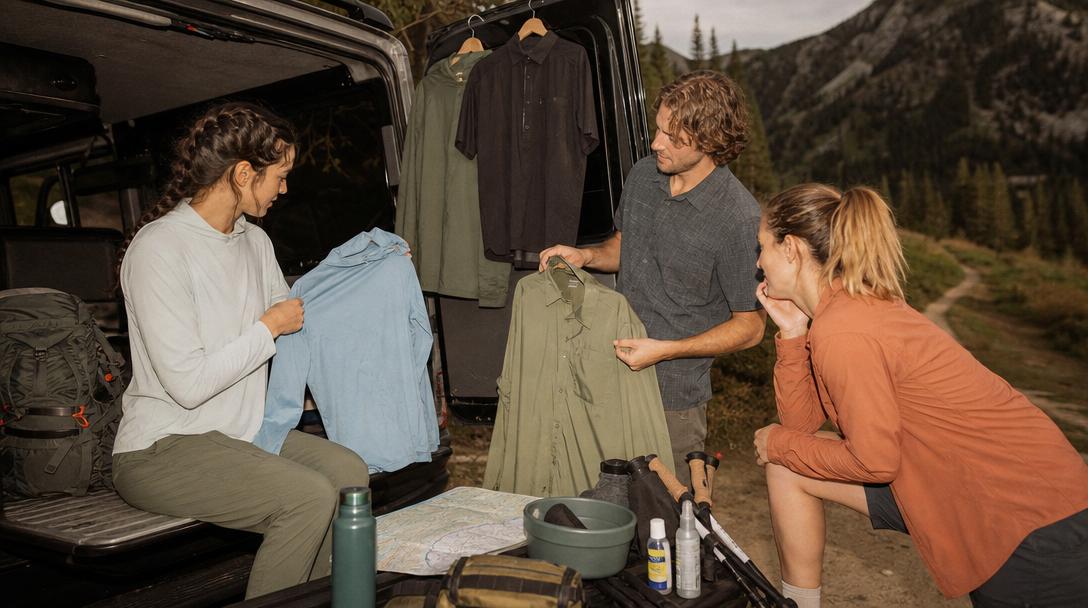
The best synthetic hiking shirt for trekking is not necessarily the fanciest. It is the one that matches your trail conditions.
1. For hot, dry, exposed trails
Choose:
- Long sleeve synthetic sun hoodie or crew
- UPF 30-50
- Lightweight polyester
- Loose fit
- Light color if heat is intense
Best for places like Utah, Arizona, Colorado alpine trails, exposed ridgelines, and summer national park hikes.
2. For wet or humid trekking
Choose:
- Thin polyester or nylon blend
- Maximum breathability
- Venting panels
- Short sleeve only if sun and bugs are low
- Avoid heavy fabric
In humid forests, full sleeve still helps with bugs, but choose the thinnest breathable fabric you can.
3. For insect-heavy backcountry
Choose:
- Long sleeve woven nylon shirt
- Collar
- Roll-up sleeves
- Permethrin treatment
- Tighter weave
This is ideal for tick areas, mosquito zones, and brushy trails.
4. For van life, road trips, and quick-dry packing
Choose:
- Polyester synthetic shirt
- Minimal seams
- Odor-control treatment
- Darker color for stains
- Easy sink-wash fabric
If you are washing clothes in a campground sink and drying them over a van door, polyester is your buddy.
5. For casual trail-to-town wear
Choose:
- Short sleeve tee
- Comfortable fit
- Fun graphic or outdoor design
- Soft cotton or cotton-poly blend for casual use
- Easy styling for camp evenings, travel days, and post-hike food stops
This is where a little personality belongs. A funny hiking tee with a bear, raccoon, or emotionally unavailable possum may not replace your technical trekking layer, but it is perfect for travel days, camp evenings, and post-hike burrito missions. For that relaxed graphic tee role, try the Bear Hiking Buddies Shirt or the camp-ready 5 Billion Star Hotel Shirt.
Fit Notes That Matter More Than People Think
A good trekking shirt should not fit like a compression gym shirt unless you specifically like that feel.
Look for:
- Relaxed fit: Allows airflow
- Long enough torso: Will not ride up under a pack
- Shoulder seams placed away from pack straps: Reduces rubbing
- Sleeves that cover wrists: Better sun protection
- Stretch or gussets: Helps with trekking poles and scrambling
- Collar or hood: Protects neck and ears
For hot weather, loose beats tight. Airflow is your friend. Your shirt should move with you, not cling to you like a needy raccoon.
Quick Decision Checklist: Long Sleeve or Short Sleeve?
Choose a synthetic full sleeve shirt if:
- You are trekking for multiple days
- You will be in strong sun
- You are hiking above tree line
- Bugs or ticks are likely
- You want less sunscreen hassle
- Weather may change
- You will wear a backpack for long hours
- You need one shirt to do many jobs
Choose a synthetic half sleeve shirt if:
- It is a short day hike
- The trail is shaded
- Bugs are minimal
- You run very hot
- You are close to shelter
- You prefer maximum airflow
- You will pair it with sunscreen or arm sleeves
Best overall trekking choice
A lightweight synthetic full sleeve shirt with UPF 30-50 is the best all-around trekking option.
Frequently Asked Questions
What shirt is best for hiking?
The best shirt for hiking is a lightweight, moisture-wicking synthetic or merino shirt. For trekking, a long sleeve hiking shirt with UPF 30-50 gives the best balance of sun protection, comfort, and versatility.
Does hiking lower cortisol?
Hiking may help lower cortisol because it combines movement, nature exposure, and mental recovery. Research published in Frontiers in Psychology found that 20-30 minutes in nature was linked with significant cortisol reduction.
Is cotton or Dri-FIT better for hiking?
Dri-FIT-style synthetic fabric is better for hiking than cotton because it dries faster and wicks sweat away from your skin. Cotton holds moisture, feels heavy when wet, and can chill you in wind or cold weather.
Why do hikers avoid cotton?
Hikers avoid cotton because it absorbs sweat and rain, then dries slowly. On long hikes or in changing weather, wet cotton can cause chafing, discomfort, and dangerous heat loss.
Is a synthetic full sleeve hiking shirt good for hot weather?
Yes, a synthetic full sleeve hiking shirt for hot weather can be excellent if it is lightweight, breathable, and UPF-rated. It protects your skin from direct sun while still allowing sweat to evaporate.
What is the best polyester hiking shirt for multi-day trekking?
The best polyester hiking shirt for multi-day trekking should be lightweight, quick-drying, odor-treated, and rated UPF 30-50 if you will be in strong sun. Choose a relaxed fit so air can circulate under the fabric.
Final Trail Takeaway
If you are trekking, not just taking a quick stroll, the winner is usually a synthetic full sleeve shirt.
It gives you better sun protection, better bug defense, better versatility, and more reliable comfort over long days. A half sleeve synthetic shirt is still great for casual hikes, shaded trails, and warm low-risk outings, but it asks more from sunscreen, bug spray, and your tolerance for crispy forearms.
Your best next step: choose based on your environment.
- Hot and exposed? Lightweight UPF long sleeve.
- Buggy and brushy? Woven nylon long sleeve, ideally permethrin-treated.
- Humid and shaded? Breathable synthetic short sleeve or very light long sleeve.
- Multi-day trekking? Full sleeve synthetic, possibly with a merino backup.
- Campfire lounging after the hike? That is when the funny outdoor tee gets its moment.
Dress for the trail you are actually hiking, not the imaginary one where the weather behaves and mosquitoes respect boundaries.


