


What Size Hiking Shirt Should I Buy?
Dominic PalmowskiQuick answer: buy the size that lets you move, breathe, and layer
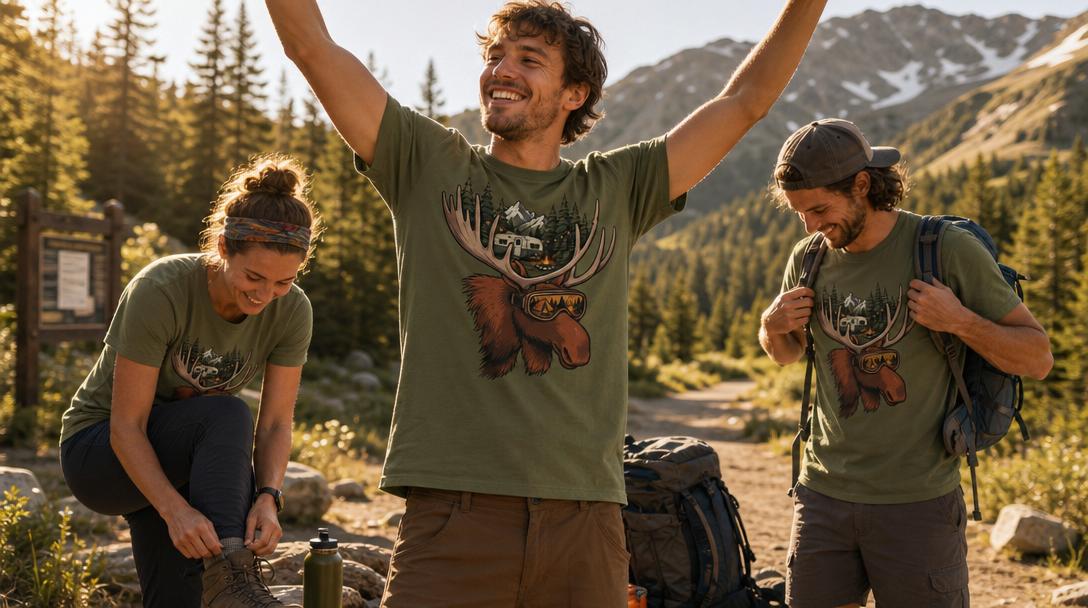
For most hikes, your hiking shirt should fit slightly loose, not baggy and definitely not skin-tight. You want enough room to raise your arms, swing trekking poles, wear a small daypack, and bend over to tie a boot without the hem riding halfway up your back.
My go-to rule: if you are between sizes, size up for hot weather, backpacking, or casual camp wear. Stick with your normal size for stretchy athletic shirts or when you want it to sit neatly under a fleece or rain shell.
A good hiking shirt fit should pass these four trail tests:
- Arm test: Raise both arms overhead. The shirt should not expose your stomach or pull hard across your shoulders.
- Pack test: Put on your backpack. Seams should not dig under the straps.
- Bend test: Bend forward like you are picking up a dropped snack. The back hem should still cover you.
- Sweat test: There should be a little airflow around your torso, especially in warm weather.
If a shirt looks perfect in the mirror but annoys you after mile two, it is the wrong size. Hiking clothes have to earn their spot the hard way.
Why hiking shirt size matters more than regular tee size
A regular everyday shirt mostly has one job: look decent while you drink coffee, run errands, or pretend you are only going into the outdoor store for one thing.
A hiking shirt has more jobs:
- Manage sweat
- Prevent chafing
- Move with your shoulders and arms
- Fit under layers
- Work with a backpack hip belt and shoulder straps
- Protect you from sun, brush, and bugs
- Stay comfortable over several hours, not just several minutes
That is why your usual T-shirt size is a starting point, not the final answer. I have learned this the mildly annoying way: shirts that felt fine at home suddenly became clingy, short, or shoulder-pinching once I added a pack and started climbing.
Sizing is also inconsistent across brands. One medium can fit like a trim running top, while another medium feels like a weekend cabin shirt. Always check the size chart, but also think about how you will actually use the shirt.
How a hiking shirt should fit
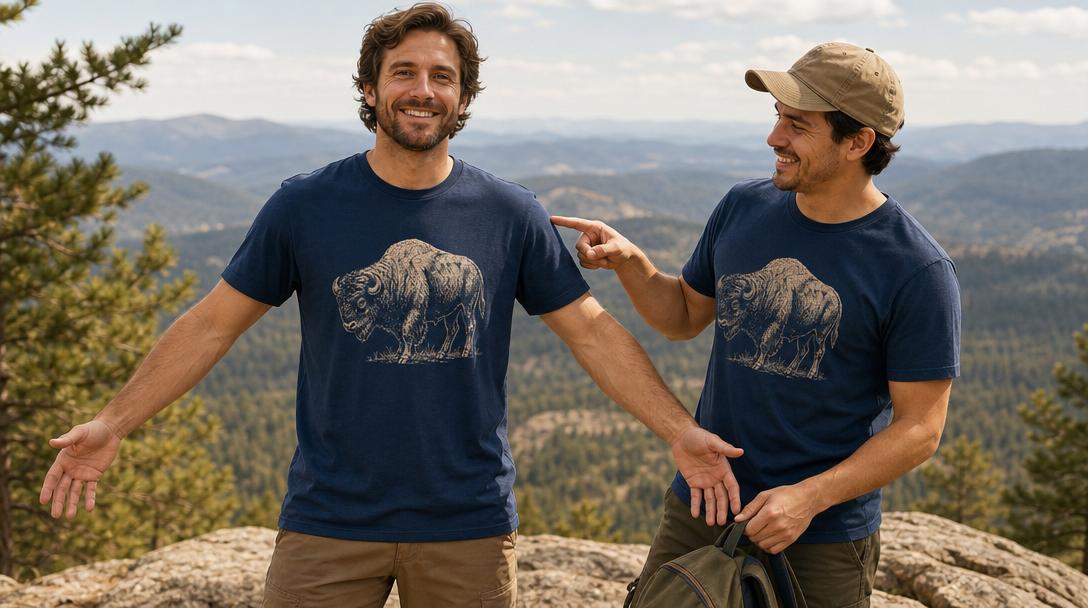
Chest and torso
You want the shirt to skim your body without squeezing it. If the fabric is stretched tight across your chest or stomach while standing still, it will feel worse once you are climbing, sweating, or wearing a pack.
A little looseness helps with airflow. This is especially important in warm weather because trapped heat makes even a fancy shirt feel like a damp paper towel. For summer hikes, I prefer a fit that leaves a small air gap around the torso.
If you are hiking in cold weather and wearing the shirt as a base layer, a closer fit can make sense because it layers more smoothly. But close-fitting should not mean restrictive. If you cannot twist comfortably, size up or choose a different cut.
For more on choosing shirts by weather and trail style, check out Best Shirts for Hiking: How to Pick the Right One for Your Kind of Adventure.
Shoulders
Shoulder fit is one of the biggest comfort details people miss. The shoulder seam should sit near the edge of your shoulder bone, not halfway down your arm and not creeping toward your neck.
If the shoulder area is too tight, you will feel it when you use trekking poles, scramble over rocks, or adjust your pack straps. If it is too loose and the seams sit under your backpack straps, you may get rubbing.
A personal trail test I use: put the shirt on, cross your arms like you are giving yourself a dramatic summit hug, then reach forward. If the back pulls hard or the sleeves yank up, the shirt is too small or the cut is wrong for your shoulders.
Length
For hiking, slightly longer is usually better. Your shirt should cover your waistband and stay put when you move. This matters even more if you wear a backpack with a hip belt because shorter shirts can ride up and bunch.
For casual campground tees, normal length is usually fine. But for hiking, especially on uneven trails, I like enough length to tuck if needed. Tucking is underrated for bug protection, sun coverage, and avoiding that awkward cold-back surprise when the wind picks up.
Sleeves
Short sleeves should allow arm swing without pinching in the armpit. If the sleeve opening is tight before you start sweating, it will probably chafe later.
Long sleeves should reach the wrist when your arms are relaxed and still cover well when you bend your elbows. If you are buying a sun shirt, sleeve length matters because too-short sleeves leave a gap between cuff and glove or wrist.
If you want a deeper dive on warm-weather shirt choices, especially sun protection and breathability, this guide is helpful: Best Hiking Shirts for Hot Weather: Sun Shirts, Breathable, and UPF Protection.
Regular fit, slim fit, or relaxed fit?
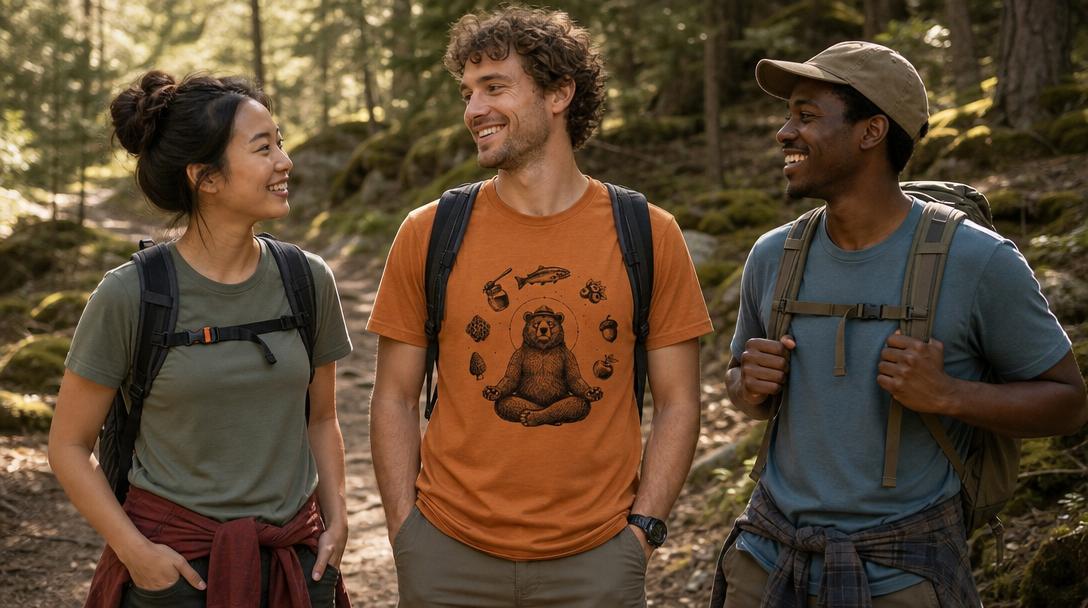
Slim fit
Slim-fit hiking shirts work best if the fabric has stretch and you prefer a performance feel. They are nice under layers because there is less bunching. I like slim or athletic fits for cooler hikes, faster-paced walks, and days when I know I will be wearing a fleece or shell over the top.
But slim fit is not always the best hot-weather choice. If it clings when wet, it can feel sticky. If you have broad shoulders, a larger chest, or simply hate feeling squeezed, size up or skip slim cuts.
Regular fit
Regular fit is the safest choice for most hikers. It gives enough room for movement without looking oversized. If you are buying your first hiking shirt and do not know what you prefer yet, start here.
A regular fit should let you move naturally while still layering under a jacket. For most people, regular fit in your true size is the best all-around pick.
Relaxed fit
Relaxed fit is great for casual hiking, hot weather, travel days, camp lounging, and anyone who prioritizes airflow. It is also a good option if you fluctuate between sizes or prefer a less clingy feel.
The only downside is layering. A relaxed shirt can bunch under a snug fleece or rain jacket. If you hike in changing weather, test your full outfit together before committing.
Should you size up or down?
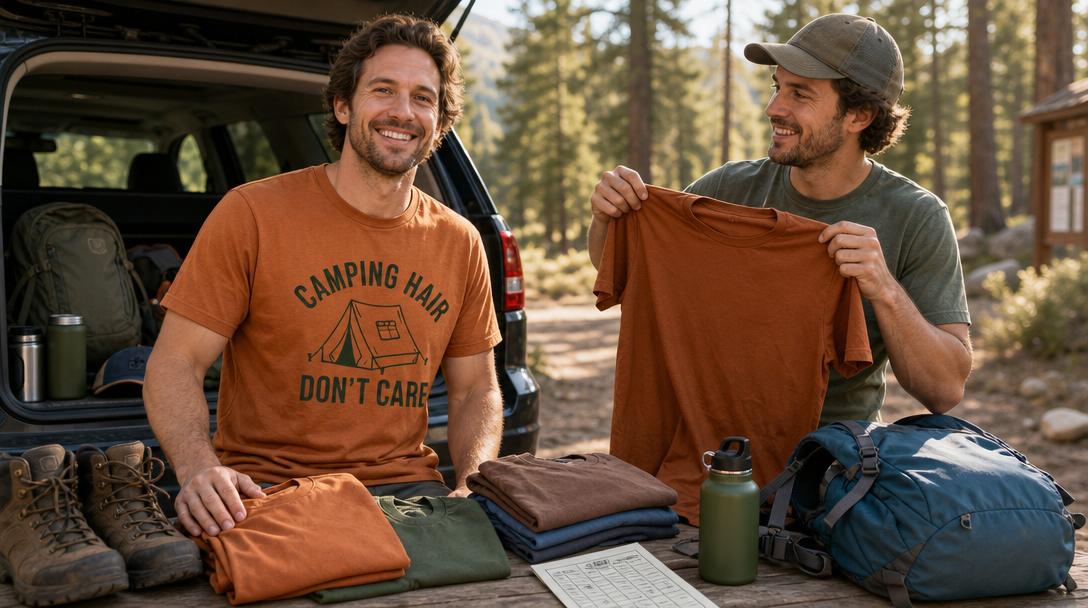
Size up if...
- You are between sizes
- You prefer airflow over a fitted look
- You hike in hot or humid weather
- You will wear the shirt casually at camp too
- You have broad shoulders or a larger chest
- You plan to wash and dry cotton shirts often
- You dislike fabric touching your stomach or arms
- You carry a backpack and need extra length
Sizing up has saved me more times than sizing down. On trail, a slightly roomy shirt is usually comfortable. A too-small shirt becomes a tiny fabric prison.
Stay true to size if...
- The shirt is stretchy or athletic cut
- You want it to layer under fleece or a shell
- You are using it as a base layer
- The brand already runs large
- You prefer a neat, fitted look
True-to-size is often best for technical hiking shirts, especially if the brand gives detailed measurements and the fabric has give.
Size down if...
Honestly, rarely. I only size down if reviews consistently say the shirt runs very large, or if I am buying a relaxed casual tee and want a more tailored fit. For actual hiking, I would rather have a little extra room than not enough.
How to measure yourself for a hiking shirt
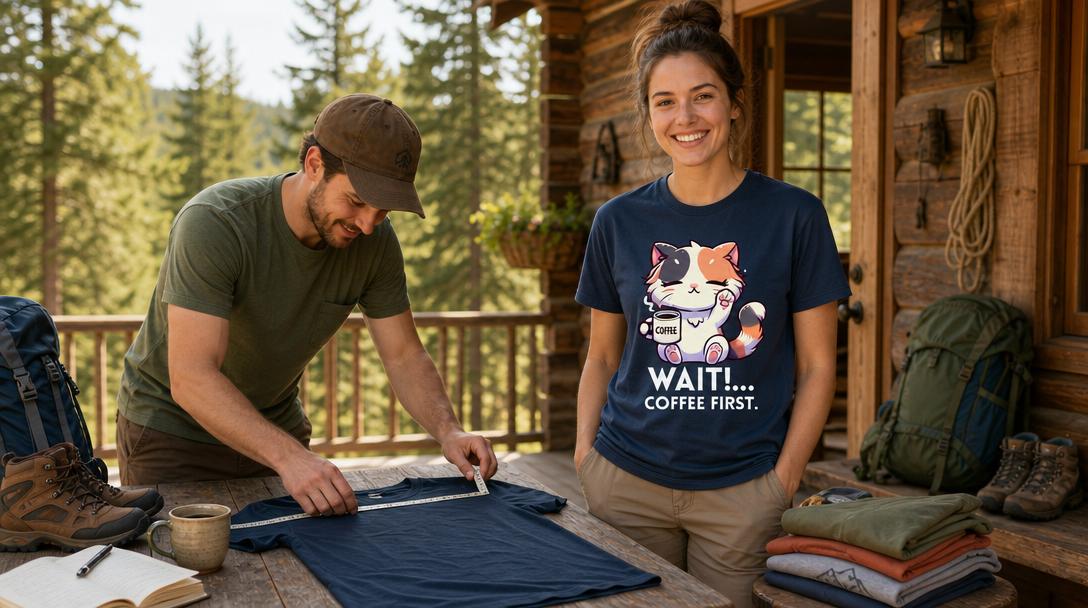
Chest
Measure around the fullest part of your chest, keeping the tape level. Do not pull it tight. If your measurement lands at the top of a size range, consider sizing up for hiking comfort.
Waist or midsection
Measure around the area where shirts usually sit on you. Some people carry more shape through the middle, and that affects fit more than chest size alone. If your chest says medium but your waist says large, try the large first for hiking.
Shoulder width
If shoulder fit is often a problem for you, measure a shirt you already love. Lay it flat and measure seam to seam across the shoulders. Compare that to the garment measurements if the brand provides them.
Shirt length
Measure from the highest shoulder point down to the hem on a shirt that fits well. For hiking, compare this with shirts that stay covered when you raise your arms or wear a pack.
Sleeve length
For long sleeves, measure from shoulder seam to cuff on a favorite shirt. For sun shirts, remember you may want slightly longer sleeves for coverage.
Fit by hiking conditions
Hot weather hikes
In hot weather, go for a slightly looser fit. Airflow matters. A shirt that sits just off your skin helps sweat evaporate and keeps you from feeling wrapped in cling film.
Look for room through the torso, comfortable sleeve openings, and enough length to cover your waistband. If you are choosing between two sizes in a sun hoodie or lightweight hiking shirt, I usually recommend the larger size unless it becomes sloppy under your pack.
Cold weather hikes
Cold-weather hiking is all about layers. Your shirt may be a base layer, which means it should sit closer to the body without restricting movement. Too much extra fabric can bunch under midlayers.
If you are building a cold-weather setup, read What to Wear Hiking in Cold Weather: The 3-Layer Rule Explained. Fit matters a lot when each layer has to work with the next.
Backpacking and long mileage days
For long days, prioritize anti-chafe fit. Watch the shoulder seams, armpits, and hem. A shirt can feel fine for a three-mile walk and still rub on a ten-mile day with a loaded pack.
I like shirts with enough room across the upper back and enough length that the hip belt does not constantly pull the hem upward. If your shirt bunches under your pack during a try-on walk around the house, it will not magically improve on trail.
Casual hikes and campground days
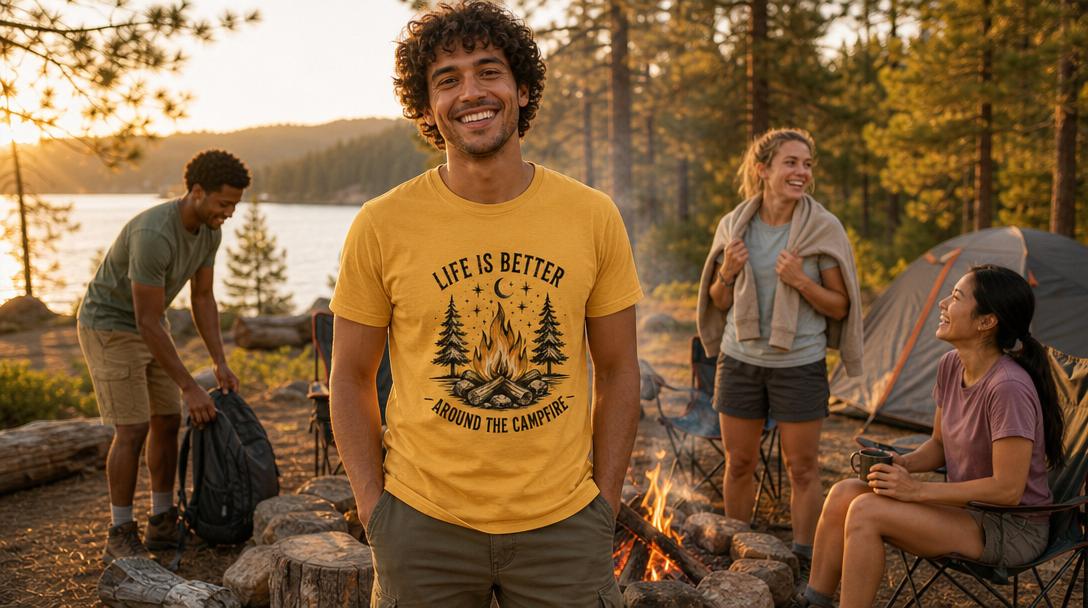
This is where comfort and personality get to have a little fun. Cotton and cotton-blend graphic tees are not my first pick for sweaty climbs or stormy forecasts, but they are great for relaxed walks, campground coffee, road trips, visitor centers, and cool dry evenings by the fire.
If you are wearing a casual tee for mellow outdoor time, choose the fit you actually enjoy. Some people like a classic true-to-size tee. Others prefer sizing up for that easy camp-shirt feel.
A few casual favorites that fit the outdoor mood without pretending to be technical gear: the One More Mile Shirt for hikers who negotiate with themselves every half mile, the Hike More, Worry Less Bigfoot Shirt for laid-back trail days, and the Life is Better Around Campfire Shirt for post-hike lounging.
If you are wondering when cotton makes sense and when it does not, I break that down here: Are Cotton Shirts Good for Hiking?.
Men’s, women’s, and unisex hiking shirt sizing tips
Men’s sizing
Men’s hiking shirts often have more room through the shoulders and torso, but that does not mean every brand fits broadly. If you have athletic shoulders, check reviews for pulling across the back. If you are tall, pay close attention to length.
For men who are between sizes, I usually suggest sizing up unless the shirt is specifically designed as a stretchy base layer.
Women’s sizing
Women’s hiking shirts vary a lot. Some are shaped through the waist and hips, while others are boxier. If a shirt fits your chest but grabs at your hips, it may ride up while hiking. In that case, size up or choose a different cut.
Also check sleeve and torso length. Some women’s tops run shorter, which can be annoying with a backpack. If you like extra coverage, compare garment length before buying.
Unisex sizing
Unisex tees usually follow a straighter cut. They can be wonderfully comfortable, especially for casual outdoor wear, but the best size depends on how you like them to sit.
For a classic fit, many people choose their usual size. For an oversized camp look, size up. For a more fitted look, some people size down, but remember that cotton can shrink depending on care.
If you are buying a graphic tee as a gift, err on the comfortable side. Nobody complains that their camp shirt is pleasantly roomy. Plenty of people complain when it fits like a sausage casing.
Common hiking shirt sizing mistakes
Buying for looks only
The mirror is not the trail. Move around. Reach, twist, bend, and put on your backpack. If it does not pass the movement test, the size is wrong.
Ignoring the size chart
Size charts are not exciting, but neither is returning a shirt. Check your measurements, especially if you are buying from a brand for the first time.
Forgetting about layers
If you plan to wear the shirt under a fleece or rain jacket, try that combo together. A shirt that feels great alone may bunch under a slim shell.
Choosing too tight for hot weather
Tight shirts can trap heat and feel clingy. For hot hikes, a little room is your friend.
Choosing too loose for backpacking
Oversized shirts can fold, bunch, and rub under pack straps. Relaxed is good. Tent-sized is not.
My simple hiking shirt size formula
If you want the easiest possible decision, use this:
- Hot weather day hikes: true size or one size up if between sizes
- Cold weather base layer: true size, closer fit
- Backpacking: true size with good shoulder room, or size up if between sizes
- Casual camp tee: true size for classic fit, size up for relaxed comfort
- Gift: size up if unsure
When in doubt, think about the most annoying thing that could happen on trail. If tight shoulders bother you, size up. If bunching under layers bothers you, stay true. If sun coverage matters, check sleeve and hem length. Fit is personal, but discomfort is universal.
FAQ: hiking shirt sizing
Should hiking shirts be tight or loose?
Hiking shirts should usually be slightly loose. You want enough room for airflow and movement without extra fabric bunching under a backpack. Base layers can fit closer, but they should never restrict your shoulders or arms.
Should I size up in hiking shirts?
Size up if you are between sizes, hiking in hot weather, buying a casual cotton tee, or prefer a relaxed feel. Stay true to size for stretchy performance shirts or base layers that need to sit smoothly under other layers.
How do I know if my hiking shirt is too small?
It is too small if it pulls across your chest or shoulders, rides up when you raise your arms, pinches under the arms, or feels restrictive when you twist. Try it with your backpack before deciding.
What size hiking shirt should I buy as a gift?
If you are unsure, choose the larger of the two likely sizes, especially for casual outdoor tees. For technical shirts, check the person’s favorite brand size if possible. Comfortable beats overly fitted almost every time.
Are cotton hiking shirts sized differently?
Cotton tees often have a more casual fit and may shrink depending on washing and drying. For casual hikes, campground wear, or road trips, true size works for a classic fit, while sizing up gives a more relaxed outdoor feel.
Does shirt length matter for hiking?
Yes. A hiking shirt should be long enough to cover your waistband when you raise your arms or wear a backpack. Longer hems help prevent riding up, sun gaps, and bunching around your hip belt.
Final trail-tested advice
The best hiking shirt size is the one you forget about while hiking. It should not tug, squeeze, ride up, chafe, or make you think about your armpits more than the view.
Start with your measurements, check the brand’s size chart, then choose based on your hike: looser for heat and casual comfort, closer for layering, and always enough room to move. If you are stuck between two sizes, I would rather see you happy in a slightly roomy shirt than cranky in one that only fits when standing perfectly still.
Because the trail already gives us enough challenges. Your shirt does not need to be one of them.


