


Flannel vs Technical Fabrics: Outdoor Work Shirts
Dominic PalmowskiFlannel vs technical fabrics sounds like a cozy cabin debate—until your outdoor work shirt turns into a damp, heavy regret three miles into a muddy trail. The right shirt keeps you warm, dry, mobile, and reasonably stink-free; the wrong one is basically a wet blanket with buttons.
Classic flannel has earned its place in outdoor culture for good reason: it’s warm, soft, durable enough for everyday chores, and looks right at home beside a campfire. But modern technical fabrics—polyester, nylon, merino blends, stretch-woven synthetics, and technical flannel—are built to handle sweat, weather, abrasion, and multi-day wear better than most traditional cotton shirts.
So which one should you buy for hiking, camping, yard work, travel, van life, or cold-weather outdoor work?
Let’s break it down like a trail snack bag: practical, useful, and with fewer crumbs in your fleece.
Flannel vs Technical Fabrics: Quick Comparison
| Feature | Traditional Flannel | Technical Fabrics | Technical Flannel |
|---|---|---|---|
| Warmth | Excellent in cool, dry weather | Varies by weight and weave | Good warmth with better moisture control |
| Breathability | Decent when dry, but can feel swampy when working hard | Usually very good, especially in hiking/work designs | Better than classic flannel for active use |
| Drying time | Slow, especially cotton flannel | Fast, especially polyester/nylon | Faster than cotton flannel |
| Odor control | Okay for casual wear; less ideal for multi-day sweat | Depends: synthetics may smell unless treated; merino blends are best | Often improved with anti-odor treatments |
| Durability | Good in heavier weights; can pill/shrink | Strong, abrasion-resistant, often easy-care | Good balance of comfort and performance |
| Packability | Bulky when heavy | Usually lighter and more compact | Moderate |
| Best use | Camp chores, casual wear, cold dry work | Hiking, sweaty work, hot/wet climates, travel | Camping, shoulder-season hiking, active outdoor work |
| Biggest weakness | Holds moisture and dries slowly | Can feel less cozy; some synthetics retain odor | Usually costs more than basic flannel |
The short version: choose classic flannel for warmth, comfort, and relaxed outdoor use. Choose technical fabrics when sweat, rain, packability, or drying time matter. Choose performance flannel when you want the flannel look without feeling like you’re wearing a damp picnic blanket.
What Is Technical Flannel?
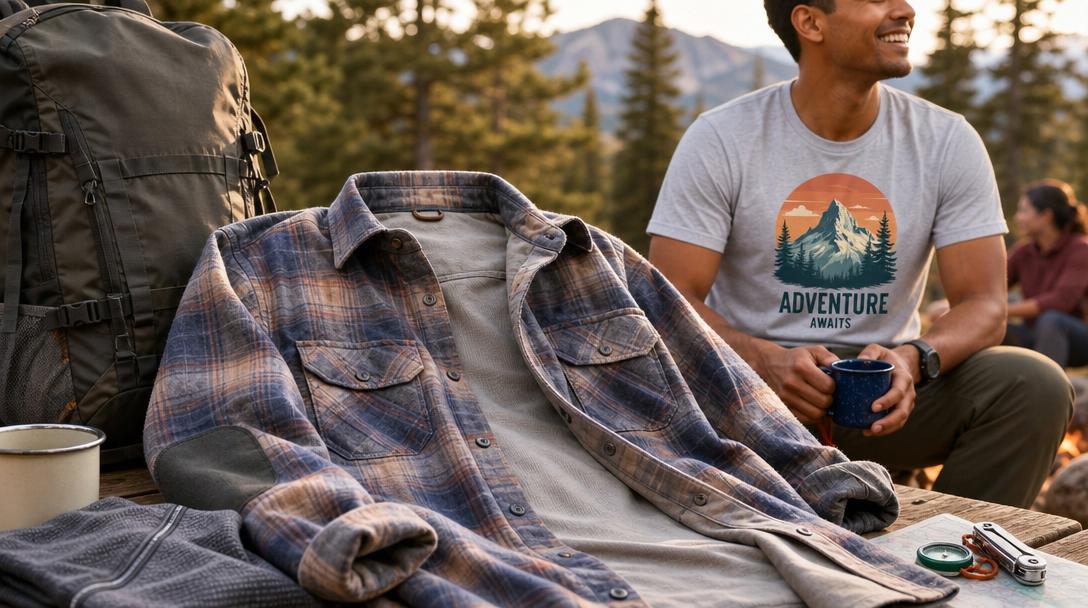
Technical flannel is a flannel-style shirt made with performance materials or features. It usually looks like a traditional plaid or brushed shirt, but the work shirt fabric is upgraded for movement, moisture management, and durability.
Traditional flannel is often made from brushed cotton, wool, or cotton blends. Flannel is a soft woven fabric commonly brushed for warmth and comfort—not a pattern. Plaid is the pattern; flannel is the fabric.
Technical flannel takes that cozy outdoor look and adds features like:
- Polyester or nylon fibers for faster drying
- Spandex or elastane for stretch
- Merino wool blends for odor control and temperature regulation
- Brushed interiors or exteriors for warmth
- UPF sun protection
- Reinforced shoulders or elbows
- Snap closures or roll-up sleeves
- Moisture-wicking finishes
In other words, a technical flannel shirt for camping is built for the person who wants to chop kindling, hike to the overlook, cook dinner beside the van, and still look like they belong in a national park gift shop—in the best possible way.
Is Flannel Good for Hiking or Camping?
Yes—with a few important trail-sized caveats.
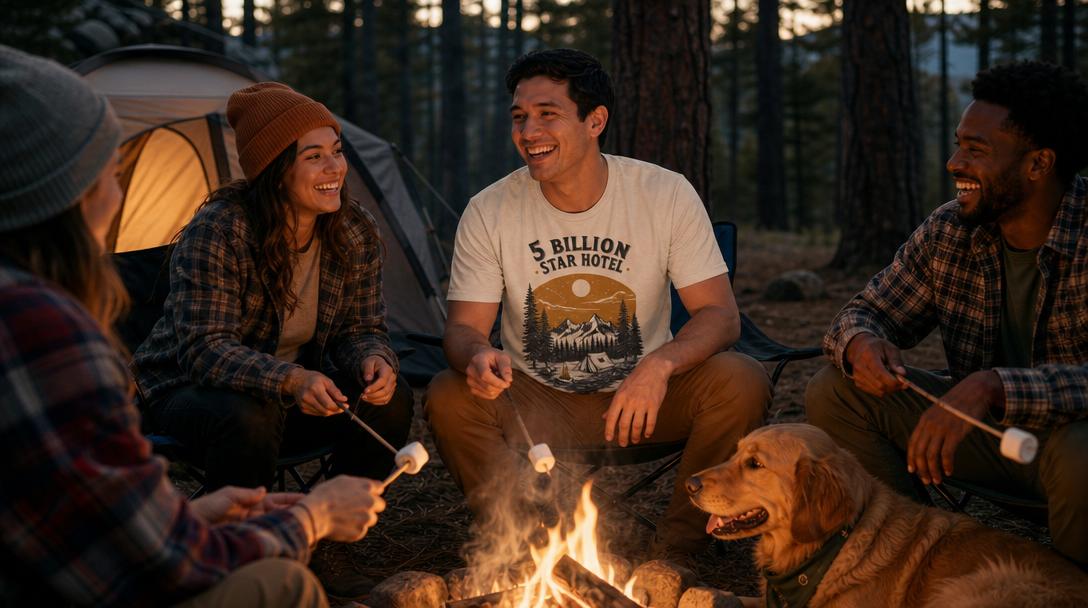
Flannel is great for camping, cool-weather day hikes, cabin weekends, van life, and relaxed outdoor work. It’s warm, soft, quiet, and comfortable around camp. If you’re roasting marshmallows, walking the dog through pine needles, or doing light chores on a crisp morning, flannel is a classic for a reason.
But for harder hiking, backpacking, rainy weather, or heavy sweating, traditional cotton flannel has limits. If you’re deciding whether cotton belongs in your trail outfit, this guide to why cotton is bad for hiking explains the moisture problem in more detail.
Where Flannel Works Well
- Cool, dry day hikes
- Campfire evenings
- Car camping
- Fall national park visits
- Light yard work
- Casual outdoor travel
- Wearing over a base layer
- Low-to-moderate effort work in cold weather
A heavier cotton flannel can make a nice overshirt when you’re not sweating too much. Wool flannel is even better in damp cold because wool keeps insulating better than cotton when wet.
Where Flannel Struggles
- You’re hiking uphill with a pack
- It’s raining or humid
- You’re sweating heavily
- You need the shirt to dry overnight
- You’re backpacking and counting ounces
- You’re doing high-output labor like digging, hauling, or trail work
Cotton absorbs moisture and dries slowly. Once soaked with sweat or rain, it can feel cold, heavy, and clingy. That’s why many outdoor educators repeat the famous advice: avoid cotton as a primary performance layer in cold or wet conditions.
So, when comparing flannel vs technical fabric for hiking, technical fabrics usually win for actual trail performance. Flannel wins for comfort at camp and casual cool-weather exploring.
Are Technical Fabrics Breathable?
Yes, many technical fabrics are highly breathable—but not all are created equal.
A breathable shirt lets moisture vapor and heat escape instead of trapping everything against your skin like a portable sauna. Technical shirts often use polyester, nylon, merino wool, or blends engineered to wick sweat and dry quickly.
Polyester and cotton-poly blends are commonly used in work shirts because they can improve durability, wrinkle resistance, and easy care compared with pure cotton. Nylon is often valued for strength and abrasion resistance, especially in more rugged outdoor apparel.
Breathability Depends On More Than Fiber
- Fabric weight
- Weave density
- Ventilation panels
- Fit
- Stretch
- Moisture-wicking finish
- Whether you’re wearing it under a pack or jacket
A lightweight polyester hiking shirt with mesh vents may breathe beautifully. A thick synthetic work shirt with a tight weave may feel durable but warmer. A loose cotton flannel may feel breathable while dry, then clammy once soaked.
The best warm breathable work shirt often uses a blend: enough insulation to keep you comfortable, enough wicking to prevent swamp-shirt syndrome.
Does Flannel Keep You Warm?
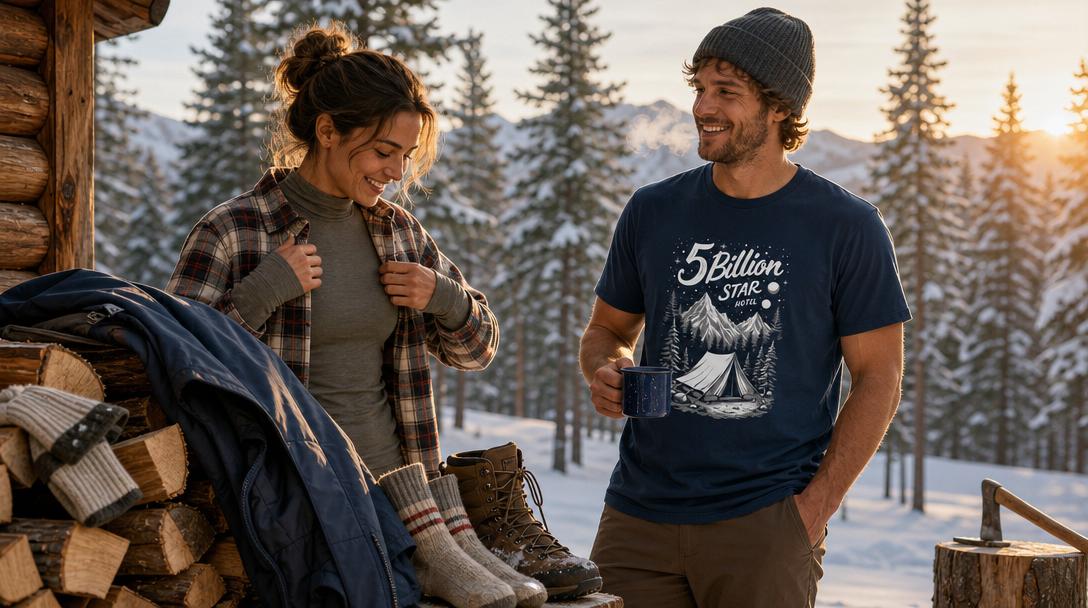
Yes. Flannel keeps you warm because the brushed surface creates tiny fibers that trap warm air close to your body. That fuzzy texture isn’t just cozy—it’s functional.
That’s why flannel shines in:
- Fall mornings
- Cool-weather camping
- Dry winter chores
- Cabin layering
- Outdoor work where you’re moving slowly or moderately
But warmth has a catch: moisture.
Dry cotton flannel is warm and comfortable. Wet cotton flannel is a sad, chilly towel with sleeves. If you sweat through it and then stop moving, you may cool down fast.
For the best shirt for outdoor work in cold weather, think in layers:
- Base layer: synthetic or merino to move sweat away
- Middle layer: flannel, wool shirt, fleece, or technical flannel for warmth
- Outer layer: windproof or waterproof shell when needed
For a deeper breakdown of this system, see Hike Tee’s guide to what to wear hiking in cold weather. Flannel can be a great middle layer—but it’s usually not the best next-to-skin layer for high-sweat work.
Best Fabric for Outdoor Work Shirts
The best fabric for outdoor work shirts depends on your climate, sweat level, and how hard you’re working. There’s no single winner for every body, job, or trail.
Here’s the practical breakdown.
Cotton Flannel
Best for: cool, dry weather and lower-output work.
Pros:
- Soft and comfortable
- Warm for its weight
- Classic outdoor look
- Quiet fabric
- Affordable and widely available
Cons:
- Slow drying
- Can shrink in the wash
- Can pill over time
- Holds moisture
- Not ideal for sweaty hiking or wet weather
Choose cotton flannel if your outdoor work is more “stacking firewood before coffee” than “hauling gear uphill in sleet.”
Wool Flannel
Best for: cold weather, damp conditions, and odor resistance.
Pros:
- Warmer than cotton
- Insulates better when damp
- Naturally odor resistant
- Comfortable across changing temperatures
Cons:
- More expensive
- May require gentler care
- Can feel itchy depending on quality
- Less common in rugged work-shirt styles
Wool flannel is excellent for camping, field work, and cold-weather layering if your budget allows.
Polyester and Nylon Technical Fabrics
Best for: hiking, sweaty work, travel, wet weather, and hot conditions.
Pros:
- Fast drying
- Durable
- Lightweight
- Often wrinkle-resistant
- Good for packability
- Commonly available with UPF ratings
Cons:
- Can hold odor
- May feel less cozy than flannel
- Some fabrics can feel slick or noisy
- Lower-quality versions may trap heat
For active outdoor work, polyester and nylon blends are hard to beat. They’re especially useful if you’ll be sweating, washing often, or packing light.
Cotton-Poly Blends
Best for: everyday outdoor work and practical durability.
Pros:
- More durable than pure cotton
- Less shrinkage
- Easier care
- Better drying than 100% cotton
- Still feels somewhat natural
Cons:
- Not as fast-drying as full synthetics
- Not as cozy as brushed flannel
- Odor control varies
This is often the best middle ground for a general outdoor work shirt.
Merino and Merino Blends
Best for: hiking, camping, travel, cold weather, and multi-day wear.
Pros:
- Excellent odor control
- Comfortable temperature regulation
- Warms even when damp
- Softer than old-school wool when high quality
Cons:
- More expensive
- Less abrasion-resistant than nylon
- Can require careful washing
- May wear faster under heavy pack straps
Merino blends are fantastic for van life, travel, camping, and long national park days where laundry is more of a “future you” problem.
Performance Flannel vs Technical Shirts: Real Outdoor Use Cases
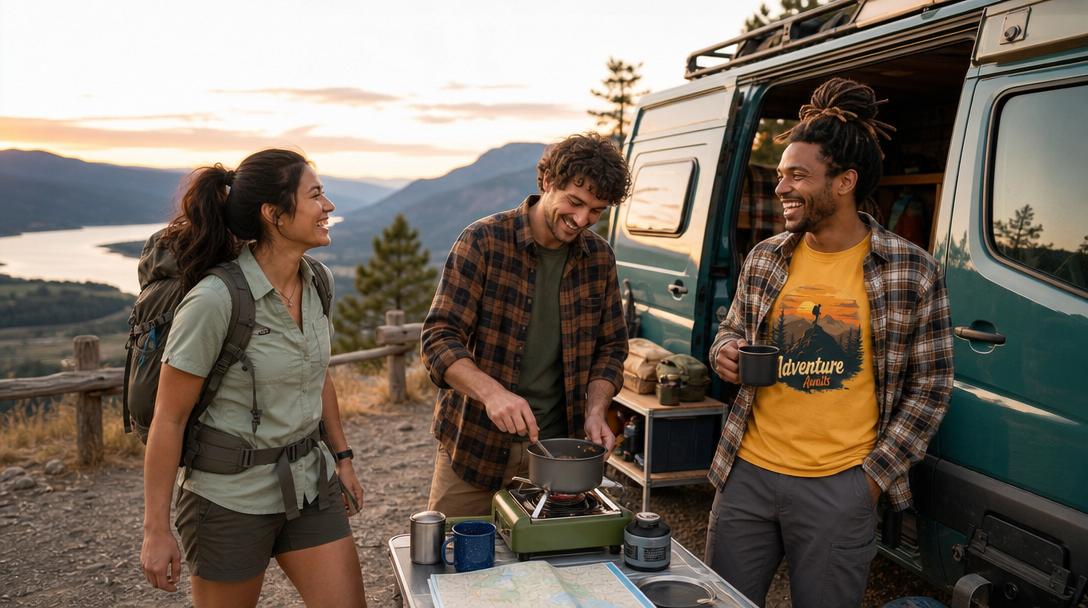
A shirt that works for raking leaves in Vermont may be miserable for hiking in Utah or overlanding in Arizona. Use your real life—not just the product photo—to decide.
Flannel vs Technical Fabric for Hiking With a Backpack
If you’re hiking with a pack, prioritize:
- Moisture wicking
- Fast drying
- Shoulder durability
- Low-bulk seams
- Odor control
- Stretch
Traditional flannel can bunch under shoulder straps and hold sweat where your pack rests. A technical hiking shirt or lightweight technical flannel is better for long miles. If you’re building a full trail outfit, Hike Tee’s guide to the best shirts for hiking can help you compare trail-ready options.
If you still love flannel, pack it as a dry camp layer. Pulling on a cozy shirt after a long hike is one of life’s tiny outdoor luxuries, right next to sitting down and discovering you still have trail mix.
Technical Flannel Shirt for Camping
Camping is where flannel thrives.
For car camping, cabin trips, and campfire lounging, traditional flannel is hard to beat. You don’t need ultralight packability if your “pack mule” is a Subaru with cupholders.
Choose flannel for:
- Evening warmth
- Camp chores
- Layering over tees
- Casual comfort
- Cooler mornings
Choose technical flannel if you’ll be setting up camp in rain, hiking during the day, or wearing the same shirt for multiple days.
A funny outdoor tee under a flannel is also the unofficial uniform of people who came to relax but somehow ended up managing the fire, the snacks, and everyone’s missing headlamp. For campfire evenings, the 5 Billion Star Hotel Shirt fits right under a flannel without trying too hard.
For Van Life and Overlanding
Van life and overlanding make fabric choice surprisingly important because space, laundry, and weather flexibility matter.
Look for:
- Shirts that dry overnight
- Odor resistance
- Wrinkle resistance
- Layering versatility
- Fabrics that can handle dust, camp smoke, and repeated wear
Technical flannel is excellent here. It gives you one shirt that works at a roadside diner, a desert campsite, and a chilly overlook at sunrise.
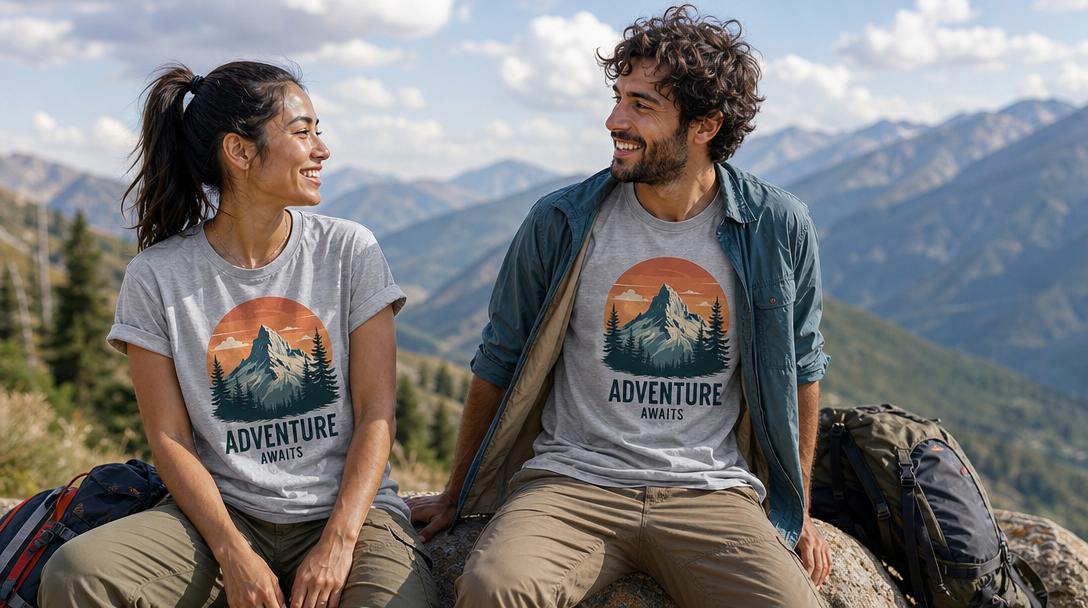
Merino blends also shine because they resist odor better than most synthetics. For casual travel days between trailheads, an easy tee like the Adventure Awaits Shirt layers cleanly under flannel or a light jacket.
For National Park Trips
National park travel usually means changing conditions: chilly morning, sunny hike, windy overlook, crowded shuttle, surprise rain, snack emergency.
For parks like Rocky Mountain, Glacier, Olympic, Yosemite, or Great Smoky Mountains, consider a technical shirt during the day and a flannel or fleece layer for evenings.
For desert parks like Zion, Arches, Joshua Tree, or Grand Canyon, skip heavy flannel during the day. Choose a lightweight UPF technical shirt, then save flannel for camp or sunset.
Best Shirt for Outdoor Work in Cold Weather
The best shirt for outdoor work in cold weather depends on whether you’re sweating.
If you’re doing low-output work—standing, supervising, light chores, casual carpentry—heavy flannel works well.
If you’re doing high-output work—hauling wood, clearing brush, shoveling snow, trail maintenance—technical fabrics or technical flannel are usually better because they manage sweat.
Cold-weather work formula:
- High sweat: merino/synthetic base + technical flannel + shell
- Low sweat: base layer + heavy flannel + insulated vest or jacket
- Wet cold: avoid cotton as your main layer; use wool or synthetic
Buyer Guidance by Climate, Season, and Sweat Level

Here’s the decision framework most casual guides skip.
Cold and Dry
Best choice: heavy flannel, wool flannel, or insulated technical flannel.
Why: You need warmth more than drying speed, especially if your activity level is moderate.
Good for:
- Wood chopping
- Dry winter camping
- Ranch chores
- Fall hikes
- Cabin weekends
Cold and Wet
Best choice: wool, merino blend, synthetic technical shirt, or technical flannel.
Why: Moisture management matters. Cotton flannel can chill you once wet.
Good for:
- Pacific Northwest hiking
- Rainy camp setup
- Coastal work
- Snow-to-rain shoulder seasons
Cool Shoulder Seasons
Best choice: technical flannel or midweight cotton-poly work shirt.
Why: Temperatures change all day, and you may alternate between moving and resting.
Good for:
- Spring camping
- Fall national park visits
- Trail work
- Yard work
- Overlanding
Hot and Dry
Best choice: lightweight technical fabric with UPF protection.
Why: Sun protection, breathability, and sweat evaporation matter more than warmth.
Good for:
- Desert hiking
- Road trips
- Landscaping
- Summer travel
Hot and Humid
Best choice: lightweight, vented technical shirt.
Why: Heavy flannel becomes wearable soup. Avoid.
Good for:
- Southeast hiking
- Summer camping
- Yard work
- Fishing
- Outdoor festivals
High Sweat Level
Best choice: polyester, nylon, merino blend, or technical flannel.
Avoid: heavy cotton flannel as your primary layer.
Low Sweat Level
Best choice: traditional flannel, wool flannel, or cotton-poly work shirt.
This is where cozy wins.
Packability, Drying Time, Odor Control, and Layering Under Packs
These four factors matter a lot if you’re hiking, camping, traveling, or living out of a vehicle.
Packability
Traditional heavyweight flannel takes up space. That’s fine for car camping, less fine for backpacking.
Technical shirts are usually thinner, lighter, and easier to compress. If you’re packing for a week with one small duffel, technical fabrics are the better bet.
Drying Time
Cotton flannel dries slowly. Polyester and nylon dry much faster. Merino sits in the middle but handles odor and dampness well.
If you need to wash a shirt in a campground sink and wear it the next morning, choose technical fabric.
Odor Control
Plain polyester can get funky. Merino resists odor naturally. Some technical fabrics use anti-odor treatments.
For multi-day camping or travel, look for:
- Merino blends
- Anti-odor finishes
- Lightweight fabrics that dry fully
- Shirts that can air out quickly
Layering Under Packs
Backpack straps create friction and trap sweat. Look for:
- Smooth shoulder seams
- Reinforced shoulders
- Stretch fabric
- Less bulky collars
- Moisture-wicking material
Heavy flannel under a loaded pack can feel hot and bunchy. Technical flannel performs better here, especially if it has stretch.
Care and Durability: How to Make Your Shirt Last
A good outdoor shirt should survive more than one season of camp smoke, dog hair, snack dust, and questionable laundry choices.
How to Care for Flannel
To reduce shrinking, pilling, and fading:
- Wash cold or warm, not hot
- Turn inside out
- Use mild detergent
- Avoid high dryer heat
- Line dry or tumble dry low
- Don’t overwash if it isn’t dirty
- Brush off debris before washing
Cotton flannel can shrink, especially in heat. Brushed fibers can pill over time, particularly where backpack straps, elbows, or tool belts rub.
How to Care for Technical Fabrics
To protect wicking and stretch:
- Wash cold or warm
- Avoid fabric softener
- Tumble dry low or hang dry
- Don’t use high heat on elastane-heavy fabrics
- Wash smoky or sweaty shirts promptly
- Follow care labels for odor-control treatments
Fabric softeners can coat performance fibers and reduce moisture-wicking. High heat can damage stretch fibers and shorten the shirt’s life.
Abrasion Resistance
If you’re working around brush, tools, lumber, or rock, prioritize:
- Nylon blends
- Ripstop weaves
- Reinforced elbows
- Reinforced shoulders
- Double stitching
- Heavier fabric weight
Traditional flannel can be durable, especially in heavy weights, but technical work shirts often win when abrasion is constant.
Frequently Asked Questions
What is technical flannel?
Technical flannel is a flannel-style shirt made with performance fabrics or features, such as polyester, nylon, stretch fibers, merino blends, moisture-wicking finishes, or UPF protection. It gives you the cozy look of flannel with better drying time, mobility, and outdoor performance.
Is flannel good for hiking or camping?
Flannel is good for camping, cool-weather day hikes, and relaxed outdoor use. For intense hiking, backpacking, wet weather, or heavy sweating, technical fabrics usually perform better because they dry faster and manage moisture more effectively.
What is the best fabric for work shirts?
The best fabric for work shirts depends on the job and weather. Cotton flannel is great for cool, dry comfort; cotton-poly blends are durable everyday options; nylon and polyester technical fabrics are best for sweaty or wet outdoor work; and merino blends are excellent for odor control and cold-weather layering.
Are technical fabrics breathable?
Yes, many technical fabrics are breathable, especially those designed for hiking, camping, or outdoor work. Look for lightweight weaves, vent panels, moisture-wicking fibers, and a fit that allows airflow.
Does flannel keep you warm?
Yes, flannel keeps you warm by trapping air in its brushed fibers. It works best in cool, dry conditions, but cotton flannel loses comfort when wet because it absorbs moisture and dries slowly.
What is the best warm breathable work shirt?
The best warm breathable work shirt is usually a technical flannel, wool blend, or synthetic/merino layered system. For cold active work, choose a moisture-wicking base layer with a technical flannel or wool shirt over it.
The Trail-Tested Verdict
Flannel and technical fabrics both belong outdoors—they just don’t belong in the same situations.
Choose traditional flannel if you want warmth, softness, and comfort for cool, dry weather, camp chores, casual hikes, or low-sweat outdoor work.
Choose technical fabrics if you need fast drying, breathability, packability, abrasion resistance, or performance in wet and sweaty conditions.
Choose technical flannel if you want the sweet spot: cozy flannel vibes with better movement, drying time, and trail-to-town versatility.
The smartest move is to build a small shirt system:
- A technical or merino base layer for sweat
- A technical flannel or durable work shirt for active outdoor use
- A classic flannel for camp, travel, and cold dry days
- A shell or jacket when wind and rain join the party uninvited
Your shirt doesn’t need to do everything. It just needs to do the right job on the right day—preferably while making you feel like the kind of person who knows where the good trail snacks are hidden.


