


Best Hiking Shirts for PNW Rain
Dominic PalmowskiKey Takeaways
- I’m all about moisture-wicking, quick-drying shirts in merino wool or synthetics so I stay comfortable in the never-ending PNW rain and humidity. I look for breathable fabrics and smart layering instead of expecting one shirt to do everything.
- I build a basic layering system around my hiking shirt with a light fleece and fully waterproof shell. I keep packable insulation, rain pants, wool socks, and a warm hat handy so I can layer up fast when the weather shifts.
- I choose synthetic shirts when I need quick drying, ruggedness, and affordability. I grab merino or other natural fibers when I want more warmth and odor resistance. The right fabric depends on trip length, expected wetness, and how much weight I’m willing to carry.
- I don’t write off cotton completely. Cotton tees can be great for dry trails, camp, road trips, and casual outdoor days, but I avoid using them as my next-to-skin layer in cold, wet PNW rain.
- I look for details beyond fabric: flat seams, zippers, hoods, vents, and fit. A good shirt should feel comfortable under a pack and layer cleanly under rain gear.
- I avoid rookie errors by not relying on one shirt, not skipping breathability, and not treating a casual tee like rain gear. I always bring at least one spare layer and test my setup on day hikes before longer trips.
- I make my hiking shirts last longer by washing with mild detergent, avoiding fabric softener, tumble drying low or air drying, and reapplying water repellents when the care label allows.
You’re two miles from the trailhead, the drizzle just turned serious, and your shirt is plastered to your back. Sound familiar? In the PNW, picking the right hiking shirt isn’t just comfort — it’s damage control.
The best hiking shirts for PNW weather with rain and moisture are quick-drying, breathable layers that still feel good when damp. For me, that usually means lightweight synthetic or merino tops that wick sweat, dry fast, and resist that clammy chill near the coast or in deep forest.
I also look for flat seams, long sleeves, and a fit that works underneath rain shells or softshell jackets on those long, wet days. I’ll break it all down below.
Decoding PNW Hiking Shirts
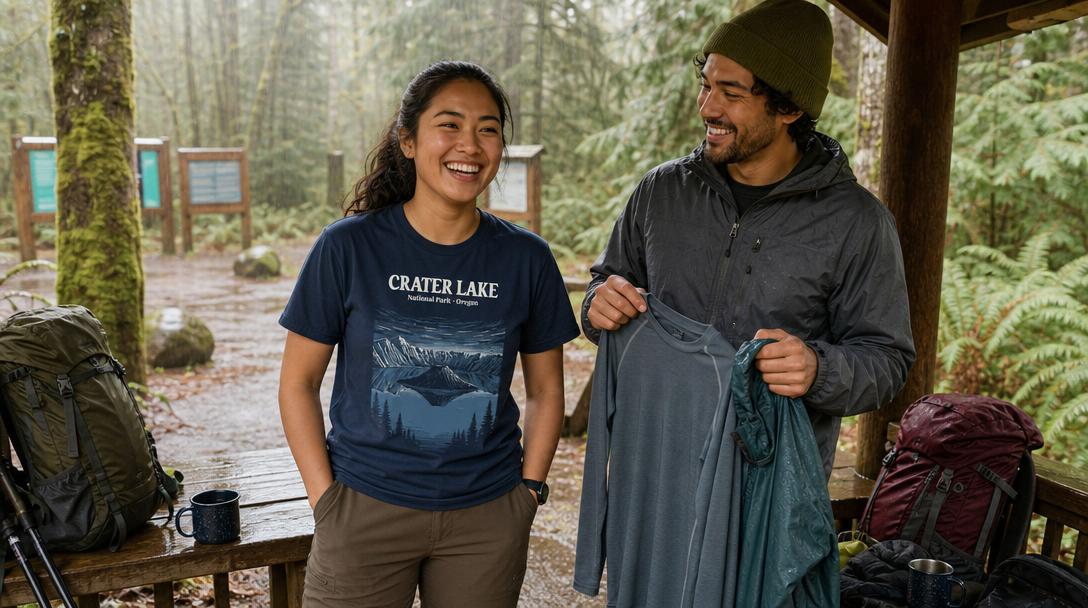
When I choose a hiking shirt for Pacific Northwest outings, I treat it like essential equipment, not an afterthought. The air can feel soggy even when it’s not raining, so moisture management makes a huge difference in how warm and sane I stay on trail.
I start with fabric. For wet hiking, I usually choose moisture-wicking, quick-dry synthetics or merino wool instead of a heavy cotton base layer. Cotton absorbs water and dries slowly, which can feel cold once wind or shade shows up. That doesn’t mean cotton is bad for every outdoor moment, though. A soft cotton graphic tee like the Hike More, Worry Less Bigfoot Shirt is perfect for dry trailheads, campground evenings, road trips, and post-hike tacos — just not as my only layer in steady cold rain.
A wicking long-sleeved shirt against my skin, in light wool or a good synthetic knit, pulls sweat from my torso and dries quickly when drizzle hits. A thin long-sleeved layer is also cozy once I warm up on a climb, even in cold weather, and still provides a little insulation on breaks.
I think about breathability and water behavior, not 100% waterproofing. A breathable knit shirt with a DWR finish can shed light rain and mist without trapping as much steam in high humidity. That balance keeps me from feeling swampy inside a rain shell or wet forest air.
Design details matter in this climate. It’s not always raining, and comfort still matters on those bright, dry days. I like long sleeves for sun and bug cover, plus UPF fabric for those sneaky high-UV windows. If you hike in warmer shoulder-season weather too, this guide to hot-weather hiking shirts and UPF protection pairs nicely with the wet-weather advice here.
A quarter-zip front gives me quick venting on steep climbs and zips up to trap heat when the wind or a surprise shower rolls in.
- Moisture-wicking wool or synthetic fabric for wet hikes
- Long sleeves with a good UPF rating
- Breathable knit with a light DWR finish when useful
- Quarter-zip or similar venting option
- Soft, low-bulk seams for all-day comfort
The Layering System Synergy
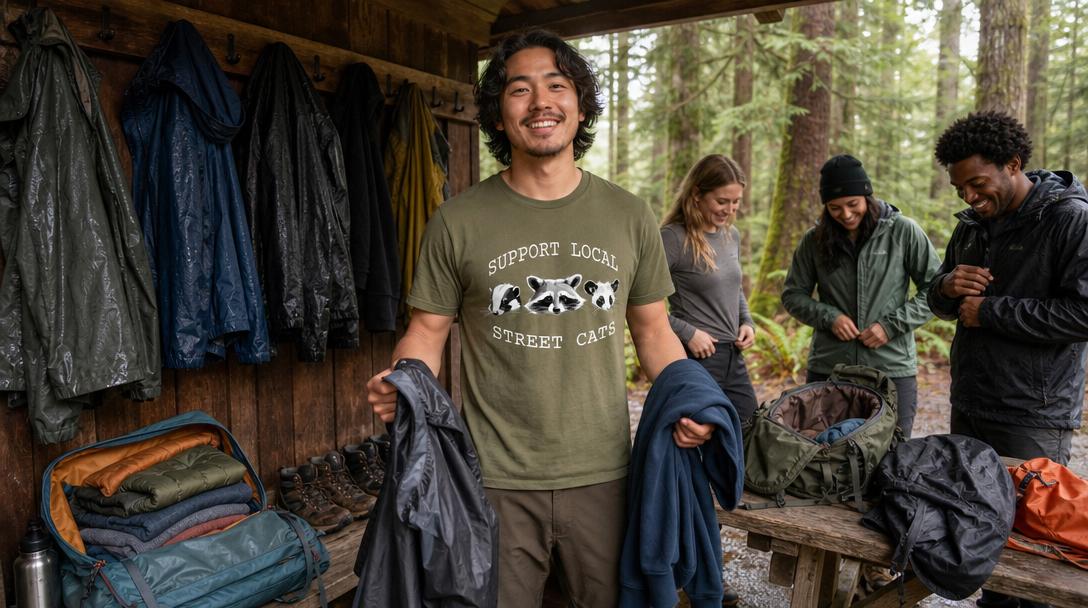
I think of my hiking shirt as the centerpiece of a complete system, not a stand-alone miracle worker. In PNW rain and fast wind shifts, the only way to stay comfortable is by stacking layers that work together so your body temperature stays stable instead of oscillating between shivers and sweat.
I start with a thin wool or synthetic shirt underneath. It wicks sweat from my skin so I don’t feel clammy under a rain jacket, puffy coat, or soft shell. On winter hiking trips or long, wet days, I also bring long-underwear-style base layers for camp or sleep so I don’t crawl into my sleeping bag damp.
My mid-layer is for insulation. A light fleece or thin synthetic puffy traps body heat, which helps a lot when I pause to snack on a blustery ridge or trudge through persistent 5–10°C drizzle. I love packable puffies and light jackets because I can cram them into a tiny stuff sack and pull them out when the clouds drop or the climb heads into colder air.
My outer layer is my armor. A truly waterproof rain jacket is mandatory for backpacking in wet and windy regions. It repels rain, wind, and even wet snow. When choosing outdoor rain jackets, I look for a real waterproof rating, sealed seams, and enough venting to manage sweat.
Soft shells offer better breathability and wind protection and feel fantastic in cold but mostly dry conditions. They take more room in the pack, so I choose them when heavy precipitation is less likely.
I round all this out with wool socks, boots that handle mud and wet roots, a warm hat, and sometimes rain pants. If you want the bigger picture, my go-to framework is basically the 3-layer rule for cold-weather hiking: base layer, insulation, shell.
Synthetics Versus Natural Fibers
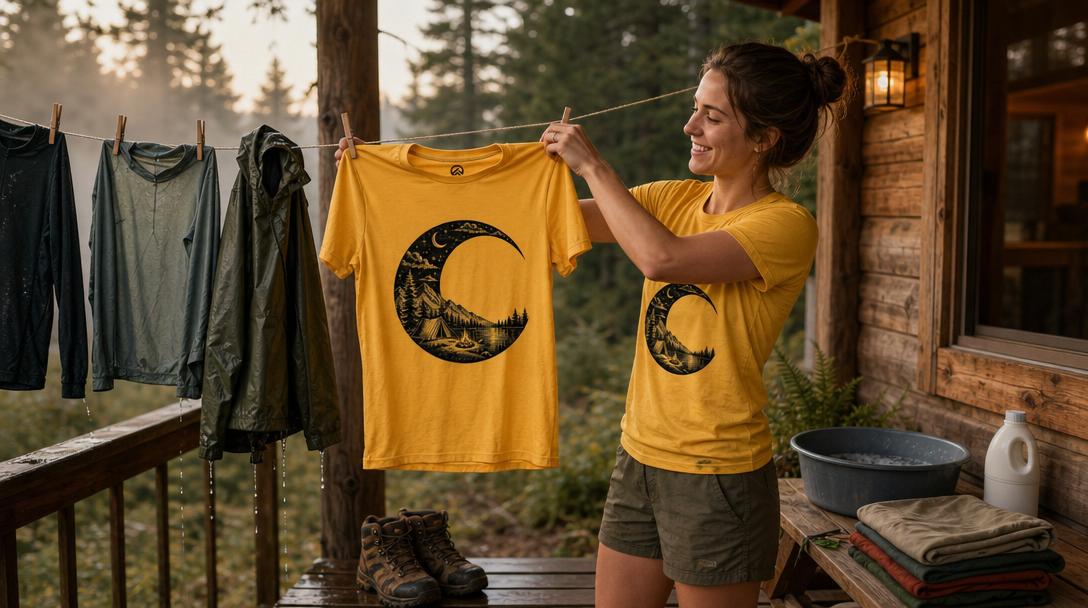
When I’m packing for rainy PNW hikes, I weigh synthetic shirts against natural fibers like merino, alpaca, and TENCEL.
Synthetic shirts shine when rain and sweat are constant. They dry very fast on my skin and on a line, even in humid air, and they stay lightweight when wet. On long, wet days, a thin polyester or nylon knit wicks moisture away and helps reduce wind chill. It also packs down small, so I can bring a backup tee with almost no weight penalty.
A lot of synthetic blends resist snags from brush, rocks, and pack abrasion, which makes them useful on rugged terrain. The downside I notice most is smell: synthetics tend to hold onto odors, and some shirts keep a faint funk even after washing.
For cold rain or mixed conditions, I gravitate toward merino or alpaca, or blends with TENCEL. These fibers insulate better when wet, feel steady across a broad temperature range, and remain comfortable from roughly 5 to 20°C without a lot of wardrobe swapping.
They resist odor far better than plain synthetics, so I can wear one shirt on a multi-day trip without feeling like a social pariah back in camp or town. They stay soft after dozens of wash cycles and don’t pill as quickly, although they can take longer to dry and feel heavier when drenched.
Cotton-polyester blends sit in a different lane for me. I don’t choose them as my main cold-rain hiking base layer, but they’re excellent for easy dry walks, campground mornings, travel days, and casual graphic tees. A relaxed trail-day shirt like the One More Mile Shirt fits that role well when performance fabric isn’t necessary.
- Synthetics — pros: very fast drying, light, tough, affordable options.
- Synthetics — cons: odor build-up, can feel clammy in still humid air.
- Natural fibers — pros: wide comfort range, warm when damp, low odor, long wear life.
- Natural fibers — cons: slower drying, more expensive, harder to find in some fits.
| Fiber type | Drying time | Warmth when wet | Durability over years | Odor on 3–5 day trip | Best use case |
|---|---|---|---|---|---|
| Synthetic | Very fast | Moderate | Can thin or pill | Often high | Short, very wet hikes, spare shirt |
| Merino / alpaca | Moderate | High | Generally strong | Very low | Cool, wet, multi-day backpacking |
| TENCEL blends | Moderate | Moderate–high | Good | Low | Mild to cool, mixed-activity travel |
| Cotton / cotton-poly | Slow to moderate | Low when soaked | Good for casual wear | Moderate | Dry trails, camp, travel, everyday wear |
Beyond the Fabric Weave
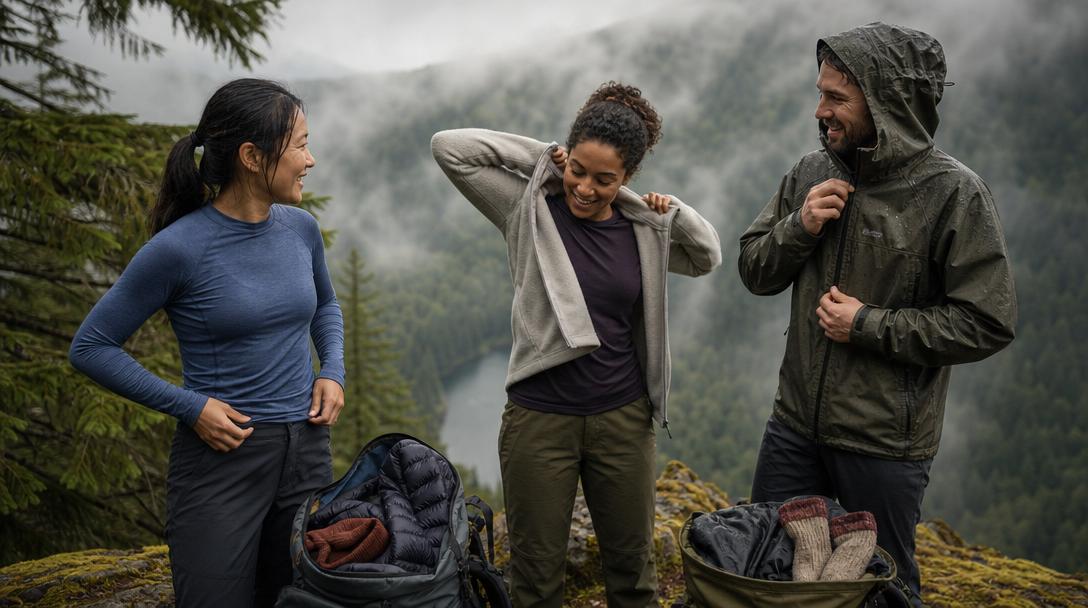
Fabric is only part of the story. In Pacific Northwest rain, the small construction details can make or break the day.
I check seams first. Flatlock seams chafe less under pack straps and when I’m casting, scrambling, or hiking for hours. I want a front zip that glides when my fingers are cold and damp. If the shirt has vents, I want them placed where they actually dump heat. If it has a hood, I want a snug fit that stays put under a rain shell hood without bunching at the neck.
Water resistance matters, but I keep expectations realistic. A quality DWR finish can keep drizzle beading instead of soaking in right away, which delays that chilled-out feeling. Coatings wear off over time, but gentle laundering and re-treatment can extend a shirt’s useful life.
I also pay attention to feel. Some fabrics are soft from day one; others need a couple washes. Breathability and back vents matter on day hikes or bike rides without a pack, when my back doesn’t get much airflow.
Layering is tricky in cool, wet weather, so I choose shirts thin enough to fit beneath a light fleece without bunching. Convertible sleeves can be great when the clouds part and I need quick air.
Synthetic shirts dry quickly but can trap odor, so I look for blends or treatments with better odor resistance when I know I won’t be washing often. If you’re deciding whether premium features are actually worth the money, this brand comparison guide to expensive hiking shirts is a useful next read.
| Shirt Type | Key Strengths |
|---|---|
| Synthetic poly | Fast dry, light, but can smell sooner |
| Merino or merino blend | Strong odor control, softer feel, slower dry |
| Nylon fishing-style shirt | Durable, vents, roll-up sleeves, good for rain |
| Ultralight packable shirt | Very light, stuffs small, best as a layer |
| Casual cotton graphic tee | Comfortable for dry hikes, camp, travel, and everyday outdoor life |
Common PNW Shirt Mistakes
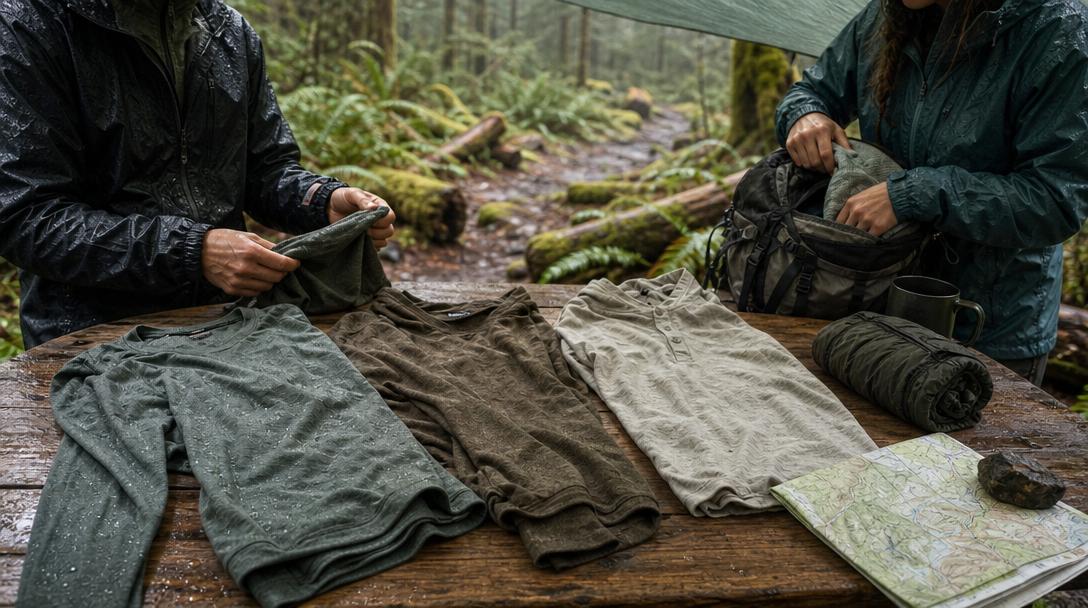
Here’s my mental checklist when packing shirts for a wet PNW trip. These are the mistakes I try hard to avoid:
- Using the wrong cotton layer. Cotton is comfortable, breathable, and great for casual outdoor wear, but I don’t use a heavy cotton tee as my only next-to-skin layer in cold rain. If it absorbs sweat and rain, it can stay wet and feel chilly when the wind picks up. For dry hikes, camp, and easy weekends, though, I’m totally happy in a cotton graphic tee like the Raccoon Moon Shirt. For the full nuance, read Are Cotton Shirts Good for Hiking?.
- Neglecting to layer properly. If I skip a breathable base layer or don’t bring a waterproof shell, I get cold fast, even on short damp hikes. Long sleeves under a jacket almost always feel better than a clammy short sleeve when the rain settles in.
- Underestimating how many “winters” the PNW has. I plan for wet and mild, drier and cold, and very dry and very cold days. A light synthetic long sleeve works for damp and mild. A heavier wool shirt shines in colder, drier stretches.
- Ignoring small build details. Bad zippers, no venting, scratchy seams, or a fabric that wets out instantly can turn a constant sprinkle into a slog. Comfort details matter more after mile six than they do in the fitting room.
- Under-packing shirts and layers. I almost always pack a spare tee and extra mid-layer, even in summer. The weather around places like Seattle can change quickly, and a sudden cold snap or surprise rain shower is normal PNW behavior.
Long-Term Care and Performance
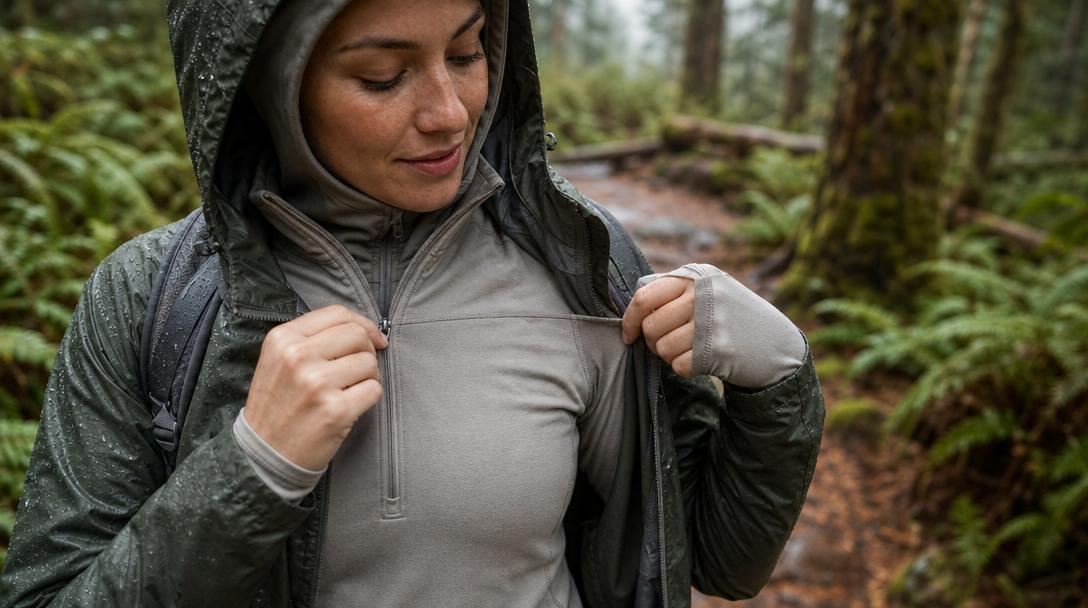
A good hiking shirt shouldn’t just survive one wet weekend. It should keep resisting odor, moving moisture, and fitting well under a hip belt after months of rainy miles.
To maintain that performance, I’m careful with care. I wash hiking shirts in gentle liquid detergent on a cool cycle and skip fabric softener every time. Softeners can clog fibers, reduce breathability, weaken moisture-wicking, and interfere with water-resistant finishes. That’s why a shirt that used to dry quickly can start feeling swampy.
After a muddy, wet hike, I either hang dry inside or tumble dry low. High heat can shrink fabric, warp seams, and speed up the breakdown of waterproof or water-resistant finishes. I handle merino base layers the same way. They’re already odor-resistant, and with gentle washing they can last for years.
My basic care steps look like this:
- Shake off dirt and close all zippers and snaps.
- Wash cold or warm, up to about 30°C, with gentle detergent.
- Avoid bleach, fabric softener, and heavy stain removers.
- Hang dry or tumble dry low — never high heat.
- Reapply DWR spray only when the care label says it is safe and water stops beading.
- Fit check often. Retire sagging, twisting, chafing old shirts.
Synthetic shirts can build up that “synthetic funk” if I over-wash with too much detergent or under-rinse, so I use an extra rinse now and then. I take the same care with socks and underwear since worn-out cushioning or poor fit can lead to blisters.
For cotton and cotton-blend casual tees, I’m gentler than I used to be. Washing inside out and drying low helps graphic shirts last longer, whether I’m wearing something low-key around camp or a favorite like the Camping Peace Shirt.
Conclusion
I understand why PNW rain scares so many people out of the backcountry. I live in that drizzle, fog, and sweat stew too. But a smart shirt and a good layer strategy change the whole game.
I rely on quick-dry synthetics for long, wet days. I reach for light merino on cool, damp forest walks. I save cotton and cotton-blend tees for dry trails, camp, travel, and everyday outdoor life. I keep an eye on fit, seams, and vents. I wash gently, hang dry when I can, and my shirts hold up for years.
The goal is simple: stay warm, move freely, and stop thinking about your gear every five minutes. That feels like a victory.
Got a shirt that performs well on wet trail days? I’d love to hear what you use and how it holds up out there.
Frequently Asked Questions
What type of hiking shirt works best for Pacific Northwest rain?
I depend on a lightweight, long-sleeve synthetic or merino wool shirt for winter hiking. It should dry quickly, wick moisture, and layer comfortably under quality rain gear. I avoid heavy cotton as my only base layer in cold rain because it holds moisture and dries slowly.
How should I layer my hiking shirt in unpredictable PNW weather?
I begin with a wicking base shirt and a light mid-layer if it’s cool, then finish with a breathable rain shell. This layering strategy keeps my skin drier, prevents overheating, and manages sweat during constant weather changes.
Are merino wool shirts better than synthetic for the PNW?
I use both. Merino is soft, odor-resistant, and temperature regulating in damp cold conditions. Synthetics dry faster and are usually less expensive, which makes them great for very wet, high-sweat days or backup layers.
Should my hiking shirt be tight or loose in wet conditions?
I like a trim but not tight fit. The shirt should sit close enough to wick moisture from my skin while still allowing breathability and layering. Too tight, and I overheat. Too loose, and it feels clammy and bulky.
What common mistakes should I avoid when choosing a PNW hiking shirt?
Don’t rely on one shirt for every condition. Avoid heavy cotton as your only cold-rain base layer, skip oversized flannels for wet hiking, and prioritize breathable fabrics, good seams, and a fit that layers well under rain gear.
How do I keep my hiking shirts performing well over time?
I wash with mild detergent, skip fabric softener, and air-dry when possible. I follow the care label because it protects wicking, stretch, odor control, and water-resistant finishes.
Do I need sun protection in cloudy Pacific Northwest weather?
Yes. UV rays still pass through clouds and bounce off snow, rock, and water. I like lightweight long sleeves and UPF fabrics so I stay covered without overheating, even on gray days.


