


Lightweight Hiking Shirts: How Light Is Too Light?
Dominic PalmowskiThe lightest hiking shirt I ever took backpacking was an ultralight synthetic tee in the 100 to 120 GSM range. If you have never thought about fabric in GSM before, that basically means it felt like a slightly heavy paper towel pretending to be clothing.
And for about four hours, it was glorious.
Dry heat. Open trail. Sweat disappearing almost as fast as it showed up. The shirt felt like I was wearing air with sleeves. Then the trail turned brushy, I clipped a branch near my shoulder, and a little tear opened up by the seam like the shirt had been waiting all morning for permission to give up.
It did not ruin the trip. It did not become a safety issue. But it taught me the thing every ounce-counting backpacker eventually learns: lightest possible and best possible are not the same thing.
What Does “Lightweight” Actually Mean in a Hiking Shirt?
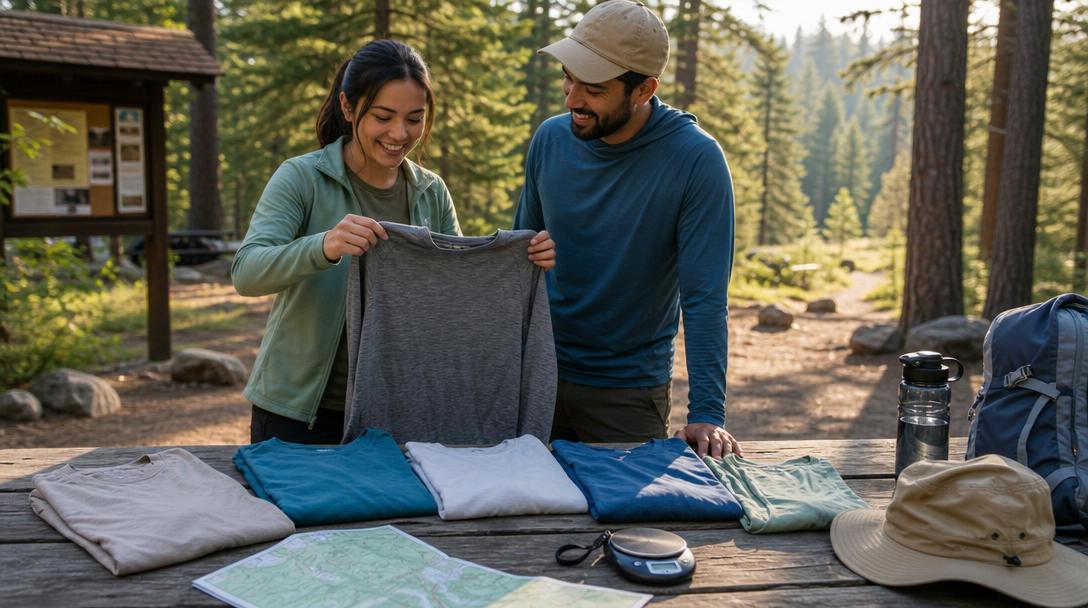
When people talk about lightweight hiking shirts, they usually mean one of three things:
- The actual weight of the shirt in ounces
- The fabric weight, often listed as GSM
- How airy and breathable it feels on trail
GSM stands for grams per square meter. It tells you how heavy the fabric itself is, not the total shirt. A shirt with more fabric, like a hoodie or long-sleeve button-down, can weigh more overall even if the fabric is light.
As a rough trail-use guide:
- Under 120 GSM: ultralight, fast-drying, fragile zone
- 120 to 150 GSM: lightweight sweet spot for many warm-weather trips
- 150 to 180 GSM: more durable, better for mixed conditions
- 180+ GSM: midweight, better for cool weather, shoulder season, or heavy use
That is not a perfect science, because fabric construction matters. A tightly woven nylon shirt can outlast a soft knit fabric at the same GSM. But as a quick starting point, GSM is useful.
My Real Line: Below 120 GSM Gets Risky
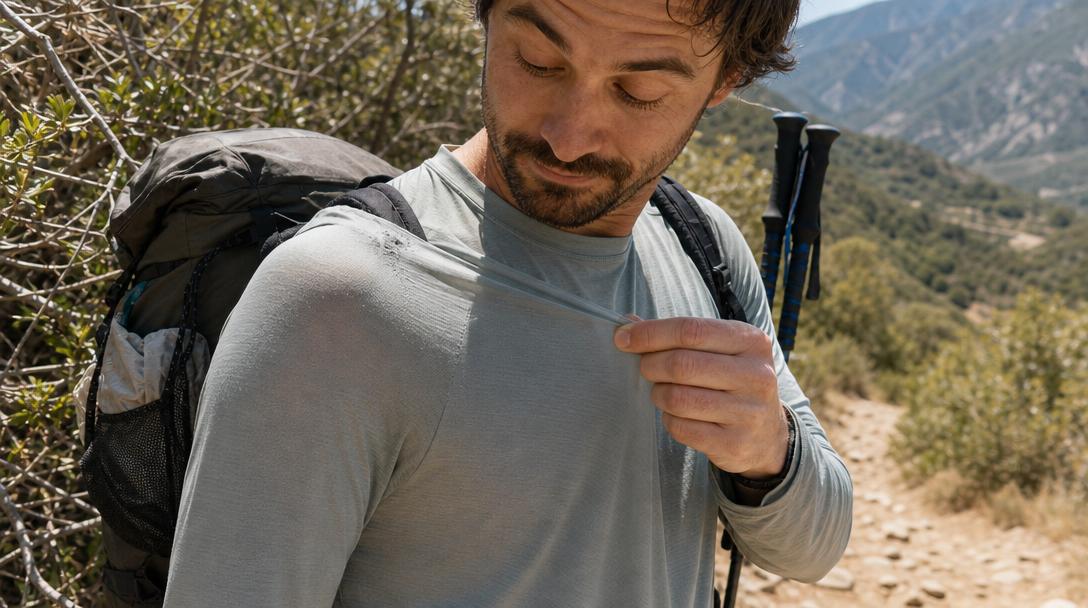
For me, the warning zone starts somewhere below 120 GSM.
That does not mean every shirt under 120 GSM is bad. Some are surprisingly well-built. But that is where I start asking harder questions:
- Does it become see-through when wet?
- Does it cling and rub when soaked with sweat?
- Do the seams feel strong enough for pack straps?
- Will the shoulders survive abrasion?
- Is this shirt for one hot trip, or do I expect it to last a season?
The first sign that a shirt is too light is usually not a dramatic rip. It is more subtle. The fabric gets slightly transparent when damp. The collar starts stretching. The shoulder area looks polished or fuzzy from pack straps. It starts feeling clingy instead of cooling.
That is when I stop thinking “wow, this is light” and start thinking “I hope this thing makes it to camp.”
Not exactly the mental state I am going for on a backpacking trip.
When Shirt Weight Actually Matters
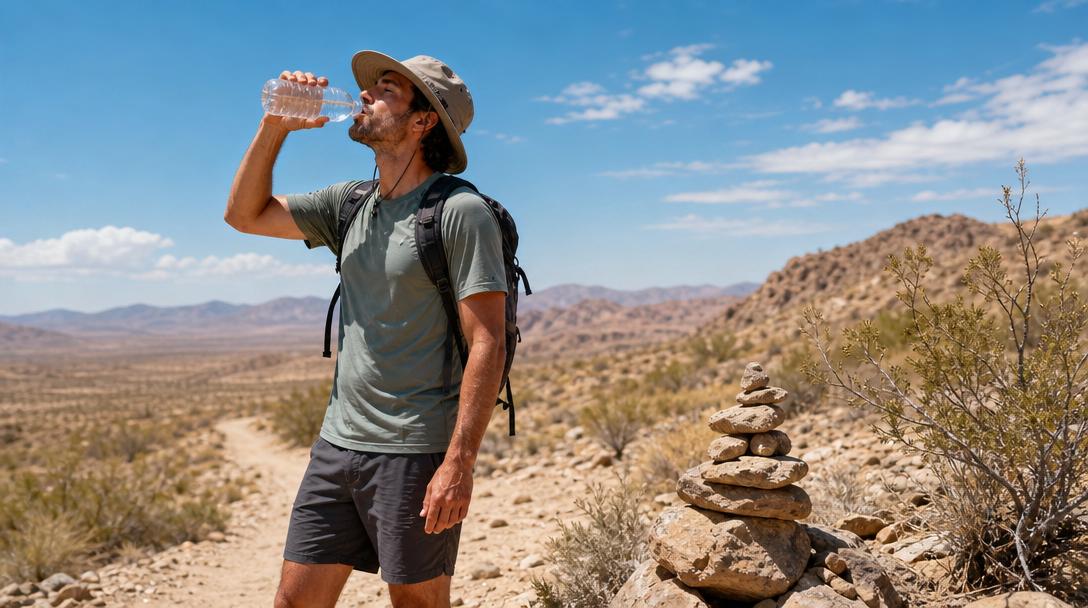
I used to think shirt weight was something only spreadsheet backpackers worried about. Then I had a long desert day hike turn into an unplanned overnight.
The heat was pushing hard. The humidity was low. The sun had that relentless, overhead, no-mercy feeling. By mile eight, every ounce in my pack felt like a personal insult.
That was the trip where I finally understood why people obsess over lightweight hiking clothing. My shirt dried almost instantly every time I stopped sweating. I was not carrying wet fabric weight against my skin for hours. I was not hiking in a soggy layer that slapped against me with every step.
In hot, exposed conditions, that matters.
A shirt that dries quickly can make you feel cooler, lighter, and less irritated. It can reduce chafing. It can make breaks more comfortable because you are not sitting there in a wet rag waiting for evaporation to do its thing.
But there is a catch: desert hiking is also where sun protection matters most. The lightest short-sleeve shirt might feel amazing, but if it leaves your neck, arms, and shoulders cooking all day, you may be saving ounces and spending skin.
The Big Tradeoff: Drying Speed vs Durability
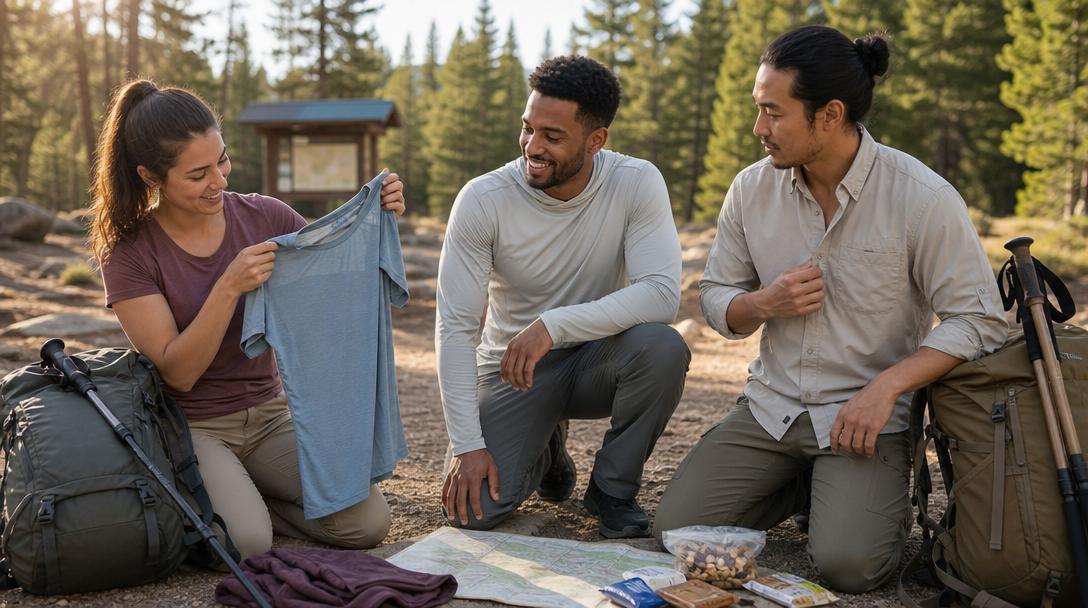
Ultralight Synthetic Shirts
Ultralight synthetics dry the fastest and weigh almost nothing. In hot, humid, or sweaty conditions, that is their superpower.
The downside? They can smell absolutely criminal after a day. Some snag easily. Thin synthetic knits can also feel scratchy or clingy when fully soaked, especially under a loaded pack.
I like ultralight synthetics for hot trips with clear trails and minimal abrasion. I do not love them for bushwhacking, scrambling, or routes where I know I will be scraping against rock and vegetation.
Lightweight Merino and Merino Blends
I had a lightweight merino blend around the Icebreaker 150 weight range that I loved. It was soft, comfortable, and handled odor beautifully. I trusted it completely.
Then around the fifth or sixth backpacking trip, I noticed the fabric thinning and pilling right where my pack straps sat. It did not explode. It did not fail spectacularly. It just started looking like it had been gently sandpapered for miles, because that is basically what pack straps do to thin fabric.
Merino is fantastic for odor control and temperature range. But lightweight merino is not magic armor. Below roughly 150 GSM, especially in knit construction, abrasion resistance becomes the weak point.
Sun Hoodies
Sun hoodies are underrated, especially for desert trips. They cover your neck, ears, arms, and shoulders without needing to constantly reapply sunscreen.
The tradeoff is heat. In dry heat with airflow, a light sun hoodie can be excellent. In still, humid air, it can feel like you are being gently steamed inside a fabric burrito.
For desert backpacking, I usually care more about coverage than shaving the last ounce. Keeping sun off your skin can be more important than wearing the absolute lightest shirt possible.
Woven Button-Downs
A light woven button-down is one of my favorite sneaky-good backpacking shirt options. They breathe well when moving, vent easily, and usually handle abrasion better than thin knits.
They are not always as athletic-feeling under a pack. They can weigh a bit more. But for brushy trails, hot sun, and long days, that extra structure can be worth it.
When I Regretted Going Too Light
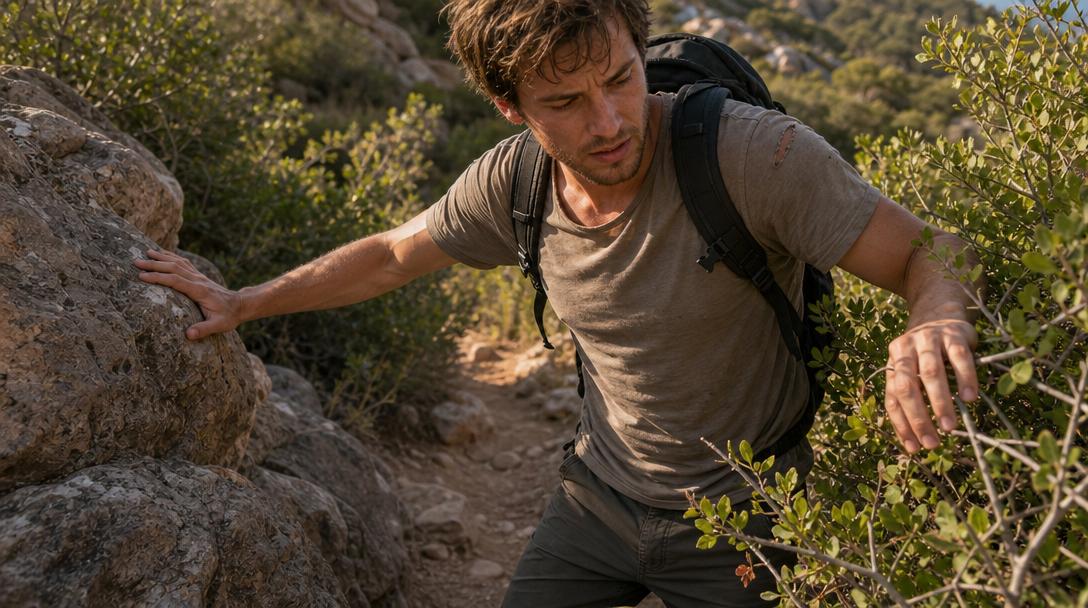
My clearest regret was picking a very thin synthetic shirt for a trip that turned out to involve more brush and scrambling than expected.
Every time I pushed through vegetation or pulled myself over a rocky section, I felt like I was testing the shirt’s will to live. It made it through, but barely. By the end, it had a small collection of snags, stress points, and sad little fabric wounds.
That trip changed how I think about durability.
If there is real abrasion risk, a slightly heavier shirt is not extra weight. It is insurance.
That does not mean you need a burlap sack with sleeves. It just means the lightest possible knit tee may not be the right tool for trail conditions that involve rock, brush, deadfall, or constant pack friction.
When I Wished I Had Gone Lighter
The opposite has happened too.
I once packed a heavier, more robust hiking shirt for what turned out to be mostly shaded forest trail in moderate heat with very little brush and almost no technical terrain.
By early afternoon, the shirt’s durability was completely irrelevant. It was overbuilt for the day. I could feel every extra ounce, and not in a dramatic survival-story way — more in a “why did I bring the trail equivalent of a work shirt to a casual stroll?” way.
The lesson was simple: match the shirt to the actual conditions, not the most dramatic version of what might happen.
Backpackers are very good at preparing for imaginary chaos. Sometimes the trail is just warm, mellow, and shaded. On those days, lighter is better.
My Pre-Trip Shirt Test
1. I Soak It Completely
I wet the shirt fully and wear it around the house or on a short errand. This tells me how it feels when soaked, how clingy it gets, and how fast it returns to comfortable.
A shirt that feels great dry can be miserable wet. Trail sweat does not care about your fitting-room optimism.
2. I Wear It Under a Loaded Pack
I load my pack and walk for at least an hour. I want to know where the straps hit, whether the fabric bunches, and whether seams rub.
This is especially important with ultralight shirts because shoulder straps are where fabric goes to be judged.
3. I Give It One Full Sweaty Day
Odor matters. A lot.
Nothing ruins a multi-day trip like discovering on day two that your shirt smells like a crime scene. Synthetic shirts vary wildly here. Some are fine. Some become socially unacceptable before lunch.
4. I Check Transparency
If the shirt is light-colored, I check whether it becomes see-through when damp. This matters for dignity, yes, but also for sun protection.
A shirt that turns transparent when wet may not be giving you the coverage you think it is.
Best Shirt Weight by Backpacking Condition
Desert Heat
For desert heat, I reach for a sun hoodie or light woven button-down with good UPF coverage. Keeping the sun off your skin matters more than wearing the absolute lightest possible shirt.
Look for airflow, coverage, and a fabric that does not cling horribly when wet.
Humid Forests
For humid forests, I want the fastest-drying fabric I can stand to wear. Breathability is great, but if the shirt never dries, you are just hiking in a damp sponge.
Lightweight synthetic or a light merino blend usually works best here, depending on how much odor control you need.
Alpine Routes
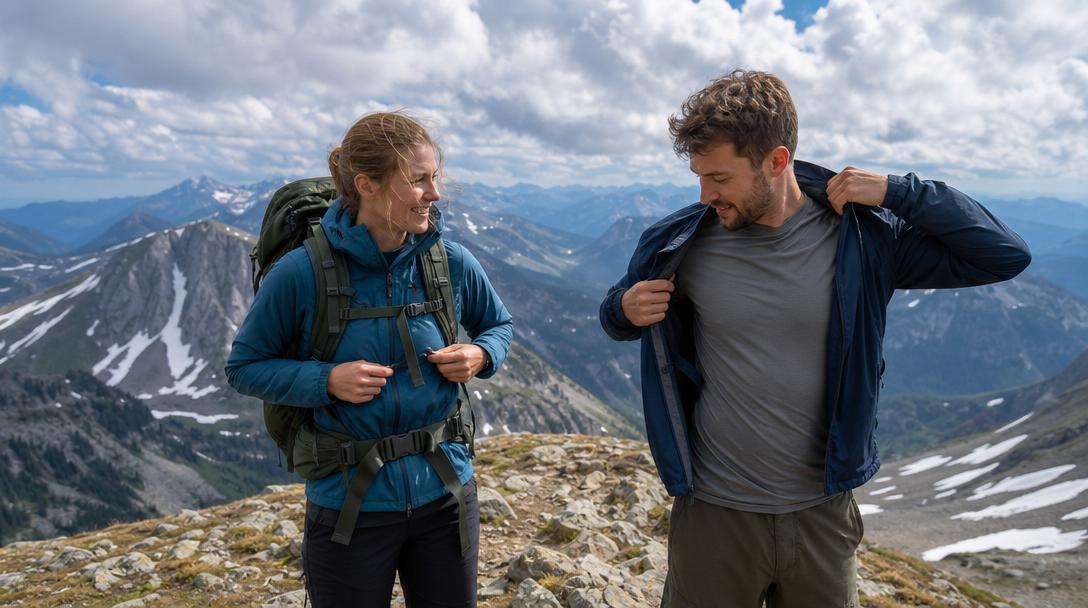
For alpine routes, I go slightly heavier. Wind, exposure, temperature swings, and sudden weather all matter more when you are above treeline.
A paper-thin shirt can be great while climbing in the sun and miserable when clouds roll in and the wind picks up.
Shoulder-Season Trips
For spring and fall backpacking, I like a midweight merino or synthetic blend. You want something that can handle cold mornings, warm climbs, and damp afternoons without becoming useless.
This is also where layering matters more than chasing the lightest single shirt. If you are dialing in a cooler-weather system, this guide to what to wear hiking in cold weather is worth reading.
Thru-Hikes and Long Mileage
For thru-hikes, durability and odor management are the whole game. A shirt that feels amazing for one weekend but falls apart after two weeks is not really ultralight. It is disposable.
I would rather carry a slightly heavier shirt that survives pack straps, town laundry, sun, sweat, and repeated abuse.
Where Casual Cotton Tees Fit In
Cotton gets a bad reputation in hiking circles, and honestly, it is earned in wet, cold, or high-output backpacking conditions. Cotton holds moisture, dries slowly, and can make you cold fast when temperatures drop.
If you are wondering where the line is, I have gone deeper on that in Are Cotton Shirts Good for Hiking? and Why Is Cotton Bad for Hiking?. For a broader breakdown, check out Best Shirts for Hiking: How to Pick the Right One for Your Kind of Adventure.
That said, I still love cotton and cotton-blend graphic tees for camp, road trips, campground mornings, mellow walks, and post-hike food runs where technical performance is not the whole point. A shirt like the One More Mile Shirt feels right at home after the hard miles are done, and the Hike More, Worry Less Bigfoot Shirt is exactly the kind of tee I would throw on for a relaxed camping evening.
Just do not confuse cozy camp clothing with your main technical backpacking layer when conditions are wet, cold, or demanding.
So, How Light Is Too Light?
A hiking shirt is too light when it stops doing the boring jobs well.
Those jobs are:
- Protecting your skin from sun and abrasion
- Staying comfortable when soaked
- Holding up under pack straps
- Drying fast enough for the conditions
- Not becoming transparent at the worst possible time
- Surviving more than a couple of trips
For me, the practical floor is about 120 GSM. Below that, I need a really good reason. Maybe it is a hot, dry trip on clean trail. Maybe the shirt has proven construction. Maybe I am okay with a shorter lifespan.
But for most backpacking, the sweet spot is usually 120 to 180 GSM depending on fabric type, trip length, and conditions.
The lightest shirt is not automatically the best shirt. The best shirt is the one you stop thinking about two miles in because it is quietly doing its job.
FAQ: Lightweight Hiking Shirts for Backpacking
Is a 100 GSM hiking shirt too light for backpacking?
Usually, yes for general backpacking. A 100 GSM shirt can work in hot, dry conditions on clear trails, but it is more likely to snag, become transparent when wet, or wear thin under pack straps. I would treat it as a specialized hot-weather piece, not an all-around backpacking shirt.
What GSM is best for a backpacking shirt?
For most trips, I like 120 to 180 GSM. Around 120 to 150 GSM is great for hot weather and fast drying. Around 150 to 180 GSM gives you more durability, better shoulder-strap resistance, and more comfort in changing conditions.
Are merino shirts good for backpacking?
Yes, especially if odor control matters. Merino feels comfortable across a wide temperature range and smells better after multiple days than most synthetics. The downside is durability. Lightweight merino can thin and pill under pack straps faster than you expect.
Are synthetic shirts better than merino for hot weather?
Often, yes. Lightweight synthetic shirts usually dry faster than merino, which can make them more comfortable in humid or sweaty conditions. But synthetics tend to hold odor more, so there is a tradeoff.
Should I wear a sun hoodie or a lightweight tee for desert hiking?
For desert backpacking, I usually choose a sun hoodie or light woven long-sleeve shirt. A lightweight tee may feel cooler at first, but full coverage and UPF protection matter more when the sun is relentless.
How many hiking shirts should I bring backpacking?
For a weekend trip, one hiking shirt plus a sleep layer is usually enough. For longer trips, I still prefer one main hiking shirt and one backup or camp layer, depending on weather, resupply, and how bad the odor situation gets.
My Final Rule of Thumb
Go as light as possible until the shirt becomes transparent, fragile under pack straps, or genuinely uncomfortable when soaked.
In practical terms, that usually means staying at or above about 120 GSM unless you know the shirt is well-built and you are at peace with a shorter lifespan.
A great lightweight hiking shirt should disappear from your mind. No rubbing. No clinging misery. No shoulder seams threatening rebellion. No swampy stink cloud following you into camp.
Just a shirt doing its job while you do yours: walking, sweating, snacking, questioning your life choices on climbs, and eventually reaching a view that makes the whole thing worth it.


