


Waterproof Hiking Shirts: What Works in Rain
Dominic PalmowskiThe short answer: a shirt alone is almost never truly waterproof
If you came here hoping for one magical waterproof hiking shirt that feels like a soft tee, breathes like a mesh tank, blocks hours of cold rain, and packs down smaller than a granola bar... I get it. I chased that unicorn too.
After hiking through Pacific Northwest drizzle, Appalachian thunderstorms, Canadian Rockies alpine rain, and more than one family camping weekend where the weather app lied with confidence, here is the honest answer:
A hiking shirt can be water-resistant. It can dry fast. It can stay warm when wet. It can be comfortable under a shell. But if you want real waterproof protection in sustained rain, you need a waterproof-breathable rain shell over the right base layer.
That does not mean your shirt choice does not matter. It matters a lot. The wrong shirt under rain gear can make you feel swampy, cold, sticky, or like you are wearing a damp grocery bag. The right shirt will not stop the rain by itself, but it can make wet hiking dramatically more comfortable.
Let’s break down what actually works.
What people really mean by waterproof hiking shirt
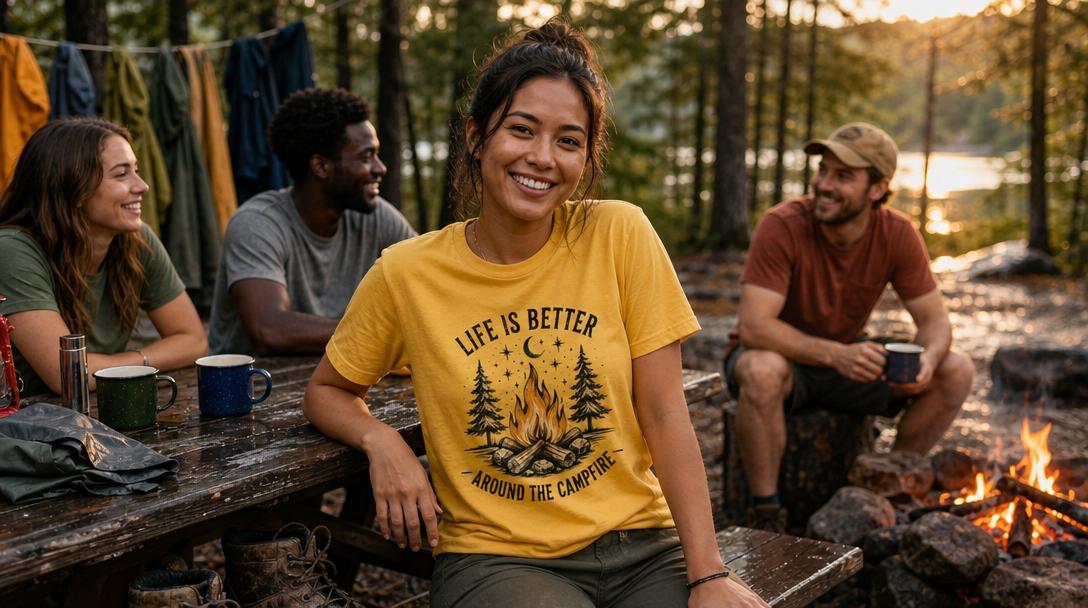
When hikers ask me about waterproof hiking shirt options, they usually want one garment that does four things at once:
- Keeps rain out
- Lets sweat escape
- Feels good directly against skin
- Works for both climbing uphill and standing around camp
That is a big ask.
True waterproofing usually requires a membrane or coating. Think Gore-Tex-style shells, proprietary waterproof-breathable laminates, or coated rain jackets. These block outside rain, but they also slow the escape of your body heat and sweat. So even when the rain is not getting in, moisture can build from the inside.
That is the trail reality nobody wants to hear: sometimes you are not wet from rain. You are wet from yourself.
Marketing does not help. Brands toss around terms like water-resistant, weatherproof, DWR-treated, and waterproof as if they are interchangeable. They are not.
Waterproof vs. water-resistant vs. DWR
Here is the practical trail version:
Waterproof means the fabric is designed to block rain under pressure for a meaningful amount of time. This usually means a membrane or coating.
Water-resistant means the fabric can handle drizzle, mist, or a short shower, but sustained rain will eventually soak through.
DWR-treated means the outer surface has a durable water repellent finish that helps water bead and roll off. DWR is helpful, but it wears down, gets dirty, and eventually stops working unless maintained.
A lightweight hiking shirt with DWR may feel impressive for 15 minutes in drizzle. But one hour into steady rain, the truth comes out.
My rain-tested breakdown by shirt and layer type
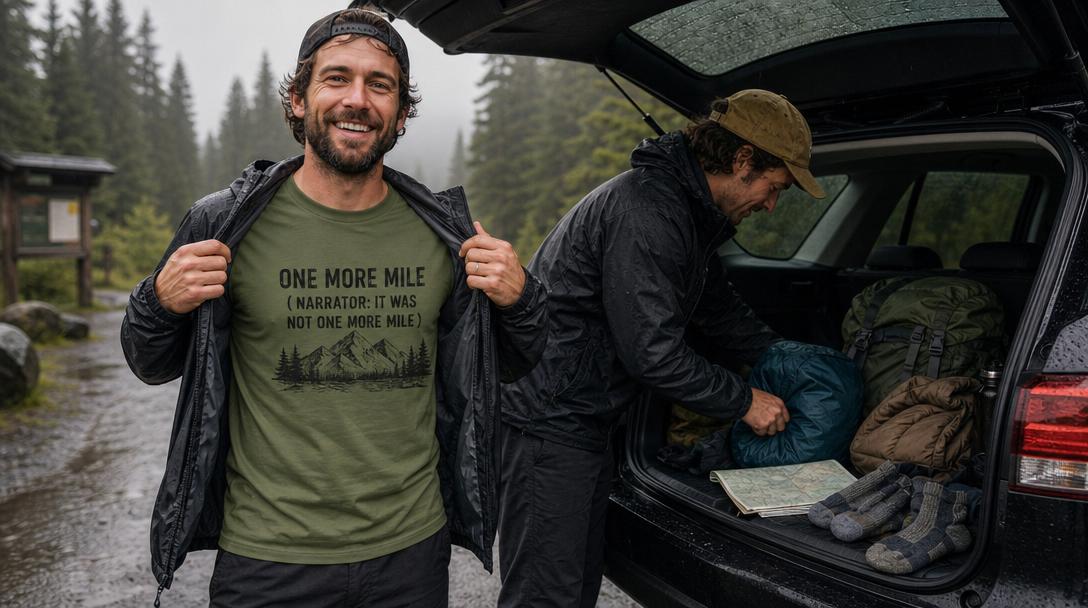
I have tested these in real conditions: humid mid-Atlantic summer storms, cold alpine drizzle, wet shoulder-season hikes, and those classic family camping afternoons where everyone ends up under a tarp watching their gear lose its will to live.
Here is how each option performs at the 15-minute, 1-hour, and several-hour mark.
Synthetic sun hoodie or lightweight nylon hiking shirt
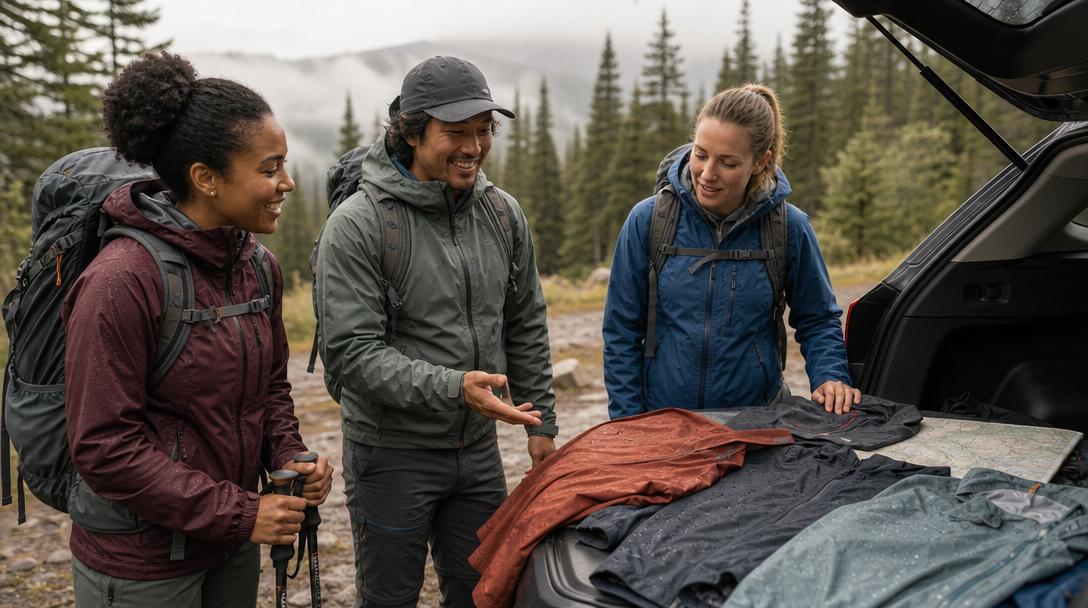
A lightweight synthetic sun hoodie is one of my favorite hiking pieces overall, especially for warm weather. If it has a fresh DWR finish, it can shed light rain surprisingly well at first.
After 15 minutes
In drizzle or light rain, a synthetic UPF hoodie or nylon shirt can feel surprisingly capable. Water beads on the surface, the fabric stays light, and you might think, hey, maybe this is enough.
Sometimes it is enough. For a short shower on a summer hike, I might not even stop to pull out my shell.
After 1 hour
This is where reality shows up with wet socks.
The DWR starts to fade. The fabric saturates. You are wet. The upside is that lightweight synthetic fabric usually does not become heavy, and it often feels less awful against skin than cotton.
After several hours
If temperatures drop, synthetic fabric can feel cold and clammy. It dries reasonably fast once the rain stops, but while rain is still falling, it is not keeping you warm or dry by itself.
Best use: warm-weather hikes, sun protection, quick-moving summer showers, and as a base layer under a rain shell.
If you hike hot and want a better warm-weather shirt system, I have a deeper breakdown here: Best Hiking Shirts for Hot Weather.
Merino wool shirt
Merino wool is not waterproof. Let’s say that clearly.
But merino has earned my respect the hard way because it stays tolerable when wet better than almost anything else I have worn.
After 15 minutes
Merino absorbs moisture more slowly than cotton and does not get instantly clammy. In cool mist or light rain, it still feels warm and comfortable.
After 1 hour
Now it is wet. It is heavier. You are not fooling anybody. But here is the thing: merino still feels livable.
It does not give me that cold plastic-wrap feeling some synthetics do when soaked. In cold rain, that matters.
After several hours
Merino gets heavy and dries slowly. That is the tradeoff. But on cold, wet hikes, I would rather have damp merino under a shell than a clammy cotton tee or a saturated button-up.
Best use: cool or cold rain, shoulder-season hiking, base layer under a shell, and trips where odor control matters.
If you are building a wet-weather layering system, this connects directly to the classic three-layer approach: base layer, insulation, shell. I break that down here: What to Wear Hiking in Cold Weather.
Button-up nylon hiking shirt
I like button-up hiking shirts in dry conditions. They ventilate well, look decent, and make me feel like I have my life together even when my trail snacks are just crushed crackers in a side pocket.
In serious rain, though? Not my favorite.
After 15 minutes
A DWR-treated nylon button-up can handle light rain. The fabric sheds a little water and the collar can offer some neck coverage.
After 1 hour
Wet through. The button placket becomes a water channel straight down your chest. It is basically a tiny gutter system you paid for.
After several hours
Miserable. Buttons, seams, collars, and chest pockets all become places where water collects or sneaks through.
Best use: dry hikes, hot sunny trails, travel, desert hiking, bug protection, and light drizzle only.
Softshell jacket or softshell shirt-jacket
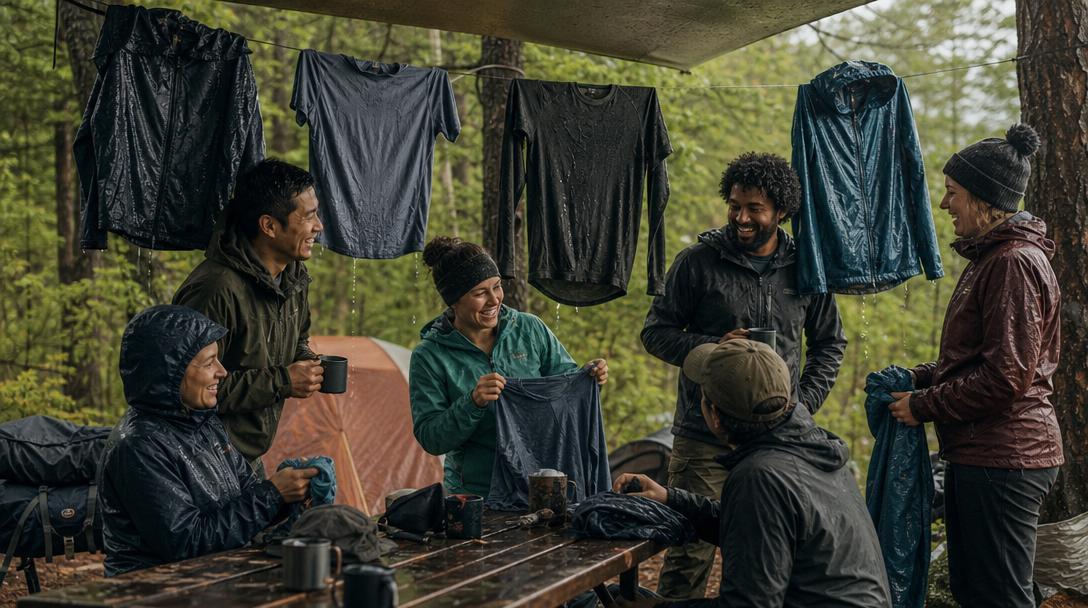
Softshells are misunderstood. They are not rain jackets. But they are excellent in the right conditions.
After 15 minutes
Softshells shine in wind, mist, and light rain. They breathe better than most hard shells, move comfortably, and feel less crinkly.
After 1 hour
It depends on intensity. In light to moderate rain, a good softshell can hang in there. In heavy sustained rain, it will eventually wet out.
After several hours
In a real storm, softshells lose. Once the outer fabric wets out, you feel it. You may still be warmer than without it, but you are not dry.
Best use: shoulder-season hiking, windy ridgelines, cool damp weather, mixed forecasts, and high-output hiking where breathability matters more than full waterproofing.
Waterproof-breathable hard shell over a base layer
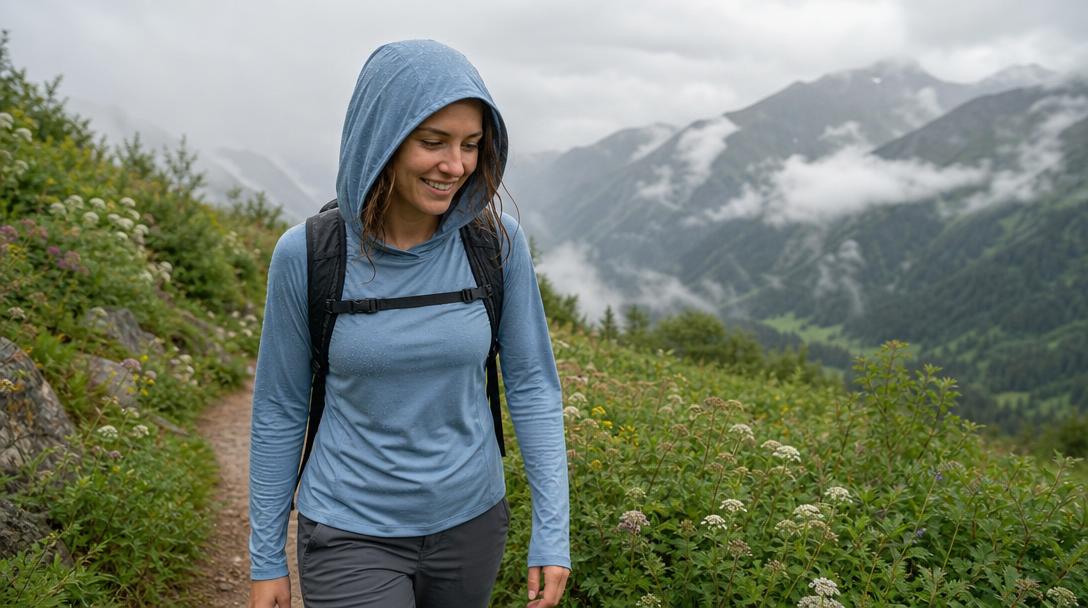
This is the actual answer for sustained rain.
A waterproof-breathable shell over a good base layer is not perfect, but it is the best system I have found for staying functional in long rain.
After 15 minutes
You are dry from outside rain. The shell does its job. This is the moment when people love their rain jacket most.
After 1 hour
The outside is still blocking rain, but the inside may feel humid, especially if you are climbing uphill or carrying a pack. Pit zips help. Slowing your pace helps. Accepting that hiking is sometimes just a damp sport also helps.
After several hours
The shell has done its job if outside rain has not soaked through. But condensation and sweat can still build inside. This is why your base layer matters so much. A good synthetic or merino shirt under a shell manages moisture better than cotton and keeps you from feeling instantly chilled.
Best use: sustained rain, cold rain, alpine conditions, backpacking, and any trip where getting soaked could become unsafe.
So what is the best waterproof hiking shirt option?
The best waterproof hiking shirt is usually not a waterproof shirt at all. It is a system.
For warm rain
Wear a lightweight synthetic sun hoodie or quick-dry tee and accept that you may get wet. If the rain is warm and you are moving, staying dry may matter less than staying comfortable and avoiding overheating.
Carry a light rain shell if storms could linger or temperatures could drop.
For cold rain
Wear merino or a quality synthetic base layer under a waterproof-breathable shell. Add insulation only when you stop or when your output drops.
Cold rain is more serious than warm rain because wet plus wind can chill you fast.
For all-day rain
Use a proper rain shell. Bring a dry sleep layer if backpacking. Manage your effort level so you do not sweat out your layers from the inside.
No shirt is going to save you from six hours of cold rain without shell protection.
What about cotton tees in the rain?
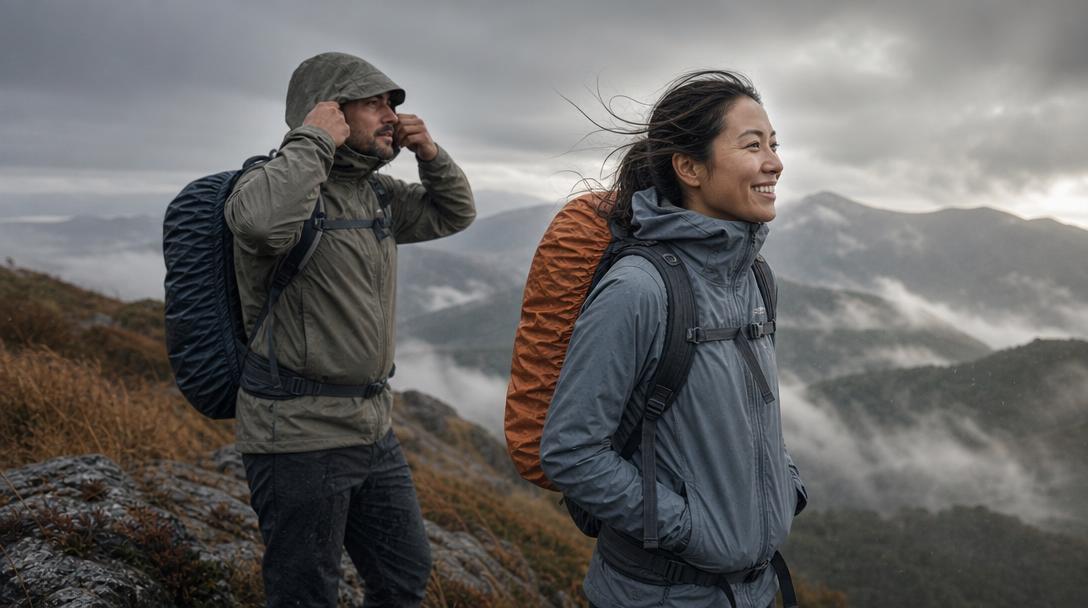
Cotton is comfortable at home, great around camp in dry weather, and absolutely not what I want as my primary hiking shirt in cold rain.
Cotton absorbs water, holds it, gets heavy, and dries slowly. In warm summer rain on a casual campground loop, it might just be annoying. In cold wet conditions, it can become a real safety issue.
I have a full breakdown here if you want the deeper science and trail experience: Why Is Cotton Bad for Hiking?. There is also a more balanced take here: Are Cotton Shirts Good for Hiking?.
That said, I still love a good cotton tee for camp, road trips, cabin mornings, and post-hike burgers. That is where fun outdoor shirts belong. I would happily wear something like the One More Mile Shirt after changing out of wet gear, or the Hike More, Worry Less Bigfoot Shirt around camp when the rain finally quits being dramatic.
Just do not confuse a cozy camp tee with technical rain gear. Your future cold, soggy self will thank you.
My simple rainy-hike clothing setup
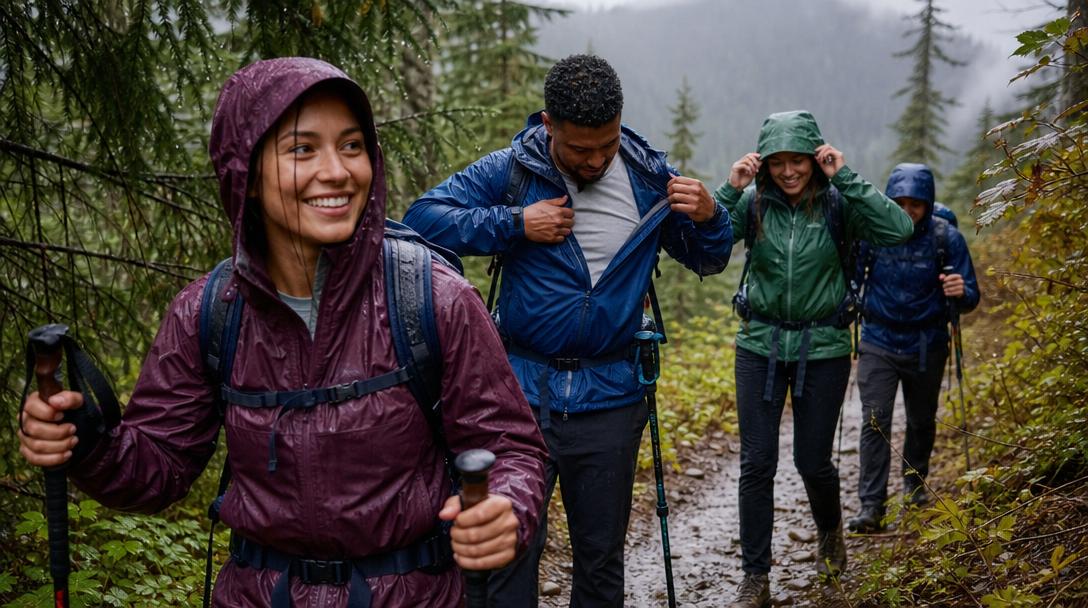
For most wet hikes, I think in layers instead of single miracle garments.
Warm rainy day hike
- Lightweight synthetic shirt or sun hoodie
- Running shorts or quick-dry hiking pants
- Light rain shell in the pack
- Dry shirt in the car
If it rains lightly, I may keep moving without the shell. If the rain gets heavy or wind picks up, the shell comes out.
Cool shoulder-season hike
- Merino or synthetic long-sleeve base layer
- Softshell if weather is mixed
- Waterproof shell if rain is likely
- Thin gloves and warm hat in the pack
This is where softshells are great if the forecast is uncertain but not apocalyptic.
Cold alpine or backcountry rain
- Merino base layer
- Waterproof-breathable shell
- Packable insulation for stops
- Dry sleep clothes sealed in a waterproof bag
- Extra socks
Above treeline, wet means something different. Rain is colder, wind is stronger, and there are fewer places to hide. I learned that in the Canadian Rockies when the drizzle seemed less like weather and more like a personality trait.
For broader packing help, this guide is useful: The Ultimate Hiking Packing List.
What actually keeps you dry?
Here is the truth table from my experience:
Works for drizzle
- DWR-treated synthetic shirts
- Nylon sun hoodies
- Button-up hiking shirts
- Softshells
Works for one-hour light to moderate rain
- Softshells, depending on rain intensity
- Synthetic or merino base layer under a shell
- Waterproof-breathable rain jacket
Works for several hours of real rain
- Waterproof-breathable shell over the right base layer
- Poncho or rain jacket system, depending on terrain
- Good ventilation and pace management
- Dry backup layers protected in your pack
Does not work for sustained rain
- Cotton tees as active hiking layers
- Button-up shirts without a shell
- DWR-only shirts marketed like magic armor
- Any breathable shirt claiming to be fully waterproof without tradeoffs
The comfort problem: rain outside vs. sweat inside
The trickiest part of rain hiking is that the solution can create a new problem.
Put on a shell and you block rain. Hike uphill hard and you create sweat. Now the inside of your shell feels damp and humid. This is why people sometimes say their rain jacket leaked when it may actually be condensation.
A few things help:
- Open pit zips before you overheat
- Loosen cuffs and front zipper when conditions allow
- Slow your pace on long climbs
- Wear a thin base layer instead of overdressing
- Keep insulation packed until you stop
- Reapply DWR to shells when water stops beading
The goal is not always to stay bone dry. On long wet hikes, the more realistic goal is to stay warm, functional, and not dangerously soaked.
FAQ: Waterproof hiking shirts and rain gear
Is there such a thing as a truly waterproof hiking shirt?
Yes, but it will behave more like a rain shell than a normal shirt. Truly waterproof fabric needs a membrane or coating, which reduces breathability and comfort against skin. For hiking, a base layer plus rain shell usually works better than trying to make one shirt do everything.
Are water-resistant hiking shirts good enough for rain?
They are good enough for drizzle, mist, and short showers. They are not enough for sustained rain. A DWR-treated synthetic shirt may bead water for 15 minutes, but after an hour of steady rain, expect it to wet through.
Is merino wool better than synthetic in rain?
It depends on the temperature. Merino is not waterproof and dries slower than synthetic, but it feels warmer and less clammy when wet. In cold rain, I often prefer merino under a shell. In warm rain, lightweight synthetic usually dries faster and feels cooler.
Should I hike in a rain jacket all day?
Only if conditions require it. In warm rain, wearing a shell all day can make you sweat so much that you end up wet from the inside. Use ventilation, adjust pace, and remove the shell during breaks in the rain when safe.
Why does my waterproof jacket feel wet inside?
It may be leaking, but it may also be condensation. Waterproof-breathable shells slow moisture transfer, especially during hard uphill hiking. If sweat vapor cannot escape fast enough, it condenses inside the jacket.
What should I avoid wearing in cold rain?
Avoid cotton as your active hiking layer. It absorbs water, holds moisture, dries slowly, and can chill you quickly. Also avoid relying on button-up hiking shirts or DWR-treated shirts alone in sustained cold rain.
My final take from wet trails
If I could only give one piece of advice, it would be this: stop shopping for a miracle waterproof hiking shirt and start building a rain system.
For warm, short rain, a quick-dry synthetic shirt may be enough. For cold rain, merino under a shell is hard to beat. For all-day storms, a waterproof-breathable shell is still the tool that actually works.
Rain hiking is never perfectly dry. The win is staying comfortable enough to keep moving, warm enough to stay safe, and humble enough to admit the weather app is sometimes just making inspirational guesses.


