


Nature Themed Gifts: A Trail-Tested Guide for 2026
The smartest way to shop for nature themed gifts is to stop thinking about pine trees, mountain silhouettes, and cute little bears for a minute.
The outdoor recreation economy in the United States reached a record $862 billion in gross output in 2021, supported 4.5 million jobs, represented 1.9% of U.S. GDP, and participation reached 164 million people, about 54% of the population, according to Conservation International's overview of nature-linked gifting and outdoor participation. That changes the frame. Nature isn't a niche aesthetic. For a huge chunk of people, it's part of how they spend weekends, vacations, money, and attention.
That's why some gifts get worn into soft, beloved favorites, and others end up living a sad little life in a drawer next to dead headlamps and mystery charging cables.
The trick is simple. Buy for the way someone interacts with nature, not just the fact that they “like the outdoors.” A casual trail walker, a national park road tripper, a hard-core mileage chaser, and an indoor plant person might all love the same forest view. They still won't want the same gift.
Table of Contents
- Why Nature-Themed Gifts Hit Different
- Who You Are Shopping For Changes Everything
- Gift Categories That Actually Work
- Budget Tiers for Every Outdoor Enthusiast
- Sustainability and Giving Back Matter More Than Ever
- Sizing, Materials, and Care Tips That Last
- Personalization, Wrapping, and Shipping Logistics
Why Nature-Themed Gifts Hit Different
Outdoor identity is bigger than decor
More than half of Americans spend time in outdoor recreation in some form, as noted earlier. That single fact explains why nature themed gifts work so well when they are chosen with some precision. You are rarely buying for a vague aesthetic. You are buying for habits, memories, and the version of nature someone makes time for.
That distinction matters.
A person who stops at scenic overlooks on a park road trip does not use the same stuff, or wear the same stuff, as the friend who heads out before sunrise to chase ten trail miles. The backyard bird nerd, the weekend day-hiker, the national park stamp collector, and the indoor plant person might all love the same forest photo. They still respond to different gifts.
Good nature gifting starts there. Not with a generic pine tree print, but with a simple question: where does nature show up in this person's life?
The gifts that stick usually do a job
After years of watching what people keep using, the pattern is pretty consistent. The winners are not always expensive, and they are almost never the fussiest item in the box. They tend to do one job clearly and do it well.
- Mark a place: A tee or sweatshirt tied to Yellowstone, Acadia, Glacier, or another trip they still talk about.
- Fit real use: Something comfortable enough for errands, travel days, camp mornings, or easy trail miles.
- Show a little personality: Bird graphics, park references, trail jokes, and wildlife art work when they match the person wearing them.
- Avoid maintenance drama: Easy-care fabrics beat precious items that need special washing or careful storage.
That last one gets overlooked a lot. Pretty gifts are easy to buy. Useful gifts get worn.
A soft park shirt can become the default layer for road trips and lazy Sundays. A novelty lantern shaped like a bear usually gets one laugh, then disappears into a closet. There is the trade-off in plain English.
Memory plus function beats shelf appeal
The strongest nature-themed gifts carry two things at once. They remind someone of a place or feeling, and they fit into regular life without effort.
That can be simple. A Grand Canyon design for the aunt who still talks about sunrise at the rim. A funny hiking shirt for the friend who treats every mild incline like summit day. A wildlife sweatshirt for someone who plans half their weekends around spotting elk, loons, or owls. Those choices feel personal because they reflect use, not just taste.
This is also why broad gift guides miss the mark. They throw every outdoor person into one bucket and call it done. Real people are pickier than that, and they should be. The day-hiker, the serious trail person, the park visitor, and the indoor nature lover do not need the same gift category.
Useful wins more often than impressive
A lot of nature gifts are bought for the moment of giving. The better ones are bought for the month after that.
Choose the item they will reach for on a cool morning, stuff into a duffel for a weekend trip, or wear without needing a special occasion. That is usually what gets remembered. Nature themed gifts hit different because they can carry place, humor, identity, and daily use all at once, if the gift matches the person instead of the mood board.
Who You Are Shopping For Changes Everything
Holiday gifting research from the National Recreation and Park Association found that three in four Americans planned to purchase gifts that encourage physical activity, with a median spend between $100 and $250. The same research found that nine in ten of those buyers had children in the house, nearly 60% of parents expected to spend $100 or more, and millennials and Gen Xers were more likely than baby boomers to buy these gifts at 84% and 80% versus 66%, as summarized in this NRPA-based gifting writeup. The useful takeaway isn't just that active gifts sell. It's that shoppers already think in terms of lifestyle, family use, and practical value.
Four nature people who should not get the same gift
Here's where generic lists fall apart. “Nature lover” is too broad to be useful.
The casual day-hiker
This person likes fresh air, easy-to-moderate trails, scenic overlooks, and coffee afterward. They usually want comfort, humor, and versatility more than technical features.
Good fit:
- Soft graphic tees with mountains, waterfalls, or funny hiking lines
- Light sweatshirts for cool mornings
- Simple wildlife designs that don't scream expedition mode
Not a great fit:
- Ultra-specific gear they didn't ask for
- Heavy-duty items built for trips they don't take
The national park visitor
They collect memories by place. Their camera roll is half bison, half scenic pullouts, and one accidental thumb.
Good fit:
- Park-specific designs tied to places they've visited or dream about
- Souvenir-style apparel they can wear outside the trip
- Matching group shirts for a park family vacation
The serious trail enthusiast
This is the person who checks weather, trail conditions, and elevation before breakfast. They still appreciate fun gifts, but they won't use dead-weight fluff.
Good fit:
- Performance-minded apparel choices
- Sun-aware fabrics
- Layering pieces that make sense on actual outings
For more practical gifting ideas in that lane, the roundup on smart camping gift ideas for every trail buddy is a useful companion.
Don't forget the indoor nature-lover
Not everybody wants to summit anything. Some people just want birds, leaves, desert colors, mushrooms, and a little outdoorsy energy without committing to blisters.
That buyer should lean toward:
- Wildlife art shirts
- Cozy sweatshirts
- Gifts tied to a favorite animal or style
The recipient's relationship to nature matters more than their claimed love of nature.
A person can adore the outdoors and still want something they'll wear to the grocery store, not just on a trail. That's not “less outdoorsy.” That's real life.
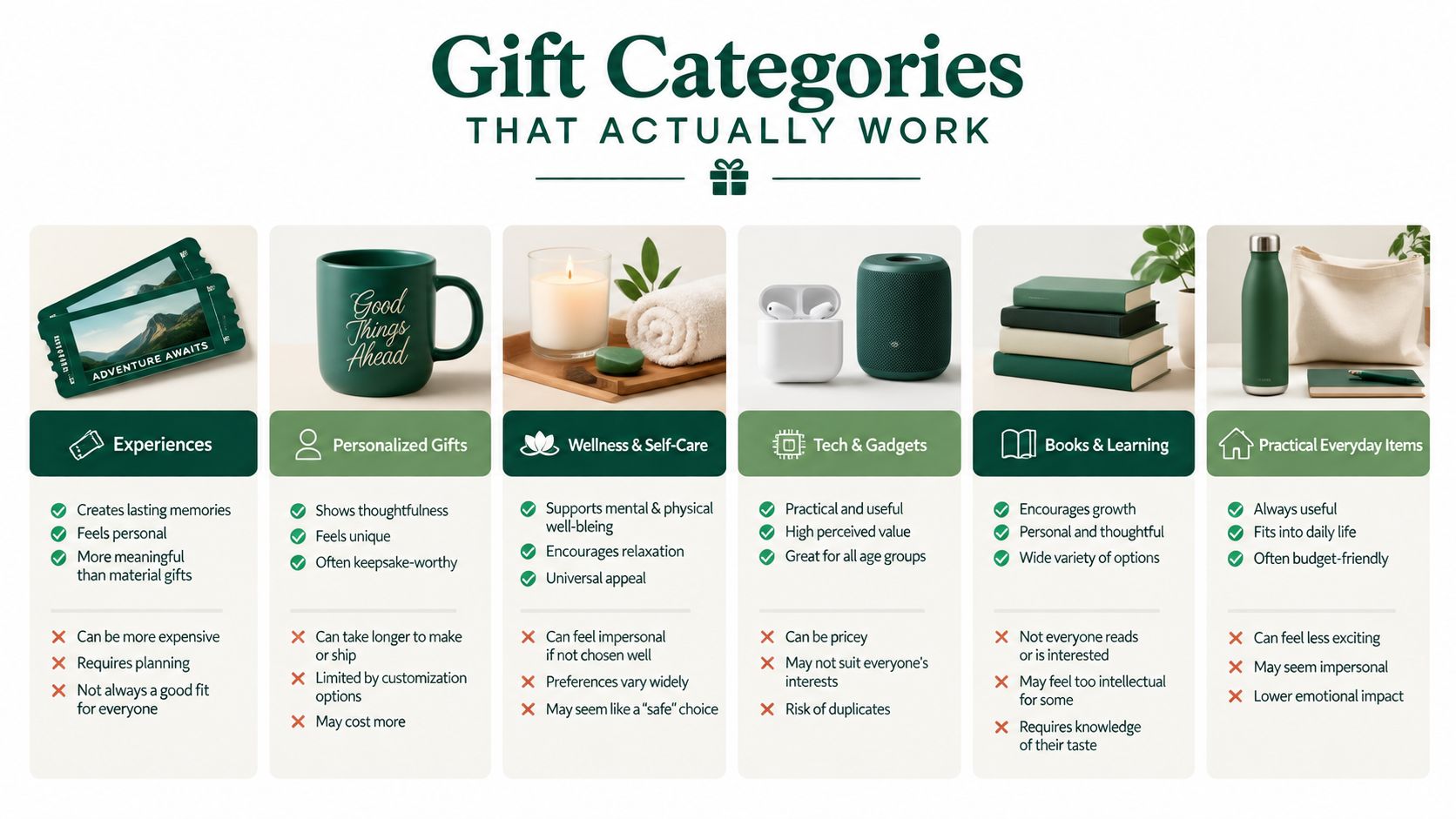
Gift Categories That Actually Work
A good nature gift earns its keep after the unboxing. It gets thrown in the daypack, worn on a coffee run, stolen by a spouse, or packed for the next park trip without anyone overthinking it.
Wearable gifts win more often than decorative ones for a simple reason. They fit into ordinary life. A solid hiking tee can work on a short trail, a road trip, a campground morning, or a lazy Sunday at home. That range matters, especially if you are buying for someone who likes the outdoors but does not need another shelf item with a pine tree printed on it.
Apparel also gives you room to match the gift to the kind of outdoor person they are. Casual day-hikers usually wear easy graphic tees. National park travelers tend to care more about place-specific designs. Serious trail folks are pickier, so comfort, fabric, and layer potential matter more than a clever joke. Indoor nature-lovers often want wildlife art or cozy sweatshirts they can wear anywhere.
Park designs have a big audience for good reason. The National Park Service reported more than 323 million recreation visits in 2025, including over 13 million overnight stays, with 26 parks setting new visitation records, according to the National Park Service 2025 visitation report. That is not a tiny souvenir category. Those designs tie directly to trips people remember.
A quick side-by-side view
| Category | Best for | Works well when | Misses when |
|---|---|---|---|
| Graphic tees | Day-hikers, casual outdoor people, park fans | The design matches personality or place | The graphic feels generic |
| Wildlife shirts | Animal lovers, funny gift recipients | The animal means something to them | It feels random |
| National park apparel | Travelers, memory-driven recipients | You pick a meaningful park | You guess the wrong park |
| Sweatshirts | Cooler climates, layered wear, cozy gift fans | They want comfort and repeat use | The climate or fit is off |
| Bundles | Families, couples, trip groups | You want coordinated looks | Sizes are uncertain |
| Experience gifts | Minimalists, low-clutter recipients | They value doing over owning | The logistics get too fussy |
What usually works better than novelty
Novelty burns bright and fast. Usefulness lasts.
That is why apparel, bundle options, and park-specific pieces tend to beat one-joke gifts. They still feel personal, but they have a job to do. HikeTee fits neatly into that lane because it offers outdoor-themed tees, wildlife graphics, park collections, sweatshirts, and bundle options in one place, which makes it easier to match the gift to the recipient instead of patching ideas together from five different stores. If you want more ideas beyond shirts and sweatshirts, this gift guide for outdoor enthusiasts covering gear and apparel is a useful companion.
The sweet spot is a gift that feels fun on day one and useful six months later.
Budget Tiers for Every Outdoor Enthusiast
A bigger budget doesn't automatically mean a better gift. It usually means you have more ways to get weird. Sometimes that's fun. Sometimes it leads straight to an overpriced object nobody asked for.
Under the everyday range
At the lower end, stick to gifts that are easy to wear and easy to like. A graphic tee with a mountain, lake, trail joke, or favorite animal is often the safest move. It feels personal without becoming a sizing gamble on bulky gear.
This is also the range where buyers often overvalue “cute” and undervalue function. That's a mistake for trail people. A regular cotton T-shirt typically has a UPF of about 5 to 7, which means it lets through roughly 14% to 20% of UV radiation, according to this trail safety breakdown on UPF clothing. So if the recipient spends real time in the sun, a basic cotton novelty shirt may be fun, but it's not doing much for them outdoors.
The practical sweet spot
The beauty of nature themed gifts usually shines. You can choose:
- A better-quality trail-ready tee that feels good enough for repeated wear
- A lightweight sweatshirt for camping mornings and shoulder-season hikes
- A small bundle for couples, siblings, or parents and kids
- A themed pairing like one wearable gift plus a simple park-day extra
The reason this tier works so well is perceived value. Outdoor people notice when something gets worn often. A gift doesn't need to be fancy if it becomes part of the normal rotation.
When to spend more
Go bigger when the gift solves a bigger need or creates a shared experience.
That might mean:
- A coordinated family set for a reunion trip
- A bigger apparel bundle for a park vacation
- A wearable gift paired with a pass, outing, or guided activity
What I wouldn't do is spend more just to make the box look impressive. Outdoor people are usually hard to fool that way. If the expensive thing is less useful than the simpler one, they know.
Spend for repeat wear, not for drama.
Sustainability and Giving Back Matter More Than Ever
Nature imagery alone doesn't make a gift feel aligned with outdoor values. Buyers notice the gap between “this has a pine tree on it” and “this supports the places I care about.”
Familiar products beat vague eco claims
That's one reason apparel can work so well in this category. Independent research on willingness to pay more for pro-environmental packages found that familiarity matters. Shoppers respond more strongly when the product category is recognizable and the eco-benefit is easy to understand, as discussed in this ScienceDirect paper on pro-environmental packaging and consumer willingness to pay.
In plain English, that means a familiar item like a shirt, sweatshirt, or everyday accessory can carry a conservation message better than a random novelty object with fuzzy “green” language slapped on top.
What to look for in a mission-aligned gift
Buyers don't need a perfect product. They do need a clear one.
Look for signals like:
- A visible giveback model: If a brand supports conservation, the contribution should be specific.
- Durability: A gift that lasts longer creates less regret and less waste.
- Recognizable use case: Everyday wear beats decorative clutter for many.
- Plain language: “Responsibly sourced materials” and a clear donation policy mean more than grand eco poetry.
A solid example of that structure is Gear for Good, which explains HikeTee's HIGH 5 with Nature initiative. The brand states that 5% of proceeds go to organizations that protect public lands, alongside its focus on responsibly sourced materials and prints intended for durability.
Here's a closer look at the kind of conservation-minded framing shoppers often want to see:
When a physical gift still makes sense
There's a fair question hiding under all of this. If you care about waste, should you skip physical gifts and just give an experience or donation instead?
Sometimes yes. But a physical gift still earns its place when it's durable, useful, and tied to a real purpose. A shirt someone wears for years can do a better job than a novelty item that gets one laugh and then disappears into the closet abyss.
A good nature gift doesn't just celebrate the outdoors. It respects the recipient's space, habits, and values.
Sizing, Materials, and Care Tips That Last
Nothing tanks a gift faster than bad fit, scratchy fabric, or a print that starts peeling after two washes. This is the unglamorous part of shopping, but it's also where you save yourself from gifting regret.
Start with fabric and function
If the recipient wears this on sunny walks, travel days, or open trails, material matters. UPF clothing is rated by how much ultraviolet radiation reaches the skin, and a UPF 50 garment allows only 1/50 of UV to pass through. The Skin Cancer Foundation's Seal of Recommendation also requires at least UPF 30 from an independent lab certification, according to Wirecutter's guide to sun protection clothing.
That doesn't mean every nature themed gift needs to be technical sun gear. It does mean you should know the difference between apparel made for actual outdoor use and apparel that just happens to have a mountain printed on it.
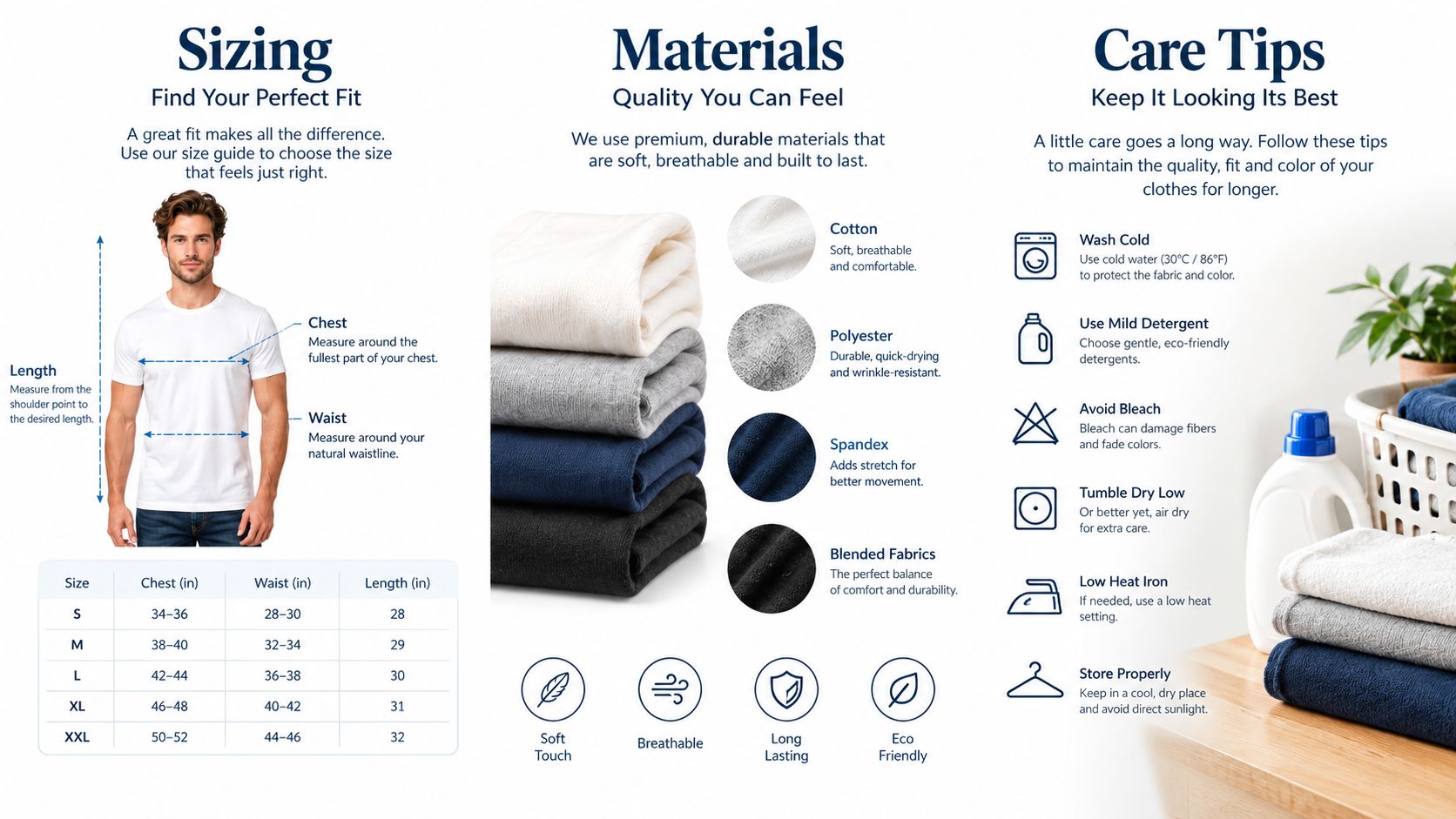
Easy fit decisions that reduce risk
If you're not sure about sizing, keep the choice forgiving.
- For tees: Go with the cut they already wear most. If they live in relaxed everyday shirts, don't suddenly buy a fitted fashion cut.
- For sweatshirts: Slightly roomier is usually safer than slightly tight, especially for layering.
- For group gifts: Confirm sizes first. Matching family shirts are fun. Wrong-size matching shirts are a small logistical nightmare.
- For style: Men's and women's cuts can fit very differently, so don't guess based only on size number.
A park design someone loves won't save a shirt that fits weird across the shoulders or shrinks into toddler cosplay after one wash.
Care is part of the gift
Printed outdoor apparel lasts longer when people treat it like printed apparel, not like an old garage rag.
A few low-drama habits help:
- Wash cold: Easier on fabric and print
- Skip fabric softener: It can be rough on performance finishes and print longevity
- Turn graphics inward: Helps reduce abrasion in the wash
- Air dry when possible: Better for shape and print life than blasting high heat
Good care won't make a bad shirt good, but it will help a good one stay good.
Personalization, Wrapping, and Shipping Logistics
Personalization doesn't need to mean custom embroidery and a three-week lead time. Often it just means choosing with intent.
A Yellowstone design for the friend who still talks about geysers. A raccoon graphic for the cousin with chaotic campground energy. Matching shirts for a family park trip. Those choices feel personal because they connect to memories, not because someone paid extra to add initials.
Wrapping can keep the same spirit. Kraft paper, simple twine, a handwritten tag, or a little pressed botanical detail fits the theme better than shiny generic gift wrap. It feels less like mall leftovers and more like you meant it.
The logistics matter too. If you're ordering apparel, check size charts early, especially for bundle purchases or group orders. For shoppers using HikeTee, the store offers free shipping on domestic orders of $75+, supports multi-currency browsing and payment, and lists customer support at HikeTee customer support during 9AM to 6PM MST, Monday through Friday. That's the boring stuff nobody wants to think about until they realize the gift needs to arrive before the trip.
If you're gifting for a peak season holiday, order sooner than your optimistic trail brain thinks you need to.
If you want nature themed gifts that people will wear, HikeTee focuses on outdoor-themed apparel with wildlife, camping humor, and national park designs, plus sweatshirts and bundle options for groups and families. It's a practical lane for shoppers who want something personal, wearable, and tied to outdoor culture without veering into clutter. Take a look at HikeTee and match the gift to the kind of outdoor person you're buying for.


