


Merino vs Synthetic Hiking Shirts
Dominic PalmowskiKey Takeaways
- Merino wool hiking shirts are best for odor control, comfort, and changing temperatures, especially on multi-day trips or cooler hikes.
- Synthetic hiking shirts dry faster and move sweat quickly, making them a strong choice for hot weather, humid trails, trail running, and high-output climbs.
- Merino usually feels softer and more natural next to skin. Synthetics can feel slicker or more technical, though modern blends are much more comfortable than they used to be.
- Synthetic shirts generally win on abrasion resistance, frequent washing, and lower price. Merino can last well, but lightweight versions need gentler care.
- Merino is a natural fiber, while synthetics are usually petroleum-based and can shed microplastics. Better care, less washing, and buying shirts you will actually wear all help reduce impact.
- The best hiking shirt depends on your climate, sweat level, budget, trip length, and skin sensitivity. A practical kit often includes merino for cooler or multi-day trips and synthetics for hot, sweaty days.
Merino wool vs synthetic hiking shirts: which performs better? Honestly, it depends on how you hike, how much you sweat, and what conditions you face. Merino wool shirts fight odor, feel soft, and help regulate temperature when the weather keeps changing. Synthetic shirts dry quickly, wick sweat fast, and usually cost less, which makes them great for short, sweaty climbs or muggy conditions.
Both fabrics now come in light, mid, and heavy weights, with blends that try to combine the best traits of each. To shop smart, compare warmth, breathability, drying time, odor control, price, durability, and care. Let’s break it down in plain trail terms.
The Core Performance Battle
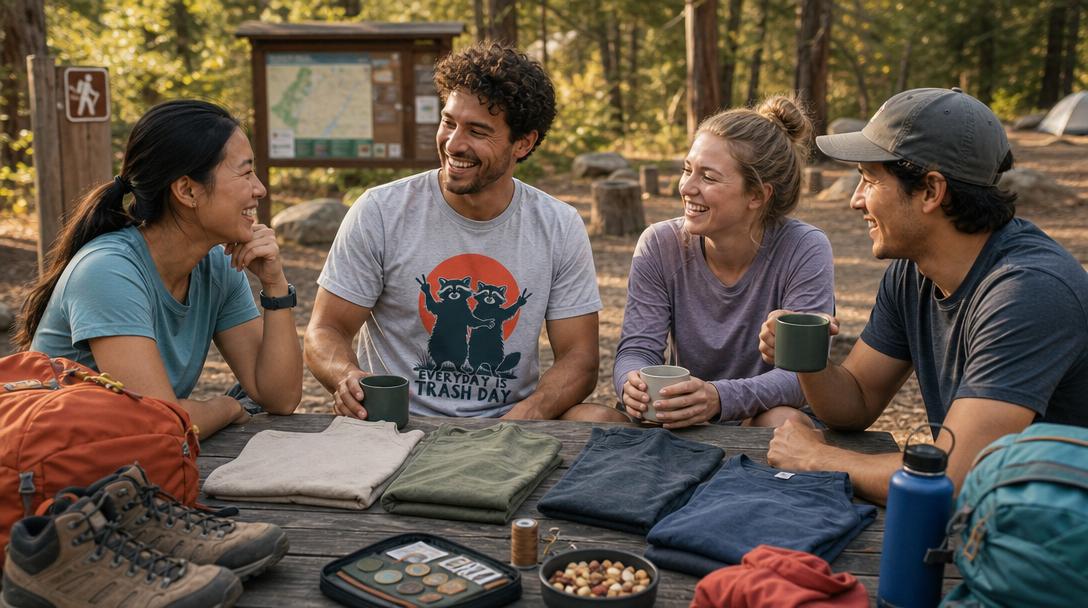
This is where merino and synthetics show their real back-feel on actual hikes, not just in lab charts.
1. Moisture Control
Merino wool can absorb sweat vapor into the fiber while still feeling relatively dry against your skin. It pulls moisture away, spreads it through the material, and releases it gradually. That helps reduce the clammy chill you can feel during steady climbs, cold starts, or stop-and-go hiking.
Synthetic shirts work differently. Polyester and nylon do not absorb much water into the fiber itself. Instead, they move liquid sweat across the fabric surface so it can evaporate quickly. If your main goal is fast drying, synthetics usually win.
On long, hot, high-output days, lightweight synthetic knits tend to feel drier faster. If you are planning summer hikes, this guide to best hiking shirts for hot weather is a helpful next read. Merino comes into its own when your effort level keeps changing, because it smooths out those sweaty-then-cold swings.
2. Temperature Range
Merino fibers have a natural crimp that traps tiny air pockets. That structure helps merino stay comfortable across a wider temperature range. Merino retains more warmth when damp than many synthetics, helping you stay warmer during unexpected rain or high-sweat stops, though its insulation still drops when it gets truly soaked.
Synthetics lean toward cooling during hard effort. They dump heat quickly, which is perfect when it is hot, dry, or you are climbing hard. But if you stop in wind or shade, a thin synthetic shirt can cool fast, so you may need to add a layer sooner. For colder trips, pair your shirt choice with a smart layering plan like the one in what to wear hiking in cold weather.
3. Odor Resistance
Merino wool's fiber structure and moisture-absorbing properties create a less hospitable environment for odor-causing bacteria, which is why it stays fresher longer than most synthetics. I’ve seen hikers wear one merino shirt for several trail days and still remain socially acceptable around camp.
Synthetic shirts tend to hold odor faster, especially in the pits and under a backpack. Anti-odor treatments help, but some polyester shirts still develop that baked-in gym smell after repeated use. For a short hike followed by laundry, no big deal. For a hut-to-hut trek, thru-hike, or travel day, odor resistance can be the reason merino is worth the higher price.
4. Next-to-Skin Feel
A lot of hikers prefer merino because it feels soft, quiet, and natural. Good merino usually reduces itch and chafing, and it does not cling as aggressively when damp as some synthetic shirts can.
Synthetics can feel very light and smooth when dry. Modern knits are far better than the stiff “gym shirt” fabrics many of us remember. If wool irritates your skin, synthetic layers are often the safer next-to-skin option.
5. Long-Term Durability
Synthetic hiking shirts generally win on toughness, especially at lighter weights. Thin polyester and nylon knits handle pack straps, repeated washing, sun exposure, and rough use well.
Merino is more vulnerable to thinning, pinholes, and abrasion, especially under shoulder straps or hip belts. That does not mean merino is fragile, but it does mean you should choose the right fabric weight and wash it gently.
When Merino Wool Wins
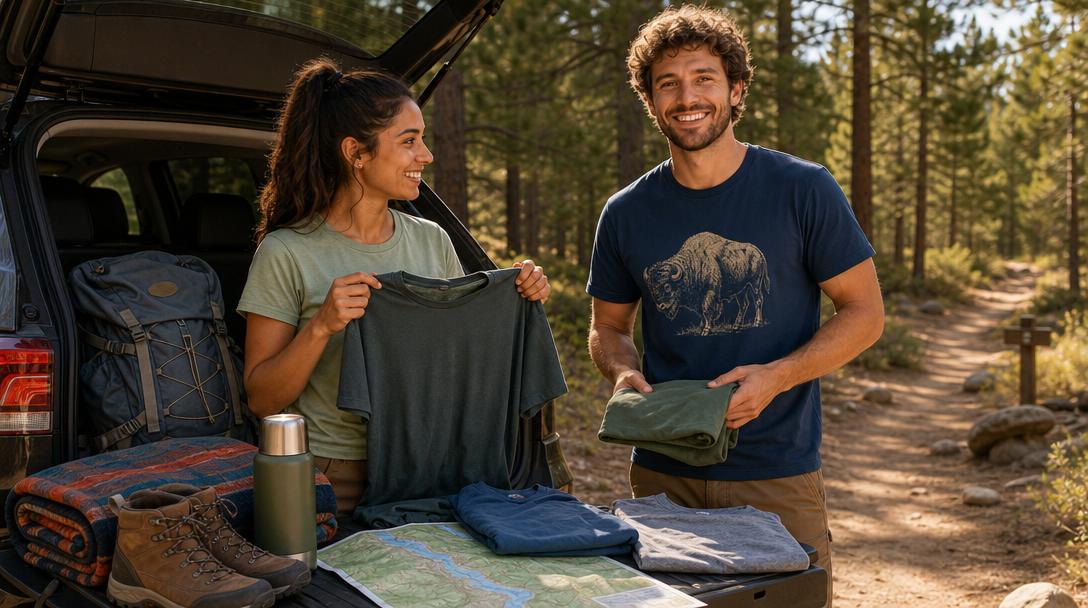
Merino wool wins when you value comfort over multiple days more than ultra-fast drying. It performs well on long trips, mixed weather, and routes where you cannot wash your shirt every night.
Merino shines on backpacking and thru-hiking because smell becomes a real issue. A merino hiking shirt can often be worn several days in a row, so you can pack fewer tops and still feel decent in a tent, hostel, or mountain hut.
Merino’s warmth-to-weight ratio is another big advantage. A thin merino long sleeve can feel surprisingly warm under a shell, yet it still breathes when you start moving. That makes it useful for shoulder-season hikes, winter layering, and unpredictable alpine days.
Temperature regulation is where merino often beats cheap base layers. Some inexpensive synthetics feel fine in the store but bounce between cold-and-clammy and hot-and-sticky on trail. Merino tends to respond better to weather and effort swings.
When Synthetics Dominate
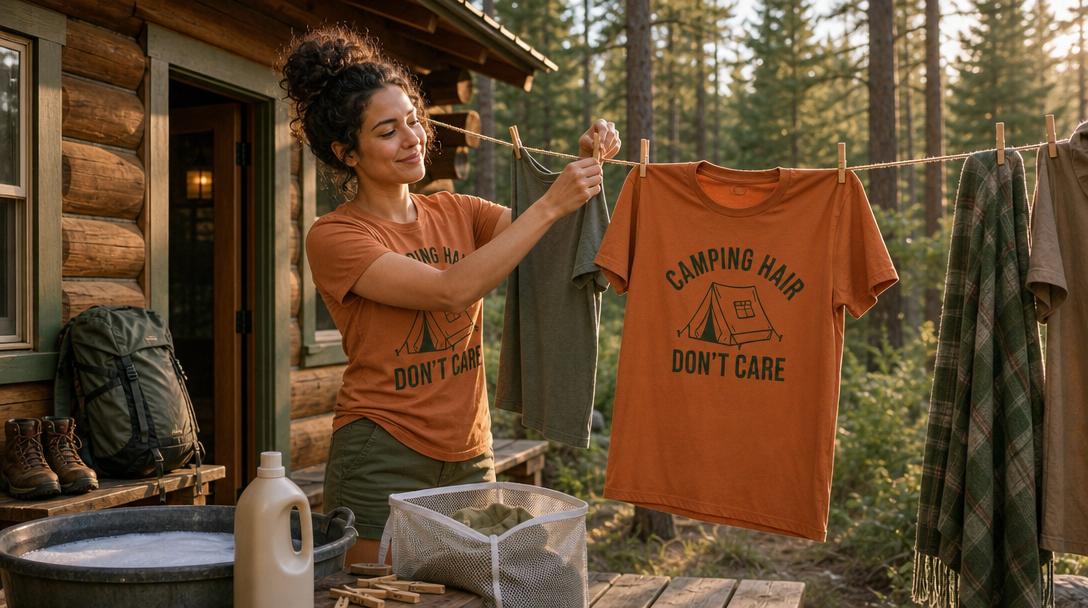
Synthetic hiking shirts dominate when your main mission is to move hard, stay dry, and save money. They perform best in hot weather, humid conditions, quick hikes, trail running, cycling, and fastpacking.
Polyester and nylon move moisture quickly and spread it across the fabric so it can evaporate. On a hot, steep climb, a synthetic shirt can go from soaked to almost dry during a short break. That matters when you pause on a windy ridge or start a long descent.
In muggy conditions, synthetics often beat merino because wool can hold moisture longer. A lightweight synthetic tee may dry overnight at camp when a heavier wool shirt still feels damp in the morning. If rain is part of your route, this guide to waterproof hiking shirts and rain performance can help set realistic expectations.
For rough use, synthetics also hold up well. Nylon blends in particular resist pack abrasion, rock scrapes, and frequent washing. The trade-off is that they can feel more technical and may hold odor sooner than merino.
The Unspoken Trade-offs
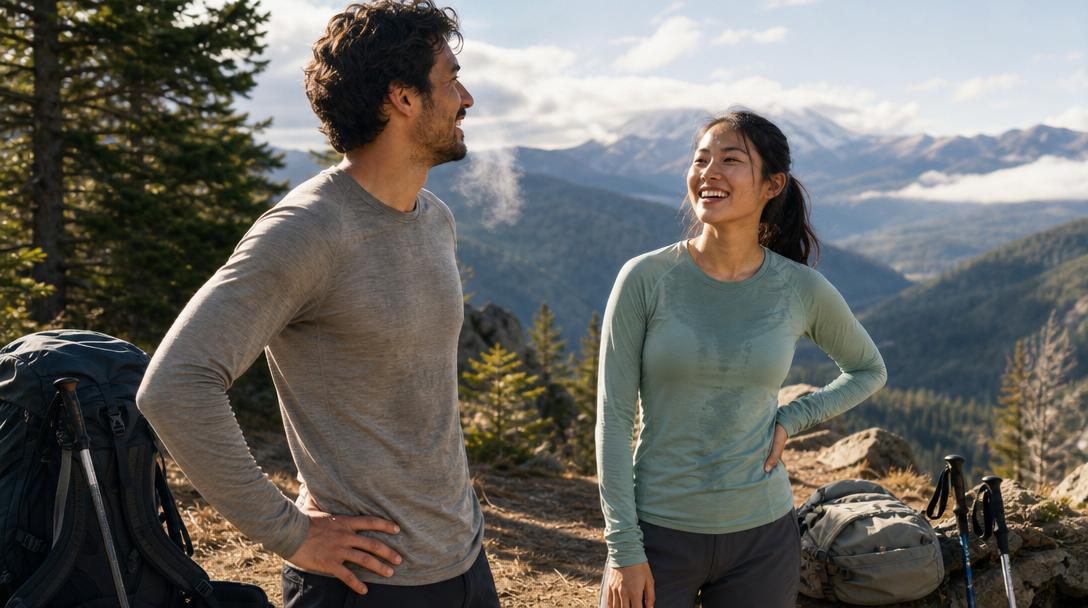
Trade-offs live between the price tag and real trail use. Merino and synthetics each win in some areas and quietly give ground in others.
Price vs. Lifespan
Merino wool shirts cost more up front than most synthetic shirts, but cost per use is what really matters. If one merino top handles years of backpacking, travel, and cold-weather layering, the higher price can make sense.
Synthetic shirts are usually cheaper and more abrasion-resistant. They are great if you hike often, sweat hard, and wash your shirts after nearly every outing. But if a synthetic shirt gets too smelly and becomes a “backup only” shirt, its real value drops.
Cotton-polyester blends sit somewhere in the middle. They are not my first pick for cold rain or serious backpacking, but they can be great for mild day hikes, camp, road trips, and casual outdoor wear. If you like soft graphic tees for trailhead coffee or post-hike tacos, something like the One More Mile Shirt or Hike More, Worry Less Bigfoot Shirt fits that casual role nicely. For deeper fabric context, read are cotton shirts good for hiking?
Environmental Footprint
Merino and synthetics both have environmental impacts. Merino is natural and biodegradable, but wool production still uses land, water, and animal agriculture systems. Synthetics often rely on fossil fuels and can shed microfibers during washing.
A practical way to reduce impact is simple: buy fewer shirts, choose pieces you will actually wear, wash only when needed, and air-dry when possible. For printed casual tees, print-on-demand can also reduce unsold inventory because shirts are made after ordering rather than guessed in bulk. Water-based DTG inks avoid the harsh chemical solvents used in some traditional printing methods, and WRAP-certified factories uphold labor and workplace safety standards. For more on responsible choices, see how to choose eco friendly hiking shirts.
Failure Point Feel
Trail failure is not always a rip or busted seam. Sometimes it is the moment your shirt stops doing what you need.
Merino can absorb up to around 30% of its weight in moisture and still feel relatively dry, though this refers to sweat vapor absorption, not liquid saturation. If it gets soaked through by rain or a river crossing, it will still feel wet and dry slower than synthetics.
High-cotton shirts hold moisture even longer, which is why they can feel clammy when the sun drops. Technical synthetics rarely fail on drying speed, but their weak points are odor and skin feel. Merino’s weak point is usually durability. The “better” option depends on where you hike, how hot you run, and which problem bothers you most.
Choosing Your Ideal Shirt

Choosing between merino wool and synthetic shirts starts with how you actually hike: your pace, climate, sweat level, trip length, and how much you want to think about laundry.
For hot, sweaty hikes, choose lightweight synthetics. For cooler weather, multi-day trips, and odor control, choose merino. For casual hikes, campground wear, or travel days, cotton-poly blends can be comfortable enough as long as conditions are mild and you are not relying on them as technical safety layers.
A cotton-poly tee, for example, keeps some of that soft cotton feel while drying faster and holding shape better than pure cotton. That makes casual graphic tees like the Bison Vintage Shirt or Camping Summer Shirt easy to wear around camp, on beginner trails, or during low-key outdoor days. Just do not treat them like substitutes for technical layers in cold rain.
Fit matters too. A shirt that feels great on a two-hour walk can chafe after eight hours under a pack. Test one new fabric on shorter hikes before buying multiples. The best shirt is the one that performs well and still gets packed again.
Proper Care Maximizes Performance

Shirt performance is not only about fabric. Washing, drying, storing, and testing all affect comfort, odor control, and lifespan.
Turn hiking shirts inside out before washing to protect the outer surface from friction. Use mild detergent, skip fabric softener, avoid bleach, and keep water cool or warm rather than hot. Harsh cycles can wear down merino, damage prints, and make some synthetics hold odor more stubbornly.
Tumble dry low or line dry. High heat can shrink or harden merino and can warp synthetic fibers. Cotton-poly casual tees also last longer with gentle washing and low heat.
Merino has one useful care advantage: you do not need to wash it after every wear. Air it out between uses, then wash when sweat salts, dirt, or skin oils build up. Store clean, dry merino in a sealed bin or bag to help prevent moth damage.
Conclusion
Both merino and synthetics do solid work on the trail. Merino feels better over multiple days, resists odor, and handles changing temperatures well. Synthetics dry faster, handle abuse, and usually cost less.
Real hiking is messy. A cool wet ridge, a humid forest climb, and a dusty desert day all ask different things from your shirt. Most hikers are happiest with both options in the drawer.
Start with one shirt, test it on real hikes, and pay attention to how it smells, dries, and feels under a pack. Then build a kit around what your body actually likes, not what the tag promises.
Leaning toward merino for odor control? Here is where to buy a merino wool hiking t-shirt without overpaying.
Frequently Asked Questions
Is merino wool or synthetic better for most hiking conditions?
Both work. For many hikers, owning one of each is ideal. Merino wins for odor control and comfort. Synthetics win for fast drying, durability, and price. Your climate, trip length, and sweat level should decide.
Which is better for hot weather: merino wool or synthetic shirts?
Lightweight synthetics usually feel cooler and dry faster in hot, humid weather. Lightweight merino can still work well, especially in airy weaves, but heavy sweaters usually prefer synthetics in summer.
Are merino wool hiking shirts worth the higher price?
Yes, they can be. If you take multi-day trips, hate stink, travel light, or prefer natural fibers, merino’s comfort and odor resistance can justify the cost.
Do merino wool shirts smell less than synthetic shirts?
Usually, yes. Merino’s structure and moisture handling make it less friendly to odor buildup, so it tends to stay fresher longer than many synthetic shirts.
Which dries faster: merino or synthetic hiking shirts?
Synthetic shirts almost always dry faster. They absorb less water into the fiber and release moisture quickly. Merino wicks well, but it dries slower once wet.
How should I care for merino wool hiking shirts?
Wash cool and gentle with mild detergent. Avoid bleach, fabric softener, and high heat. Air dry when possible, and store clean, dry merino away from moths.
Is a synthetic hiking shirt more durable than merino wool?
Generally, yes. Good synthetics handle abrasion, frequent washing, and rough trail use better than lightweight merino. If you hike with a heavy pack or in rocky terrain, synthetics usually last longer.


