


What to Wear Hiking: Beginner Outfit Guide
Dominic PalmowskiQuick Hiking Outfit Matrix: What to Wear by Weather and Trail Type
| Weather / Trail | Easy Local Trail | Moderate Trail / Hills | Rocky, Muddy, or Longer Hike | Fit & Sizing Notes |
|---|---|---|---|---|
| Warm & sunny | Moisture-wicking tee or sun shirt, hiking shorts, trail runners, hat | Lightweight long-sleeve UPF shirt, hiking shorts or pants, trail runners/hiking shoes | Sun hoodie, lightweight hiking pants, grippy hiking shoes, extra socks | Choose breathable fabrics with room through shoulders/hips. If between sizes, prioritize movement over snugness. |
| Hot weather | Loose synthetic tee, shorts, cap, sunglasses | Light-colored sun hoodie, breathable hiking pants, trail runners | UPF long sleeves, ventilated pants, wide-brim hat, high-traction shoes | Petite hikers: look for shorter inseams. Plus-size hikers: look for anti-chafe seams, stretch waistbands, and true technical plus sizing. |
| Cool weather | Synthetic tee, fleece, hiking pants | Base layer, fleece or light puffy, hiking pants, beanie | Base layer, fleece, rain/wind shell, hiking pants, gloves | Layers should stack comfortably without squeezing. Jackets should zip over your mid-layer. |
| Rain possible | Quick-dry shirt, hiking pants, rain jacket in pack | Base layer, rain jacket, quick-dry pants, wool socks | Waterproof hiking jacket, rain pants, grippy shoes/boots, spare socks | Avoid long hems that drag wet. Size rain shells to fit over layers. |
| Cold / shoulder season | Wool or synthetic base, fleece, pants | Base layer, fleece, puffy, shell, warm socks | Full layering system, insulated jacket, gloves, beanie, boots if needed | Do not size boots too tight; feet swell. Leave toe room for descents. |
A simple rule: dress for the weather, pack for the weather changing its mind. Mountains, forests, deserts, and coastal trails all love a plot twist.
What to Wear on a Hike for Beginners
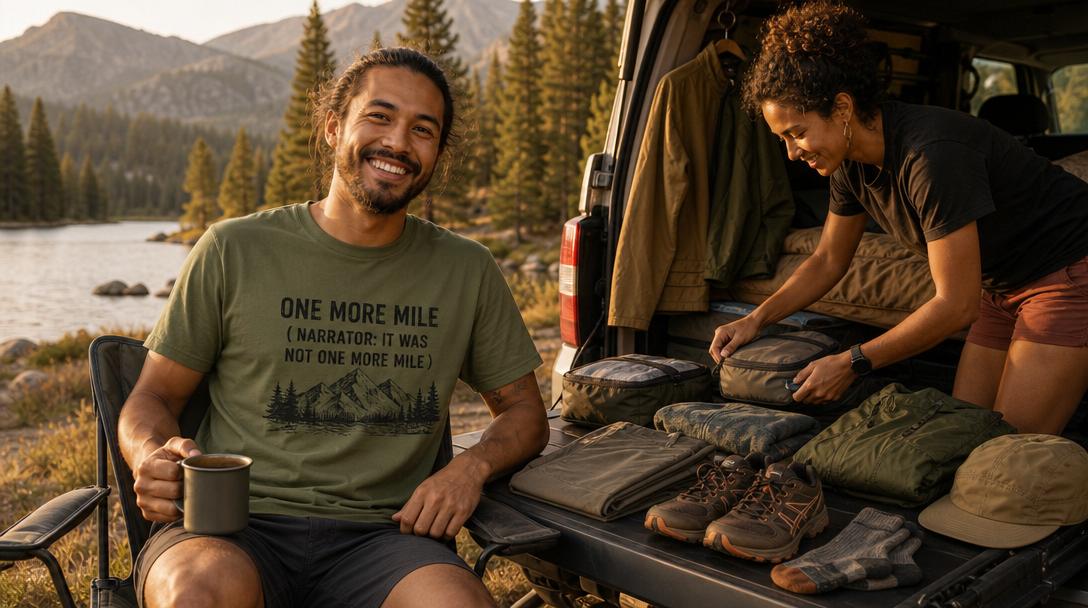
A beginner should wear a comfortable, breathable, non-cotton hiking outfit with shoes that have good traction. Think of your outfit in five parts:
- Moisture-wicking shirt
- Quick-dry hiking pants or shorts
- Supportive shoes or trail runners
- Wool or synthetic socks
- Layers for warmth, wind, or rain
For a beginner-friendly day hike in mild weather, a great starter hiking outfit looks like this:
- Synthetic or merino wool T-shirt
- Lightweight hiking pants or shorts
- Fleece or light puffy jacket in your backpack
- Waterproof or water-resistant hiking jacket if rain is possible
- Wool or synthetic hiking socks
- Trail runners or hiking shoes with grippy soles
- Hat, sunglasses, and sunscreen
The biggest mindset shift? Your hiking clothes should manage sweat as much as weather. Even on a cool day, uphill walking can make you sweat. Then, when you stop for snacks or hit wind, damp clothing can make you cold fast.
That is why outdoor experts repeat the same advice: skip cotton for serious hikes. Cotton absorbs moisture and dries slowly. Polyester, nylon, and merino wool dry faster and help regulate temperature better. If you want a deeper fabric breakdown, read why cotton is bad for hiking before building your trail wardrobe.
The Best Hiking Clothes Start with Layers
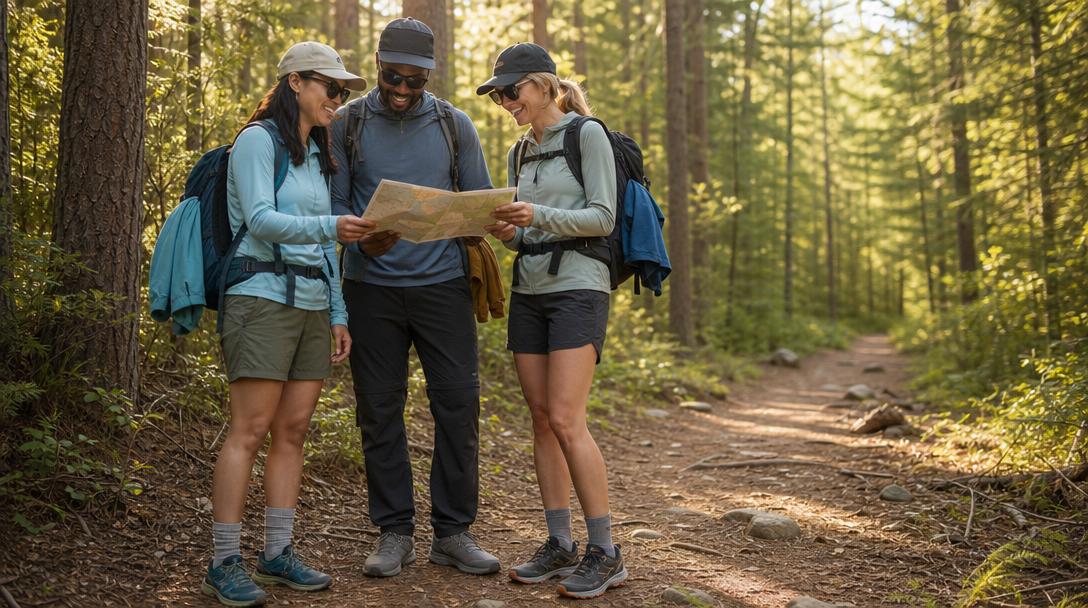
Layering is the secret sauce. Or trail mix. Whatever metaphor you prefer.
Instead of one bulky hoodie, wear several lighter layers you can add or remove as your body temperature changes. For colder hikes, our guide to the 3-layer rule for cold-weather hiking explains how base, mid, and outer layers work together.
Base Layer: Your Sweat Manager
Your base layer sits against your skin. Its job is to move sweat away from your body.
Good base layer fabrics:
- Polyester
- Nylon
- Merino wool
- Synthetic blends
Avoid:
- Cotton tees
- Cotton hoodies
- Denim shirts
- Cotton underwear for longer hikes
For warm weather, a lightweight synthetic shirt or UPF sun hoodie works well. For cool weather, a merino or synthetic long-sleeve base layer is a great choice.
Mid Layer: Your Warmth Layer
Your mid layer keeps you warm when the temperature drops or when you stop moving.
Good options:
- Lightweight fleece
- Grid fleece
- Synthetic insulated jacket
- Lightweight down or water-resistant down puffy
For most beginner day hikes, a fleece is affordable, durable, and easy to wash. A puffy jacket is better when it is colder or when you need warmth without much weight.
Outer Layer: Your Weather Shield
Your outer layer protects you from wind and rain.
Look for a hiking jacket that is:
- Waterproof or water-resistant, depending on conditions
- Breathable enough that you do not feel like a steamed dumpling
- Hooded
- Lightweight enough to pack
- Roomy enough to fit over your base and mid layers
If you hike in wet climates like the Pacific Northwest, Appalachians, or springtime mountain trails, a waterproof breathable rain shell is worth it. If you mostly hike in dry, windy areas, a wind shell can be useful too.
Hiking Pants, Shorts, or Leggings: What Works Best?
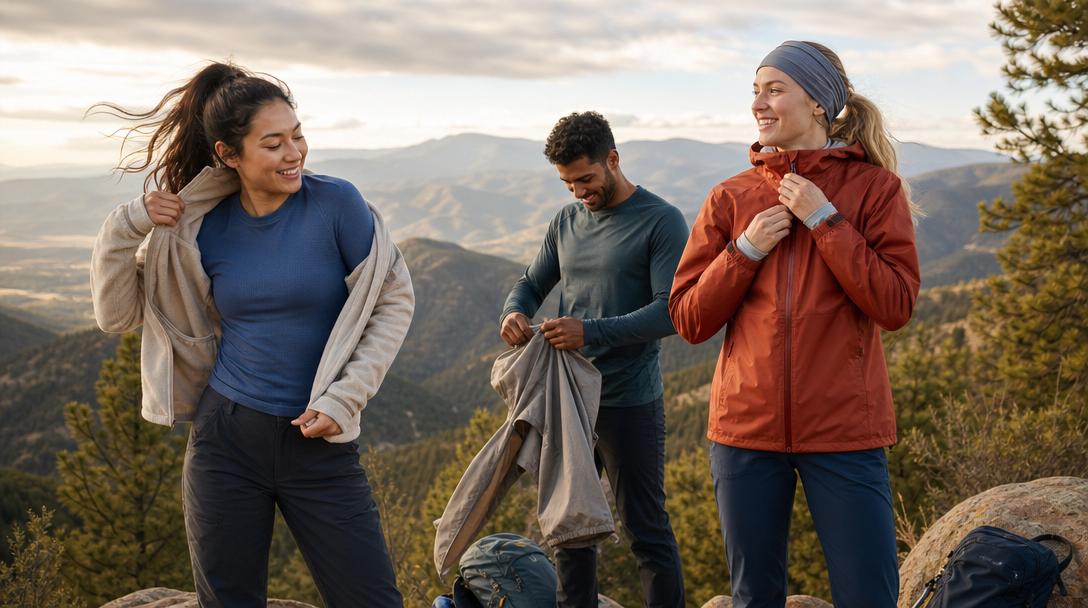
The best hiking pants are comfortable, flexible, quick-drying, and durable enough for the trail.
Hiking Pants
Hiking pants are great for:
- Sun protection
- Bug and tick protection
- Scrambling over rocks
- Brushy trails
- Cooler weather
- Variable conditions
Look for nylon or polyester blends with stretch. Features like zip pockets, articulated knees, and adjustable waists are helpful but not mandatory.
Hiking Shorts
Shorts are great for:
- Hot weather
- Easy trails
- Humid climates
- People who run warm
The tradeoff: less protection from sun, bugs, scratches, and poison ivy. If you wear shorts, use sunscreen and check for ticks after your hike.
Hiking Leggings
Leggings can be excellent hiking clothes if they are made from durable, sweat-wicking fabric. They are especially popular because they move well and prevent inner-thigh chafing for many hikers.
Look for:
- Thick, non-see-through fabric
- Side pockets
- High waistband that stays put
- Reinforced panels if you hike rocky trails
Avoid thin fashion leggings on rough trails. Granite and cheap leggings are not friends.
What Shoes Should I Wear for Hiking?
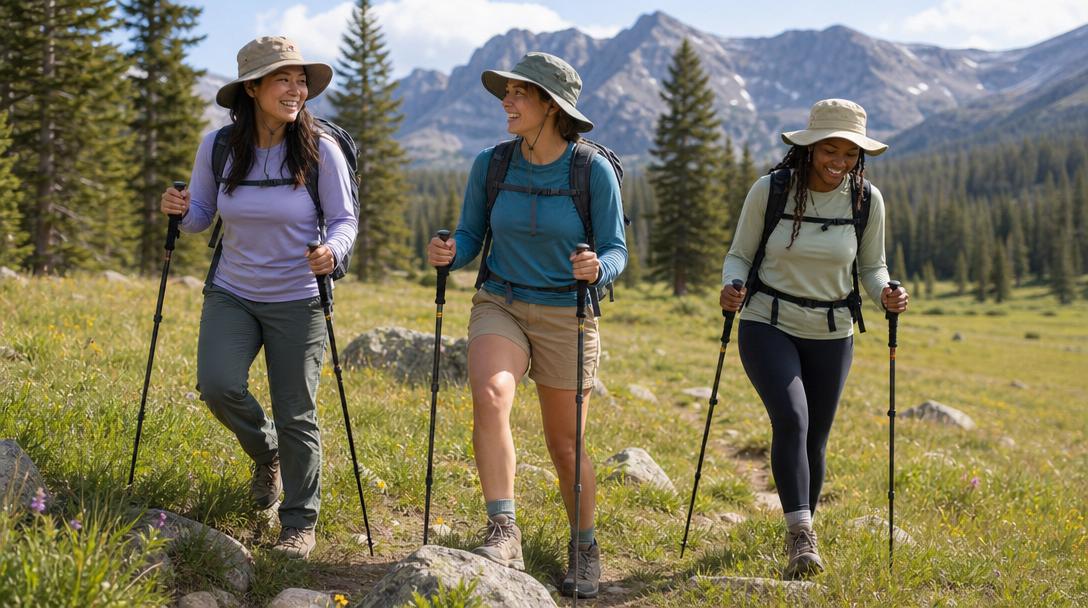
Your shoes matter more than almost anything else in your hiking outfit. Blisters, slips, sore arches, and bruised toes can turn a lovely nature walk into a tiny foot rebellion.
For beginners, the best hiking footwear depends on the trail, your body, and how much weight you are carrying.
Trail Runners vs. Hiking Shoes vs. Hiking Boots
| Footwear Type | Best For | Pros | Cons |
|---|---|---|---|
| Trail runners | Easy to moderate trails, dry trails, fast hikers, light packs | Lightweight, breathable, flexible, quick-drying | Less ankle protection, less durable, less support under heavy loads |
| Hiking shoes | Most beginner day hikes, moderate terrain | More support and traction than sneakers, lighter than boots | Less ankle coverage than boots |
| Hiking boots | Rocky trails, muddy trails, backpacking, weak ankles, heavy packs | More ankle coverage, durable, protective, stable | Heavier, warmer, may need break-in time |
Most beginners do not need heavy leather boots for a short local trail. A good pair of trail runners or low-cut hiking shoes is often enough.
Choose hiking boots if:
- You are carrying a heavier backpack
- The trail is rocky, muddy, snowy, or steep
- You want more ankle coverage
- You have a history of ankle issues
- You are hiking in colder or wetter conditions
Choose trail runners if:
- You are doing easy or moderate day hikes
- You prefer lightweight shoes
- Your feet get hot
- You are hiking in dry conditions
- You want shoes that work for travel too
Hiking Shoe Fit Tips
When trying on hiking shoes:
- Wear the socks you will hike in
- Try shoes later in the day, when feet are slightly swollen
- Leave about a thumb’s width of space in front of your toes
- Make sure your heel does not slip
- Walk downhill if the store has a ramp
- Try wide sizes if your toes feel squeezed
- Break shoes in before a long hike
Wool or synthetic socks are non-negotiable. Cotton socks hold sweat and increase blister risk. Your feet deserve better. They carry you to waterfalls.
Best Hiking Clothes for Hot Weather
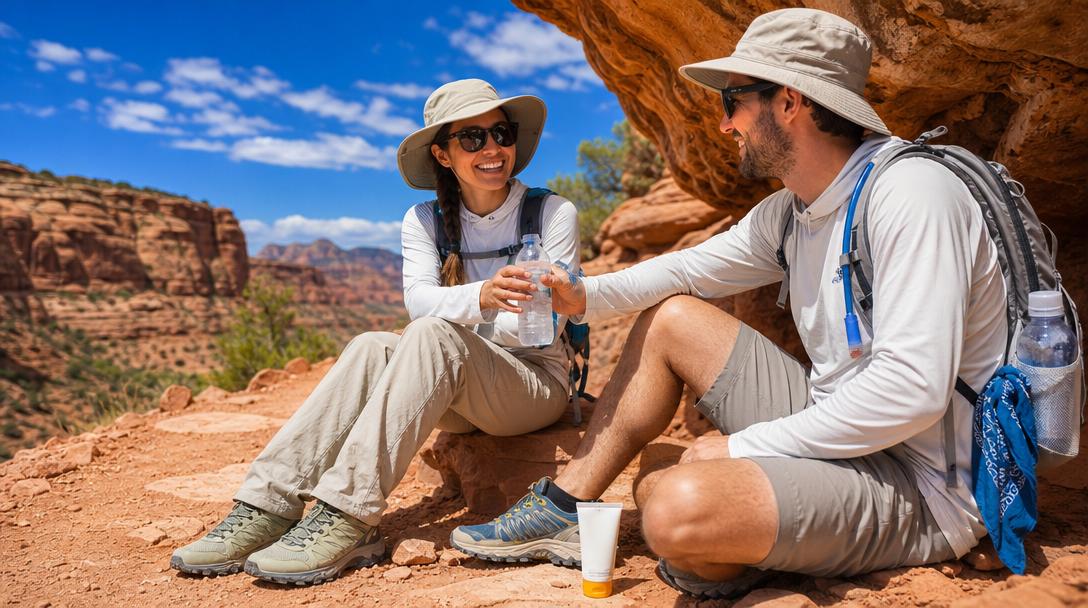
The best hiking clothes for hot weather are lightweight, breathable, sweat-wicking, and sun-protective.
Your hot-weather hiking outfit should include:
- Light-colored synthetic or merino shirt
- UPF sun hoodie or long-sleeve sun shirt
- Breathable hiking shorts or lightweight pants
- Wool or synthetic socks
- Ventilated trail runners
- Brimmed hat
- Sunglasses
- Sunscreen
The CDC recommends lightweight, loose-fitting clothing in hot weather to reduce heat stress. For hiking, that usually means light-colored synthetic fabrics or merino blends. For more detail on warm-weather tops, compare our picks for best hiking shirts for hot weather.
Shorts vs. Pants in Hot Weather
Shorts feel cooler, but pants offer better protection from:
- Sunburn
- Ticks
- Mosquitoes
- Scratchy brush
- Hot rocks
- Poison ivy
A lightweight pair of breathable hiking pants can actually be more comfortable than shorts in desert sun or buggy forests.
Hot Weather Bonus Tips
- Start early before peak heat
- Freeze a water bottle overnight
- Pack electrolytes for longer hikes
- Use a cooling neck gaiter or bandana
- Choose light colors over black
- Avoid waterproof shoes in extreme heat unless conditions require them
Waterproof footwear can trap heat and sweat. In hot, dry weather, breathable trail runners often feel better.
Capsule Hiking Wardrobe for Travel, Van Life, and Multi-Day Use
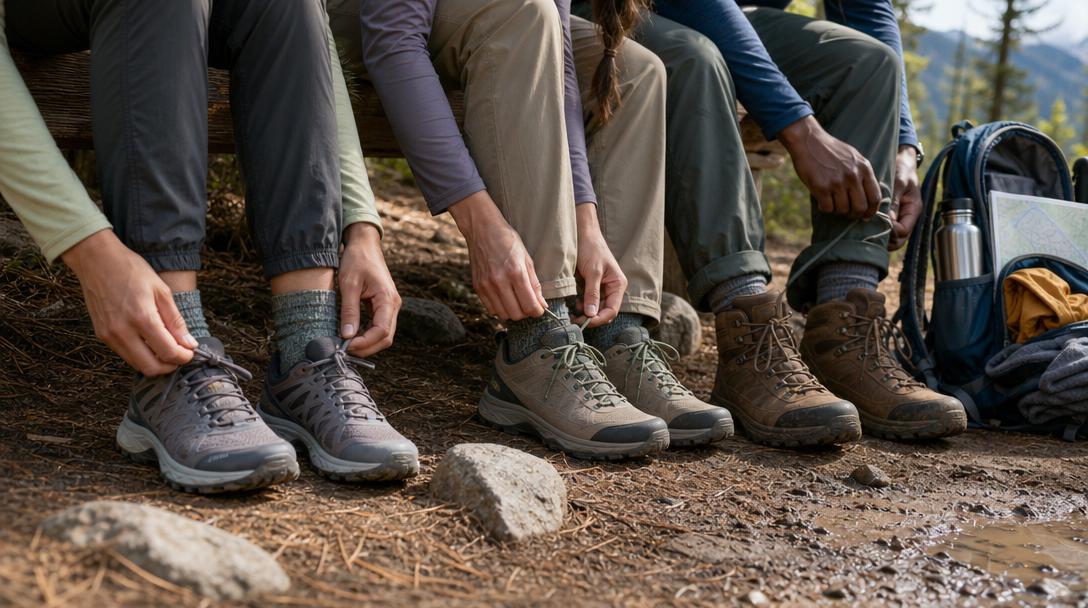
If you travel often, live out of a duffel, or just hate overpacking, build a mix-and-match hiking capsule wardrobe.
3-Season Hiking Capsule
Pack:
- 2 moisture-wicking T-shirts
- 1 long-sleeve sun shirt
- 1 lightweight fleece
- 1 packable puffy jacket
- 1 waterproof hiking jacket
- 1 pair hiking pants
- 1 pair hiking shorts or leggings
- 3 pairs wool or synthetic socks
- 3 pairs moisture-wicking underwear
- 1 brimmed hat
- 1 beanie
- 1 pair trail runners or hiking shoes
This setup can handle casual hikes, national park trips, campground lounging, and road trip chaos. Add a casual graphic tee for post-hike evenings when the boots come off and the snacks come out, like the One More Mile Shirt or the Hike More, Worry Less Bigfoot Shirt. Save cotton or cotton-blend graphic tees for camp, town, and travel days rather than sweaty or wet trail miles.
Hot Weather Capsule
- 2 UPF sun shirts
- 1 lightweight hiking tee
- 1 pair breathable hiking pants
- 1 pair hiking shorts
- 3 wool/synthetic socks
- 1 sun hat
- 1 lightweight rain shell
- Breathable trail runners
Rainy Climate Capsule
- 2 synthetic base tops
- 1 fleece
- 1 waterproof rain jacket
- 1 pair rain pants
- 2 quick-dry hiking pants
- 3 wool socks
- Waterproof hiking shoes or boots
- Dry bag for spare socks and layers


