


Hiking Shirts vs Performance Tops
Dominic PalmowskiYou feel it about a mile in. The sun is up, your pack is sitting a little heavier than expected, and suddenly your shirt choice matters a lot more than it did in the parking lot. That is where the shirt-versus-technical-top debate gets real. Not in a gear spreadsheet, but on an actual trail, when comfort, breathability, and how you want to feel all day start making the decision for you.
Some people want technical fabric that dries before the next switchback. Others want a soft, easy shirt that works for the trail, the burger stop after, and the family campground photo nobody planned but everybody ends up loving. The truth is, both have a place. The better question is not which one is best in general. It is which one is best for your kind of adventure.
Hiking shirts vs performance tops: what is the difference?
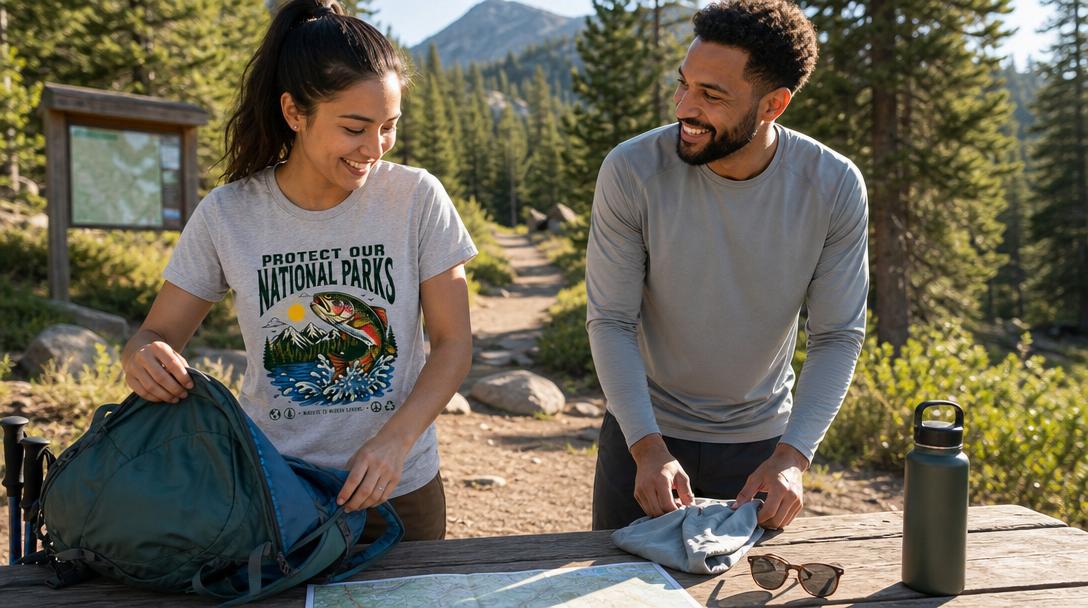
At a glance, these two categories can look pretty similar. They are both shirts you can wear outside. They are both built with movement in mind. And they both promise comfort. But they usually come from different design priorities.
A hiking shirt is often made to feel casual first and trail-ready second. That does not mean flimsy or purely decorative. It means the shirt is built for real outdoor use without making you look like you are heading into an ultramarathon at 6 a.m. Think soft cotton blends, relaxed fits, graphics that show off your love of parks or wildlife, and enough durability for a day hike, campsite chores, or a long weekend road trip.
A performance top is usually more technical by design. It often uses synthetic fabrics like polyester or nylon, sometimes with spandex mixed in for stretch. These tops are built to wick sweat, dry quickly, manage heat, and reduce friction when you are moving hard. They are less about personality and more about function.
That difference matters because most outdoor days are not extreme. A lot of hikes are moderate, social, family-friendly, and followed by snacks. You do not always need a shirt engineered like a race car.
When hiking shirts make more sense
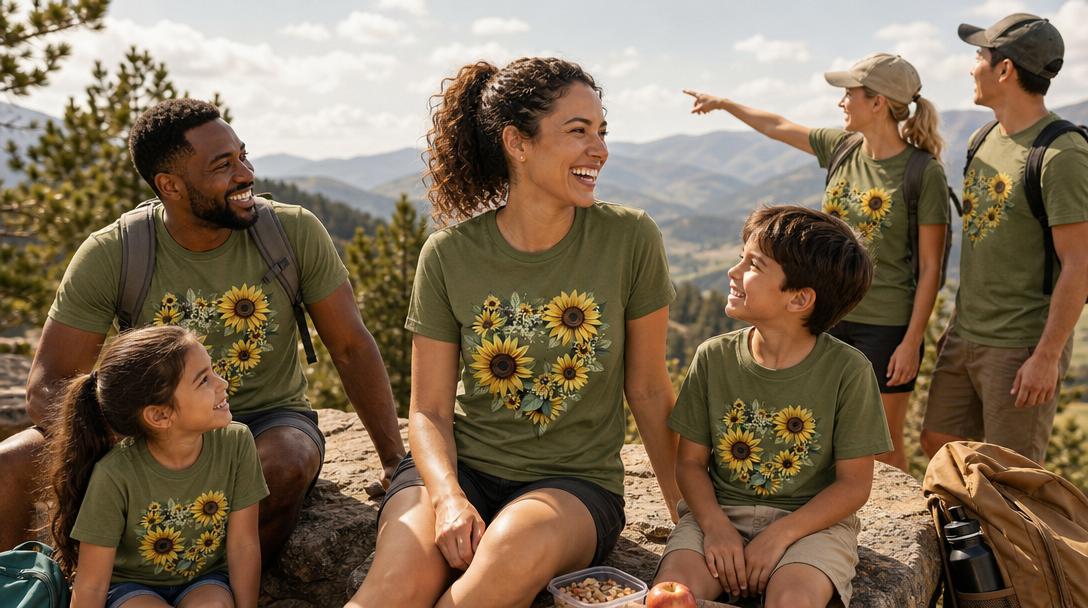
If your plans involve a few hours on the trail, breaks at overlooks, campfire time, or bouncing between outdoor activities and everyday life, hiking shirts often win on versatility. They feel more natural in casual settings, and they usually look better once the boots come off.
Comfort is a big reason people reach for them. Many hiking shirts have a softer hand feel than slick technical tops. That matters on a long day, especially if you are sensitive to synthetic fabrics or just prefer clothing that feels broken-in from the start. If you are hiking with kids, walking an easy loop in a national park, or spending more time enjoying the day than chasing pace, a casual hiking tee can be exactly right. If that sounds like your crew, you may also like these family hiking tips for easy trail days.
There is also the personality factor. A funny trail shirt or a national park graphic tee does something a plain performance top usually does not. It starts conversations. It feels memorable. It says this is supposed to be fun. For plenty of hikers, that is part of the whole point.
The trade-off is moisture. If your hiking shirt is heavy in cotton and the weather is hot or humid, it can hold sweat longer and feel damp. That is less than ideal on steep climbs or all-day efforts. Fabric blend matters here more than the label on the tag.
When performance tops earn their spot
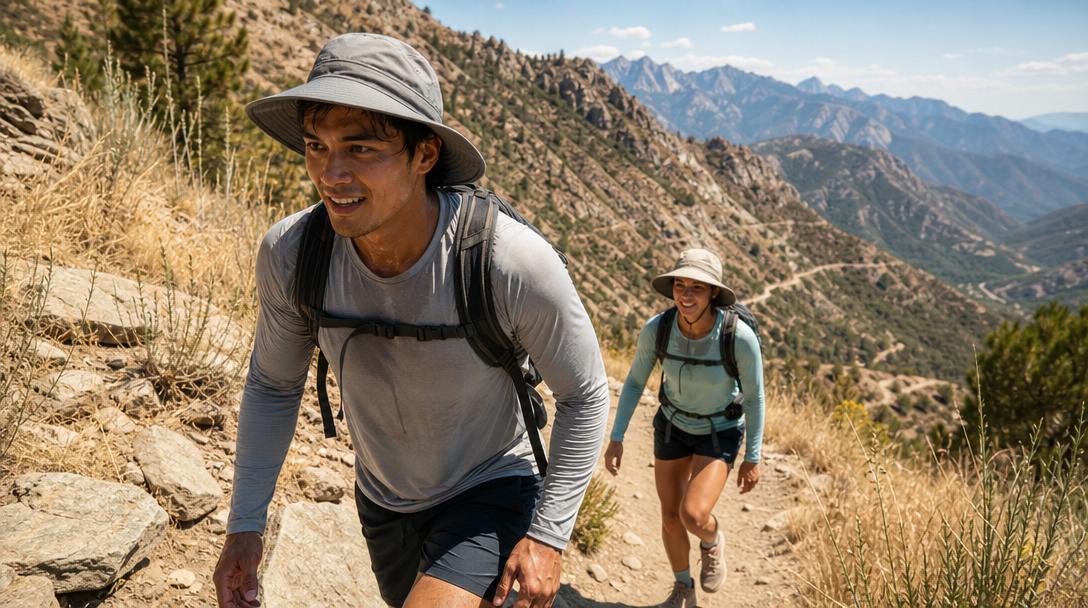
Performance tops shine when conditions get tougher or your activity level goes up. If you are hiking in peak summer heat, tackling a steep elevation gain, or moving fast enough to work up a serious sweat, technical fabric starts to pull its weight. For a deeper look at heat, breathability, and sun protection, check out this guide to the best hiking shirts for hot weather.
Moisture-wicking is the obvious benefit, but it is not the only one. Good performance tops can help regulate temperature, reduce chafing under pack straps, and dry fast after sweat, mist, or a surprise creek splash. That can make a real difference on long hikes or back-to-back outdoor days.
They also tend to be lighter. If you are layering, traveling light, or packing for a trip where one shirt may need to do a lot, that low-bulk, quick-dry setup can be pretty handy.
Still, performance tops are not perfect. Some can feel overly sporty for casual wear. Others have that unmistakable gym-shirt vibe, which is fine if that is your style, but not everyone wants to look like they are training for something while roasting marshmallows. Some synthetic fabrics also hold odor more than people expect, especially on multi-day trips.
Cotton, poly, tri-blend: what the fabric actually tells you
Here is where the hiking shirts vs performance tops question gets more interesting. The real answer often comes down to fabric, not the marketing language around it.
A heavier 100 percent cotton graphic tee can be wonderfully soft for cool mornings, easy hikes, and everyday wear, but less ideal for hot, sweaty climbs. If you want more nuance before you pick one, this breakdown on whether cotton shirts are good for hiking is worth a read.
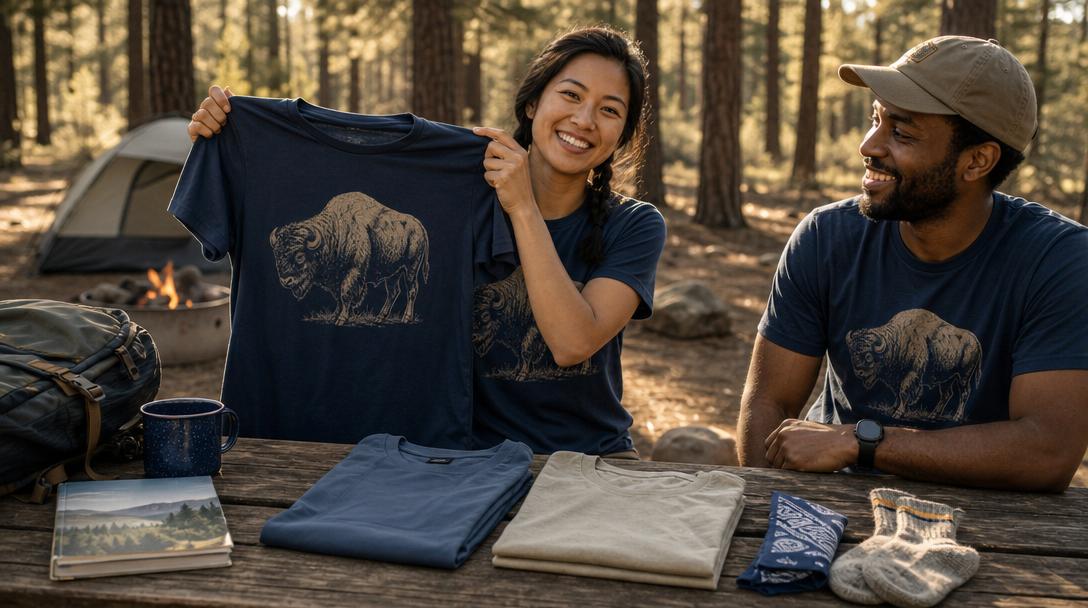
A cotton-poly blend can give you a better middle ground, with a softer feel than a fully synthetic top and better drying than pure cotton. That is where casual outdoor tees, like a soft vintage wildlife graphic shirt, can make a lot of sense for low-to-moderate output days. A tri-blend can feel especially comfortable if your priority is all-day wearability.
On the technical side, polyester and nylon are popular for a reason. They dry fast and tend to perform well in heat. But fabric finish, weight, and construction matter too. Some performance shirts feel airy and smooth. Others feel plasticky or clingy. If possible, think beyond the broad category and focus on how the fabric behaves against your skin, under a pack, and after a few hours outside.
If your adventures usually involve a little hiking, a little lounging, and a lot of making memories, a well-made blended hiking tee may be the sweet spot.
Fit, feel, and the reality of real-life adventures

Not every outdoor shirt needs to be trim-cut and laser-focused. In fact, that can backfire if your actual plans include bending over a camp stove, wrangling kids at a trailhead, or sitting in the car for three hours after the hike.
Hiking shirts often give you a more forgiving fit. That can mean better comfort for travel days, better layering over a tank or under a flannel, and a more relaxed feel when the agenda is half adventure, half hanging out. For many people, that is exactly what makes a shirt useful.
Performance tops usually fit closer to the body because that can help with moisture transfer and reduce excess fabric while moving. Sometimes that feels great. Sometimes it feels like your shirt has opinions about your lunch choices. Fit is personal, and the best option depends on whether you want freedom, structure, or something in between.
How to choose for your kind of trail day
If you are heading out for a short to moderate hike in mild weather, especially with family or friends, a comfortable hiking shirt is usually plenty. It works even better if the day includes town stops, camp setup, or casual wear before and after the trail.
If your hike is longer, hotter, steeper, or more exposed, a performance top becomes more appealing. The same goes for trips where you need a shirt that can be washed in a sink and dry by morning.
For many people, the best answer is not one or the other. It is having both and using them differently. A casual hiking tee for lower-output adventures. A technical top for hard-effort days. That is not overpacking. That is reading the room, or in this case, reading the forecast and the trail map. If you are building out your rotation, this guide to the best shirts for hiking can help you match the shirt to the day.
You should also think about what makes you want to wear the shirt again. The highest-performing top in the world is not that useful if you only like it on the trail and never reach for it otherwise. A good outdoor wardrobe earns its keep by fitting real life, not just ideal conditions.
The style factor is not shallow
Outdoor gear talk can get weirdly serious, as if wanting a shirt with personality somehow makes it less legitimate. That is nonsense. If a shirt makes you smile, helps you feel like yourself, and still stands up to a day outside, that counts.
A lot of people do not want their outdoor clothes to look overly technical. They want something that reflects who they are, what parks they love, what jokes they tell around the campfire, and why they keep heading back outside in the first place. That is not a compromise. That is knowing what kind of outdoor experience you actually want.
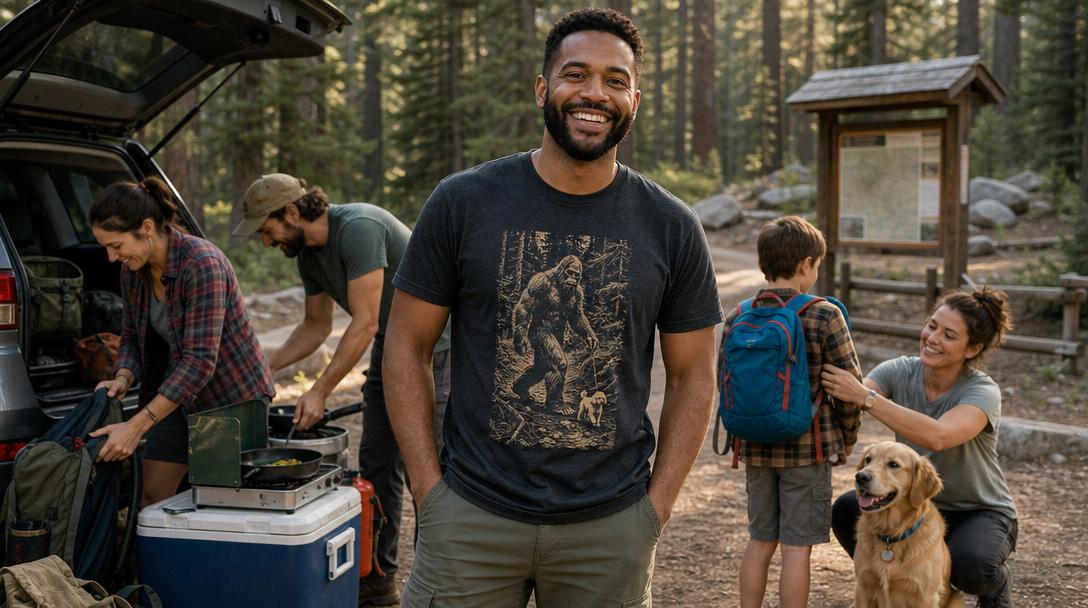
That is also why brands like Hike Tee connect with so many trail-loving families and weekend adventurers. The sweet spot is real: clothes that feel casual, wearable, and expressive, while still being ready for dirt, sun, and one more scenic detour. A playful campfire-ready graphic tee fits right into that kind of weekend.
So which one should you buy?
Buy the shirt that matches your pace, your weather, and your personality.
Choose a hiking shirt if: your adventure is relaxed, social, mild-weather, campground-friendly, or followed by lunch in town.
Choose a performance top if: your day is hot, steep, fast, exposed, sweaty, or part of a longer trip where quick drying matters.
If your adventures are relaxed, social, and full of stops worth remembering, hiking shirts make a lot of sense. If your days run hotter, faster, or more technical, performance tops are built for that job. And if your weekends include both kinds of outings, you are not indecisive. You are just outdoorsy in more than one way.
The best trail shirt is the one that lets you forget about your shirt for a while and enjoy where you are. If it also gets a laugh at the trailhead or ends up in a family photo you actually keep, even better.


