


Best Quick-Dry Hiking Shirts for Water Trips
Dominic PalmowskiBest quick-dry hiking shirts share one thing in common: fabric that releases moisture fast instead of holding onto it like a sponge. If your hike includes waterfalls, river crossings, coastal spray, paddling, humid jungle trails, or the classic “wait, why is the trail now a creek?” situation, your shirt matters more than you think.
I’ve learned that the hard way.
I’m Dominic, founder of Hike Tee, and I’ve worn hiking shirts through waterfall spray zones, windy coastal trails, river crossings, rainy shoreline hikes, and a few accidental canyoning moments where my route planning was apparently more optimistic than accurate. The toughest test? Waterfall hikes. You get soaked in the spray, climb above it, hit wind, and suddenly your shirt becomes a cold, clingy second skin with emotional baggage.
So this guide is based on what I’ve actually worn, what has failed me, and what I’d recommend if you’re choosing a quick-dry hiking shirt for water-based adventures.
What Makes a Hiking Shirt Good Around Water?
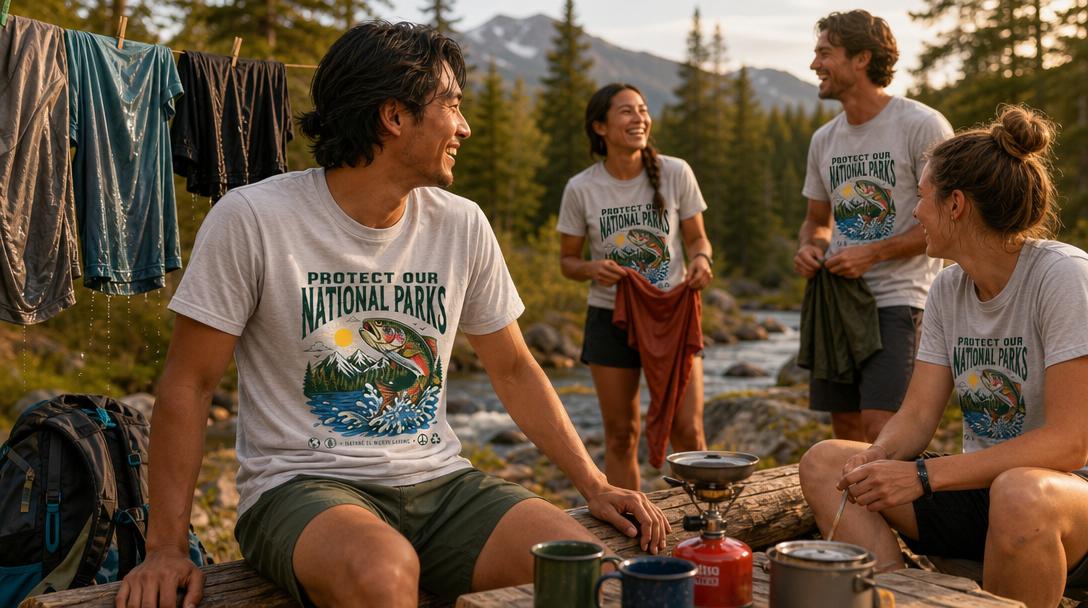
A shirt that handles sweat well is not automatically a shirt that handles full-on soaking well. That’s one of the biggest mistakes I made early on.
Gym shirts, stretchy athletic tops, soft bamboo tees, and everyday cotton shirts can all feel great when dry. But after a river crossing or waterfall drenching? Different story.
For water-based hiking, I rank shirt priorities like this:
- Dry speed
- Fit and cling control
- Breathability
- UPF protection
- Comfort under a pack or PFD
- Durability
- Odor control
- Packability
Dry speed is non-negotiable. If your shirt stays wet, everything else gets worse. You get cold, you chafe, your pack straps start grinding, and your fun little adventure turns into a damp character-building exercise nobody asked for.
Cling control is a close second. A shirt can technically dry fast, but if it plasters itself to your ribs while you’re climbing uphill, it still loses points in my book.
Best Quick-Dry Hiking Shirts for Water-Based Adventures
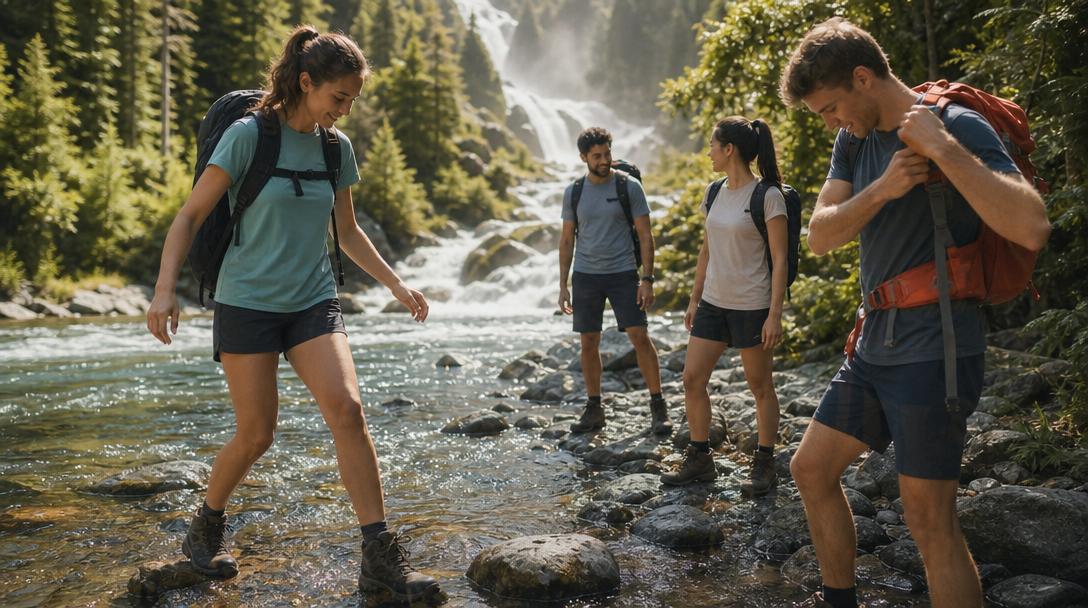
Best Overall: Patagonia Capilene Cool Daily Shirt
The Patagonia Capilene Cool Daily is my workhorse tee. It’s not flashy. It doesn’t scream “technical gear wizardry.” It just works, which is honestly the highest compliment I can give a hiking shirt.
I’ve worn it on hot hikes, damp hikes, sweaty climbs, and wet trail days where I needed something that would dry quickly without making me think about it. The fabric feels light, moves well, and dries fast enough that after a soaking, I’m not stuck feeling like I’m wearing a wet towel.
Why it works well around water:
- Fast-drying polyester fabric
- Comfortable next-to-skin feel
- Lightweight without feeling fragile
- Works as a base layer or standalone shirt
- Good for hot, humid, and mixed conditions
Where it’s not perfect: in cold wind, any ultralight synthetic tee can feel chilly when wet. If I know I’ll be climbing above a waterfall or crossing a river before hitting an exposed ridge, I bring a light wind layer. A quick-dry shirt is a base layer decision, not your whole weather system.
If you’re building a simple water-hike kit, this is the shirt I’d start with.
Best for Sun Protection: Outdoor Research Astroman Air SS
The Outdoor Research Astroman Air SS is a strong pick for open-water hikes, paddling approaches, coastal trails, and long days under a pack.
The big win here is that it balances sun protection, stretch, durability, and comfort under straps. I’ve found it handles pack friction and PFD rubbing better than many lighter synthetic tees. That matters on water-based trips because wet fabric plus shoulder straps can turn into a chafing machine real fast.
Why I like it:
- UPF protection, often listed around UPF 30–50+ depending on model/color
- More abrasion-resistant than featherweight tees
- Comfortable stretch without going full cling-wrap
- Good for paddling, coastal routes, and long sunny days
It doesn’t dry quite as fast as the lightest polyester shirts, but it’s tougher. That tradeoff makes sense if you’ll be wearing a pack, carrying a paddleboard, scrambling near rock, or spending hours in and out of a PFD.
For pure hot-weather hiking shirt choices, I’d also compare it with the options in my guide to best hiking shirts for hot weather, especially if sun exposure is your main issue.
Best for Tropical and Humid Hikes: Outdoor Research Echo Sun Hoodie
For humid trails, tropical waterfall hikes, jungle walks, and steamy coastal routes, airflow is everything.
The Outdoor Research Echo Sun Hoodie is ultralight, breathable, and quick to dry. It’s the kind of shirt that feels like it’s barely there, which is exactly what I want when the air is already wet enough to chew.
I’ve had my best surprise with a lightweight poly sun hoodie on a rainy coastal hike. I expected misery. Instead, once I left the spray zone, the shirt was nearly dry in about twenty minutes. The hood meant I didn’t have to dig out a rain shell for light drizzle, which felt like cheating in the best possible way.
Why a hood is underrated:
- Helps with sun exposure on open water
- Adds a little warmth after a dunking
- Keeps light drizzle and mist off your neck
- Feels oddly comforting after a cold splash
A hooded shirt won’t replace a rain jacket or wind shell, but it buys you a little buffer. That matters when you’re wet and the breeze kicks up.
Best for Cold Water and Temperature Swings: Ridge Merino Pursuit Ultralight Hoodie
Synthetic shirts dry fastest, but merino blends have a special place on cold, wet, stop-start adventures.
The Ridge Merino Pursuit Ultralight Hoodie is the one I’d reach for when I know I might be wet and then standing still. Think shoulder-season river crossings, canyon hikes with shade, alpine lakes, misty waterfall routes, or multi-day trips where odor control becomes a real campfire conversation.
Merino doesn’t dry as fast as pure polyester, but it manages temperature swings better. It feels less brutally cold when damp, and it handles odor far better than most synthetics.
Why it earns a spot:
- Better wet-cold comfort than pure synthetic
- Great odor resistance
- Useful for multi-day trips
- Hoodie design adds warmth and sun coverage
- Works well for cool mornings and damp evenings
If I’m packing for a serious water-based trip, I usually bring two shirts: one fast-dry synthetic for the active wet hours, and one merino-leaning option for camp, cold stops, or the next day. No single shirt wins every category.
For layering around cold wet conditions, my breakdown of the 3-layer rule for cold weather hiking pairs nicely with this approach.
Best Budget Option: Decathlon Forclaz MT900 Seamless Merino
If you want solid performance without spending premium-brand money, the Decathlon Forclaz MT900 Seamless Merino is worth a look.
It’s not the fastest-drying shirt in the bunch, but as a merino option, it brings good odor control and comfort for multi-day hikes. I’d especially consider it for trips where you’ll be damp often but not constantly submerged — think misty trails, humid camps, damp mornings, and occasional crossings.
Best use cases:
- Budget-conscious backpacking
- Multi-day trips
- Cooler wet conditions
- Camp and sleep shirt duty
- Odor control without luxury pricing
For water-heavy hot weather, I’d still choose a lighter synthetic first. But for value and comfort, this is a useful category to have in your kit.
Best for Paddling: Outdoor Research Astroman Air
Yes, the Astroman Air shows up twice, and I’m fine with that.
For paddling-specific adventures, it checks the right boxes: stretch, UPF, durability, and better abrasion resistance than ultralight tees. When you’re in a kayak, canoe, packraft, or paddleboard situation, your shirt isn’t just dealing with sweat and rain. It’s dealing with PFD straps, repeated shoulder movement, sun reflection, and sometimes wet gear rubbing against the same spots for hours.
A superlight tee may dry faster, but if it gets shredded by strap friction or starts chafing halfway through the day, fast drying won’t save it.
Fabric Breakdown: What Actually Works When Soaked?
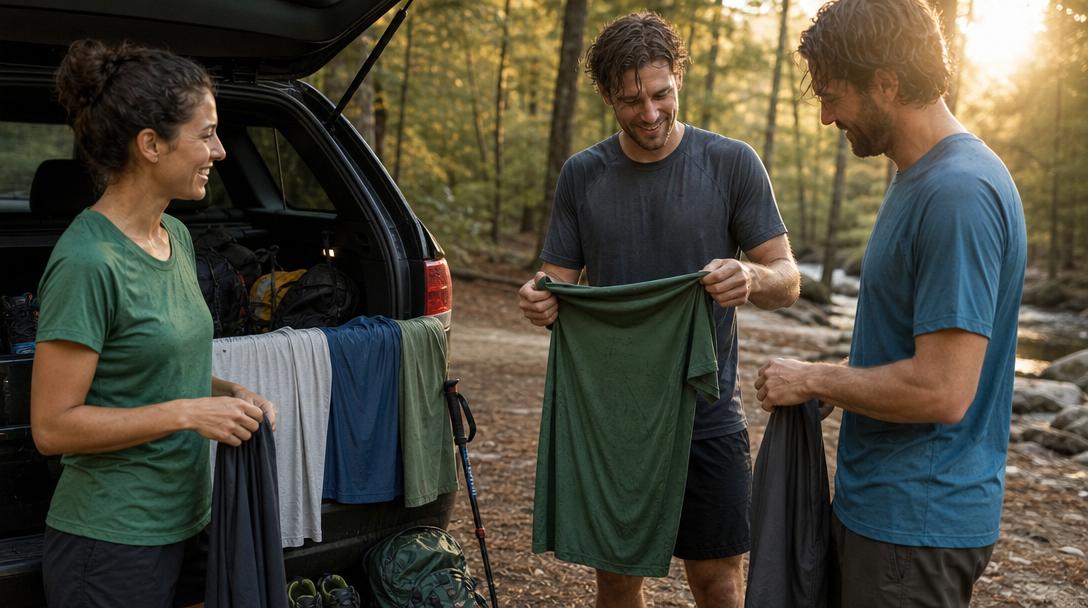
Polyester: Fastest Drying for Hot Wet Conditions
Light polyester is my default for hot, wet hikes. It dries quickly, breathes well, and doesn’t hold water like natural or semi-synthetic fabrics.
Best for:
- Waterfall hikes in warm weather
- Humid trails
- River crossings with sun afterward
- Rainy summer hikes
- Fast-moving day hikes
The downside? Thin polyester can feel cold in wind once wet. That’s not a flaw so much as physics being rude.
Nylon: Tougher, Slightly Slower
Nylon usually dries a little slower than lightweight polyester, but it’s more durable and handles abrasion better.
Best for:
- Paddling
- Pack-heavy hikes
- Scrambling
- Canyons
- PFD use
If your route includes friction, nylon blends deserve attention.
Merino Blends: Best for Cool, Wet, Multi-Day Trips
Merino blends shine when the day includes wet-cold transitions. They’re not the fastest, but they stay more comfortable across changing temperatures and smell much better after repeated wear.
Best for:
- Shoulder season hikes
- Multi-day trips
- Cool waterfall routes
- Camp layers
- Wet mornings and cold stops
Bamboo, Viscose, and Cotton: Not for Serious Wet Hiking
I avoid heavy bamboo or viscose shirts for water-based hikes now. They can feel amazing in a shop, but once soaked, they often hold moisture far too long.
Cotton is even worse for technical hiking around water. It absorbs moisture, dries slowly, and can chill you quickly. If you want the deeper explanation, I’ve written more on why cotton is bad for hiking and whether cotton shirts are good for hiking.
That said, cotton and casual tees absolutely still have a place — just not as your wet-trail performance layer. I love a soft graphic tee for the drive, campsite, brewery stop, or post-hike burger situation. That’s where something like the Hike More, Worry Less Bigfoot Shirt or One More Mile Shirt makes sense: casual comfort after the serious wet gear has done its job.
Fastest-Drying Fabrics at a Glance
If you just want a quick answer to “which hiking tops dry fastest,” here’s a simple ranking based on how fabrics behave after a full soaking, not just a light sweat. This isn’t a lab test, just a practical comparison for water-based hikes.
- Lightweight polyester – fastest overall, ideal for hot, wet, or humid conditions
- Polyester-nylon blends – nearly as fast, with better durability for packs and straps
- Nylon – slightly slower drying, but tougher against abrasion and friction
- Merino-synthetic blends – noticeably slower drying, but better for temperature swings and odor
- Pure merino – slow drying, best reserved for cool, stop-start days
- Bamboo, viscose, cotton – slowest drying by far, not suitable for serious water exposure
For most water-based adventures in hot or humid weather, a lightweight polyester tee or hoodie is the safest quick-dry choice. Save merino blends for cooler routes where comfort during wet-cold stretches matters more than raw drying speed.
Features That Matter More Than Marketing Claims
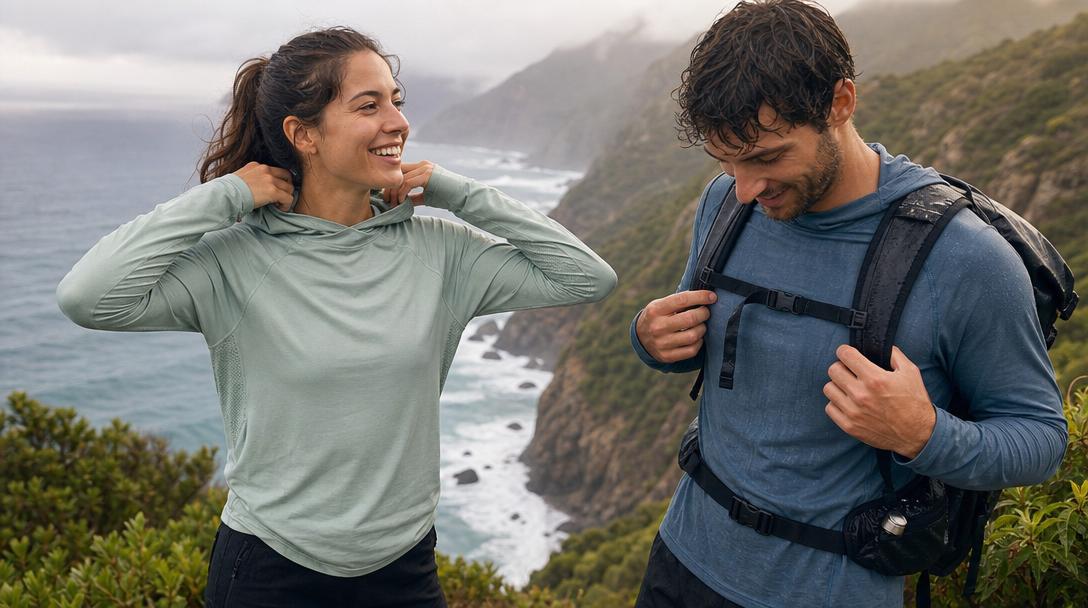
Slightly Loose Fit
A slightly loose fit almost always beats a tight athletic fit around water. It clings less, breathes better, and dries faster because air can move between the shirt and your skin.
My worst mistake was wearing a spandex-heavy athletic shirt on a waterfall hike because I thought it would move well. It did move well — straight into becoming a cold wet second skin plastered to my ribcage for two hours. Under the pack straps, it chafed like the shirt had personal issues with my shoulders.
Avoid anything too compression-like unless you know exactly how it behaves when soaked.
Flat Seams
Flat seams sound boring until hour three under a wet pack strap. Then they become sacred technology.
Wet fabric increases friction. Add shoulder straps, a PFD, or repetitive paddle motion, and seams can become hot spots fast. Look for flatlock seams or seam placement that avoids pressure zones.
Hood
I used to think hoods on hiking shirts were mainly for sun protection. Now I think they’re underrated for water adventures too.
After a river crossing, waterfall splash, or windy coastal section, a hood gives your head and neck a little extra coverage. It’s not a jacket, but it’s a small dry hug for your head. Sometimes morale matters.
### Mesh Panels and Back Vents
In humid conditions, mesh panels and back vents actually help. Not always dramatically, but enough to notice when you’re sweating, damp, and wearing a pack.
The key is balance. Too much mesh can reduce sun protection or durability, but thoughtful ventilation is a win.
Skip Chest Pockets for Wet Hikes
Chest pockets can look useful, but in wet conditions I usually find them annoying. They slow drying and can collect water. Unless you specifically need one, simpler is better.
My Simple Field Test for Quick-Dry Shirts
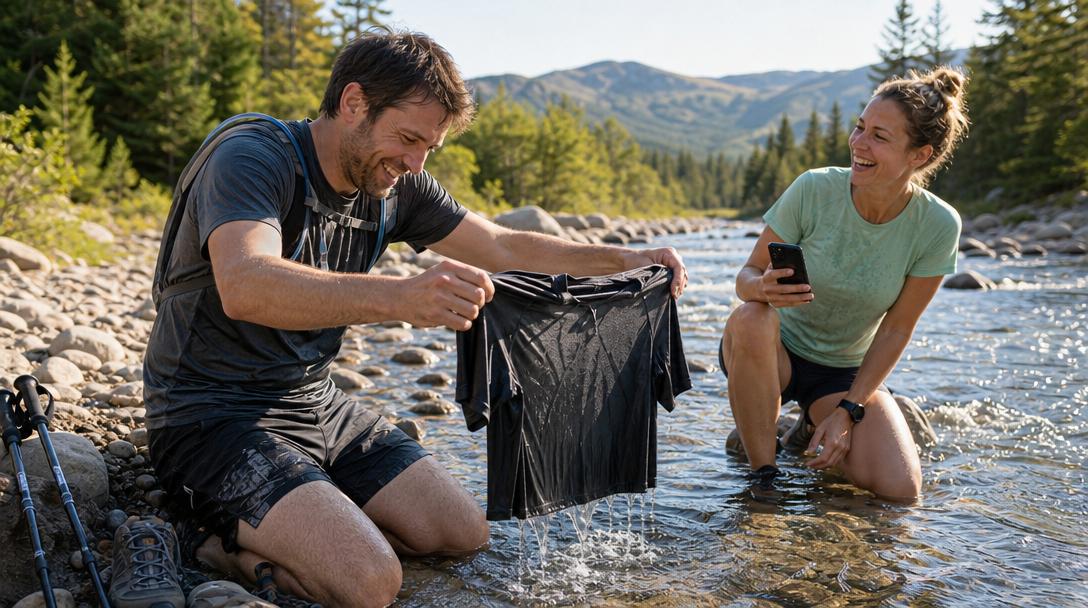
Here’s my not-at-all-laboratory-approved test: soak the shirt completely in a sink or stream, put it on wet, and walk in it for thirty minutes at your actual hiking pace.
Pay attention to three things:
- How long it takes to stop feeling actively wet against your skin
- How it behaves under shoulder straps or a pack
- Whether you feel cold when the breeze hits
Then repeat the test after a few laundry cycles. Some shirts rely on treatments that perform well at first but fade over time. Better to discover that at home than on day two of a five-day trip.
Best Shirt by Adventure Type
Waterfall Hikes
Choose: lightweight polyester sun hoodie or quick-dry tee
Waterfall hikes are brutal because you go from spray to wind fast. I’d wear a synthetic shirt with a slightly loose fit and carry a light wind shell.
River Crossings
Choose: fast-dry polyester tee or hoodie
If the sun is out after the crossing, shirts often recover faster than expected. The main thing is avoiding cotton and spandex-heavy gym shirts.
Coastal Hikes
Choose: UPF shirt with good breathability
Salt spray, wind, humidity, and reflected sun create a uniquely damp misery combo. Prioritize UPF and airflow. A hood helps a lot.
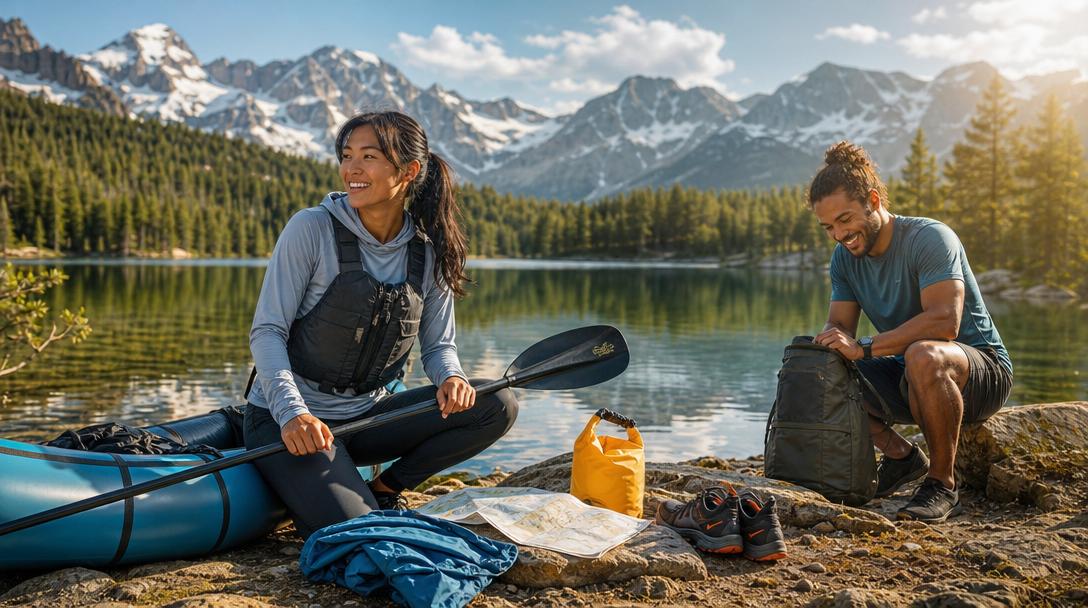
Paddling and Packrafting
Choose: durable nylon/poly blend with UPF
Abrasion resistance matters more here. Look for comfort under a PFD and enough stretch for paddle movement.
Cool Canyons and Alpine Water Routes
Choose: merino blend hoodie plus wind layer
This is where merino blends shine. They help buffer temperature swings better than featherweight synthetics.
Beginner Mistakes to Avoid
The biggest mistake is confusing athletic performance with water performance. A shirt that wicks sweat at the gym may fail badly when fully soaked.
Avoid these common traps:
- Wearing cotton on wet hikes
- Choosing bamboo or viscose for serious water exposure
- Buying a tight, spandex-heavy shirt that clings when wet
- Forgetting UPF around open water
- Assuming quick-dry means warm when wet
- Skipping a wind layer on exposed routes
Sun protection is especially easy to underestimate near water. Open water and coastal hikes can double your exposure because sunlight reflects back up at you. A basic tee may not cut it, especially once stretched, wet, or worn thin.
FAQ: Quick-Dry Hiking Shirts for Water Adventures
What fabric dries fastest for hiking shirts?
Lightweight polyester usually dries the fastest. It’s my top choice for hot, wet conditions like waterfall hikes, humid trails, and river crossings followed by sun exposure.
Are merino shirts good for water-based hiking?
Yes, especially in cooler conditions or on multi-day trips. Merino blends don’t dry as fast as pure polyester, but they handle odor better and feel more comfortable during wet-cold temperature swings.
Should a quick-dry hiking shirt fit tight or loose?
Slightly loose is usually better. A looser fit clings less, allows more airflow, and often dries more comfortably while you’re moving. Tight athletic shirts can feel awful when soaked.
Do I need a hooded hiking shirt for water trips?
You don’t need one, but I strongly recommend trying one. A hood helps with sun, mist, light drizzle, wind, and post-splash comfort. It adds more usefulness than most people expect.
Can I wear cotton if the hike is short?
For dry, easy walks, sure. For water-based hiking, I wouldn’t. Cotton dries slowly and can make you cold once wet. Save cotton tees for camp, travel days, and post-hike lounging.
What should I pack with a quick-dry shirt?
If water and wind are both involved, pack a lightweight wind layer. For serious trips, I like bringing one fast-dry synthetic shirt for active wet sections and one merino blend for camp or cooler stops.
Which hiking tops dry fastest after sweating?
Lightweight polyester tops dry fastest after sweating, since the fabric doesn't absorb much moisture in the first place. Polyester-nylon blends come close behind while adding a bit more durability under pack straps.
What are the best quick-dry tops for outdoor adventures in general?
For general outdoor adventures, a lightweight polyester or polyester-nylon blend shirt is the most reliable quick-dry pick. If your adventure includes paddling or pack straps, look for a slightly heavier blend with more abrasion resistance.
Final Take: No One Shirt Wins Everything
If I had to pick one quick-dry hiking shirt for most water-based adventures, I’d start with the Patagonia Capilene Cool Daily. It’s simple, comfortable, fast-drying, and dependable.
For paddling or strap-heavy trips, I’d lean Outdoor Research Astroman Air. For tropical humidity, the OR Echo Sun Hoodie is hard to beat. For cool wet routes and multi-day stink management, the Ridge Merino Pursuit Ultralight Hoodie earns its spot.
The honest answer is that no single shirt wins every condition. My usual system for serious water trips is one fast-dry synthetic for the active wet hours and one merino-leaning layer for camp, cold stops, or the next morning.
And whatever you do, don’t test a spandex-heavy gym shirt for the first time in a waterfall spray zone. I already made that mistake for both of us.


