


What to Bring Camping: My Checklist
Dominic PalmowskiKey Takeaways
- I stick to a core camping checklist built around shelter, sleep system, cooking, clothing layers, hygiene, safety, and tools so I get the essentials packed first.
- I adjust what I bring based on the trip type, destination, weather, campsite facilities, and activities instead of copying the same list every time.
- I balance comfort and weight by choosing smaller versions of bulky items and cutting the “just in case” extras.
- Safety and hygiene are non-negotiable: I pack a first aid kit, lighting, navigation, sunscreen, bug protection, water plans, and waste bags.
- I change my list based on who is coming, including kids, pets, older adults, or anyone with health needs.
- I camp more sustainably by using biodegradable products, packing out waste, respecting wildlife, and reviewing my list after every trip.
Your Essential Camping Gear Checklist
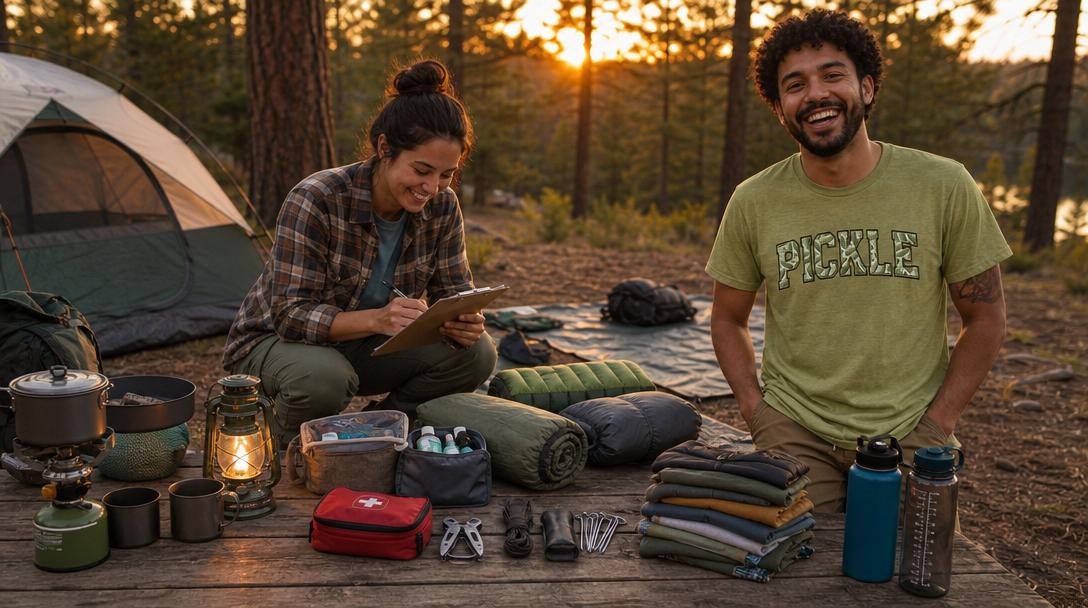
For any camping trip, I break my gear into simple groups so I do not overpack or miss key items:
- Shelter
- Sleep system
- Cooking kit
- Layered clothing
- Hygiene
- Safety
- Tools
I scale the list to the trip. For a 1–2 night car camping weekend, I bring more comfort gear. For a 4–7 day backpacking trip, I cut weight and carry only what I know I will use. If you want a deeper gear-by-gear breakdown, my ultimate camping gear checklist is a handy companion.
I keep one printed checklist in a clear folder and one digital version on my phone. I check items off as I pack, then update the list after each trip with notes like “too many shirts” or “bring extra fuel next time.” Small edits make the next trip smoother.
1. Shelter
I pick my tent first because it shapes the rest of my packing. For a one- or two-person backpacking trip, I like a light tent with a simple pole frame and a full rainfly. For car camping with friends or family, I switch to a bigger tent with more headroom.
I always check campsite rules for tent size and how many shelters are allowed on one site. Then I pack extra stakes, guy lines, a footprint or groundsheet, repair patches, and duct tape. A missing stake or tiny tear can turn into a long, wet night.
If I am driving in, I bring a tarp or canopy for shade and rain cover. Before leaving, I check poles, seams, and zippers at home. I would much rather find a broken pole in my garage than at 10 p.m. in a storm.
2. Sleep System
My sleep system comes next because good sleep changes the whole trip. I match my sleeping bag rating to the actual nighttime low, not the daytime high. In the mountains, I usually bring a bag rated a little colder than the forecast.
A sleeping pad or air mattress is not just for comfort. It insulates you from the cold ground. I also bring a small pillow or stuff a soft bag with clothes if I need to save space. For chilly nights, a liner or light blanket adds warmth without much bulk. If you are still sorting out your sleep setup, this guide to the best sleeping bags for camping and backpacking is worth a look.
3. Cooking Kit
For food, I start with the heat source: a camping stove, portable grill, or both if I am car camping. I pack the right fuel type and enough for every meal, plus a little extra in case plans change.
My cooking kit stays simple: one pot, one skillet, a small kettle if I want coffee or tea, a spatula, tongs, cutting board, and sharp knife. A cooler is a must when I bring fresh food. I size it based on trip length and group size.
I use reusable containers to keep ingredients dry and organized. I also pack plates, bowls, cups, cutlery, biodegradable soap, a sponge, and a small towel. If you want meal ideas that do not feel like punishment, try these easy campfire cooking recipes.
4. Layered Clothing
I use a basic three-layer system: a moisture-wicking base layer, an insulating mid-layer like fleece or light down, and a waterproof, windproof shell. For active hiking, cotton usually stays home because it dries slowly and feels cold when wet.
That said, casual camp clothes are different. Once I am done hiking and hanging around the fire, a soft cotton or cotton-blend tee feels great. A relaxed graphic shirt like the Camping Summer Shirt is the kind of thing I would wear around camp, not as my main technical hiking layer. If you are unsure where cotton fits, I break it down in Are Cotton Shirts Good for Hiking?
I always pack a hat, sunglasses, and more socks than I think I need. Dry feet prevent a lot of misery. My list shifts with the season: gloves and warm layers in cold weather, sun protection and breathable fabrics in heat, and swimwear if water is part of the plan.
5. Hygiene Pack
My hygiene kit is compact but complete: toothbrush, toothpaste, toilet paper or wipes, quick-dry towel, biodegradable soap, hand soap, and sanitizer. Not every campsite has running water, and clean hands matter when you are cooking outside.
Hydration is part of hygiene too. I bring a reusable water bottle or hydration pack, plus a filter or purification tablets when clean water is limited.
I also pack trash bags for food waste and garbage, plus sunscreen, insect repellent, and SPF lip balm. These tiny items take almost no room, but they prevent sunburn, bites, and cracked lips from wrecking the trip.
6. Safety Gear
My safety kit starts with a first aid kit I actually know how to use. I pack bandages, antiseptic wipes, pain relief, personal medication, blister care, and an emergency blanket.
For light, I bring a headlamp, a backup mini flashlight, and sometimes a lantern for the picnic table. Spare batteries or a compact power bank go in the same bag.
Navigation is next on my camping essentials list. I bring a map of the area and a basic compass, even if I expect cell service. For backcountry trips, I add a GPS unit or PLB just in case. Phones are useful, but they are not my only plan.
7. Essential Tools
For tools, I rely on a good multi-tool or camping knife. It helps with food prep, quick repairs, and basic camp tasks.
I also pack duct tape, a sleeping pad patch kit, and tent or stove repair parts. In toilet-free areas, I bring a lightweight trowel so I can dig a proper cathole and follow local rules.
Fire-starting gear stays in a dry bag: waterproof matches, one or two lighters, and small fire starters. That way I can safely light a stove or campfire even if the air is damp.
Adapt Your Camping List
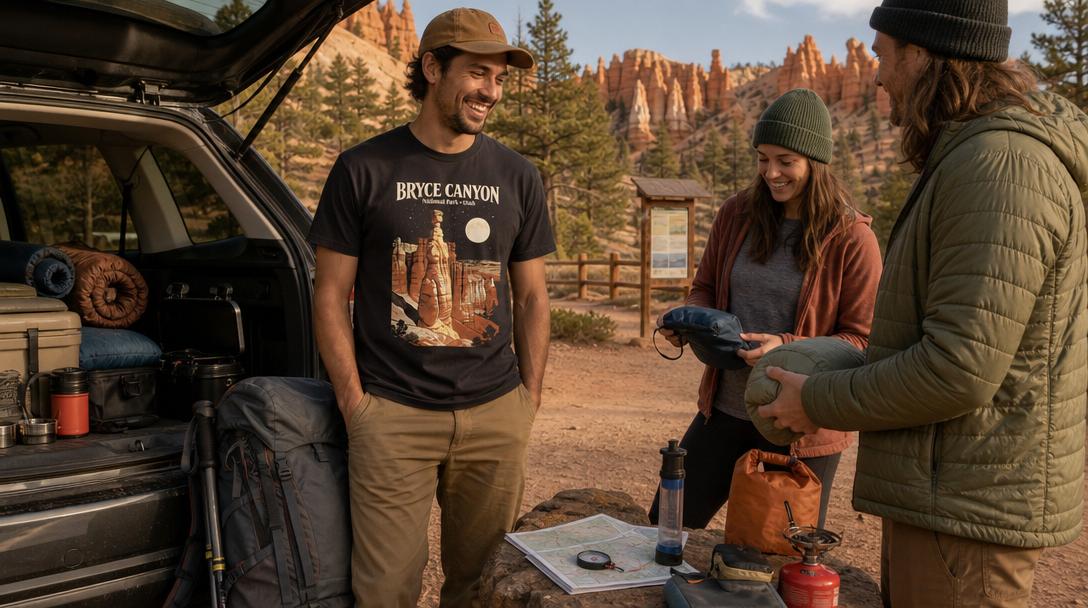
No two trips need the exact same setup. This section is where I trim, add, and swap gear based on the kind of camping I am doing, the climate, and the people coming with me.
A few days before leaving, I compare my checklist with the forecast, route, campsite facilities, and number of nights. Then I do one last check the morning I leave so stove fuel, food, and safety gear do not stay behind.
By Trip Type
- Car camping
- Backpacking
- Remote or off-grid camping
For backpacking, I keep weight low with a light tent or tarp, compact sleeping bag, small sleeping pad, single-burner stove, one pot, a spork, and a soft bottle with a filter. I skip bulky extras and use multi-purpose items, like a bandana that works as a towel, pot holder, or sun shield.
For car camping, I use the trunk. That means a roomier tent, thicker sleeping pad, real pillow, cooler, camp chairs, folding table, lantern, and maybe a game or journal. I still bring a full first aid kit; I just do not worry as much about weight.
For remote trips, I pack more backups: paper map, compass, GPS or locator beacon, extra fuel, extra food, and two ways to treat water. If I add fishing or kayaking, I bring rods, tackle, dry bags, and repair tape. For winter, I add a warmer bag, insulated pad, gloves, and cold-weather stove fuel.
By Climate
I tailor my list to hot, cold, wet, or dry conditions. For hot and sunny sites, I bring light long sleeves, a wide-brimmed hat, strong sunscreen, and a tent or tarp with good airflow.
For wet or windy areas, I pack a real waterproof jacket, rain pants, a reliable tent fly, and a groundsheet. For cold nights, I focus on layers: moisture-wicking base, fleece or down mid-layer, waterproof shell, warm hat, and spare socks.
For shoulder seasons, I like cotton-polyester blend shirts for relaxed camp time because they dry faster than heavy cotton and still feel soft. A casual tee like the Life is better Campfire Shirt fits that easy around-the-fire vibe.
In dry or remote places, I bring extra bottles or a hydration bladder and at least one water purification method, usually two. I also pack a poncho or emergency rain cover and a space blanket for surprise weather.
By Company
Before I pack for a group trip, I think through a few key variables:
- Group size and number of nights
- Ages, from kids to older adults
- Health needs, allergies, and mobility limits
- Pets, including food, gear, and campsite rules
With a group, I scale up the basics: more plates, cups, utensils, chairs, snacks, and shared meals. I also check who is bringing what so we do not end up with three tables and no cutting board.
With kids, I pack easy snacks, warm layers, one headlamp per child, simple games, mini whistles, bug spray, and sun hats. With pets, I bring a leash, collar, ID tags, poop bags, water bowl, sleeping pad or blanket, and medication.
For relaxed family camp days, I also like easy casual tees that can handle dirt, marshmallows, and photos around the picnic table. The Camping Hair I don't Care Shirt is exactly that kind of low-pressure camp shirt.
Beyond the Basics
Comfort Items
A good camp chair with back support is worth it if I am car camping. If trees are allowed and available, I bring a hammock with easy straps. A small camp table helps keep food prep out of the dirt.
For warmth, I pack a camping blanket that can handle a little dust or campfire smell. I use it on my lap, over my sleeping bag, or while stargazing. I also carry an insulated bottle for hot tea in cold weather or cold water in the sun.
Good sleep matters, so I often bring a real pillow from home or a quiet camping pillow. Earplugs and an eye mask are tiny but helpful at busy campgrounds.
Ambiance Gear
After dark, soft lighting changes the whole campsite. I use a lantern for tasks and small solar lights or string lights to mark guy lines, the tent zipper, or the path to the bathroom.
I treat speakers carefully. Low volume, daytime or early evening only, and always follow quiet hours. Your music is for your site, not the whole valley.
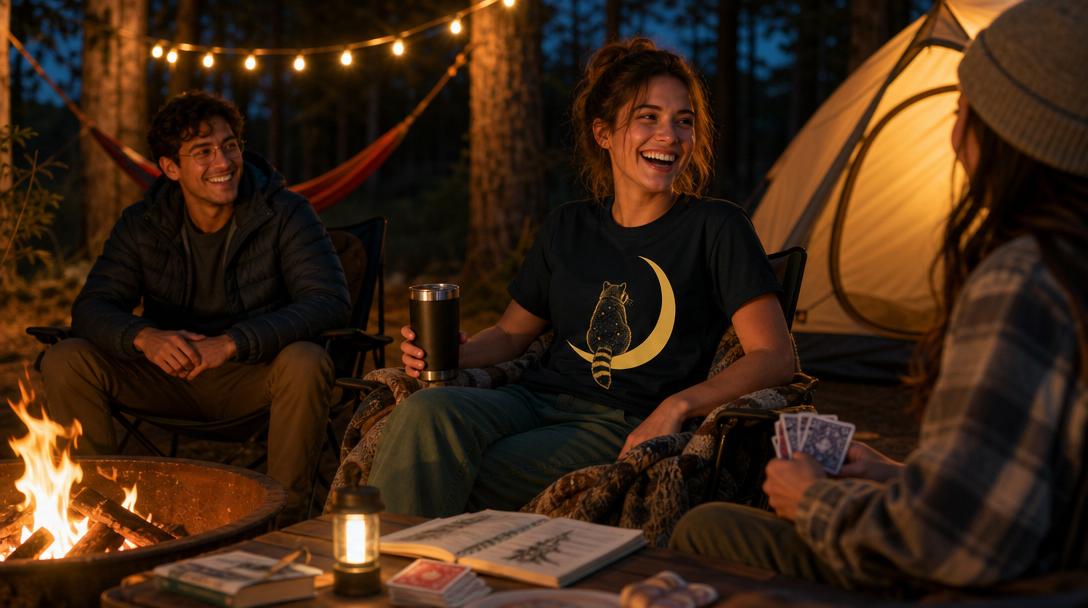
For offline fun, I bring cards, a travel game, a book, a journal, or a sketchbook. A casual graphic tee also fits the laid-back mood around camp. The Raccoon Moon Shirt has that cozy, slightly weird woodland energy I love for evenings by the fire.
Tech Tools
I see tech as support, not the whole point of the trip. A power bank is standard for me, sized to charge my phone two or three times. For longer sunny trips, I may add a small solar charger. If you need more serious off-grid power, this guide to portable solar generators is helpful.
Before I lose service, I download offline maps, save trailheads and campsite locations, and add local emergency numbers to my contacts. For remote groups, walkie-talkies or GPS trackers can help everyone stay connected.
Sustainable Camping Choices
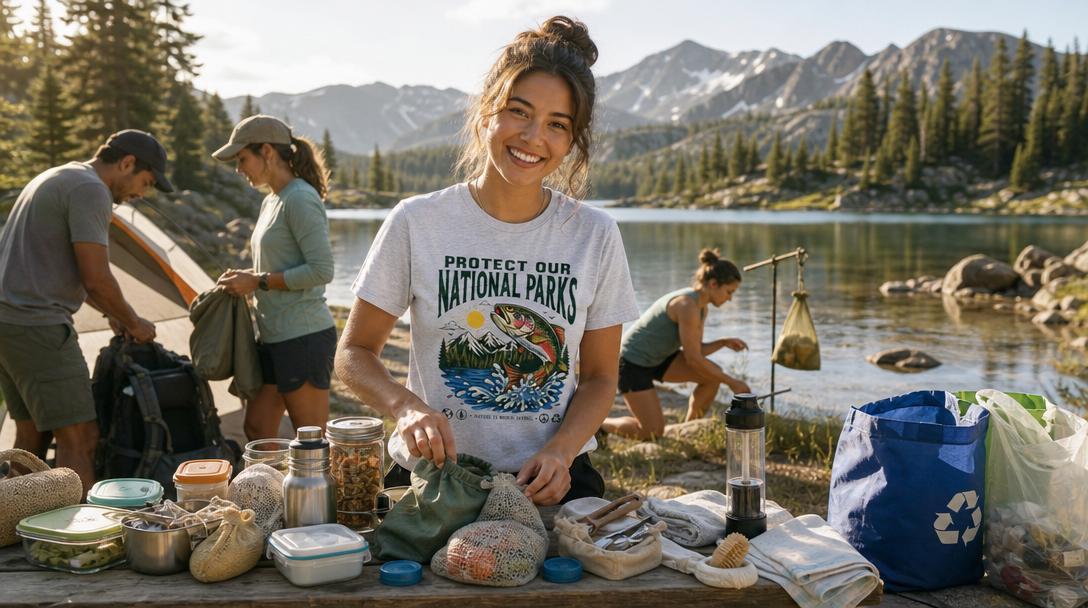
For me, sustainable camping starts before I leave home. I try to choose gear and supplies that reduce waste, save water, and protect the places I came to enjoy. I keep the leave no trace idea in mind: leave the campsite as good as I found it, or better.
| Item / Choice | Why I Pack It / Impact |
|---|---|
| Reusable water bottle or hydration pack | Cuts single-use plastic bottles and reduces trash |
| Water filter or purification tablets | Lets me drink local water safely without bottled water |
| Biodegradable soap, toothpaste, wipes | Break down faster and reduce harsh chemicals |
| Reusable food containers and bags | Reduce plastic wrap and single-use bags |
| Washable towels and cloths | Replace paper towels and bulky wipes |
| Multi-tool and reusable cutlery | Avoid plastic forks and knives |
| Durable, long-lasting clothing | Fewer replacements over time |
| Portable stove or grill | Lower fire risk than open campfires |
My cleaning kit is simple: biodegradable soap, scrub pad, and a tiny basin. I wash at least 60 to 70 meters from rivers or lakes so grey water filters through soil first.
To reduce waste, I use reusable boxes, cloth produce bags, and a cooler with ice packs. I skip single-serve snacks when I can and repackage food at home. I bring sturdy trash bags: one for landfill and one for recyclables. Everything comes back out with me.
I also try to support brands that care about the outdoors, use durable materials, and reduce waste where they can. On site, I follow fire bans, quiet hours, and wildlife rules. I store food properly and keep my distance from nests, burrows, and fragile plants.
Common Packing Mistakes
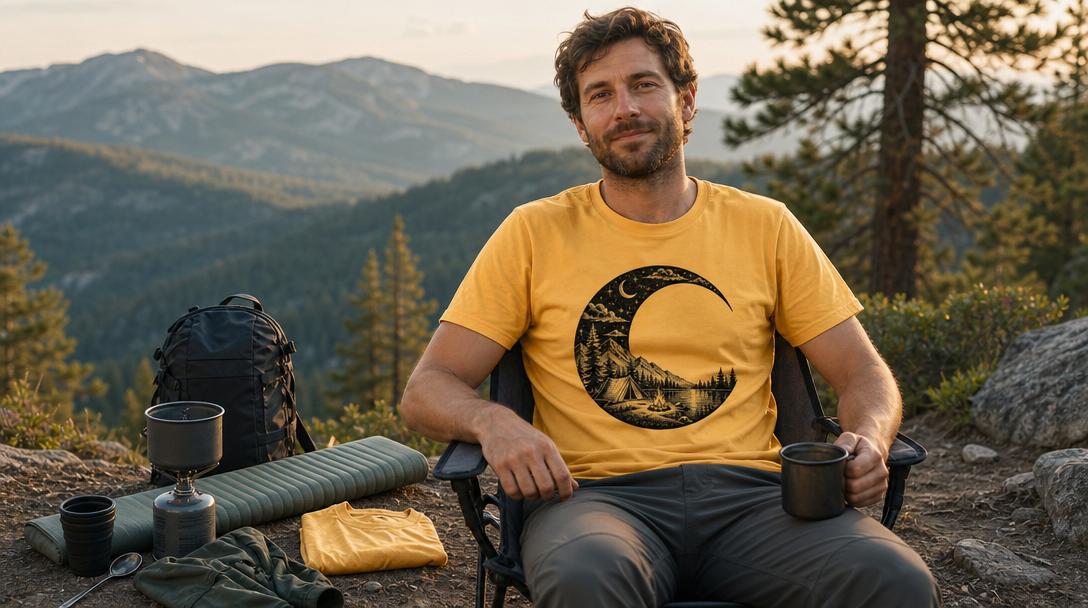
Packing looks easy, but the same mistakes show up again and again. I try to catch them before they turn into cold feet, bad meals, or a night without shelter.
| Mistake | What usually goes wrong | How I fix it |
|---|---|---|
| Forgetting small essentials | No tent stakes, no matches, missing first aid items | Use a printed checklist and do a full gear run-through |
| Overpacking clothes or food | Heavy pack, wasted food, cluttered camp | Plan by day, then remove 10–20% |
| Unchecked new gear | Stove, tent, or light fails in the field | Test every new item at home |
| Wrong or not enough fuel | Stove will not run long enough | Check fuel type and bring extra |
| Impractical clothing or shoes | Cold, blisters, unsafe footing | Choose tested layers and sturdy shoes |
| Poor meal planning | No can opener, cutting board, or prep tools | Walk through each meal while packing |
| No moisture plan | Dew-soaked clothes and gear | Pack quick-dry items and a tarp |
I always revisit the small stuff: stakes, guylines, waterproof matches, and a complete sleep system. I open my first aid kit and restock bandages, blister pads, pain relief, and personal medicine instead of assuming last trip’s kit is fine.
To avoid overpacking, I map each day: breakfast, lunch, dinner, one backup snack, one hiking outfit, one sleep outfit, and spare socks. I test new gear at home in daylight. I light the stove, pitch the tent, check headlamps, and make sure power banks are charged.
Balancing Weight and Comfort
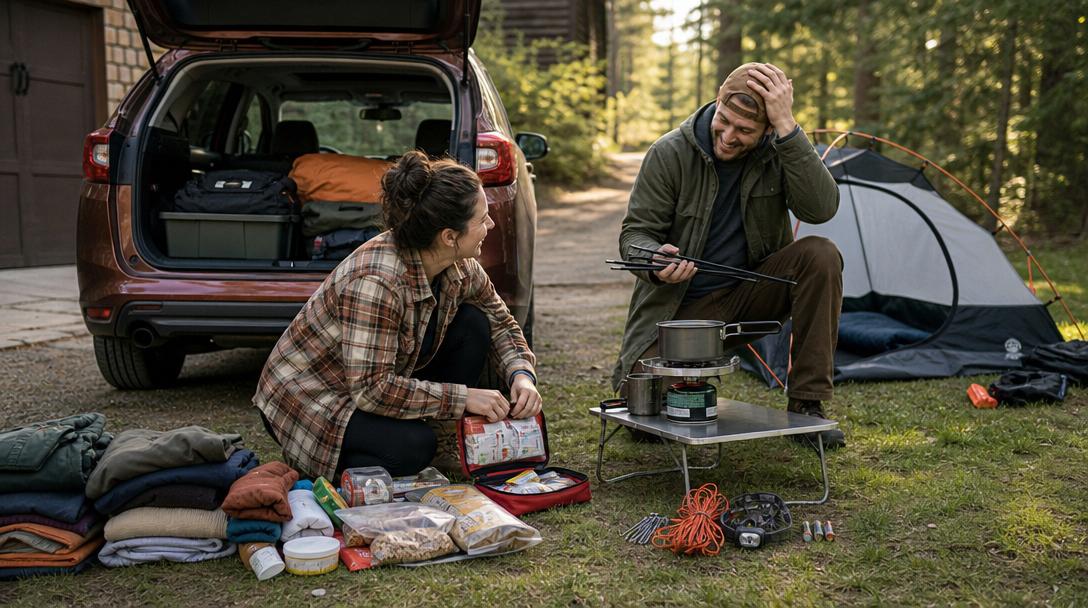
Camping is always a tradeoff between what feels good and what you can carry. I ask one question for every item: will I use this enough to justify the space?
For a quick walk-in campsite, I bring a thicker pad and maybe a camp chair. For a long hike over 10 to 15 kilometers per day, I cut bulk first: lighter bag, slimmer pad, inflatable pillow, one small pot, collapsible cup, and long spoon.
Clothing is where I can save weight without feeling miserable. For active hiking, I choose quick-dry fabrics. For camp, I like soft cotton blends, especially something around 52% cotton and 48% polyester because it feels comfortable and dries faster than heavy cotton.
I pack one spare T-shirt in case I get soaked or chilled, plus one lightweight hoodie or sweatshirt for late-afternoon wind. A fun casual shirt like the Moonlight Camping Shirt is great for camp photos, coffee runs, and slow mornings, not for high-output hiking.
I test new shirts on short day hikes or backyard campouts first. If it itches, rubs, or feels weird after two hours, it does not earn a spot in my bag.
Conclusion
I see camping as a bunch of small decisions that add up. The right checklist lowers stress. A few smart edits keep my bag lighter. One little comfort can make a basic site feel like mine.
I pack smart now. I check my list. I leave behind gear I never use. Then I add one thing that feels like a treat: hot drinks at night, dry socks, a real pillow.
Basic things. Big payoff.
I aim for low waste, low fuss, and a campsite that looks better when I leave than when I arrived. If you have a camping staple you never skip, I would love to hear it.
Frequently Asked Questions
What should I always bring on a basic camping trip?
I always bring a tent, sleeping bag, sleeping pad, water, food, first aid kit, light, weather-ready clothing, hygiene items, and a way to cook. Shelter, water, warmth, and safety come first.
How do I adapt my camping checklist for different weather?
I start with my basic list, then adjust layers. For cold weather, I add thermal layers, a warmer sleeping bag, gloves, and a beanie. For heat, I bring breathable clothing, a sun hat, sunscreen, and extra clean water.
What gear goes beyond the basics but is still worth packing?
A camp chair, mini lantern, power bank, multitool, tarp, compact pillow, and book are all worth considering. They make camp easier without adding too much bulk.
How can I make my camping gear more eco-friendly?
Use refillable bottles, biodegradable soap, rechargeable batteries, reusable containers, and durable clothing. Avoid single-use plastics and pack out all trash.
What are the most common camping packing mistakes?
The big ones are overpacking clothes, forgetting rain gear, skipping first aid items, bringing the wrong fuel, and failing to test new gear before the trip.
How do I balance pack weight with comfort?
Start with lightweight essentials, then add one or two comfort items that matter most, like a better sleeping pad or small camp chair. Cut duplicates and heavy “just in case” items.
What should I never leave behind, even on an ultralight trip?
I never skip navigation, headlamp, sun protection, first aid, knife or multitool, fire starter, shelter, extra food, extra water, and extra clothing.


