


How to Choose a High-Altitude Hiking Shirt
Dominic PalmowskiThe wrong hiking shirt at high altitude does not politely whisper, “Hey, maybe I’m not ideal.” It waits until you are sweaty, tired, wind-hit, sun-cooked, and somewhere inconveniently far from your duffel bag — then it makes its feelings known.
I learned this the memorable way on Kilimanjaro. That mountain starts you in warm rainforest humidity and finishes with freezing, wind-blasted summit conditions. At the trailhead, my shirt felt perfect. By Stella Point, it felt like a personal betrayal. Same shirt, same body, completely different mountain rules.
Since then, after Everest Base Camp, the Inca Trail, Kilimanjaro, a good chunk of the Tour du Mont Blanc, and a few early mistakes I can still feel in my shoulders, I’ve become annoyingly opinionated about hiking shirts for altitude. Not fashion-opinionated. Survival-comfort-and-not-smelling-like-a-wet-gym-bag opinionated.
What Counts as High Altitude for Shirt Choice?
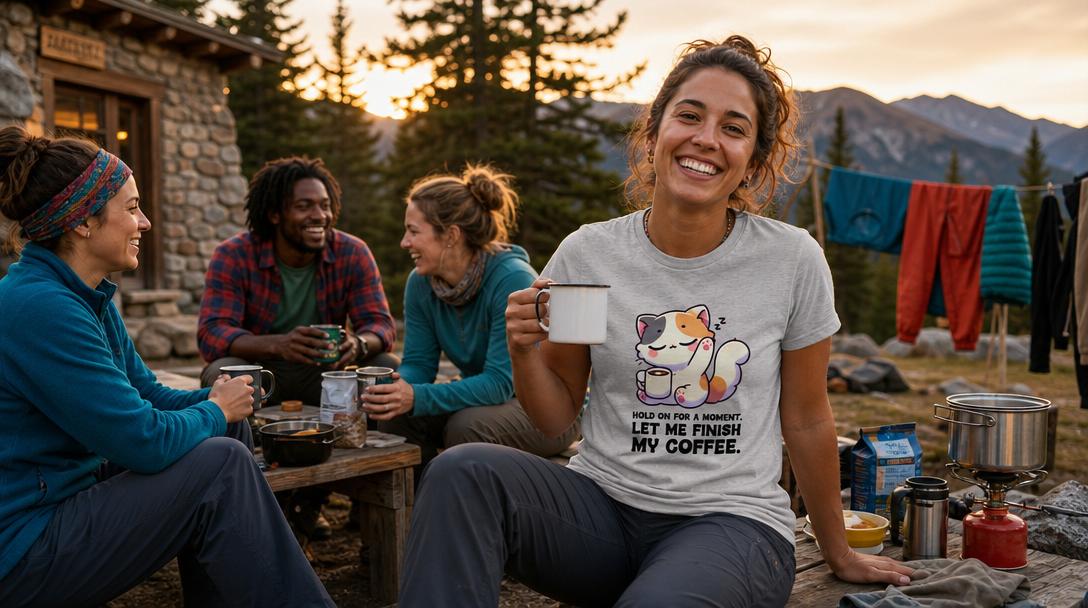
For me, the mental switch flips around 2,500 to 3,000 meters. That is when I stop thinking, “What shirt feels nice?” and start thinking, “What happens when this gets sweaty, sun-baked, wind-whipped, and trapped under backpack straps for eight hours?”
High altitude is not just about the number on the map. It is the combo platter:
- Stronger UV exposure, especially above treeline
- Big temperature swings, sometimes 15 to 20°C in a single day
- Dry air that changes how sweat evaporates
- Wind exposure on passes, ridges, and open slopes
- Longer exertion while your body is already working harder
Above 4,000 meters, the margin for error gets smaller. A shirt that is merely annoying on a lowland day hike can become a real problem when sweat, wind, and cold gang up on you.
The Kilimanjaro Lesson: One Shirt, Five Climates
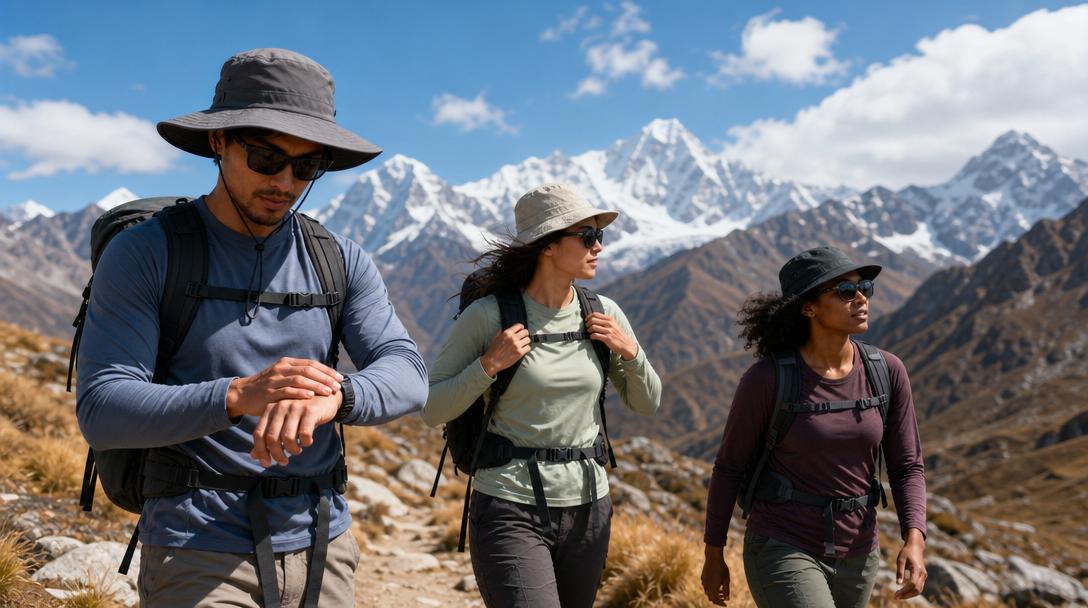
Kilimanjaro taught me more about hiking shirts than any gear review ever could. You can start the day warm and damp in forest, climb into dry alpine terrain, and eventually find yourself near the summit wondering why your “breathable” shirt now feels like refrigerated cardboard.
The big lesson: a high-altitude hiking shirt has to handle change. Not one condition. Change.
At altitude, your shirt is the foundation of your layering system. If it stays wet, chafes, traps odor, lets UV through, or flaps like a flag in the wind, every layer above it has to compensate. And sometimes it cannot.
Best Materials for High-Altitude Hiking Shirts
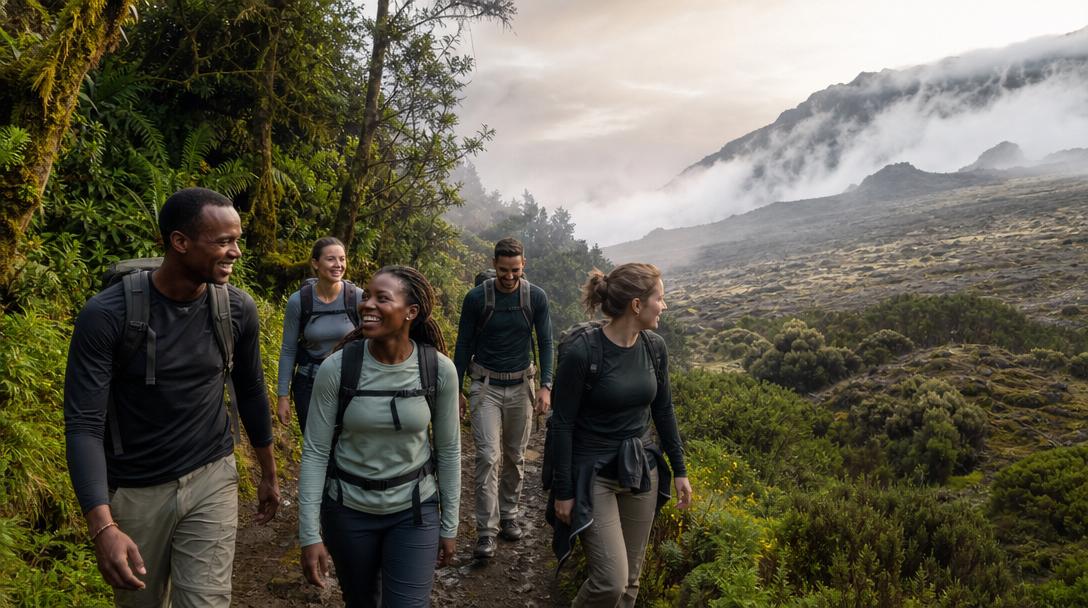
I’ve tested most common hiking shirt materials on real treks. Some earned my trust. Some earned a one-way ticket to the “only wear near camp coffee” pile.
Merino Wool: My Favorite for Multi-Day Treks
Merino wool is my personal favorite for multi-day high-altitude trekking. It is comfortable, regulates temperature well, and keeps the stink situation under control in a way that still feels like witchcraft.
On Everest Base Camp, I wore a merino-blend long-sleeve with UPF 50 coverage for most of the trek. Around Dingboche, an afternoon wind hit us hard during an acclimatization hike. The temperature dropped fast. Because my shirt had dried quickly from the morning climb and sat close enough to my body without catching wind, I was able to throw a wind shell over it and stay comfortable.
Another hiker in our group had a synthetic shirt that was still damp. He got genuinely chilled and had to cut the hike short. That moment confirmed something I now believe completely: your base shirt can make or break your layering system.
Synthetic Polyester: Fast-Drying but Funky
Polyester hiking shirts dry fast and breathe well, especially during hard climbs. If you sweat heavily or are trekking in warm, dry conditions, synthetic can be excellent.
The downside? After a couple of days, some polyester shirts smell like a gym locker that gave up on life. Odor-treated versions are better, but on long teahouse treks or routes with limited laundry, I still prefer merino or a merino-synthetic blend.
Nylon Button-Up Shirts: Durable and Versatile
A lightweight nylon woven button-up is a solid workhorse at altitude. These shirts often offer great sun protection, good durability, and better ventilation control than a pullover.
On cooler, windier routes like parts of the Tour du Mont Blanc, I like the adjustability. Unbutton a bit while climbing hard. Button up when the ridge wind starts poking around for weak spots. Simple, practical, dependable.
Bamboo Blends: Comfortable, But Not My First Pick
Bamboo blends often feel amazing in a store. Soft, drapey, cozy — the shirt equivalent of a spa day. But on a cold, windy pass, that comfort does not always translate into performance.
They can hold moisture longer than I want at altitude, and once wind gets involved, “soft” becomes much less important than “dry.”
Cotton: Fine for Casual, Risky at Altitude
Cotton and I officially broke up on an early section of the Annapurna Circuit. I wore a cotton-blend shirt, sweated through it by midday, then watched clouds roll in and wind pick up. Suddenly I was hiking uphill while shivering in what felt like a cold wet towel.
That was also the day I learned how unforgiving wet cotton can be under pack straps. Eight hours of damp fabric rubbing your shoulders? That is not character-building. That is just poor planning with consequences.
To be clear, I still love cotton and casual tees for camp, road trips, campground mornings, and post-hike burrito missions. A fun shirt like the One More Mile Shirt or the Moonlight Mountain Shirt is great when performance is not the job. But for high-altitude trekking days? Cotton stays in the casual pile.
If you want the full cotton breakdown, I’ve gone deeper on it here: Why Is Cotton Bad for Hiking?
Long Sleeve, Short Sleeve, Sun Hoodie, or Button-Up?
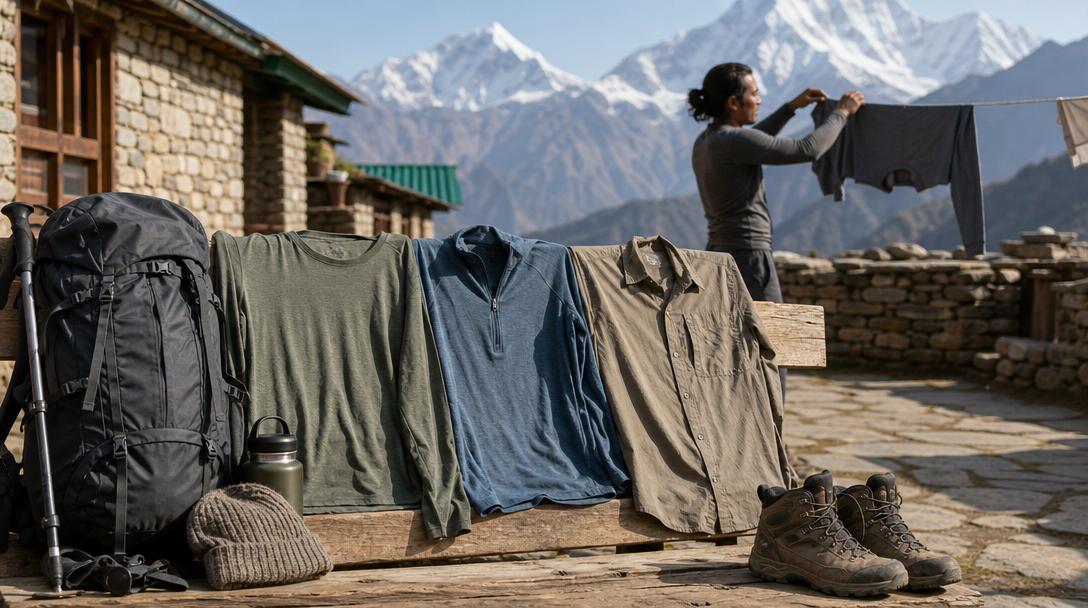
For high altitude, I almost always choose long sleeves or a sun hoodie.
Short sleeves feel tempting when you are hot and climbing. I get it. I made that choice on the Inca Trail and badly burned the backs of my arms around 4,000 meters. The sun at altitude is not the same sun you casually ignore in town. It has range. It has ambition. It wants your forearms.
Long-Sleeve UPF Shirts
A lightweight long-sleeve shirt with a good UPF rating is the safest default for most high-altitude treks. You get arm coverage, shoulder coverage, and a better buffer against wind.
Sun Hoodies
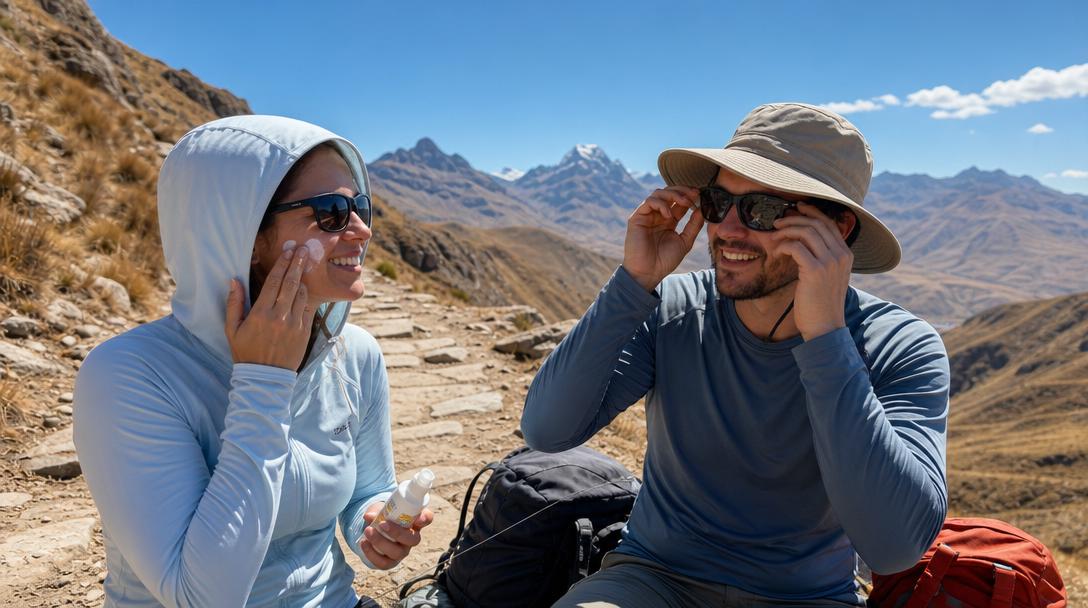
In dry, exposed, high-UV environments, I love a sun hoodie. The hood protects your neck and ears in a way a hat alone does not. If you have ever tried to smear sunscreen onto dusty ears at 4,200 meters while your hands are freezing, you understand the appeal.
Button-Up Trekking Shirts
For cooler, windier routes, a button-up trekking shirt is hard to beat. The ventilation control is genuinely useful. Open it up on climbs, close it down when the wind appears with bad intentions.
If you are mostly hiking in heat rather than altitude, you may want a slightly different setup. I cover that in more detail here: Best Hiking Shirts for Hot Weather.
Features That Actually Matter at Altitude
There are a lot of shirt features that sound impressive on a tag. Some matter. Some are just outdoor-brand poetry.
UPF Rating
For high altitude, I want UPF 30 minimum, and I prefer UPF 50. UV gets stronger as you climb, and exposed skin takes a beating over long days.
Fast Drying
Drying speed is not just about comfort. It is about avoiding the sweat-to-chill cycle. When you climb hard, sweat through your shirt, then hit wind or shade, a slow-drying shirt can drop your body temperature fast.
Breathability
Your shirt needs to move moisture away from your skin while letting heat escape. If it traps sweat, you will either overheat while moving or freeze when you stop. Sometimes both, because mountains enjoy irony.
Odor Resistance
Odor resistance matters more on multi-day treks than beginners think. By day three in a cheap synthetic shirt, you may become the reason people sit slightly farther away at dinner.
Flatlock Seams
Flatlock seams reduce rubbing under pack straps. This sounds minor until you have raw shoulders and six more days of trekking. Avoid thick, raised seams across the shoulders or back.
Hood and Thumb Loops
A hood is excellent above treeline. Thumb loops sound gimmicky until your sleeves keep sliding up and your wrists are exposed to cold wind. Then suddenly thumb loops seem like civilization itself.
Fit: The Underrated Part of Shirt Choice
Fit matters more than people expect. Too tight, and the fabric rubs under backpack straps. Too loose, and it catches wind, bunches under layers, or snags on gear.
I like a fit that sits close without squeezing. You should be able to layer a fleece and shell over it without bunching, but it should not flap around like laundry on a ridgeline.
Try your shirt on with your actual pack if possible. Load the pack. Walk around. Raise your arms. Lean forward like you are climbing. If the seams dig in after five minutes at home, they will not magically become kinder at 3,800 meters.
My Real-World Material Ranking for Altitude
If I had to rank materials from lived experience, here is where I land:
- Merino-synthetic blend: best all-around balance of comfort, drying speed, and odor control
- Merino wool: excellent for multi-day comfort and odor resistance
- Performance polyester: fast-drying and breathable, but watch the odor issue
- Nylon button-up: durable, sun-protective, and versatile
- Bamboo blends: comfortable but not ideal in cold wind
- Cotton blends: casual only, not for serious altitude trekking
How I Layer Around My Hiking Shirt
On a typical high-altitude trekking day, my shirt is the constant. Everything else rotates around it.
I usually start cold with:
- Base hiking shirt
- Light fleece
- Wind shell
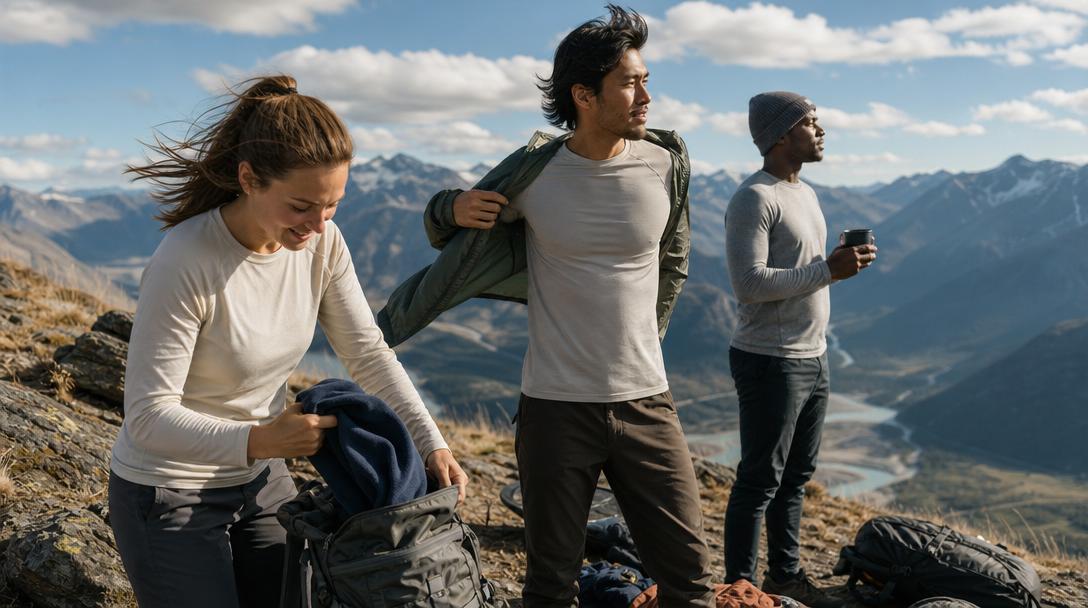
Within 30 to 45 minutes of climbing, the fleece usually comes off and goes near the top of my pack. I hike in the shirt alone during the main effort, then add a wind shell on exposed ridges or whenever sweat and wind start teaming up.
The key habit: when I stop for a real break, insulation goes on immediately. Not after I get cold. Immediately. Lunch stops, viewpoints, snack breaks — if I am pausing longer than five minutes, I layer up before the chill sets in.
If you want a deeper look at the full system, this guide explains it well: What to Wear Hiking in Cold Weather: The 3-Layer Rule Explained.
Beginner Mistakes I See All the Time
Choosing Based on Store Comfort
A shirt can feel amazing at sea level and fail miserably at altitude. Store softness does not tell you how it handles sweat, wind, UV, pack straps, or day-three odor.
Wearing Short Sleeves for “Coolness”
Short sleeves can feel cooler for the first hour. Then the sun starts cooking your arms. Long sleeves with breathable fabric are usually smarter and often more comfortable over a full day.
Ignoring Odor
This is not vanity. On multi-day treks, odor affects comfort, confidence, and everyone’s dinner experience. Merino and odor-treated synthetics are worth considering.
Forgetting About Chafing
Backpack straps change everything. A shirt with thick seams or slow-drying fabric can rub your shoulders and back raw. Once chafing starts, it can make every uphill step feel personal.
Packing Only One Untested Shirt
Never make a big trek the first real test of your shirt. Wear it on training hikes. Sweat in it. Wear it under your loaded pack. Find problems before the mountain does.
If You Can Only Buy One Shirt
If someone told me they could buy only one shirt for a high-altitude trek, I would recommend this:
A lightweight, long-sleeve, UPF 50-rated hiking shirt in either a merino-synthetic blend or a quality fast-drying polyester.
Why?
- Long sleeves protect against sun and wind
- UPF 50 gives reliable high-altitude sun coverage
- Lightweight fabric breathes and layers well
- Fast drying helps prevent chills
- Merino blend or good synthetic balances comfort and performance
What would I avoid? Cotton in any significant percentage, heavy dark fabrics, casual outdoor shirts pretending to be technical gear, and short-sleeve gym shirts that dry fast but smell tragic by day two.
For a broader hiking shirt comparison, this guide is a useful starting point: Best Shirts for Hiking: How to Pick the Right One for Your Kind of Adventure.
Where Casual Tees Still Belong
Performance shirts are for the trekking day. Casual tees are for everything around it: travel days, camp evenings, lodge hangs, post-hike meals, and pretending you are not absolutely destroyed while drinking tea with both hands.
This is where cotton or cotton-blend graphic tees still shine. I would not wear one over a high pass, but I absolutely would wear one around town before the trek or at camp after changing out of sweaty layers. That is the right job for a comfy tee — morale, personality, and not having to wear your serious mountain shirt to dinner.
FAQ: High-Altitude Hiking Shirts
Is merino wool better than synthetic for high-altitude trekking?
It depends on the trek, but for multi-day altitude trips, I usually prefer merino or a merino-synthetic blend. Merino handles odor better and stays comfortable when slightly damp. Synthetic polyester dries faster and can be better for very sweaty, high-output days.
Should I wear short sleeves at high altitude?
I generally avoid short sleeves at altitude. The UV exposure is stronger, shade is often limited, and sunburn can sneak up fast. A lightweight long-sleeve UPF shirt usually keeps you better protected without making you much hotter.
What UPF rating should a high-altitude hiking shirt have?
Look for UPF 30 at minimum, but UPF 50 is my preference for exposed high-altitude routes. The higher you go, the more important sun protection becomes.
Are cotton shirts ever okay for high-altitude hikes?
For actual trekking days, I avoid cotton. It holds moisture, dries slowly, and can chill you quickly when wind or cold arrives. Cotton is fine for travel, camp, or casual wear, but not as your main high-altitude hiking shirt.
How many hiking shirts should I pack for a multi-day trek?
For most multi-day treks, I like two technical shirts: one to wear and one as a backup or rotation piece. If using merino, you can often get more days between washes. For synthetic, odor may decide your laundry schedule for you.
Is a sun hoodie worth it for altitude?
Yes, especially on dry, exposed, high-UV routes. A sun hoodie protects your neck, ears, and arms without needing constant sunscreen reapplication. I reach for one often above treeline.
Final Trail Advice
Choosing the right hiking shirt for high altitude is not about finding the fanciest label. It is about choosing a shirt that keeps working when the mountain changes the plan.
Go lightweight. Go long sleeve. Prioritize UPF, drying speed, breathability, odor resistance, and smooth seams. Test it under your pack before the trip. And please, from someone who has shivered uphill in a wet cotton blend, do not let “it feels nice at home” be your only test.
At altitude, your shirt is not just a shirt. It is the layer closest to your skin, the first defense against sun, the first manager of sweat, and the foundation for everything you put over it. Choose that foundation well, and the rest of your system has a fighting chance.


