


Hiking Shirt with Pockets: Hike Tee Guide
Dominic PalmowskiPocket vs. No-Pocket Hiking Shirts: The Quick Trail Verdict
Before we dig into fabric, button-downs, zipper pockets, and the Great Chest Pocket Debate, here’s the short version.
Choose a hiking shirt with pockets if you:
- Day hike with a light pack or no pack
- Want easy access to a map, permit, sunglasses, lip balm, or snack
- Travel between trail, campground, visitor center, and town
- Like button-down hiking shirts for sun protection and airflow
- Need a practical shirt for van life or national park trips
Choose a no-pocket hiking shirt if you:
- Backpack with a loaded pack
- Wear a snug hip belt and sternum strap
- Prioritize maximum breathability and low weight
- Prefer technical T-shirts or sun hoodies
- Hate anything flapping, bunching, or snagging
According to REI’s hiking clothing guidance, the most important features in hiking clothes are moisture-wicking fabrics, comfort, layering ability, and condition-specific protection—not pockets. That’s the key: pockets are a useful feature, but they should never be the main reason you buy a trail shirt.
Let’s sort it out like reasonable outdoor people who also occasionally pack three just-in-case shirts for a two-night trip.
Are Pockets Useful on Hiking Shirts?
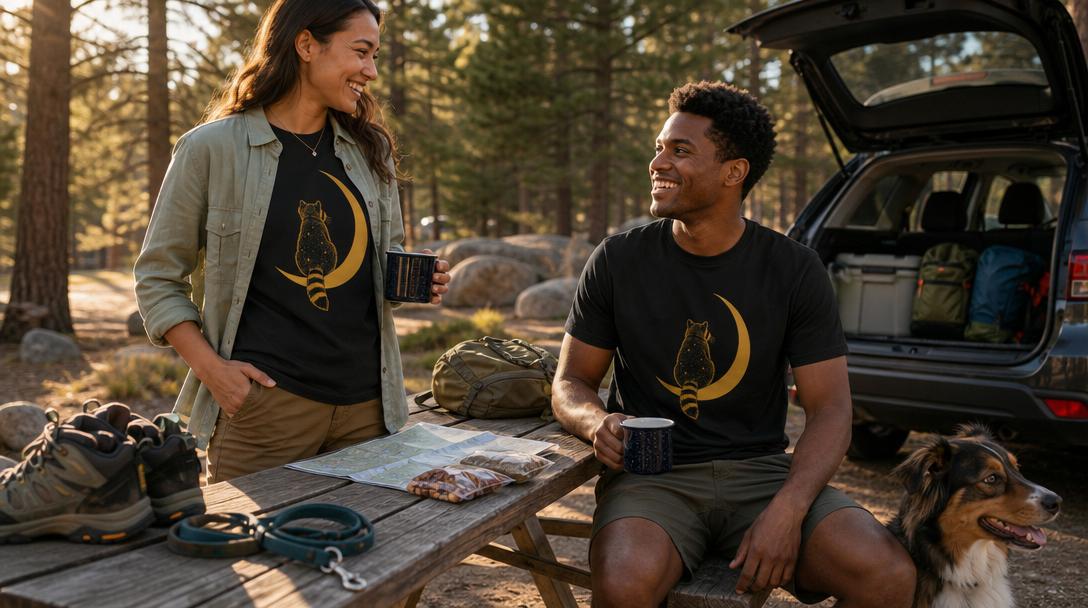
Yes, pockets can be useful on hiking shirts—but only when they solve a real trail problem.
A hiking shirt with chest pockets is handy when you want small essentials within reach without digging through your pack every ten minutes. Think:
- Folded trail map
- National park pass
- Backcountry permit
- Sunglasses
- Lens cloth
- Small sunscreen stick
- Lip balm
- Earplugs at camp
- Lightweight snack
- Emergency cash or ID
- Tiny notebook and pencil
Where pockets shine most is during transitional outdoor moments: leaving the van for a viewpoint, walking around a campground, checking into a ranger station, taking a short sunset trail, or making coffee outside while pretending you’re in a very wholesome nature documentary.
They’re less useful when you’re grinding uphill with a full backpack. If your shoulder straps or sternum strap press directly over stuffed chest pockets, that convenient storage can quickly become a tiny personal torture device.
When Pockets Become Annoying
- Bulk under backpack straps
- Extra seams that rub
- Reduced airflow on hot days
- Snag points on branches or pack hardware
- Weight from zippers, flaps, buttons, or reinforced fabric
- Bouncing if items aren’t secured
A lightweight hiking shirt with pockets is usually fine if the pockets are flat and you don’t overload them. But if you’re carrying a phone, keys, and a granola bar in a chest pocket under a pack strap? That’s not gear organization. That’s a bruise with ambition.
Hiking Shirt with Pockets vs. No Pockets by Trail Scenario
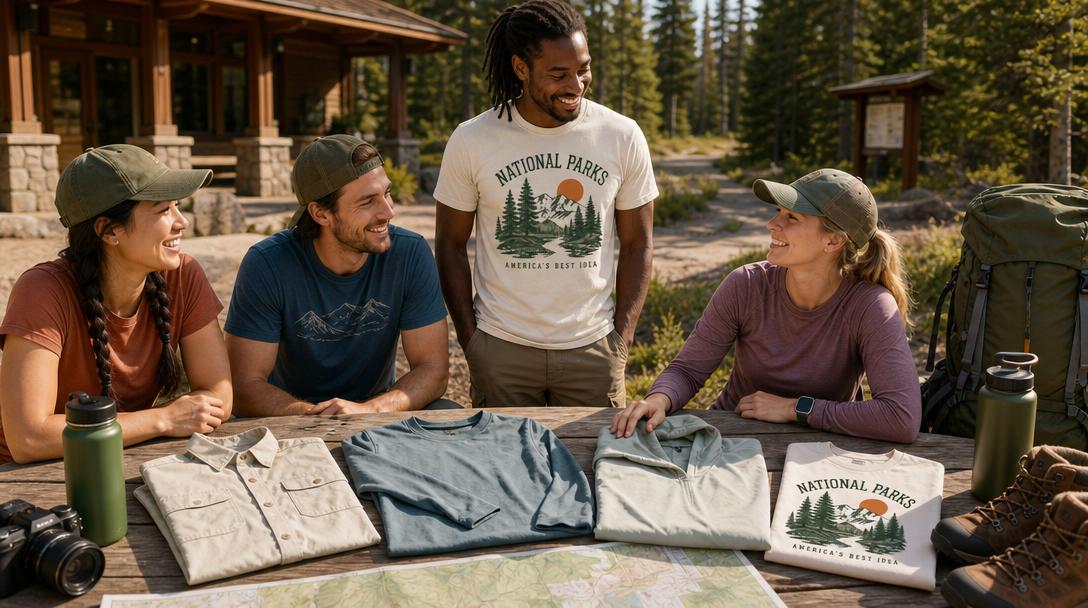
The best hiking shirt depends less on pockets or no pockets and more on how you actually hike.
Day Hikes: A Breathable Hiking Shirt with Pockets Can Work Well
For short hikes, easy trails, and local loops, a breathable hiking shirt with pockets can be genuinely useful.
If you’re carrying a small daypack, sling bag, waist pack, or nothing at all, chest pockets give you quick access to little items without stopping. This is especially nice when hiking with kids, dogs, or family members who somehow need snacks every 11 minutes.
Best pocket setup for day hiking:
- One or two flat chest pockets
- Button or snap closure for casual use
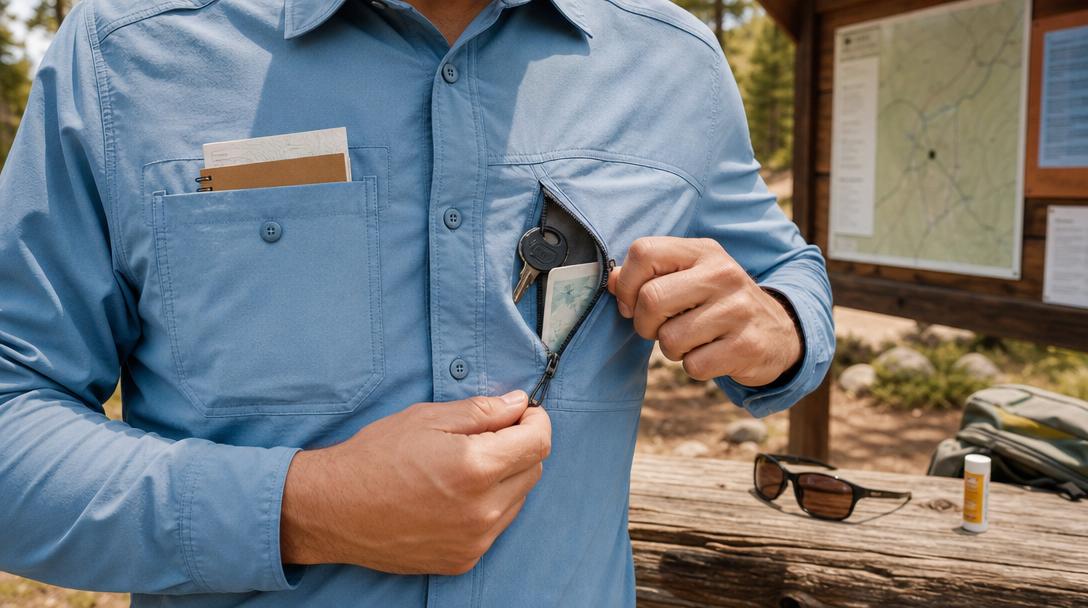
- Zipper pocket if carrying valuables
- Lightweight, quick-dry fabric
- UPF sun protection if hiking exposed trails
A button-down hiking shirt works especially well here because it looks casual, breathes well, and often includes chest pockets by design. If heat is your main concern, compare pocketed options with the advice in our guide to the best hiking shirts for hot weather.
Backpacking: Pockets Are Optional—and Often Overrated
For backpacking, the priorities change. You’re dealing with more weight, longer hours, sweat, friction, and layers.
According to Wildland Trekking and Backpacker gear guides, top backpacking shirts tend to emphasize wicking, odor control, sun protection, and comfort under a pack. Many popular technical hiking tops—like Patagonia Capilene Cool shirts and Smartwool merino layers—don’t have pockets at all.
That’s not an accident.
For multi-day trips, your best hiking shirt for backpacking is usually:
- Moisture-wicking
- Quick-drying
- Lightweight
- Comfortable under pack straps
- Odor-resistant if possible
- Smooth across the shoulders and chest
- Appropriate for sun, bugs, and temperature
A no-pocket technical tee, merino long sleeve, or sun hoodie often wins for actual hiking miles. If you want pockets, consider using them on an overshirt you wear at camp, during breaks, or in town—not necessarily as your main sweat layer.
Best pocket setup for backpacking:
- No pockets on the base layer
- Optional flat chest pocket on a sun shirt or overshirt
- Avoid bulky zippers under shoulder straps
- Keep pocket contents soft and thin
Camping and Camp Chores: Pockets Are Great
Once the pack is off, pockets suddenly become much more appealing.
At camp, a hiking shirt with pockets is useful for holding:
- Headlamp
- Lighter
- Tent stakes
- Camp spoon
- Earplugs
- Water purification tablets
- Tiny repair kit
- That one wrapper you’re responsibly packing out
For campground camping or car camping, the weight and bulk tradeoffs matter less. A durable button-down trail shirt with pockets can be perfect for setting up tents, cooking, gathering firewood where allowed, or wandering to the bathhouse while trying to remember if you brought soap.
For relaxed campground time, a casual graphic tee also makes sense once the technical layers are off. Hike Tee’s Life is Better Around the Campfire Shirt fits that camp-chair, post-hike mood without pretending to be performance gear.
Van Life and National Parks: Pockets Earn Their Keep
For van life, road trips, and national park adventures, pockets are often more useful than they are on intense backpacking trips.
Why? Because you’re constantly shifting between activities:
- Driving
- Hiking
- Cooking outside
- Visiting ranger stations
- Taking photos at overlooks
- Walking into town
- Setting up camp
- Packing and unpacking gear
A quick-dry hiking shirt with pockets makes sense when you want one shirt that works on the trail and still looks normal when ordering tacos after. This is where button-down hiking shirts shine: practical, breathable, and not overly expedition-coded unless you want that energy.
Van life packing tip: bring a mix of both.
A smart setup might be:
- 2 technical T-shirts or sun hoodies without pockets
- 1 lightweight button-down hiking shirt with pockets
- 1 warmer flannel or overshirt for cool evenings
- 1 fun outdoor tee for camp and town days—bonus points if it has a bear, raccoon, or emotionally relatable possum on it
For those off-trail-but-still-outdoorsy moments, a casual tee like the Raccoon Moon Shirt or the America’s Best Idea National Park Shirt works well for visitor centers, scenic overlooks, and post-hike snacks.
Should a Hiking Shirt Be Button-Down or T-Shirt Style?
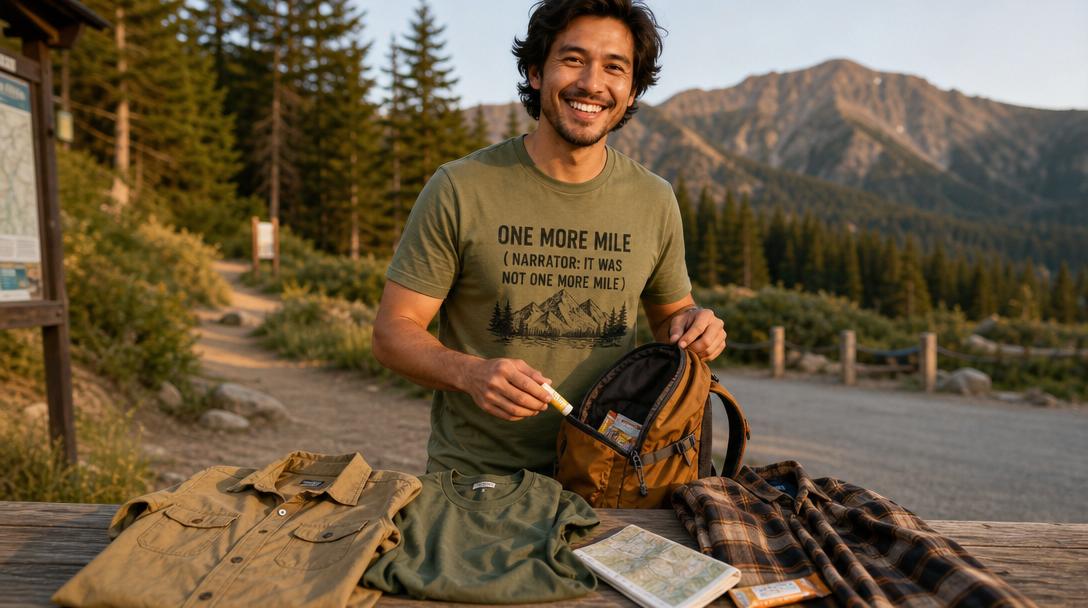
Both work. The better choice depends on weather, pack weight, sun exposure, and personal comfort.
Button-Down Hiking Shirt: Best for Sun, Travel, and Versatility
A button-down hiking shirt is often the best choice for hot, sunny, buggy, or travel-heavy trips.
Benefits include:
- Better ventilation—you can unbutton as needed
- Collider protects your neck from sun
- Long sleeves can roll up or down
- Usually includes chest pockets
- Looks good from trail to town
- Works well as an overshirt
Many classic hiking and travel shirts, such as REI Co-op Sahara-style shirts, Royal Robbins Expedition-style shirts, and Craghoppers insect-protection shirts, use button-down designs with chest pockets. Outdoor gear guides frequently recommend these styles for hiking, travel, and warm-weather protection.
A button-down is especially useful in:
- Desert parks
- High-elevation sun
- Buggy forests
- Long road trips
- Campground travel
- International trekking
- Casual day hikes
Downside? Buttons, collars, pocket flaps, and seams can feel bulky under a heavy pack compared with a smooth technical tee.
T-Shirt or Sun Hoodie: Best for Backpacking and High-Output Hiking
A technical T-shirt or sun hoodie is often better for sweaty hiking, backpacking, trail running, and minimalist layering.
Benefits include:
- Smooth under pack straps
- Lighter than most button-downs
- Usually more stretch
- Better as a base layer
- Fewer seams and hardware points
- Easy to layer under fleece or rain shells
A technical tee or hoodie is often the best hiking shirt for people who prioritize comfort during long miles.
Look for polyester, nylon, merino wool, or blends. REI advises avoiding cotton for active hiking because it holds moisture and dries slowly. That damp cotton tee might feel nostalgic, but it can become clammy, chafe-prone, and cold when temperatures drop. For a deeper breakdown, read our guide on whether cotton shirts are good for hiking.
Do Hiking Shirts Need Chest Pockets or Zipper Pockets?
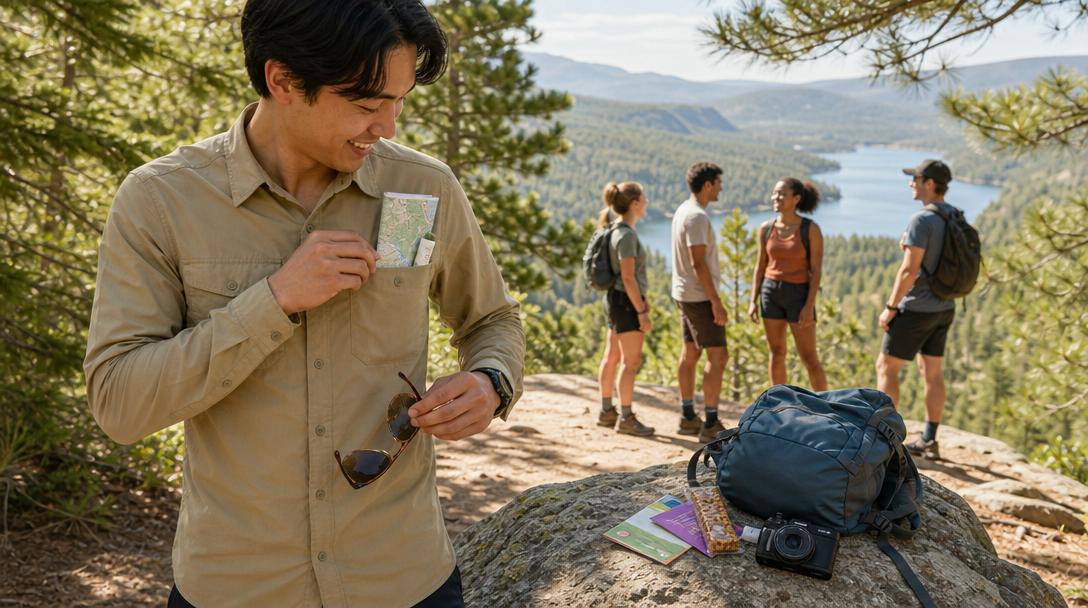
No, hiking shirts don’t need chest pockets or zipper pockets—but the right pocket design can be very useful.
The key is matching the pocket to the activity.
Open Chest Pockets
Best for:
- Sunglasses
- Maps
- Bandana
- Lightweight paper items
- Quick-access non-valuables
Pros:
- Easy access
- Simple construction
- Usually lighter
- Less stiff than zippers
Cons:
- Items can fall out
- Not secure for valuables
- Can flap or gap
Button or Snap Chest Pockets
Best for:
- Permits
- Small notebook
- Lip balm
- Lightweight snacks
- Camp items
Pros:
- More secure than open pockets
- Usually flatter than zippers
- Good casual trail-to-town look
Cons:
- Slower access
- Still not ideal for valuables
- Buttons may press under straps
Zippered Chest Pockets
Best for:
- ID
- Credit card
- Cash
- Keys
- Small emergency items
- Travel documents
Pros:
- Most secure
- Great for travel and van life
- Useful when not carrying a pack
Cons:
- Zippers add weight
- Hardware can rub under straps
- Less breathable over the pocket area
- Can feel stiff if poorly placed
If you want the best hiking shirt with pockets for mixed use, look for at least one low-profile zip pocket and one simple chest pocket. If you’re backpacking, choose minimal pockets—or skip them entirely on your base layer.
Hot Weather vs. Cold Weather Pocket Strategy
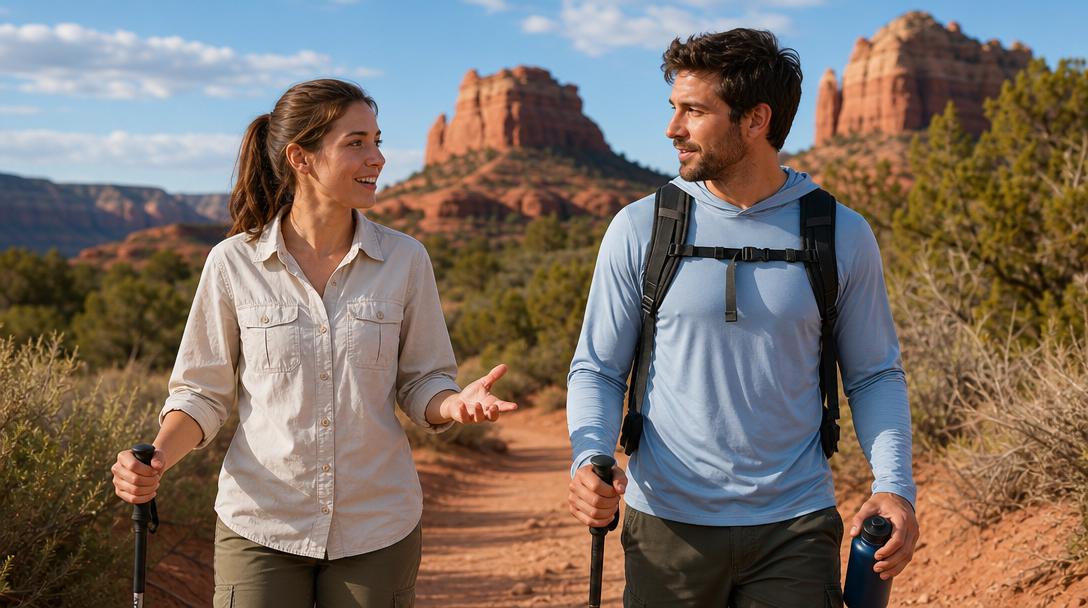
Hot Weather Hiking
For hot-weather hikes, choose:
- Lightweight synthetic or merino blend
- Light colors
- UPF protection
- Loose fit
- Vents or breathable weave
- Long sleeves if sun exposure is high
Pockets should be minimal. A breathable hiking shirt with pockets is fine, but avoid stuffing the pockets full. Anything held against your chest traps heat.
Best pocket choice for hot weather:
- One flat chest pocket
- Mesh-lined pocket if available
- No bulky zippers unless needed for travel security
Cold Weather Hiking
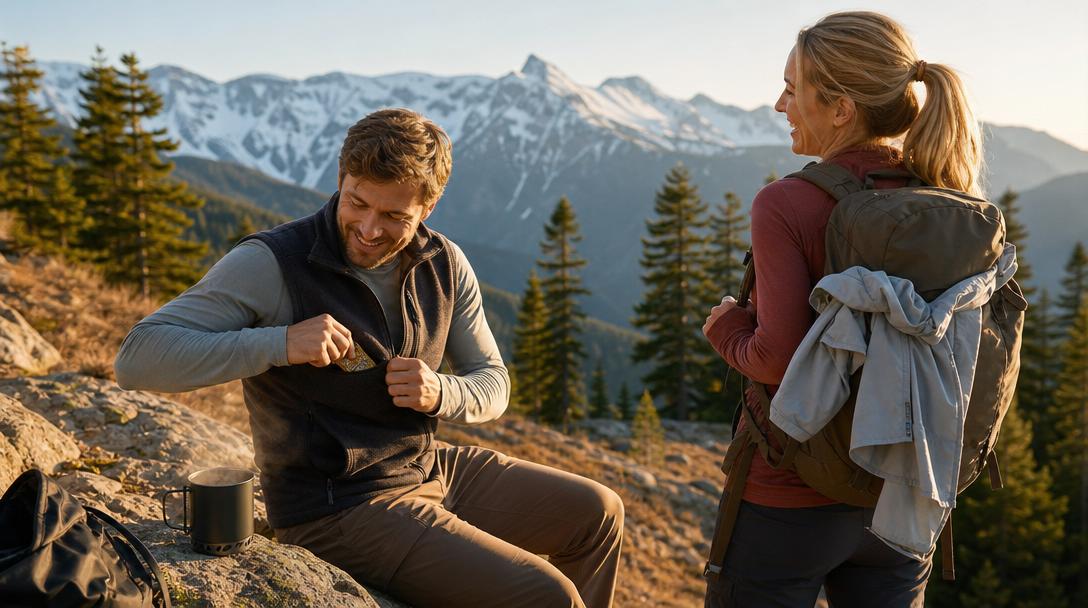
In cold weather, pockets are more useful on outer layers than base layers.
Your base hiking shirt should still be smooth, wicking, and comfortable. Add pockets through:
- Fleece
- Insulated shirt-jacket
- Softshell
- Rain shell
- Vest
Cold-weather pocket tip: keep snacks close to your body so they don’t turn into frozen jaw workouts. If you’re building a full layering system, pair this pocket strategy with our guide to what to wear hiking in cold weather.
Product Examples: What Pocketed and Non-Pocket Shirts Look Like
You don’t need one exact perfect shirt. You need the right category.
Best No-Pocket Hiking Shirt Styles
Good for backpacking, high-output hiking, and layering:
- Patagonia Capilene Cool-style technical tees
- Smartwool merino or merino-blend long sleeves
- Lightweight synthetic sun hoodies
- Minimal polyester trail shirts
These are smooth, quick-drying, and easy to wear under a pack.
Best Hiking Shirt with Pockets Styles
Good for day hikes, travel, national parks, camping, and van life:
- REI Sahara-style button-down shirts
- Royal Robbins Expedition-style travel shirts
- Craghoppers Nosilife-style insect-protection shirts
- Lightweight nylon/polyester fishing-style shirts
- UPF-rated button-down trail shirts
The best hiking shirt with pockets usually has quick-dry fabric, UPF protection, and low-profile chest pockets that don’t feel like you taped a wallet to your ribs.
The Final Trail Call: Practical or Unnecessary?
A hiking shirt with pockets is practical when the pockets match the trip. For day hiking, camping, van life, national parks, and trail-to-town travel, pockets are genuinely useful. For backpacking, hot high-output hikes, and base-layer comfort, pockets are often unnecessary—and sometimes annoying.
The best approach is not always pockets or never pockets. It’s building a tiny shirt system:
- No-pocket technical tee or sun hoodie for serious hiking miles
- Button-down hiking shirt with pockets for sun, travel, camp, and casual trail days
- Warmer overshirt or fleece with pockets for cold weather
That way, you’re covered whether you’re climbing switchbacks, wrangling snacks at a picnic table, or wandering through a national park visitor center looking like you absolutely meant to buy another sticker.
Pick the trail shirt that fits your real outdoor life—not the fantasy version where you move like a mountain goat and never misplace your lip balm.


