


Heavy-Duty Hiking Shirts That Last
Dominic PalmowskiA heavy-duty hiking shirt should survive more than a few sunny weekends and one dramatic encounter with a backpack strap. If the shoulders are thinning, the underarms are pilling, and the seams are waving a tiny white flag after one season, that shirt was built for showroom comfort — not real trail abuse.
I learned this the annoying way: hot, exposed trails, sweaty climbs, full sun, and loaded packs. That combo is brutal on fabric. A shirt can feel amazing in the store and still get chewed up by salt, friction, UV, and shoulder straps before summer is over.
The good news? Durable hiking shirts are still out there. You just have to know what to look for — and what marketing language to ignore.
What Makes a Hiking Shirt Actually Heavy-Duty?
Heavy-duty does not always mean thick, stiff, or something your grandpa wore while fixing a tractor. For hiking, durability is about the relationship between fabric, weave, seams, ventilation, and how many little failure points the shirt has.
The best long-lasting hiking shirts I have used usually share three things:
- Tightly woven nylon or nylon-blend fabric
- Reinforced or well-finished seams, especially at stress points
- Simple construction without fragile extras everywhere
When I pick up a truly durable hiking shirt, I can usually feel it right away. The fabric has structure. The collar does not flop like wet lettuce. The seams look intentional. It feels like something made for miles, sweat, brush, and pack straps — not just a nice product photo.
The Most Durable Hiking Shirt I’ve Used
One shirt that stands out from real use is the Fjällräven Abisko Trail Shirt. It has that sturdy, no-nonsense feel the moment you handle it. Not bulky, not overbuilt in a weird way — just solid.
What impressed me was not one dramatic feature. It was how well everything held up over months of use:
- The shoulders did not shred under pack straps
- The collar kept its shape
- The fabric resisted thinning and snagging
- The shirt still looked trail-worthy after repeated sweaty days
That is what I mean by quality. Not a shiny feature list. Not ten buzzwords. Just fabric and construction that still look good after you have asked a lot from them.
Where Cheap or Ultralight Shirts Usually Fail First
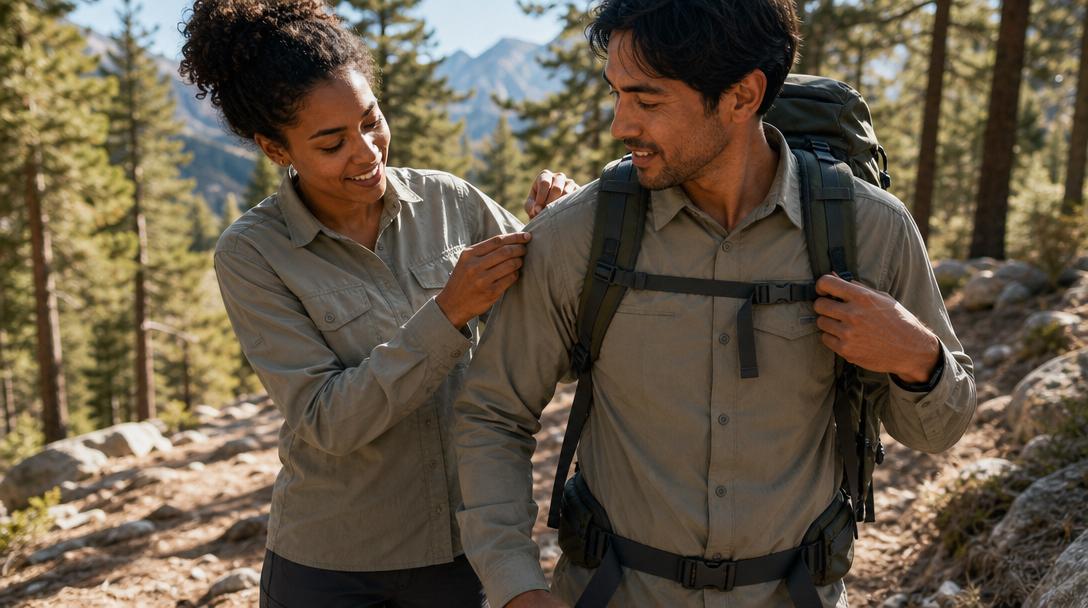
The fastest failures I have seen usually come from ultralight sun shirts. You know the type: feather-light, buttery soft, airy in the fitting room, and covered in promises about UPF and cooling.
Some are excellent for specific uses. But if you hike with a loaded backpack in warm weather, that barely-there fabric often becomes the weak link.
The failure pattern is predictable
First, the shoulders start to go where the pack straps ride. Then the back panel begins thinning. Then the underarms pill. Then one day you notice a seam starting to pop and wonder if your shirt has aged in dog years.
I tested one shirt that looked great on paper: good UPF rating, breathable fabric, light feel, and a clean design. Within a season, the fabric had thinned across the back, the underarms were pilling, and the shoulder area looked like it had seen five years of hard use.
The lesson stuck with me: when a shirt is designed to be as light as possible, durability is often what gets quietly sacrificed.
My Five-Point Inspection Before Buying
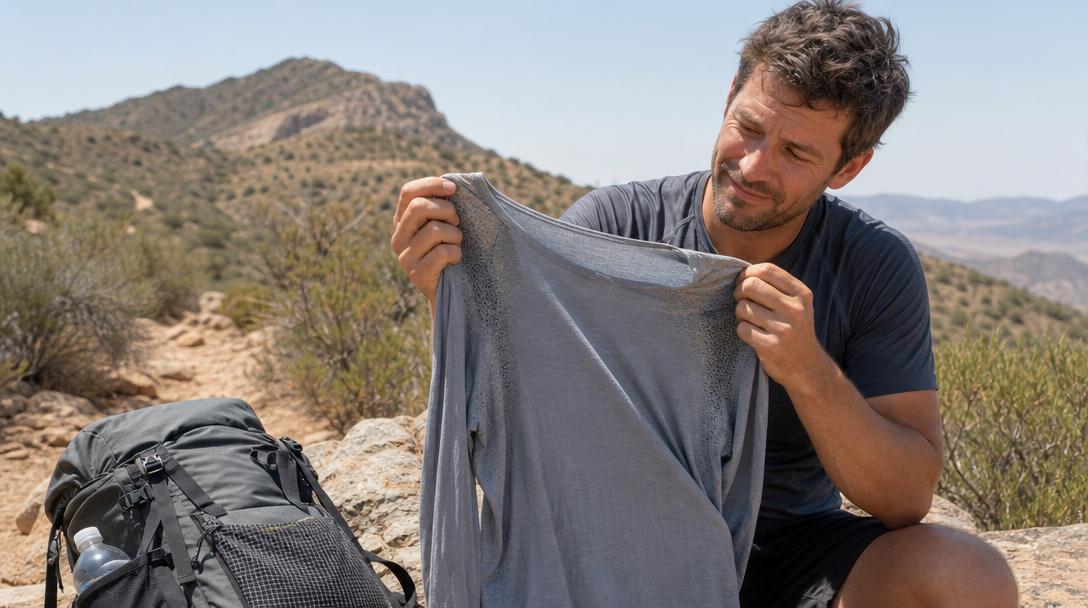
Before I trust any shirt with trail miles, I check five things. This is the same mental checklist I use when comparing shirts for Hike Tee research and real-world testing.
1. Fabric weight and feel
Hold the shirt. Does it feel substantial or flimsy? A sturdy weave is obvious when you handle it. If you hold it up to the light and it looks like it might apologize for existing, I usually put it back.
Thin fabric can still have a high UPF rating, but thin is still thin. UPF does not automatically mean abrasion resistance.
2. Seam reinforcement
The shoulder seams matter most because that is where pack straps grind all day. Underarm seams are next because they deal with sweat, movement, and friction.
Look for clean stitching, reinforced seams, or at least construction that does not look rushed. Loose threads on the rack are not a great sign. If it is already unraveling before the first climb, imagine what mile eight will do.
3. Ventilation design
Durability is not just about toughness. Sweat saturation breaks down fabric faster than people realize. A back yoke vent, mesh paneling, or smart shoulder ventilation helps keep the shirt from staying soaked all day.
The best durable shirts balance airflow with structure. They do not need to feel like a mesh laundry bag, but they should have some plan for heat and moisture.
4. UPF rating
I want at least UPF 30, and I prefer UPF 50+ for full-sun hiking. Sun protection matters for your skin, obviously, but UV exposure also beats up fabric over time.
A dense weave often improves UPF and durability, but there is a tradeoff: it can feel warmer on exposed climbs. That is why ventilation matters so much.
5. Hardware simplicity
Buttons, zippers, snaps, roll-up tabs, and tiny plastic parts can all become failure points. I am not anti-feature, but I am suspicious of overcomplicated shirts.
Simple shirts usually last longer. Fewer moving parts means fewer things to break, snag, or warp in the wash.
Best Materials for Long-Lasting Hiking Shirts
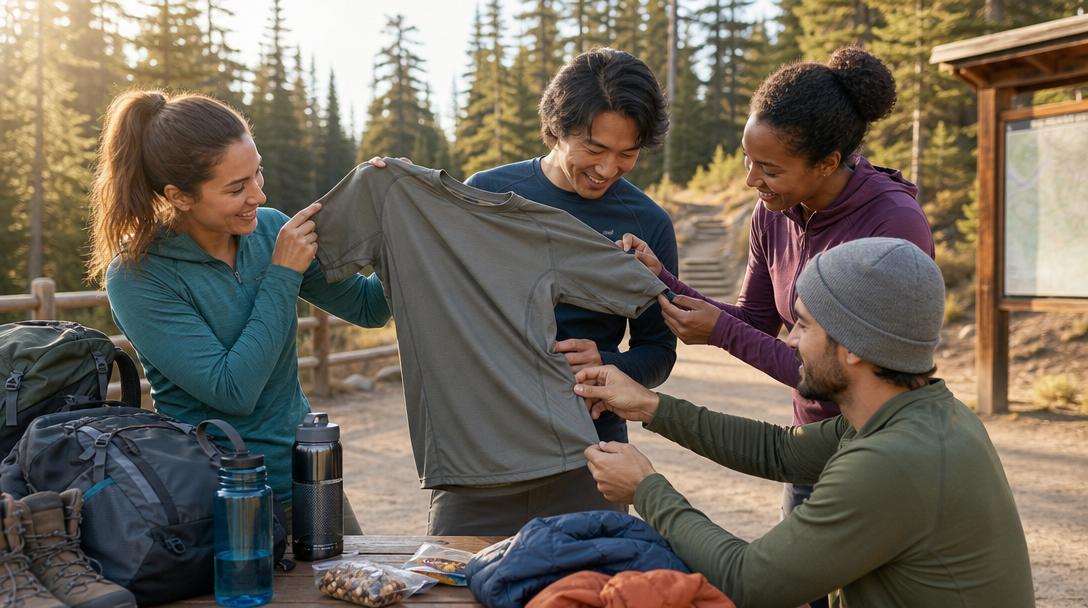
Material matters, but construction matters more. A cheap nylon shirt can fail faster than a well-built polyester shirt. Still, after years of hot-weather hiking and pack testing, I have clear preferences.
Nylon
Nylon is my top pick for heavy-duty hiking shirts. It has excellent abrasion resistance, handles UV exposure better than many fabrics, and dries quickly. The downside is that it can run warmer than polyester, especially in dense weaves.
For tough trail use, nylon-rich shirts are hard to beat.
Polyester
Polyester can be great when it is tightly woven and well made. It is usually lighter and airier than nylon. The problem is cheap polyester. That stuff pills, thins, and gets tired fast.
If a polyester hiking shirt feels too thin and stretchy, I get cautious.
Nylon/polyester blends
This is often the sweet spot: durability from nylon, breathability from polyester. Outdoor Research’s Astroman Sun Shirt is a good example of a thoughtful blend, with UPF 50+ and a back AirVent yoke that actually makes sense on hot trails.
The catch? Blends vary wildly. Always judge the actual fabric, not just the tag.
Merino wool
Merino is wonderful for odor control and comfort, especially on multi-day trips. But for abrasion resistance under a heavy pack, it usually cannot compete with nylon. I like merino, but I do not treat it like armor.
Cotton
Cotton is comfortable off-trail, but for serious hiking, it stays home. It absorbs sweat, dries slowly, and breaks down faster under repeated wet-dry cycles and friction.
Brands I Trust for Durable Hiking Shirts
No brand gets everything right every time, but a few have earned my respect through actual use and repeated trail-tested comparisons.
Fjällräven
Fjällräven stands out for sturdy construction. The Abisko Trail Shirt is one of those pieces that feels built with long-term use in mind. Strong collar, solid fabric, good shape retention — all the boring stuff that matters.
Outdoor Research
Outdoor Research does a good job balancing sun protection, ventilation, and durability. The Astroman Sun Shirt is a strong example because it uses a nylon/polyester blend and includes a real back vent instead of pretending fabric magic will solve sweat.
Columbia
Columbia is a solid value pick. Some of their shirts are thinner, but many perform surprisingly well for the price and often come with UPF 50+ protection. Their fishing and sun lines are especially worth checking out.
Patagonia
Patagonia is strong on comfort, breathability, and sustainability. I would rate some of their shirts higher for all-day comfort than pure ruggedness, but they are still worth considering depending on your hiking style.
Black Diamond
Black Diamond’s Alpenglow sun hoodie is excellent for exposed alpine conditions. It is not the same category as a rugged button-up, but for high sun and mountain exposure, it deserves respect.
Where Can You Find Quality Heavy-Duty Hiking Shirts?
Outdoor retailers
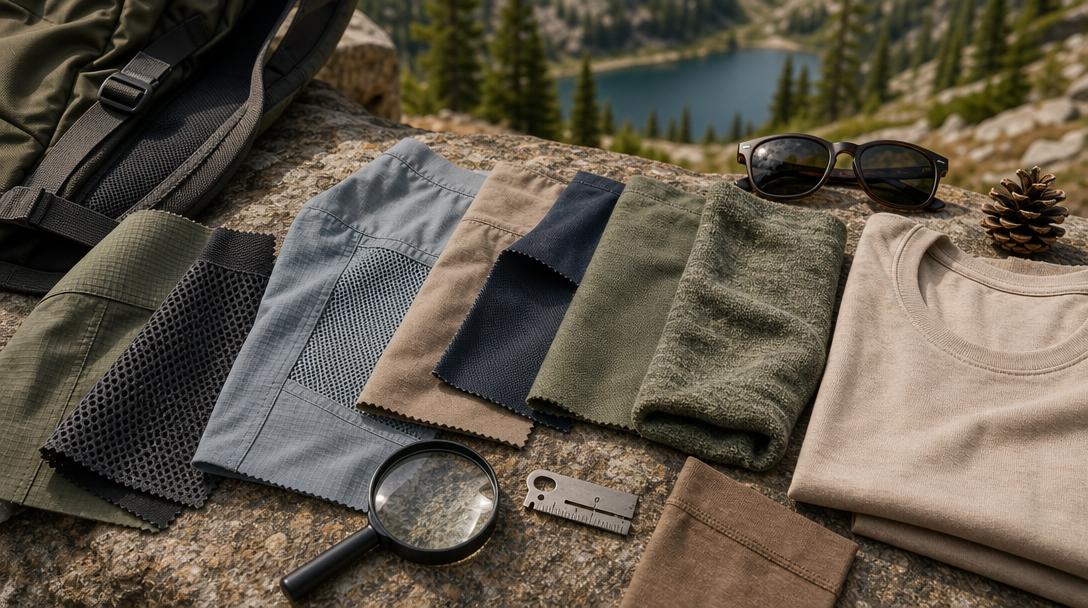
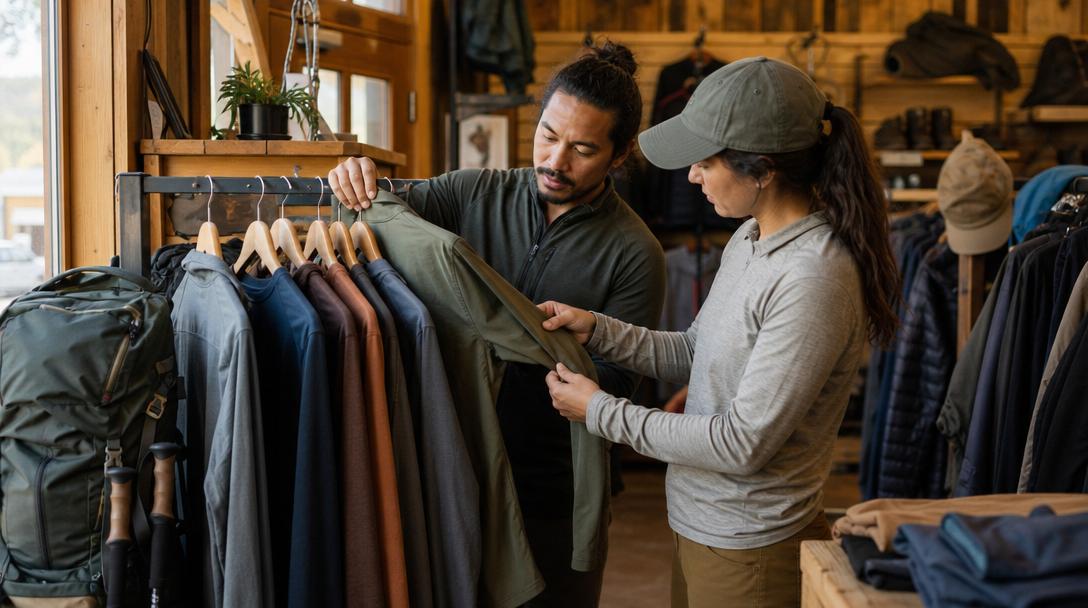
REI and similar outdoor shops are the best starting point because you can compare shirts in person. Touch the fabric. Check the seams. Look at the shoulder construction. Hold two shirts side by side and you will quickly see which one is built for hard use.
Online specs help, but your hands tell you a lot.
Hunting and fishing brands
This is an underrated source. Brands built for anglers and hunters often understand sun protection, long hours outdoors, and rugged fabric. Columbia, Simms, and similar companies make shirts that translate surprisingly well to hiking.
Fishing shirts especially tend to have useful ventilation and sun collars, which are great for hot, exposed trails.
Workwear brands
If your priority is abrasion resistance over ultralight comfort, workwear is worth a look. You may sacrifice some breathability and trail-specific features, but reinforced construction and tougher fabrics can be excellent for brushy hikes, trail work, or rough conditions.
Thrift stores
Older hiking shirts can be gems. Some were built heavier than modern ultralight styles. Just inspect carefully for UV fading, collar wear, seam popping, and fabric thinning across the shoulders.
A thrifted shirt that has already survived ten years might still outlast a brand-new shirt designed to be trendy and weightless.
Online marketplaces
Online shopping is hit or miss. I prefer searching for discontinued models from trusted brands instead of gambling on unknown labels with perfect photos and suspiciously poetic product descriptions.
Look for real fabric details, actual UPF ratings, and photos of seams and shoulders. If the listing only says “breathable outdoor adventure performance technology,” proceed with caution and maybe a snack.
Where Casual Tees Fit In
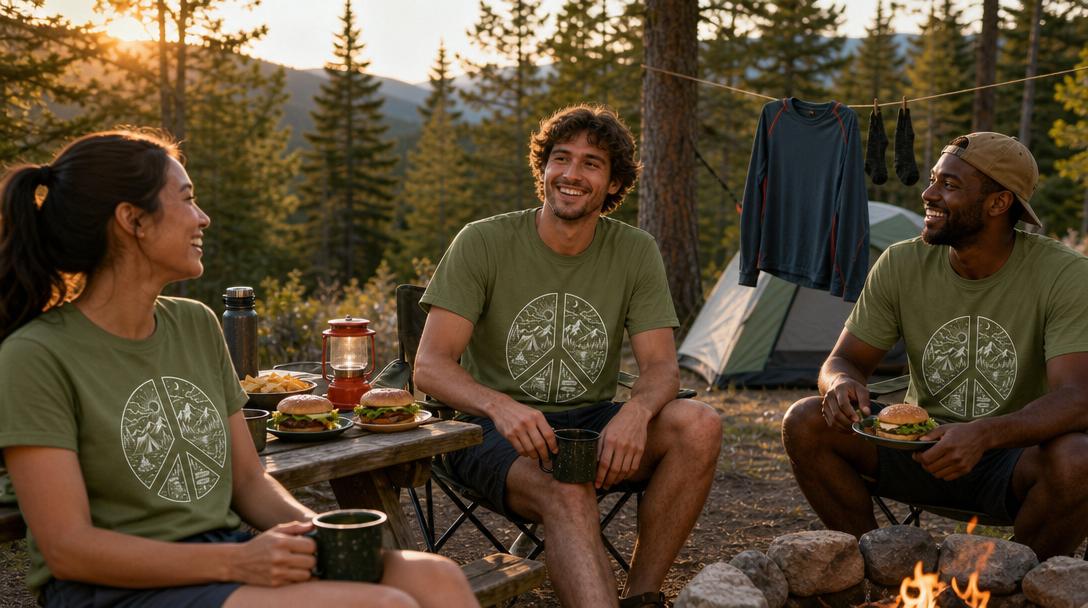
Technical hiking shirts are the right call for hot, sweaty, pack-heavy miles. But not every outdoor day is a sufferfest under a loaded backpack. Campground mornings, road trips, mellow nature walks, post-hike burgers, and national park gift-shop wandering are where casual cotton tees shine.
If you are still deciding when cotton makes sense, I’ve broken that down in Are Cotton Shirts Good for Hiking? and Why Is Cotton Bad for Hiking?. For broader buying decisions, Are Expensive Hiking Shirts Worth It? is a helpful companion read.
Around camp, I am all for swapping the technical shirt for something fun and comfortable. A casual tee like the One More Mile Shirt or the Hike More, Worry Less Bigfoot Shirt is perfect for the relaxed side of outdoor life — just not as your main armor for sweaty, abrasive, full-sun backpacking days.
Care Habits That Make Hiking Shirts Last Longer
Even a great shirt can die young if you treat laundry like a demolition sport. The biggest lifespan killers are heat, harsh chemicals, and letting sweat sit in the fabric for too long.
Here is what actually works:
- Wash cold
- Use mild detergent
- Air dry when possible
- Close zippers before washing
- Rinse out salt and sweat after long trips
- Never use fabric softener on technical shirts
- Never bleach
- Do not store shirts damp
Fabric softener is especially sneaky. It coats technical fibers and hurts moisture-wicking performance. High dryer heat is another problem because it can damage stretch fibers and degrade treatments over time.
If your shirt smells like a gym bag that made bad choices, wash it soon. Sweat and salt are more damaging than most people realize.
If You Buy Only One Heavy-Duty Hiking Shirt
Prioritize construction and weave over softness and cooling.
The ideal one-shirt pick would be a tightly woven nylon or nylon/polyester button-up or zip-neck with reinforced seams, UPF 30–50+, and at least one real ventilation feature like a back yoke vent or breathable shoulder panels.
Expect tradeoffs:
- More durable usually means slightly heavier
- More breathable usually means less abrasion-resistant
- Higher UPF often comes from a denser weave
- Better construction costs more upfront
But a shirt that lasts three to five seasons is a better deal than replacing a cheap one every year.
The line I give people at Hike Tee is simple: if you want one shirt that can take abuse, bias toward construction and weave first — not just how soft it feels in the store.
FAQ
Are heavy-duty hiking shirts too hot for summer?
Sometimes, but not always. A dense nylon shirt can run warmer than an ultralight sun hoodie, but ventilation makes a huge difference. Look for back vents, breathable panels, and a fit that allows airflow.
Is nylon better than polyester for hiking shirts?
For durability, usually yes. Nylon tends to resist abrasion better, especially under backpack straps. Polyester can be more breathable and lighter, but cheaper polyester often pills and thins faster.
Are merino wool shirts durable enough for hiking?
Merino is excellent for comfort and odor control, especially on multi-day trips. But under heavy pack straps and rough abrasion, it is usually less durable than nylon or nylon-blend fabric.
What UPF rating should a hiking shirt have?
I recommend at least UPF 30, with UPF 50+ being ideal for exposed trails. Just remember: UPF is sun protection, not a guarantee of abrasion resistance.
Should I avoid ultralight sun shirts?
Not completely. They are great for certain conditions, especially low-abrasion hikes or high-output days where cooling matters most. Just know the tradeoff: many ultralight shirts will not hold up as well under heavy backpacks.
How can I tell if a shirt will last before buying it?
Check the fabric feel, shoulder seams, underarm stitching, ventilation, UPF rating, and hardware. If it feels flimsy, looks overly complicated, or has weak stitching at stress points, keep looking.
Final Trail-Tested Takeaway
Quality heavy-duty hiking shirts are not mythical unicorn gear. They exist — they are just usually hiding behind less flashy words like tight weave, reinforced seams, nylon blend, back vent, and simple construction.
Do not buy the softest shirt in the store unless comfort is your only priority. For real trail mileage, especially in hot sun with a loaded pack, choose the shirt that feels like it can handle friction, sweat, UV, and a little bad decision-making near overgrown brush.
Your future shoulders will thank you.


