


Do Hiking Shirts Need Special Features?
Dominic PalmowskiThe short answer: basic is okay… until it is not
A hiking shirt does not always need special features. For a short, easy trail in mild weather, a basic tee or regular gym shirt can be completely fine. I have done plenty of casual afternoon hikes where the shirt barely mattered. Comfortable fabric, decent fit, and a good attitude were enough.
But once the hike gets longer, hotter, wetter, sunnier, colder, or involves a real backpack, the shirt starts doing actual work. That is when features like quick-drying fabric, UPF protection, odor resistance, anti-chafe seams, and ventilation stop sounding like gear-store vocabulary and start feeling very practical.
My rule now is simple: match the shirt to the hike, not to the version of yourself who thinks every trail requires expedition-level gear.
When a basic shirt is perfectly okay
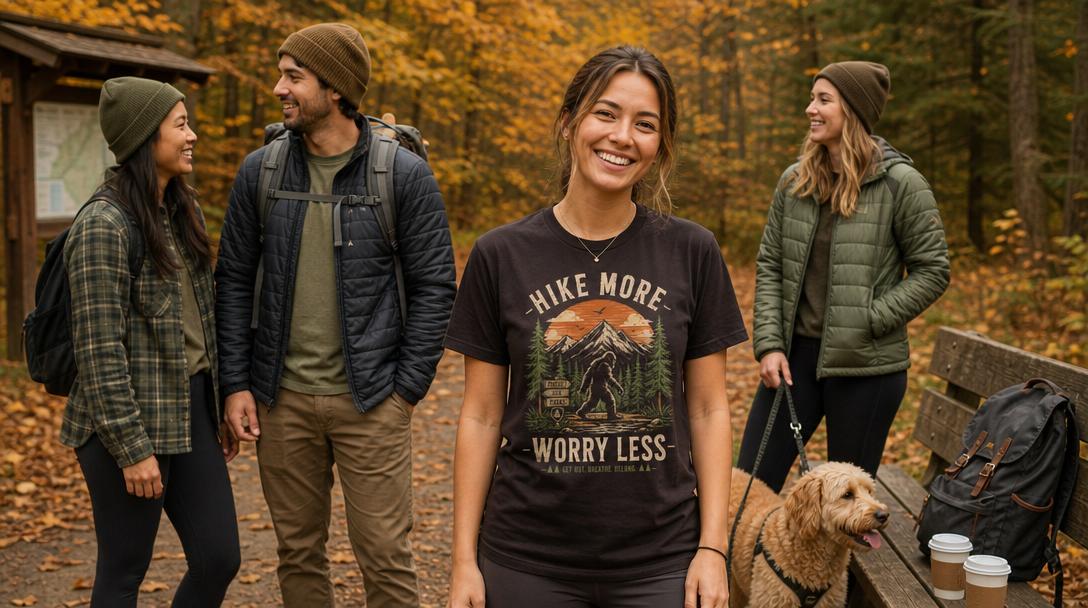
Let me say this clearly because beginners need to hear it: you do not need a fancy hiking shirt to start hiking.
One of my best examples was a short local trail on an autumn morning. It was about three miles, gentle elevation, overcast sky, cool air, and I wore a regular soft cotton tee. Nothing technical. No UPF rating. No vent panel. No futuristic fabric name that sounded like it belonged on a spaceship.
And it was absolutely fine.
I was not sweating heavily. The sun was not baking me. I was back at the car before the shirt ever had a chance to become a problem. That morning reminded me that gear should answer the conditions in front of you, not the imaginary documentary you are filming in your head.
Good times to wear a regular tee
A basic shirt is usually fine for:
- Short local hikes
- Cool or mild weather
- Low-sweat walks
- Shaded trails
- Casual campground strolls
- Easy family hikes
- Quick dog walks on dirt paths
If that is the kind of hike you are doing, wear what is comfortable and go enjoy the trail. A soft cotton tee, a gym shirt, or a favorite outdoorsy graphic shirt can all work.
This is also where fun shirts make sense. If I am doing a relaxed trail, grabbing coffee after, or wandering around camp, I am much more likely to wear something like the One More Mile Shirt or the Hike More, Worry Less Bigfoot Shirt. Are they technical alpine layers? No. Are they perfect for easy hikes, campfire lounging, and making another hiker smile? Absolutely.
If you are wondering where cotton fits into all this, I go deeper on the pros and cons in Are Cotton Shirts Good for Hiking? The short version: cotton is not evil. It just has limits.
When a basic shirt starts to fail
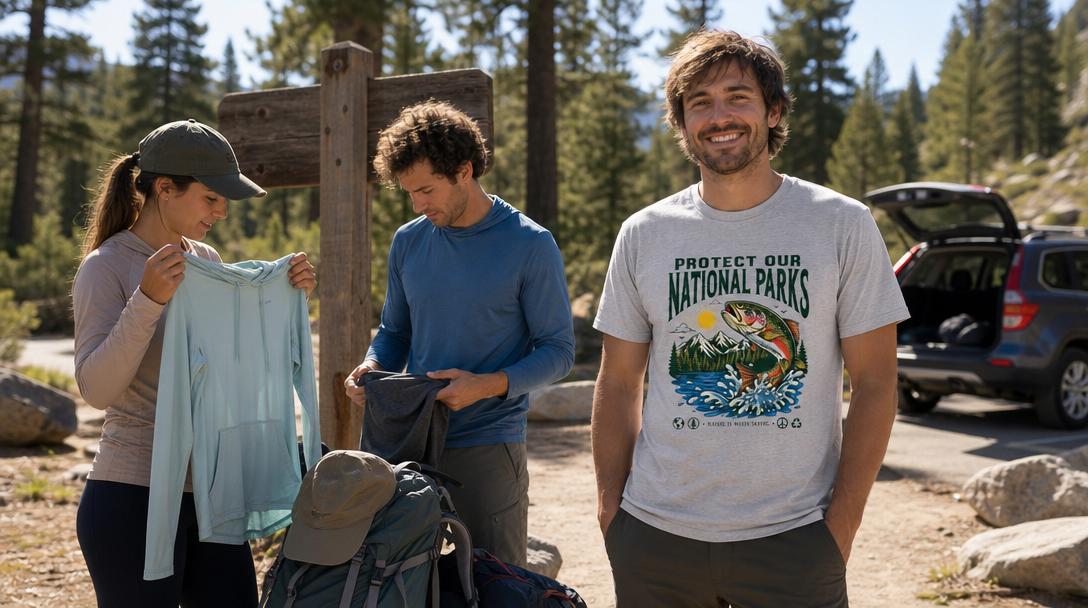
The hike that changed my mind was a longer summer trail with more climbing than I expected and almost no shade. I wore a standard cotton tee because I had worn cotton a thousand times before and figured, how bad could it be?
Bad. The answer was bad.
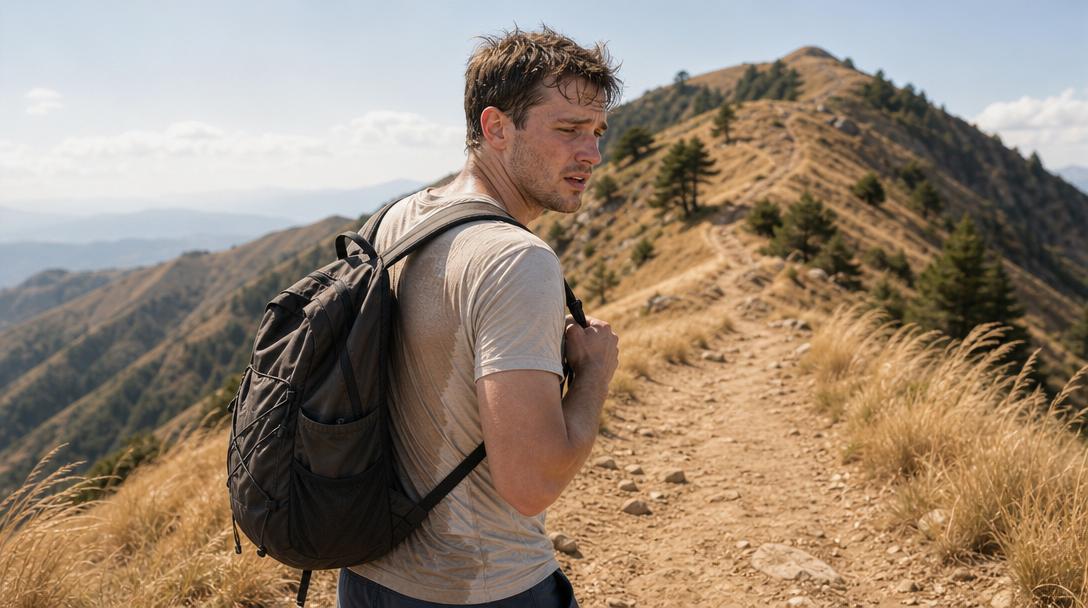
By halfway through, the shirt was soaked. Not damp. Soaked. Under my pack straps, it started chafing in what I now refer to as the angry shoulder zone. Then I reached a ridge, the wind picked up, and my wet cotton shirt turned into a cold compress against my back.
I went from overheated to chilled in about ten minutes.
That was when I finally understood why hikers talk about drying speed like it matters. Because when sweat, wind, and elevation team up, your shirt becomes part of your comfort system whether you planned it that way or not.
If you want the full cotton cautionary tale, this guide on Why Is Cotton Bad for Hiking? explains exactly why wet cotton can become miserable in the wrong conditions.
The hiking shirt features that actually matter
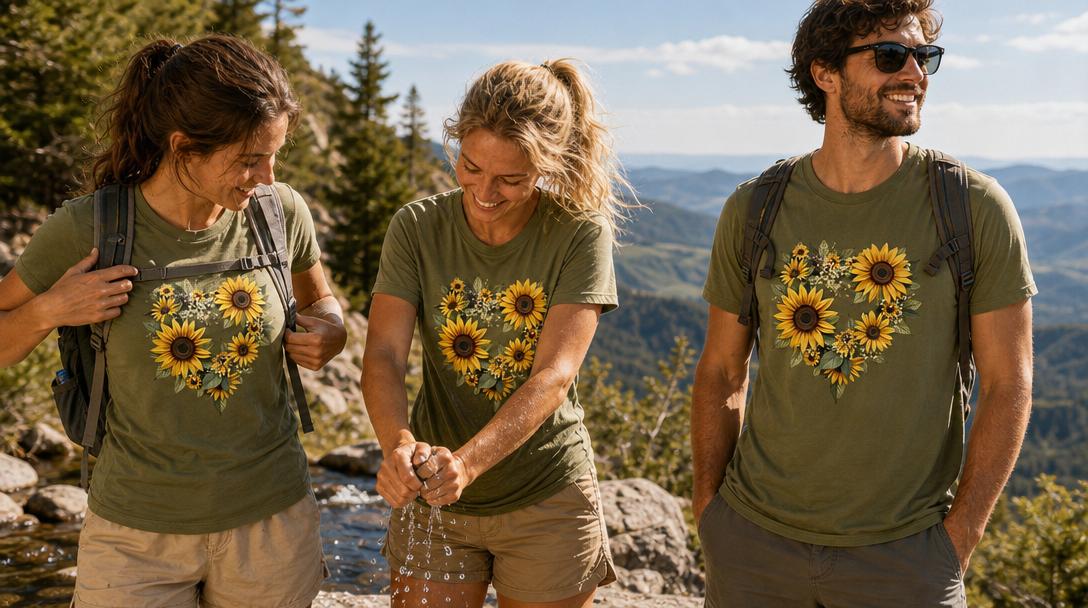
Some shirt features are genuinely useful. Others feel like they were invented during a marketing meeting where everyone had too much coffee.
Here are the features I actually pay attention to now.
Quick-drying fabric
This is one of the biggest differences between a basic shirt and a real hiking shirt. When you are sweating hard, get caught in rain, or hike through humid forest air, drying speed matters.
Cotton holds moisture. Polyester, nylon, and some merino blends usually dry much faster. On hot days, that keeps you from feeling swampy. In wind or cooler temperatures, it helps prevent that clammy chill that sneaks up on you.
Humidity changed my opinion more than anything else. I once did a long forested trail in midsummer wearing a shirt I thought was breathable enough. By mile four, it felt like I was wearing a wet paper towel with sleeves. After that, I stopped trusting labels and started caring about how fabrics behave when I am actually generating heat.
UPF sun protection
If you are hiking in real sun, UPF protection is not just a bonus. It can save your skin and your energy.
I like long-sleeve UPF shirts or sun hoodies for exposed trails, alpine routes, desert hikes, and long days where sunscreen reapplication becomes a chore. Above treeline, UV can feel sneaky. You are cooler because of elevation and wind, but your skin is still getting roasted.
For hot-weather hiking, sun coverage is often better than bare skin. A light-colored long sleeve can keep you cooler than a dark short sleeve if the sun is hammering you all day. If heat and sun are your main concerns, this guide to the Best Hiking Shirts for Hot Weather is worth a read.
Seam placement that does not attack you
This sounds boring until it ruins your day.
I once bought a shirt because it looked good and felt soft in the store. I completely ignored where the shoulder seams landed. On a backpacking trip, those seams sat right under my pack harness. By hour five, they had introduced themselves to my shoulders in an extremely personal and unwelcome way.
Now I always check seam placement. If I can, I put a pack on while trying the shirt. If not, I at least move my shoulders around and imagine where the straps will sit.
Flat seams, offset shoulder seams, or smooth construction under pack straps can make a huge difference on long hikes.
Odor resistance
Odor resistance does not matter much on a two-hour hike. It matters a lot on day two of a backpacking trip when your shirt starts developing its own personality.
Merino wool is genuinely impressive here. The odor resistance is not just marketing. I have worn merino for multiple days and stayed shockingly tolerable, which is about as high as praise gets on trail.
Some synthetic shirts have odor treatments that work well. Some cheap polyester shirts make bold promises and then betray you embarrassingly fast. If you hike with friends, your shirt choice becomes a community issue.
Ventilation
Ventilation matters most in hot, humid, or desert conditions. Button-up hiking shirts can be underrated here. Roll-up sleeves, a collar, and vented panels give you flexibility that a basic tee does not.
In desert heat, I like a lightweight vented button-up because it gives coverage without trapping as much heat. In humid forests, airflow can be the difference between manageable sweat and full laundry emergency.
Features that are nice, but not life-changing
Not every feature is worth paying extra for.
Shirt pockets
Zip pockets on shirts always seem useful in the store. On trail, I rarely use them. If I am wearing a pack, I already have hip belt pockets, side pockets, or a chest strap pouch. Shirt pockets can bounce, sag, or sit awkwardly under pack straps.
Not useless. Just not a top priority.
Thumb holes
Thumb holes are nice, especially on cool mornings or sun shirts where you want hand coverage. But they do not usually make or break a hiking shirt for me. If everything else about the shirt is good, great. If thumb holes are the main selling point, I keep looking.
Overhyped odor technology
Some odor-control claims are real. Some are optimistic fiction. Merino has earned my trust. High-quality treated synthetics can work. Bargain polyester with a mysterious odor-fighting label? Let us just say I have been humbled.
Fabric matters more than feature lists
If I had to choose between fancy features and good fabric, I would take good fabric almost every time.
Cotton
Cotton is soft, familiar, and fine for easy short hikes. It is comfortable around camp and pleasant on low-effort walks.
But once it gets wet, it dries slowly, chafes more easily, and can make you cold in wind. Cotton is not automatically bad. It is just condition-dependent.
Polyester
Polyester dries fast and wicks moisture well. It is common in hiking and gym shirts for a reason. The downside is odor. Cheaper polyester can start smelling weird faster than I would like.
Nylon
Nylon is tougher than many people realize. It handles pack straps well, resists abrasion, dries quickly, and does not pill as fast as some softer fabrics. For serious pack time, nylon is one of my favorite options.
Merino wool
Merino is comfortable across a wide temperature range and has excellent odor resistance. It is great for multi-day hiking. The downsides are price and slightly slower drying compared with very thin synthetic shirts.
Bamboo blends
Bamboo blends often feel amazing in the store. Soft, smooth, very tempting. But in my experience, trail durability and performance claims do not always match the tag. I do not avoid them entirely, but I am cautious.
How I choose the right hiking shirt
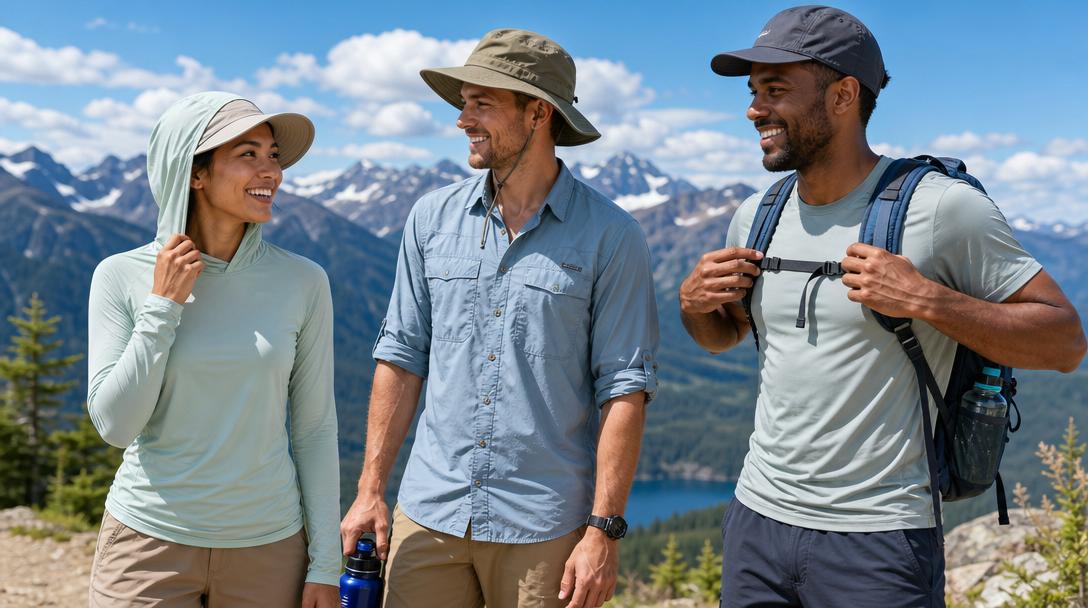
Here is my practical decision system.
For short local hikes
Wear whatever is comfortable. A gym shirt, cotton tee, or casual graphic shirt is fine if the weather is mild and the trail is short.
For hot sunny hikes
Choose a light-colored long-sleeve sun hoodie or vented button-up with UPF protection. Coverage is the priority.
For cold-weather hiking
Use a thin base layer that manages moisture and fits smoothly under insulation. The shirt is part of a system, not a standalone hero. If you are building a full outfit, read What to Wear Hiking in Cold Weather: The 3-Layer Rule Explained.
For multi-day backpacking
Go for merino or a high-quality odor-resistant synthetic. Look for flat seams, durability under straps, and comfort over repeated wear. Day-one softness matters less than day-three survival.
For humid buggy trails
Long sleeves are your friend. Coverage helps with mosquitoes, ticks, brush, and sun. In areas with heavy bugs, permethrin-treated clothing can be worth considering.
For high-altitude alpine hikes
Choose a UPF long sleeve or sun hoodie with good coverage for your neck and forearms. At elevation, the sun can be stronger than it feels.
The overlooked details most hikers miss
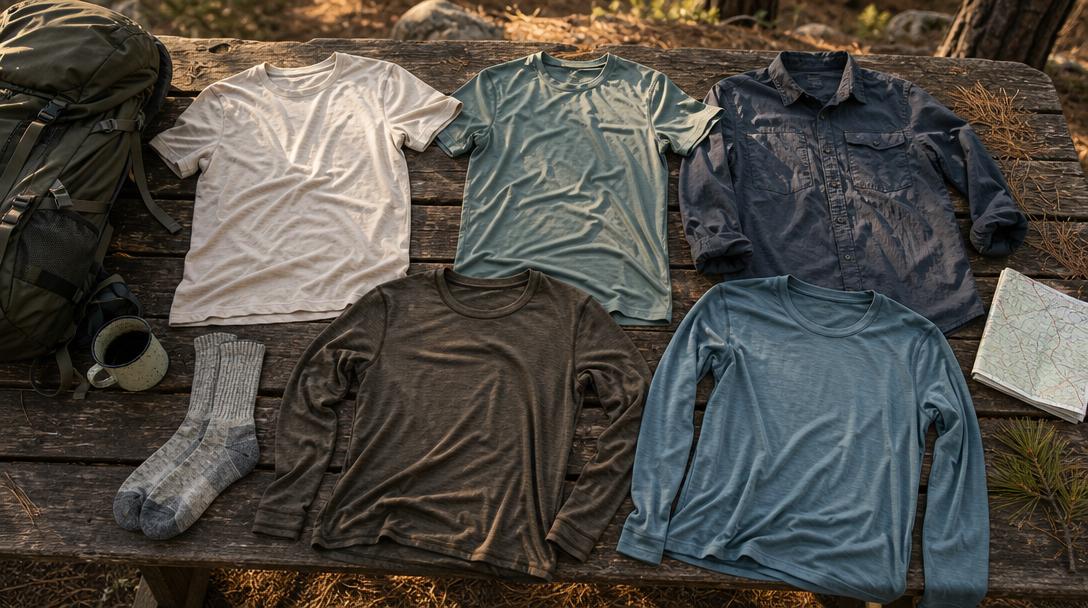
Color choice
Light colors help in exposed sun. Dark colors can quietly cook you on long summit days. I still wear dark shirts around camp or on cool hikes, but for blazing sun, light colors win.
How the shirt feels when soaked
Almost nobody tests this before buying, but it matters. Some shirts feel tolerable when wet. Others cling, sag, rub, and become a full-body complaint.
Fit under a pack
A hiking shirt should not bunch under shoulder straps or ride up under a hip belt. Try it with a pack if you can.
Day-two smell
Store try-ons do not reveal odor performance. Real trail time does. If you are doing overnight trips, odor resistance deserves a spot on your checklist.
FAQ: Hiking shirts and special features
Do I really need a hiking shirt for a beginner trail?
No. If the hike is short, the weather is mild, and you are not carrying a heavy pack, a regular tee or gym shirt is usually fine. Do not let gear anxiety keep you off the trail.
Is cotton ever okay for hiking?
Yes, cotton can be okay for short, easy hikes in comfortable weather. It becomes a problem when you sweat heavily, face rain, deal with wind, or stay out long enough for conditions to change.
What is the most important hiking shirt feature?
For most hikers, quick-drying fabric is the biggest upgrade. After that, look at UPF protection for sun, seam placement for backpack comfort, and odor resistance for multi-day trips.
Are expensive hiking shirts worth it?
Sometimes. If you hike often, carry a pack, sweat heavily, or spend long days in sun, a better shirt can absolutely earn its price. For casual local hikes, expensive features may be unnecessary. For more on that question, check out Are Expensive Hiking Shirts Worth It?.
Should I wear short sleeves or long sleeves hiking?
Short sleeves are fine for mild, shaded, shorter hikes. Long sleeves are better for strong sun, bugs, brush, wind, and long days outside. A lightweight long sleeve can actually feel cooler than exposed skin in harsh sun.
What shirt should I wear for backpacking?
Choose a shirt with flat or offset seams, good moisture management, durability under straps, and odor control. Merino wool or a quality synthetic usually works better than cotton for backpacking.
Final take: basic is okay, but conditions decide
A basic shirt is not wrong. A technical hiking shirt is not automatically necessary. The trail decides.
If you are heading out for a short, relaxed hike in good weather, wear the comfortable tee and go have fun. If you are facing heat, humidity, sun exposure, rain, wind, elevation, bugs, or multiple days on trail, that is when special features start to matter.
The best hiking shirt is not the one with the longest hangtag. It is the one that stays comfortable when the day gets sweaty, sunny, windy, or longer than expected.
And if you have ever been halfway up a ridge in a soaked cotton shirt, shivering in the breeze while your shoulders are being sandpapered by pack straps, you already know: sometimes a shirt is just a shirt. Other times, it is the difference between a good hike and a very specific lesson you never forget.


