


Best Shirt for Backpacking: Honest Trail Guide
Dominic PalmowskiThe best shirt for backpacking is usually long sleeve
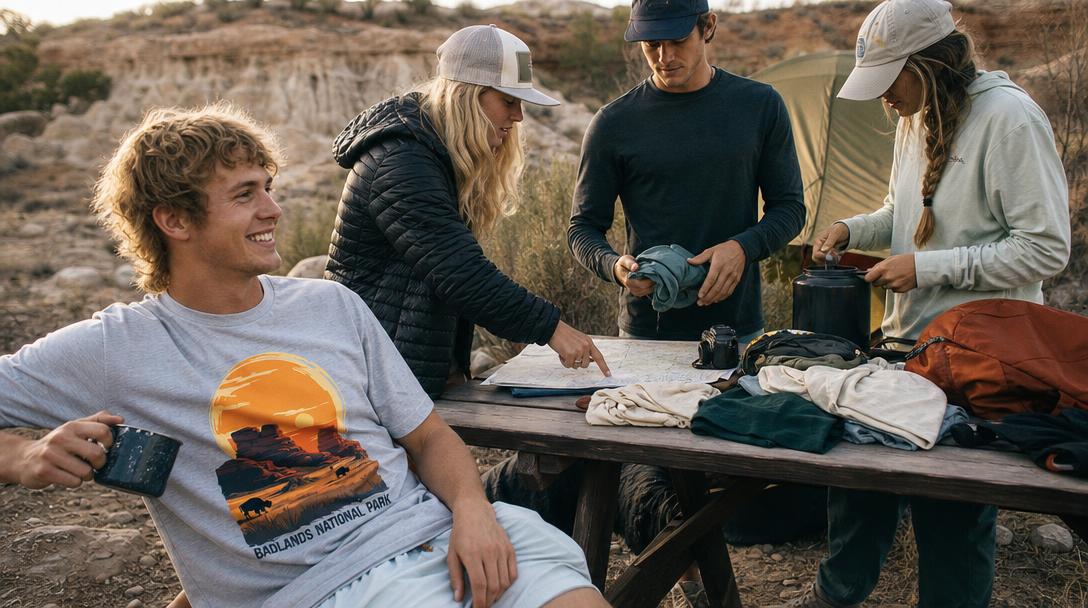
If you are wondering what shirt to wear backpacking, my default recommendation is simple: start with a lightweight long sleeve.
Short sleeves sound cooler, and sometimes they are fine for mellow day hikes. But backpacking is different. You are out longer, carrying more weight, moving through bigger temperature swings, and dealing with more sun, bugs, sweat, and abrasion. A good long sleeve backpacking shirt gives you more protection with fewer gear decisions.
On one four-day high desert trip, I wore a short-sleeve synthetic tee because I assumed less fabric meant more comfort. By day two, my forearms were cooked, my neck was raw, and I was reapplying sunscreen every couple of hours like it was my new trail hobby. My hiking partner wore a lightweight long-sleeve merino blend and looked annoyingly calm.
That trip converted me. In sustained direct sun, the best long sleeve shirt for backpacking in the sun can actually feel cooler than bare skin because it shields you from radiating UV while still letting air move. Add bug protection and better shoulder coverage under straps, and long sleeves become the more versatile choice for most trips.
What makes a great backpacking shirt?
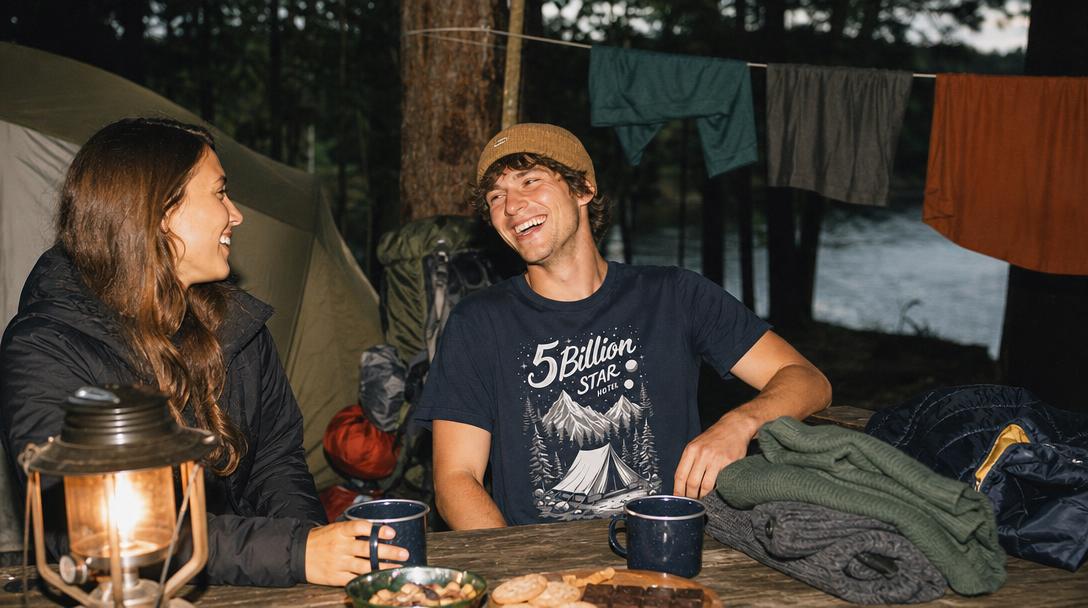
A good backpacking shirt has to do more than survive a quick sweaty workout. It has to be wearable for days, maybe with only a stream rinse and a sad little camp clothesline between you and civilization.
Here is what I care about most now, in order.
1. Comfort under backpack straps
This is the big one most gear roundups barely discuss. Shoulder straps, sternum straps, hip belts, and pack movement create friction for hours. If your shirt bunches, twists, or has seams sitting right on top of your shoulders, you will feel it.
Look for:
- Offset or dropped shoulder seams
- Flatlock stitching
- A regular fit, not skin-tight compression
- Enough torso length that it does not ride up
- No bulky chest pockets under sternum straps
I once bought a highly rated merino shirt with shoulder seams placed directly under my pack straps. By the end of day one, I had two irritated patches of skin and a deep emotional grudge against whoever designed it. Since then, seam placement has become non-negotiable.
2. Odor control over multiple days
A shirt that smells fine after one day is not the same as a shirt that smells fine after four. This is where merino wool and merino blends shine.
I have worn a merino blend for five days of hiking and still been socially acceptable at camp. That is not glamorous, but it is backpacking success. Straight polyester, on the other hand, can get sharp and sour by day three. Some synthetics hold onto odor even after washing, greeting you like an old acquaintance the next time you sweat.
3. Sun protection
UPF matters, but do not get hypnotized by the biggest number on the tag. UPF 30 blocks about 96% of UV radiation. UPF 50+ blocks a bit more, but the real-world difference is not always worth a major price jump.
For most backpackers, UPF 30+ is a smart minimum. For desert, snowfields, high alpine routes, or very exposed terrain, UPF 50+ is worth considering.
4. Drying speed and breathability
Drying speed still matters. It is just not the only thing that matters. A shirt that dries fast but stinks horribly is not automatically better. A shirt that breathes well but gets shredded under a pack is not a win either.
The sweet spot is a shirt that dries reasonably fast, does not cling when damp, vents heat, and holds up under shoulder strap friction.
Merino vs synthetic shirt for backpacking
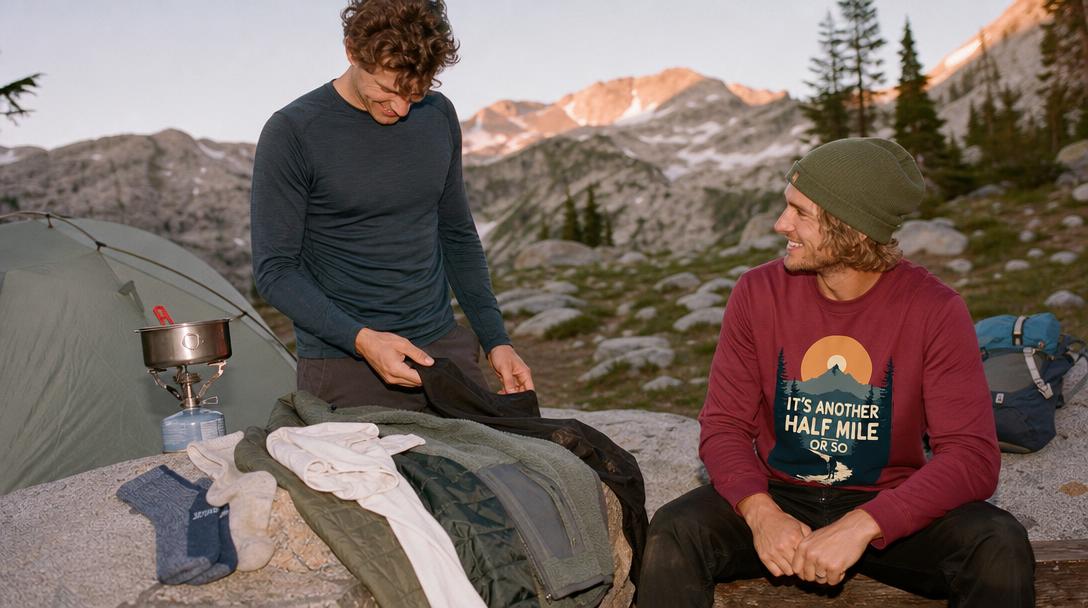
The merino vs synthetic shirt for backpacking debate gets weirdly intense, so here is the honest trail version.
Merino wool
Merino is the best option for odor control on multi-day trips. It also regulates temperature beautifully. I have worn merino in cool mornings, warm afternoons, and breezy alpine evenings without feeling like I needed to constantly change layers.
The downside is durability. Pure merino can pill, thin, or wear through faster under backpack straps, especially if you carry a heavier pack. If you want the best merino wool hiking shirt for actual backpacking, I would usually choose a merino blend over 100% merino.
Best for: multi-day odor control, alpine trips, shoulder seasons, variable temperatures.
Synthetic polyester
Polyester dries fast, wicks sweat well, and usually costs less than merino. It is great for high-output hiking, ultralight trips, and wet conditions where overnight drying matters.
The downside is odor. Some polyester shirts are better than others, especially with anti-odor treatments, but on day three or four, the smell can get real.
Best for: humid trips, ultralight backpacking, budget-friendly performance, frequent rinsing.
Nylon
Nylon is tough. It slides well under pack straps and can handle brush, rock, and repeated abrasion better than many fabrics. It is common in button-up hiking shirts because it adds durability and sun protection.
The downside is that nylon often does not manage moisture quite as comfortably as polyester or merino. It can feel a little clammy in high-output climbs.
Best for: rugged terrain, heavy packs, vented button-ups, desert routes.
Merino blends
This is where I land most often. A merino-polyester blend gives you a lot of merino's odor resistance with better durability and faster drying. Something around 65% merino and 35% polyester is my personal sweet spot for a best shirt for multi day backpacking trips.
Best for: most three-season backpacking, odor control, comfort, real-world durability.
Best hiking shirt for backpacking by trip type
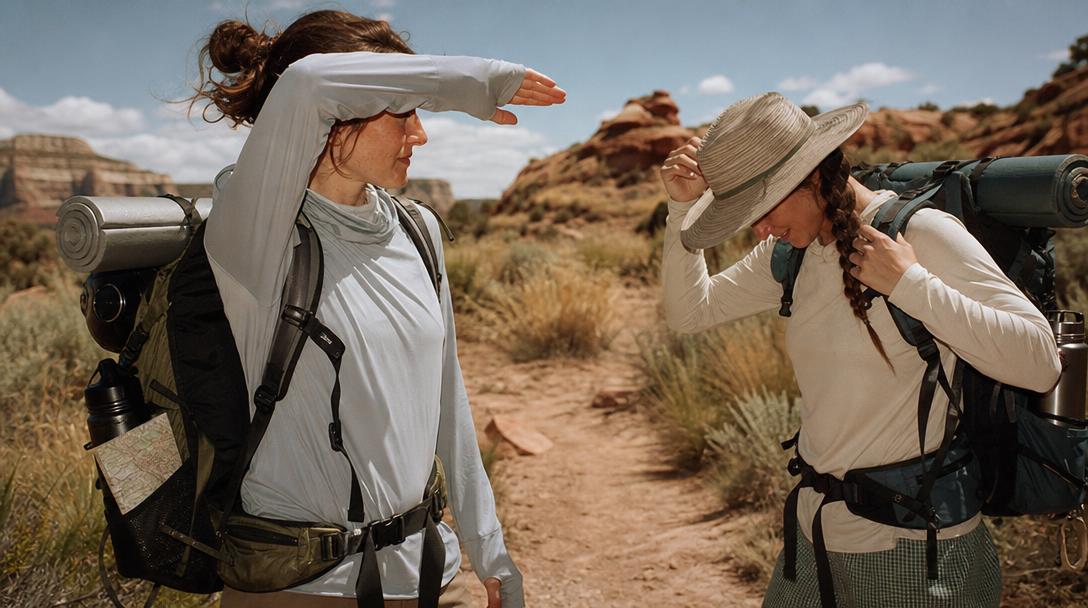
There is no one perfect shirt for every trail. The best hiking shirt for backpacking depends on climate, pack weight, trip length, and how much you sweat.
Hot desert hiking
Choose a lightweight long-sleeve sun shirt or sun hoodie with strong UPF coverage. This is where full coverage matters more than feeling breezy in a short sleeve. Look for a hood, thumb loops, light colors, and fabric that does not cling.
Best choice: UPF long-sleeve sun hoodie or sun shirt.
Hot and humid forest trails
The best backpacking shirt for hot weather in humid woods is often a vented synthetic or nylon button-up. A collar helps protect your neck, and roll-up sleeves let you adjust as conditions change. Being able to unbutton the front during a climb is underrated trail luxury.
Best choice: vented synthetic button-up long sleeve.
Alpine high-elevation trips
Go merino blend. High elevation means stronger UV, cold mornings, warm climbs, wind, and longer stretches without washing. Merino handles temperature swings and odor better than anything else in my kit.
Best choice: lightweight merino blend long sleeve.
Buggy conditions
Long sleeves are your friend. A collar helps protect your neck, and a sun hoodie can cover the back of your hands. Fabric is not a perfect bug shield, but physical coverage is far better than donating your forearms to mosquitoes.
Best choice: long sleeve with collar or hood.
Cold shoulder-season trips
Use merino as your base. A 150-200 gsm merino or merino blend long sleeve works well under a fleece, wind shirt, or rain shell. This is basically where the best long sleeve hiking shirt becomes part of your layering system.
Best choice: merino long sleeve base layer.
Ultralight thru-hiking
A lightweight synthetic long sleeve is hard to beat if every gram matters. It dries fast, packs small, and can be rinsed often. Just accept that odor control may require more maintenance.
Best choice: ultralight synthetic long sleeve.
Budget backpackers
You do not need a $150 shirt to start backpacking. A $35-$80 synthetic or merino-blend long sleeve can handle weekend trips and even longer hikes. Prioritize fit, seams, and UPF over fancy feature lists.
Best choice: affordable long-sleeve synthetic with flat seams and UPF 30+.
Why avoid cotton when hiking?
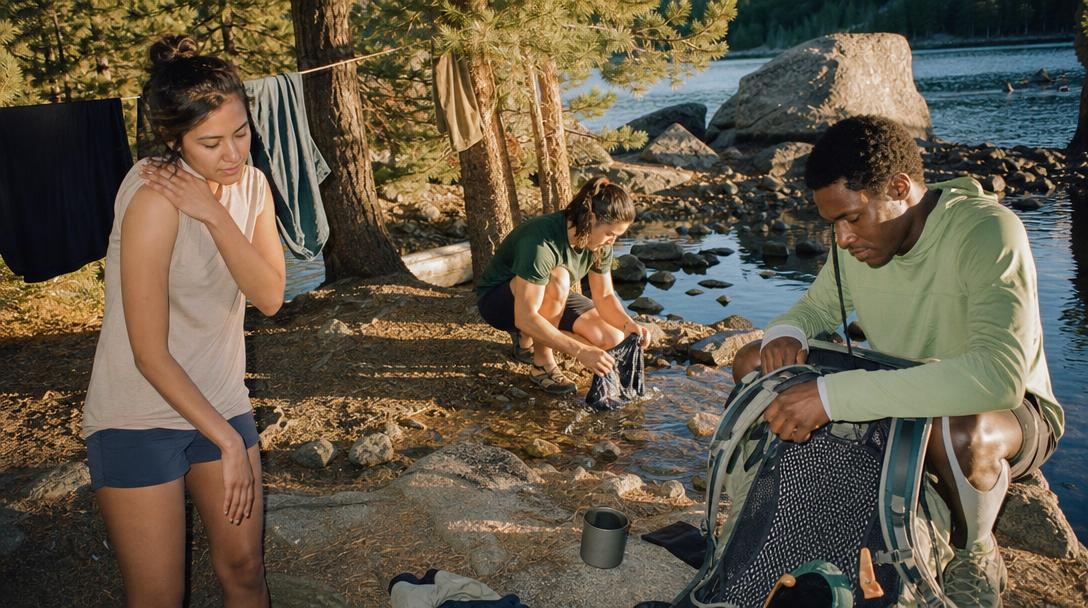
Cotton is comfortable around town, but it is a bad backpacking fabric because it absorbs moisture, dries slowly, gets heavy, and can chill you when temperatures drop.
I have made the cotton mistake. Twice. Once with a cotton flannel I convinced myself would be fine because it was just a quick trip. There is no such thing as a quick trip once sweat, rain, or a cold evening gets involved. Cotton stays wet, and wet cotton can pull heat away from your body fast.
That said, cotton and casual tees still have a place: road trips, campground hangs, brewery stops after the hike, and rest days where your biggest summit is the picnic table. If you want fun trail-adjacent style for those moments, Hike Tee has guides like Funny Hiking Shirts That Actually Work on the Trail and Find Your Ideal T Shirt for Trip. For campfire lounging rather than backpacking miles, something like the 5 Billion Star Hotel Shirt or Adventure Awaits Shirt fits the vibe without pretending to be technical gear.
Backpacking shirt rule: wear technical fabric on trail, save cotton for town and camp comfort.
My honest favorite setup
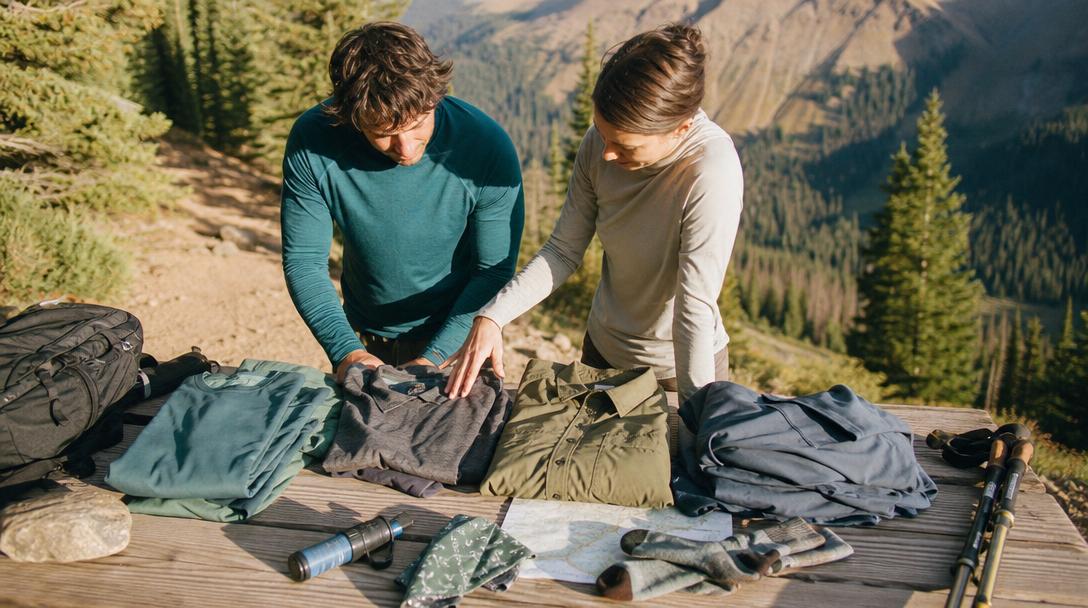
If I had to pick one backpacking shirt for most trips, I would choose a lightweight long-sleeve merino blend. It is not always the fastest drying and not always the toughest, but it offers the best balance of comfort, odor control, sun protection, and temperature regulation.
For desert trips, I lean more toward a sun hoodie. For humid forest trails, I like a vented button-up. For ultralight trips, synthetic makes sense. But for the average multi-day backpacking trip, merino blend long sleeve is the shirt I trust most.
The real secret is not chasing the most expensive shirt. It is choosing the shirt that still feels good on day four, when your snacks are weird, your socks are questionable, and someone says the campsite is just another half mile away.


