


Best Budget Hiking Shirts That Hold Up
Dominic PalmowskiKey Takeaways
- Go for cotton-polyester blends around 50/50 or close to it when you want comfort, faster drying, and affordability.
- Prioritize moisture-wicking, quick-dry fabrics with good airflow over brand names.
- Compare drying time, odor control, and durability — not just price. Test on short hikes first.
- Shop smart: off-season sales, bulk deals, and solid return policies save real money.
- Think long-term value. Support brands that give back to conservation when you can.
- Skip the duds: heavy cotton, flimsy stitching, and poor fit will ruin your day faster than a surprise rain shower.
Best budget-friendly hiking shirts don't have to sacrifice quality. The right ones keep you comfortable, hold up on rough trails, and leave your wallet intact. Many use lightweight, quick-dry fabric that wicks sweat and dries fast, while some add spandex for stretch or mesh panels for breathability.
Let's break down what actually matters.
Decoding Budget Hiking Shirts
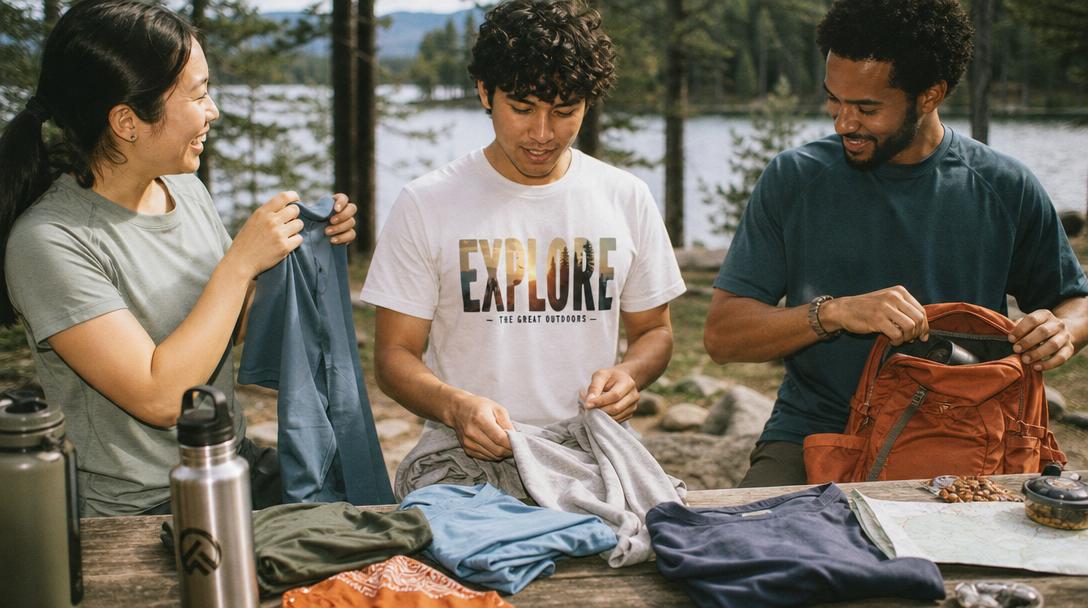
The best budget hiking shirt isn't about the logo on the tag — it's about whether the fabric and features match how and where you hike.
A cotton-poly blend around 50/50 or close to it hits the sweet spot for casual hikes, travel days, campground wear, and town-to-trail outfits. You get softness from cotton, plus faster drying and better shape retention from polyester. These blends look normal enough for town but dry faster than 100% cotton after a sweaty climb or quick hand-rinse. If you like that easy everyday feel, a graphic trail tee like the Eagle and Mountains Shirt can fit nicely into a casual hiking wardrobe.
High-cotton shirts? Sure, they're cheaper — but they absorb water like a sponge. On a cool ridge or in wet, windy conditions, clammy cotton can pull warmth from your body and increase your risk of getting dangerously chilled. Pure cotton also gets heavy when wet and takes forever to dry. Think town shirt, short dry walk, or camp layer — not your main trail workhorse.
Synthetic shirts like polyester or polyester-spandex blends are usually the most budget-friendly technical option. They dry fast, hold their shape, and handle pack straps without much complaint. Cheaper synthetics can get scratchy or smell after a day or two, but a freshwater rinse and overnight hang often helps. For a deeper breakdown, check out this cotton vs synthetic hiking shirts guide.
Some brands use recycled polyester or Fair Trade Certified production, so you can factor in ethics without a huge price spike.
What to look for:
- Fabric: synthetic or cotton-poly blend, with low cotton content for serious hikes
- Breathability: mesh zones or looser weave in high-heat areas
- Drying speed: dries fully overnight after a rinse
- Fit: room for movement, not so loose it snags
- Sun protection: aim for UPF 50+ on exposed trails; UPF 30 is the minimum acceptable floor
- Construction: flat seams where pack straps sit, no harsh tags
Performance Versus Price
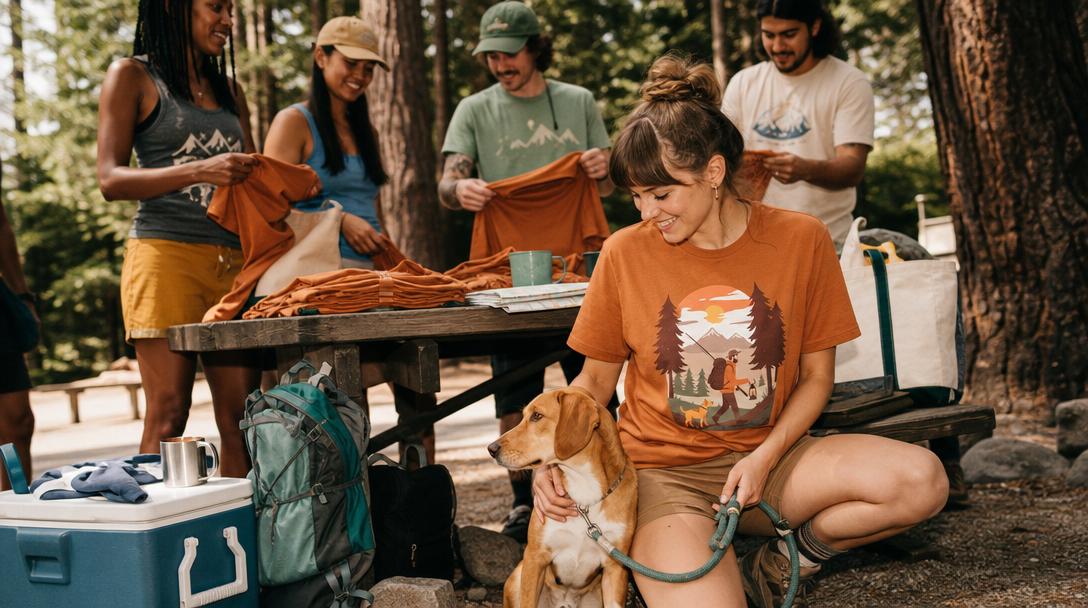
Price matters, but the real test is how a shirt performs when you sweat, move, and repeat — week after week.
Budget 100% polyester shirts often dry fast and feel light on warm day hikes. The trade-off? Some trap odor, feel plasticky, and pill after a season. A mid-priced heather blend dries slower than pure synthetic but faster than cotton, feels softer, and holds its shape better.
Natural fibers like merino or TENCEL push the price up, but they breathe well, wick efficiently, and resist odor far longer — meaning more days of wear with less washing.
Don't underestimate durability either. A shirt that holds its fit and color after dozens of washes beats a cheap tee that twists, shrinks, or fades after three. Pre-shrunk, ring-spun, or well-knit polyester all help here.
My tip: test your new shirt on a 5–10 km trail with a pack, in sun and shade. Notice how it dries at rest stops, whether seams rub under straps, and how it smells by day's end. If it passes, take it on a weekend trip before trusting it on anything longer. If weight is your biggest concern, this guide to lightweight hiking shirts will help you avoid shirts that are too flimsy to last.
Smart Shopping Strategies
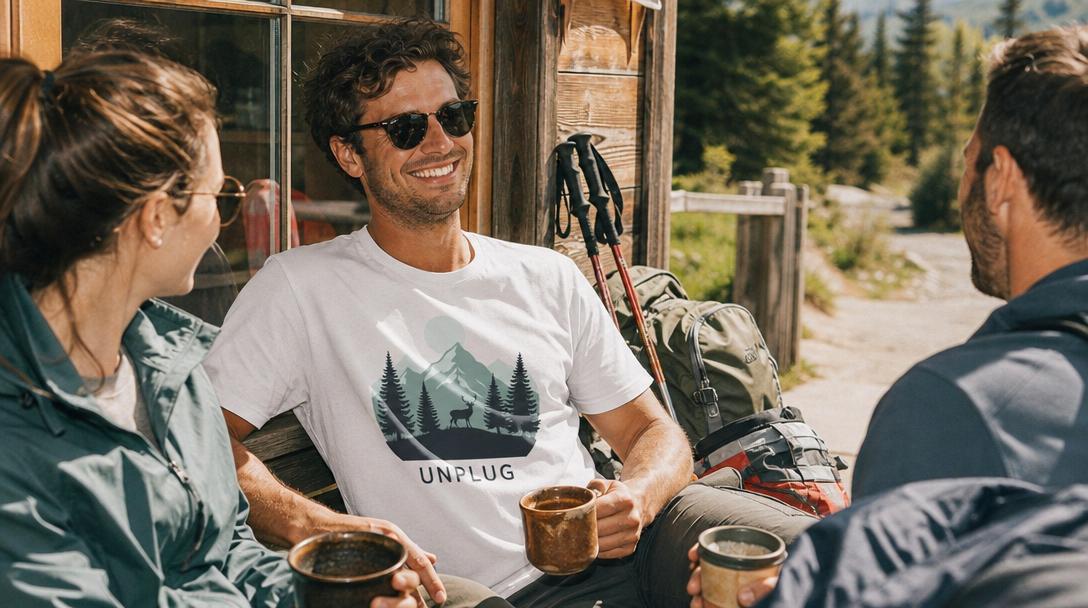
Timing is everything. Off-season sales are the simplest way to save — retailers discount warm-weather shirts in colder months and vice versa. Great time to grab extras like gloves or rain mitts too.
Buy in groups to lower the per-shirt cost. Hiking clubs, family trips, or group gift orders can unlock bulk pricing on quality tees. For casual trail groups or weekend campers, a fun cotton-blend tee like the Explore Shirt can be an easy budget-friendly pick.
Online shopping? Pick brands with at least 30-day returns, clear size charts, and easy exchanges. That makes experimenting with new fabrics much less risky.
Quick checklist: define your use — day hikes, thru-hikes, travel — pick fabric, check UPF, test fit, compare weight and pack size, confirm care needs, read durability-focused reviews, and compare prices across three sellers.
Prefer shirts that layer well under a mid-layer or rain shell. One versatile item cuts the need for extra gear.
For printed casual hiking shirts, choose DTG or quality screen printing — they last longer without creating stiff, sweat-trapping patches under pack straps. If you're packing for a dog-friendly camp weekend or easy trail day, the Happy Hour Hiking With A Dog Shirt fits that laid-back graphic tee lane.
The Unseen Value Proposition
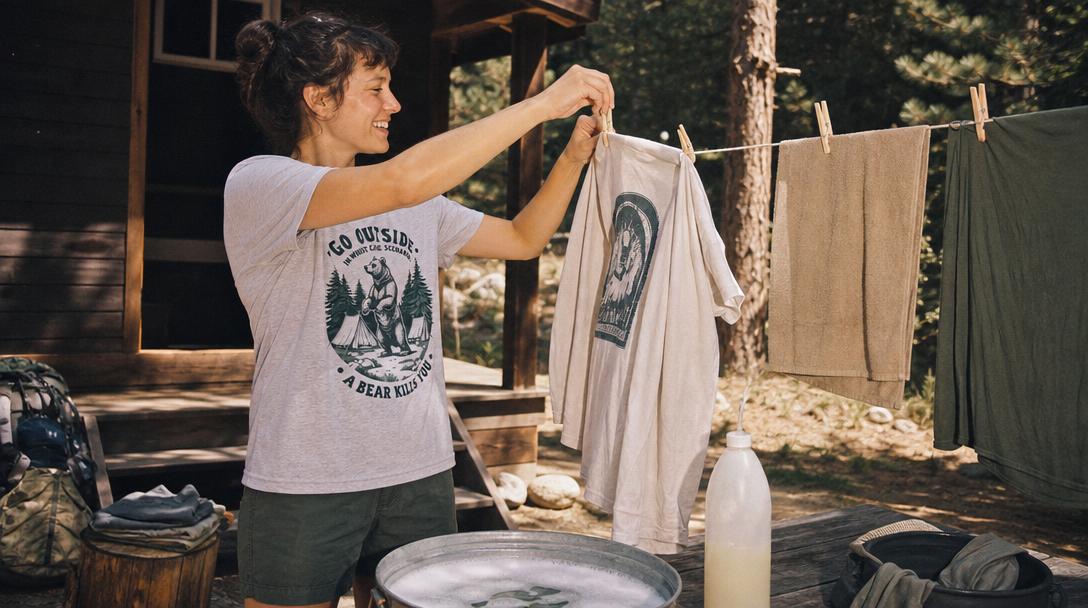
The real value in a "budget" hiking shirt is how many times you wear it and how long it lasts — not how low the price tag goes.
A good hiking shirt earns its keep when it handles persistent heat, lies flat under a hip belt without chafing, fights stink, and still looks decent after multiple washes. Cheap shirts break down here: seams chafe, fabric pills, fit warps. A higher-value shirt — even at a modest price — holds shape, dries fast after a river crossing, and stays comfortable for months.
Odor control is huge. Some shirts stink after one sweaty day; others hold up for days, which is a game-changer on backpacking trips. Merino and TENCEL blends breathe better, resist odor longer, and work across a wider temperature range.
Heather shades and blended fibers conceal sweat marks, dry faster than heavy cotton, and wear less under your pack. For casual hikes, road trips, and post-trail coffee stops, the Unplug Shirt gives you that outdoorsy graphic tee look without overthinking it. If you're planning to hit national park trails, a shirt that performs across different environments is worth the investment.
Common Budget Pitfalls
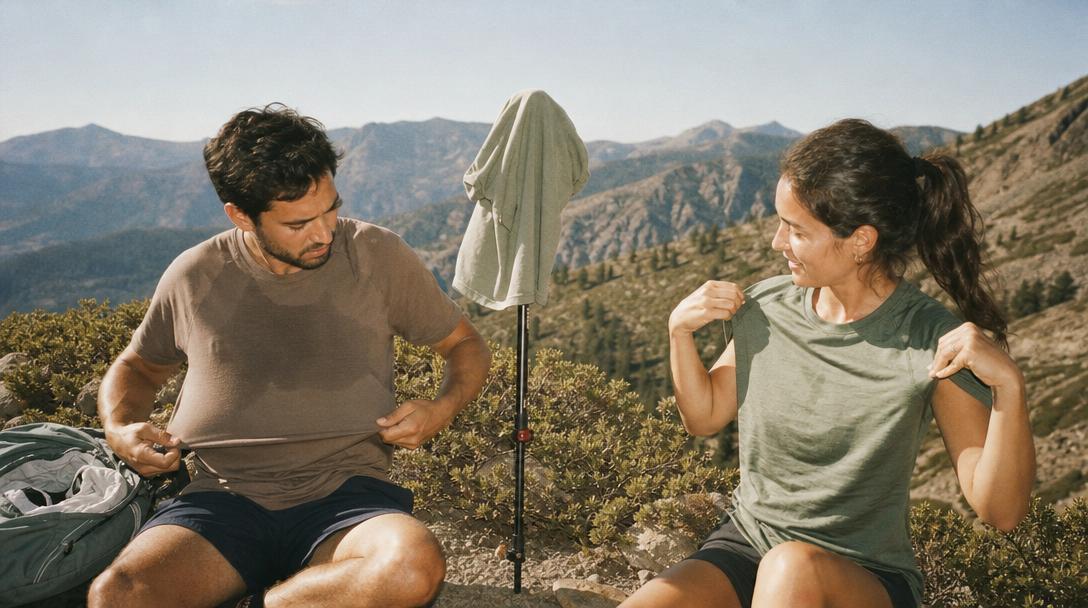
The biggest trap: 95–100% cotton. It feels soft in the store, but it performs poorly once you sweat. Cotton absorbs water, dries slowly, chills you in wind, and chafes when wet. For hikes over 2–3 hours or in variable weather, a quick-dry synthetic or light merino blend is the smarter call. If water crossings, kayaking, or humid trails are on the agenda, compare options in this guide to quick-dry hiking shirts for water trips.
Cheap shirts also skimp on build. Thin seams twist, necklines stretch, prints crack. A shirt that pills after two hikes isn't cheap if you're replacing it twice a season. Inspect stitch density, pull gently on high-stress points like shoulders, and read long-term reviews.
Fit matters more than you think. A shirt that tugs across the shoulders or has seams under pack straps turns a day hike into a chafing nightmare. Too tight limits scrambling; too loose snags on branches. Check size charts, look for dropped hems, and test mobility before buying.
Avoid:
- 95–100% cotton for anything beyond short, dry walks
- UPF under 30 for exposed sun, and choose UPF 50+ when possible
- Sheer fabric that catches with a light pull
- Thick seams sitting under pack straps
- Shirts that fit fine standing still but restrict movement
Extend Your Shirt's Life
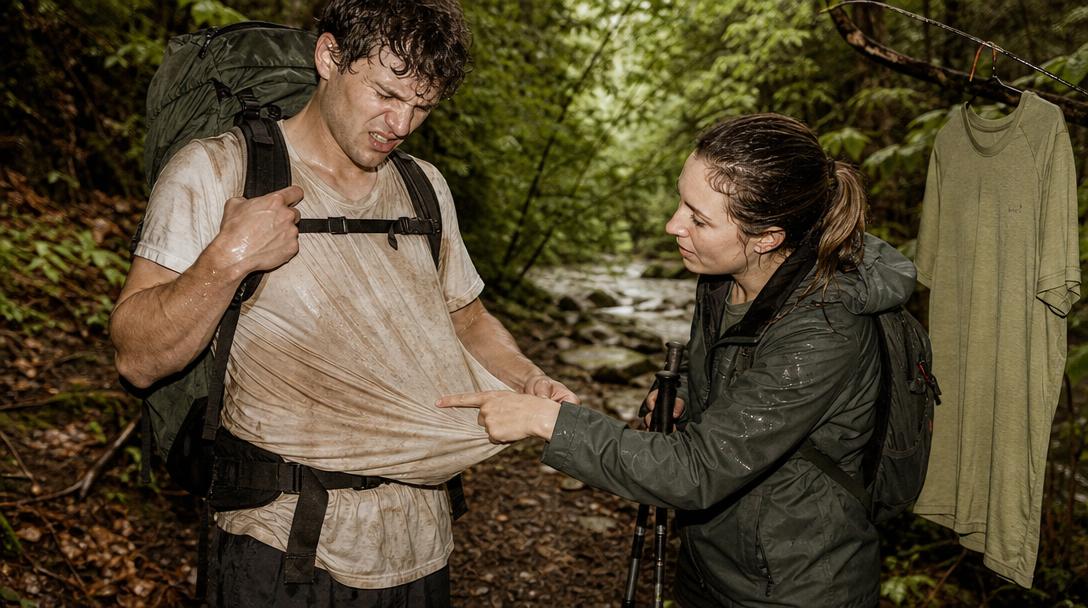
A few simple habits beat any brand name for longevity.
1. Follow the care label. Most poly blends perform best at 30–40°C. Turn shirts inside out to preserve prints and UPF finish. Skip bleach entirely — it degrades synthetics and natural fibers alike.
2. Wash less, wash gently. Use mild detergent, a short cycle, and low spin. On multi-day trips with merino or merino-TENCEL blends, you can often go several days between washes because these fabrics resist odor and tend to soften with age.
3. Dry with care. High dryer heat kills shirts fast. Tumble dry low or hang dry. Rotate between two or three shirts on frequent trips so no single one takes all the wear. For printed tees, this how to wash graphic tees guide is worth bookmarking.
If you're building a reliable trail wardrobe and want age-appropriate gear advice, our hiking after 50 guide covers comfort and durability-focused choices.
Conclusion
Cheap doesn't have to mean cheaply made. A quality budget hiking shirt breathes, dries fast, and feels great on skin — it just takes smart choices, not magic.
Fabric first. Then seams, fit, stretch, and sun protection. Read a few real reviews. A budget shirt that lasts three seasons beats a flash-sale shirt that rips on the first trek.
Ready to test one out? Grab a shirt, hit a hidden gem trail near you, and let the path be your judge. Or if you want a tee that shows off your love for the outdoors, check out the Yosemite National Park collection — trail-ready designs worth wearing.
Frequently Asked Questions
How do I choose a budget hiking shirt that still performs well?
Look for moisture-wicking fabric, quick-dry performance, reliable stitching, and flat seams. Read reviews about comfort and durability. A basic, proven design often beats bargain "technical" shirts stuffed with marketing hype.
Are cotton shirts okay for budget hiking?
Pure cotton is okay for short, dry walks or casual camp wear, but not for longer hikes or variable weather. It traps sweat, dries slowly, and can chill you. Polyester or polyester blends dry faster, manage sweat better, and often cost just as little.
What fabric should I look for?
Polyester or polyester-spandex blends are the most common budget pick — fast-drying, moisture-wicking, and stretchy enough. For casual use, a 50/50 cotton-poly blend or close to it can be comfortable and versatile. If budget allows, blends with merino wool add excellent odor resistance.
How can I spot poor-quality budget hiking shirts?
Check stitching and seams. Loose threads, uneven hems, see-through fabric, or stiff prints are red flags. If it feels heavy when wet or rough after one wash, skip it.
Do I really need sun protection in a hiking shirt?
Yes — especially on exposed trails. Aim for UPF 50+ when possible; UPF 30 is the minimum acceptable floor. No rating? Go for tightly woven, long-sleeve styles in lighter colors.
How can I make a cheap hiking shirt last longer?
Use cold water, mild detergent, and no fabric softeners. Air dry or tumble dry low instead of using high heat. Rotate shirts and store them completely dry.
Are discount or outlet hiking shirts worth it?
Usually, yes. Outlets often carry last season's styles from quality brands at lower prices. Always check fabric specs and reviews — don't judge by discount alone.


