


Are Expensive Hiking Shirts Worth It? Brand Comparison Guide
Dominic PalmowskiThe Short Answer: Are Expensive Hiking Shirts Worth It?
Expensive hiking shirts are worth it if you care about odor control, seam comfort under a backpack, durability after repeated use, sun protection, and multi-day performance.
They are probably not worth it if you mostly do short day hikes, hike in mild weather, rotate shirts often, or already own decent running shirts that fit well and dry quickly.
Here is the simplest way I think about it:
- Day hike under 3 hours? A cheap running shirt can be totally fine.
- Hot exposed trail? A good sun hoodie may be worth every penny.
- Multi-day backpacking trip? Pay attention to odor control and seams.
- Humid summer hiking? Breathability matters, but not all expensive shirts are magic.
- Heavy pack use? Avoid fragile ultralight merino unless it is blended or reinforced.
If you are still learning the basics of trail clothing, I’d also recommend reading my broader guide on how to pick the best shirts for hiking before spending premium money.
What I Personally Tested
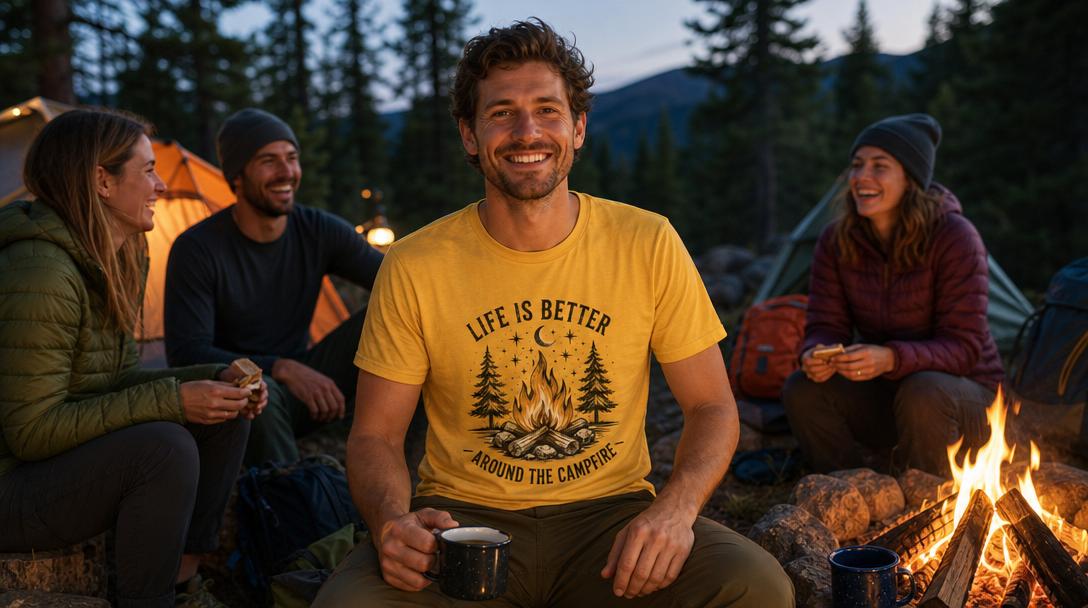
My testing was not done with a clipboard and a rating system. It happened the way most real-world gear testing happens: I wore shirts on actual hikes, sweated through them, washed them, packed them, slept near them, regretted a few choices, and slowly figured out what mattered.
The main premium shirts I have personally used include:
- Patagonia Capilene Cool Daily Long-Sleeve
- Ridge Merino Pursuit Hoodie
- Backcountry Hybrid Sun Hoodie
- An unnamed premium merino hoodie that looked great at first and disappointed me later
I compared those against:
- Cheap discount-brand running shirts under $20
- Fishing-style sun shirts bought on sale
- Budget Amazon synthetic tees
- Regular casual shirts that had no business being on a sweaty trail
And that last category matters. If you are wondering why cotton and casual shirts can be a bad idea on trail, I have separate guides on whether cotton shirts are good for hiking and why cotton can be bad for hiking.
Brand Comparison: What I Noticed on Real Trails
| Shirt / Category | Best For | What Worked | What Did Not | Worth It? |
|---|---|---|---|---|
| Patagonia Capilene Cool Daily Long-Sleeve | Humid hikes, backpacking, general use | Lightweight, dries fast, better odor control than cheap synthetics | Thin fabric may not feel substantial to everyone | Yes, especially for repeat hikers |
| Ridge Merino Pursuit Hoodie | Shoulder-season hikes, temperature swings | Great comfort, odor control, handles cold mornings and warmer afternoons well | Merino blends still need some care | Yes, if you value comfort and odor resistance |
| Backcountry Hybrid Sun Hoodie | Exposed ridges, sunny hikes, desert-style conditions | Excellent coverage, good sun protection feel, did not feel like a greenhouse | Less necessary for shaded forest hikes | Yes, if sun exposure is a major issue |
| Cheap Running Shirt Under $20 | Short day hikes, budget hikers | Dries fast, lightweight, affordable | Odor builds quickly, seams and fit vary | Often yes for casual day hikes |
| Fishing-Style Sun Shirt | Hot exposed hikes, bug and sun coverage | Surprisingly useful, venting and collar help | Can feel boxy, less athletic fit | Yes on sale |
| Amazon Synthetic Tee | Backup shirt, beginner use | Cheap, dries fast | Smelled awful after hard effort | Only if budget is the main priority |
| Premium Ultralight Merino Hoodie | Low-output trips, casual trail wear | Soft, warm, odor-resistant at first | Poor abrasion resistance under pack straps | Not always |
The big lesson: price alone does not tell you if a hiking shirt is good. Design, fabric blend, seams, durability, and how you actually hike matter more.
Patagonia Capilene Cool Daily: The Shirt That Won Me Over Slowly
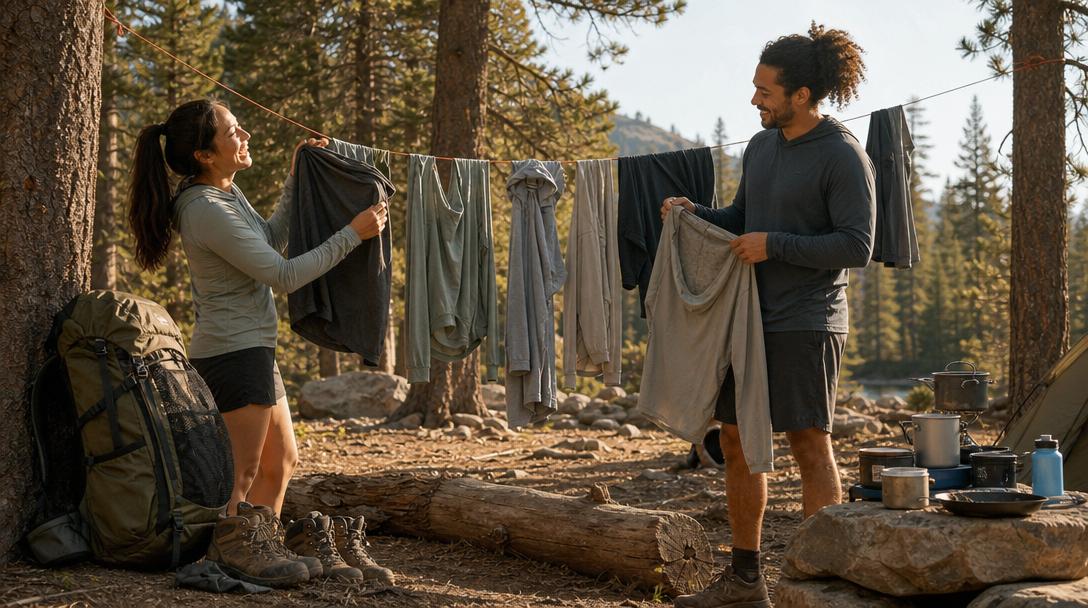
The Patagonia Capilene Cool Daily long-sleeve is one of those shirts I wanted to be skeptical about. It is thin. It looks simple. On a hanger, it does not scream “this is worth premium money.”
Then I wore it on humid summer hikes in the Southeast, where the air feels like warm soup and every climb turns into a full-body sprinkler system.
That is where it started making sense.
It moved moisture off my skin better than I expected, and it dried quickly enough that I did not feel trapped in a wet rag for the rest of the hike. But the bigger surprise came on a four-day backpacking trip where I packed two shirts: the Capilene and a cheap synthetic backup.
By day two, the cheap synthetic had entered biological hazard territory. I am not being dramatic. It was the kind of smell that makes you quietly apologize to your hiking partner without making direct eye contact.
The Capilene still smelled like a shirt a normal person might wear in public.
That trip changed how I think about odor control. It is not just marketing. On multi-day trips, it is a quality-of-life issue. You are eating dinner near people. You may be sharing a tent. You may be washing clothes in a creek and hoping for the best. A shirt that resists funk is not a luxury at that point — it is trail diplomacy.
My verdict: The Patagonia Capilene Cool Daily is worth it if you hike frequently, backpack, or want one shirt that works across a lot of conditions.
Ridge Merino Pursuit Hoodie: The Shoulder-Season Sweet Spot

The Ridge Merino Pursuit Hoodie impressed me most during shoulder-season trips — those annoying but beautiful hikes where the morning starts cold enough for numb fingers and the afternoon makes you question every clothing decision you made at the trailhead.
At around the $99 price point, it is not cheap. But it handled temperature swings better than most synthetics I have tried.
Merino’s big advantage is not that it magically keeps you dry forever. It does not. If you sweat hard enough, you will still get damp. The advantage is that merino tends to feel more comfortable across changing temperatures, and it handles odor better than standard synthetic shirts.
For shoulder-season hiking, that matters. You can start cool, warm up, sweat a little, stop for lunch, cool back down, and not feel like your shirt is actively working against you.
That said, I am cautious with merino now. I have learned the hard way that not all merino shirts are built for backpack straps, especially ultralight pure merino pieces.
My verdict: Worth it if you want comfort, odor control, and versatility in variable weather. For layering decisions, pair this thinking with my guide on what to wear hiking in cold weather and the 3-layer rule.
Backcountry Hybrid Sun Hoodie: When the Sun Is the Real Enemy

The Backcountry Hybrid Sun Hoodie made the most sense on exposed ridge walks where sun was the main problem, not sweat.
There is something reassuring about having your arms, neck, and head covered without constantly reapplying sunscreen every time the trail opens up. A good sun hoodie is not just about comfort — it can reduce how much mental energy you spend managing exposure.
What I liked about the Backcountry Hybrid Sun Hoodie was that it gave real coverage without making me feel like I was hiking inside a greenhouse. Some sun shirts trap heat in a way that sounds good on paper and feels miserable in practice. This one felt more balanced.
Would I wear it for every hike? No. If I am deep in shaded forest, I may not need that much coverage. But on exposed trails, high ridges, open balds, desert routes, lake loops, or long summer days, a quality sun hoodie earns its place fast.
If hot-weather hiking is your main concern, I have a deeper breakdown here: Best Hiking Shirts for Hot Weather: Sun Shirts, Breathable, and UPF Protection.
My verdict: Worth it if you hike in exposed sun often. Less essential if most of your trails are shaded.
Cheap Running Shirts: Better Than Gear Snobs Admit
Some of my most memorable hikes happened in cheap running shirts from discount athletic brands. I am talking less than $20, maybe bought on a random sale rack, no fancy trail branding, no dramatic hang tag.
And honestly? They worked pretty well.
A good cheap running shirt can be lightweight, stretchy, breathable, and quick-drying. For a short day hike, that may be all you need.
This is where I think hikers can waste money. If you are doing local trails for a couple of hours and going home to shower afterward, you probably do not need a $90 technical hiking shirt. You need something that is not cotton, does not chafe, and dries reasonably fast.
Where cheap running shirts start to fall apart is repeated use and odor. A $25 running shirt and a $90 hiking shirt may both dry quickly, but the $90 shirt is less likely to make your hiking partner take three steps back when you pull off your pack.
My verdict: Great for budget hikers and short day hikes. Not my first choice for multi-day backpacking.
Fishing-Style Sun Shirts: The Underrated Budget Option

I spent a full summer rotating through fishing-style sun shirts I bought on sale — the kind with collars, vents, and a look that says you might be headed to a dock in Florida.
They surprised me.
For exposed day hikes, they handled sun protection well. The collar helped. The vents helped. The looser fit made airflow easier. They were not always the most athletic-feeling shirts, and they did not look as clean as a modern sun hoodie, but they worked.
If you are hiking in hot, sunny areas and want coverage without paying premium sun hoodie prices, discounted fishing shirts are worth considering.
My verdict: Not trendy, but practical. Excellent value when found on sale.
My Buying Advice by Hiker Type
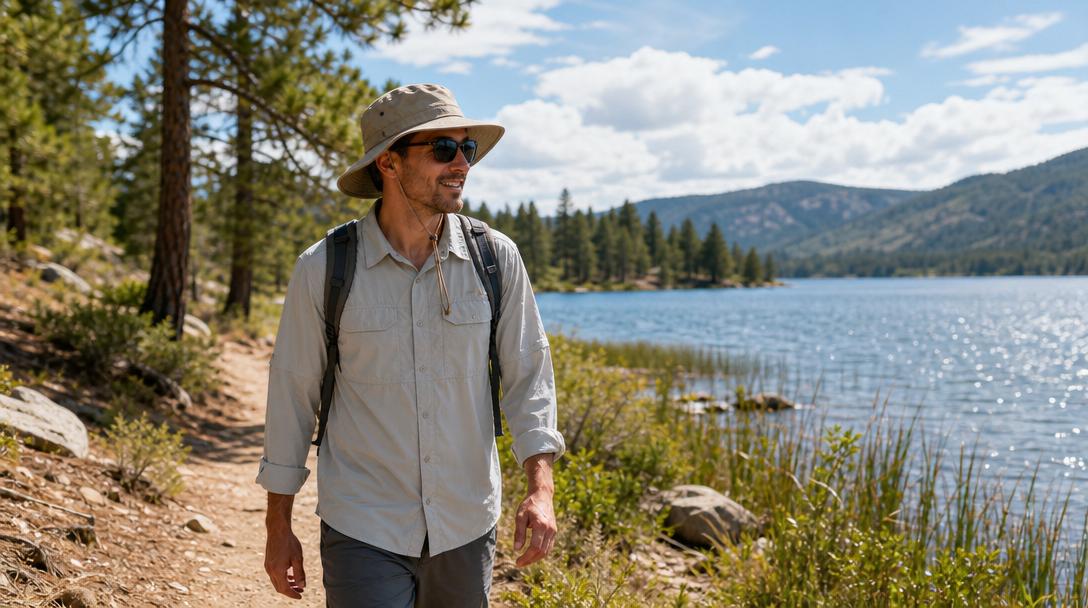
If You Are a Casual Day Hiker
Do not overthink it. A decent synthetic running shirt is probably fine. Spend your money on shoes, socks, water capacity, and safety basics first. My ultimate hiking packing list is a better place to start than a $100 shirt if you are still building your kit.
If You Hike in Hot Weather
Look at sun hoodies, lightweight long sleeves, and UPF-rated shirts. A premium sun shirt can be worth it if you are regularly exposed. See my guide to the best hiking shirts for hot weather for more detail.
If You Backpack
Spend more carefully, but do spend where it counts. Odor control, seam placement, and durability matter. I would rather have one excellent shirt than three cheap shirts that all smell terrible by the second day.
If You Sweat a Lot
Prioritize quick drying and odor control. Merino blends and better-treated synthetics are worth considering. Avoid heavy cotton and thick casual tees.
If You Wear a Heavy Pack
Be careful with delicate merino. Look for blended fabrics, reinforced panels, or proven synthetic designs. Pack abrasion is real.
If You Want a Camp Shirt
This is where I relax the performance rules. Around camp, comfort and personality count. A fun outdoor tee like the One More Mile Shirt or the Life is Better Around the Campfire Shirt is not trying to be a technical base layer — and that is fine. Just know the difference between a camp shirt and a sweat-management hiking shirt.


